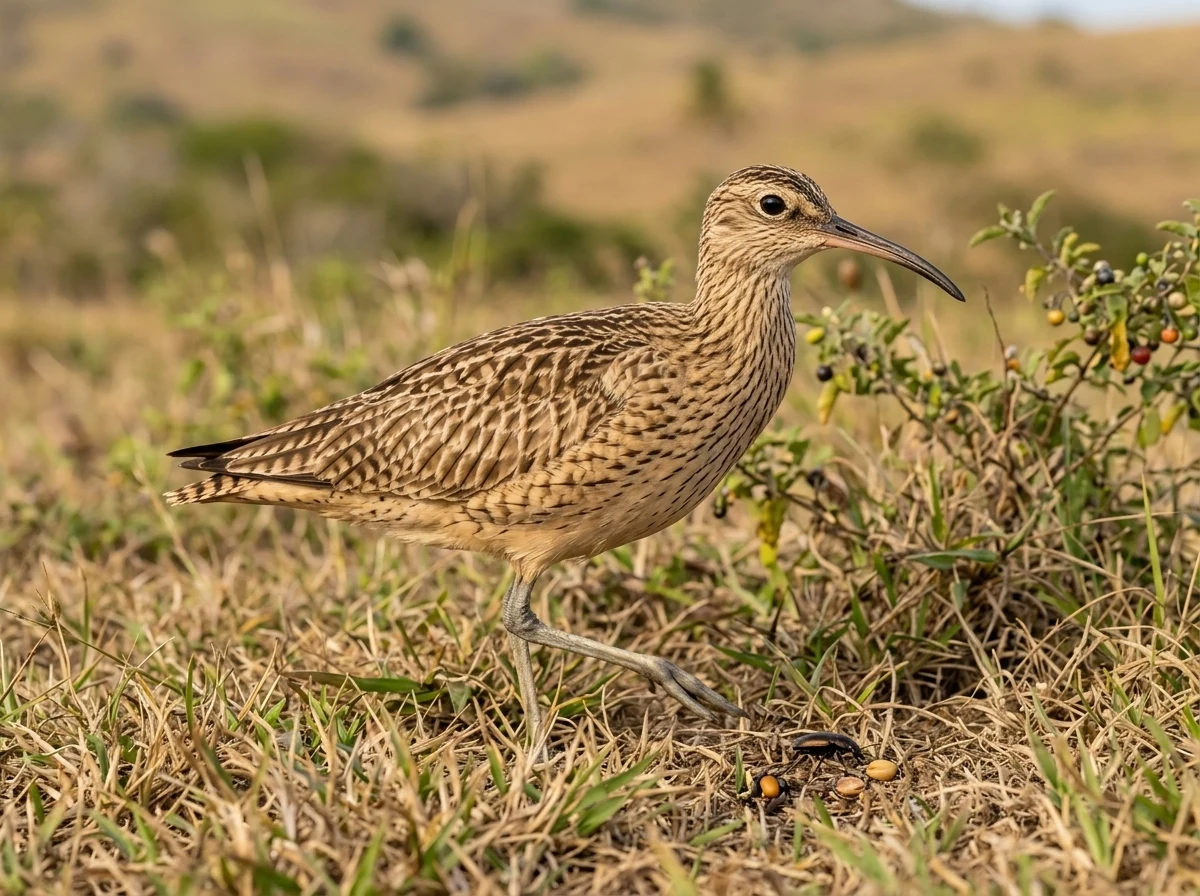
 AI
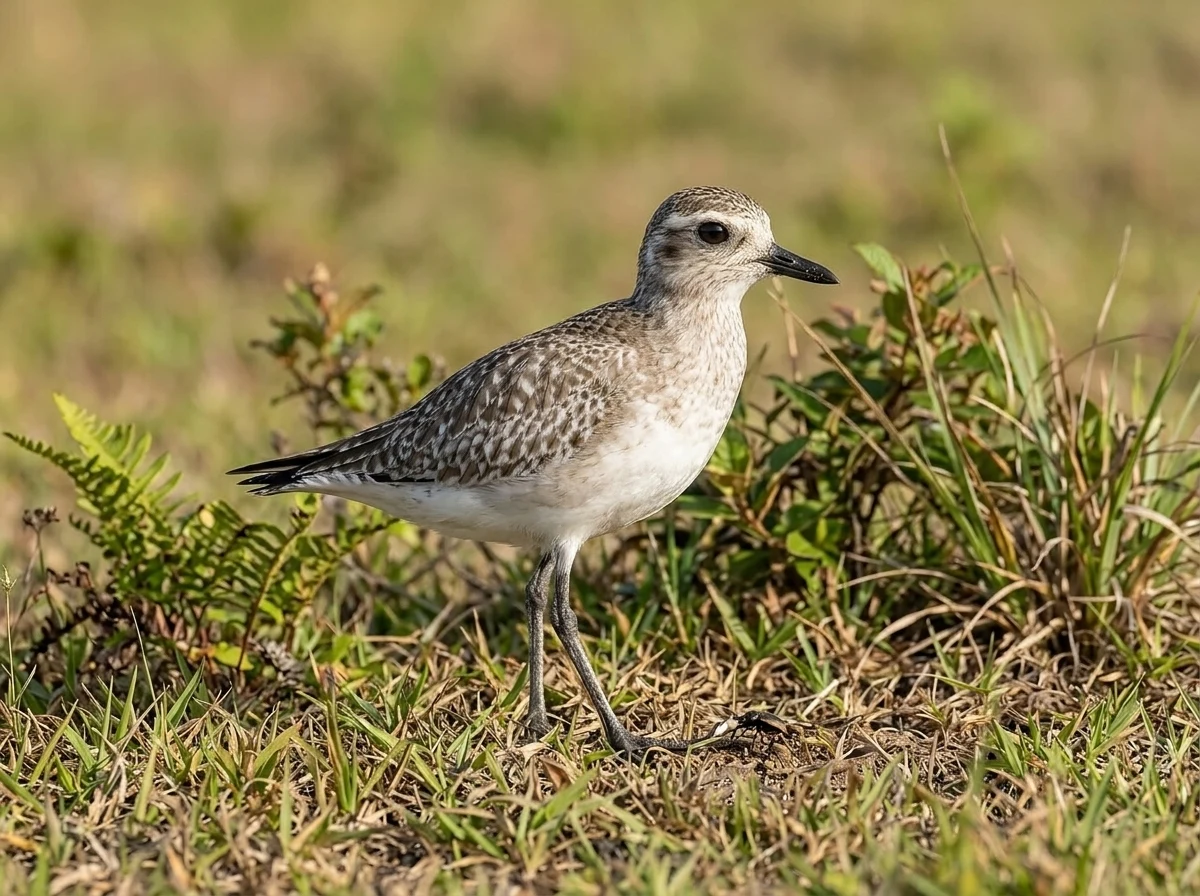
AIAI reconstruction created with Nano Banana 2 · 1K, grounded in the profile’s documented taxonomy, habitat, natural-history sources, and an open-license visual reference when available. It is an interpretive image, not documentary evidence. Image policy →

Eskimo Curlew
Zarapito Esquimal
Numenius borealis
The Eskimo curlew (Numenius borealis), also known as northern curlew, is a species of curlew in the family Scolopacidae. It was one of the most numerous shorebirds in the tundra of western Arctic Canada and Alaska. Thousands of birds were then killed per year in the late 1800s. As there has not been a reliable sighting since 1987 or a confirmed sighting since 1963, the Eskimo curlew is considered Critically Endangered or possibly extinct. The bird is about 30 cm (12 in) long and feeds mostly on insects and berries.
Island profile
About the Eskimo Curlew
This atlas includes Eskimo Curlew (Numenius borealis) with atlas status “Accidental / vagrant” within scope “Avibase inferred core 380.” Global trait data associate it primarily with grassland; consult the linked records to resolve its Puerto Rico habitat use.
Conservation
Critically Endangered
IUCN CR
- Global IUCN
- CR
- Puerto Rico DNER
- No current listing in source crosswalk
- Federal ESA
- E
- Critical habitat
- Not identified in source crosswalk
Natural history
How it lives
- Habitat
- grasslands
- Elevation
- 0–350 m
- Nest
- Scrape · Ground
- Clutch
- 3–4 eggs
- Social behavior
- Social / flocking
Keep exploring
This bird belongs to 8 paths through the atlas.
Related in the atlas
Where to fly next
Connected by taxonomy, habitat, occurrence, and conservation.
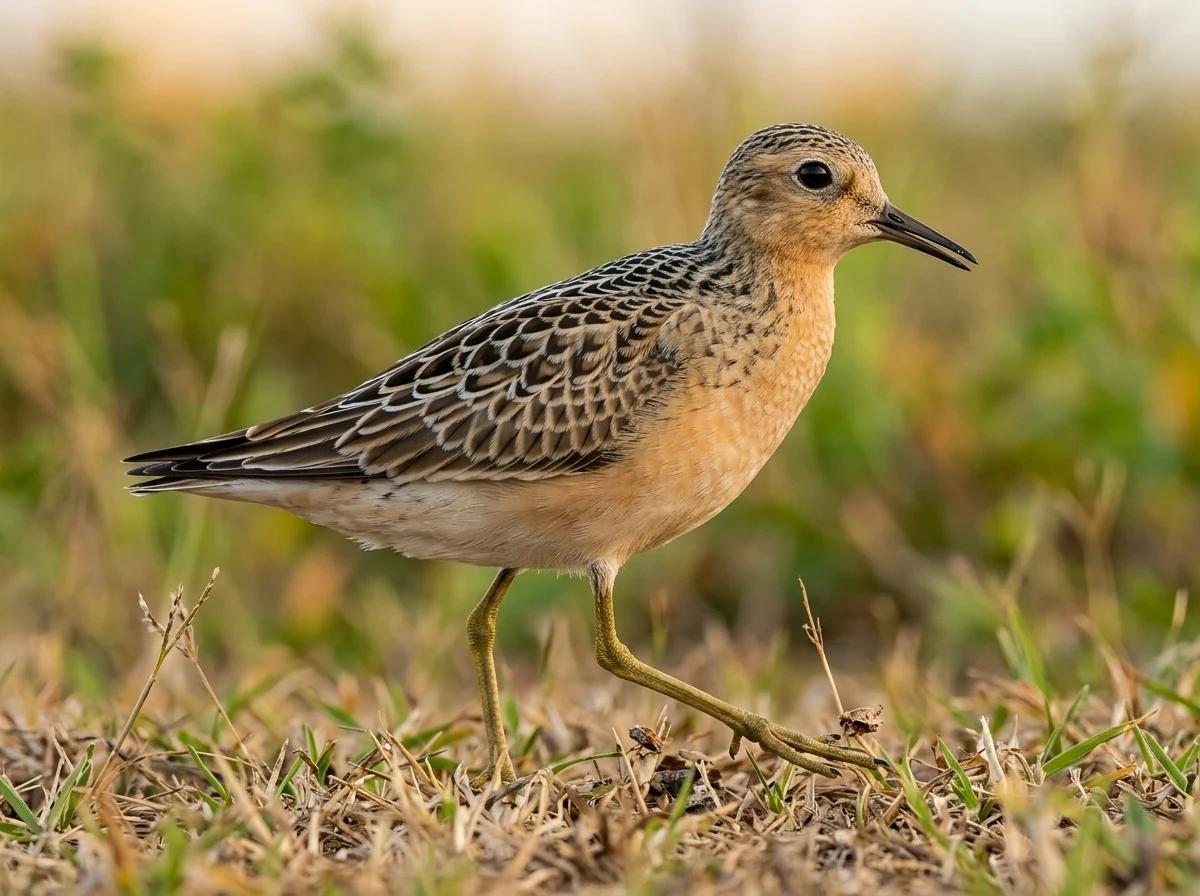 AI
AI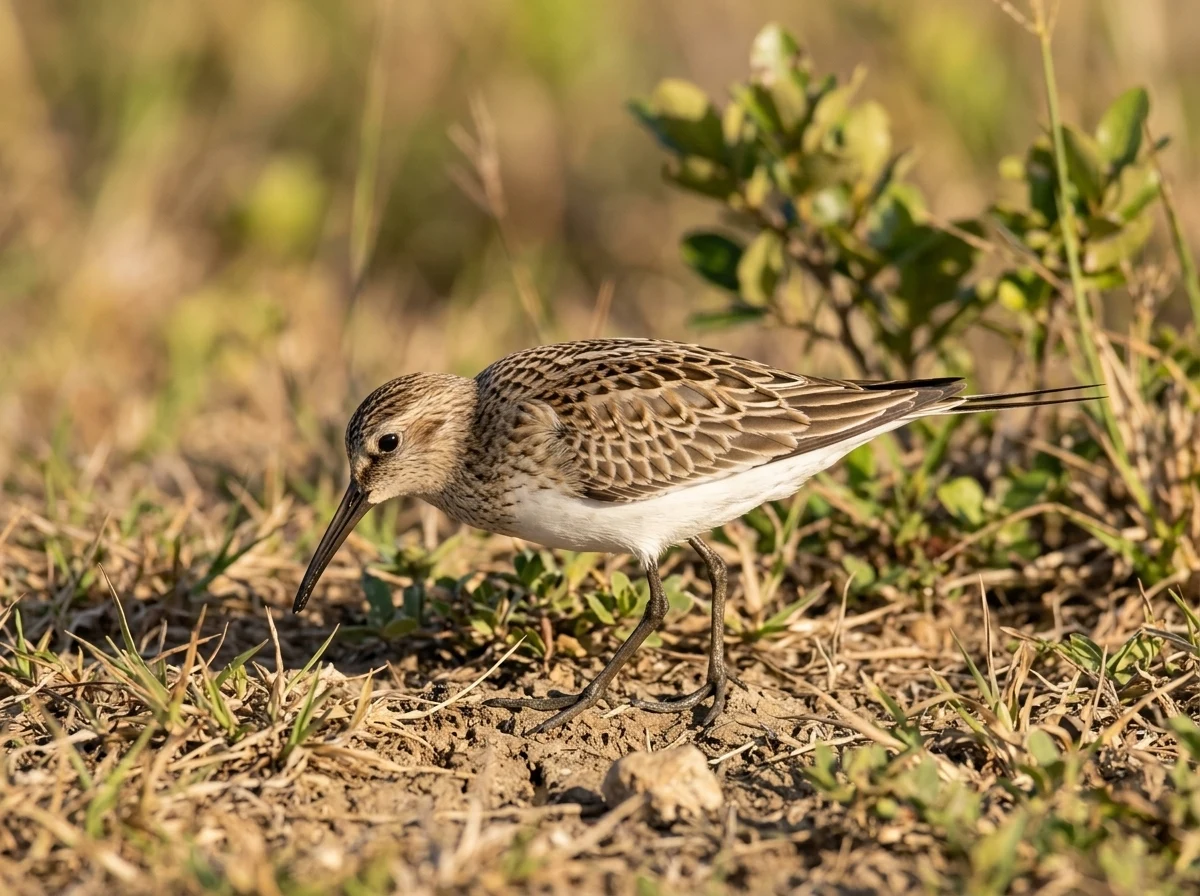 AI
AI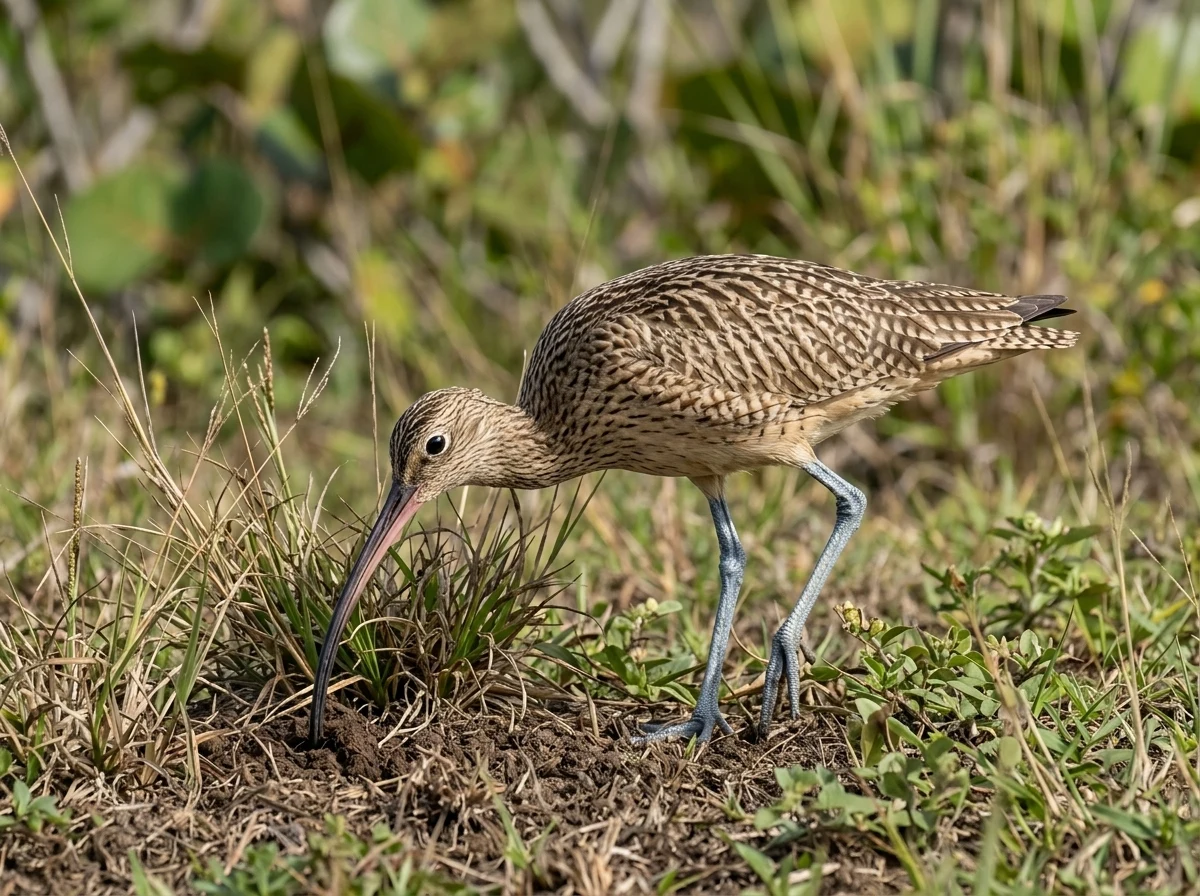 AI
AI AI
AI AI
AI AI
AI
Evidence trail