Learning library
Learn one species.Understand an island.
Families, habitats, seasons, conservation, and culture connected to 402 profiles and the sources behind the atlas.
A library built around questions.
A checklist answers which birds have been documented. Understanding them also requires island evolution, habitat, movement, breeding, threats, recovery, and the names people use to recognize them.
These guides bring those relationships together without hiding uncertainty. Every important claim can continue to a species, a thematic collection, or a primary source.
Choose a scale
From one bird to an archipelago.
Knowledge pathways
Read by topic. Follow the evidence.
Pillars exploring the natural and cultural identity of Puerto Rico birds.
All guides →Visual starter guide
Puerto Rico birds: pictures and names
Recognize 16 Puerto Rico birds with pictures, Spanish, English, and scientific names, habitat, profiles, and a bilingual printable PDF guide.Essential guide
Endemic birds
An updated guide to Puerto Rico's 19 endemic birds, with names, habitats, sounds, places to look, and links to every species profile.Taxonomy, explained
17, 18, or 19?
Why credible sources publish 17, 18, or 19 Puerto Rico endemics, and how the Puerto Rican Mango and Euphonia changes altered the list.Identification guide
Hummingbirds
Identify Puerto Rico's five resident hummingbirds by size, bill, throat, crest, habitat, and distribution, with profiles and sounds.Seasonal guide
Migratory birds
Guide to Puerto Rico migratory birds by group, habitat, and season: warblers, shorebirds, ducks, raptors, and rare visitors.Field language
Puerto Rican names
Learn the birds behind San Pedrito, Pitirre, Chango, Juí, Iguaca, Reina Mora, and Comeñame.Open ocean and cays
Seabirds of Puerto Rico
Identify Puerto Rico seabirds—frigatebirds, pelicans, boobies, terns, shearwaters, and petrels—by silhouette, flight, place, and season.Coastal habitat
Mangrove birds
Explore birds of mangroves, lagoons, and channels, from herons to warblers and kingfishers.Mogotes and caves
Birds of the karst
Learn how humid and dry karst supports forests, caves, and endemic birds.Living agroforestry
Birds of shade coffee
Explore how shade coffee connects forest, agriculture, and resident or migratory birds.Natural calendar
When to watch birds
Compare migration, breeding, rain, heat, and activity to choose birding dates.Nests without disturbance
Nesting calendar
Understand when and how forest, coastal, wetland, and urban birds nest without approaching nests.Conservation in action
Recovery of Iguaca
Understand how breeding, releases, nest management, and three wild populations support recovery.Endemic coastal species
Conserving the Yellow-shouldered Blackbird
Learn the habitat, threats, identification, and recovery of the Yellow-shouldered Blackbird.Endemic montane forest bird
Conserving Elfin-woods Warbler
Explore range, critical habitat, threats, and responsible viewing of this endemic warbler.Voices, sayings, and memory
Birds in Puerto Rican culture
Explore Iguaca, Pitirre, San Pedrito, Reina Mora, Comeñame, and other birds as vocabulary and symbols.Disturbance and resilience
Hurricanes and birds
Understand how wind, food loss, movement, and recovery alter birds and observations after a hurricane.Complete trip planner
Plan your birding trip
Choose dates, regions, habitats, transport, gear, and ethical routes for a birding trip.Practical eastern route
Puerto Rico in three days
A three-day route through Piñones, El Yunque, and Humacao with manageable travel and alternatives.Endemics and habitats route
Puerto Rico in seven days
Connect El Yunque, Río Abajo, Maricao, Guánica, Cabo Rojo, and wetlands in one week.Evidence before excitement
How to document a rare bird
Take useful notes, photographs, and audio without harassing the bird or revealing sensitive sites.The lost atlas
Extinct and prehistoric birds
Separate historical extinctions, species known from fossils or subfossils, and accidental records.Fieldcraft guide
How to do a 5-minute point count
Step-by-step protocol for 5-minute fixed-radius point counts: duration, radius, distance bands, and data fields for comparing sites in Puerto Rico.Fieldcraft guide
How to walk a line transect and record birds
A practical fieldcraft guide to walking a line transect, estimating distances, avoiding double-counts, and recording birds in eBird with useful data.Fieldcraft guide
Birdsong Playback When to Avoid It and Why
An ethical guide to playback in Puerto Rico: when to avoid it, what ornithological societies recommend, and what legal framework applies to listed species.Fieldcraft guide
Why to Limit Pishing and Other Bird-attraction Methods
An ethical guide to pishing and other bird-attraction methods: how to use them sparingly, when to avoid them, and how to watch birds without triggering defensive responses.Fieldcraft guide
How to keep a field notebook for birds in Puerto Rico
Learn what to record in a Puerto Rico bird field notebook: date, time, weather, habitat, behavior, and sketches, with local examples.Fieldcraft guide
How to count birds in a flock without double-counting
Practical methods to estimate moving flocks without counting the same bird twice, with Puerto Rico examples.Fieldcraft guide
How to record video to document bird behavior
Learn to frame, record, and tag bird behavior videos for citizen science, with examples from Puerto Rico's woodpecker and tody.Fieldcraft guides
Ethical nest observation in Puerto Rico
How to observe nests without causing harm: distance, duration, camouflage, and when to leave, with notes on endangered species and legal protection.Fieldcraft guides
How to make a complete and useful eBird checklist
Learn what makes an eBird checklist complete, how to record effort and area, and how to avoid common mistakes when birding in Puerto Rico.Fieldcraft guide
How to assign breeding codes in eBird for Puerto Rico
Learn to choose the right eBird breeding code with examples from Puerto Rico's resident and endemic birds, and avoid common mistakes.Fieldcraft guide
How to observe hummingbird behavior
Learn to read territoriality, feeding, courtship and vocalizations in Puerto Rico's hummingbirds with a clear observation routine.Fieldcraft guide
How to observe Puerto Rican Woodpecker foraging
A practical protocol for observing and recording Puerto Rican Woodpecker foraging: trees, height, pecking rate, and prey.Fieldcraft guide
How to follow mixed-species flocks in Puerto Rico
Techniques for observing and recording mixed-species flocks in Puerto Rico's forests: roles within the group, composition, and associations between resident and migratory birds.Learning guides
Endemic Bird Scavenger Hunt: Puerto Rico Map
Place Puerto Rico endemic birds on a map with an original learning activity, ecological clues and research questions for students.Learning guides
Beaks and Diets: A Matching Game
Explore how beak shape relates to diet in Puerto Rico birds, then make your own cards for an educational matching game.Learning guide
Build a Bird Food Web with Puerto Rico Birds
Educational activity to build a Puerto Rico bird food web with producers, insects, fruits, birds and raptors, plus questions about removing nodes.Guides · Learning
Migration Math: How Far Do Warblers Fly?
Math problems using real warbler migration distances: mile-to-kilometer conversions and calculating days of flight.Learning guide
Nesting Calendar: A Timeline Activity
A timeline activity to mark nesting months for five Puerto Rico birds and compare breeding peaks with rainfall.Learning guide
Family Tree: Endemic vs. Introduced
A bird-card activity for building a Venn diagram and telling apart endemic, native, and introduced species in Puerto Rico.Learning guides
Feather Colors and Camouflage: An Experiment
A color-background and silhouette experiment to understand bird camouflage, with cryptic examples from Puerto Rico.Learning guides
Create a Bird Field Guide Page
A practical template for students to research and complete a field guide page for a Puerto Rico bird, with sections and sources.Learning guide
Map Migratory Routes with eBird Data
Step-by-step guide to download and filter eBird data and plot migratory routes of birds passing through Puerto Rico. A data science activity for high school.STEM Learning Guide
Engineering Challenge: Design a Beak
A STEM activity to build and test model beaks from everyday materials, using Puerto Rico birds as design guides.Learning Guides
Family Bird Journal: 7-Day Challenge
A 7-day family plan for birdwatching: daily questions, sketches, simple data, and a focus on backyard birds.Learning guides
Bird Poetry and Puerto Rican Names
A creative guide for writing poems and calligrams with the Taíno, Spanish and scientific names of five Puerto Rico birds, with a glossary and exercises.Learning guides
Bird Math: Wingspan and Weight Comparisons
Compare documented weights of Puerto Rico birds, calculate differences and ratios, and create charts from a species table with cited data.Learning guide
Conservation Debate: Cats and Birds
A guide to run a school debate on cats and birds in Puerto Rico, with roles, scientific data, questions, and ethical solutions.Learning guide
Adaptation: Feet and Perching
Compare the feet of the woodpecker, pelican, osprey, and stilt to understand perching, swimming, wading, and grasping.Learning guide
Nesting Materials Scavenger Hunt
Educational guide to the nesting materials used by Puerto Rico birds, with a safe observation activity and questions for learning.Learning guide
Migration Timing Puzzle: When Do They Arrive?
Bilingual guide to sort arrival and departure of migratory birds in Puerto Rico using five species, months, and eBird questions.Learning Guides
Birding Etiquette and Ethics: Role Play
Role-play scenarios on distance, playback, nests, private property, and sharing rare birds, with a discussion guide and checklist.Learning guides
Bird Data: Citizen Science for Kids
A practical guide for kids using eBird or Merlin Bird ID in Puerto Rico: counts, photos, and data submission for hands-on science learning.Learning guide
Timeline: Extinct and Endangered Birds
Follow a timeline of extinct and endangered birds in Puerto Rico, with conservation statuses, causes, and an exercise to order events.Behavior guide
Why Gray Kingbirds Chase Larger Birds
Gray Kingbirds chase larger birds to defend territory and nests. Learn how mobbing works, which birds do it, and how to observe it without disturbing wildlife.Behavior guide
Why Hummingbirds Defend Flowers
Evidence-based explanation of why hummingbirds defend flowers and feeders, with the Puerto Rican Emerald as a local illustration and an observation procedure.Behavior guide
How Puerto Rican Woodpeckers Find Food in Wood
The Puerto Rican Woodpecker is omnivorous: it eats arthropods and fruits. Wood is one substrate, not the only one. Learn to observe it with a checklist.Behavior guide
Why Some Birds Store Food
A comparative explanation of food storing in birds, with the Acorn Woodpecker case and the context of the Puerto Rican Woodpecker.Behavior guide
What Preening Does for Birds
A bilingual guide to preening: it cleans and arranges plumage, controls parasites, and can be watched in birds such as the Brown Pelican and Great Egret.Behavior guide
Why Birds Bathe in Water or Dust
Compare water bathing and dust bathing: how each works, which birds use them, and how to observe them in Puerto Rico without misreading what you see.Behavior
Why Birds Sunbathe with Open Wings
An evidence-based explanation of avian sunbathing: warmth, drying, and parasite control, with the Turkey Vulture as an example.Behavior guide
How Birds Rest on One Leg
Why birds stand on one leg: thermoregulation, heat exchange and rest, with the Great Egret and Black-necked Stilt as examples.Behavior guide
How Perching Birds Sleep Without Falling
How perching birds grip a branch while asleep, including asymmetric sleep, with Puerto Rico examples like the Bananaquit and Northern Mockingbird.Behavior guide
How Ducks Maintain Water-resistant Plumage
How preening, the uropygial gland and bathing keep duck plumage water-resistant, with two Puerto Rico species as examples.Behavior guide
How Pigeons Drink Water
Pigeons and doves drink by suction with the bill submerged, unlike most birds that tip their heads back. Comparison, activity, and FAQs.Behavior guide
How Nectar-feeding Birds Eat
An explanation of nectar capture and transport in nectar-feeding birds, comparing the Puerto Rican Emerald and the Bananaquit.Behavior guide
What Nectar Robbing Means in Birds
How nectar robbing works in birds: piercing flowers for nectar without pollinating, with a comparison, field signs, and a Puerto Rico observation exercise.Behavior guide
How Flycatchers Catch Insects
Flycatchers catch insects in midair from exposed perches. Compare the Gray Kingbird and Puerto Rican Flycatcher and learn to observe their techniques.Behavior
Why Herons Stand Still Before Catching Fish
A comparative explanation of the stand-and-wait technique in herons: Great Egret and Little Blue Heron, with foraging evidence and an observation exercise.Behavior guide
How Brown Pelicans Catch Fish
An explanation of the Brown Pelican's plunge-diving technique, its gular pouch, and how to compare this method with other seabirds in Puerto Rico.Behavior guide
How Shorebirds Find Food in Mud
Compare how the Short-billed Dowitcher and Least Sandpiper find food in mud using probing, touch, and bill sensors, with an observation exercise.Behavior guide
Why Ruddy Turnstones Flip Objects
A direct explanation of stone- and shell-flipping behavior in the Ruddy Turnstone, with comparisons, an observation procedure, and frequently asked questions.Behavior guide
How American Oystercatchers Feed
Two methods for opening bivalves, diet and observation clues for the American Oystercatcher on Puerto Rico coasts and cays.Behavior
What Kleptoparasitism Means in Birds
Kleptoparasitism explained with Puerto Rico's Magnificent Frigatebird and Brown Pelican: how it happens, how to recognize it, and how to watch for it.Behavior guide
Why Some Birds Lay Eggs in Other Birds Nests
An explanation of brood parasitism with the Shiny Cowbird and Yellow-shouldered Blackbird in Puerto Rico, with sources and an observation exercise.Behavior guide
How Monk Parakeets Build Their Nests
An explanation of the Monk Parakeet stick nest, its colonial construction, and how to observe it without inferring abundance in Puerto Rico.Behavior guide
Why Puerto Rican Todies Excavate Burrows
The Puerto Rican Tody, endemic to Puerto Rico, digs its nest into earthen banks. We explain what the evidence says about the tunnel, the chamber, and burrow abandonment.Behavior
What Feather Molt Means for a Bird
A bilingual guide to feather molt: what it is, why it happens, how to recognize it, and how to observe it in Puerto Rico birds.Behavior guide
Why Male and Female Birds Can Look Different
An explanation of sexual dimorphism in birds with Puerto Rico examples: the Puerto Rican Emerald and Spindalis, plus how to observe it in the field.Behavior guide
How Birds Signal and Defend Territories
A comparative explanation of how birds recognize and defend territories through song, calls, and displays, with Puerto Rico examples.Behavior guide
Why Birds Form Communal Roosts
A comparison-based explanation of communal roosts: safety, information and thermoregulation, with a Caribbean case and the Greater Antillean Grackle in Puerto Rico.Behavior guide
What Mixed-species Bird Flocks Are
A clear explanation of mixed-species bird flocks: what forms them, how they move, and how to practice watching them in Puerto Rico with two migratory warblers.Behavior guide
Why Birds Give Alarm Calls
A clear explanation of why birds give alarm calls, how mobbing and encoded information work, with the Gray Kingbird and Northern Mockingbird as examples.Citizen science at home
What Birds Do During Rain
An explanatory guide and at-home observation exercise on how birds respond to ordinary rain and storms, based on Audubon sources.Habitat guide
Why Dead Trees Matter to Birds
Standing dead trees provide nests, food and perches. We explain their ecological role and how to observe them without harm.Habitats guide
How Forest Fragmentation Affects Birds
A clear explanation of how forest fragmentation affects birds: edges, patch size, corridors, and a comparison exercise for Puerto Rico.Habitat guide
How Vegetation Corridors Help Birds
What vegetation corridors are, how they connect habitat patches, and what they mean for birds such as the Bananaquit and Puerto Rican Woodpecker.Habitat guides
Why Birds Use Different Forest Layers
A clear explanation of why birds use different forest layers in Puerto Rico, with a layered observation method and examples such as the Puerto Rican Tody.Habitat guide
Leaf Litter as a Food Source for Birds
How leaf litter feeds birds, using the Ovenbird as an example, with an observation exercise and links to Puerto Rico bird guides.Habitats guide
Host Plants Caterpillars and Birds
Why native plants host more caterpillars and how that insect chain supports birds, with evidence from Tallamy, Narango and BirdsCaribbean.Puerto Rico Bird Guides
How Birds Disperse Seeds
An explanation of how birds disperse seeds in Puerto Rico, using the Puerto Rican Spindalis and Pearly-eyed Thrasher as examples, plus a field observation exercise.Puerto Rico Bird Guides
How Birds Participate in Pollination
A clear explanation of bird pollination, comparing hummingbirds and bananaquits, with a field observation exercise for Puerto Rico.Bird guides · Habitats and storms
Comparing Bird Records Before and After a Storm
A practical guide to comparing bird counts before and after a hurricane in Puerto Rico, with criteria for effort, detectability, and evidence.Bird guides · Habitats
How Dry and Wet Seasons Affect Bird Food
Bilingual guide to how rainfall and drought change bird food in Puerto Rico, using the Bananaquit and Gray Kingbird as examples.Habitat guides
How Tides Affect Shorebird Watching
A practical guide to how tides move shorebirds between feeding and resting areas, with an observation procedure and a field checklist.Habitat guides
Why Salt Ponds Attract Shorebirds
A source-based explanation of how salt ponds produce food for shorebirds, using the Black-necked Stilt and Semipalmated Sandpiper as examples.Habitat guide
How Mangroves Shelter Birds
How mangroves shelter birds: structure, feeding, nesting and two Puerto Rico herons, explained with verifiable sources.Habitat guide
Why Temporary Wetlands Matter to Birds
Temporary wetlands dry and refill, yet they support wading and water birds. Compare how they work and what to observe in Puerto Rico.Habitat guides
What Birds Eat on Sandy Beaches
Bilingual guide to what Sanderlings and Ruddy Turnstones eat on sandy beaches, with observation methods and sources.Habitat guide
How Birds Use Rocky Shores
Compare how the American Oystercatcher and Ruddy Turnstone use Puerto Rico's rocky shores, with an observation procedure and field checklist.Coastal Habitats
Birds and Seagrass Food Webs
How the Brown Pelican and Osprey connect to seagrass food webs along Puerto Rico's coast. A sourced guide with comparison and observation activity.Habitat guides
How Kingfishers Use Rivers
How the Belted Kingfisher uses rivers: perches, plunge-dives, prey, pellets and nesting burrows, with a field observation exercise.Habitat guide
What Bird Friendly Coffee Certification Means
What Smithsonian Bird Friendly coffee certification requires, how labels differ, and what the standards mean for bird habitat.Habitats guide
Insect-eating Birds on Farms: Benefits and Limits
What insect-eating birds do and do not contribute on Puerto Rico farms, with the woodpecker and kingbird as examples and a simple observation method.Habitats guide
How Artificial Light Affects Migratory Birds
How artificial light affects migratory birds, with evidence, practical steps and examples involving Blackpoll Warblers and American Redstarts.Bird guides · Habitats
How Urban Noise Affects Bird Communication
Explains acoustic masking, song adjustments and the trade-off between audibility and signal quality, with the Bananaquit as an example.Bird guides
Why Birds Have Trouble Seeing Glass
A clear explanation of why birds do not see glass as a barrier, with a practical comparison and a checklist to reduce collisions.Bird guides · Habitats and conservation
Why Island Birds Are Vulnerable to Introduced Predators
Evidence-based explanation of why island birds are vulnerable to introduced predators, using the Common Ground Dove and Bananaquit as catalog examples.Habitats · Seabirds
How Microplastics Reach Seabirds
An explanation of how microplastics reach seabirds, with a route comparison, an observation exercise, and links to Puerto Rico seabird guides.Coastal bird guides
Fishing Line and Coastal Birds Risks and Prevention
How fishing line entangles Brown Pelicans and other coastal birds, why piers concentrate the risk, and what prevention measures have been documented.Habitat guides
What Bird Habitat Restoration Means
Restoring bird habitat is not just planting trees. We explain what gets restored, how success is measured, and why the Yellow-shouldered Blackbird illustrates it in Puerto Rico.Bird guides
How to Read a Bird Distribution Map
Learn to read colors, hexagons, and data gaps on a bird distribution map, with examples from Puerto Rico.Bird guides
Presence Is Not Abundance Reading Bird Records
Learn why a sighting confirms presence, not abundance, and how to read bird records in Puerto Rico using examples like the Peregrine Falcon and American Flamingo.Habitat guides
How Bird Communities Change as Forests Regrow
An explanation of how forest succession transforms bird communities, with a comparison exercise and links to Puerto Rico guides.Clear status
Are There Black Vultures in Puerto Rico? Zopilote and Golero Explained
Black Vultures (zopilote, golero) are only accidental in Puerto Rico; the vulture you see is almost always a Turkey Vulture. How to tell them apart and report one.Myths and facts
Are Turkey Vultures Dangerous? Myths, Facts, and Their Role
Turkey Vultures do not attack people or healthy pets; they eat carrion and help remove pathogens. Roadside behavior, common myths, and what the law says.Natural history
The Burrowing Owl in Puerto Rico: status and history
The Burrowing Owl has no known population in Puerto Rico today: it is known from cave fossils on the island and Mona. What happened, and how to recognize one.Responsible rescue
Found an injured owl or bird in Puerto Rico? What to do
Call the DRNA Ranger Corps (787-724-5700) or the DRNA (787-999-2200). Meanwhile, keep the bird in a ventilated, dark, quiet box and give no food or water.Young naturalists
Fun facts about Puerto Rico birds for kids
A hummingbird lighter than a nickel, a bird that nests in a tunnel, and a parrot that came back: checked facts about Puerto Rico birds for kids.For students
School project on Puerto Rico birds
Pick a bird, research it with reliable sources, and present a poster or report with checked facts. A student guide with project ideas by grade.For teachers
Lesson plan on Puerto Rico birds
A five-day unit on Puerto Rico birds: objectives, sound and drawing activities, assessment, and adaptations for grades K to 8, with free materials.Drawing for kids
How to draw a heron step by step
Draw an egret in 8 easy steps with ovals and lines, and learn to tell a Great Egret from a Snowy Egret. Includes free heron coloring pages.Symbols and birds
What is the national bird of Puerto Rico?
No enacted law names one. The Puerto Rican Tody has the strongest legislative push and the Reina Mora is often called unofficial. Here is the checked history.Endemic species · Night birds
Puerto Rican Nightjar (Guabairo): the endemic nightjar of the dry forest
The guabairo is an endemic nightjar of southern Puerto Rico's dry forest. Learn its 'whip' song, where it lives, and why it is still endangered.Introduced species · Grassland birds
Pin-tailed Whydah in Puerto Rico: the long-tailed African newcomer
The Pin-tailed Whydah is an African bird introduced to Puerto Rico. The male is black and white with a very long tail, and it lays eggs in waxbill nests. Learn more.City birds
Wild parakeets in San Juan
San Juan's parakeets descend from escaped pets that became established. Learn which species they are, when they arrived, and why the city suits them.Species profile
Great Egret (Ardea alba) in Puerto Rico
Ardea alba is the Great Egret: a common Puerto Rico resident, all white with a yellow bill and black legs. Where to see it, when it nests, how to know it.Visitor from the north
Peregrine Falcon in Puerto Rico
The Peregrine Falcon reaches Puerto Rico as a northern migrant and does not nest here. How to recognize it, where it hunts, and which season to look.The everyday raptor
Red-tailed Hawk in Puerto Rico
The Red-tailed Hawk, or guaraguao, is Puerto Rico's most widespread resident raptor. How to identify it, what it eats, when it nests, and how it sounds.Seasonal fisher
Osprey in Puerto Rico
Ospreys visit Puerto Rico from North America and fish over coasts, lagoons, and reservoirs. How to recognize one, when to look, and whether it nests here.Endangered raptors
Puerto Rico's endangered forest hawks
Only a few dozen Broad-winged and Sharp-shinned Hawks remain in Puerto Rico. Where they live, why they declined after María, and how to recognize them.Yard and garden
How to Attract Birds to Your Yard in Puerto Rico
To attract birds to a Puerto Rico yard, plant native fruiting and flowering plants, offer clean water, and remove hazards: cats, glass, and pesticides.Feeders and water
Bird Feeders, Hummingbird Feeders, and Bird Baths in Puerto Rico
A 1:4 sugar mix with no dye, feeders cleaned every 1–2 days in the heat, stations away from windows, and shallow baths: safe feeding in Puerto Rico.Baby birds in the yard
Found a Baby Bird in Puerto Rico? What to Do
If the baby bird is feathered and hopping, leave it: its parents are feeding it. If it is bare, put it back in the nest. When to call DRNA and what never to do.Planting for birds
Native Plants That Feed Puerto Rico's Birds
Royal palm, sea grape, camasey, cupey, mameyuelo, and firebush: native plants that give fruit or nectar to Puerto Rico's spindalis, thrushes, and hummingbirds.Bird-safe glass
How to Stop Birds from Hitting Your Windows
Birds hit glass because it reflects trees and sky. Mark the outside of the window with dots or lines spaced 2 inches apart or less, and move feeders.Introduced species
Introduced Birds of Puerto Rico
47 of the 402 birds in our catalog are introduced. What that means, how they arrived, which breed in the wild, and how to tell them from native birds.Conservation
Endangered Birds of Puerto Rico: The Complete List
Puerto Rico's DNER lists 28 birds and the federal ESA lists 10 here. See every species by category and why one bird can carry different statuses.Conservation and law
Laws That Protect Birds in Puerto Rico
Three laws protect birds in Puerto Rico: Act 241, the Endangered Species Act, and the Migratory Bird Treaty Act. What they ban, the fines, and how to report.Conservation in action
Puerto Rican Plain Pigeon: Status and Recovery
The Puerto Rican Plain Pigeon fell from thousands to about 407 birds after Hurricane Maria. Where it lives, how to know it, its threats, and the recovery plan.How to help
How to Help Puerto Rico Birds Through Citizen Science
Help Puerto Rico's birds by counting them: eBird, the Christmas Bird Count, the Backyard Bird Count, and the waterbird census. How to join and which data help.Threats and solutions
Cats and Birds in Puerto Rico: Impact and Solutions
Free-roaming cats hunt birds even when well fed. What studies from Mona and San Juan show, what Puerto Rico law says, and which solutions work.One day in port
Birding San Juan in One Day from a Cruise Ship
From the San Juan cruise piers you can walk to pelicans, frigatebirds, terns, and city birds in Old San Juan. A route, timing tips, and what to pack.Camera and field
Bird Photography Tips for Puerto Rico
How to photograph birds in Puerto Rico: tropical light, humidity, lenses, subjects by habitat, and the ethics of bait, playback, nests, and drones.Toolkit
Best Apps and Field Guides for Puerto Rico Birds
The best field guides, photo books, apps, and sound libraries for identifying Puerto Rico birds, each verified, with what it does best and its limits.Essential stories
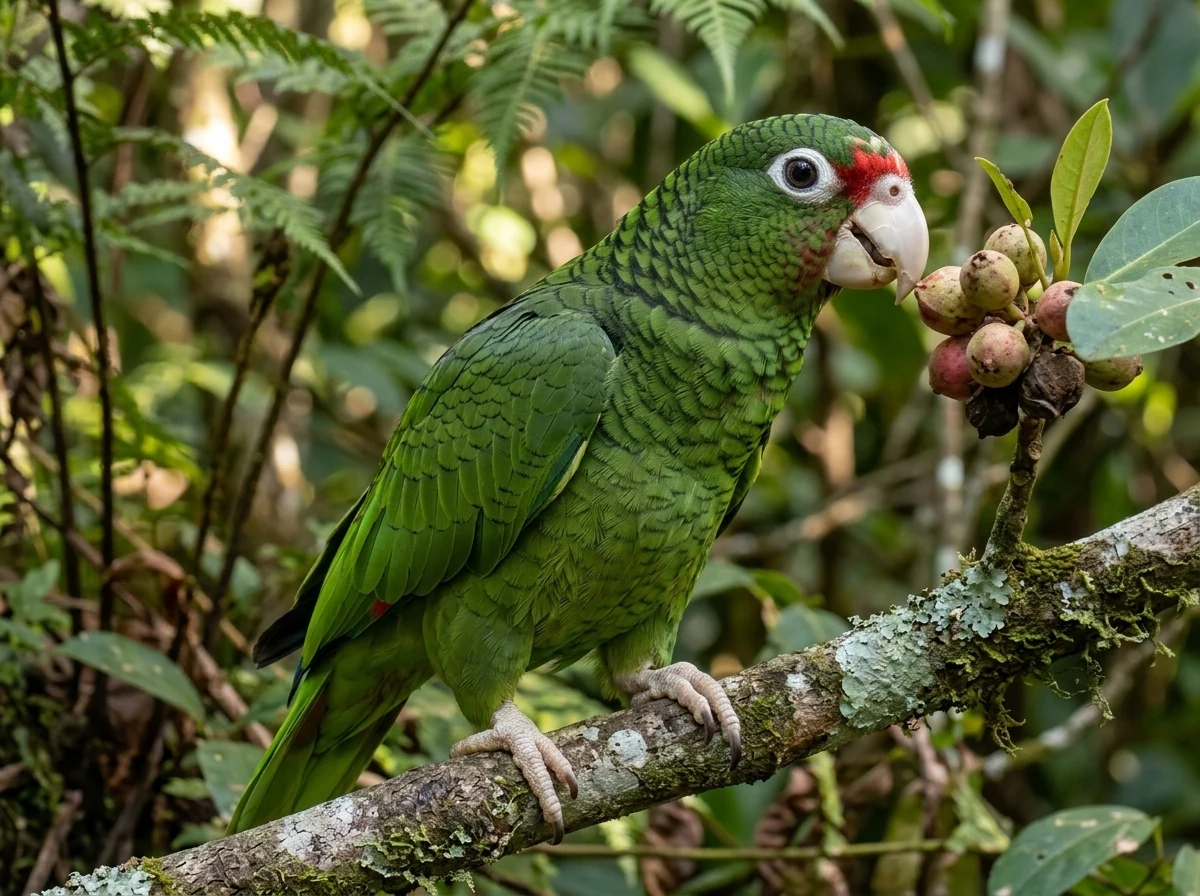
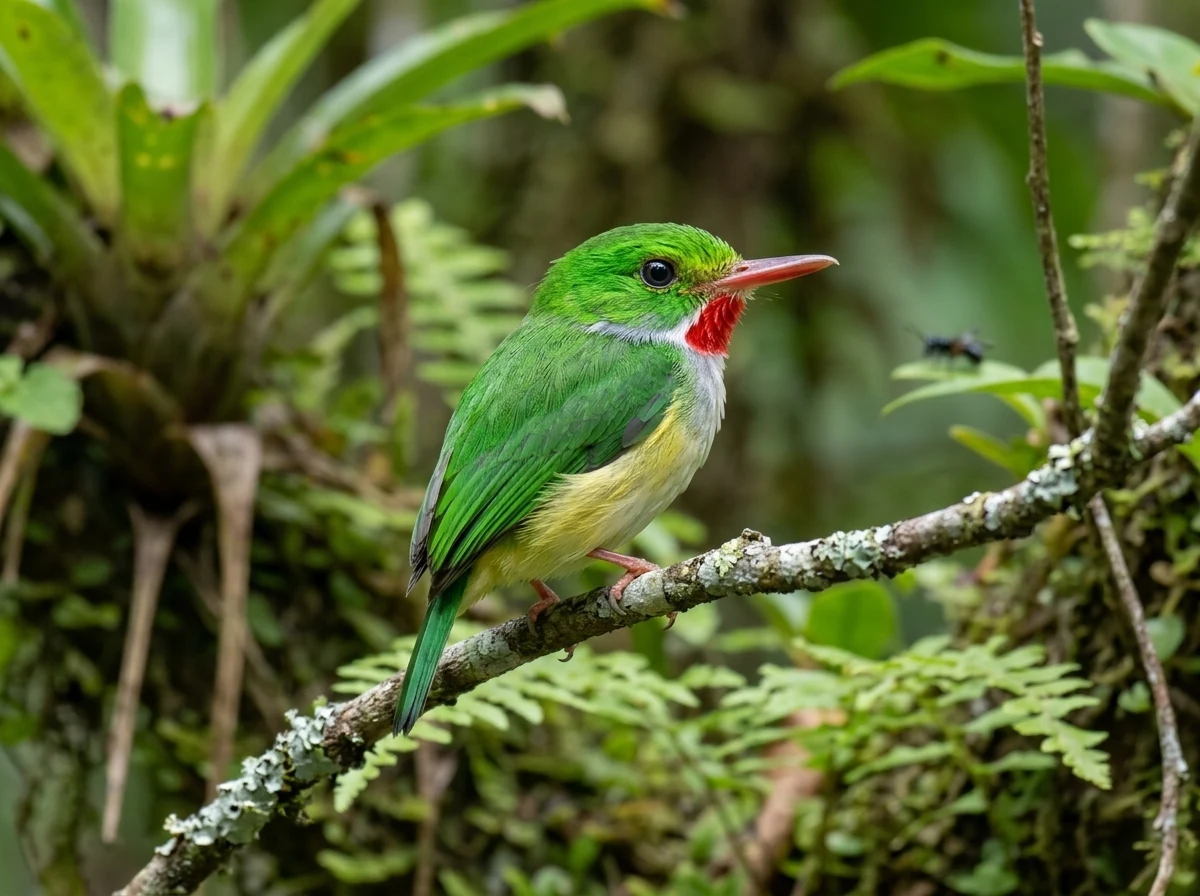
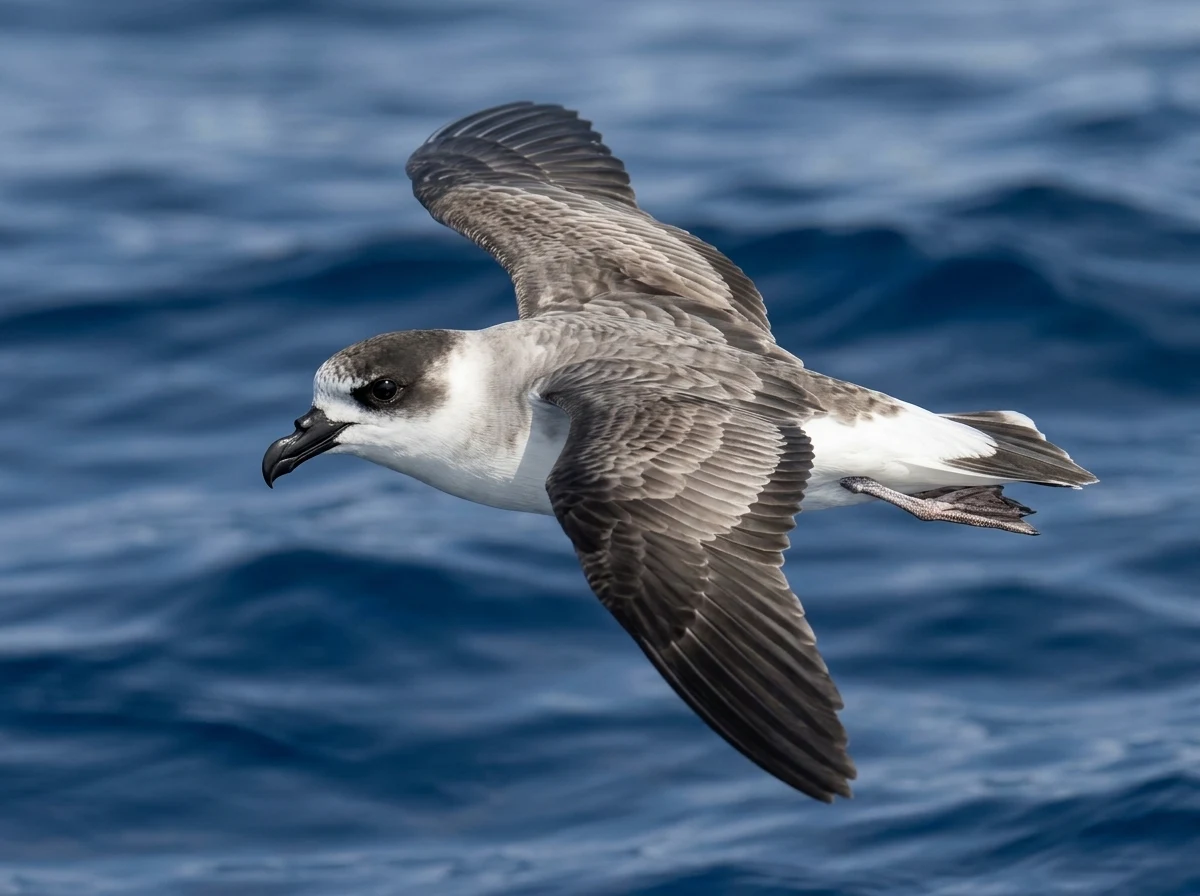
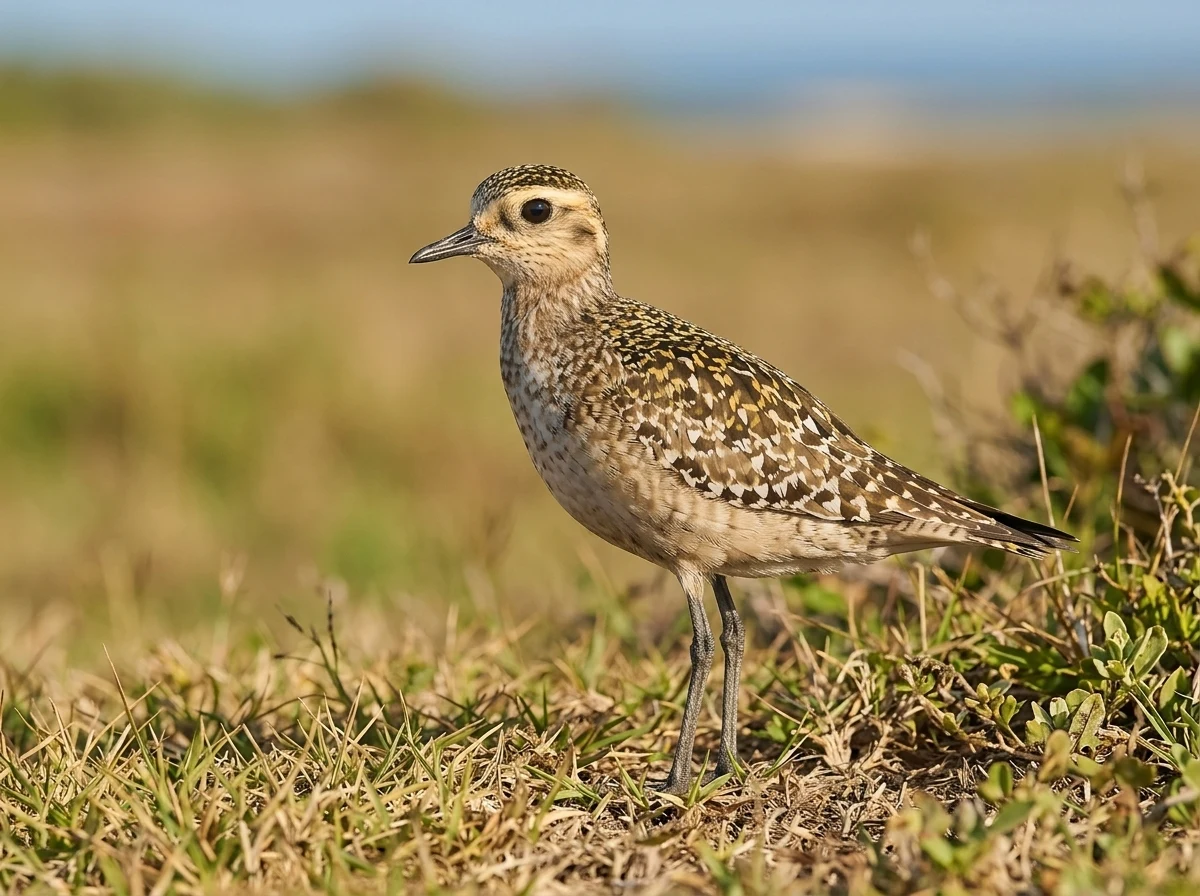
Four doors into the atlas.
Endemism, migration, conservation, and adaptation become concrete in each profile.
Libraries within the atlas
Group birds to understand relationships.
Living Endemic Birds
The extant endemic birds that make Puerto Rico one of the Caribbean's most distinctive birding destinations.
Migrants & Vagrants
Passage migrants, winter visitors, seasonal movers, offshore visitors and rare vagrants recorded from Puerto Rico.
Globally Threatened Birds
Birds classified as Critically Endangered, Endangered or Vulnerable in the reconciled IUCN data.