Sound atlas
Listen tothe archipelago.
Songs, calls, and spectrograms connected to the species, place, and moment behind each field recording.
Learn the landscape with your eyes closed.
Birds are often heard before they are seen. Rhythm, pitch, repetition, and setting help separate an alarm call, a territorial song, and another species hidden in foliage.
Every player preserves the recording, recordist, license, and location. The spectrogram translates sound into shape without replacing careful listening or natural context.
Listen with purpose
Move from a voice to its species.
Guides for the ear
Hear patterns, not impressions.
Editorial routes for understanding songs, calls, and nocturnal sounds responsibly.
All guides →Sound atlas
Songs and calls
Hear real Puerto Rico bird songs and calls, learn to read spectrograms, and open profiles with credited field recordings.Listen in context
Call vs. song
Learn the difference between bird calls and songs by function, context, and pattern, with Puerto Rico examples and recordings.Identification by sound
Birds of the night
Distinguish Puerto Rican Owl, Nightjar, nighthawks, and night-herons by rhythm, silhouette, flight, habitat, and credited recordings.Sounds
How to describe a bird sound in words for your notes
Describe Puerto Rico bird sounds using pitch, rhythm and timbre, with practical note-taking examples from owls and kingbirds.Sounds
How to read a spectrogram for Puerto Rico birds
A visual guide to interpreting frequency, time, harmonics, and modulation in spectrograms, with a practical exercise and tools to view them.Sounds
Identifying birds by chip notes
A practical guide to using chip notes of warblers and other migrants in Puerto Rico: pitch, sharpness, and duration.Sounds
How to estimate distance and direction of a bird sound
Learn to judge how far away and in which direction a bird is calling using volume, clarity, echo, and stereo hearing, with exercises for forests and wetlands.Fieldcraft
Nocturnal listening without playback: how to do it right
Learn to listen for nocturnal birds in Puerto Rico without playback: conditions, listening stations, sound identification, and passive acoustic monitoring.Fieldcraft
How to compare two bird sounds side by side
A practical method for comparing two bird sounds side by side using spectrograms and slowed playback, with confusing Puerto Rico pairs.Sounds
Listening for nocturnal flight calls in Puerto Rico
Learn to listen for, record, and interpret the calls migratory birds give while crossing the night sky, without specialized equipment.Fieldcraft
How to make a sound map of a birding site
A practical guide to drawing a sound map with direction, distance, and time to document bird activity and habitat use.Sounds
Identifying birds by their alarm calls
A practical guide to using alarm calls, telling them apart from other sounds, and recognizing mobbing in Puerto Rico birds.Learning · Sounds
Sound Bingo: Dawn Chorus
A listening game for families and schools: identify birds by song with a nine-square card and reference recordings.Learn by listening
Sound Matching: Coquí vs. Night Birds
A listening activity to tell the coquí from the múcaro, guabairo, querequequé and Short-eared Owl by rhythm, pitch and duration.Learn · Sounds
Sound Mapping: Layers of the Morning Chorus
An educational activity for drawing a soundscape with frequency and time layers using recordings of local Puerto Rican birds.Learn by playing
Calls in Spanish and English: Onomatopoeia
Bilingual guide to Puerto Rico bird call onomatopoeia: how sounds are written in Spanish and English, with a listening and creation activity.Night sounds
The Puerto Rican Owl's call: how to recognize its sound
The Puerto Rican Owl gives a deep, quavering trill of 3–5 seconds, mostly after dusk. Hear recordings from Maricao and Guánica and learn what it is not.A name you can hear
What is the querequequé?
The querequequé is the Antillean Nighthawk, a summer bird that hunts insects at dusk and calls its own name in flight. Hear the call and learn where to find it.Dawn sounds
The Dawn Chorus in Puerto Rico: Which Birds Sing First
Before sunrise, owls and nightjars call first; then orioles, thrushes, kingbirds, and grackles join. Real recording times from Puerto Rico, explained.Night sounds
Coquí or Bird? What You Are Hearing at Night in Puerto Rico
A two-note ko-KEE repeated from low plants is a coquí. Learn to tell coquís from the owl, nightjar, nighthawks, and night-herons after dark.Marsh voices
Gallinule and Rail Sounds in Puerto Rico: Marsh Voices
Gallinules squawk and cackle; Clapper Rails give a harsh kek-kek-kek. How to recognize gallinules, coots, rails, grebes, and the Limpkin by sound.Record and share
How to Record Bird Songs With Your Phone (and Share Them to eBird and Xeno-canto)
Record in WAV at 48 kHz, turn off noise reduction, get closer, and capture 30+ seconds. Then upload your audio to eBird, Macaulay, or Xeno-canto.Mimics
The Ruiseñor (Northern Mockingbird) and Puerto Rico's Mimic Birds
Puerto Rico's ruiseñor is the Northern Mockingbird: it repeats each phrase 3+ times and mimics birds, frogs, and alarms. How to recognize it by ear.Voices to begin with
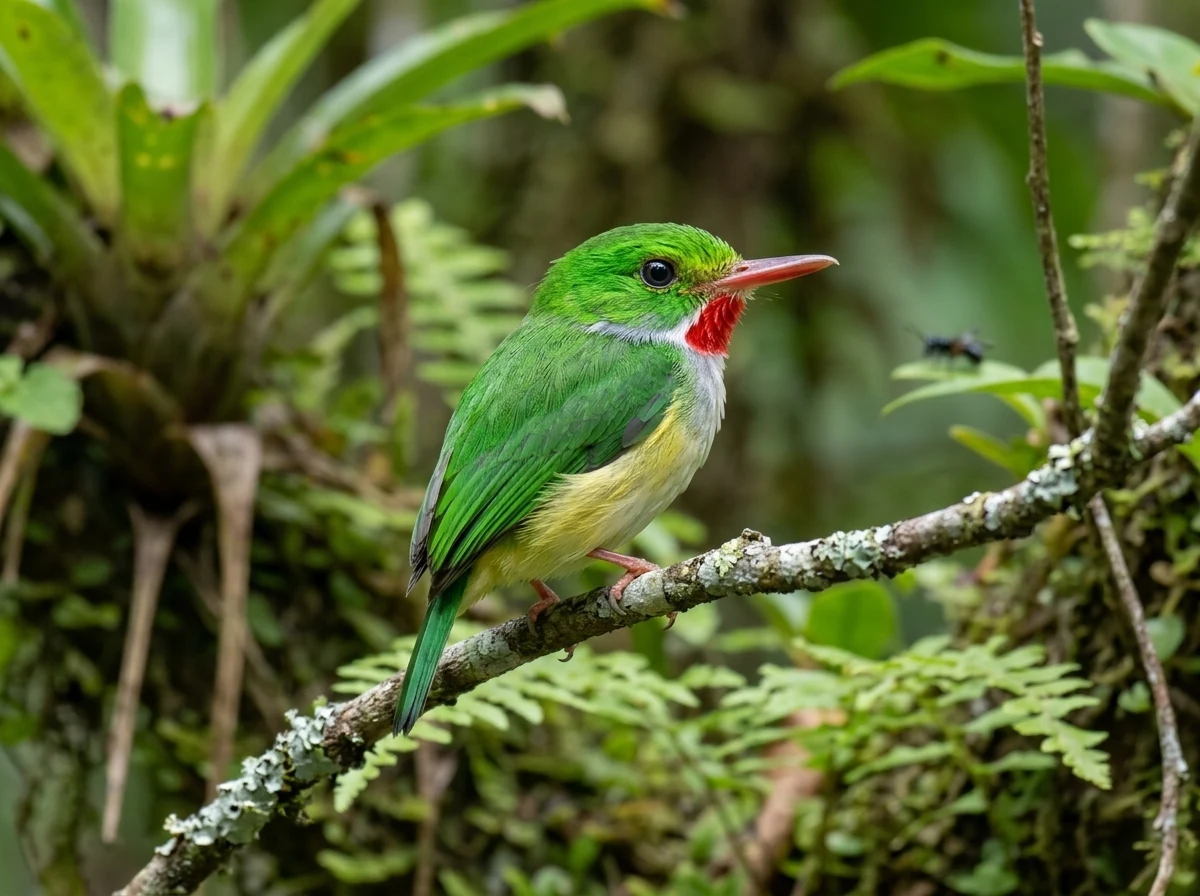
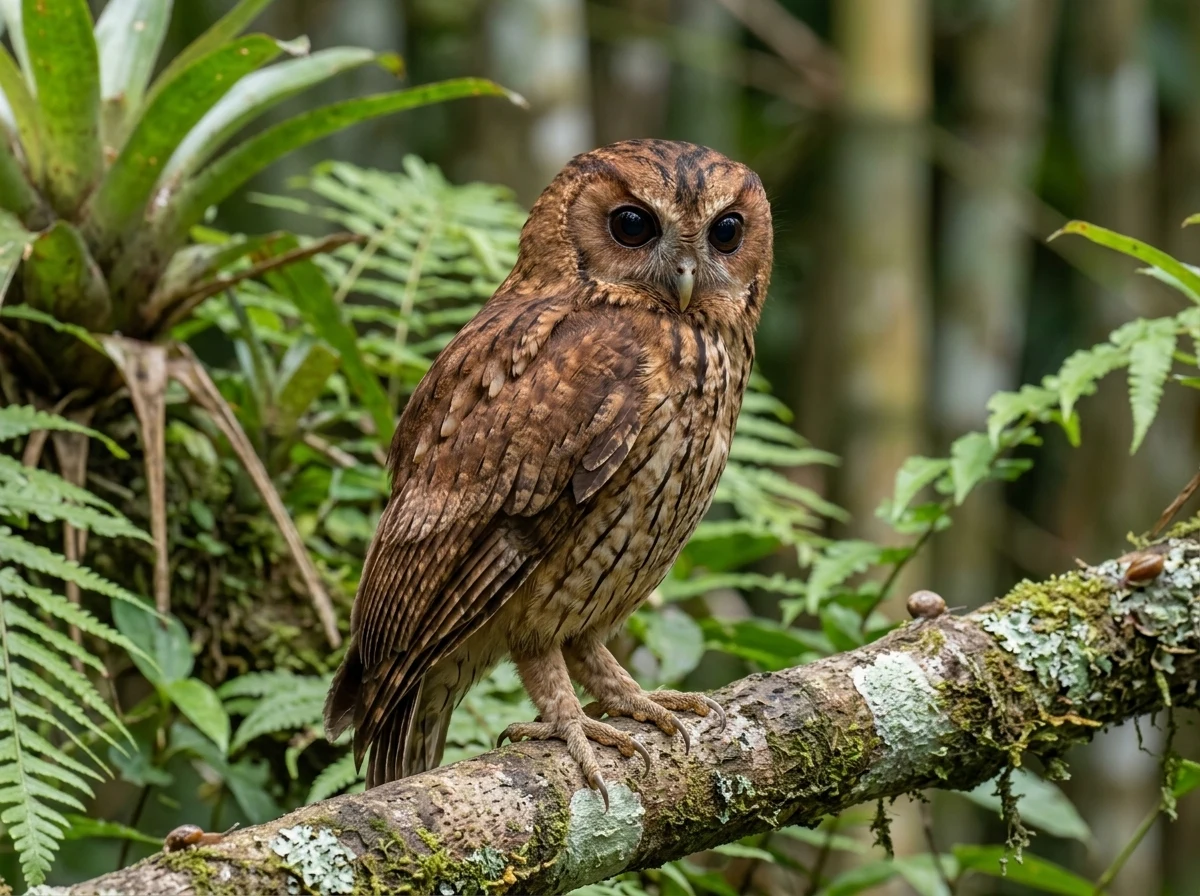
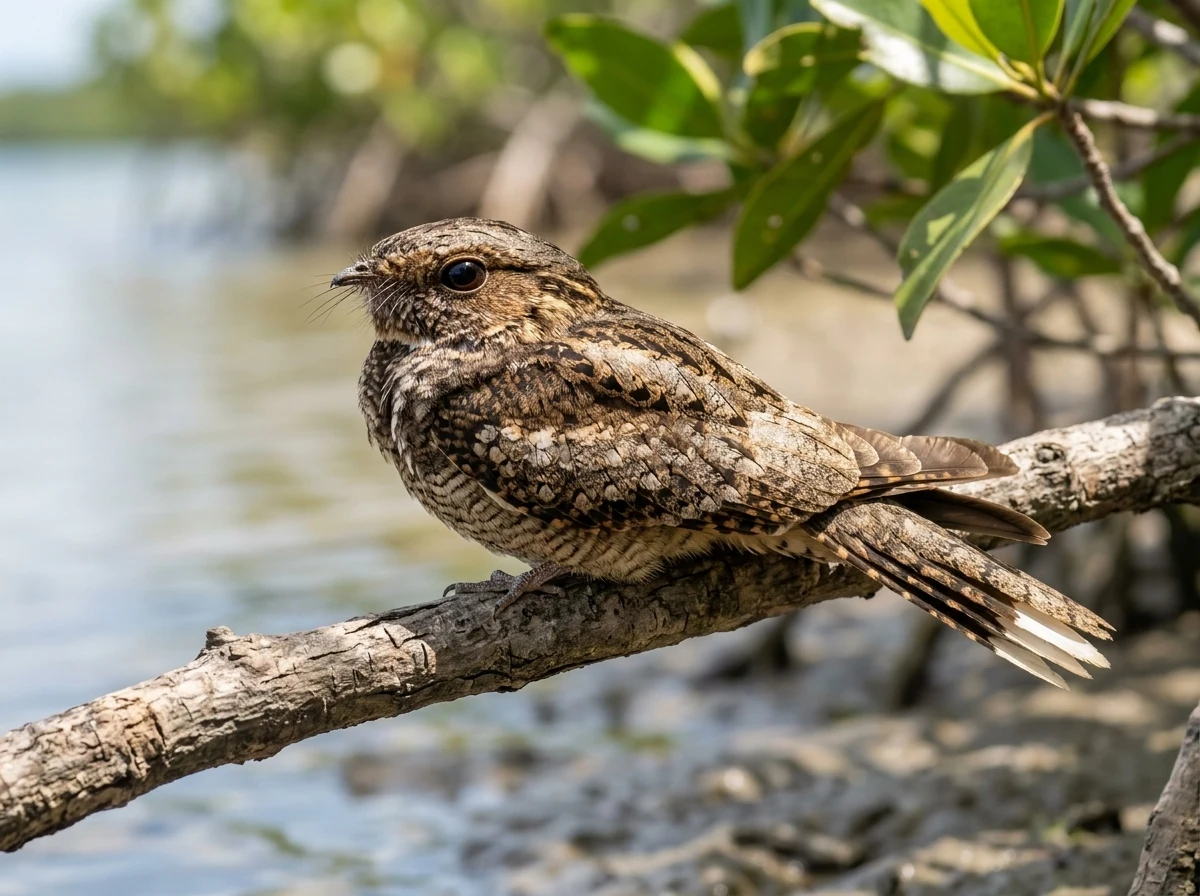
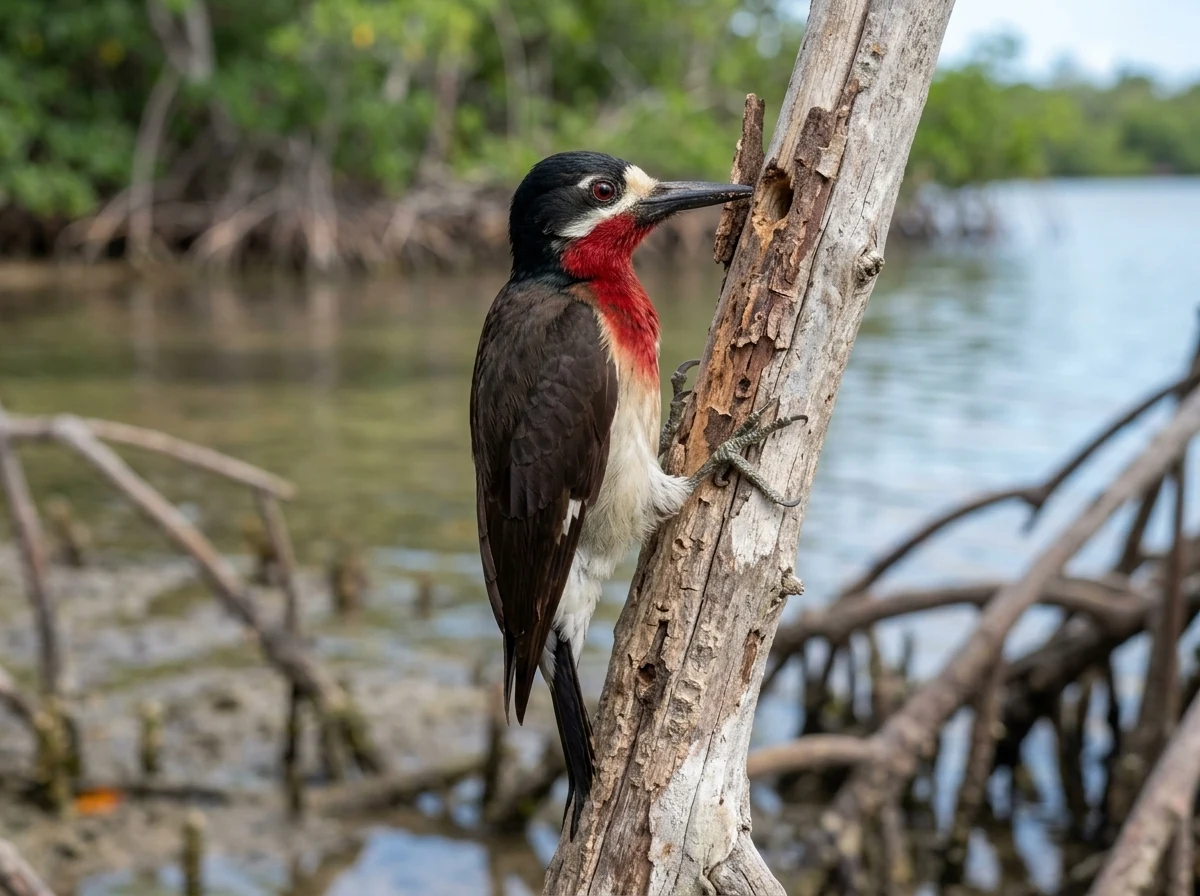
Four very different sounds.
Every profile includes field audio, accessible controls, and a spectral view of the recording.
Soundscapes
Hear communities, not isolated species.
Forest Birds
Birds associated with Puerto Rico's rain forests, dry forests, karst woodlands, coffee shade and other wooded habitats.
Wetland Birds
Waterbirds and wetland specialists found around marshes, ponds, reservoirs, lagoons and seasonally flooded ground.
Town & Garden Birds
Adaptable birds found in gardens, parks, towns, plantations and other human-shaped landscapes.