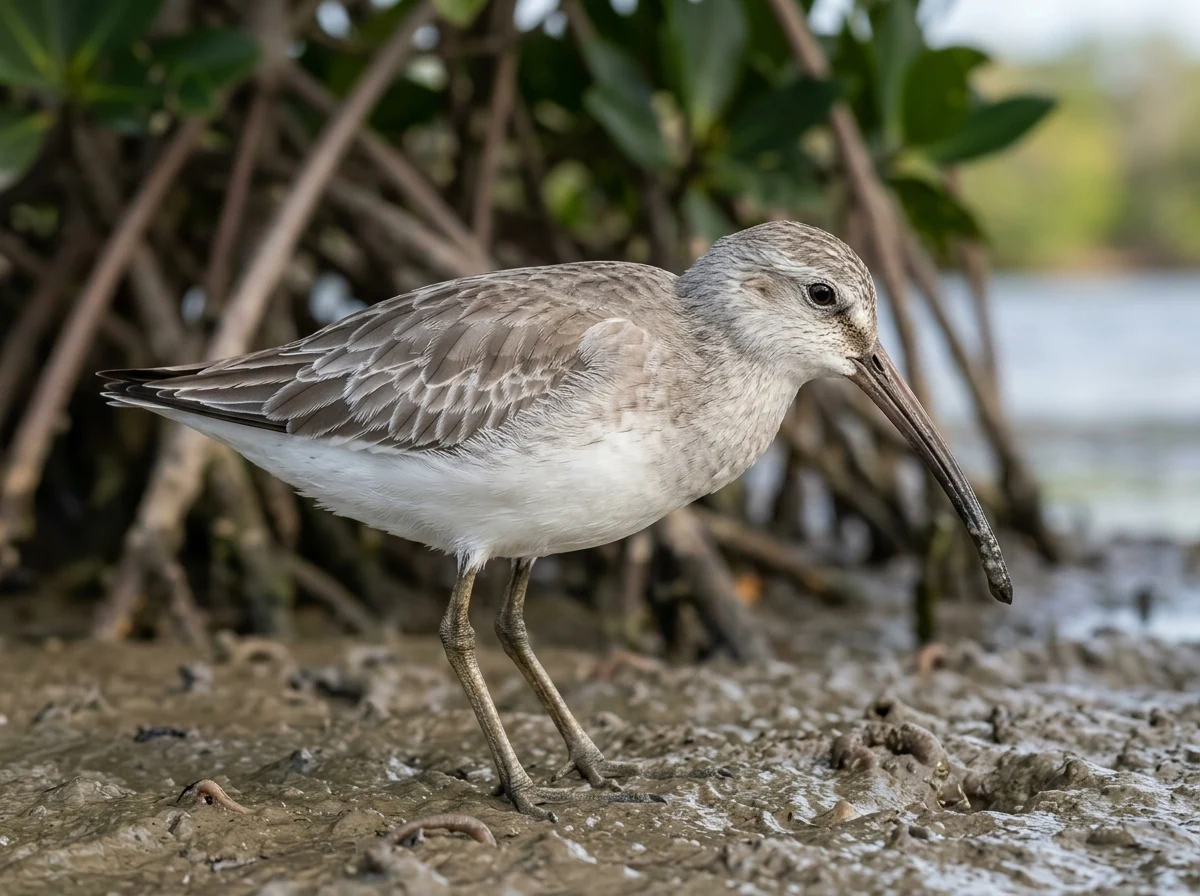
 AI
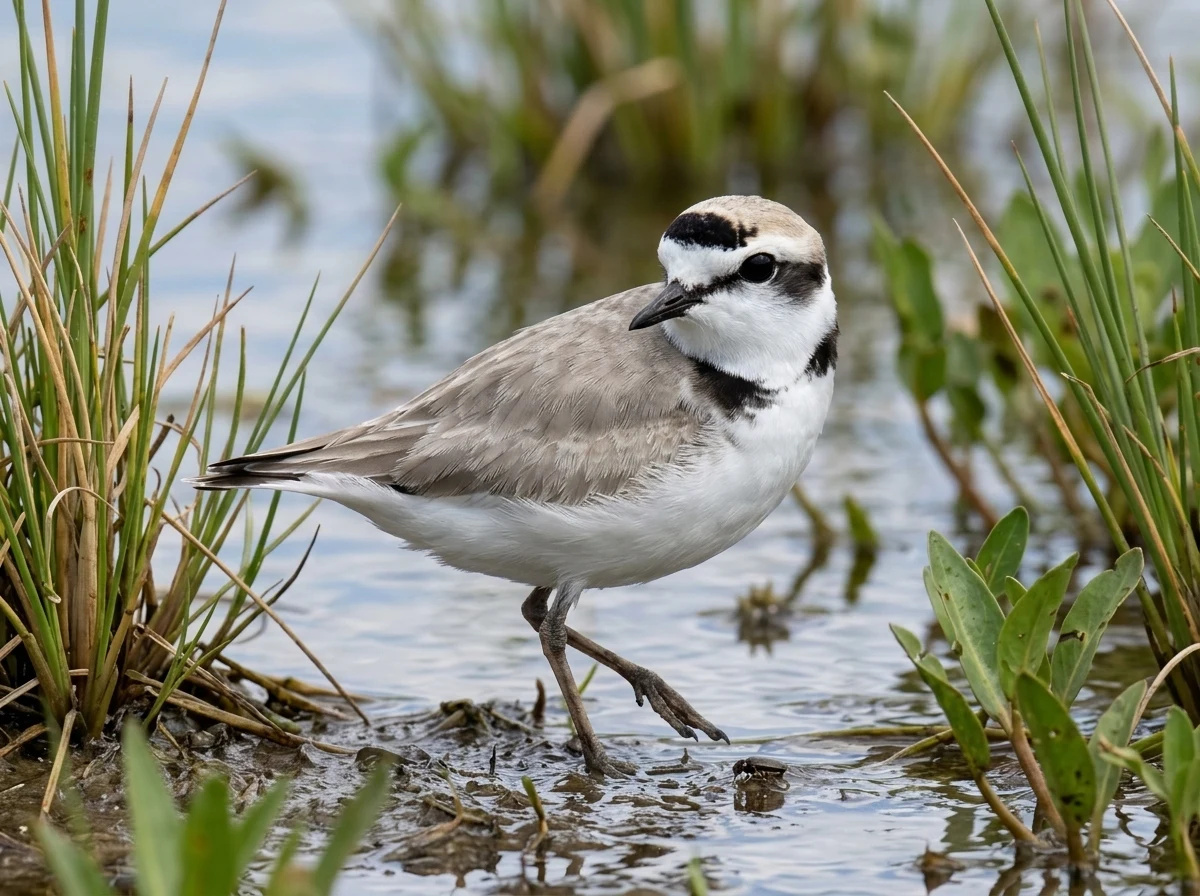
AIAI reconstruction created with Nano Banana 2 · 1K, grounded in the profile’s documented taxonomy, habitat, natural-history sources, and an open-license visual reference when available. It is an interpretive image, not documentary evidence. Image policy →
Curlew Sandpiper
Playero Zarapitín
Calidris ferruginea
The curlew sandpiper (Calidris ferruginea) is a small migratory wader. It is a long-distance migrant, breeding in the bogs and coastal lowlands of the Siberian Arctic, arriving there in June and staying to August or September. After breeding season, it migrates south throughout Europe and Asia to spend the winter, mainly in Africa but also along the coasts of Australasia and Southeast Asia; occupying tidal mudflats and saltpans. It has three main plumages that change with maturity and season. The non-breeding plumage shows brown-greyish upperparts, with the areas near the head and breast being brighter. The breeding plumage is much more striking, with the entire front tinted a deep rufous, more intensely so in males. A first-year breeder does not migrate, instead remaining in its overwintering range throughout breeding season. However, it may occasionally still moult into its breeding plumage, which is largely similar to that of adult curlew sandpiper but with white spots on the chest. The juvenile plumage is strikingly different, with a creamy-coloured streaking on the breast and pale fringes on some of the wing feathers, leading to a scaly appearance. Adults superficially resemble the larger but shorter-billed red knot in breeding plumage, and dunlin and stilt sandpiper while not breeding. The curlew sandpiper's courtship behaviour is complex, with multiple different displays, including a ground display where the male makes a faux nest to present to the female, a graceful aerial chase accompanied with frequent warbling calls, and a ground display sometimes followed by copulation, where the male dances around the female, displaying his tail feathers and rump. The female almost always lays one clutch of eggs, usually around the end of June, which hatch after 20 days and fully fledge at around 14–20 days. Chicks are precocial at birth, meaning that they are almost fully independent. The curlew sandpiper is omnivorous, foraging in wetlands in large flocks for various invertebrates, including crabs and insects.
Sound archive
Hear its voice
Explore real songs and calls. The spectrogram turns each sound into a visual trace of time and frequency.

Play: nocturnal flight call by Bosco Dies / BirdingAlbufera
Choose another recording
Sound recorded by Bosco Dies / BirdingAlbufera · XC1139236 · CC BY-NC-SA 4.0. Visualization by Stichting Xeno-canto voor Natuurgeluiden.
Every recording retains the creator, catalogue number, and license published by Xeno-canto. Metadata via GBIF ↗
Island profile
About the Curlew Sandpiper
This atlas includes Curlew Sandpiper (Calidris ferruginea) with atlas status “Accidental / vagrant” within scope “Avibase inferred core 380.” Global trait data associate it primarily with coastal; consult the linked records to resolve its Puerto Rico habitat use.
Conservation
Vulnerable
IUCN VU
- Global IUCN
- VU
- Puerto Rico DNER
- No current listing in source crosswalk
- Federal ESA
- No current listing in source crosswalk
- Critical habitat
- Not identified in source crosswalk
Natural history
How it lives
- Habitat
- coasts
- Elevation
- 0–500 m
- Nest
- Not resolved
- Clutch
- 3–4 eggs
- Social behavior
- Not resolved
Keep exploring
This bird belongs to 7 paths through the atlas.
Related in the atlas
Where to fly next
Connected by taxonomy, habitat, occurrence, and conservation.
 AI
AI AI
AI AI
AI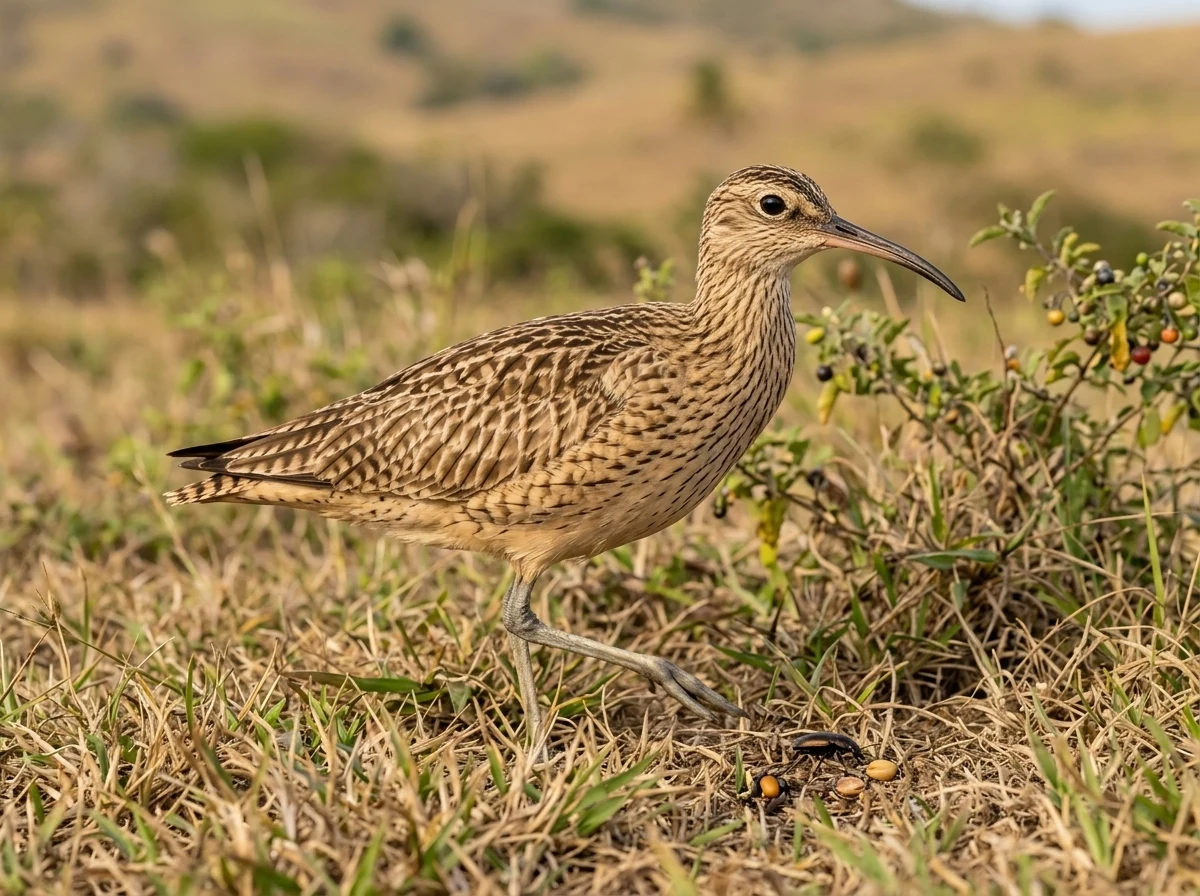 AI
AI AI
AI AI
AI
Evidence trail