Where to watch birds
Find yournext place.
Wet and dry forests, karst, mangroves, salt flats, cays, and urban parks read through the birds that inhabit them.
Plan from habitat, not from a list.
Puerto Rico compresses dramatic changes in rainfall, elevation, and vegetation into short distances. A useful route connects those settings and recognizes that detectable birds change with time, weather, and season.
These pages bring together focal species and ecological context. Before leaving, confirm access, hours, closures, permits, and conditions with the authority managing each place.
Design your outing
Choose landscape, birds, and pace.
Destination guides
Know the place before you arrive.
Starting points for planning a visit and recognizing birds associated with each landscape.
All guides →Place guide
Birds of El Yunque
Birds to look for in El Yunque, how to read rainforest layers, where to get official information, and how to bird responsibly.Place guide
Birds of Guánica
Guide to birding Guánica Dry Forest for Puerto Rican Nightjar, Adelaide's Warbler, Lizard-Cuckoo, hummingbirds, and more, with official sources.Wetland route
Cabo Rojo and Laguna Cartagena
Bird guide to Cabo Rojo salt flats and Laguna Cartagena for shorebirds, herons, ducks, Yellow-shouldered Blackbird, migrants, habitats, and official access.Wetland guide
Birds of Humacao
Guide to birds of Humacao Natural Reserve: herons, pelicans, ducks, pigeons, raptors, and how to watch lagoons, channels, and mangrove.Limestone forest guide
Birds of Río Abajo
Guide to birds of Río Abajo State Forest: Puerto Rican Parrot, karst endemics, sounds, conservation, and responsible planning.Western mountains
Birds of Maricao
Plan a Maricao visit for montane forest, endemics, and the western parrot population.Metropolitan coast
Birds of Piñones and San Juan
Find urban, mangrove, lagoon, and coastal birds near the metropolitan area.Southern estuary
Birds of Jobos Bay
Explore mangroves, lagoons, seagrass, and dry forest between Guayama and Salinas.Northern wetland
Birds of Caño Tiburones
Plan a responsible visit to Caño Tiburones and learn to look for ducks, herons, rails, shorebirds, and raptors by habitat.Island municipality
Birds of Vieques
Plan birding in Vieques across dry forest, lagoons, beaches, and the national refuge.Cays and seabird colonies
Birds of Culebra
Explore Culebra dry forest, mangrove, lagoons, beaches, and seabirds responsibly.Wetland field ethics
How to watch birds in wetlands without disturbing them
A practical guide to watching birds in Puerto Rico's wetlands without disturbing them: distances, boardwalks, camouflage, and nest care.Fieldcraft
Ethics for watching shorebirds on Puerto Rico beaches
A practical guide to watching plovers and terns on Puerto Rico beaches without flushing them: distances, tides, timing, and signs of stress.Birdwatching
How to watch seabirds from shore
Learn to watch seabirds from Puerto Rico's shore: choosing a vantage point, scanning techniques, flight styles, and species like boobies, frigatebirds, and tropicbirds.Fieldcraft
How to watch raptor migration in Puerto Rico
Learn when to watch migrating raptors in Puerto Rico, how weather shapes flights, and how to identify falcons and hawks in flight.Learning · Places
Habitat Diorama: Dry Forest vs. Rainforest
Build two comparative dioramas with birds, plants, and climate of Guánica dry forest and El Yunque rainforest, with lists and questions.Learn by playing
Habitat Match: Mangrove, Karst, and Coffee
A card-matching game pairing Puerto Rico birds with mangrove, karst, and shade coffee, using vegetation clues and specialization questions.Seeing the Iguaca
Where to see the Puerto Rican Parrot today
The best place to see wild Puerto Rican Parrots is Río Abajo State Forest, home to about 320–340 birds. Learn the timing, the rules, and your other options.San Juan Bay Estuary
Birds of San Juan's Lagoons: San José, Torrecilla, Condado, Martín Peña
San Juan Bay Estuary has more than 160 bird species: herons, pelicans, frigatebirds, and ibises at the San José, Torrecilla, and Condado lagoons. What to see.Mountain forest guide
Birds of Toro Negro State Forest
DNER reports 30 bird species at Toro Negro, 6 endemic and two endangered hawks. What to look for, when to go, and how to bird Puerto Rico's highest mountains.Sierra de Cayey forest guide
Birds of Carite State Forest
DNER reports 49 bird species at Carite, 9 endemic, plus the Plain Pigeon and two protected hawks. Habitats, access near Guavate, and the best months to go.Karst forest guide
Birds of Guajataca State Forest
Guajataca has more than 70 bird species and 12 endemics per DNER, with 44 km of trails in Isabela's karst. What to look for, when to go, and how to get around.Northern limestone forest guide
Birds of Cambalache State Forest
Cambalache has 45 bird species and 12 endemics per DNER, minutes off PR-22 in Arecibo. Look for the Puerto Rican Lizard-Cuckoo and learn the limestone forest.Freshwater lagoon guide
Birds of Laguna Tortuguero
Laguna Tortuguero, between Vega Baja and Manatí, is a freshwater lagoon of about 220 hectares. Which waterbirds to look for, when to go, and how to handle caimans.Remote reserve in the Mona Passage
Birds of Mona Island
Mona holds Puerto Rico's largest Red-footed Booby colony and its own blackbird subspecies. Which birds to expect, what DRNA permits require, and the rules.Río Piedras green lung
Birds of the UPR Botanical Garden
The UPR Botanical Garden is one of San Juan's best spots for endemics: woodpecker, oriole, and spindalis. Hours, entrance, and where to look.Community forest in the mountains
Birds of Bosque del Pueblo, Adjuntas
Bosque del Pueblo protects Black-whiskered Vireos, woodpeckers, and forest hawks on land once slated for mining. Birds to see and how to book with Casa Pueblo.Transition from dry to moist
Birds of Susúa State Forest
Susúa, between Sabana Grande and Yauco, has 44 bird species per DRNA, including the endangered nightjar and quail-doves. What to look for and how to visit.Islet off Ponce
Birds of Caja de Muertos Island
Caja de Muertos, off Ponce, hosts boobies, tropicbirds, pelicans, and terns per DRNA. Which birds to expect and what is happening with the pier and ferry.Historic islet
Birds of Old San Juan
In Old San Juan you'll see grackles, doves, Bananaquits, Gray Kingbirds, pelicans, and frigatebirds. Here is where to look and what changes by month.Birds that reveal the landscape
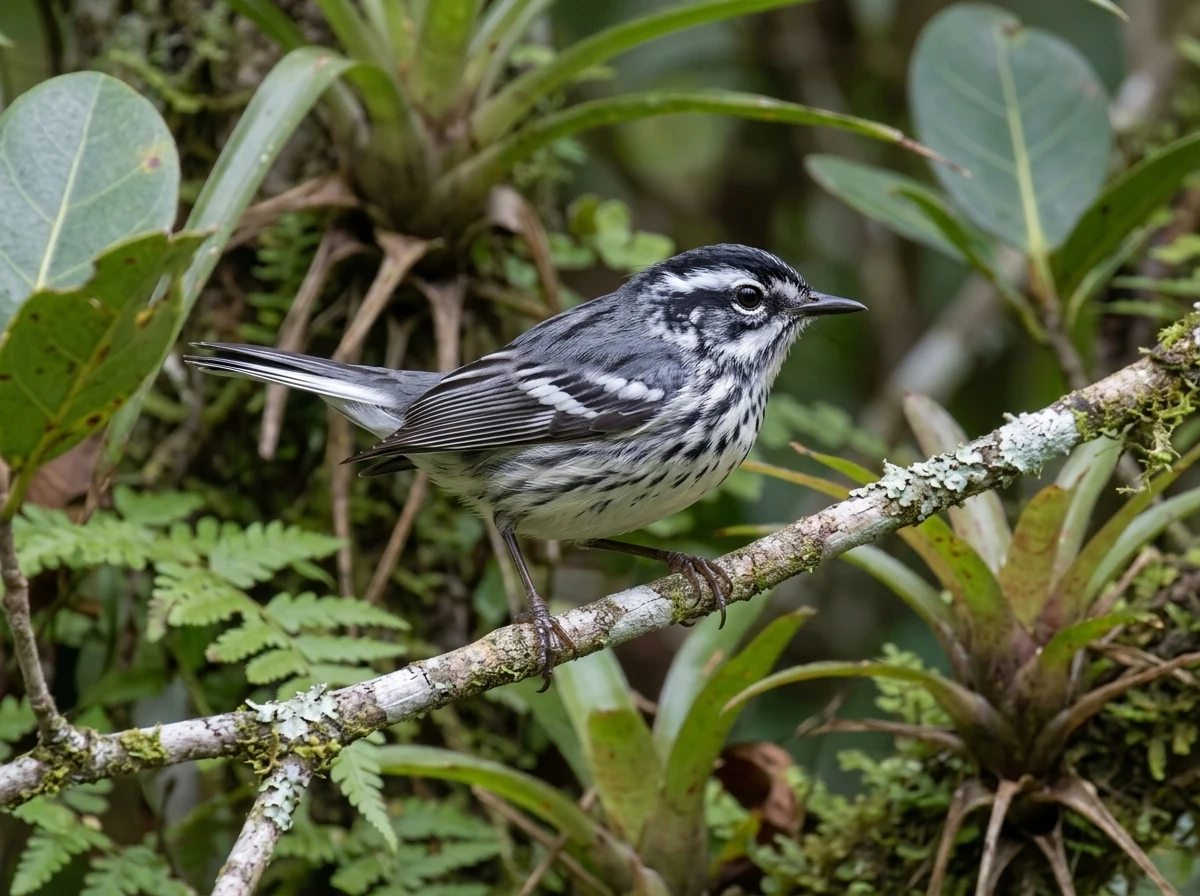
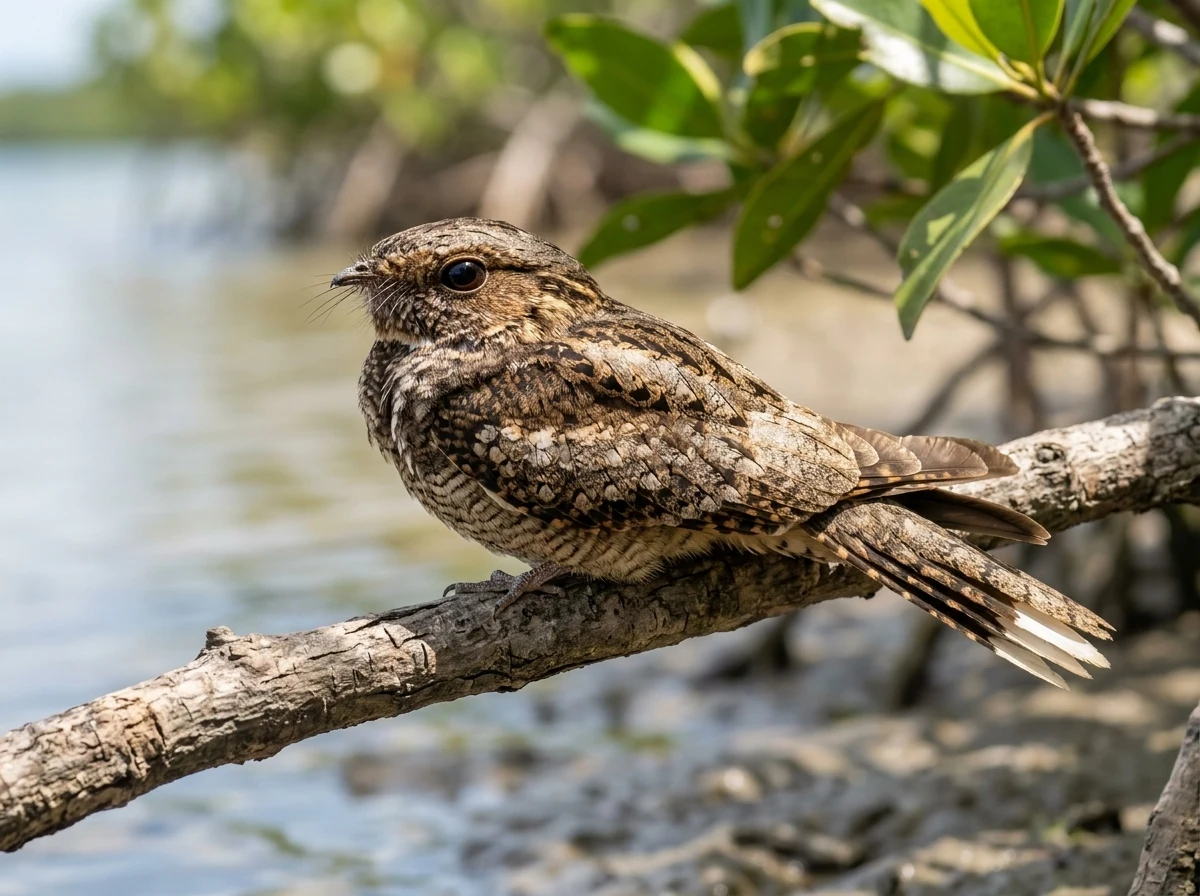
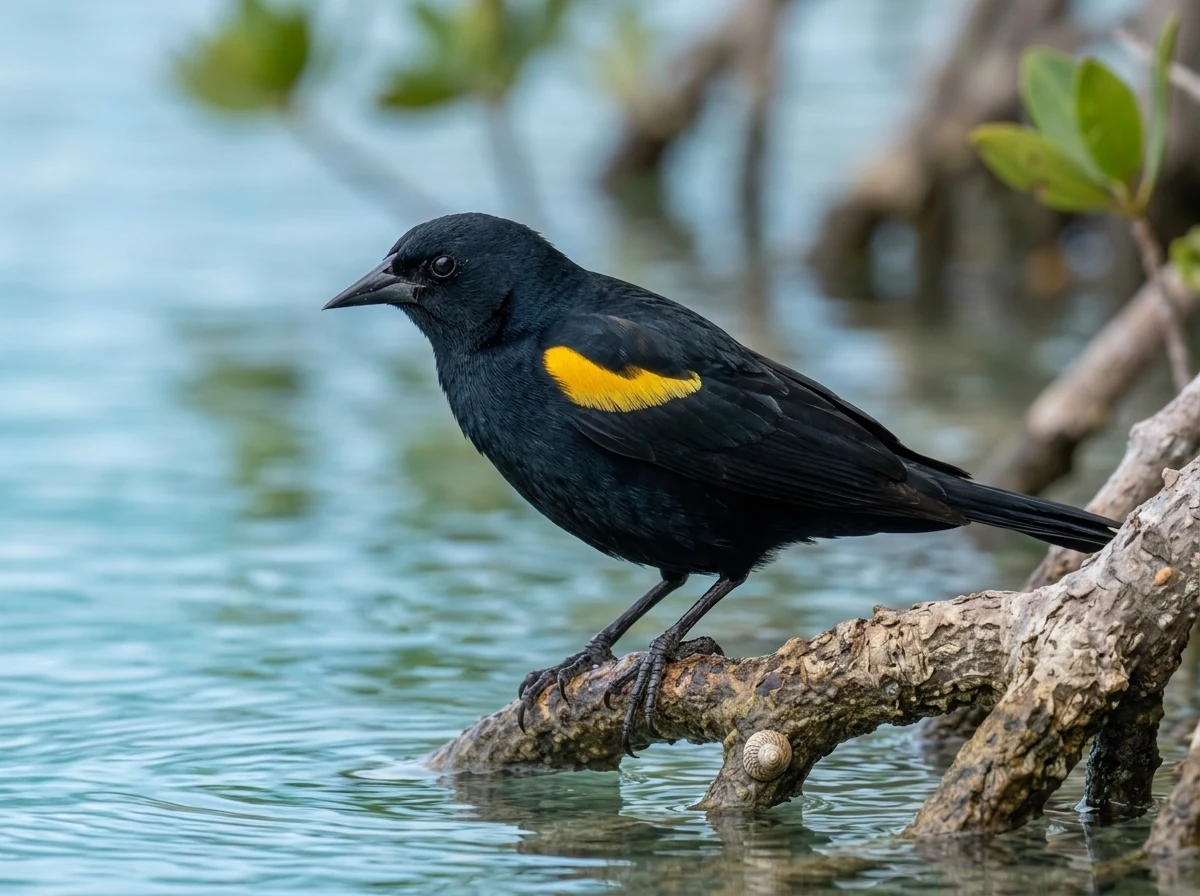
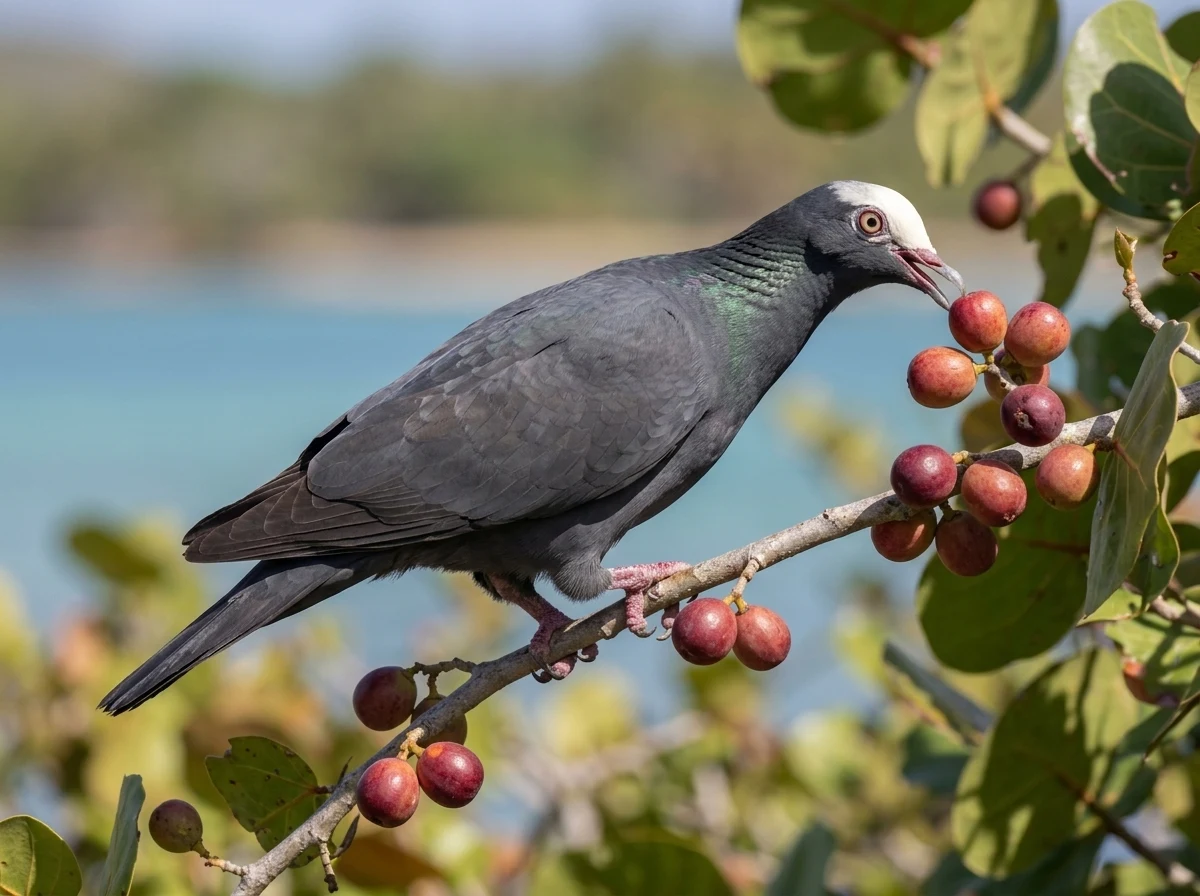
Four settings, four specialists.
From rainforest to dry coast, each profile opens a different route.
Explore by habitat
The archipelago changes within a few miles.
Forest Birds
Birds associated with Puerto Rico's rain forests, dry forests, karst woodlands, coffee shade and other wooded habitats.
Coastal Birds
Birds linked to beaches, tidal flats, mangroves, salt ponds, coastal lagoons and Puerto Rico's offshore cays.
Wetland Birds
Waterbirds and wetland specialists found around marshes, ponds, reservoirs, lagoons and seasonally flooded ground.