 AI
AIBehavior guide
Why Male and Female Birds Can Look Different
In some species the male and female look like different birds; in others they are nearly identical. Here we explain why, and how to check it with two Puerto Rican endemics.
Reviewed:Prepared with AI assistance and linked sources. Illustrations are not field photographs.
The question in one sentence
Not all birds show visible differences between males and females. In many species, such as crows, individuals look practically identical to our eyes; in others, such as the Northern Cardinal, the male is far more colorful than the female. BirdNote summarizes this variety and notes that even when we cannot tell the sexes apart, the birds themselves can, for example through slight variations in their calls or differences in feathers visible in the ultraviolet spectrum.
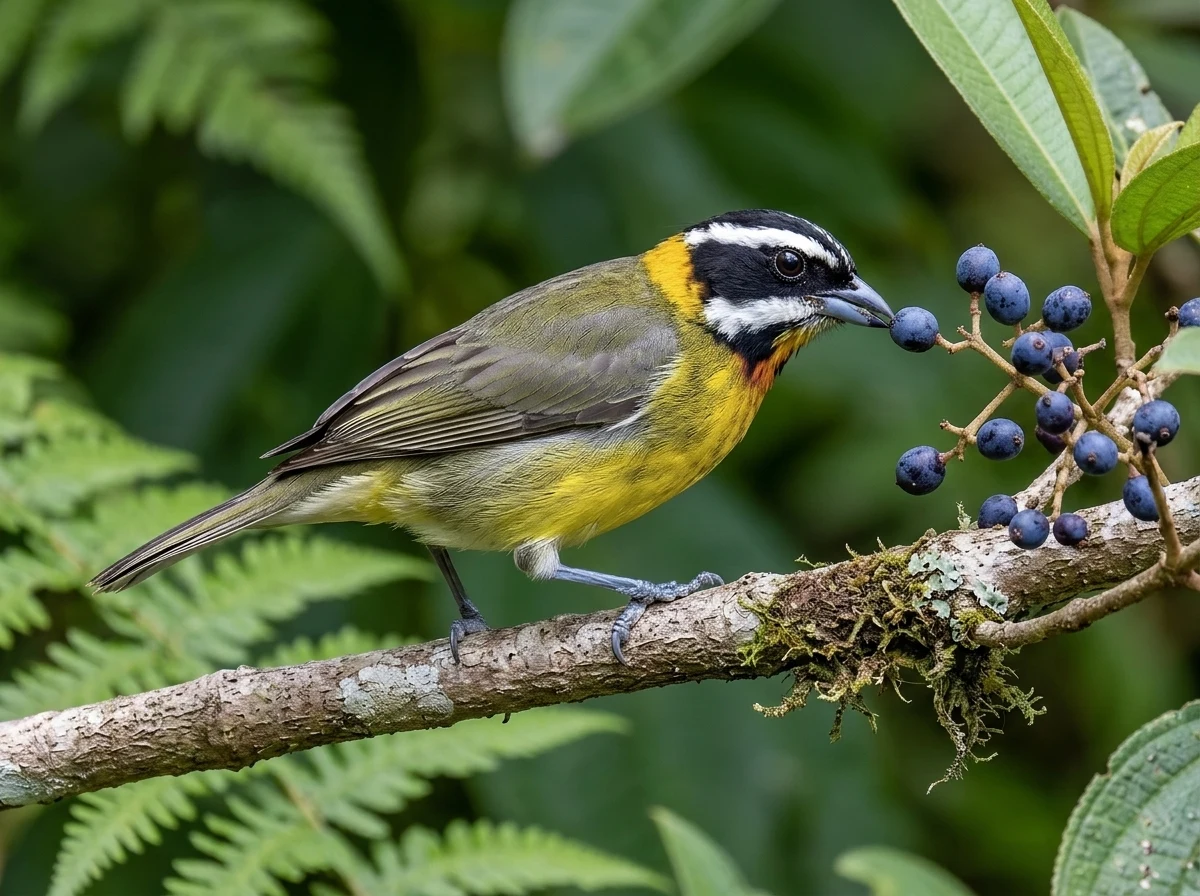
Puerto Rico has clear examples of both extremes. The Puerto Rican Emerald is sexually dimorphic: the male has iridescent green plumage and a black tail, while the female has white underparts and white outer tail feathers. The Puerto Rican Spindalis, by contrast, is an endemic bird widely distributed across the island, and its profile does not describe such marked dimorphism. This guide explains the general mechanism and offers an observation exercise using these two species.
Behavior guide
Three key takeaways
DimorfismoNot universalMany species have males and females that look identical to our eyes.
ZumbadorcitoA clear Puerto Rico exampleThe male is iridescent green with a black tail; the female has white underparts.
Reina moraA useful contrastEndemic and widely distributed; its profile does not describe marked dimorphism.
01
What it means for males and females to look different
When a species shows visible differences in color, size, or shape between males and females, we call it sexual dimorphism. The Puerto Rican Emerald is a direct example: according to BirdsCaribbean, the male has iridescent green feathers on its body and a black tail, while the female has white underparts and white outer tail feathers. That difference is visible in the field if you observe calmly and in good light.
Dimorphism is not a universal rule. BirdNote explains that in many species, such as crows, males and females look identical, and that the same is true of common birds like Song Sparrows, Blue Jays, and Cedar Waxwings.
02
Why this difference evolved
BirdNote notes that the variety of plumage patterns between the sexes, even among closely related species, is a topic of great scientific complexity. There is no single cause that explains every case. What we do know is that birds can perceive signals we do not see: some scientists think crows tell each other apart by slight variations in their calls, and it is probable that crows and many other birds see differences in feathers in the ultraviolet spectrum, even when those feathers look black to us.
That means two birds that look identical to us may be distinguishable to them. The practical lesson is twofold: first, do not assume a male and female look the same just because we cannot notice the difference; second, do not assume that a difference visible to us is the only one that exists. Dimorphism can be visual to humans, visual only in another range of light, or even acoustic.
03
Two Puerto Rico endemics to compare
The Puerto Rican Emerald (Riccordia maugaeus) is endemic to the Puerto Rico archipelago and is the smallest bird on the island, about 3.5 to 4 inches long, according to BirdsCaribbean. On weight, BirdsCaribbean gives approximately 3 grams, while the catalog profile used for this guide lists 4.25 grams; it is worth keeping that difference between sources in mind. Its dimorphism is clear: male iridescent green with a black tail, female with white underparts and white outer tail feathers. The same source notes that the female alone builds the nest and that chicks fledge at about 20 to 22 days old.
The Puerto Rican Spindalis (Spindalis portoricensis) is also endemic to Puerto Rico, commonly known as reina mora or cigua puertorriqueña, and is widely distributed across the island. Its profile describes it as frugivorous, sedentary, found in forests and edges, and highlights its role in seed dispersal. The profile does not describe marked dimorphism comparable to the emerald's. Comparing these two species helps show that dimorphism varies across groups and species; it is not a uniform feature of all birds.
04
Observation exercise: compare without assuming
This exercise requires no special equipment, just patience and a notebook. The goal is to practice comparing individuals without assuming sex. First, choose a place with flowers or fruiting trees where you are likely to see emeralds or spindalis. Second, observe one bird at a time for at least a minute and note: body color, tail color, underpart color, relative size, and behavior. Third, repeat with another individual and compare your notes.
The key is not to label as male or female what cannot be confirmed. BirdsCaribbean describes in the emerald a male with an iridescent green body and black tail, and a female with white underparts and white outer tail feathers; the source presents these as plumage differences, not as a diagnostic field rule. In the spindalis, if you do not observe a clear difference, the honest conclusion is that sex cannot be determined by sight alone. That result is also valid and valuable data.
05
Checklist for a field outing
Before heading out, review this short list: binoculars if you have them, a notebook or phone for notes, a pencil, water, and a field guide or ID app. If you plan to watch emeralds, look for flowers such as Malvaviscus penduliflorus, Hamelia patens, or Odontonema sp., which BirdsCaribbean mentions as plants that attract the emerald. If you watch for spindalis, look for fruiting trees, forest edges, and gardens, habitats its profile describes.
During observation, record time, place, light conditions, and which bird you saw. Note whether you saw one or several individuals, whether they interacted, and whether there were visible differences among them. When you finish, review your notes and ask: can I justify each identification with an observed feature? If the answer is no, leave it as a bird not identified by sex. This discipline improves the quality of your observations and prevents hasty conclusions.
Linked profiles
Birds in this guide
Two Puerto Rico endemics that illustrate different extremes of sexual dimorphism.
AI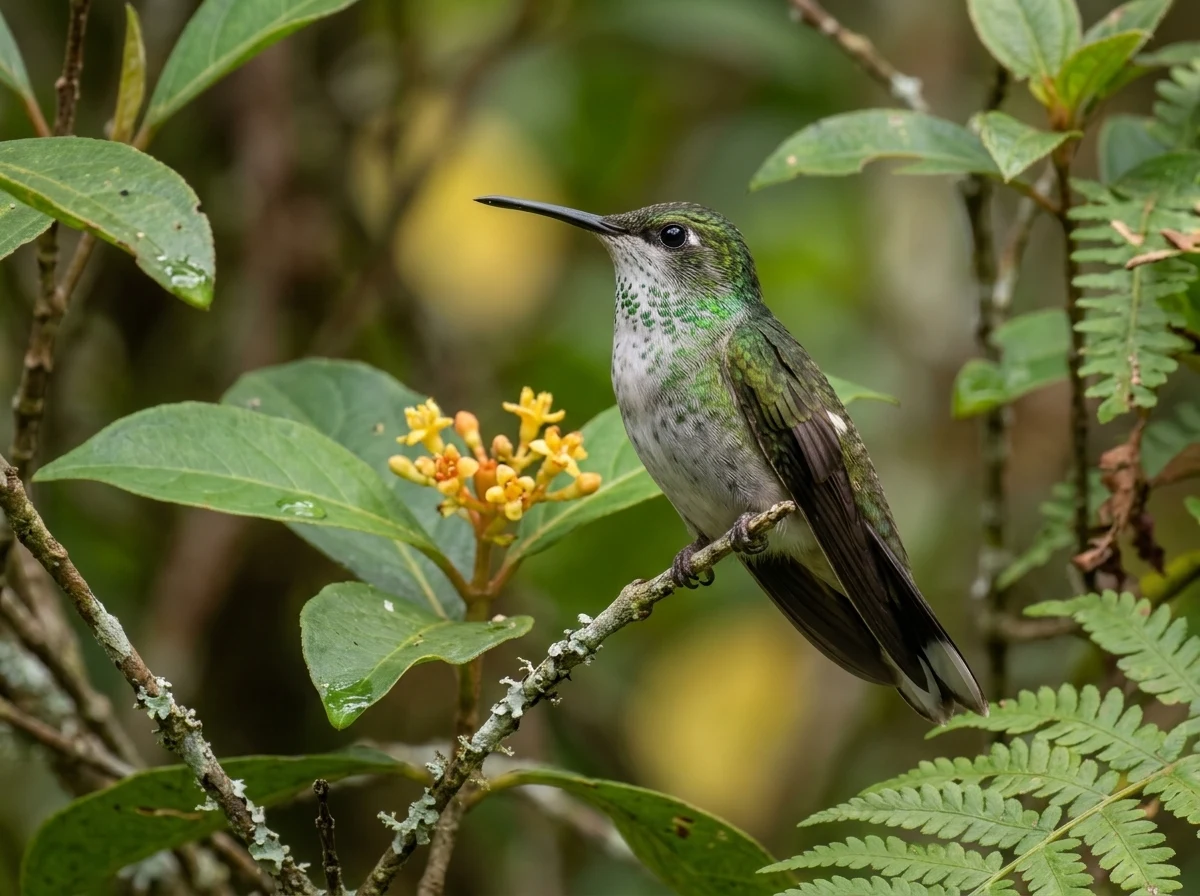 AI
AI01
Do all male and female birds look different?
No. BirdNote explains that in many species, such as crows, males and females look identical, and that the same is true of birds like Song Sparrows, Blue Jays, and Cedar Waxwings. Dimorphism varies greatly among species.
02
How do I tell a male Puerto Rican Emerald from a female?
BirdsCaribbean describes the male with iridescent green feathers on its body and a black tail, and the female with white underparts and white outer tail feathers. These are plumage differences described by the source, not a diagnostic field rule. Observe in good light and focus on the tail and belly.
03
Does the Puerto Rican Spindalis also have different males and females?
The spindalis profile describes it as endemic, widely distributed, and frugivorous, but does not note marked dimorphism comparable to the emerald's. If you do not observe a clear difference, you cannot determine sex by sight alone.
04
Can birds tell each other's sex even when we cannot?
BirdNote notes that it is possible. Some scientists think crows tell each other apart by slight variations in their calls, and it is probable that crows and many other birds see differences in feathers in the ultraviolet spectrum that we do not perceive.
05
Why do some species have dimorphism and others do not?
BirdNote states that the variety of plumage patterns between the sexes, even among closely related species, is a topic of great scientific complexity. There is no single cause that explains every case; the answer varies by species and its evolutionary history.
Keep exploring
Connected routes
Sources and review
The evidence is one link away.
These sources support the editorial scope of this guide. Bird profiles also retain their own taxonomy, occurrence, and conservation references.
Reviewed:
The atlas continues