 AI
AIEssential guide
Endemic birds
Nineteen living species occur naturally nowhere else. This route brings them together without losing the taxonomy, habitat, or evidence behind each name.
Reviewed:A short list that needs many landscapes.
An endemic species has a natural range restricted to one region. Here, Puerto Rico means the archipelago: the main island, Vieques, Culebra, Mona, Monito, Desecheo, and associated cays. Endemic is not a synonym for native; a bird can arrive without human help and still occur naturally on other Caribbean islands.
The atlas follows a contemporary taxonomy recognizing 19 living endemics. That total is a dated snapshot of classification, not an eternal number. Every bird therefore links to its full profile, Puerto Rico Spanish names, recordings, and sources that let readers inspect the evidence.
Essential guide
The list in context
19living speciesRecognized as endemic under the atlas's current taxonomic framework.
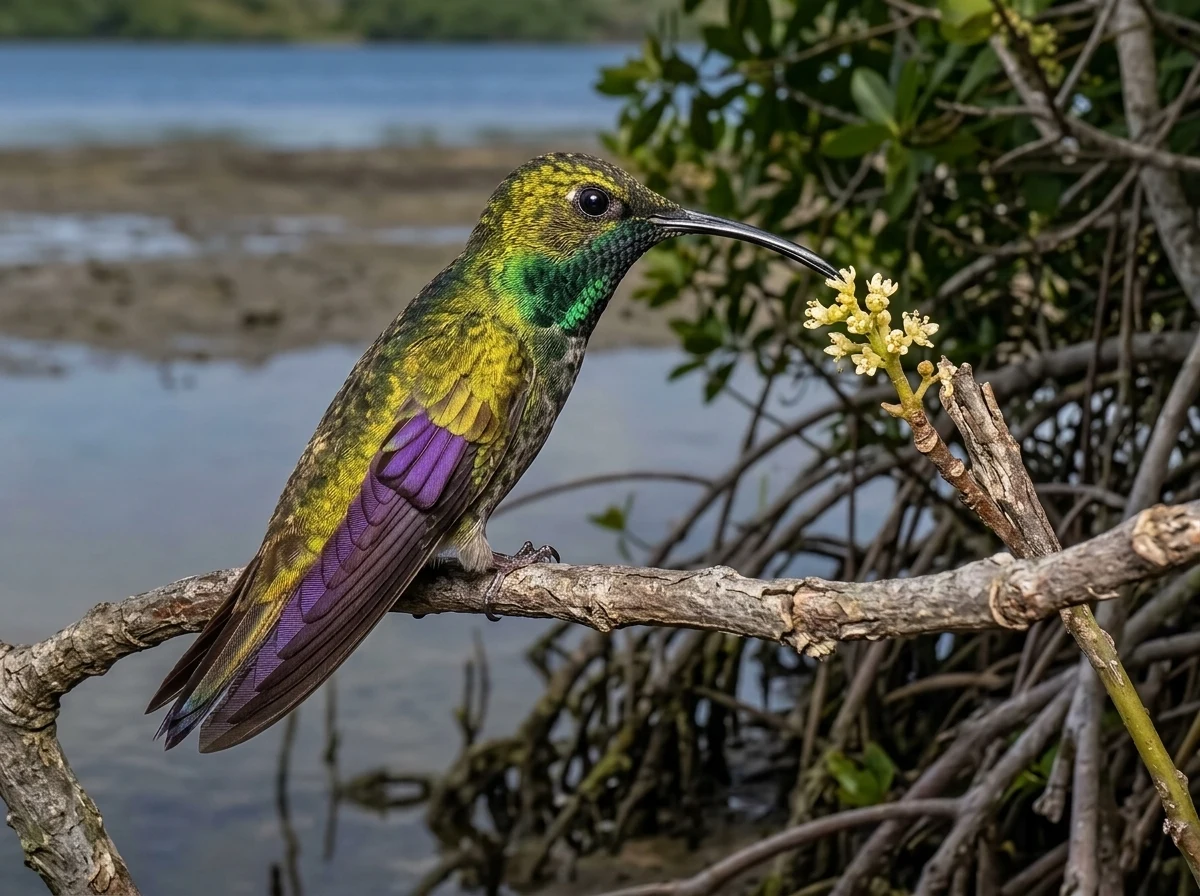
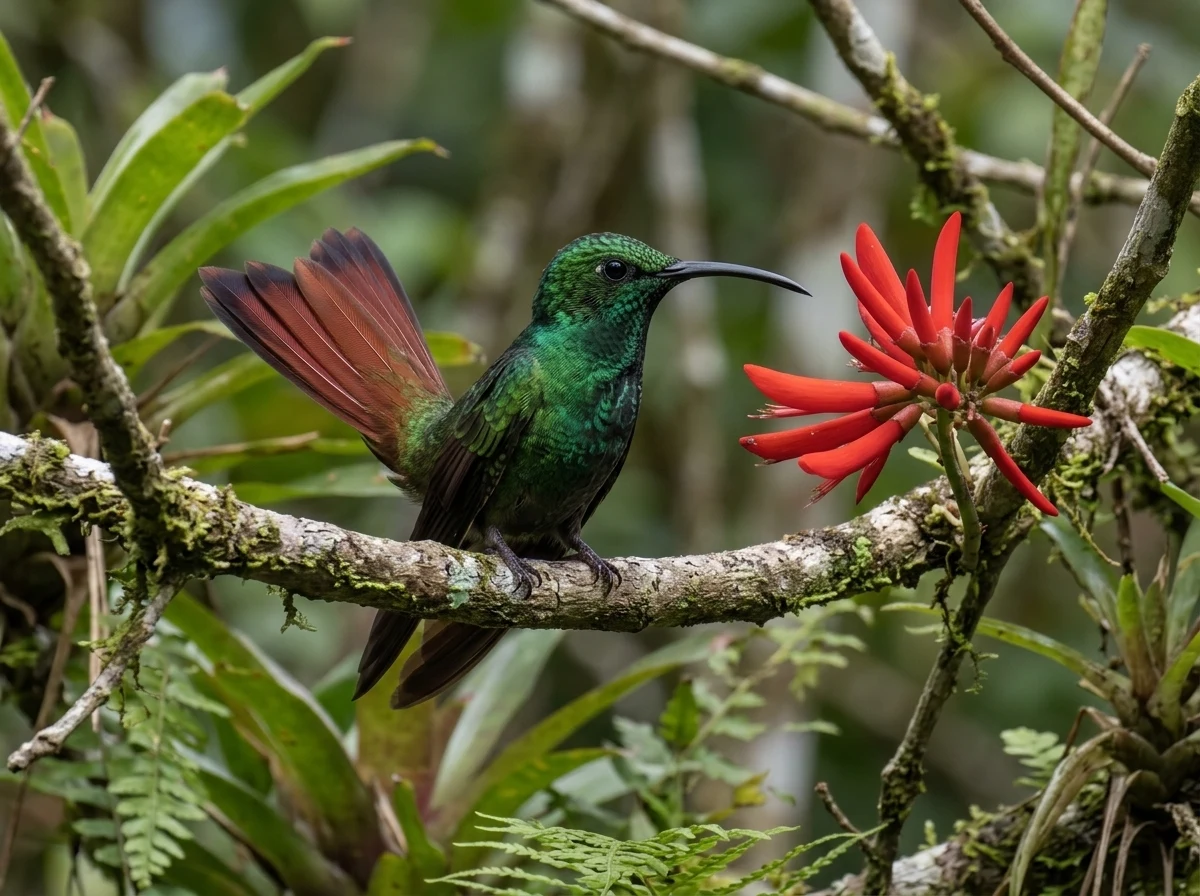
3hummingbirdsPuerto Rican Mango, Green Mango, and Puerto Rican Emerald.
2key updatesTaxonomic splits in 2022 and 2023 explain the recent move from 17 to 19.
01
Endemic, native, and resident are not the same
Endemic describes the geographic boundary of a species' natural range. Native means it arrived or evolved without human introduction, while resident describes a bird that remains through all or much of the year. White-crowned Pigeon, for example, can be native and resident without being exclusive to Puerto Rico.
Puerto Rico also has endemic subspecies: distinctive local populations within species that range farther afield. This page counts full species, not subspecies, introduced birds, or migratory visitors.
02
From rainforest to dry scrub
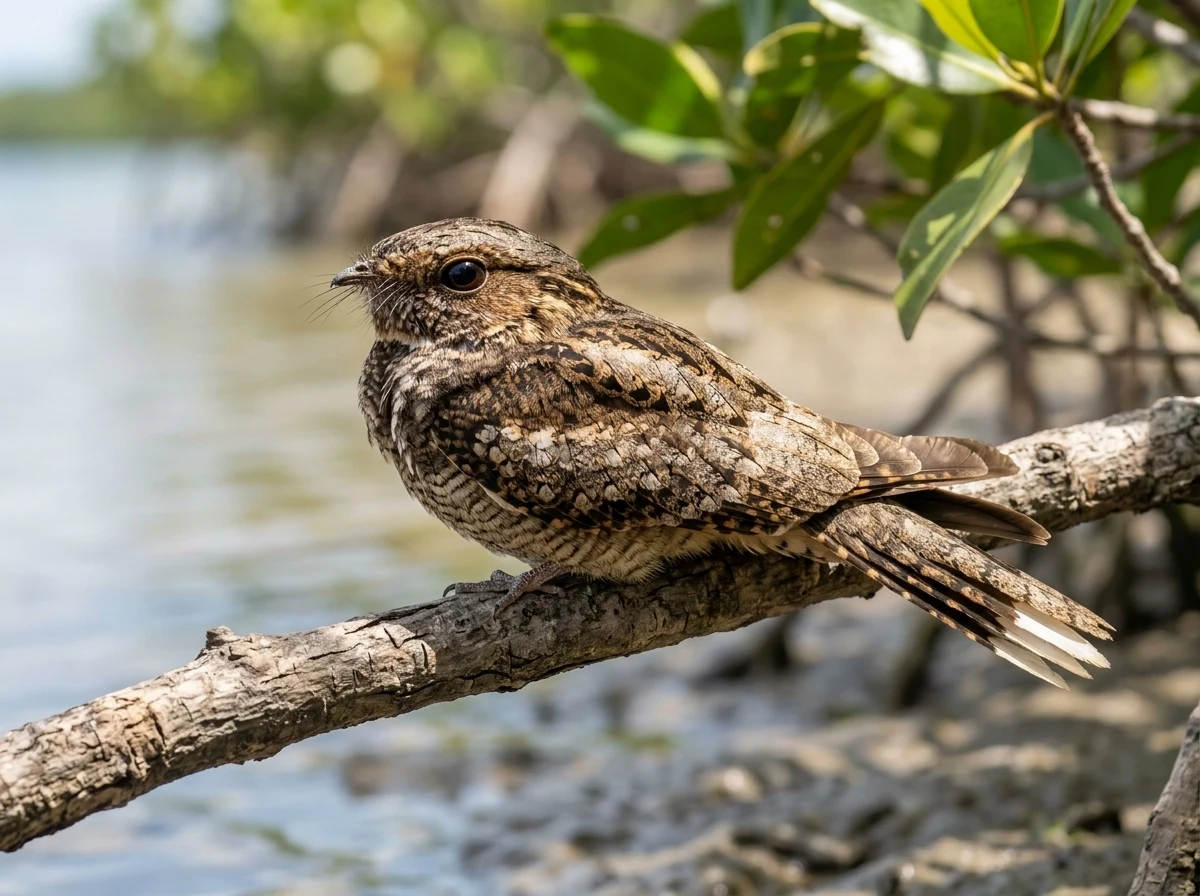
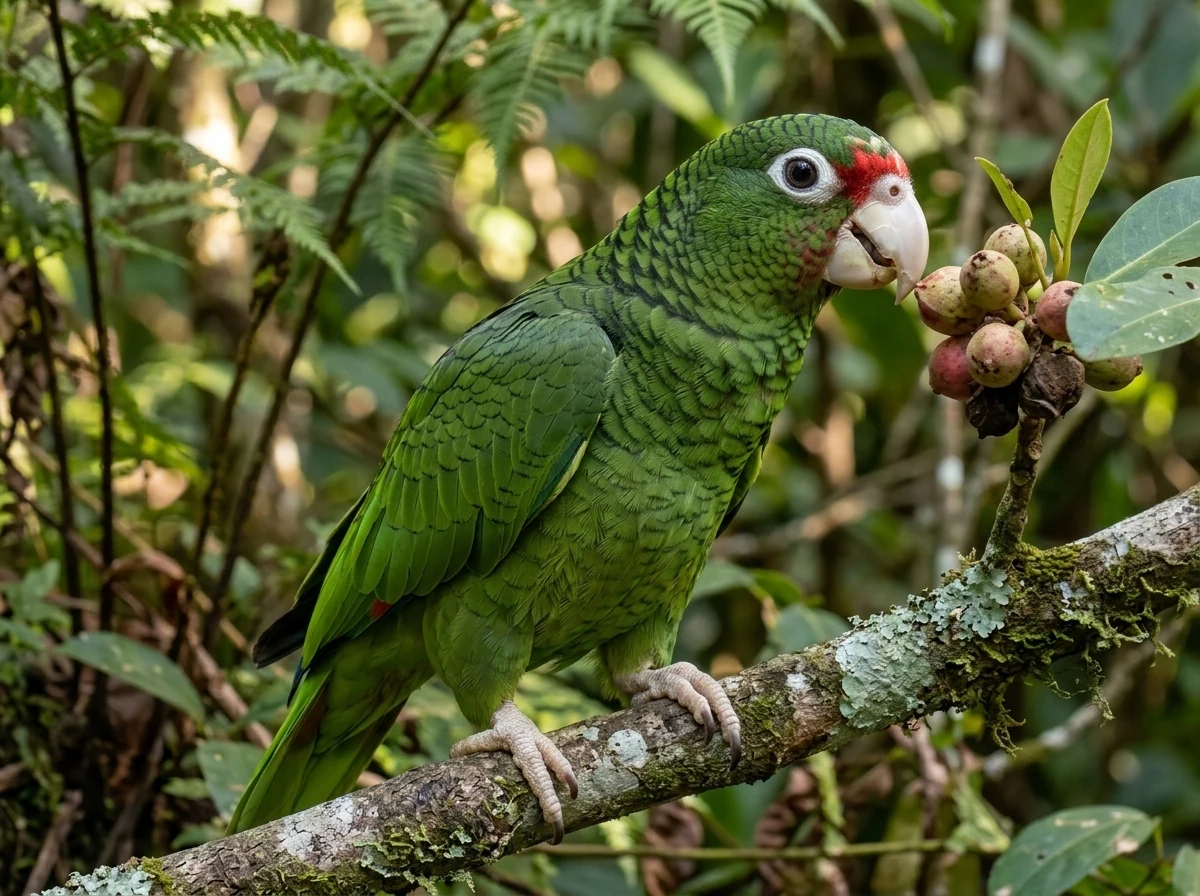
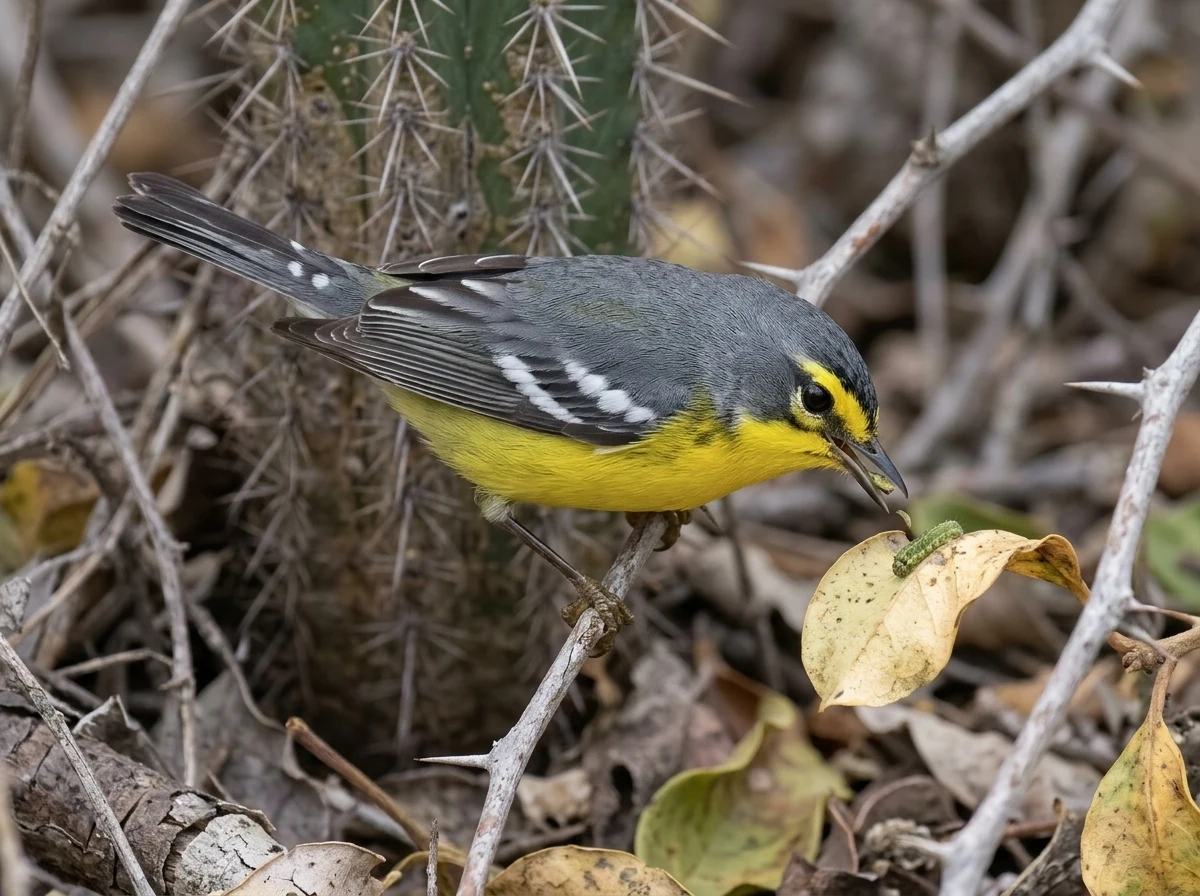
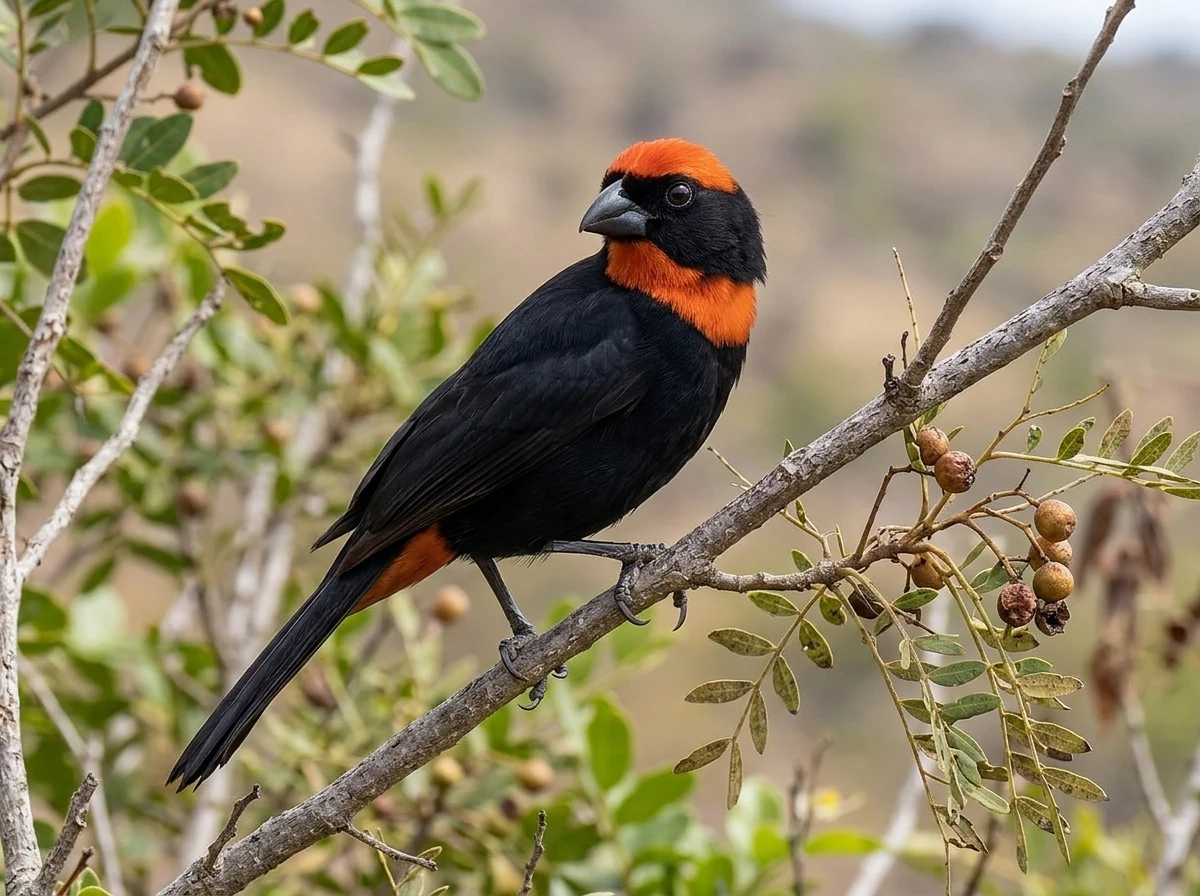
No single place represents all 19. El Yunque connects readers with the Puerto Rican Parrot and wet-forest communities; Río Abajo adds limestone karst and another parrot population; Guánica and the southwest are essential for the Puerto Rican Nightjar, Adelaide's Warbler, and Yellow-shouldered Blackbird.
The useful strategy is to organize a search by habitat rather than treating the list as one line. Mountain forest, shade coffee, limestone hills, dry forest, mangrove, and coast support different groups. The place guides linked below turn that diversity into practical reading and birding routes.
03
Listen first; confirm with shape and color
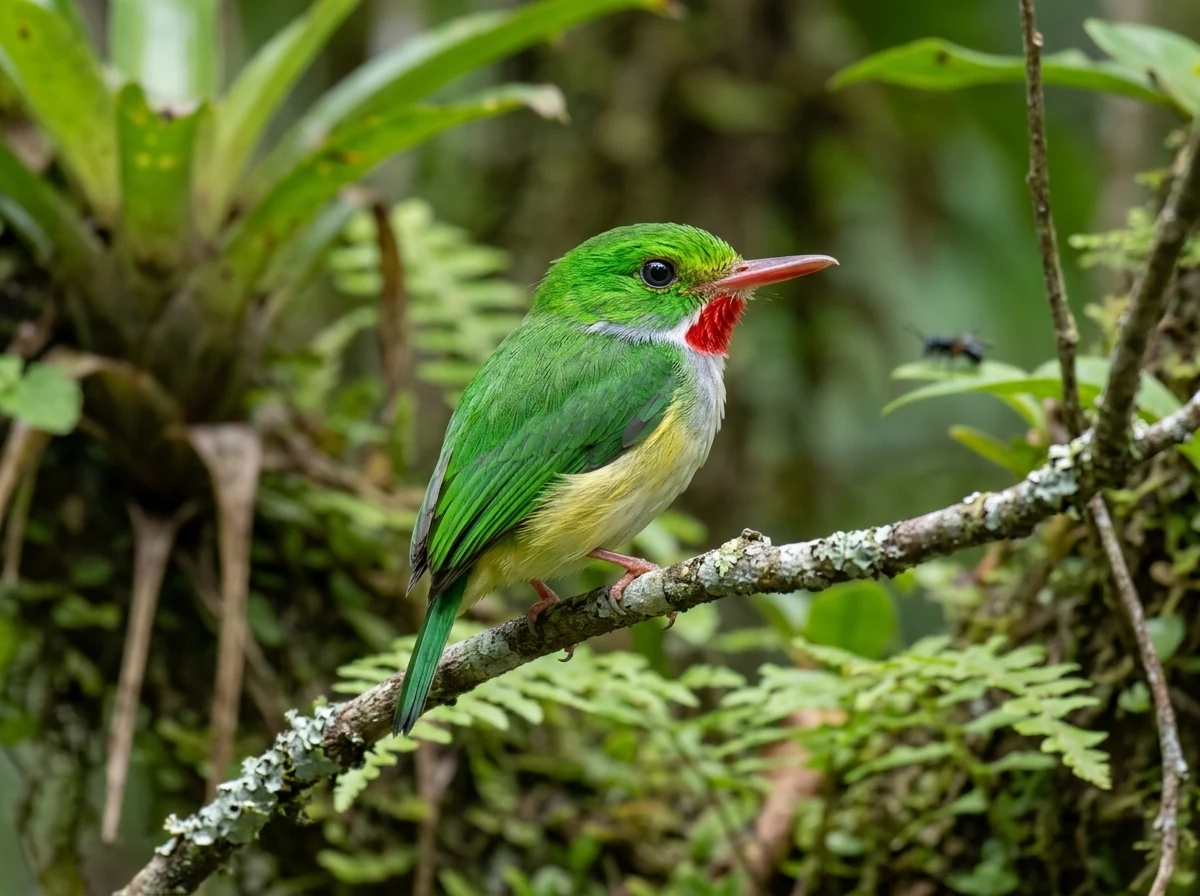
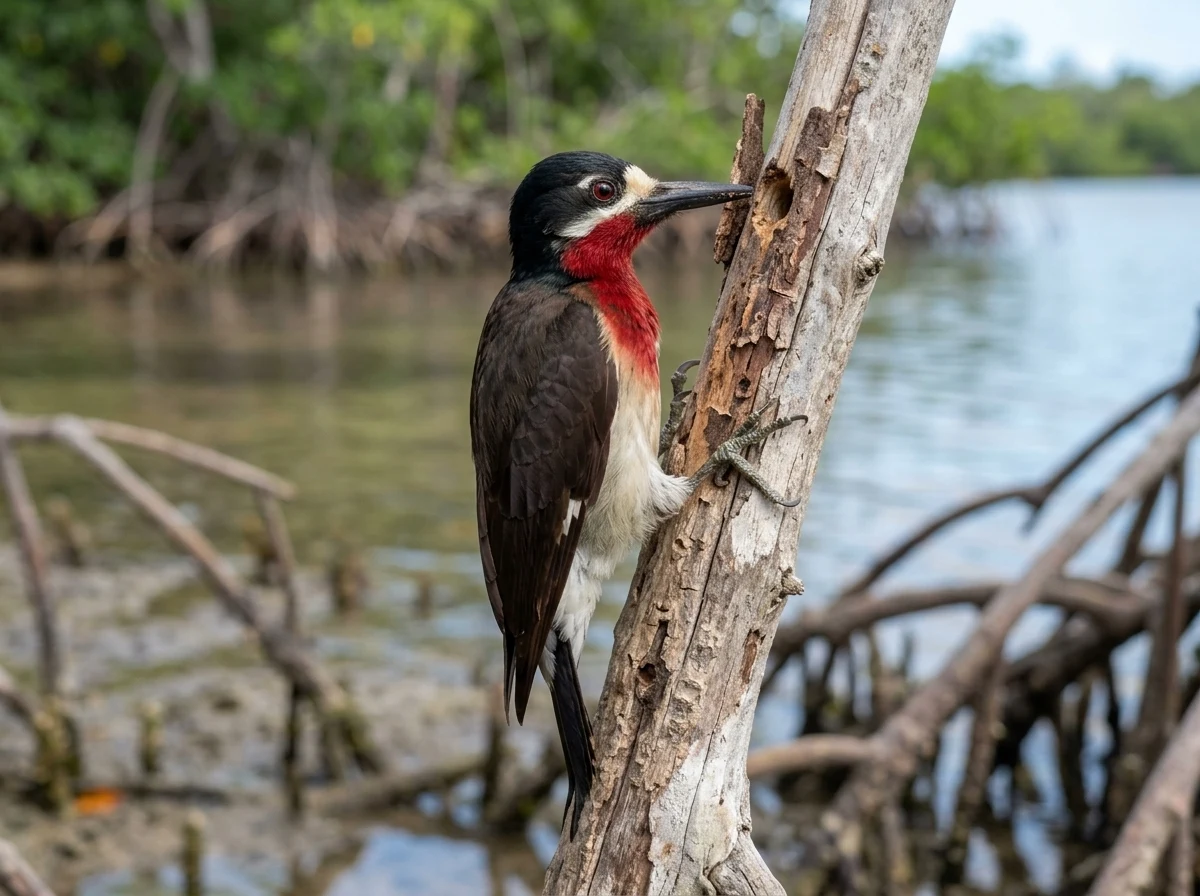
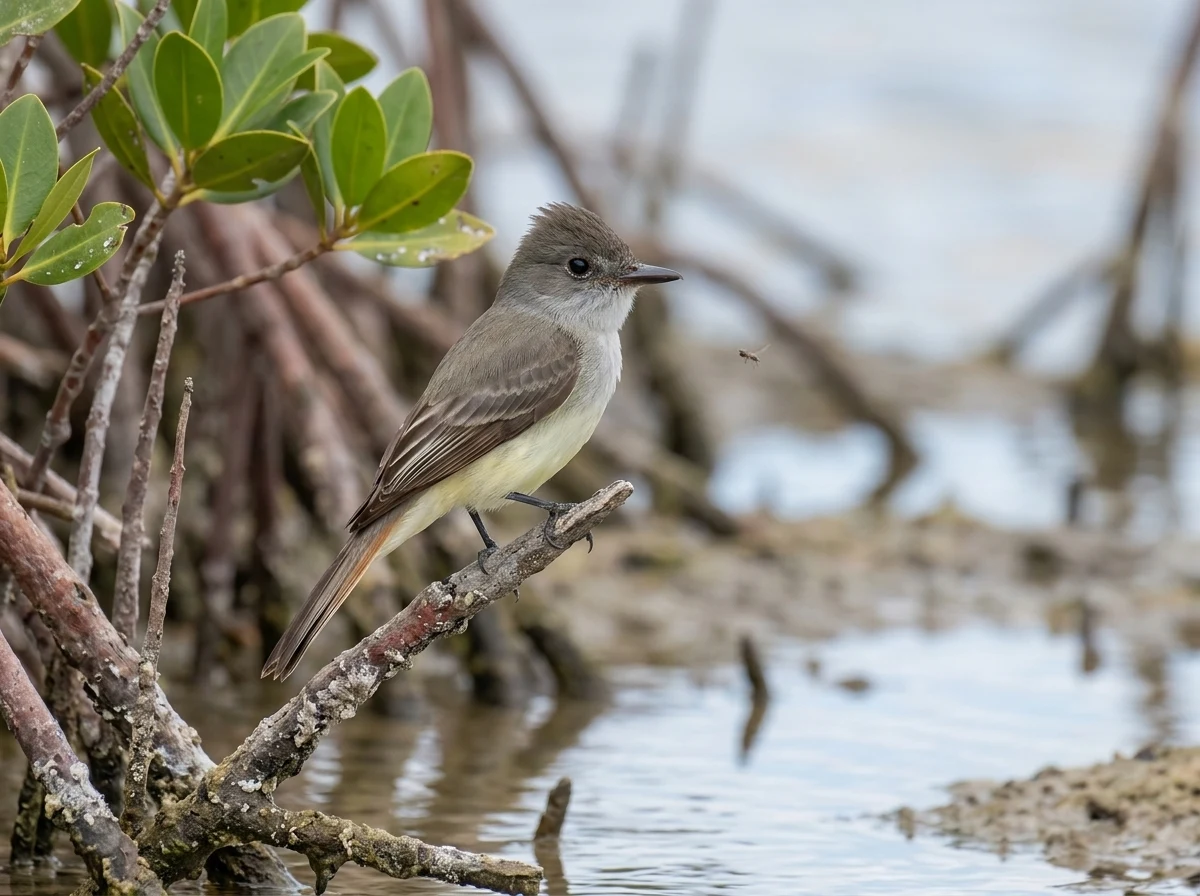
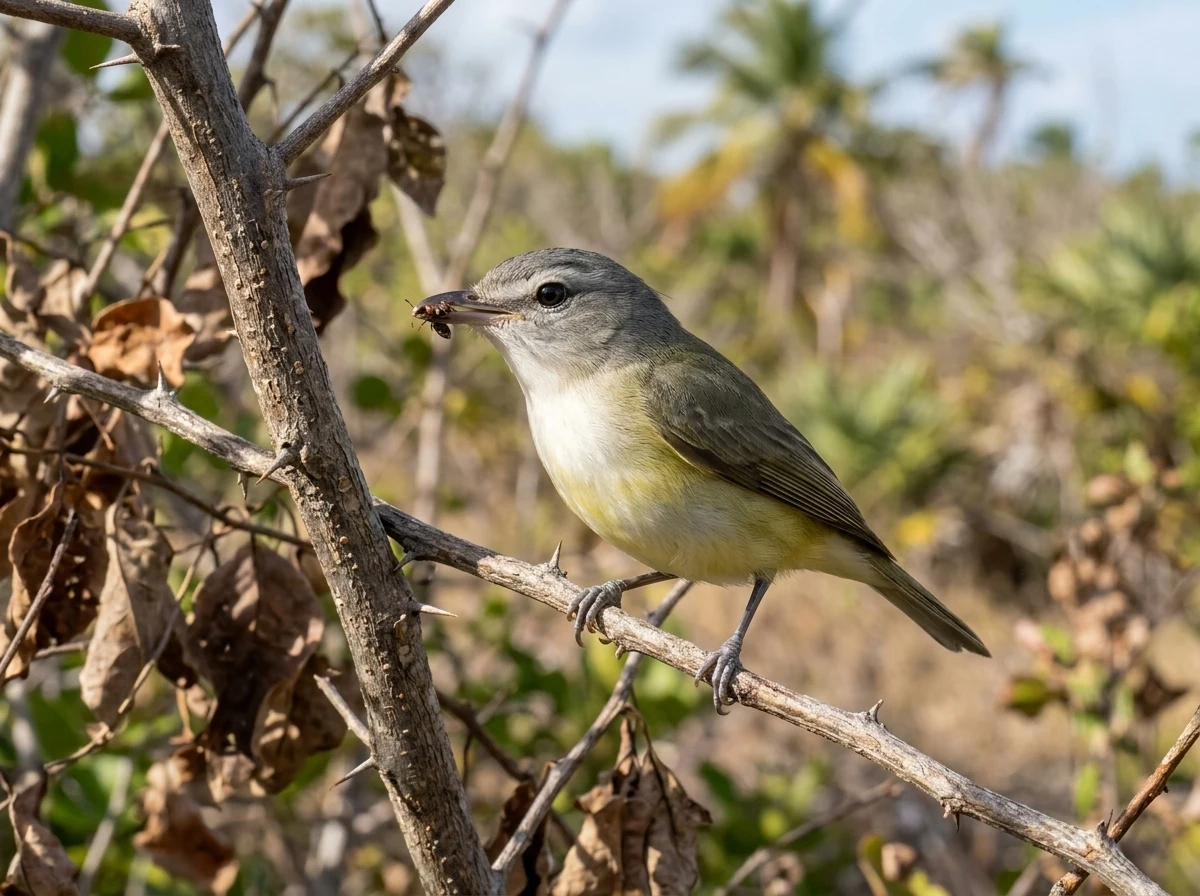
In dense vegetation, voice often reveals a bird before plumage does. The Puerto Rican Flycatcher's namesake call, the Puerto Rican Vireo's pattern, the woodpecker's drumming, and the tody's phrases are starting points, but a recording never replaces context such as place and date.
Compare several recordings because the same species may sing, call, alarm, or vary by individual. Then check silhouette, relative size, behavior, forest layer, and plumage details. The atlas keeps audio and spectrograms beside profiles so that comparison becomes visible.
04
Observe without turning a sighting into pressure
Several endemics have small populations or localized habitat. Keep away from nests and roosts, respect closures, do not block trails, and never use continuous playback to pull a bird closer. A more distant photograph can represent a much better encounter.
Conservation is not limited to threatened species. Protecting a mosaic of forests, wetlands, and coasts preserves food, shelter, and connectivity for the entire community. Profiles keep global, federal, and Puerto Rico status systems separate so that one label does not erase the others.
Linked profiles
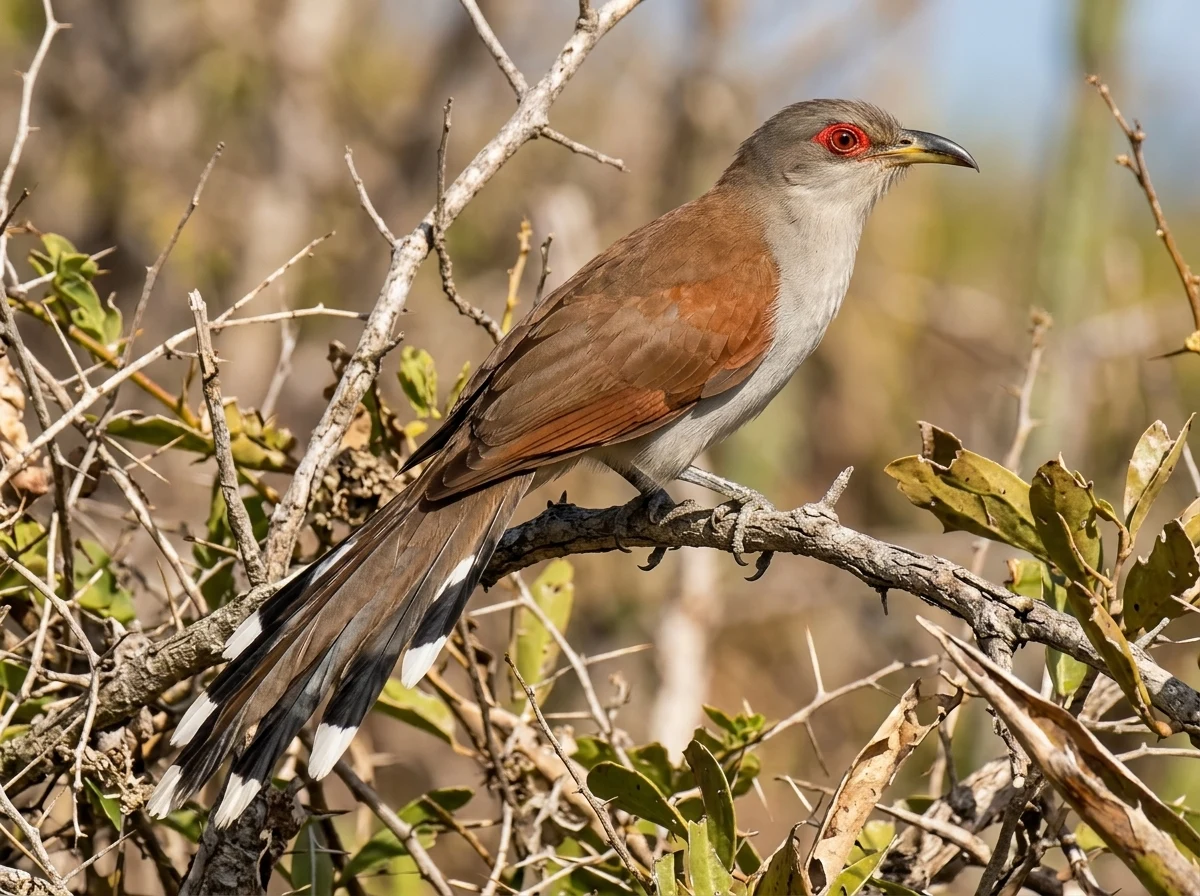
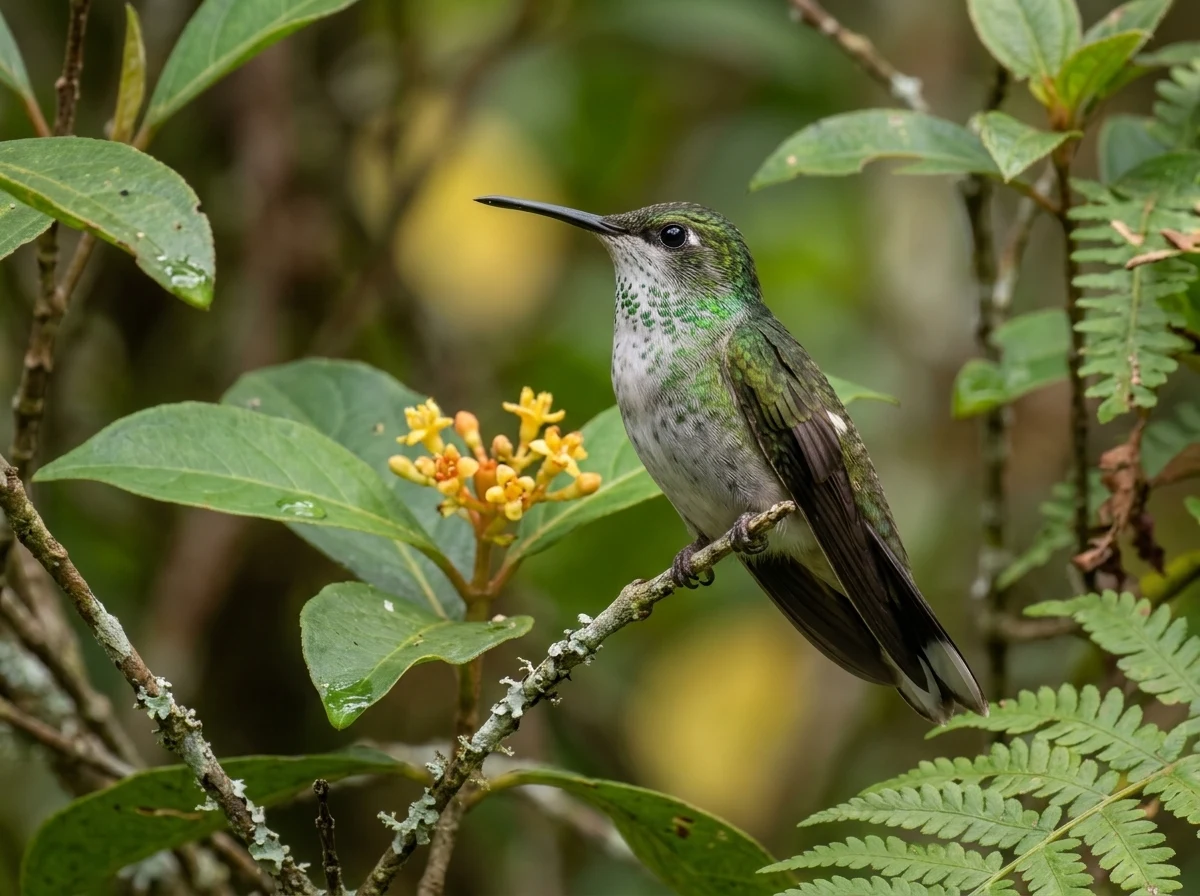
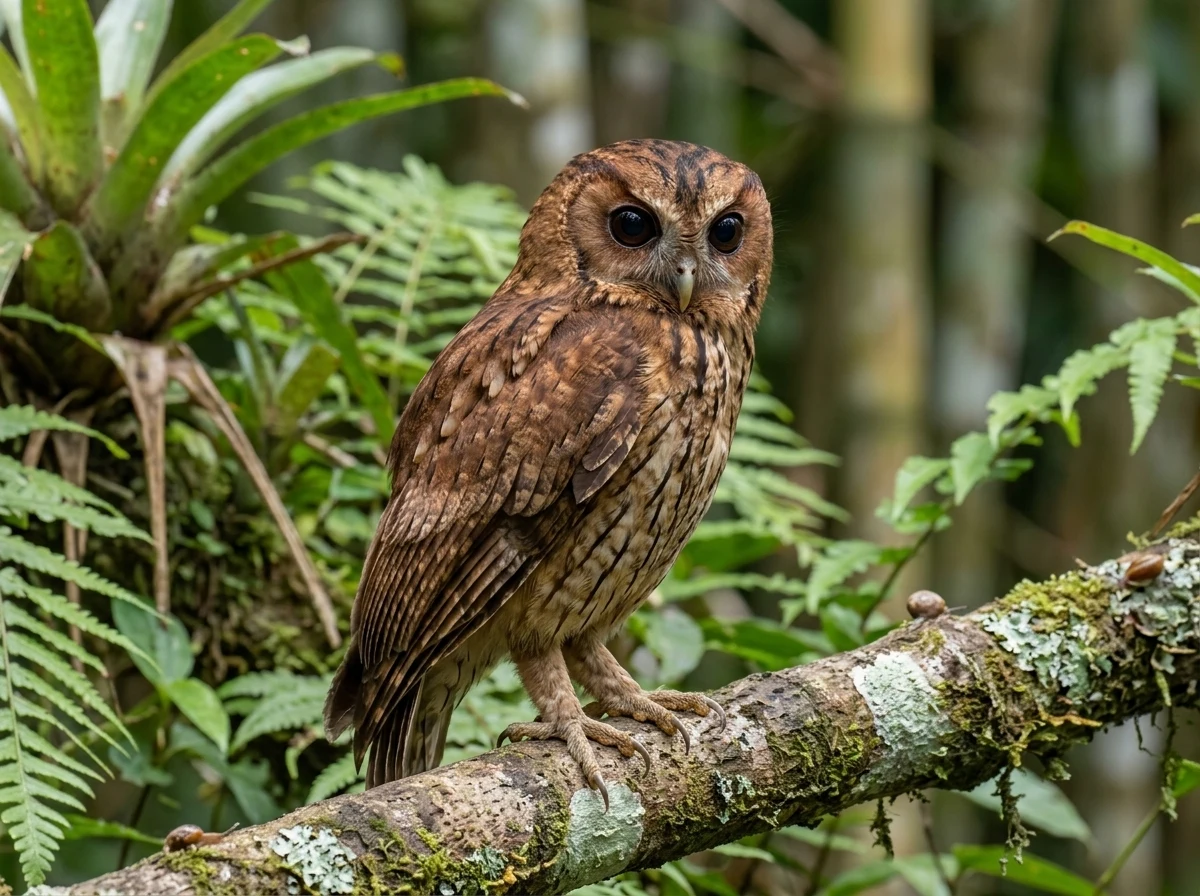
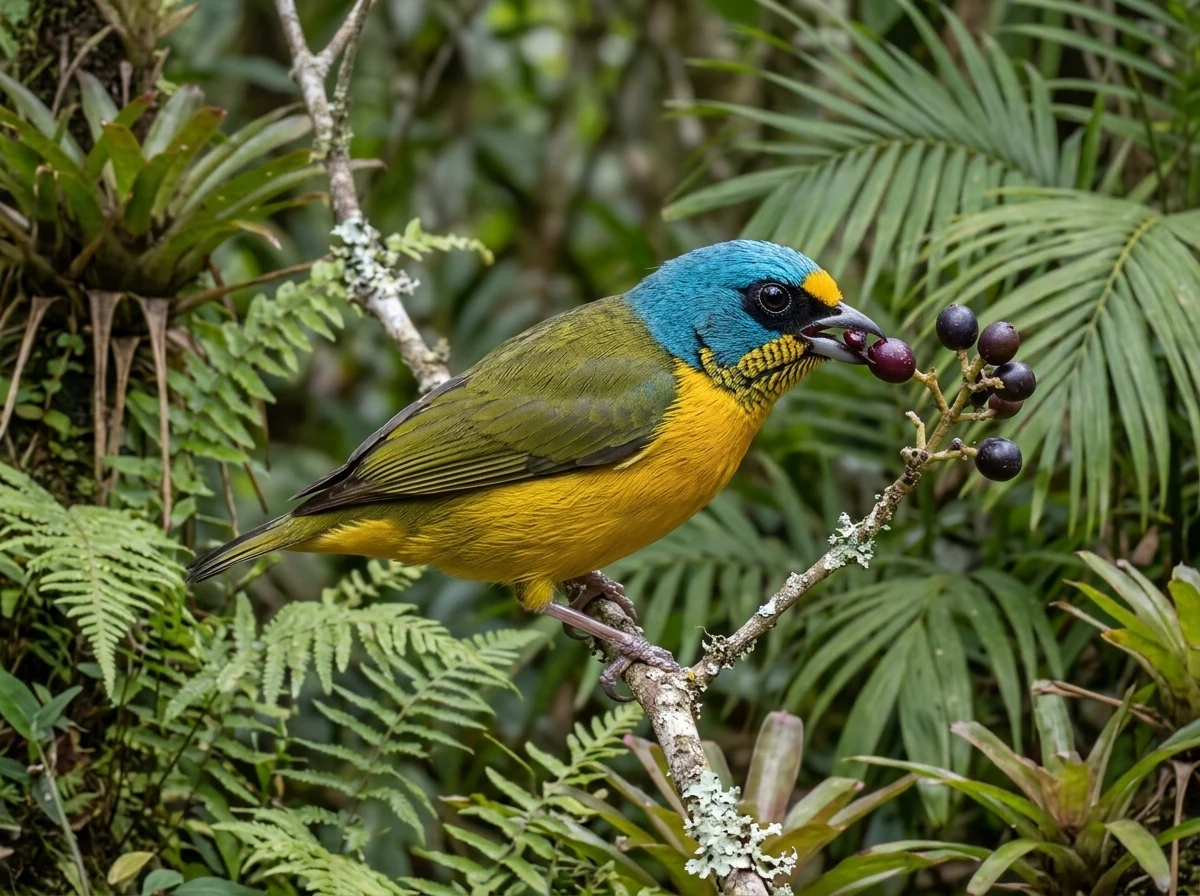
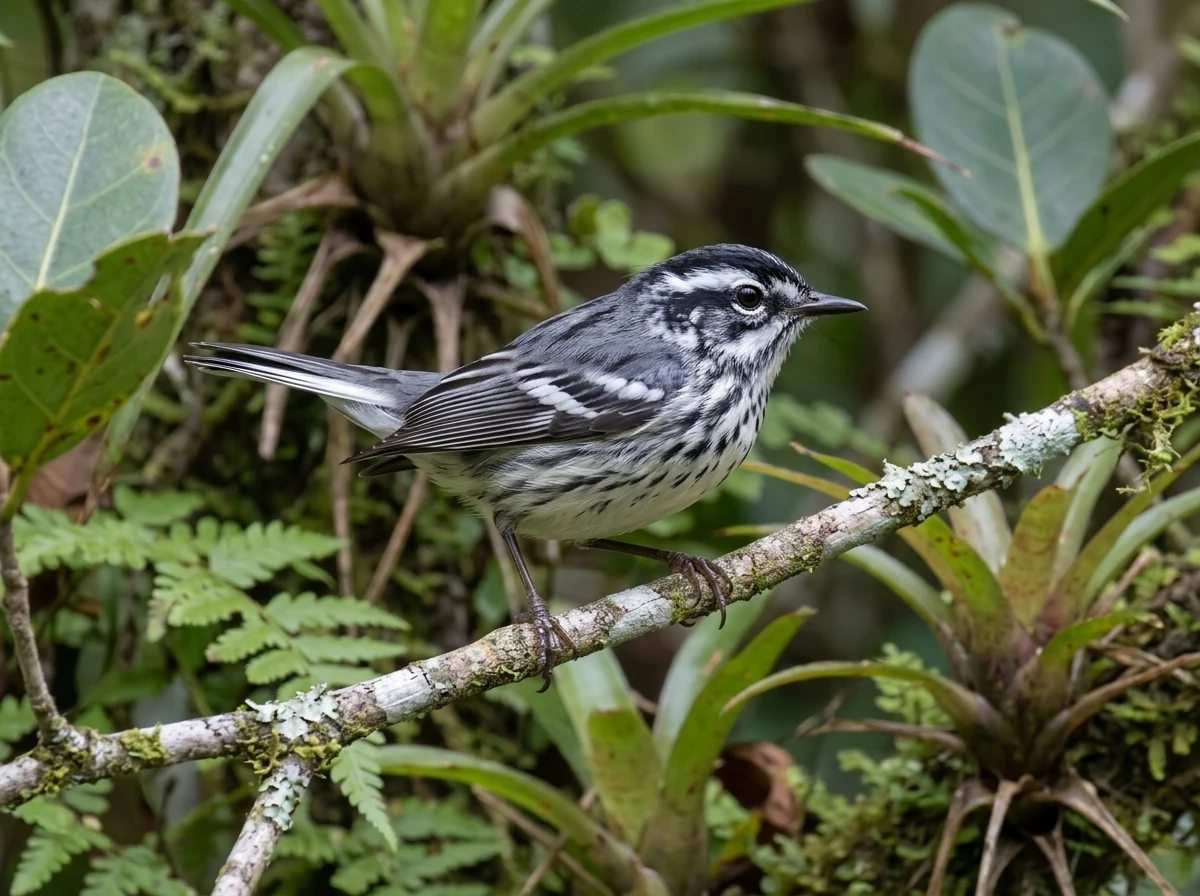
All 19, profile by profile
Open any card for local names, habitat, conservation, audio, sources, and related birds.
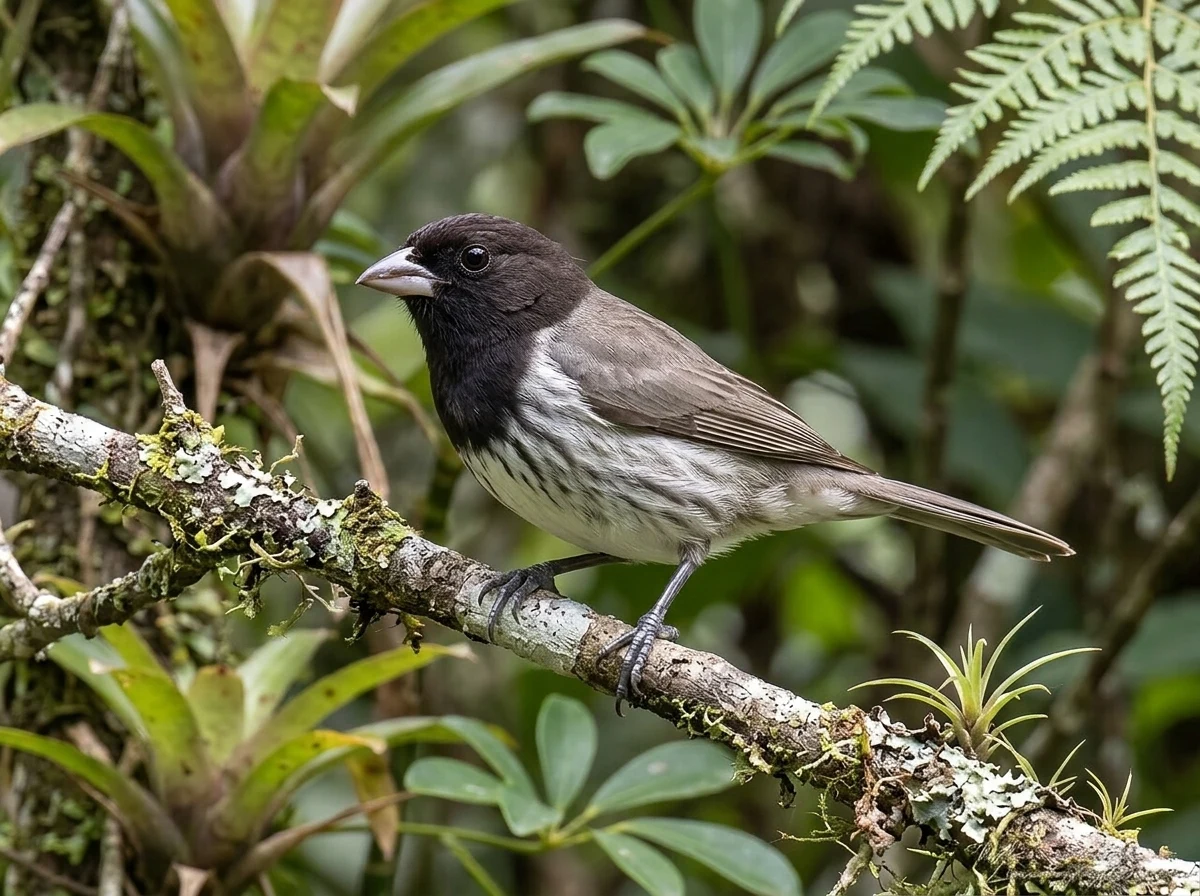
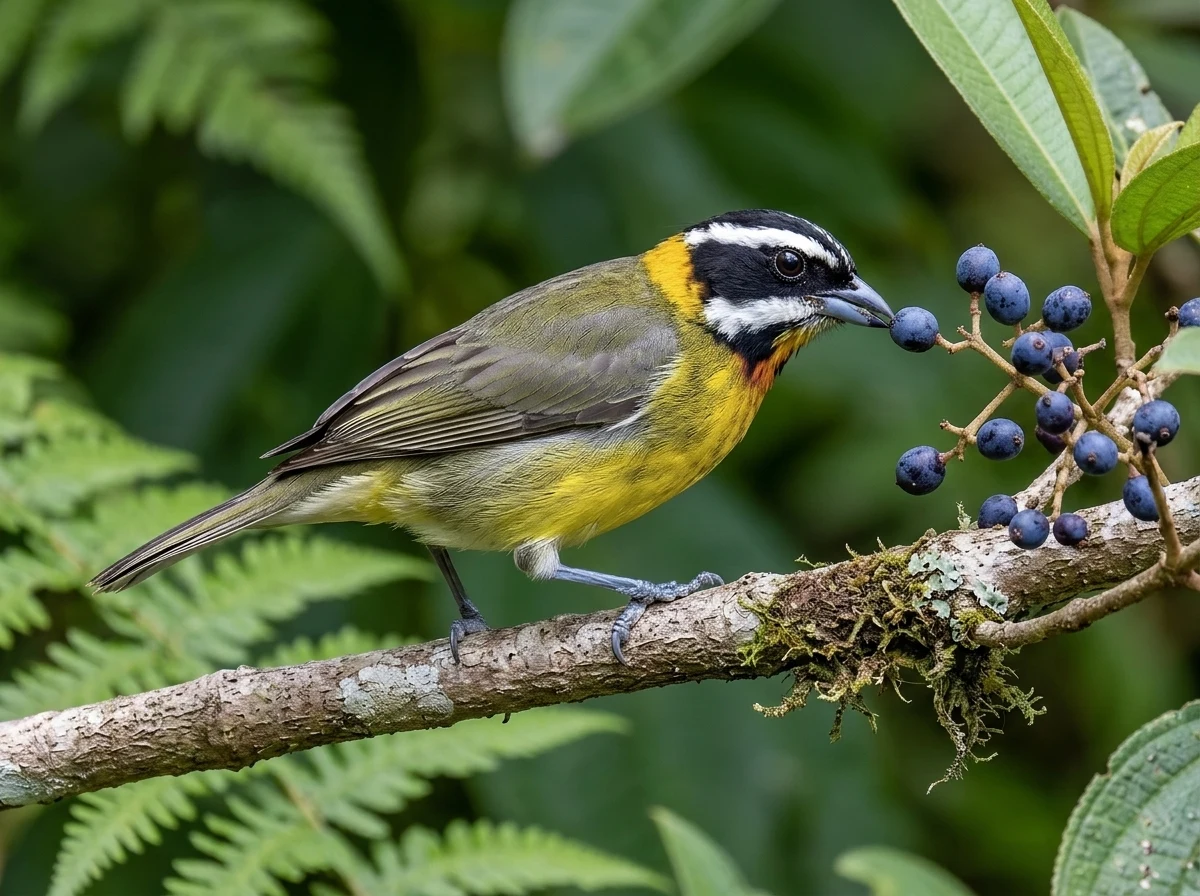
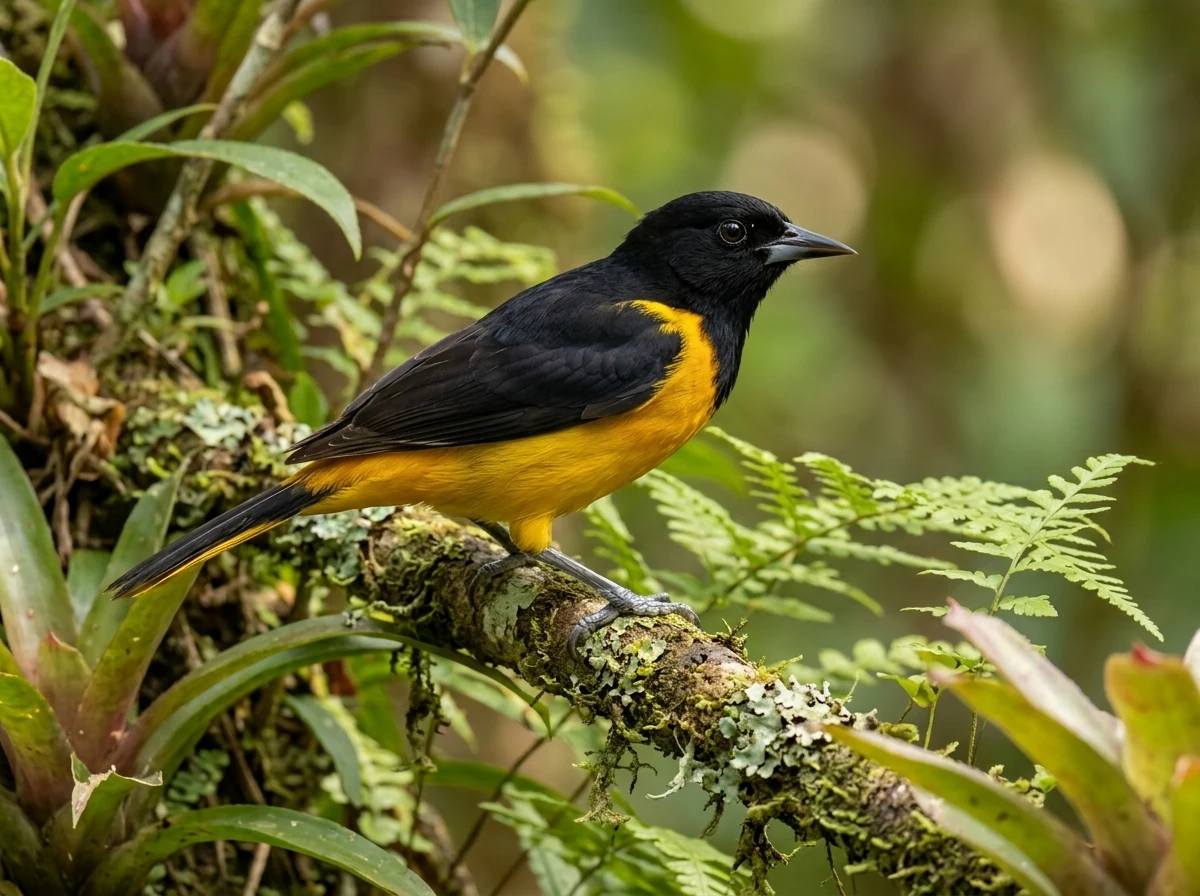
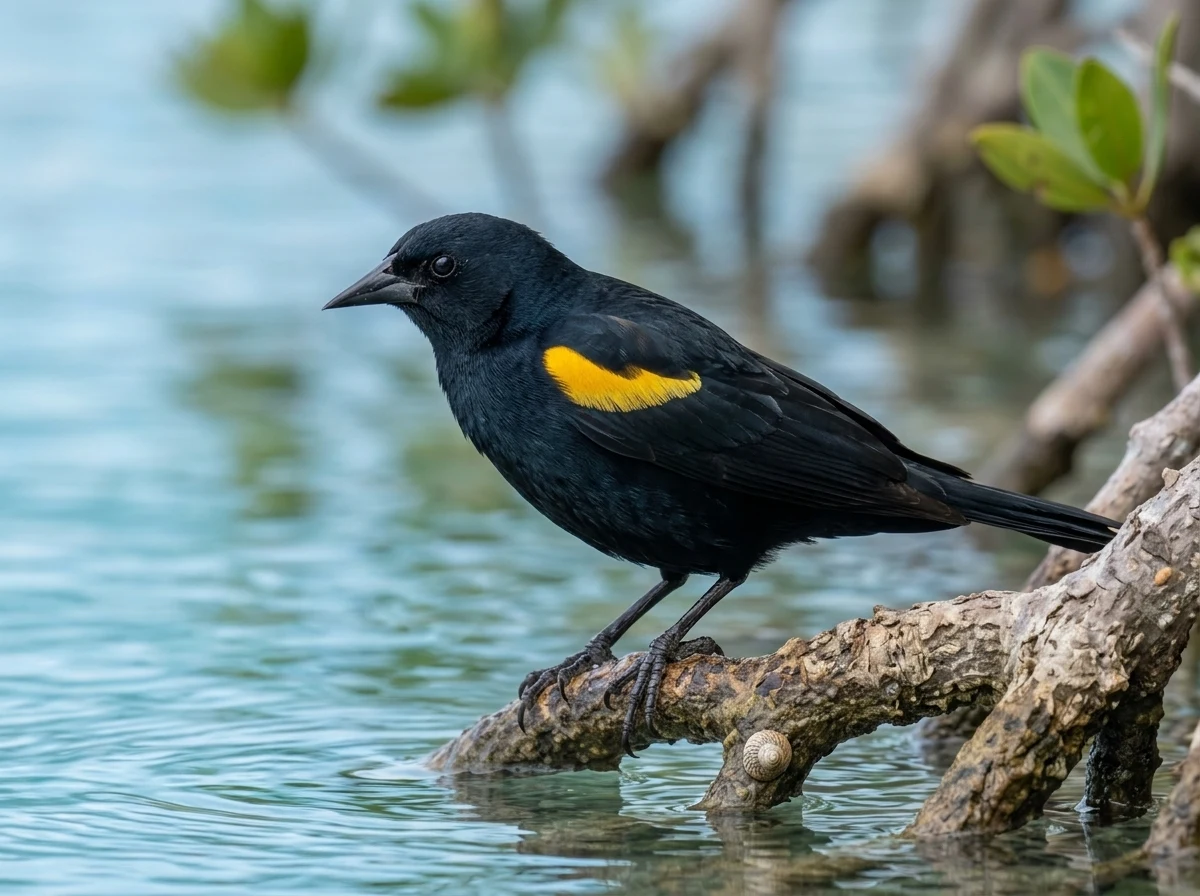
Sound archive
Hear its voice
Explore real songs and calls. The spectrogram turns each sound into a visual trace of time and frequency.
XC796586Recording 1 of 3call

Play: call by Bobby Wilcox
Choose another recording
Sound recorded by Bobby Wilcox · XC796586 · CC BY-NC-SA 4.0. Visualization by Stichting Xeno-canto voor Natuurgeluiden.
Every recording retains the creator, catalogue number, and license published by Xeno-canto. Metadata via GBIF ↗
01
How many endemic birds does Puerto Rico have?
This atlas recognizes 19 living species under its current taxonomy. Older sources or different authorities may show 17 or 18; the linked count guide explains the two recent splits.
02
Does the Puerto Rican Parrot live only in El Yunque?
No. The recovery program maintains populations in more than one region, including El Yunque and Río Abajo. Public viewing depends on current access, management, and conditions.
03
Are all endemic birds endangered?
No. Endemism describes range, not threat level. Some are assessed as lower concern while others require intensive recovery work; every profile shows status systems separately.
Keep exploring
Connected routes
Sources and review
The evidence is one link away.
These sources support the editorial scope of this guide. Bird profiles also retain their own taxonomy, occurrence, and conservation references.
Reviewed:
01↗02↗03↗04↗05↗06↗07↗08↗09↗10↗11↗12↗
Sociedad Ornitológica Puertorriqueña
Official bird list
Local names, occurrence categories, and the public summary of 17 endemics.BirdsCaribbean / American Ornithological Society
2022 Caribbean taxonomy changes
Documents the Antillean Mango split and recognition of the Puerto Rican Mango.American Ornithological Society
64th supplement to the AOS Check-list
Explains the 2023 Caribbean splits, including Puerto Rican Euphonia.American Birding Association
Puerto Rico Endemics
A contemporary birding reference organized around all 19 endemic species.Discover Puerto Rico
Birding in Puerto Rico
Overview of habitats and birding places across the archipelago.U.S. Forest Service Research and Development
Puerto Rico Breeding Bird Atlas
Distribution and breeding timing for 130 species breeding in Puerto Rico and its satellite islands.U.S. Forest Service
El Portal de El Yunque
Official visitor information and context for the Puerto Rican Parrot recovery program.Discover Puerto Rico
Visit Guánica Dry Forest
Visitor orientation, trail network, and dry-forest birding overview.U.S. Fish and Wildlife Service
Puerto Rican Parrot recovery information
Current recovery context and the populations at Río Abajo and El Yunque.Xeno-canto Foundation / GBIF
Xeno-canto recordings published through GBIF
Metadata, authorship, licenses, and catalogue records for field recordings used by the atlas.Macaulay Library / Cornell Lab of Ornithology
Puerto Rico sound archive
Complementary audio collection for comparing songs, calls, locations, and dates.U.S. Fish and Wildlife Service
Yellow-shouldered Blackbird: bird of the month
Visual comparison, current distribution, and threats affecting the endemic Yellow-shouldered Blackbird.The atlas continues