 AI
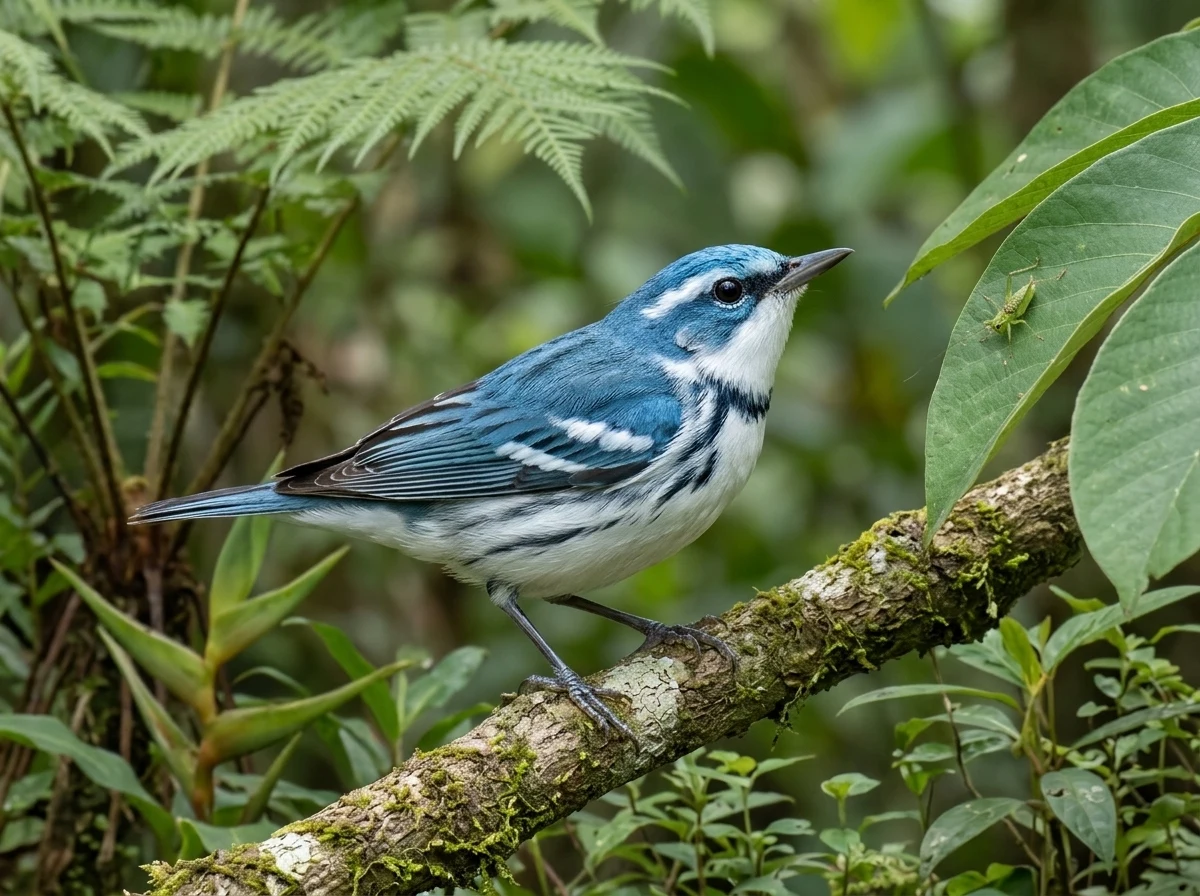
AIAI reconstruction created with Nano Banana 2 · 1K, grounded in the profile’s documented taxonomy, habitat, natural-history sources, and an open-license visual reference when available. It is an interpretive image, not documentary evidence. Image policy →
Cerulean Warbler
Reinita Cerúlea
Setophaga cerulea
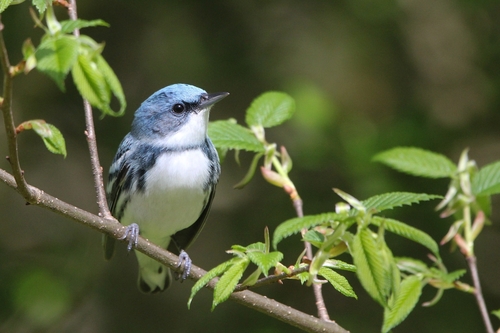
The cerulean warbler (Setophaga cerulea) is a small songbird in the family Parulidae. It is a long-distance migrant, breeding in eastern North American hardwood forests and wintering on the Eastern slope of the Andes in South America during non-breeding season, preferring subtropical forests. It displays strong sexual dichromatism: Adult males have cerulean blue and white upperparts, with a black necklace across the breast and black streaks on the back and flanks. Females and immature birds have bluish-green upperparts, a pale stripe over the eye, no streaking, and are yellow below. All have two white wing bars and a thin, pointed bill. The cerulean warbler is insectivorous and predominantly feeds on insect larvae, though it also comsumes winged insects. It forages for prey and nests high in forest canopies. Individuals are strongly territorial; males will defend areas of forests. Males arrive on breeding grounds about one to two weeks earlier than females. Breeding and incubation take place from late May to early June. The species is rated as near threatened on the International Union for Conservation of Nature (IUCN)'s Red List of endangered species, indicating it is under risk of becoming vulnerable in the near future. The population of the cerulean warbler has been under rapid decline, though in recent years this decline has slowed. Deforestation in its non-breeding range continues to reduce its available habitat.
Sound archive
Hear its voice
Explore real songs and calls. The spectrogram turns each sound into a visual trace of time and frequency.

Play: song by Bobby Wilcox
Choose another recording
Sound recorded by Bobby Wilcox · XC1038379 · CC BY-NC-SA 4.0. Visualization by Stichting Xeno-canto voor Natuurgeluiden.
Every recording retains the creator, catalogue number, and license published by Xeno-canto. Metadata via GBIF ↗
Island profile
About the Cerulean Warbler
This atlas includes Cerulean Warbler (Setophaga cerulea) with atlas status “Accidental / vagrant” within scope “Avibase inferred core 380.” Global trait data associate it primarily with forest; consult the linked records to resolve its Puerto Rico habitat use.
Conservation
Near Threatened
IUCN NT
- Global IUCN
- NT
- Puerto Rico DNER
- No current listing in source crosswalk
- Federal ESA
- No current listing in source crosswalk
- Critical habitat
- Not identified in source crosswalk
Natural history
How it lives
- Habitat
- forests
- Elevation
- 500–2000 m
- Nest
- Cup / bowl · Tree
- Clutch
- 2–5 eggs
- Social behavior
- Colonial; Social / flocking
Keep exploring
This bird belongs to 6 paths through the atlas.
Related in the atlas
Where to fly next
Connected by taxonomy, habitat, occurrence, and conservation.
 AI
AI AI
AI AI
AI AI
AI AI
AI AI
AI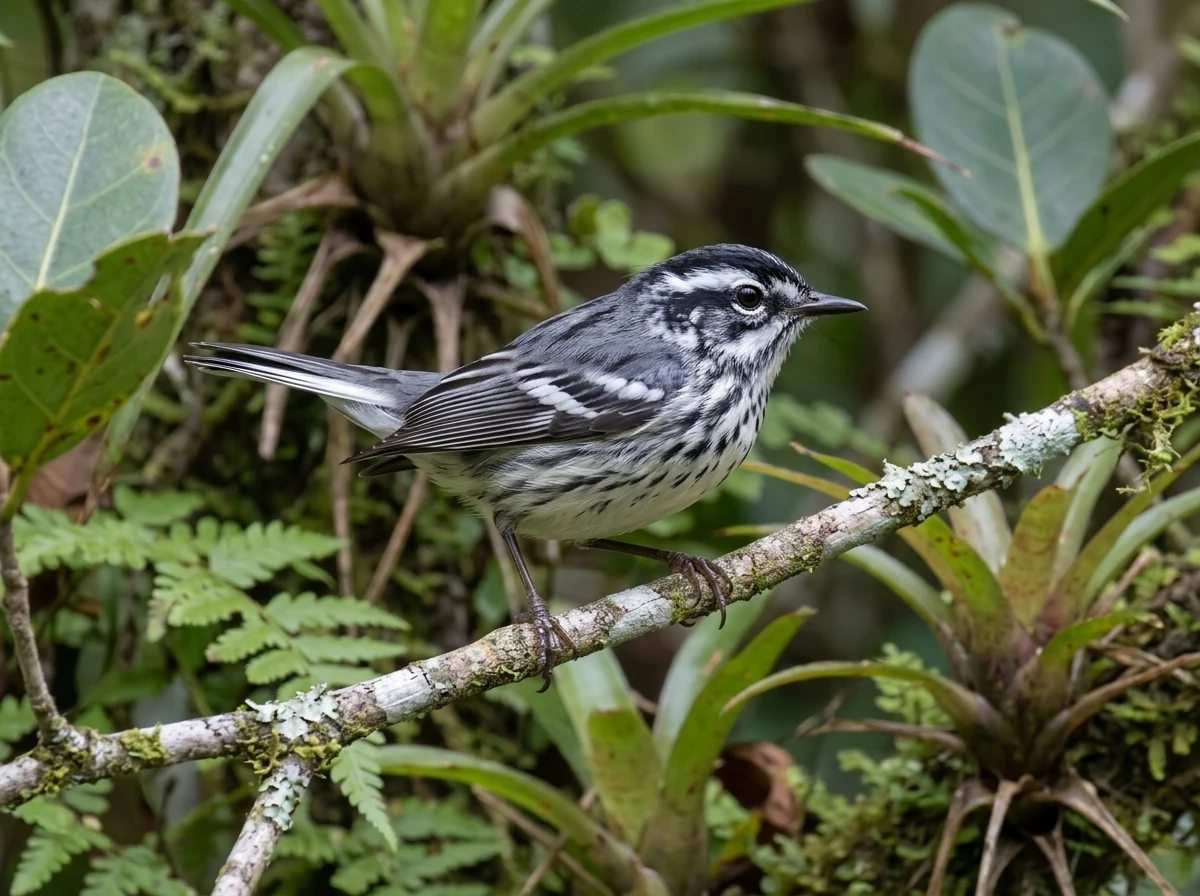
Evidence trail