 AI
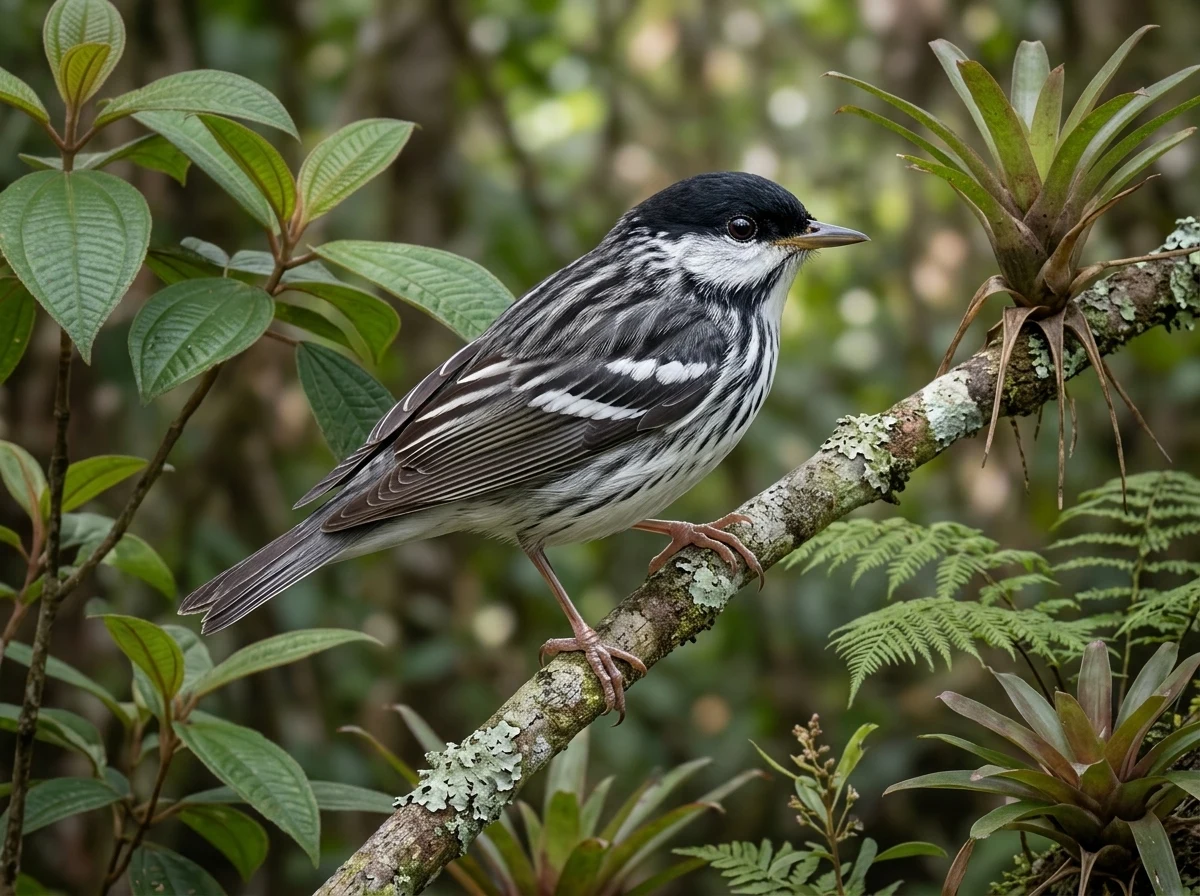
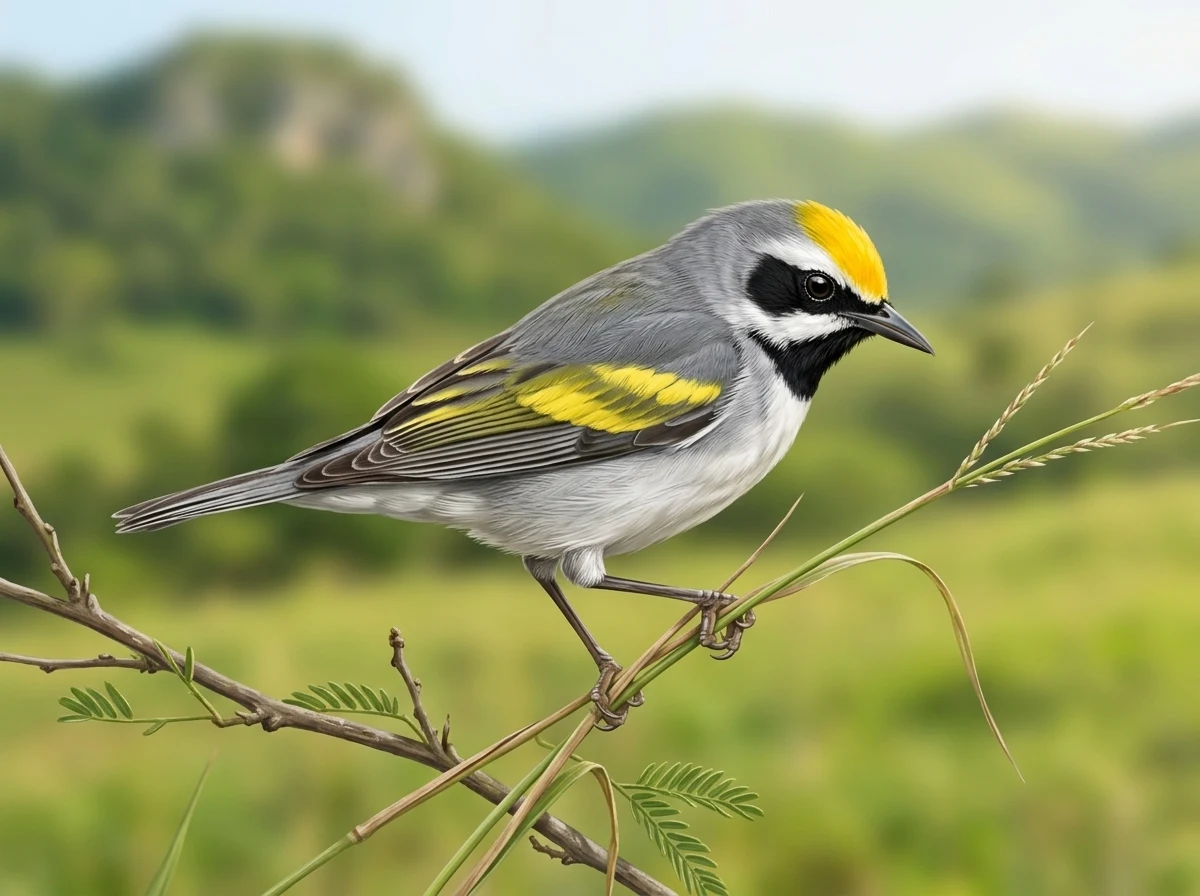
AIAI reconstruction created with Nano Banana 2 · 1K, grounded in the profile’s documented taxonomy, habitat, natural-history sources, and an open-license visual reference when available. It is an interpretive image, not documentary evidence. Image policy →
Blackpoll Warbler
Reinita Rayada
Setophaga striata
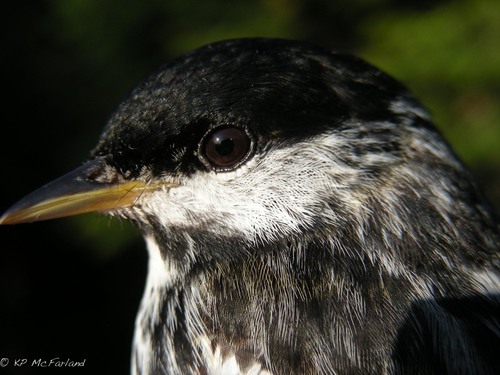
The blackpoll warbler (Setophaga striata) is a New World warbler. Breeding males are mostly black and white. They have a prominent black cap, white cheeks, and white wing bars. The blackpoll breeds in forests of northern North America, from Alaska throughout most of Canada, to the Adirondack Mountains of New York as well as New England in the Northeastern United States. They are a common migrant throughout much of North America. In fall, they fly south to the Greater Antilles and the northeastern coasts of South America in a non-stop long-distance migration over open water, averaging 2,500 km (1,600 mi), one of the longest-distance non-stop overwater flights ever recorded for a migratory songbird. Rare vagrants to western Europe, they are one of the more frequent transatlantic passerine wanderers.
Sound archive
Hear its voice
Explore real songs and calls. The spectrogram turns each sound into a visual trace of time and frequency.

Play: song by Bobby Wilcox
Choose another recording
Sound recorded by Bobby Wilcox · XC1036519 · CC BY-NC-SA 4.0. Visualization by Stichting Xeno-canto voor Natuurgeluiden.
Every recording retains the creator, catalogue number, and license published by Xeno-canto. Metadata via GBIF ↗
Island profile
About the Blackpoll Warbler
This atlas includes Blackpoll Warbler (Setophaga striata) with atlas status “Native / natural occurrence” within scope “Avibase inferred core 380.” Global trait data associate it primarily with forest; consult the linked records to resolve its Puerto Rico habitat use.
Conservation
Near Threatened
IUCN NT
- Global IUCN
- NT
- Puerto Rico DNER
- No current listing in source crosswalk
- Federal ESA
- No current listing in source crosswalk
- Critical habitat
- Not identified in source crosswalk
Natural history
How it lives
- Habitat
- forests
- Elevation
- 0–3000 m
- Nest
- Cup / bowl · Tree; Ground
- Clutch
- 2–5 eggs
- Social behavior
- Social / flocking; Singly and pairs; Solitary
Keep exploring
This bird belongs to 4 paths through the atlas.
Guides featuring this bird
Follow this record beyond the profile.
Identification, sound, place, and explanatory guides connecting this species to larger questions.
See all related guides (2)
Related in the atlas
Where to fly next
Connected by taxonomy, habitat, occurrence, and conservation.
 AI
AI AI
AI AI
AI AI
AI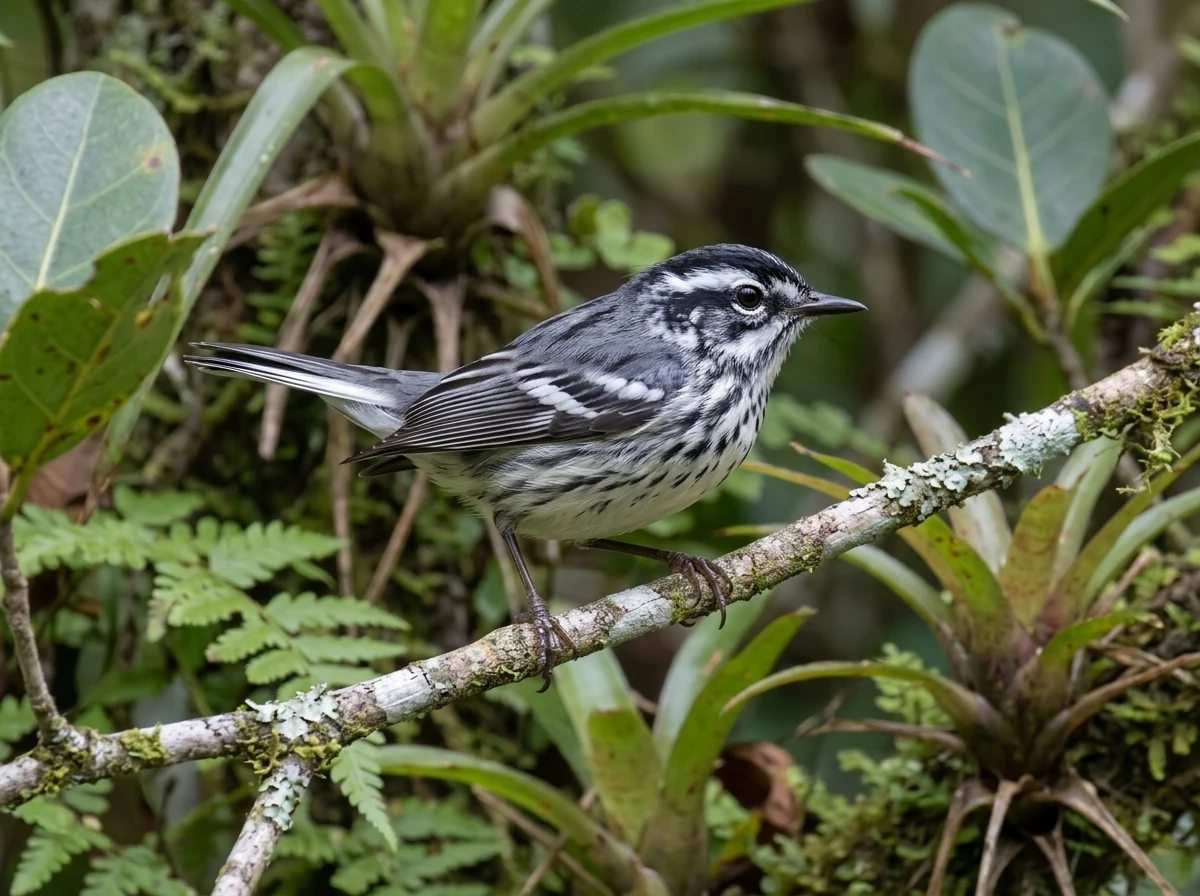 AI
AI AI
AI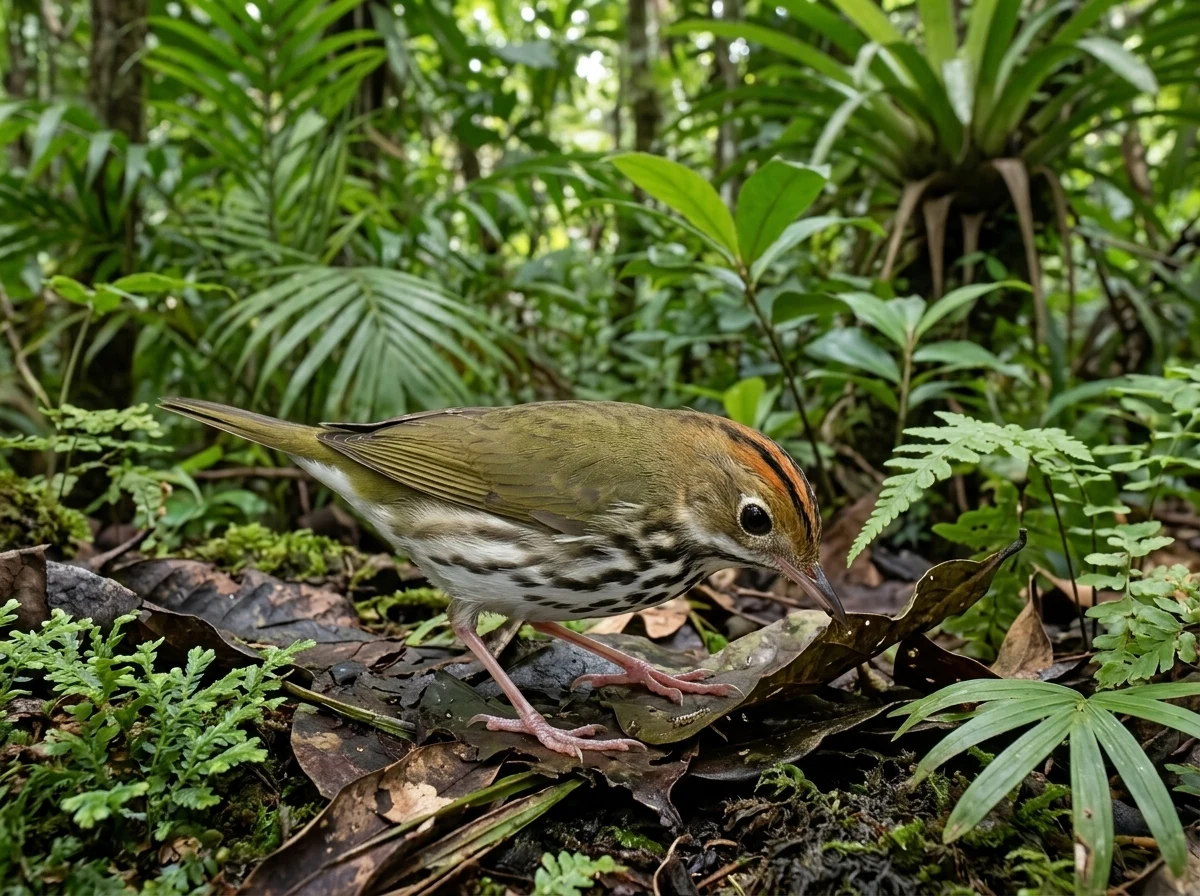
Evidence trail