 AI
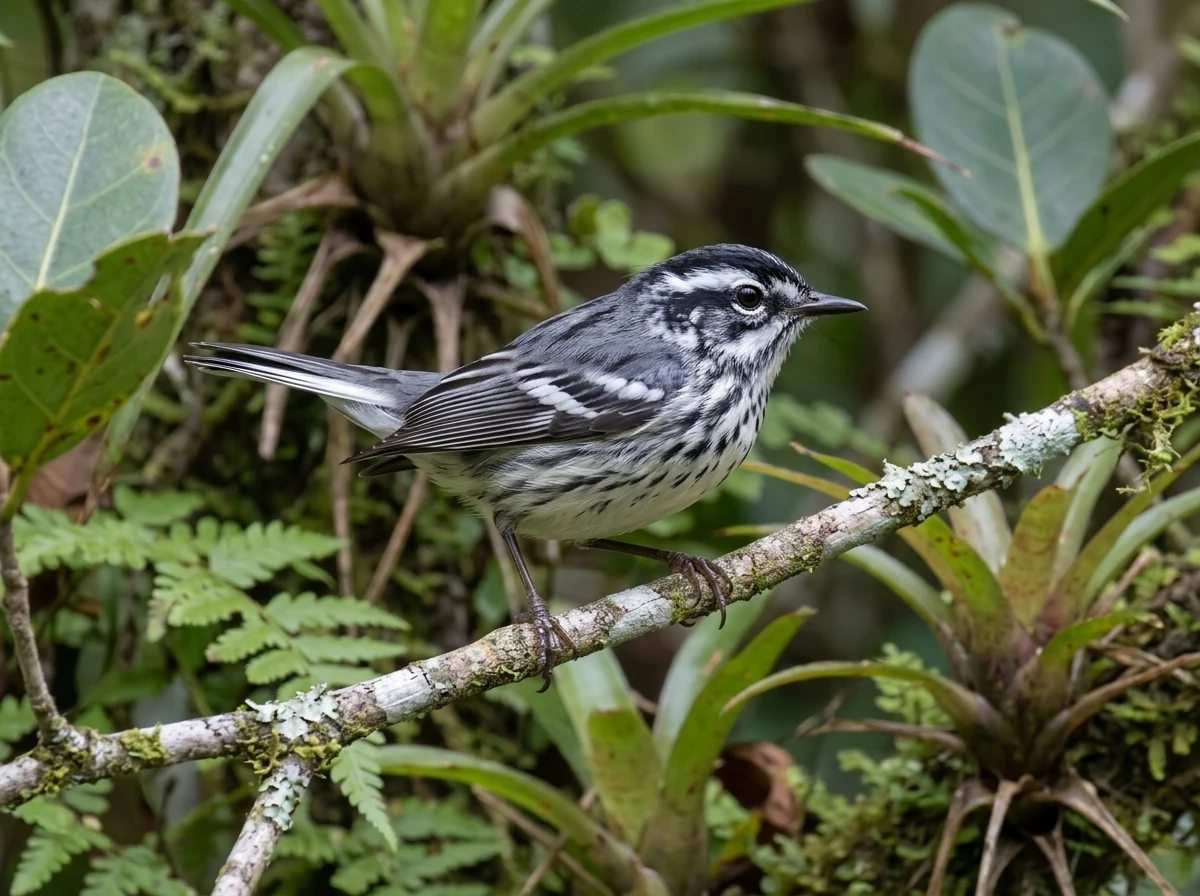
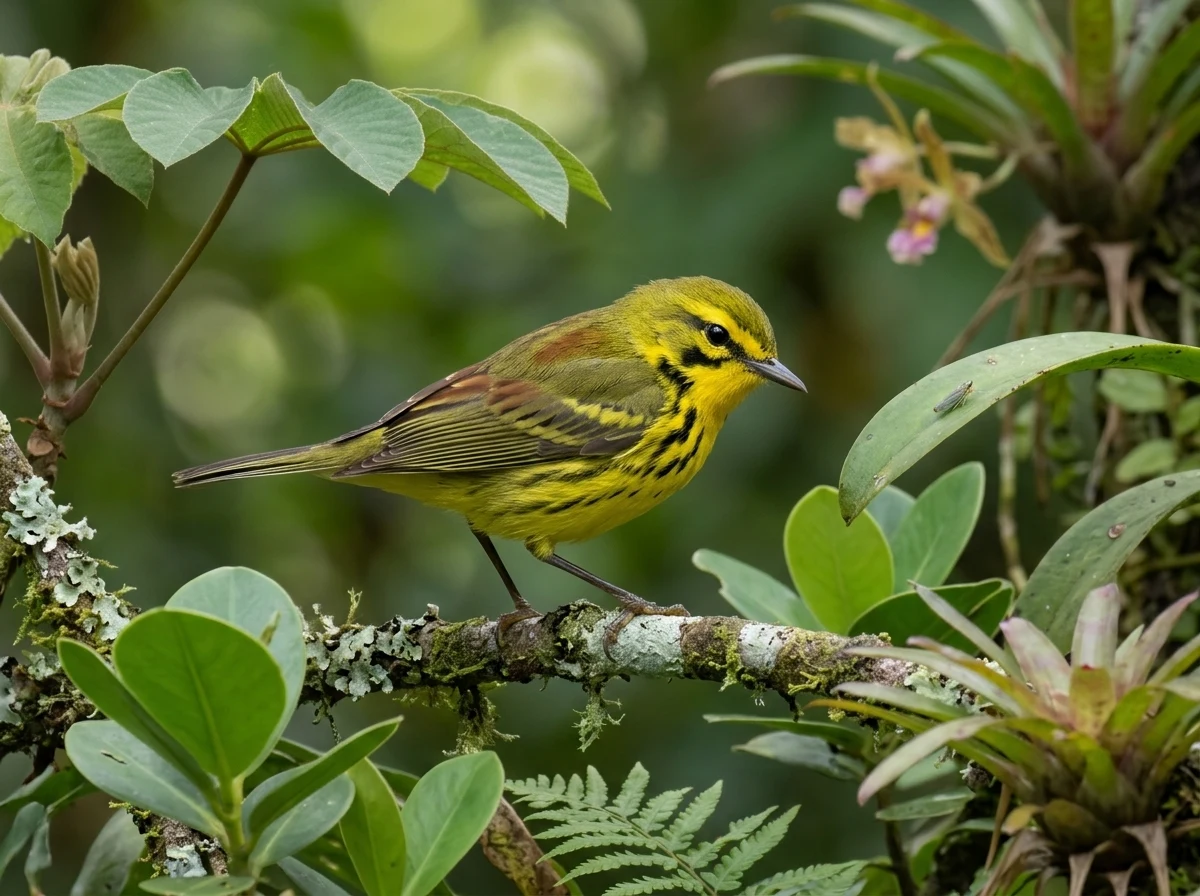
AIAI reconstruction created with Nano Banana 2 · 1K, grounded in the profile’s documented taxonomy, habitat, natural-history sources, and an open-license visual reference when available. It is an interpretive image, not documentary evidence. Image policy →
Elfin-woods Warbler
Reinita de Bosque Enano
Setophaga angelae
The elfin woods warbler (Setophaga angelae) is a species of bird endemic to Puerto Rico, where it is local and uncommon. Discovered in 1968 and described in 1972, it is the most recently described New World warbler (family Parulidae). The species name, angelae, is a tribute to Angela Kepler, one of its discoverers. These birds are insectivores, as they feed by gleaning small insects off the habitat leaves. Due to its small populations and restricted habitats, conservation efforts were begun in 1982 to protect this species, but as of 2005, the warbler was still in need of protection. The species is not in immediate danger as the majority of its habitat is protected forest, but introduced species (such as rats and small Asian mongooses), habitat reduction, and natural disasters represent potential threats to the population.
Sound archive
Hear its voice
Explore real songs and calls. The spectrogram turns each sound into a visual trace of time and frequency.

Play: song by Rainforest Connection
Choose another recording
Sound recorded by Rainforest Connection · XC682521 · CC BY-NC-SA 4.0. Visualization by Stichting Xeno-canto voor Natuurgeluiden.
Every recording retains the creator, catalogue number, and license published by Xeno-canto. Metadata via GBIF ↗
Island profile
About the Elfin-woods Warbler
This atlas includes Elfin-woods Warbler (Setophaga angelae) with atlas status “Puerto Rico endemic” within scope “Avibase inferred core 380.” Puerto Rico context sources associate it with Montane wet forest; cloud forest; elfin woodland.
Conservation
Endangered
IUCN EN; DNER EN; ESA Threatened
- Global IUCN
- EN
- Puerto Rico DNER
- EN
- Federal ESA
- Threatened
- Critical habitat
- Yes
Natural history
How it lives
- Habitat
- Montane wet forest; cloud forest; elfin woodland
- Elevation
- 600–900 m
- Nest
- Cup / bowl; Tree cavity · Stump; Shrub / bush / vine
- Clutch
- 2–4 eggs
- Social behavior
- Social / flocking
For kids and families
Turn this bird into your own artwork
Download a clean, print-ready coloring page, learn one quick fact, and color this Puerto Rico bird.
Keep exploring
This bird belongs to 12 paths through the atlas.
Guides featuring this bird
Follow this record beyond the profile.
Identification, sound, place, and explanatory guides connecting this species to larger questions.
See all related guides (18)
- Birding Etiquette and Ethics: Role Play
- Timeline: Extinct and Endangered Birds
- Where to see the Puerto Rican Parrot today
- Conserving Elfin-woods Warbler
- When to watch birds
- Plan your birding trip
- Birds of Toro Negro State Forest
- Birds of Carite State Forest
- How to Help Puerto Rico Birds Through Citizen Science
- Birds of shade coffee
- Birds of Maricao
- Puerto Rico in seven days
- Laws That Protect Birds in Puerto Rico
- Warblers
- Small birds
- Fun facts about Puerto Rico birds for kids
- Endangered Birds of Puerto Rico: The Complete List
- Endemic birds
Related in the atlas
Where to fly next
Connected by taxonomy, habitat, occurrence, and conservation.
 AI
AI AI
AI AI
AI AI
AI AI
AI AI
AI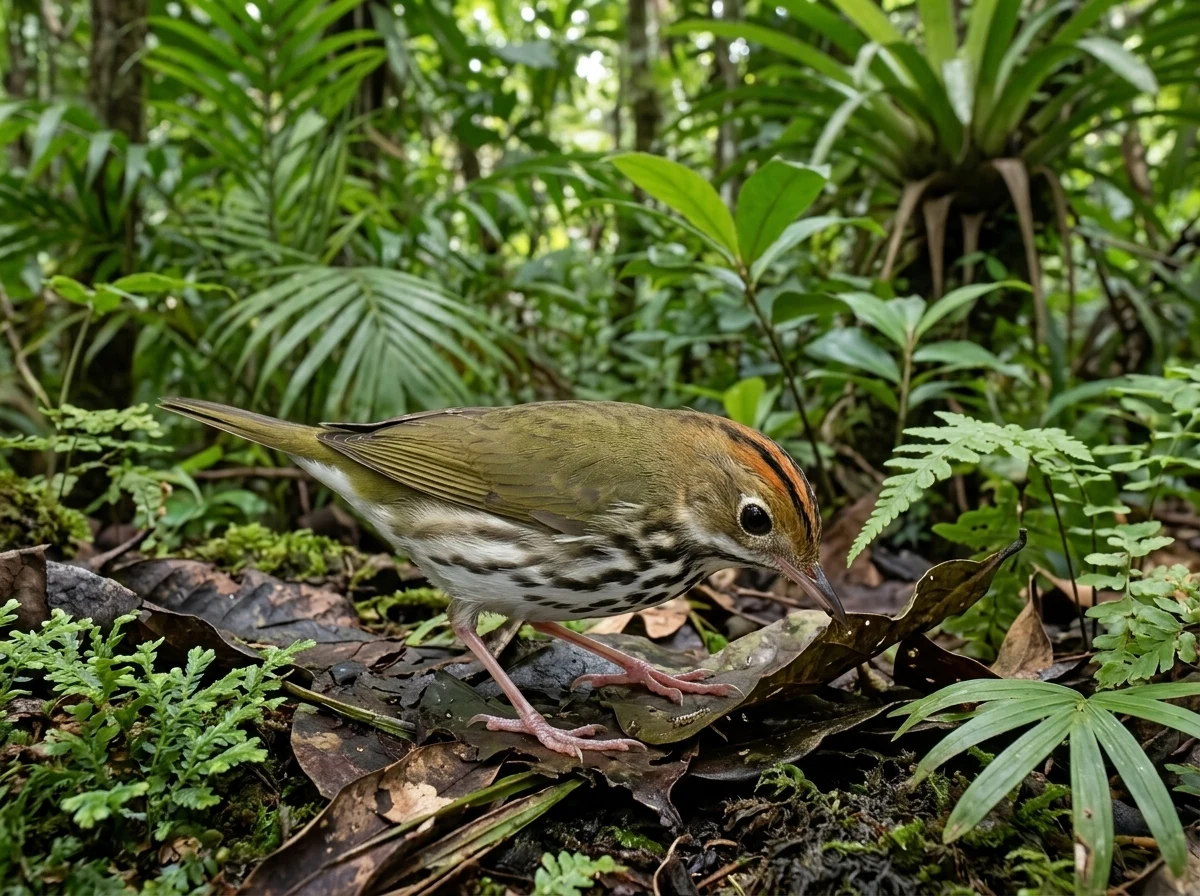
Evidence trail
Sources, media & further reading
Research note: Current genus Setophaga; Regulation 6766 uses Dendroica