 AI
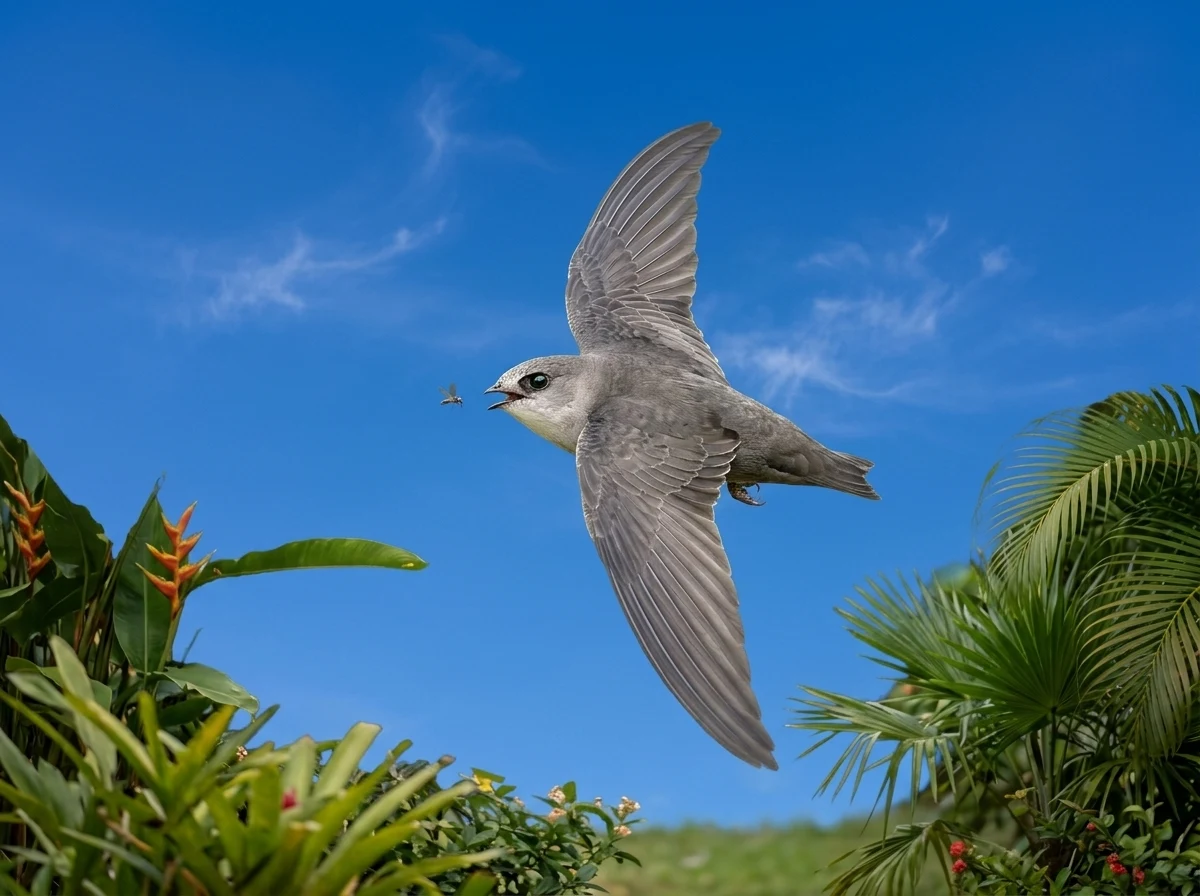
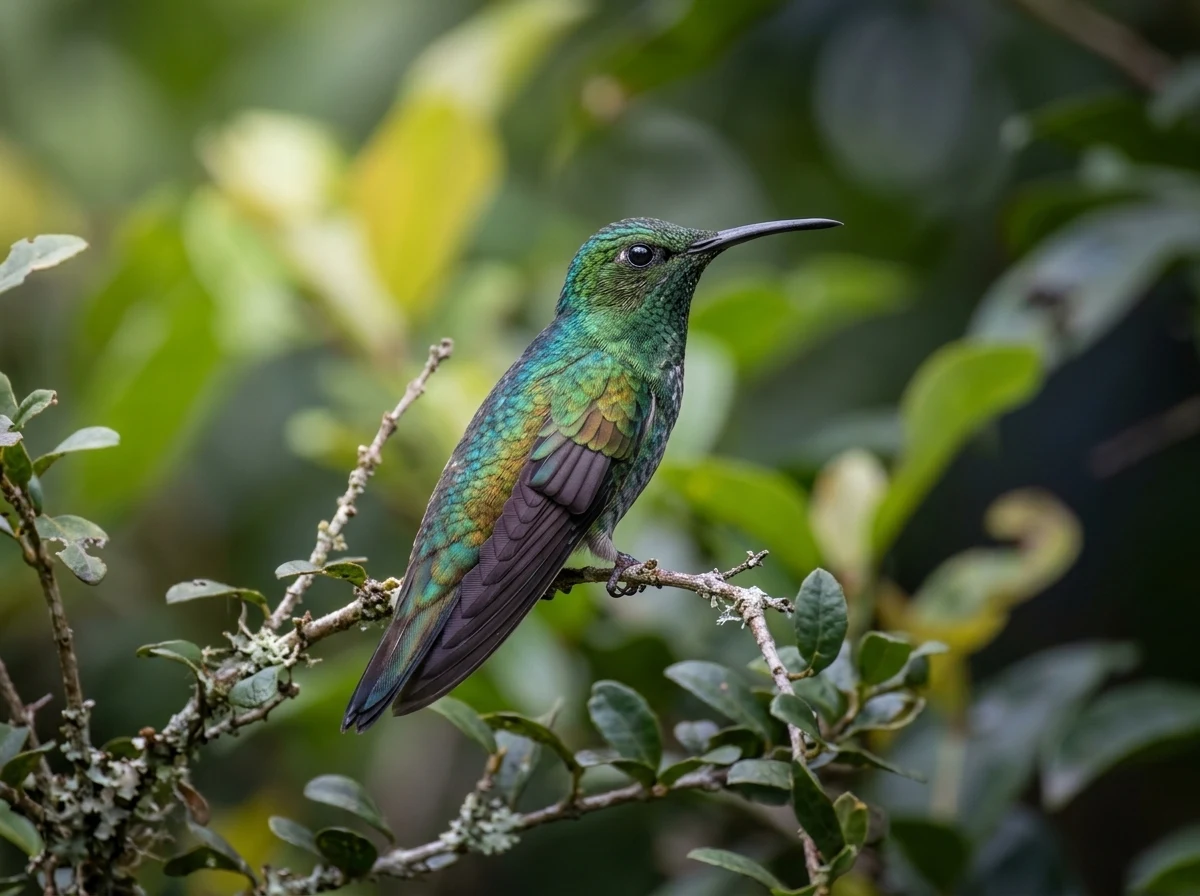
AIAI reconstruction created with Nano Banana 2 · 1K, grounded in the profile’s documented taxonomy, habitat, natural-history sources, and an open-license visual reference when available. It is an interpretive image, not documentary evidence. Image policy →
Chimney Swift
Vencejo de Chimeneas
Chaetura pelagica
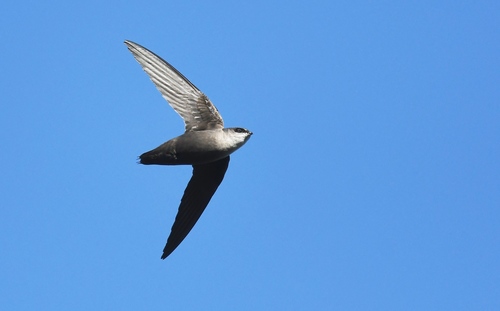
The chimney swift (Chaetura pelagica) is a bird belonging to the swift family Apodidae. A member of the genus Chaetura, it is closely related to both Vaux's swift and Chapman's swift; in the past, the three were sometimes considered to be conspecific. It has no subspecies. The chimney swift is a medium-sized, sooty gray bird with very long, slender wings and very short legs. Like all swifts, it is incapable of perching on flat surfaces, and can only perch on vertical surfaces. Many fly around all day and only come down at night when roosting. The chimney swift feeds primarily on flying insects, but also on airborne spiders. It generally mates for life. It builds a bracket nest of twigs and saliva stuck to a vertical surface, which is almost always a human-built structure, typically a chimney; historically (before European colonists built chimneys), they nested in hollow trees (including old pileated woodpecker nest holes), a few still do so, though only rarely. The female lays 4–5 white eggs. The altricial young hatch after 19 days and fledge a month later. The average chimney swift lives 4.6 years.
Sound archive
Hear its voice
Explore real songs and calls. The spectrogram turns each sound into a visual trace of time and frequency.

Play: call by Paul Driver
Choose another recording
Sound recorded by Paul Driver · XC1046021 · CC BY-NC-SA 4.0. Visualization by Stichting Xeno-canto voor Natuurgeluiden.
Every recording retains the creator, catalogue number, and license published by Xeno-canto. Metadata via GBIF ↗
Island profile
About the Chimney Swift
This atlas includes Chimney Swift (Chaetura pelagica) with atlas status “Accidental / vagrant” within scope “Avibase inferred core 380.” Global trait data associate it primarily with artificial; consult the linked records to resolve its Puerto Rico habitat use.
Conservation
Vulnerable
IUCN VU
- Global IUCN
- VU
- Puerto Rico DNER
- No current listing in source crosswalk
- Federal ESA
- No current listing in source crosswalk
- Critical habitat
- Not identified in source crosswalk
Natural history
How it lives
- Habitat
- towns-and-gardens
- Elevation
- 0–3200 m
- Nest
- Half cup / shallow; Other bird's nest · Building
- Clutch
- 2–7 eggs
- Social behavior
- Colonial
Keep exploring
This bird belongs to 7 paths through the atlas.
Guides featuring this bird
Follow this record beyond the profile.
Identification, sound, place, and explanatory guides connecting this species to larger questions.
Related in the atlas
Where to fly next
Connected by taxonomy, habitat, occurrence, and conservation.
 AI
AI AI
AI AI
AI AI
AI AI
AI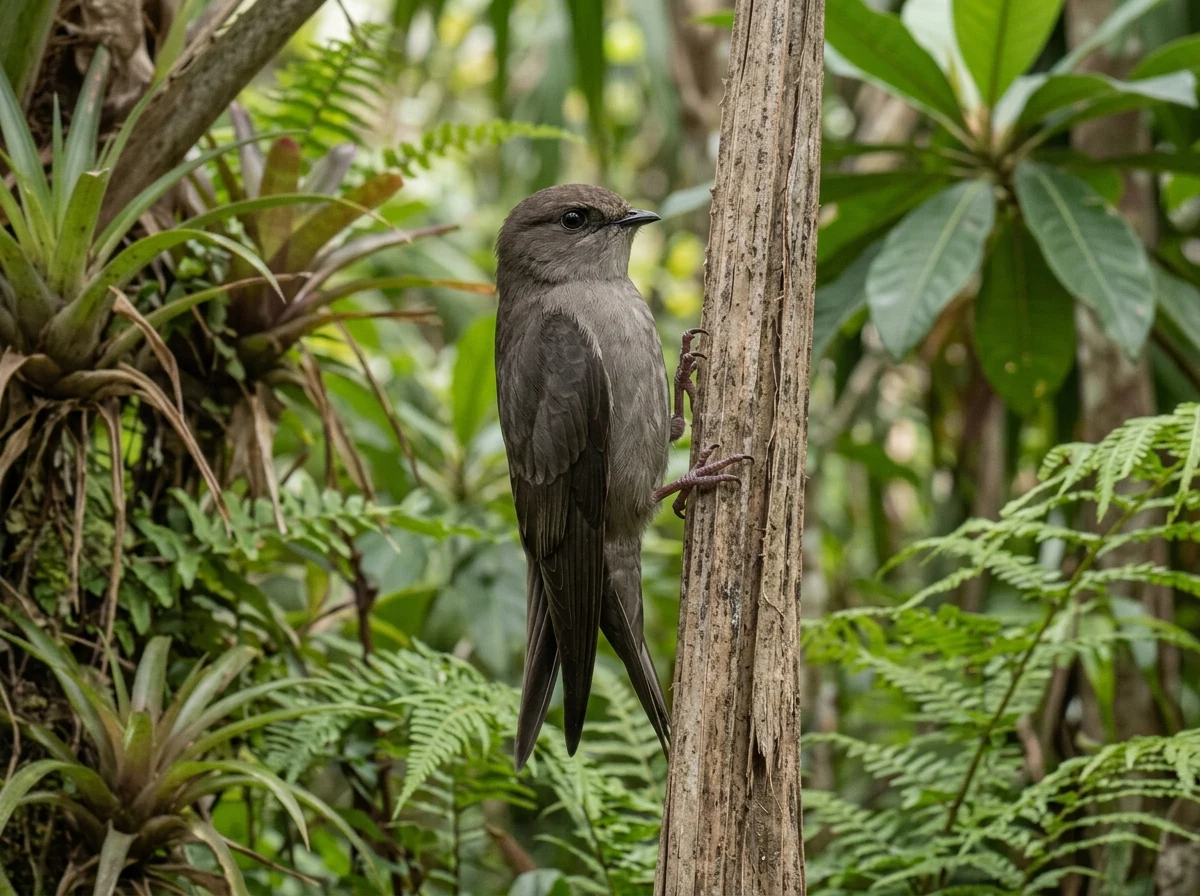 AI
AI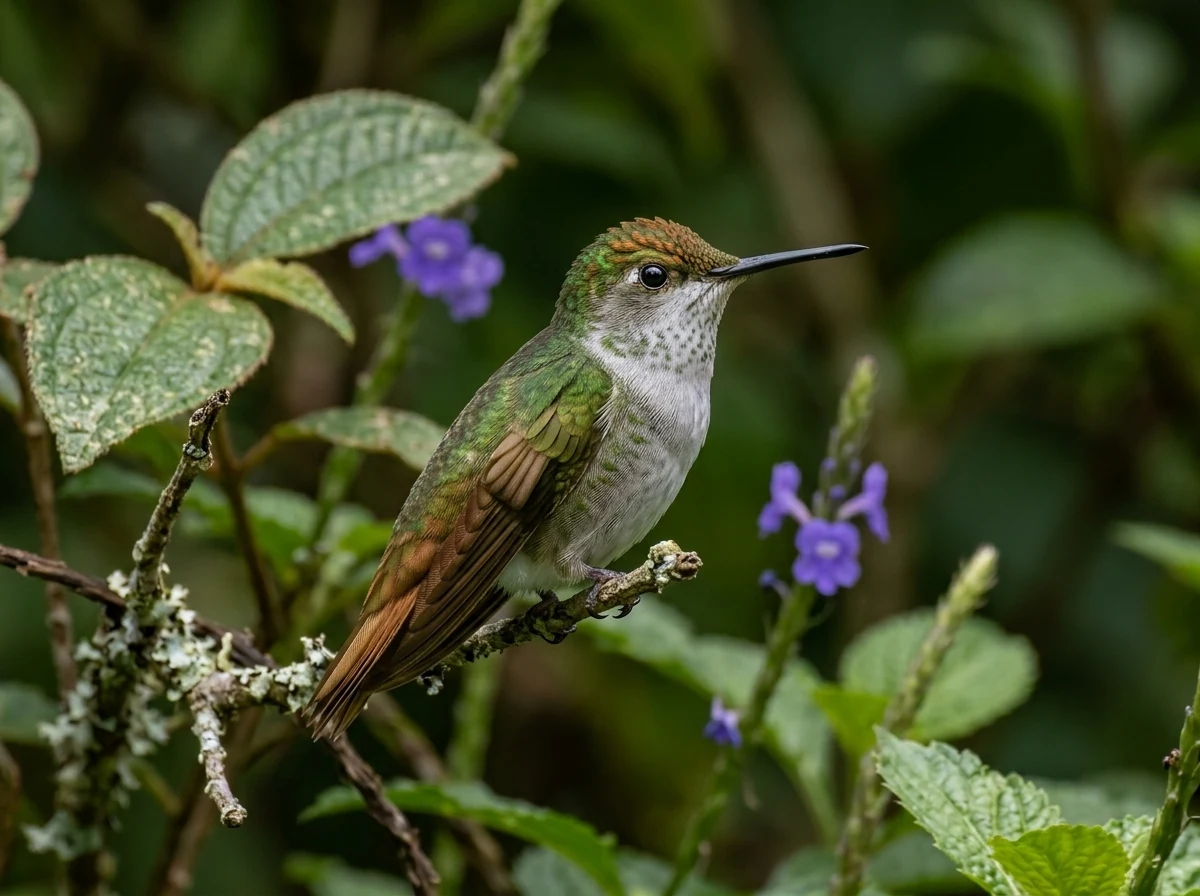
Evidence trail