 AI
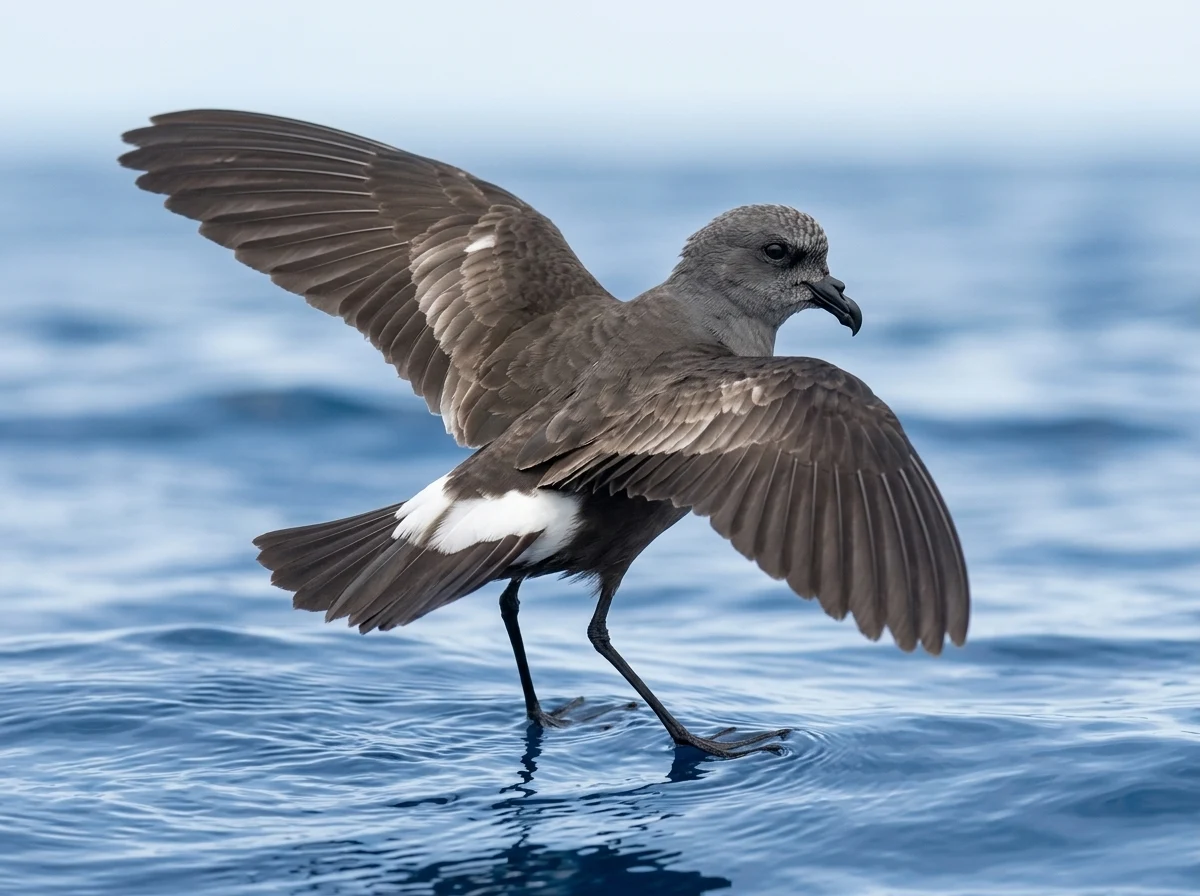
AIAI reconstruction created with Nano Banana 2 · 1K, grounded in the profile’s documented taxonomy, habitat, natural-history sources, and an open-license visual reference when available. It is an interpretive image, not documentary evidence. Image policy →

Leach's Storm-Petrel
Paíño Boreal
Hydrobates leucorhous
Leach's storm petrel or Leach's petrel (Hydrobates leucorhous) is a small seabird of the tubenose order. It is named after the British zoologist William Elford Leach. The scientific name is derived from Ancient Greek. Hydrobates is from hydōr "water", and batēs "walker", and leucorhous is from leukos, "white" and orrhos, "rump". It was formerly treated in the genus Oceanodroma before that genus was merged into Hydrobates. It breeds on inaccessible islands in the colder northern areas of the North Atlantic and North Pacific Oceans. Very small numbers also breed in the South Atlantic off the coast of South Africa. It nests in colonies close to the sea in well concealed areas such as rock crevices, shallow burrows, or even logs. It lays a single white egg, which often has a faint ring of purple spots at the large end. This storm petrel is strictly nocturnal at the breeding sites to avoid predation by gulls and skuas, and even avoids coming to land on clear, moonlit nights. The largest colony of Leach's storm petrels can be found on Baccalieu Island off eastern Canada, an ecological reserve with ~1.95 million pairs of the birds at last estimate in 2013. As with European storm petrel, birds breeding at the northern limit of the species' range on the Arctic Circle in Norway have to delay their breeding until autumn to avoid the 24-hour daylight of the high summer.
Sound archive
Hear its voice
Explore real songs and calls. The spectrogram turns each sound into a visual trace of time and frequency.

Play: song, call by Doug Hynes
Choose another recording
Sound recorded by Doug Hynes · XC748107 · CC BY-SA 4.0. Visualization by Stichting Xeno-canto voor Natuurgeluiden.
Every recording retains the creator, catalogue number, and license published by Xeno-canto. Metadata via GBIF ↗
Island profile
About the Leach's Storm-Petrel
This atlas includes Leach's Storm-Petrel (Hydrobates leucorhous) with atlas status “Accidental / vagrant” within scope “Avibase inferred core 380.” Global trait data associate it primarily with sea; consult the linked records to resolve its Puerto Rico habitat use.
Conservation
Vulnerable
IUCN VU
- Global IUCN
- VU
- Puerto Rico DNER
- No current listing in source crosswalk
- Federal ESA
- No current listing in source crosswalk
- Critical habitat
- Not identified in source crosswalk
Natural history
How it lives
- Habitat
- open-ocean
- Elevation
- 0–0 m
- Nest
- Burrow / ground cavity; Crevice · Ground
- Clutch
- 1–1 eggs
- Social behavior
- Colonial
Keep exploring
This bird belongs to 7 paths through the atlas.
Related in the atlas
Where to fly next
Connected by taxonomy, habitat, occurrence, and conservation.
 AI
AI AI
AI AI
AI AI
AI AI
AI AI
AI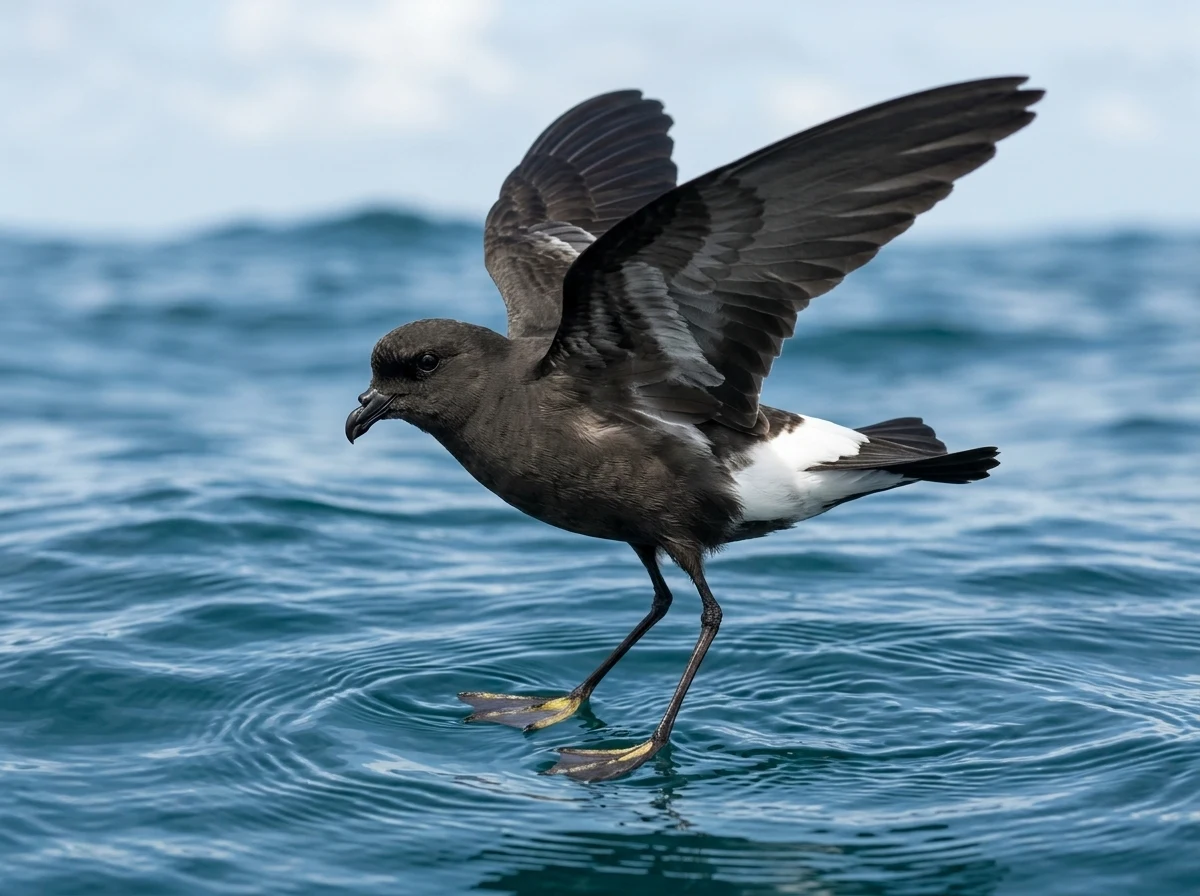
Evidence trail