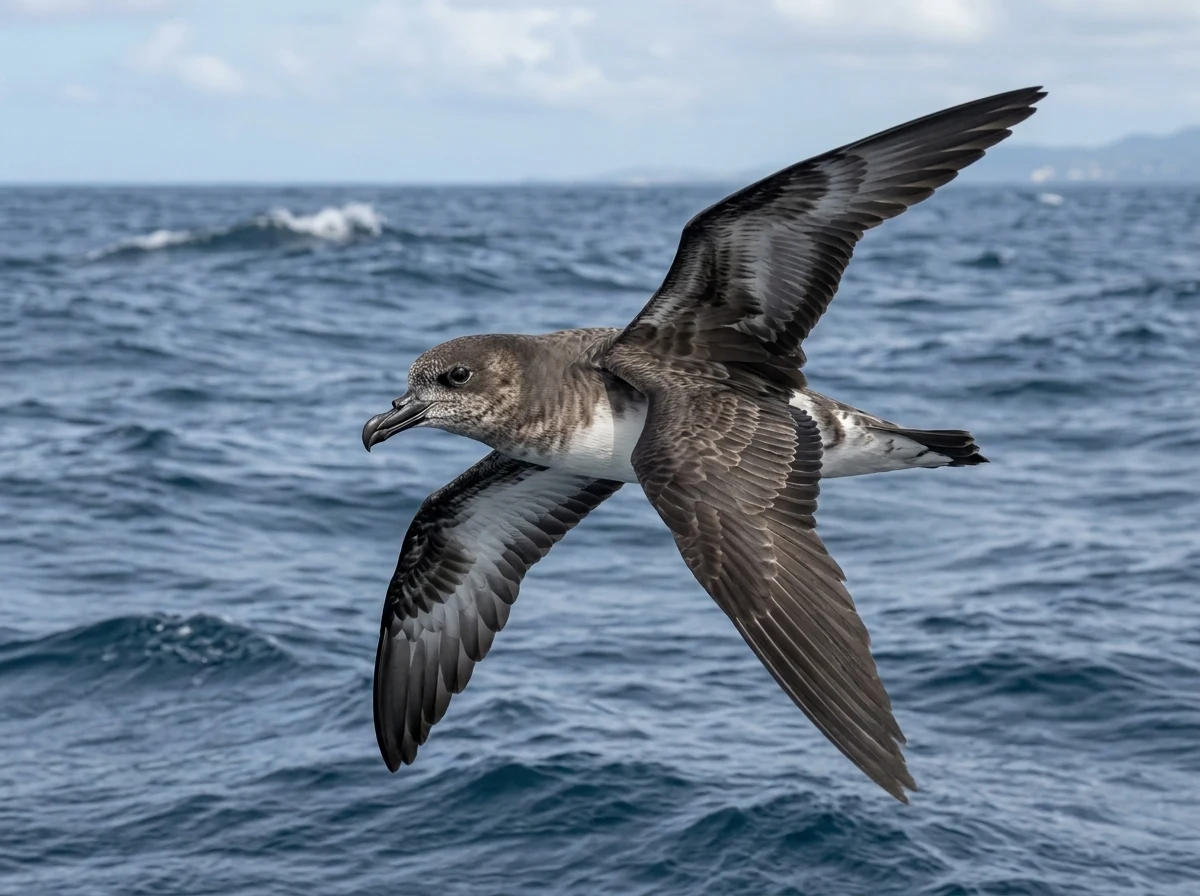
 AI
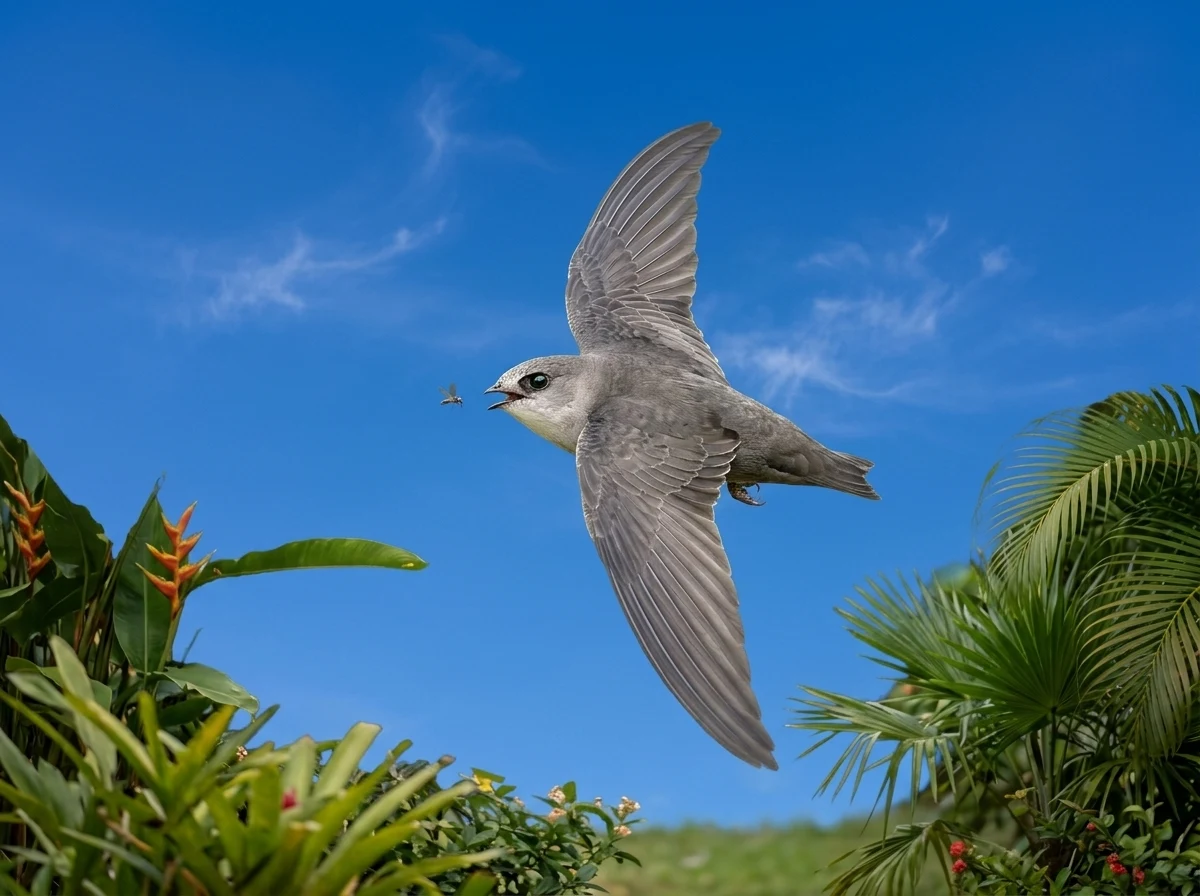
AIAI reconstruction created with Nano Banana 2 · 1K, grounded in the profile’s documented taxonomy, habitat, natural-history sources, and an open-license visual reference when available. It is an interpretive image, not documentary evidence. Image policy →

Trindade Petrel
Petrel de la Trindade
Pterodroma arminjoniana
The Trindade petrel (Pterodroma arminjoniana), also known as the Round island petrel, is a species of seabird and a member of the gadfly petrels. The bird is 35–39 cm (14–15 in) in size, with an 88–102 cm (35–40 in) wingspan. The petrel has various color morphs: dark and light, as well as intermediates between the two. Previously, two separate populations were considered conspecific, one occurring in the south Pacific, sometimes seen in Hawaii; the other occurring in the south Atlantic, nesting off Brazil, with regular sightings in the Gulf Stream off the southeastern United States. The little-known Pacific birds were then split and determined distinct as the Herald petrel, Pterodroma heraldica. It uses oceanic islands and atolls, nesting on cliff ledges, ridges or rocky slopes. On some islands, nesting birds are threatened by feral cats and rats. Due to ongoing habitat loss and small breeding range, this species is evaluated as vulnerable on the IUCN Red List of Threatened Species. The specific name is after Vittorio Arminjon, captain of the ship during the voyage in which the specimen was collected.
Sound archive
Hear its voice
Explore real songs and calls. The spectrogram turns each sound into a visual trace of time and frequency.

Play: flight call by Johannes Fischer
Choose another recording
Sound recorded by Johannes Fischer · XC141333 · CC BY-NC-SA 3.0. Visualization by Stichting Xeno-canto voor Natuurgeluiden.
Every recording retains the creator, catalogue number, and license published by Xeno-canto. Metadata via GBIF ↗
Island profile
About the Trindade Petrel
This atlas includes Trindade Petrel (Pterodroma arminjoniana) with atlas status “Accidental / vagrant” within scope “Avibase inferred core 380.” Global trait data associate it primarily with sea; consult the linked records to resolve its Puerto Rico habitat use.
Conservation
Vulnerable
IUCN VU
- Global IUCN
- VU
- Puerto Rico DNER
- No current listing in source crosswalk
- Federal ESA
- No current listing in source crosswalk
- Critical habitat
- Not identified in source crosswalk
Natural history
How it lives
- Habitat
- open-ocean
- Elevation
- 0–1000 m
- Nest
- Crevice; No nest · Ground
- Clutch
- 1–1 eggs
- Social behavior
- Colonial
Keep exploring
This bird belongs to 7 paths through the atlas.
Related in the atlas
Where to fly next
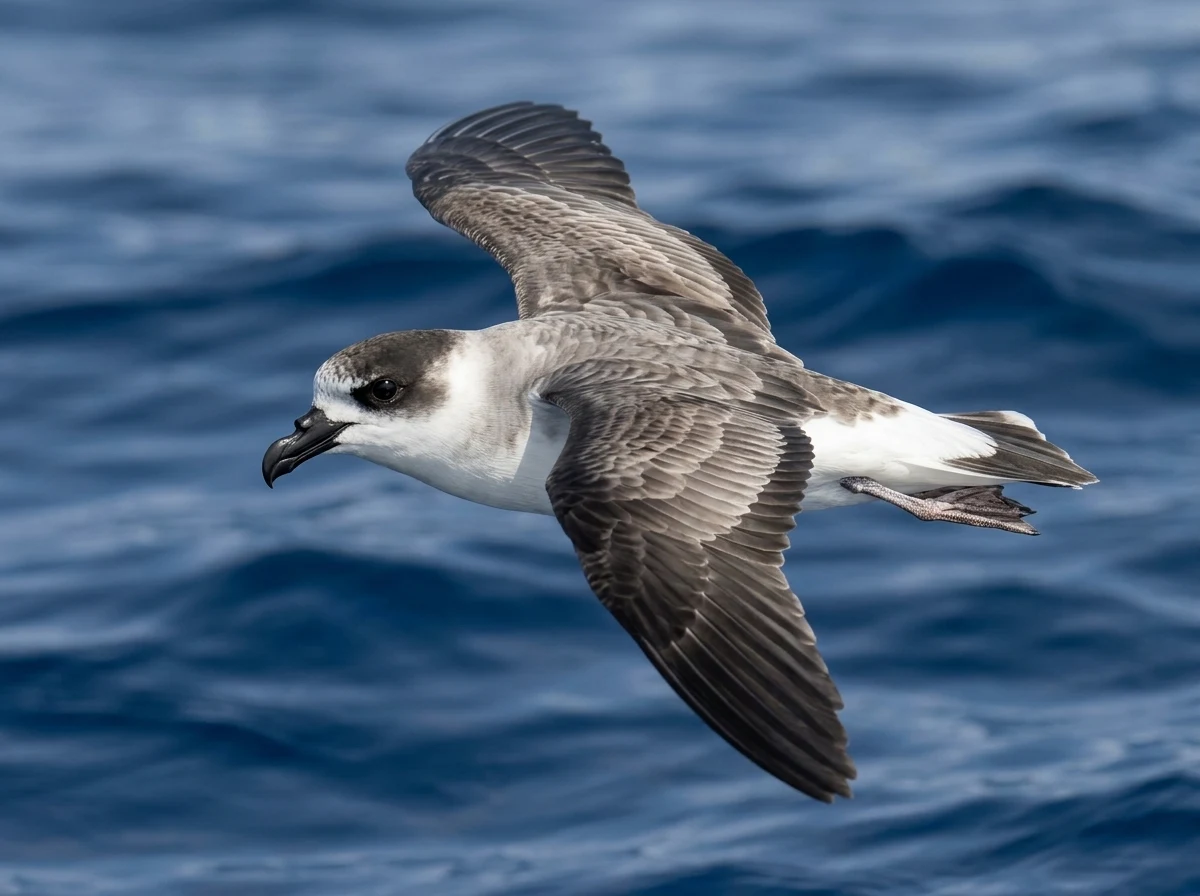
Connected by taxonomy, habitat, occurrence, and conservation.
 AI
AI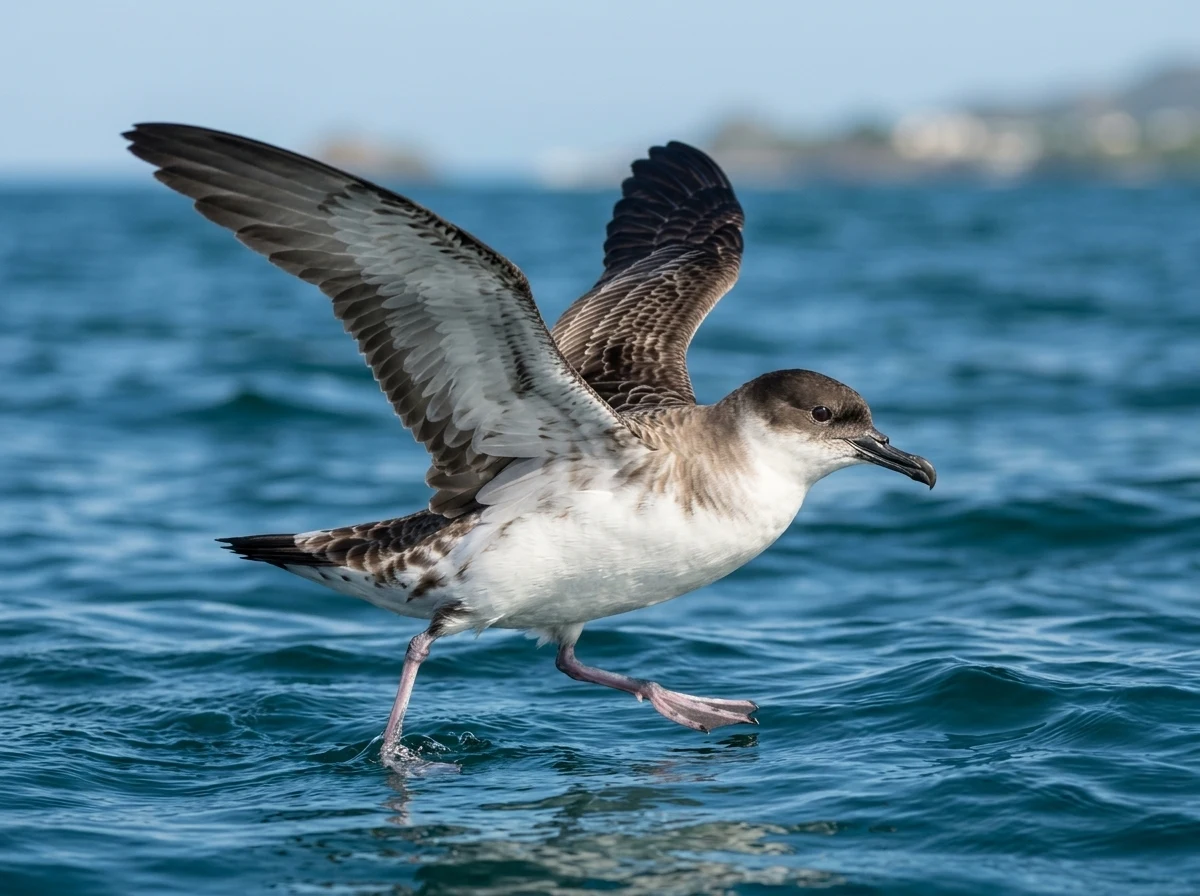 AI
AI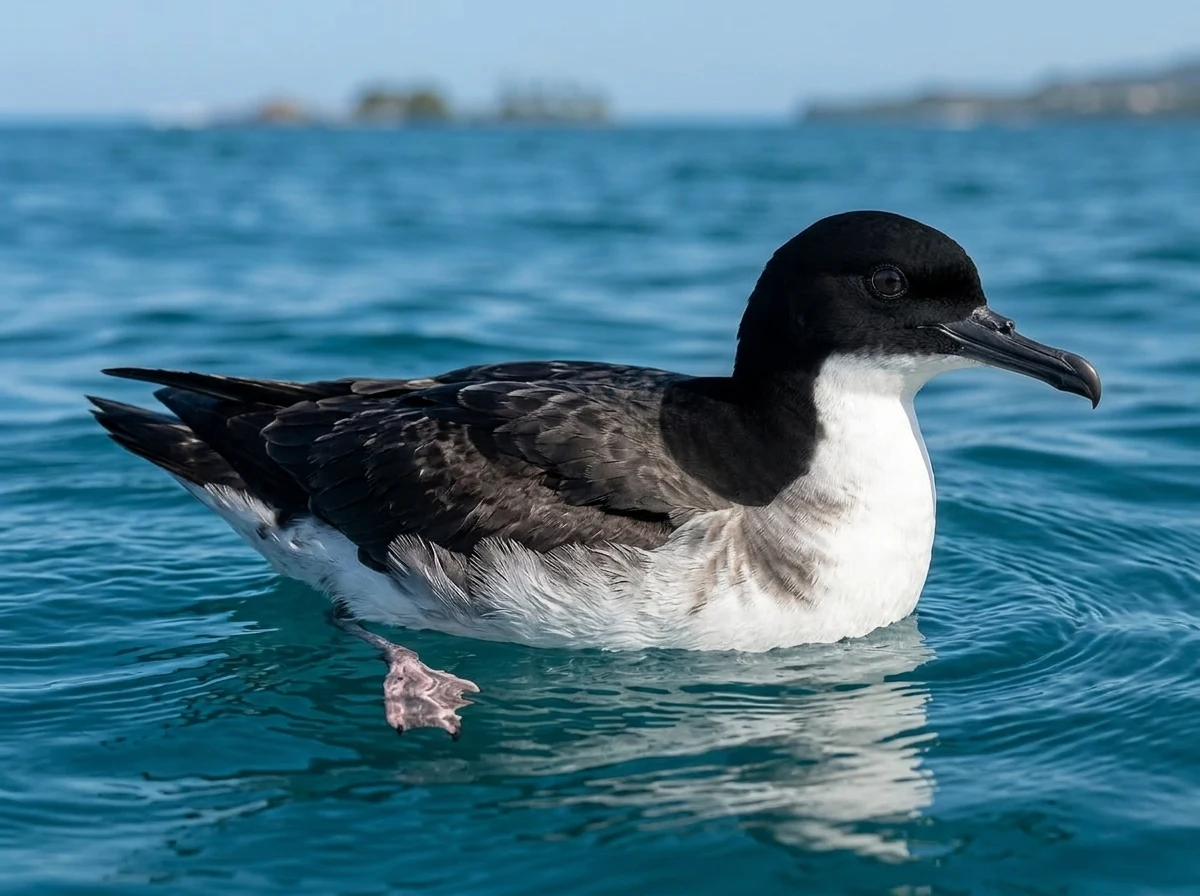 AI
AI AI
AI AI
AI AI
AI
Evidence trail