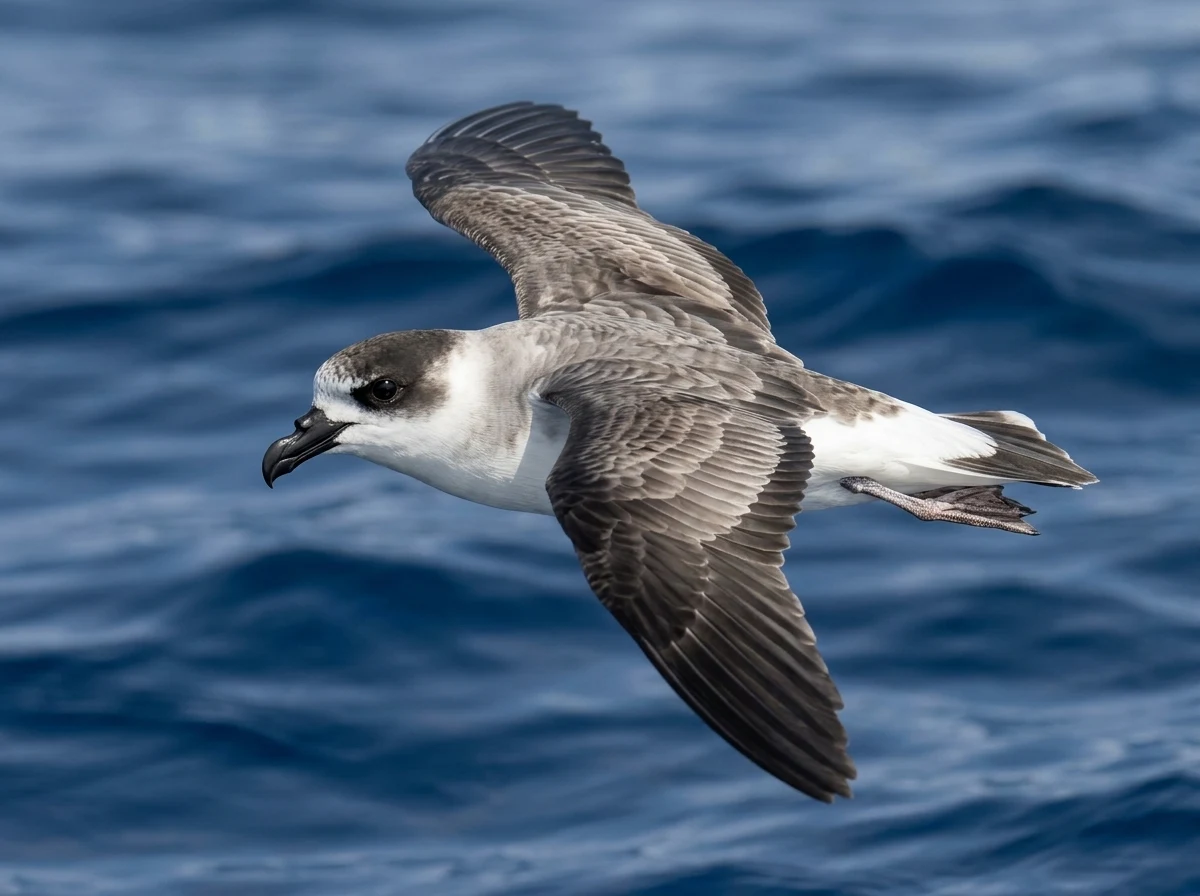
 AI
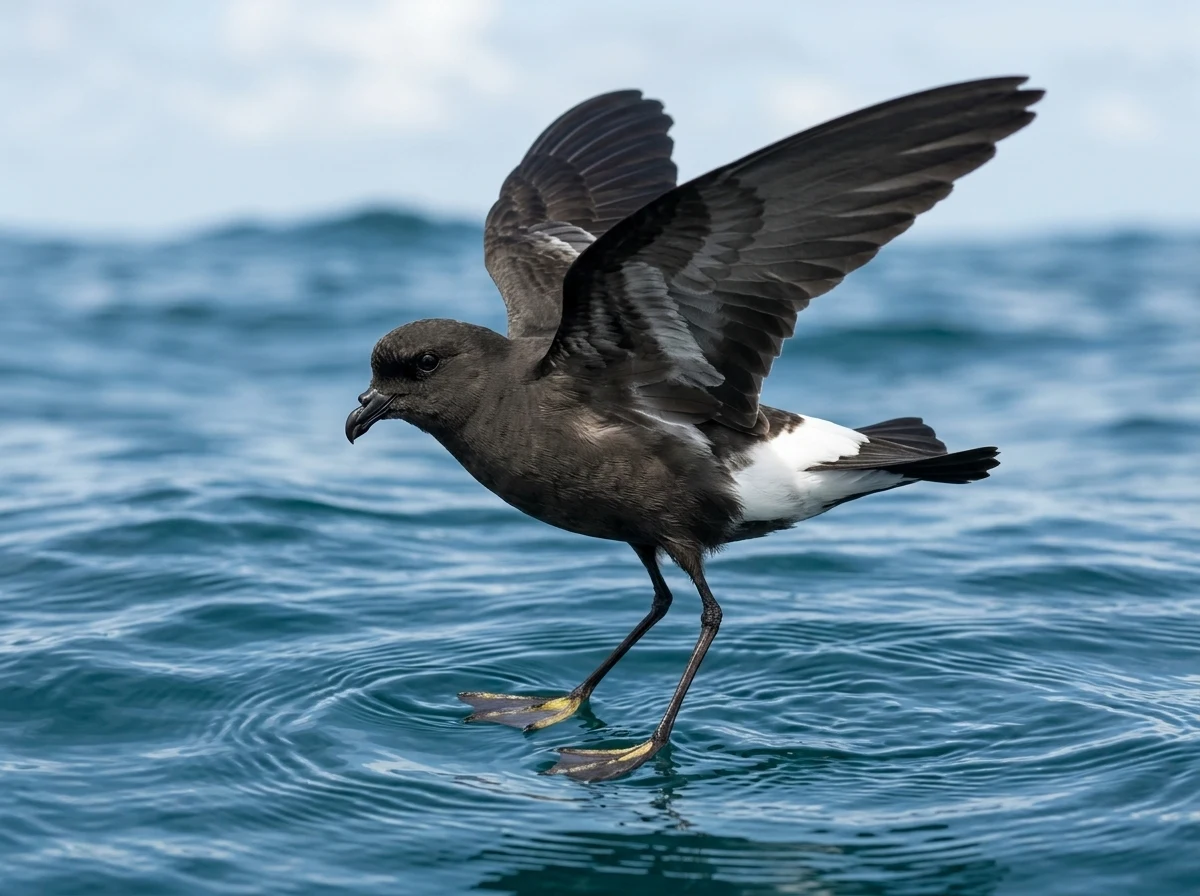
AIAI reconstruction created with Nano Banana 2 · 1K, grounded in the profile’s documented taxonomy, habitat, natural-history sources, and an open-license visual reference when available. It is an interpretive image, not documentary evidence. Image policy →
Black-capped Petrel
Petrel Antillano
Pterodroma hasitata
The black-capped petrel (Pterodroma hasitata), also known as the diablotín, is a small seabird native to the West Indies in the genus Pterodroma. It is a long-winged petrel with a grey-brown back and wings, with a white nape and rump. Underparts are mainly white apart from a black cap (that in some individuals extends to cover the eye) and some dark underwing markings. It picks food items such as squid from the ocean surface.
Island profile
About the Black-capped Petrel
This atlas includes Black-capped Petrel (Pterodroma hasitata) with atlas status “Accidental / vagrant” within scope “Avibase inferred core 380.” Global trait data associate it primarily with sea; consult the linked records to resolve its Puerto Rico habitat use.
Conservation
Endangered
IUCN EN
- Global IUCN
- EN
- Puerto Rico DNER
- No current listing in source crosswalk
- Federal ESA
- No current listing in source crosswalk
- Critical habitat
- Not identified in source crosswalk
Natural history
How it lives
- Habitat
- open-ocean
- Elevation
- 0–2350 m
- Nest
- Burrow / ground cavity; Cup / bowl · Ground; Tree
- Clutch
- 1–1 eggs
- Social behavior
- Colonial; Social / flocking; Singly and pairs
Keep exploring
This bird belongs to 7 paths through the atlas.
Guides featuring this bird
Follow this record beyond the profile.
Identification, sound, place, and explanatory guides connecting this species to larger questions.
Related in the atlas
Where to fly next
Connected by taxonomy, habitat, occurrence, and conservation.
 AI
AI AI
AI AI
AI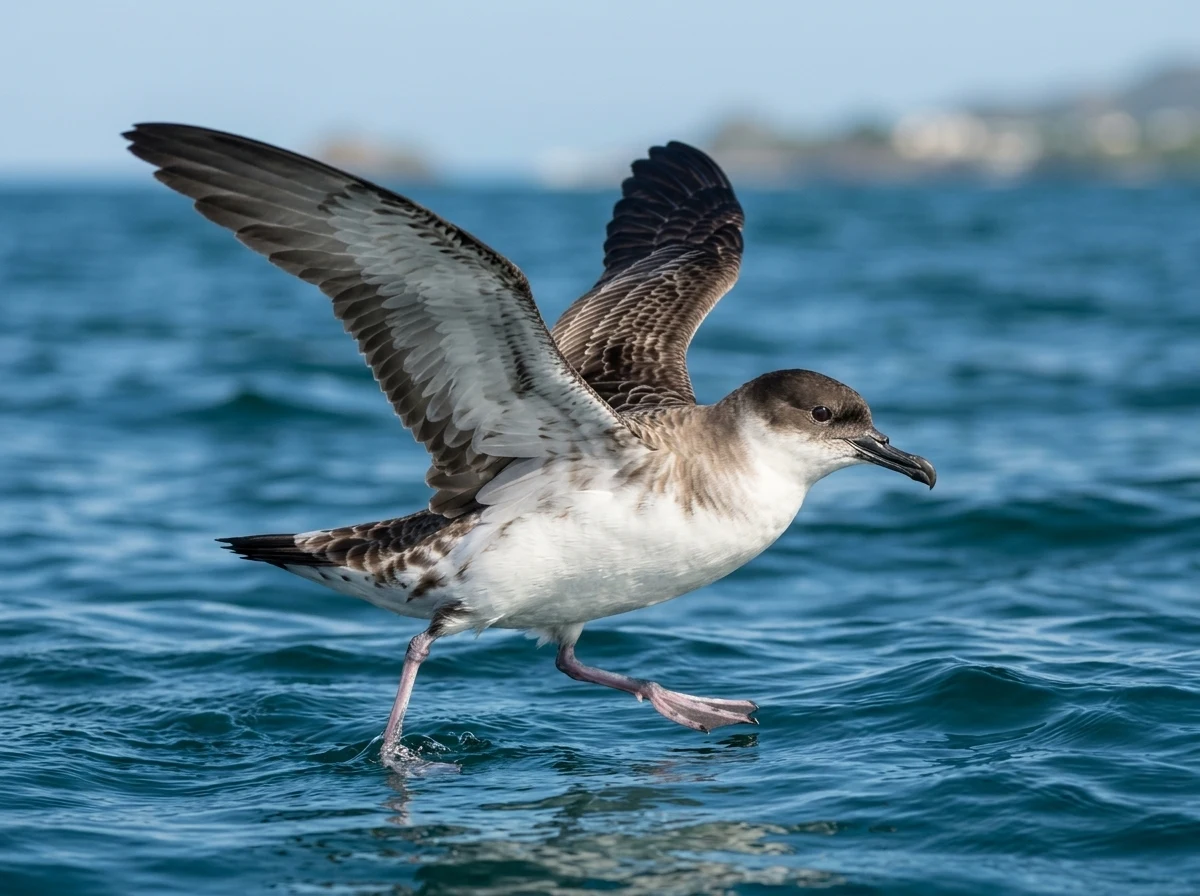 AI
AI AI
AI AI
AI
Evidence trail