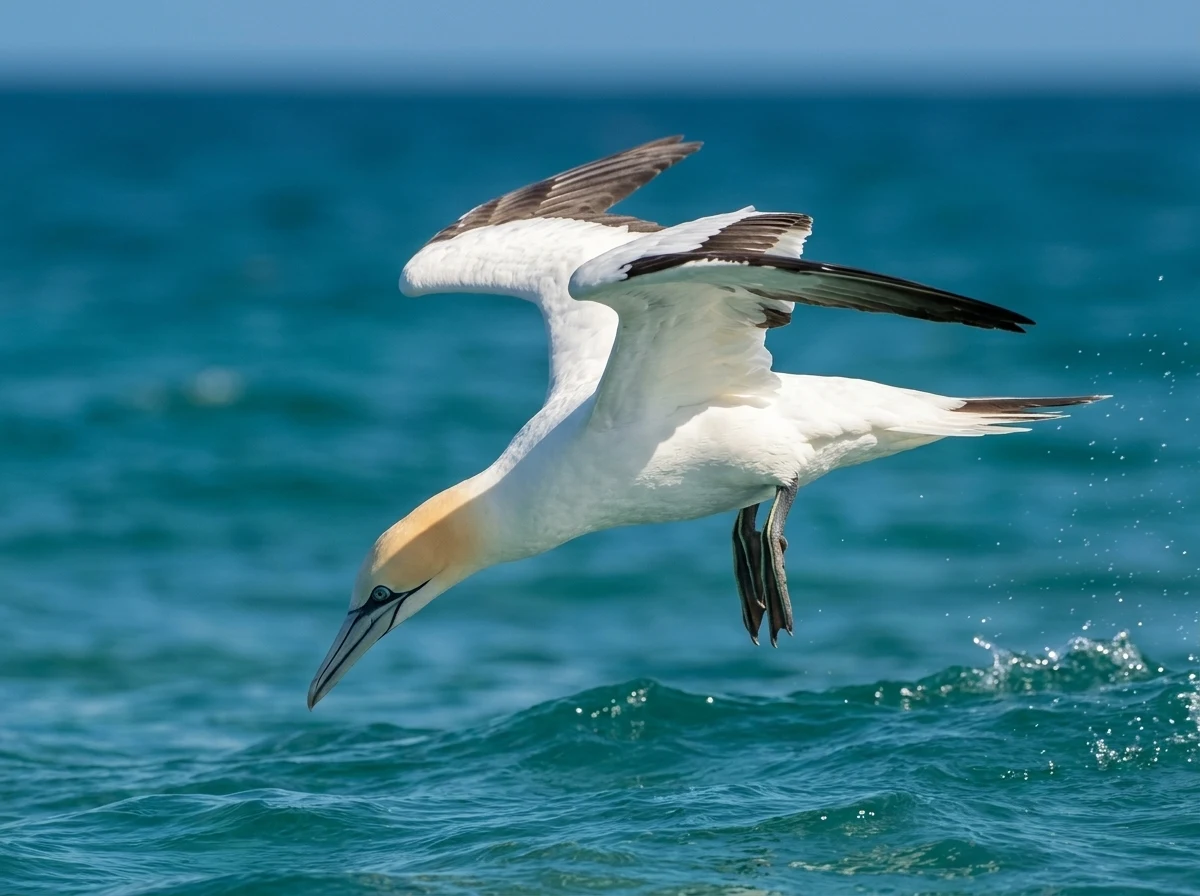
 AI
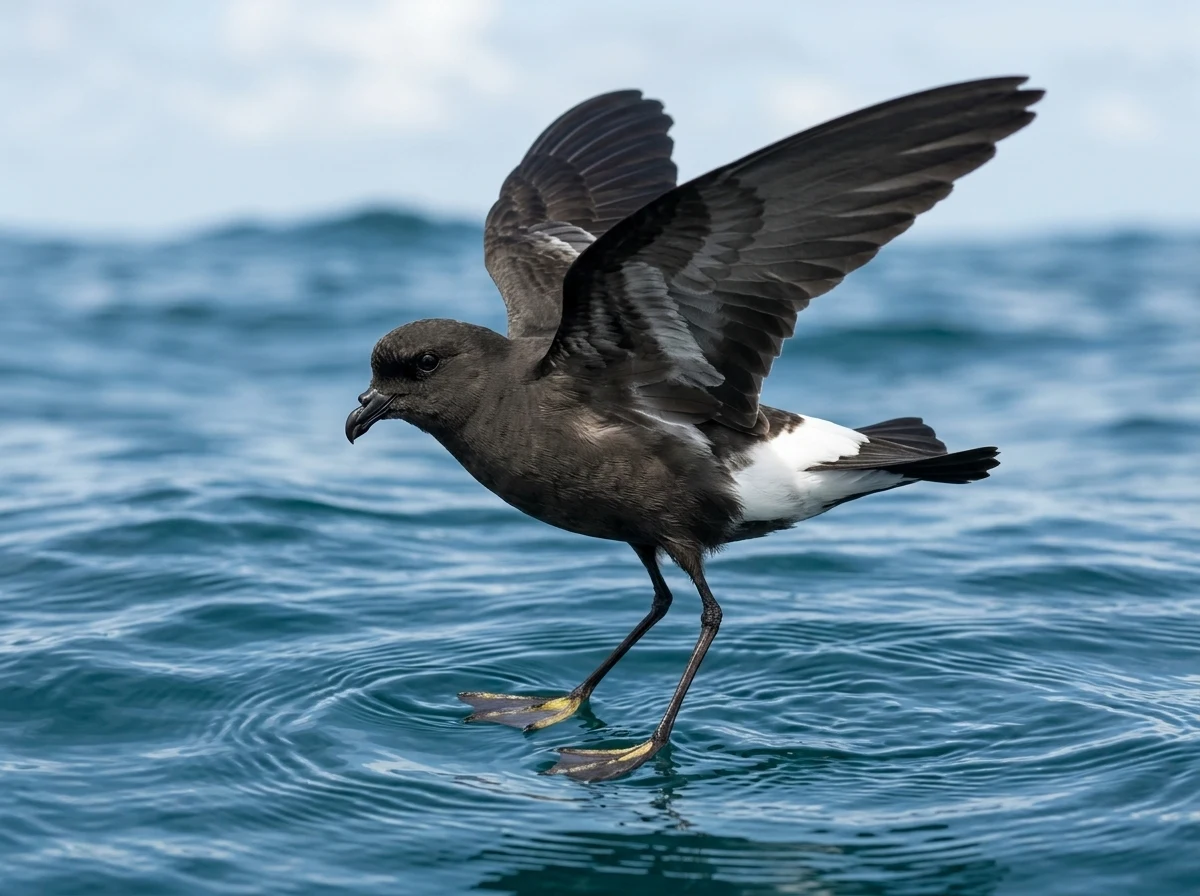
AIAI reconstruction created with Nano Banana 2 · 1K, grounded in the profile’s documented taxonomy, habitat, natural-history sources, and an open-license visual reference when available. It is an interpretive image, not documentary evidence. Image policy →
Northern Gannet
Alcatraz Atlántico
Morus bassanus
The Northern gannet (Morus bassanus) is a seabird, the largest species of the gannet family, Sulidae. It is native to the coasts of the North Atlantic Ocean, breeding in Western Europe and Northeastern North America. It is the largest seabird in the northern Atlantic. The sexes are similar in appearance. The adult northern gannet has a mainly white streamlined body with a long neck, and long and slender wings. It is 87–100 cm (34+1⁄2–39+1⁄2 in) long with a 170–180 cm (67–71 in) wingspan. The head and nape have a buff tinge that is more prominent in breeding season, and the wings are edged with dark brown-black feathers. The long, pointed bill is blue-grey, contrasting with black, bare skin around the mouth and eyes. Juveniles are mostly grey-brown, becoming increasingly white in the five years it takes them to reach maturity. Nesting takes place in colonies on both sides of the North Atlantic, the largest of which are at the Bass Rock (75,000 pairs as of 2014), St. Kilda (60,000 pairs as of 2013) and Ailsa Craig (33,000 pairs as of 2014) in Scotland, in Ireland (Sceilg Bheag; little Skellig, 35,000 pairs in 2011), Grassholm in Wales, and Bonaventure Island (60,000 pairs in 2009) off the coast of Quebec. Its breeding range has extended northward and eastward, with colonies being established on Russia's Kola Peninsula in 1995 and Bear Island (the southernmost island of Svalbard), in 2011. Colonies are mostly located on offshore islands with cliffs, from which the birds can more easily launch into the air. The northern gannet undertakes seasonal migrations and catches fish (which are the mainstay of its diet) by making high-speed dives into the sea up to 60 mph. The northern gannet was previously hunted for food in certain parts of its range, and although that practice still continues in the Outer Hebrides of Scotland and the Faroe Islands, the bird faces few other natural or man-made threats. Since its population is growing, the International Union for Conservation of Nature considers it a least-concern species. Because it is both a conspicuous and a common bird, it is referred to in several ancient myths and legends.
Sound archive
Hear its voice
Explore real songs and calls. The spectrogram turns each sound into a visual trace of time and frequency.

Play: call by Kelle Moreau
Choose another recording
Sound recorded by Kelle Moreau · XC1076663 · CC BY-NC-SA 4.0. Visualization by Stichting Xeno-canto voor Natuurgeluiden.
Every recording retains the creator, catalogue number, and license published by Xeno-canto. Metadata via GBIF ↗
Island profile
About the Northern Gannet
This atlas includes Northern Gannet (Morus bassanus) with atlas status “Accidental / vagrant” within scope “Avibase inferred core 380.” Global trait data associate it primarily with sea; consult the linked records to resolve its Puerto Rico habitat use.
Conservation
Least Concern
IUCN LC
- Global IUCN
- LC
- Puerto Rico DNER
- No current listing in source crosswalk
- Federal ESA
- No current listing in source crosswalk
- Critical habitat
- Not identified in source crosswalk
Natural history
How it lives
- Habitat
- open-ocean
- Elevation
- 0–200 m
- Nest
- Cup / bowl · Ground; Rock
- Clutch
- 1–1 eggs
- Social behavior
- Colonial; Social / flocking; Solitary
Keep exploring
This bird belongs to 6 paths through the atlas.
Related in the atlas
Where to fly next
Connected by taxonomy, habitat, occurrence, and conservation.
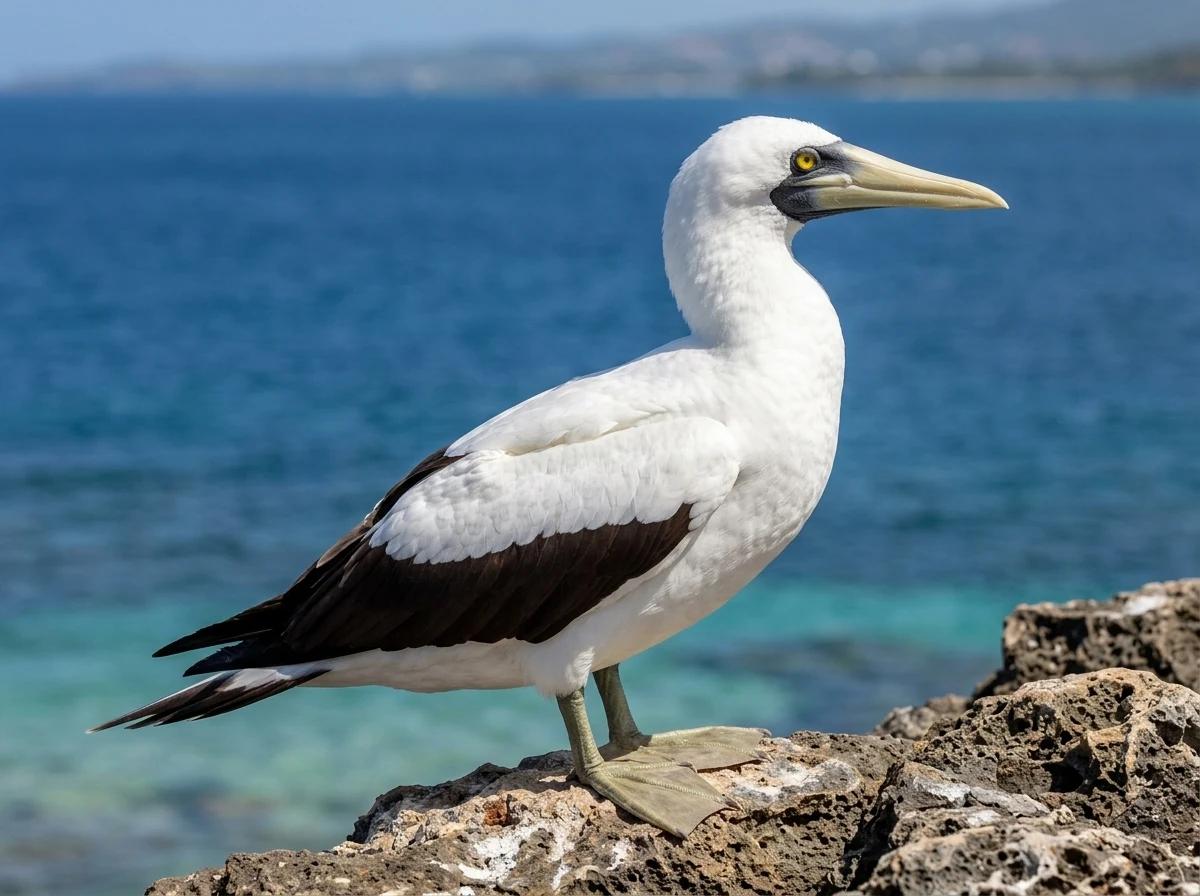 AI
AI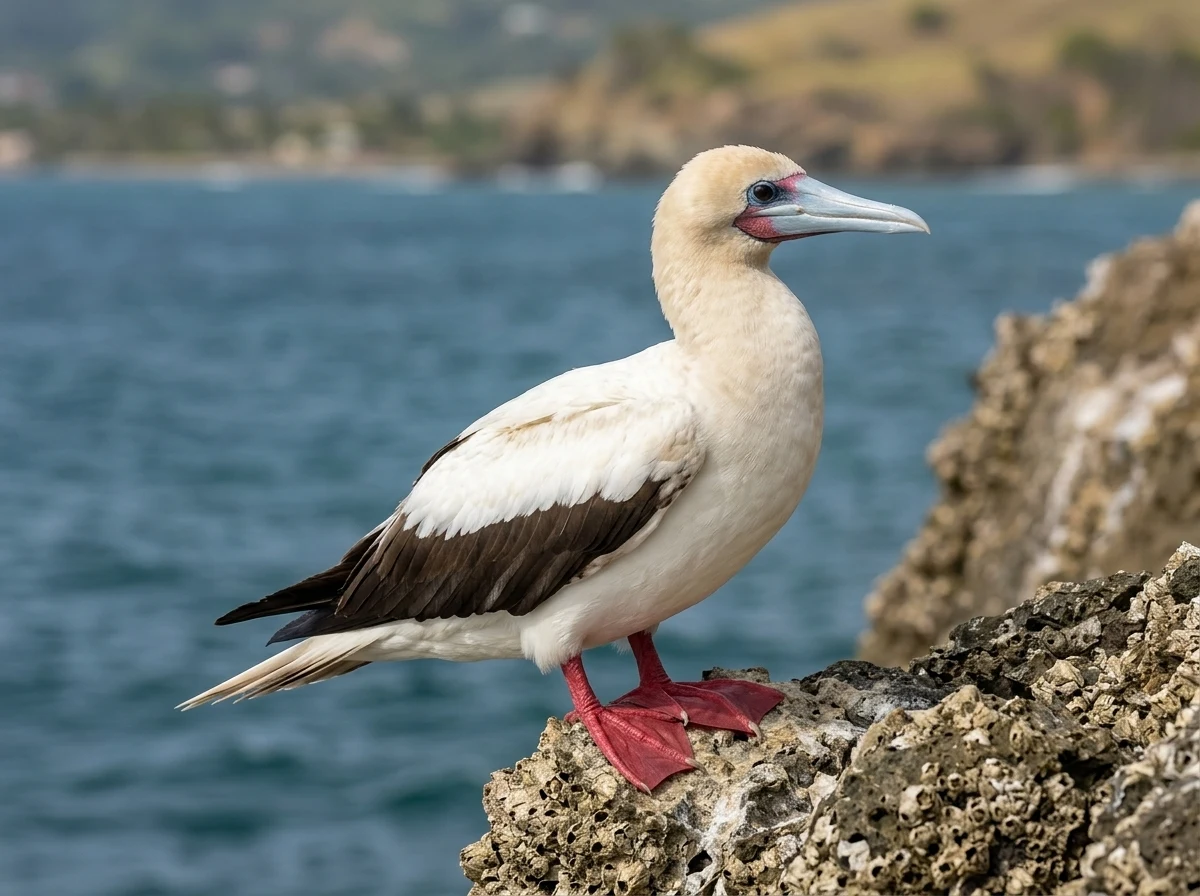 AI
AI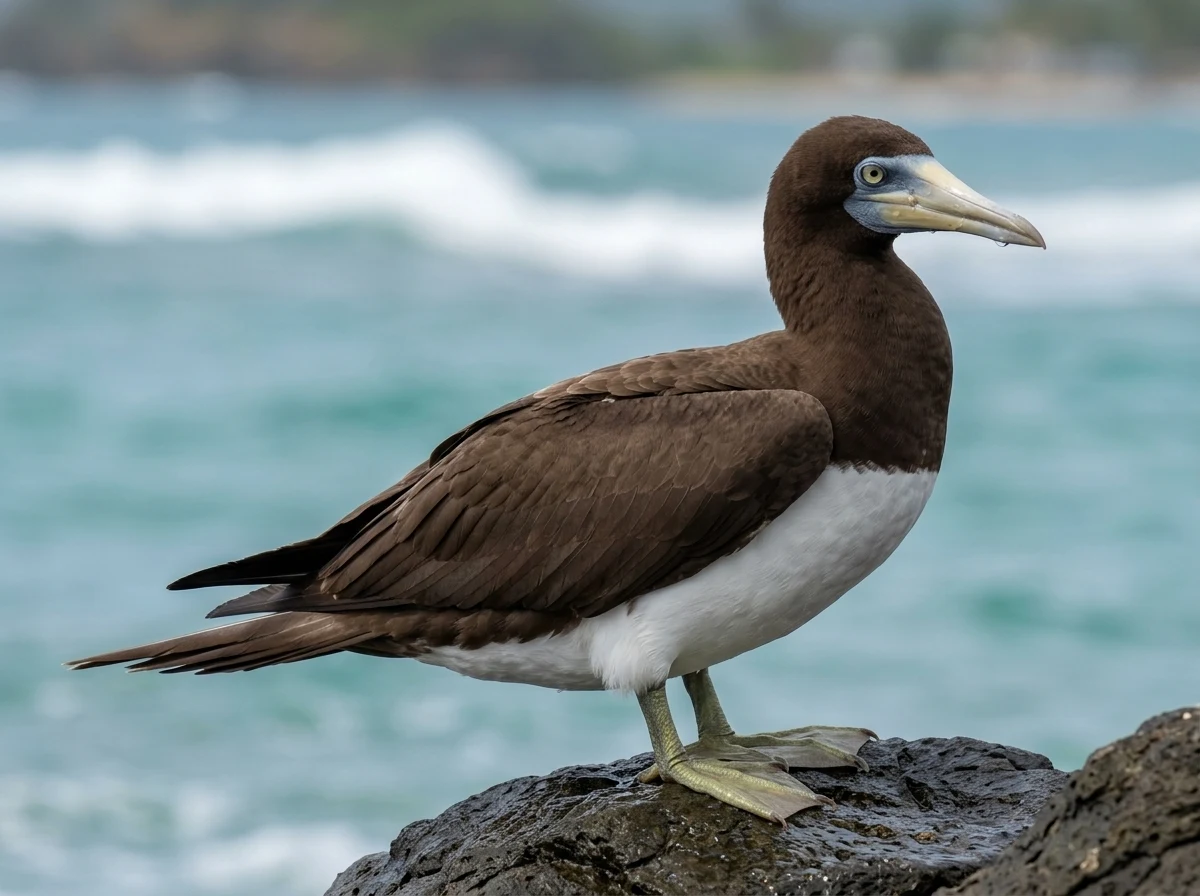 AI
AI AI
AI AI
AI AI
AI
Evidence trail