 AI
AILearning guides
Bird Data: Citizen Science for Kids
Kids can contribute real observations to projects like eBird and the Caribbean Waterbird Census. Here is how to do it step by step.
Reviewed: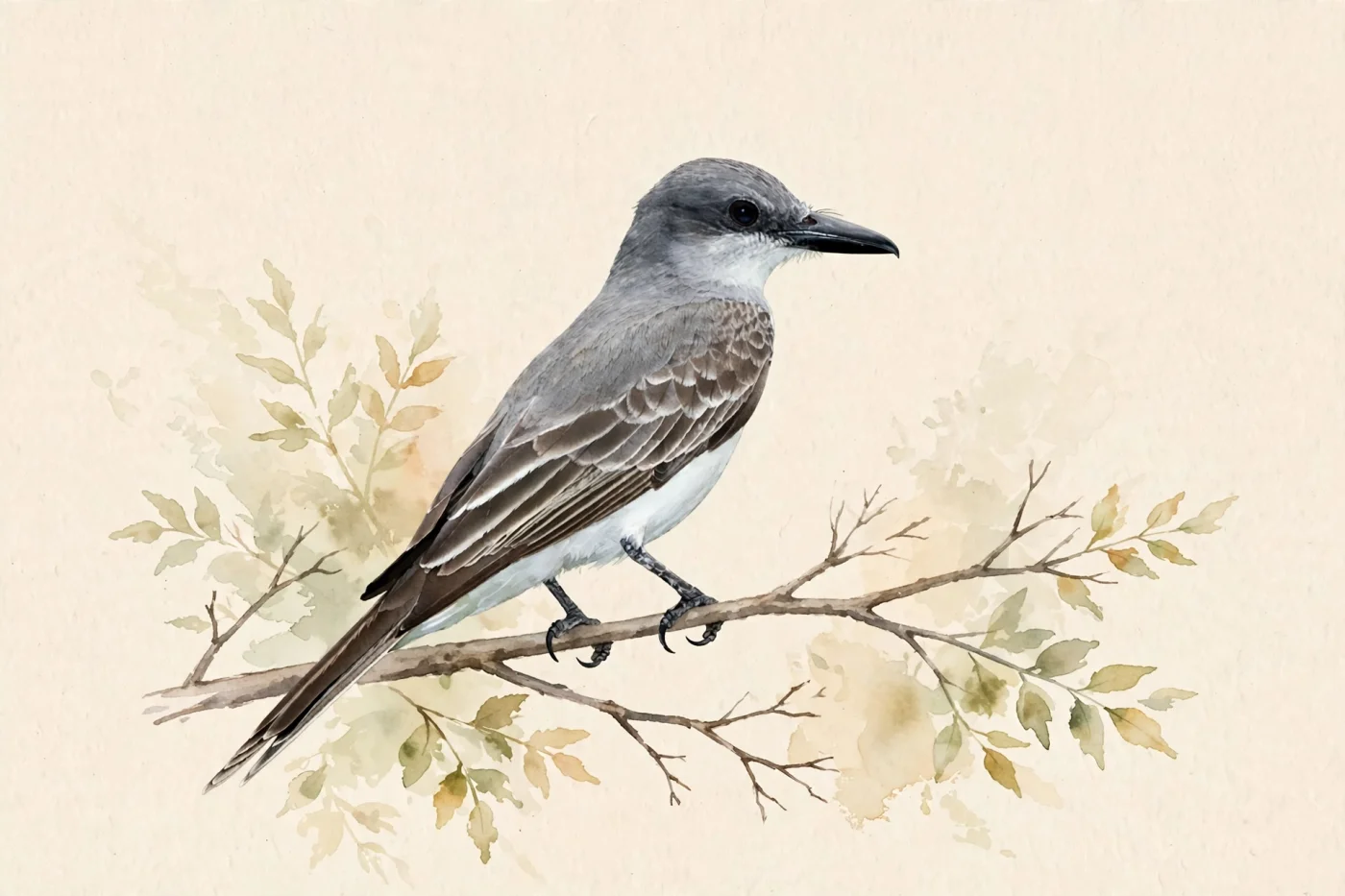
Prepared with AI assistance and linked sources. Illustrations are not field photographs.
Science made by kids
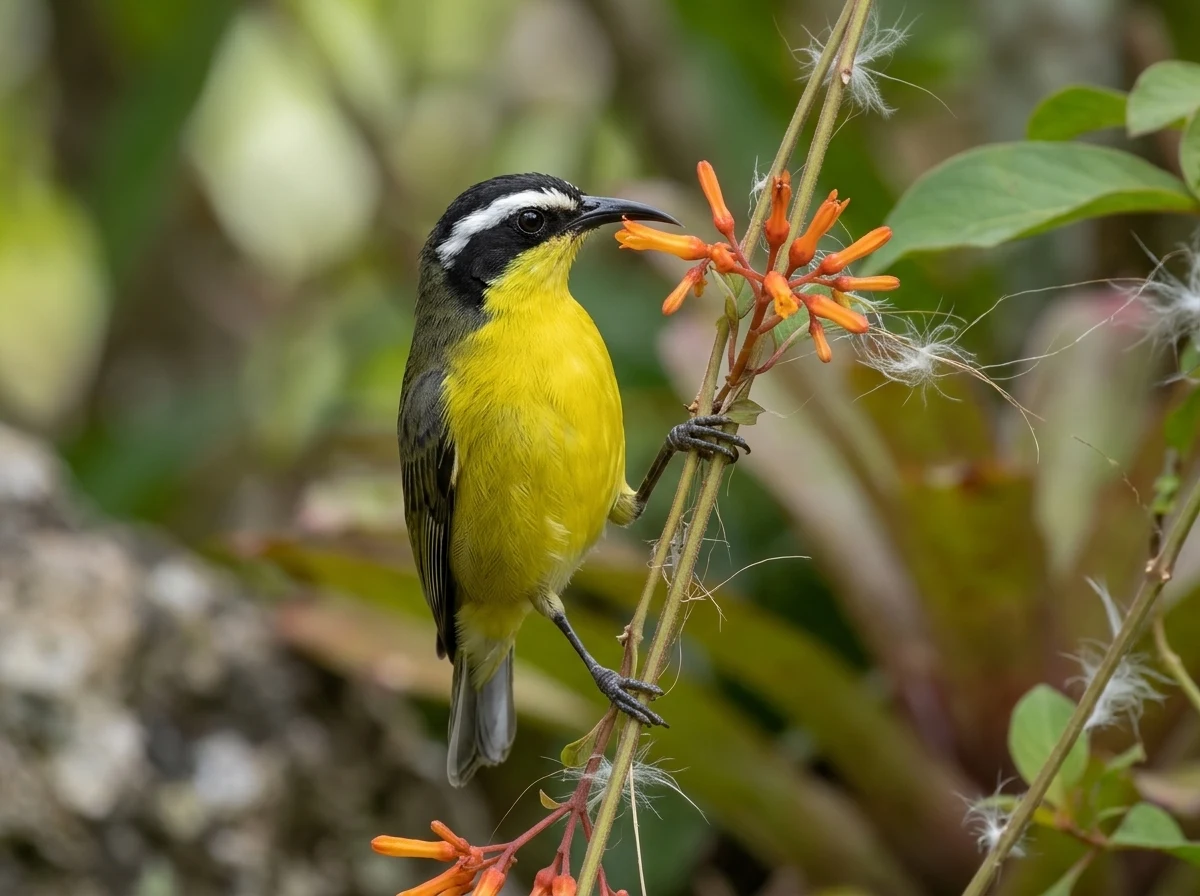
Citizen science lets anyone, regardless of age, contribute to real research. BirdsCaribbean explains that these projects share four traits: anyone can participate, everyone uses the same method, data make a difference, and scientists and volunteers share results. For a child in Puerto Rico, this means that an observation of a bananaquit in the yard can become part of a global database.
eBird, developed by the Cornell Lab of Ornithology, is one of the most accessible platforms. It accepts observations of living, wild birds as long as they are recorded with a date, location, and a protocol describing how the birding was done. Kids can start with short, stationary lists and learn to count individuals instead of just marking an X. This guide offers a concrete procedure for families and educators.
Learning guides
Numbers that inspire
Más de 1,180scientific publicationseBird Science maintains a list of more than 1,180 publications that have used eBird data.
15 minutoscan be enough to contributeBirdsCaribbean notes that many projects can be done in as little as 15 minutes.
78,000+eBird checklists in a Caribbean studyA shorebird assessment used more than 78,000 eBird checklists and more than 211,000 observations.
01
Which projects accept kids' data in Puerto Rico?
eBird is the main platform for bird observations in Puerto Rico. It accepts checklists from anyone with a free account, regardless of age. Kids can use it alone or with adult help. BirdsCaribbean recommends eBird as its favorite platform for bird lovers and offers projects, courses, and news to get started. In addition to eBird, there are global events like October Big Day and Global Big Day, in which Puerto Rico participates. These events invite people to watch birds for a single day and report what they see. There is also the Caribbean Waterbird Census, which monitors waterbirds from January to February, though it accepts observations year-round. For kids, these events offer clear goals and the excitement of contributing to a collective effort.
Merlin Bird ID is a complementary app that helps identify birds. Although it does not replace careful observation, it can be a useful tool for beginners. Kids can use it to confirm an identification before submitting their list to eBird. It is important to remember that Merlin is not a citizen science project by itself; data are submitted to eBird. BirdsCaribbean also mentions projects like the Global Shorebird Count and the Caribbean Waterbird Census, which accept observations of shorebirds and waterbirds. These projects have specific protocols, but kids can participate with supervision.
02
How to do a simple count step by step
eBird offers four core protocols: Stationary, Traveling, Incidental, and Historical. For kids, the easiest is Stationary: you watch from a single fixed location, without moving more than about 30 meters in any direction. You must record the exact start time and duration. If the child walks more than 30 meters, use Traveling and estimate the distance traveled. eBird recommends keeping Traveling checklists under 5 miles (8 km) and Stationary checklists under 3 hours, but for kids it is better to make lists of 10 to 20 minutes. Most importantly, the list should be complete: report all species you were able to identify by sight or sound. This lets scientists know not only which birds were present but also which were not observed.
Before starting, choose a safe and accessible place, such as a yard, a park, or a home balcony. Sit with the child and observe together. Write down the start time. Count every bird you see or hear. If you cannot count exactly, use your closest estimate; eBird prefers an estimate over an X. When finished, record the end time. Review the list to make sure no species you identified is missing. Then, in the app or website, select the Stationary protocol, enter the duration, and submit the list. If the child cannot identify a bird, you can take a photo or record its sound and add it to the list as documentation.
03
Photos, sounds, and documentation
eBird allows you to add photos and sound recordings to checklists. These must be taken by the observer during that same outing and at that same location. You should not upload photos from other dates, from other people, or from remote cameras. For kids, taking a photo can be a fun and educational activity. If the bird is common, the photo still adds value to the observation. If the bird is rare, documentation is essential. eBird recommends adding notes, photos, or sounds to document notable observations. Kids can practice taking clear photos and recording sounds with a phone. Then, they can upload those files to their eBird list. This teaches them that science is not just about seeing, but also about recording evidence.
It is important not to include dead, captive, or remotely sensed birds. eBird only accepts observations of living, wild birds seen or heard in person. You should not report eggs or captive birds. Kids can learn these rules as part of the scientific method. If a child sees a bird in a cage or at a zoo, they should not report it. If they see a wild bird in the yard, they can report it. This distinction helps maintain data quality. Educators can use these rules to teach scientific ethics and precision.
04
How eBird data are used in science
eBird data are used in real research. eBird Science maintains a list of more than 1,180 publications that have used these data. BirdsCaribbean describes a study in which volunteers contributed more than 211,000 shorebird observations through more than 78,000 eBird checklists over ten years. This effort allowed researchers to complete the first Caribbean-wide assessment of shorebird use and identify critical conservation sites that were previously unknown. Thanks to these data, important wetlands in Cuba and the Dominican Republic were identified and may now qualify for international designations. This shows kids that their observations, even if they seem small, can have a huge impact.
In addition to shorebirds, eBird data are used to study changes in bird distribution, climate change impacts, invasive species, and pollinator conservation. Kids can feel motivated knowing that their yard list can contribute to abundance maps and conservation decisions. eBird Science offers products like Status and Trends, which are only possible thanks to complete checklists with counts. This reinforces the importance of counting individuals rather than just marking presence. Educators can show these maps to kids so they can see how their data are integrated into visual scientific products.
05
Hands-on exercise: the five-bird challenge
Give kids a simple challenge: observe for 15 minutes and try to identify at least five different birds. They can use a notebook or the eBird app to write down each species. If they do not know the name, they can describe the bird or draw it. Then, with help from Merlin Bird ID or a guide, they try to identify it. At the end, they create an eBird list using the Stationary protocol. This exercise teaches observation, patience, and record-keeping. It also gives them an achievable goal. If the child sees fewer than five species, it does not matter; the valuable part is the complete list of what they did see.
To expand the exercise, ask the child to choose one bird and observe it for five minutes. What is it doing? Is it eating, singing, flying, resting? Write down its behaviors. This information can be added to the comments in the eBird list. Scientists value behavioral details. The child can also take a photo or record a sound. At the end, compare their lists with those from other days. Do they see the same birds? Do new birds appear? This comparison introduces the idea of change and variation in nature. Kids learn that science is a continuous process of observation and recording.
Linked profiles
Birds to practice with
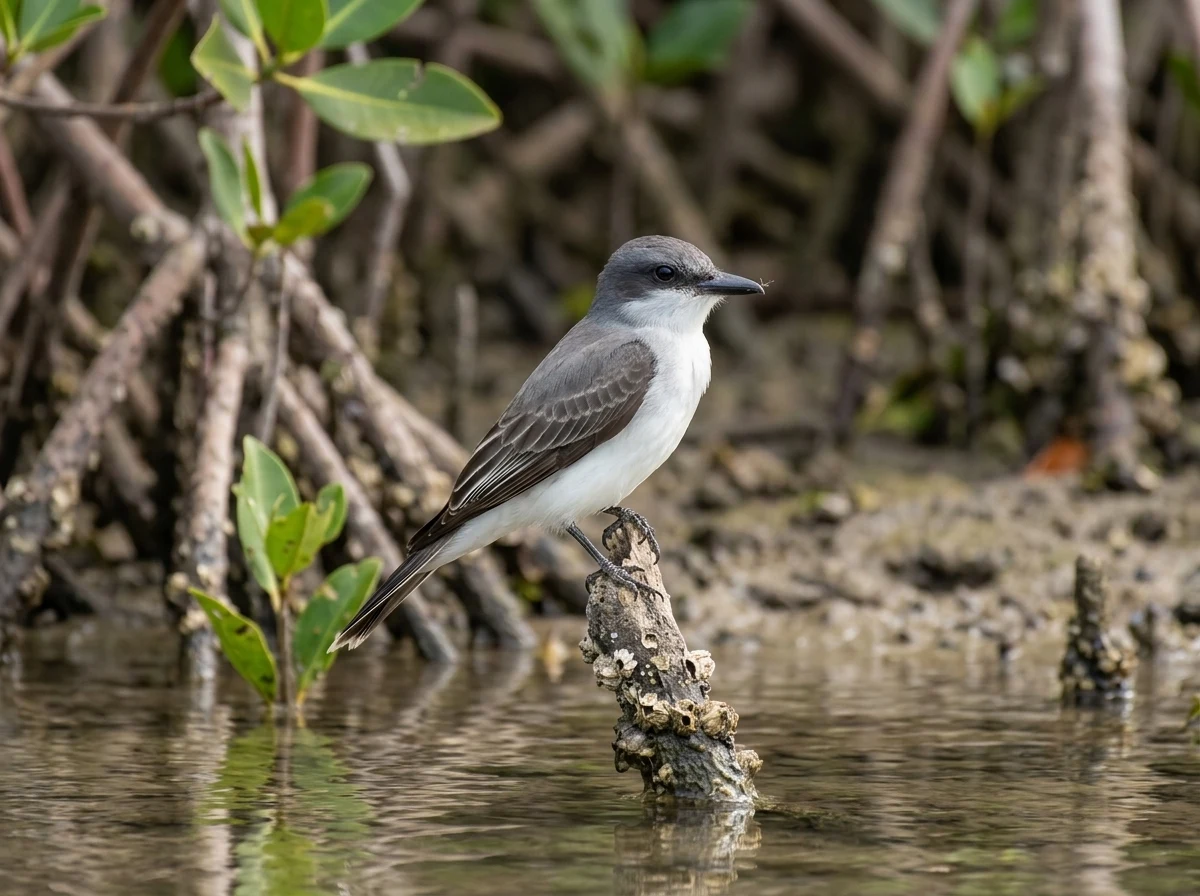
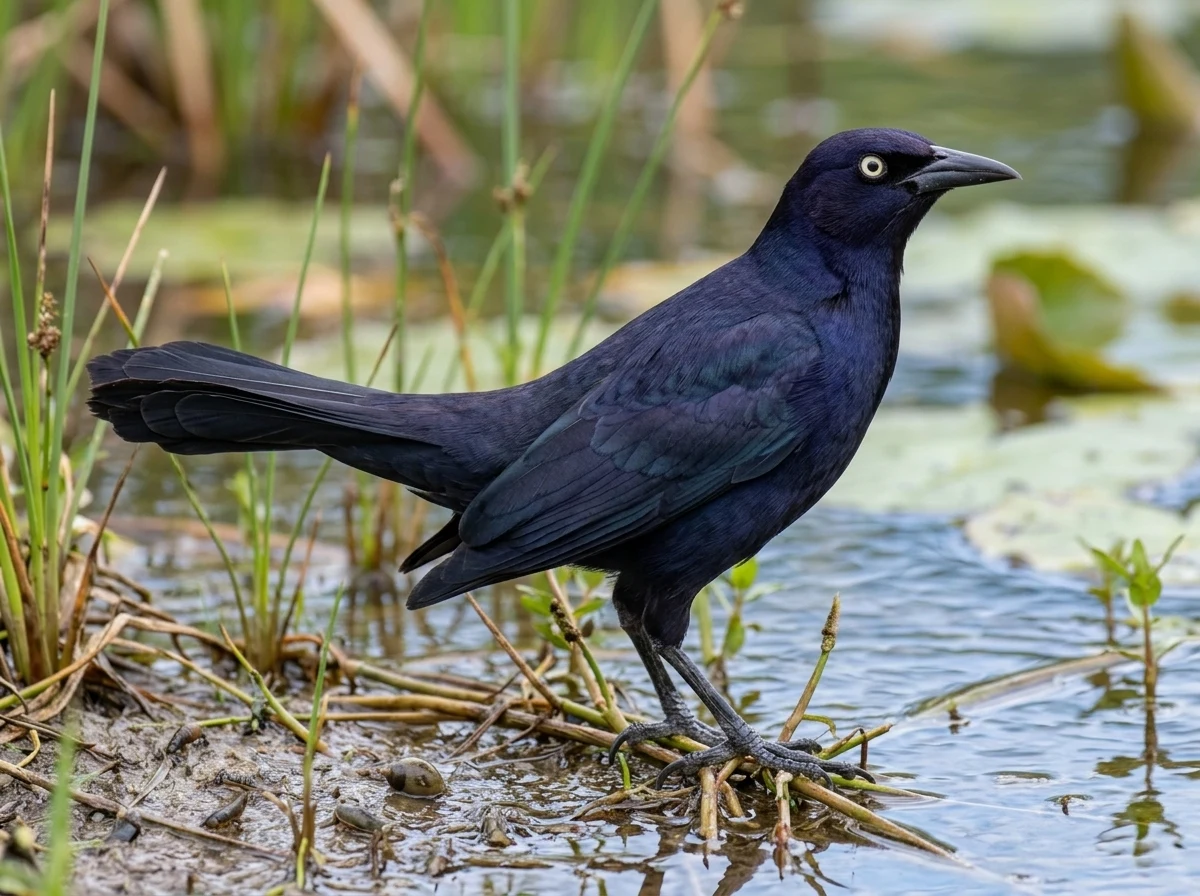
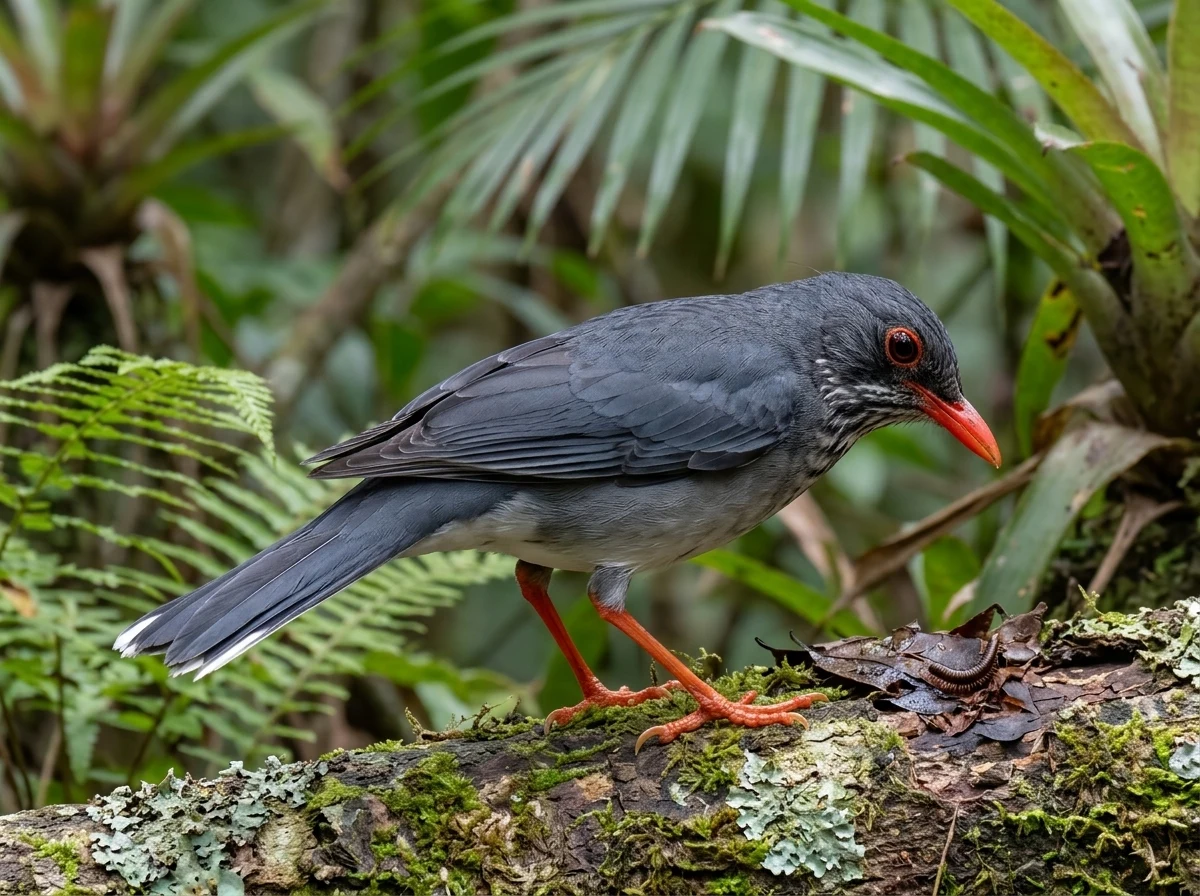
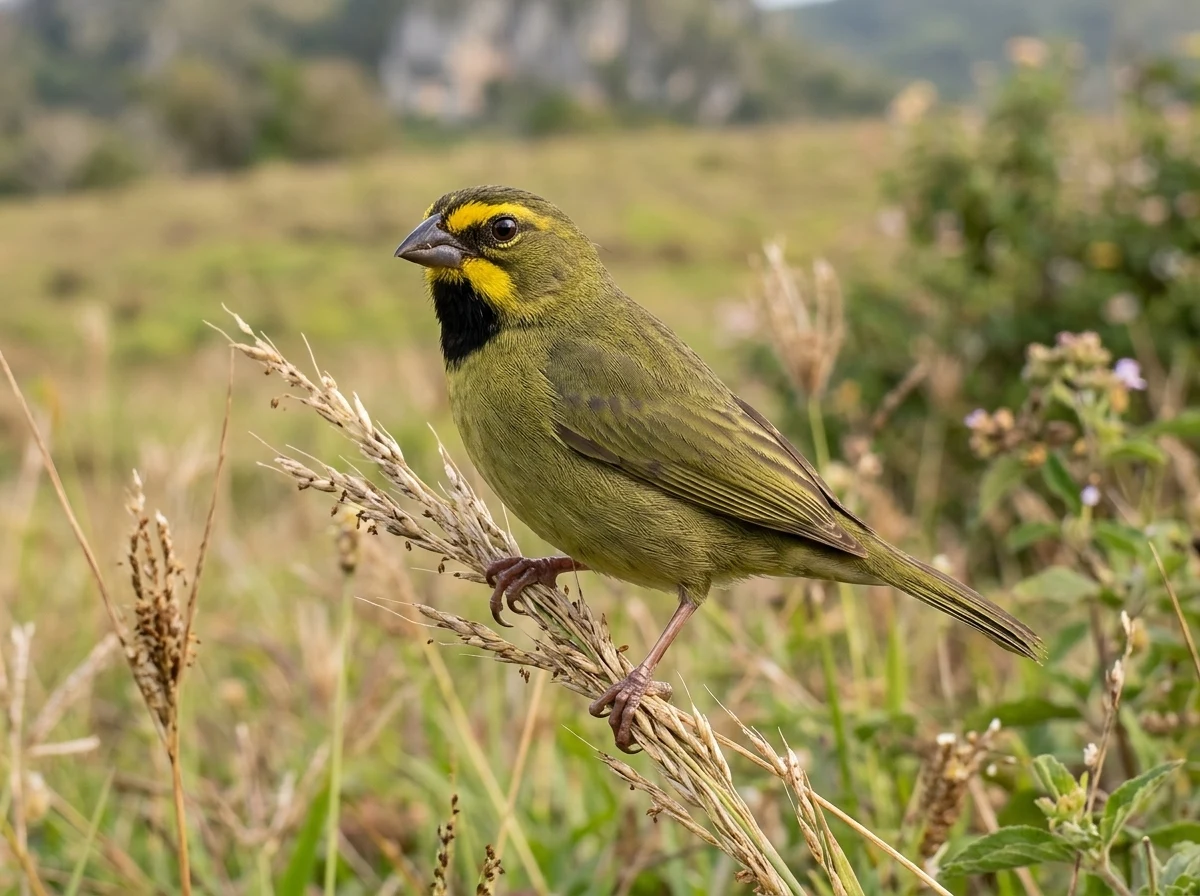
These five birds are good candidates for a child's first eBird lists in Puerto Rico.
01
Can a child have their own eBird account?
Yes. eBird allows anyone to create a free account. There is no minimum age stated in the consulted documents. An adult can help the child set up the account and submit lists. eBird also allows sharing checklists with a group, which can be useful for families or classes.
02
What if I do not know the bird's name?
You can describe the bird, draw it, or take a photo. Then, with help from Merlin Bird ID or a guide, try to identify it. If you are not sure, you can leave the observation unidentified or ask an adult for help. eBird allows you to add photos and sounds to document birds that were not identified with certainty.
03
How long should a checklist be for kids?
There is no required time, but for kids short lists of 10 to 20 minutes are recommended. eBird suggests keeping Stationary checklists under 3 hours and Traveling checklists under 5 miles. Shorter, more precise checklists are more valuable for science.
04
Can I report birds I see at a zoo?
No, if they are captive birds or part of a collection. eBird only accepts observations of living, wild birds. You can report wild birds you see at an outdoor zoo, but not those in cages or enclosures. Dead birds, eggs, and birds seen only through remote cameras are also not reported.
05
How can I tell if my checklist is complete?
A complete checklist includes all species you were able to identify by sight or sound during the time and place of observation. You should not omit common species. eBird uses complete checklists to generate abundance maps and other scientific products. If you are not sure you saw all the birds, you can mark the list as incomplete.
Keep exploring
Connected routes
Sources and review
The evidence is one link away.
These sources support the editorial scope of this guide. Bird profiles also retain their own taxonomy, occurrence, and conservation references.
Reviewed:
01↗02↗03↗04↗
BirdsCaribbean
A Beginner's Guide to Becoming a Citizen Scientist
Evidence for cited sections; consult the original document.Cornell Lab of Ornithology / eBird Help Center
eBird Protocols
Evidence for cited sections; consult the original document.Cornell Lab of Ornithology / eBird Help Center
eBird Rules and Best Practices
Evidence for cited sections; consult the original document.eBird Science, Cornell Lab of Ornithology
Publications
Evidence for cited sections; consult the original document.The atlas continues