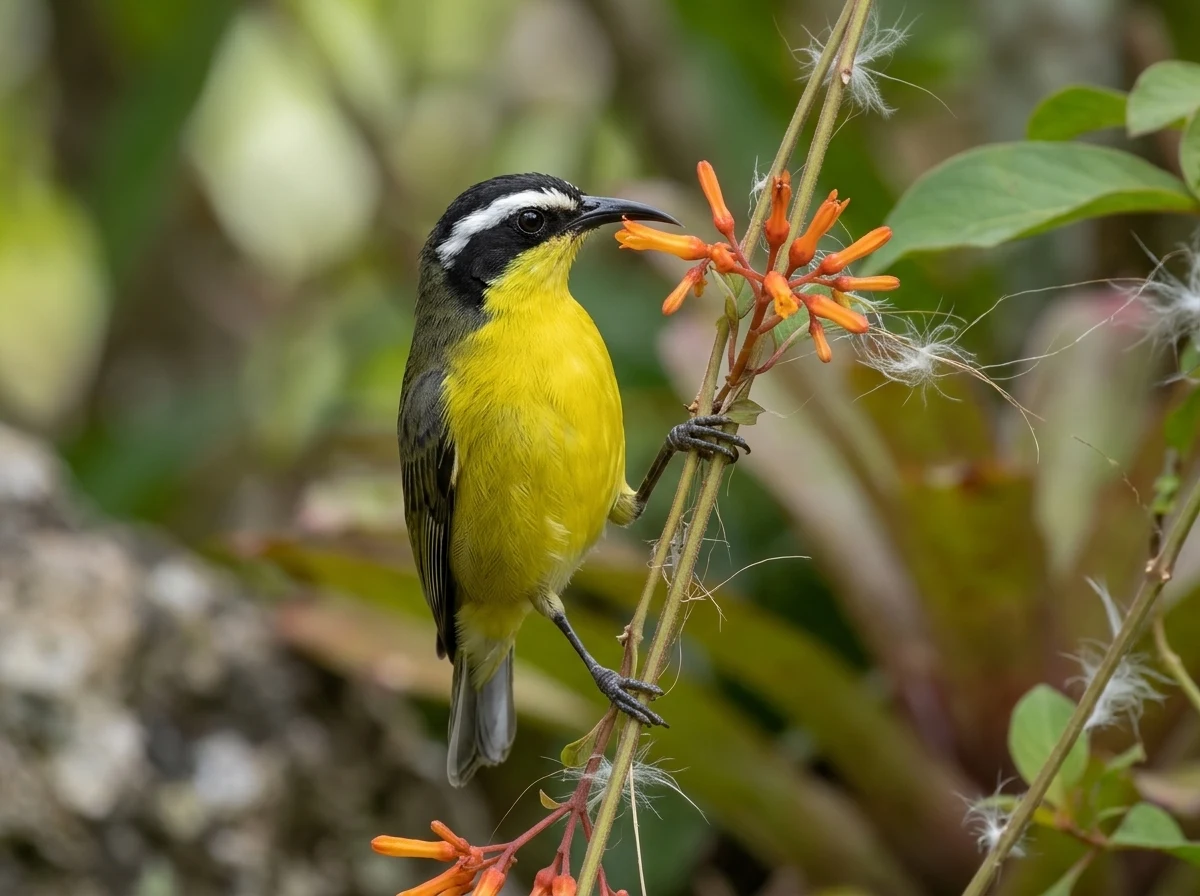
 AI
AIAI reconstruction created with Nano Banana 2 · 1K, grounded in the profile’s documented taxonomy, habitat, natural-history sources, and an open-license visual reference when available. It is an interpretive image, not documentary evidence. Image policy →
Bananaquit
Reinita Común
Coereba flaveola
The bananaquit (Coereba flaveola) is a species of passerine bird in the tanager family Thraupidae. Before the development of molecular genetics in the 21st century, its relationship to other species was uncertain and it was either placed with the buntings and New World sparrows in the family Emberizidae, with New World warblers in the family Parulidae or its own monotypic family Coerebidae. This small, active nectarivore is found in warmer parts of the Americas and is generally common. Its name is derived from its yellow color and the English word quit, which refers to small passerines of tropical America; cf. grassquit, orangequit.
Sound archive
Hear its voice
Explore real songs and calls. The spectrogram turns each sound into a visual trace of time and frequency.

Play: call by Paul Driver
Choose another recording
Sound recorded by Paul Driver · XC1074428 · CC BY-NC-SA 4.0. Visualization by Stichting Xeno-canto voor Natuurgeluiden.
Every recording retains the creator, catalogue number, and license published by Xeno-canto. Metadata via GBIF ↗
Island profile
About the Bananaquit
This atlas includes Bananaquit (Coereba flaveola) with atlas status “Resident” within scope “Avibase inferred core 380.” Puerto Rico context sources associate it with Nearly all wooded and human-modified habitats; gardens.
Conservation
Least Concern
IUCN LC
- Global IUCN
- LC
- Puerto Rico DNER
- No current listing in source crosswalk
- Federal ESA
- No current listing in source crosswalk
- Critical habitat
- Not identified in source crosswalk
Natural history
How it lives
- Habitat
- Nearly all wooded and human-modified habitats; gardens
- Elevation
- 0–2600 m
- Nest
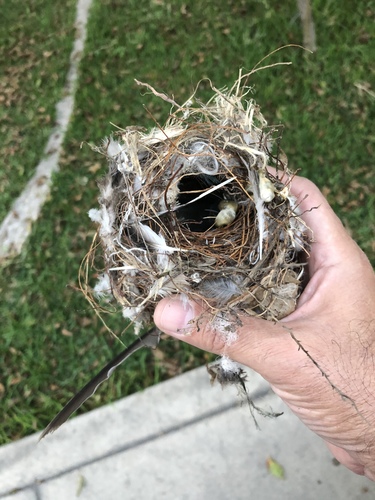
- Sphere / globular · Tree
- Clutch
- 2–4 eggs
- Social behavior
- Social / flocking; Pairs / family groups; Singly and pairs
For kids and families
Turn this bird into your own artwork
Download a clean, print-ready coloring page, learn one quick fact, and color this Puerto Rico bird.
Keep exploring
This bird belongs to 7 paths through the atlas.
Guides featuring this bird
Follow this record beyond the profile.
Identification, sound, place, and explanatory guides connecting this species to larger questions.
See all related guides (56)
- How Vegetation Corridors Help Birds
- Host Plants Caterpillars and Birds
- How Birds Participate in Pollination
- How Dry and Wet Seasons Affect Bird Food
- How Urban Noise Affects Bird Communication
- Why Birds Have Trouble Seeing Glass
- Why Island Birds Are Vulnerable to Introduced Predators
- How Bird Communities Change as Forests Regrow
- Identifying birds by their alarm calls
- How to do a 5-minute point count
- How to read a spectrogram for Puerto Rico birds
- Why to Limit Pishing and Other Bird-attraction Methods
- How to keep a field notebook for birds in Puerto Rico
- How to make a complete and useful eBird checklist
- How to assign breeding codes in eBird for Puerto Rico
- How to observe Puerto Rican Woodpecker foraging
- How to observe molt and plumage for bird identification
- Backyard Bird Bingo: A Family Game
- Sound Bingo: Dawn Chorus
- Build a Bird Food Web with Puerto Rico Birds
- Nesting Calendar: A Timeline Activity
- Create a Bird Field Guide Page
- Family Bird Journal: 7-Day Challenge
- Bird Poetry and Puerto Rican Names
- Bird Math: Wingspan and Weight Comparisons
- Dichotomous Key for Common Birds
- Sound Mapping: Layers of the Morning Chorus
- Conservation Debate: Cats and Birds
- Nesting Materials Scavenger Hunt
- Calls in Spanish and English: Onomatopoeia
- Bird Data: Citizen Science for Kids
- Bananaquit vs. Adelaide's Warbler
- Black-and-yellow birds
- Best Apps and Field Guides for Puerto Rico Birds
- Hurricanes and birds
- How to Stop Birds from Hitting Your Windows
- Puerto Rican names
- How to Help Puerto Rico Birds Through Citizen Science
- Backyard and urban birds
- Birds of shade coffee
- Birds of Piñones and San Juan
- How to Record Bird Songs With Your Phone (and Share Them to eBird and Xeno-canto)
- Found a Baby Bird in Puerto Rico? What to Do
- Bird Photography Tips for Puerto Rico
- School project on Puerto Rico birds
- Native Plants That Feed Puerto Rico's Birds
- How to Attract Birds to Your Yard in Puerto Rico
- Lesson plan on Puerto Rico birds
- Bird Feeders, Hummingbird Feeders, and Bird Baths in Puerto Rico
- Yellow birds
- The Dawn Chorus in Puerto Rico: Which Birds Sing First
- Birding San Juan in One Day from a Cruise Ship
- Puerto Rico birds: pictures and names
- Small birds
- Fun facts about Puerto Rico birds for kids
- Birds of Old San Juan
Related in the atlas
Where to fly next
Connected by taxonomy, habitat, occurrence, and conservation.
 AI
AI AI
AI AI
AI AI
AI AI
AI AI
AI
Evidence trail
Sources, media & further reading
Research note: Older DRNA endemic-subspecies list; confirm current recognition