 AI
AIHow to help
How to Help Puerto Rico Birds Through Citizen Science
A complete 15-minute checklist from your backyard can end up in a distribution map or a conservation decision.
Reviewed:How can I help Puerto Rico's birds?
The most direct way to help Puerto Rico's birds is to count them and share the data: submit complete checklists to eBird and take part in the Christmas Bird Count (December 14 to January 5), the Great Backyard Bird Count (every February), and the Caribbean Waterbird Census. Those data feed maps, status reviews, and management decisions.
Puerto Rico already knows what citizen science can achieve: the Puerto Rico Breeding Bird Atlas, coordinated by the Puerto Rican Ornithological Society (SOPI), brought together 344 volunteer observers and more than 45,500 observations from 2004 to 2009. This guide explains each program, how to make your data count, and other actions that help beyond counting.
How to help
Citizen science by the numbers
344Atlas volunteersObservers in the Puerto Rico Breeding Bird Atlas (2004-2009).
100M+eBird sightings per yearContributed by birders worldwide.
15 minBackyard Count minimumFifteen minutes on one of the event's four days is enough.
1900first Christmas Bird CountIt began on Christmas Day as an alternative to competitive hunting.
01
eBird: the foundation
eBird, run by the Cornell Lab of Ornithology, is among the world's largest biodiversity projects, with more than 100 million sightings contributed each year. You record when, where, and how you went birding and list every bird you saw or heard. The free app works offline, which helps in El Yunque or the Cordillera Central.
Quality matters. When you enter data, eBird shows filters of expected species for that date and region; unusual records or high counts go to regional reviewers. Data are archived daily, freely accessible, and have been used in hundreds of conservation decisions and peer-reviewed papers.
02
How to make your eBird checklist count
The most useful checklist is a complete one: you report every bird you could identify, with start time, duration, and distance. If you stayed in one spot and moved no more than about 30 meters, use the stationary protocol; if you walked farther, use traveling. A complete checklist shows that a species was absent, not just that one was present.
The incidental protocol, for when birding was not your main activity, never counts as a complete checklist and is less useful for science. When you can, give a few minutes of full attention. For sensitive species such as the Iguaca or Elfin-woods Warbler, avoid posting exact nest locations; the rare bird guide explains how to document well.
03
Christmas Bird Count
Audubon's Christmas Bird Count began on Christmas Day 1900 as an alternative to the competitive bird hunts of the time and is now one of the world's longest-running community science projects. It runs every year from December 14 to January 5, and each count circle picks one day in that window.
There are two ways to take part: field counts, covering a sector during daylight, and feeder counts, counting from your backyard or a park inside the circle. It is free and open to all skill levels. Audubon's circle finder shows active counts nearby, and introductory webinars are available in Spanish.
04
Great Backyard Bird Count and Caribbean Waterbird Census
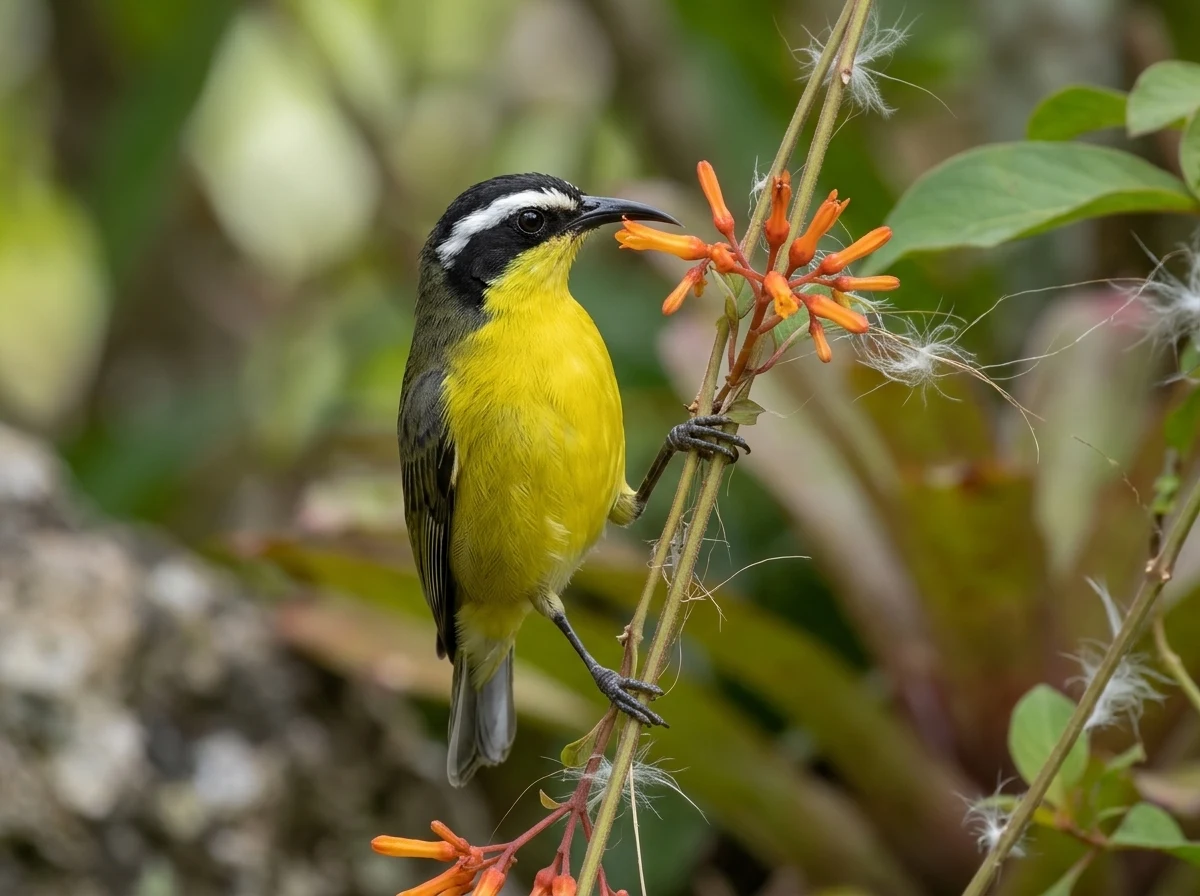
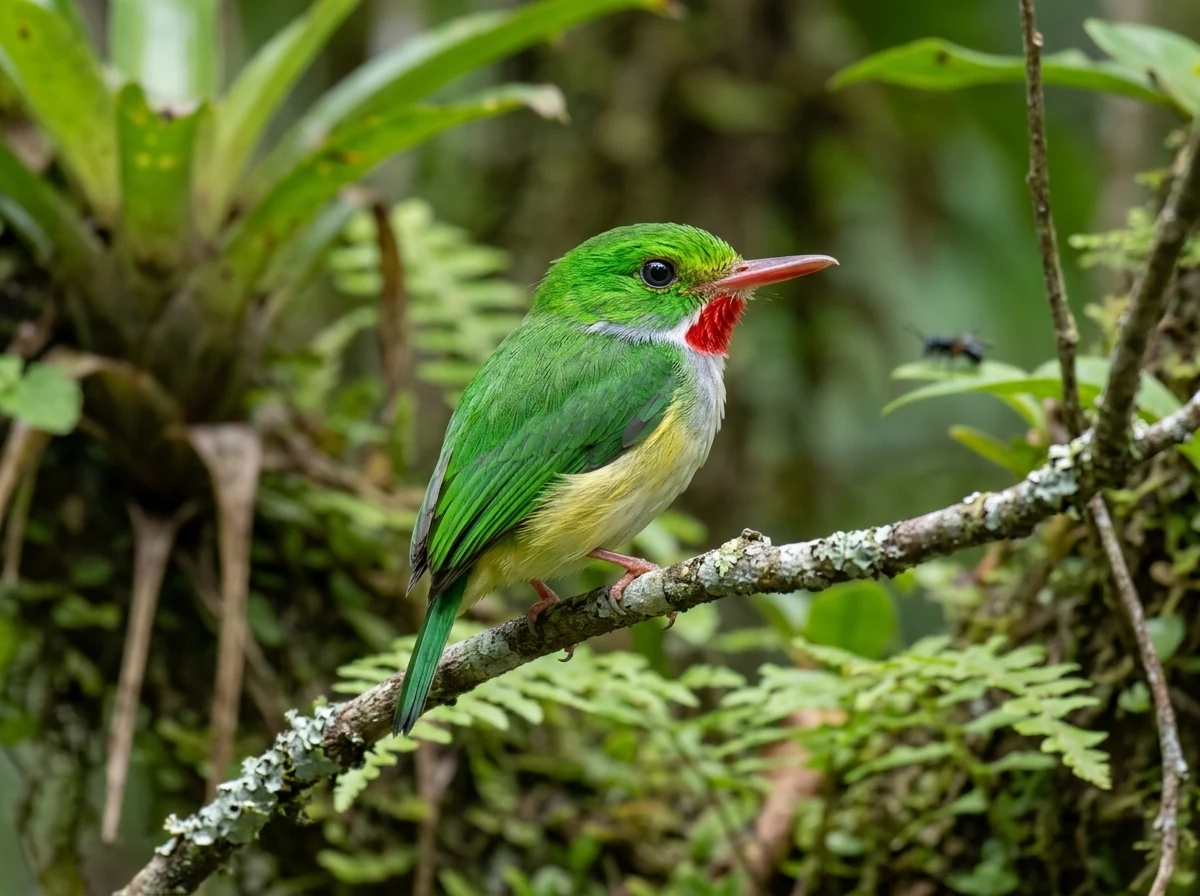
The Great Backyard Bird Count takes place every February over four days, and counting for 15 minutes on one of them, anywhere in the world, is enough. It is run by Audubon, Cornell, and Birds Canada; the 30th edition is February 12-15, 2027. It suits schools and families: a Bananaquit or a Puerto Rican Tody in the yard is data too.
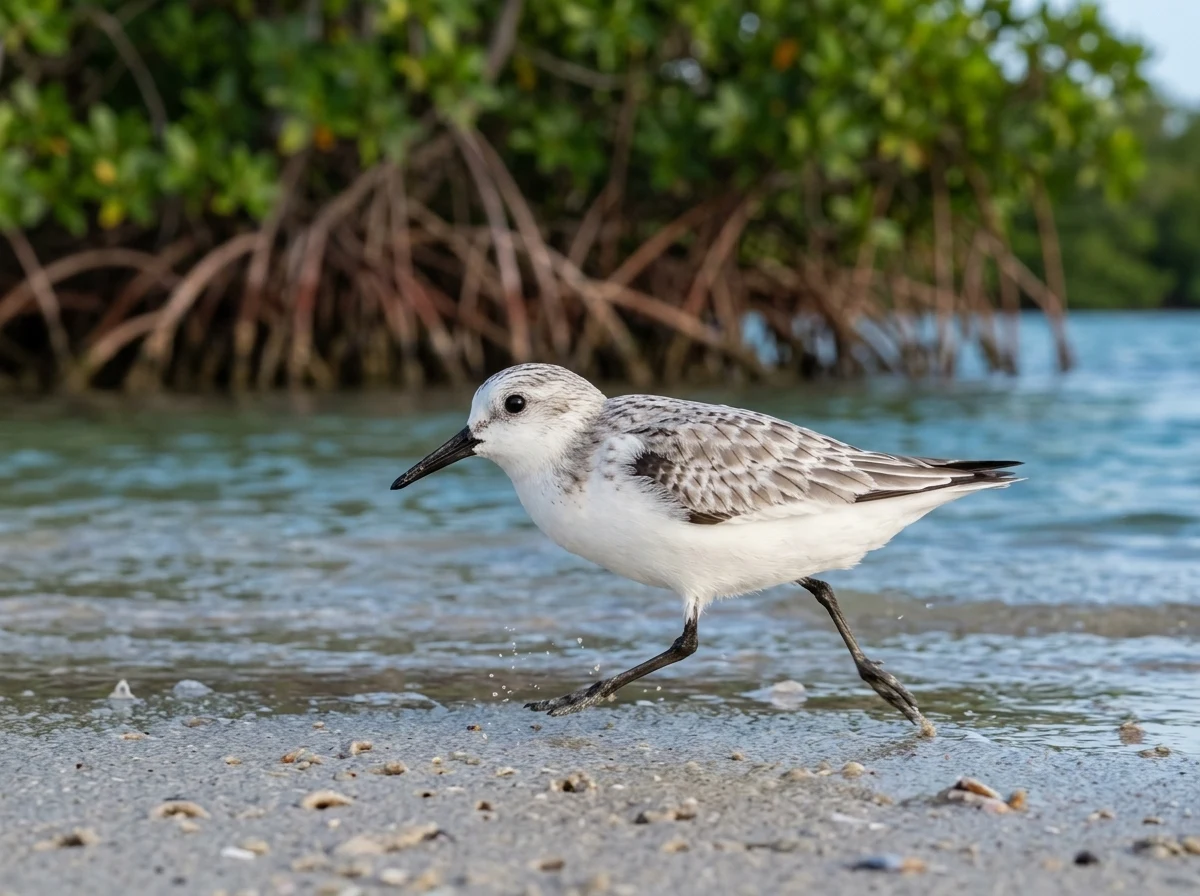
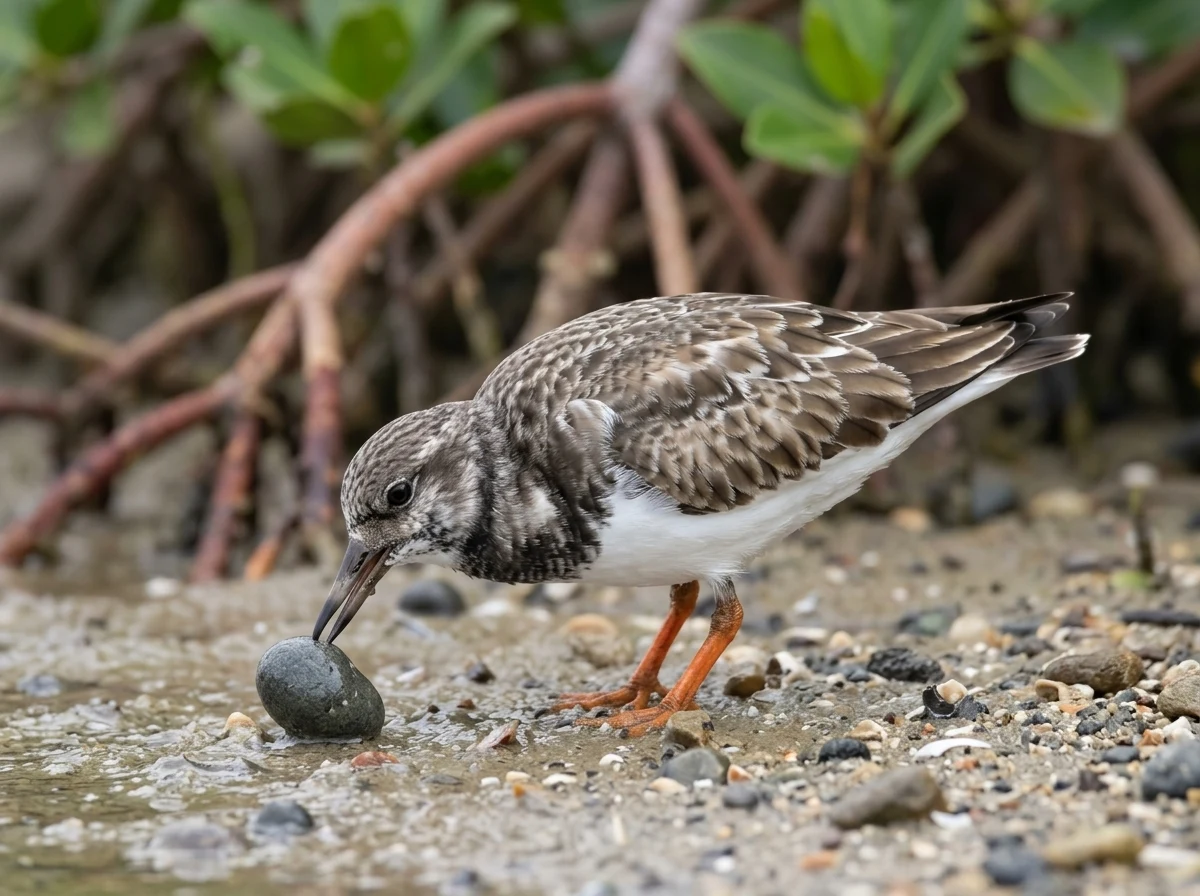
BirdsCaribbean's Caribbean Waterbird Census focuses on wetlands and coasts. In 2021 it held its 12th edition, with counts from January 14 to February 3, and SOPI offered a webinar on Puerto Rico's common waterbirds to prepare participants. It is a good entry point for learning shorebirds, herons, and ducks.
05
The Breeding Bird Atlas: what volunteers achieve
From 2004 to 2009, 344 volunteers coordinated by SOPI searched for breeding evidence in 479 hexagons of 24 km² covering Puerto Rico, its islands, and cays. Each behavior was classed as observed, possible, probable, or confirmed, and the result was an atlas published in 2021 by the U.S. Forest Service covering 130 breeding species.
The atlas maps 16 endemic species and 13 endemic subspecies and serves as a baseline for measuring change from land use and climate. That is the logic of all citizen science: thousands of simple, methodical observations become information no professional team could gather alone.
06
Beyond counting: other ways to help
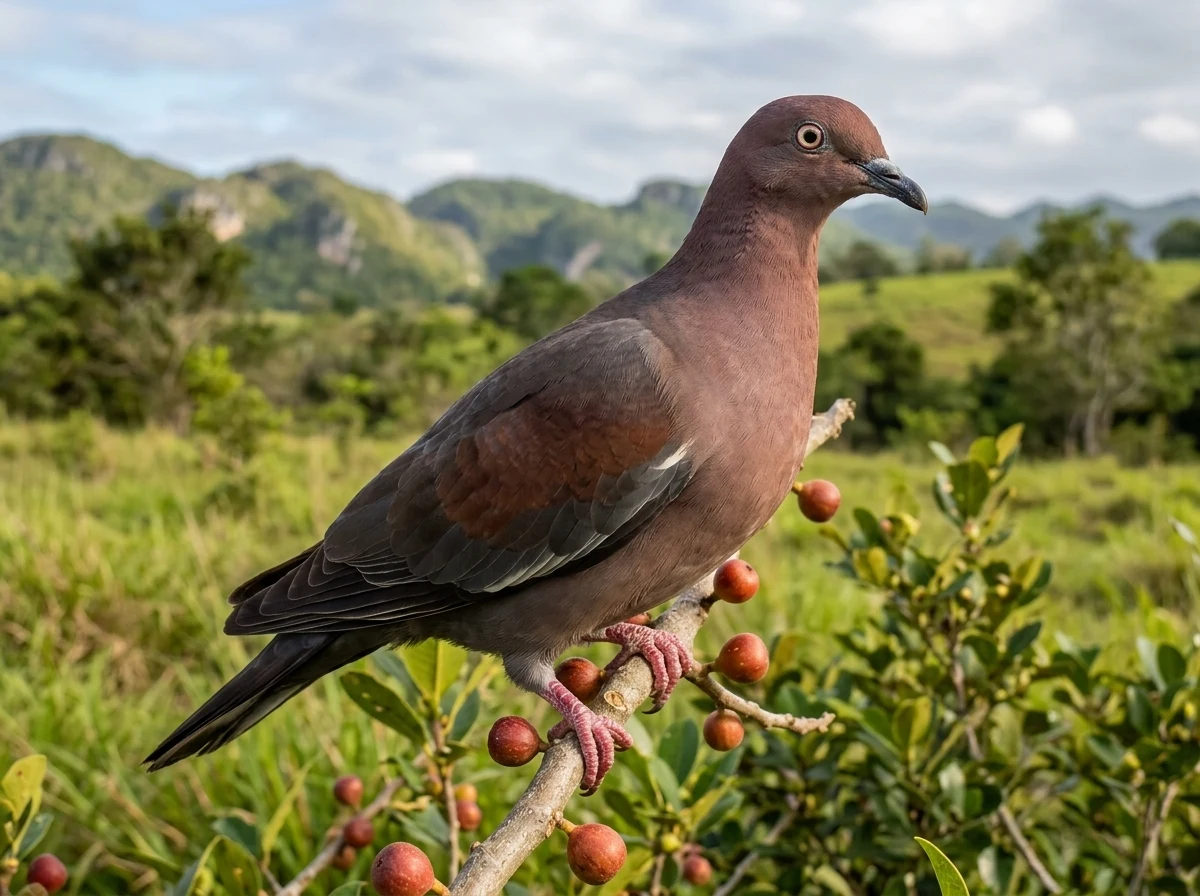
Some actions have direct effect. Keeping cats indoors protects nests and young birds. Not trimming trees with active nests protects species such as the Plain Pigeon, whose federal review flags cutting nest branches as a common disturbance. And reporting illegal hunting or sales of native birds to the DNER Ranger Corps helps the law work.
Education counts too: the Fish and Wildlife Service found that many east-central residents did not know the Plain Pigeon nested in their community. Sharing what you observe, bringing children to a count, or presenting a species at school turns more people into allies. Just remember not to reveal sensitive nest locations.
Linked profiles
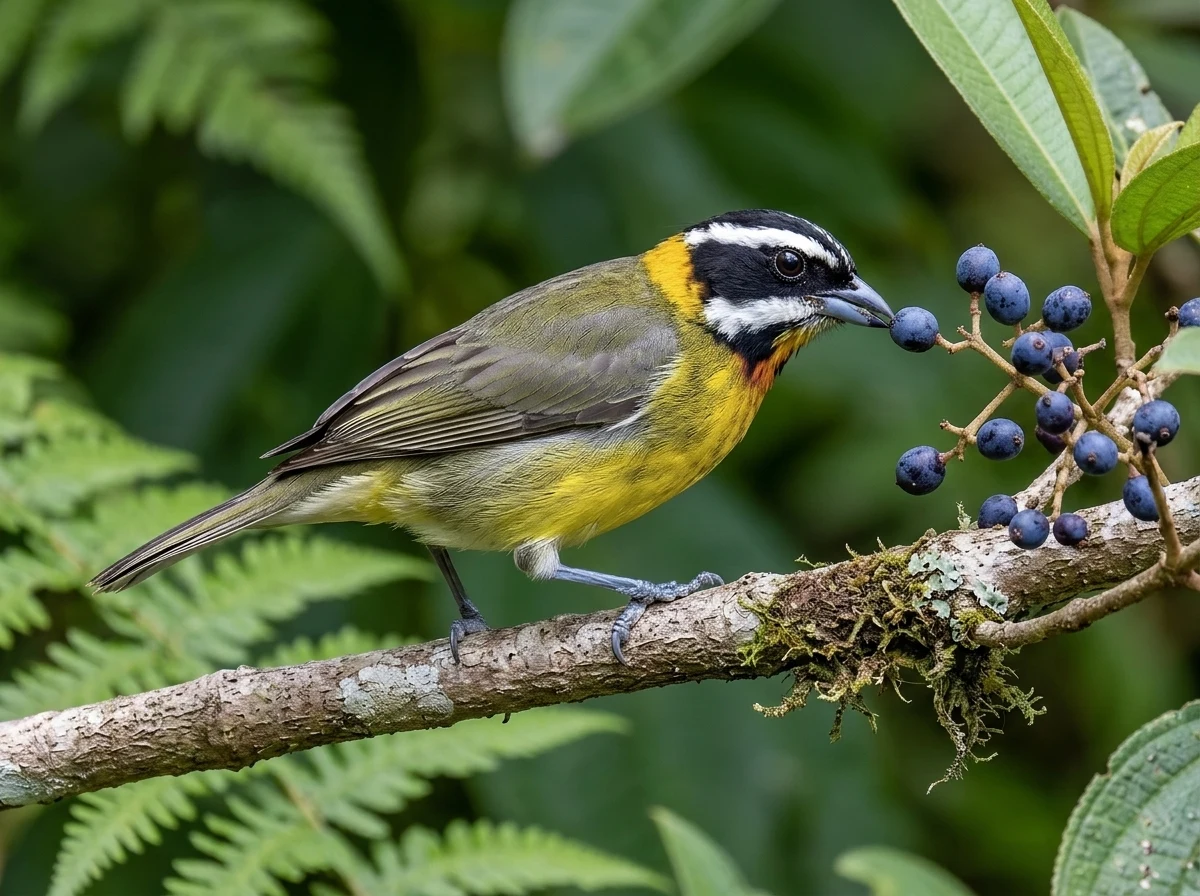
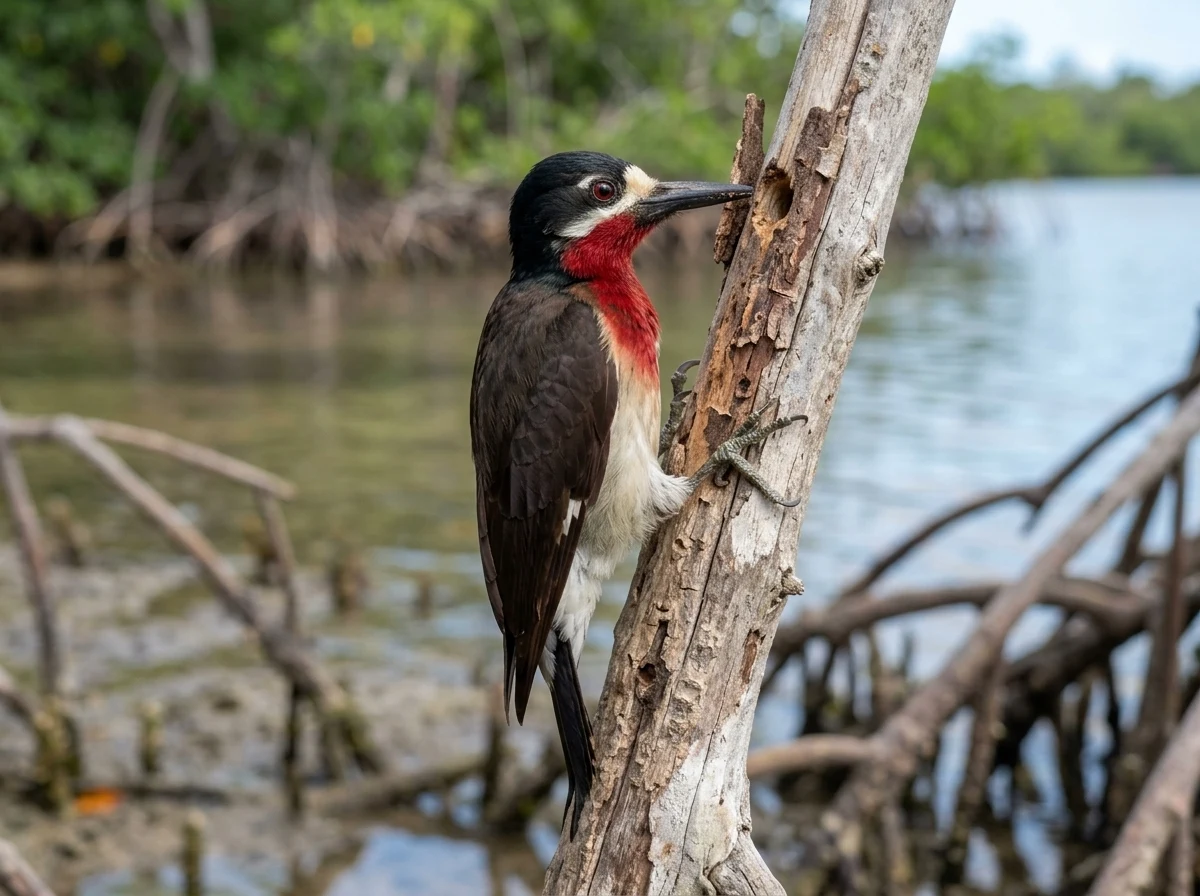
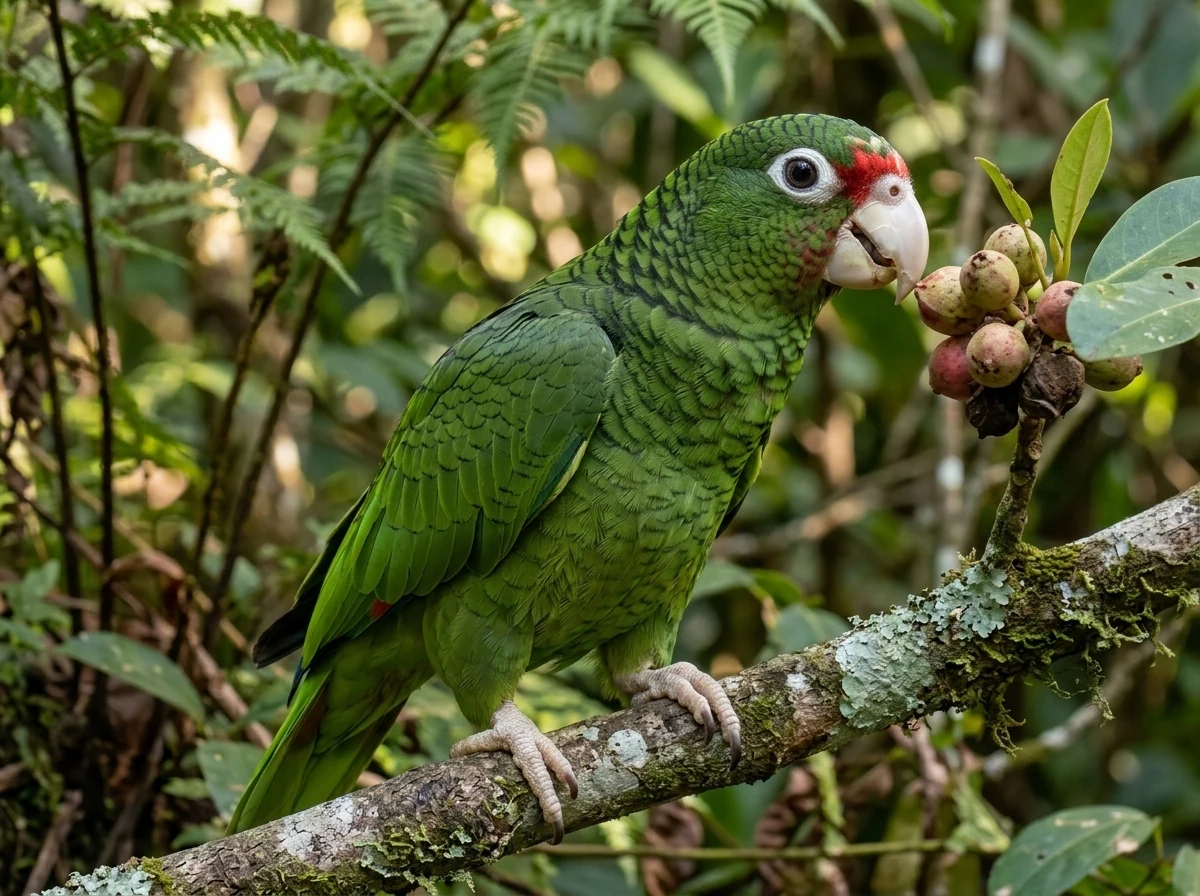
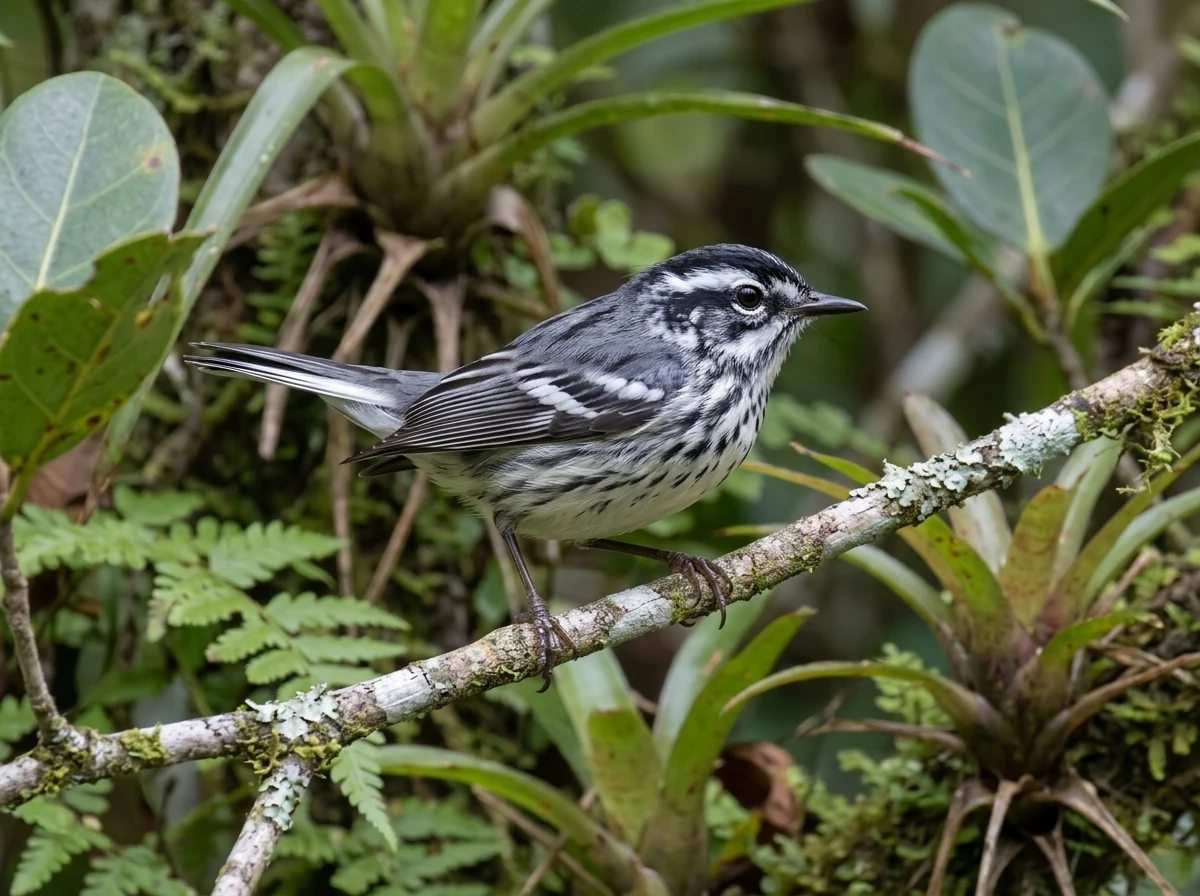
Good species to start counting
Common backyard birds, waterbird-census shorebirds, and sensitive species whose data require care.
Sound archive
Hear its voice
Explore real songs and calls. The spectrogram turns each sound into a visual trace of time and frequency.
XC796586Recording 1 of 3call

Play: call by Bobby Wilcox
Choose another recording
Sound recorded by Bobby Wilcox · XC796586 · CC BY-NC-SA 4.0. Visualization by Stichting Xeno-canto voor Natuurgeluiden.
Every recording retains the creator, catalogue number, and license published by Xeno-canto. Metadata via GBIF ↗
01
What is bird citizen science?
It is volunteer participation in collecting scientific data about birds, such as eBird checklists or organized counts. With simple methods, those observations feed maps, studies, and conservation decisions. In Puerto Rico, the Breeding Bird Atlas was built by 344 volunteers.
02
How do I report birds on eBird from Puerto Rico?
Create a free eBird account, download the app, and while birding record start time, duration, and distance. Mark every species you identified and answer 'yes' to complete checklist if you reported everything. The app works offline and submits once you have a connection again.
03
When is the Christmas Bird Count?
Every year from December 14 to January 5. Each circle picks one day in that window, so look up the nearest count with Audubon's circle finder. You can take part in the field or by counting from your backyard.
04
Can kids and schools take part?
Yes. The Great Backyard Bird Count asks for just 15 minutes on one of its four February days and welcomes all skill levels. A school group can count in the schoolyard and submit the checklist through an adult's account.
05
Is it bad to post where I saw an endangered bird?
It can be. Revealing nests or roosts of sensitive species such as the Iguaca can draw disturbance or illegal capture. Submit your checklists to eBird, do not share exact nest locations on social media, and when in doubt, check with the DNER.
06
What else can I do to help endangered birds?
Keep cats indoors, do not trim trees with active nests, plant native trees, support conservation groups, and report illegal hunting or bird sales to the DNER Ranger Corps. Each action removes a specific threat.
Keep exploring
Connected routes
Sources and review
The evidence is one link away.
These sources support the editorial scope of this guide. Bird profiles also retain their own taxonomy, occurrence, and conservation references.
Reviewed:
01↗02↗03↗04↗05↗06↗07↗08↗09↗10↗
Cornell Lab of Ornithology
About eBird
Project scale, regional expert data review, and free data access.Cornell Lab of Ornithology
Guide to eBird protocols
Differences among stationary, traveling, and incidental checklists, and what a complete checklist is.National Audubon Society
Join or start a Christmas Bird Count
Dates (December 14 to January 5), field and feeder counts, and circle finder.National Audubon Society
About the Great Backyard Bird Count
Four-day event every February, 15-minute minimum, and 2027 dates.BirdsCaribbean
Caribbean Waterbird Census 2021
Twelfth annual census, January-February window, and SOPI participation in Puerto Rico.U.S. Forest Service Research and Development
Puerto Rico Breeding Bird Atlas
Distribution and breeding timing for 130 species breeding in Puerto Rico and its satellite islands.National Audubon Society
Audubon Christmas Bird Count
Origin of the count on Christmas Day 1900 as an alternative to competitive hunting.Sociedad Ornitológica Puertorriqueña
Official bird list
Local names, occurrence categories, and the public summary of 17 endemics.U.S. Fish and Wildlife Service, Caribbean Ecological Services Field Office
Puerto Rican Plain Pigeon: 5-year status review (August 2025)
Population history, 2024 estimate, nesting, threats, 1982 recovery-plan criteria, and recommended actions.Departamento de Recursos Naturales y Ambientales
DNER Ranger Corps
Legal basis (Act 110 of 2020), 318 officers, and their duty to enforce Act 241.The atlas continues