 AI
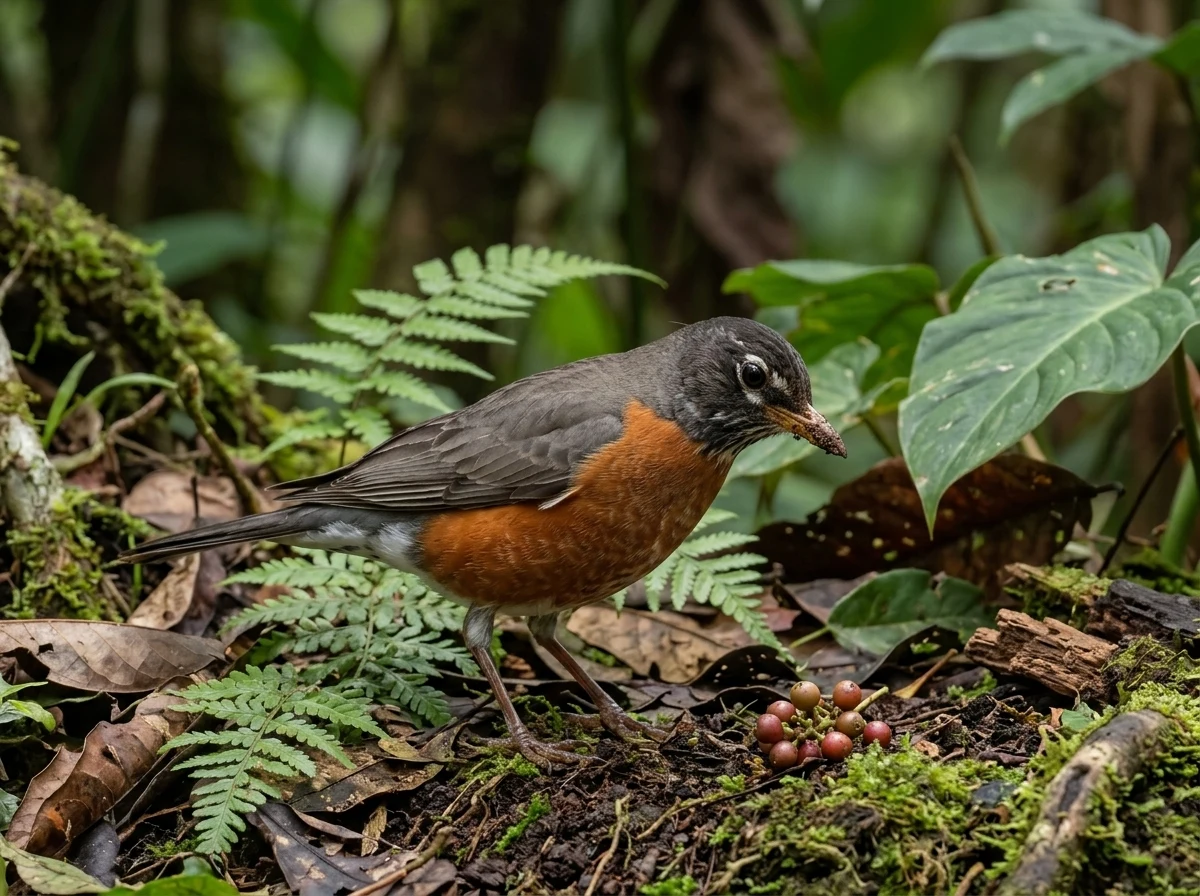
AIAI reconstruction created with Nano Banana 2 · 1K, grounded in the profile’s documented taxonomy, habitat, natural-history sources, and an open-license visual reference when available. It is an interpretive image, not documentary evidence. Image policy →
American Robin
Zorzal Robín
Turdus migratorius
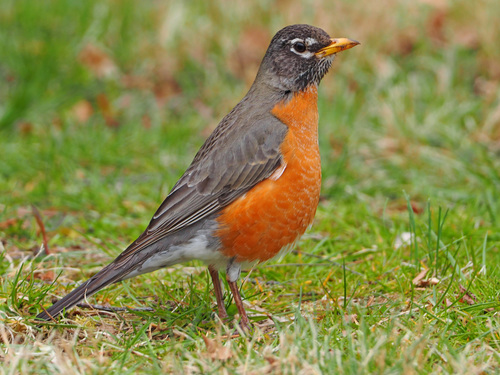
The American robin (Turdus migratorius) is a migratory bird of the true thrush genus and Turdidae, the wider thrush family. It is named after the European robin because of its reddish-orange breast, though the two species are not closely related, with the European robin belonging to the Old World flycatcher family. The American robin is widely distributed throughout North America, wintering from southern Canada to central Mexico and along the Pacific coast. According to the Partners in Flight database (2019), the American robin is the most abundant landbird in North America (with 370 million individuals), ahead of red-winged blackbirds, introduced European starlings, mourning doves and house finches. It has seven subspecies. The species is active mostly during the day and assembles in large flocks at night. Its diet consists of invertebrates (such as beetle grubs, earthworms, and caterpillars), fruits, and berries. It is one of the earliest bird species to lay its eggs, beginning to breed shortly after returning to its summer range from its winter range. The robin's nest consists of long coarse grass, twigs, paper, and feathers, and is smeared with mud and often cushioned with grass or other soft materials. It is among the earliest birds to sing at dawn, and its song consists of several discrete units that are repeated. The adult's main predator is the domestic cat; other predators include hawks and snakes. When feeding in flocks, it can be vigilant, watching other birds for reactions to predators. Brown-headed cowbirds (Molothrus ater) lay their eggs in robin nests (see brood parasite), but the robins usually reject the egg.
Sound archive
Hear its voice
Explore real songs and calls. The spectrogram turns each sound into a visual trace of time and frequency.

Play: alarm call by Greg Irving
Choose another recording
Sound recorded by Greg Irving · XC1072993 · CC BY-NC-SA 4.0. Visualization by Stichting Xeno-canto voor Natuurgeluiden.
Every recording retains the creator, catalogue number, and license published by Xeno-canto. Metadata via GBIF ↗
Island profile
About the American Robin
This atlas includes American Robin (Turdus migratorius) with atlas status “Accidental / vagrant” within scope “Avibase inferred core 380.” Global trait data associate it primarily with forest; consult the linked records to resolve its Puerto Rico habitat use.
Conservation
Least Concern
IUCN LC
- Global IUCN
- LC
- Puerto Rico DNER
- No current listing in source crosswalk
- Federal ESA
- No current listing in source crosswalk
- Critical habitat
- Not identified in source crosswalk
Natural history
How it lives
- Habitat
- forests
- Elevation
- 0–3500 m
- Nest
- Cup / bowl · Building; Stump; Ground; Tree
- Clutch
- 2–4 eggs
- Social behavior
- Social / flocking
Keep exploring
This bird belongs to 6 paths through the atlas.
Guides featuring this bird
Follow this record beyond the profile.
Identification, sound, place, and explanatory guides connecting this species to larger questions.
Related in the atlas
Where to fly next
Connected by taxonomy, habitat, occurrence, and conservation.
 AI
AI AI
AI AI
AI AI
AI AI
AI AI
AI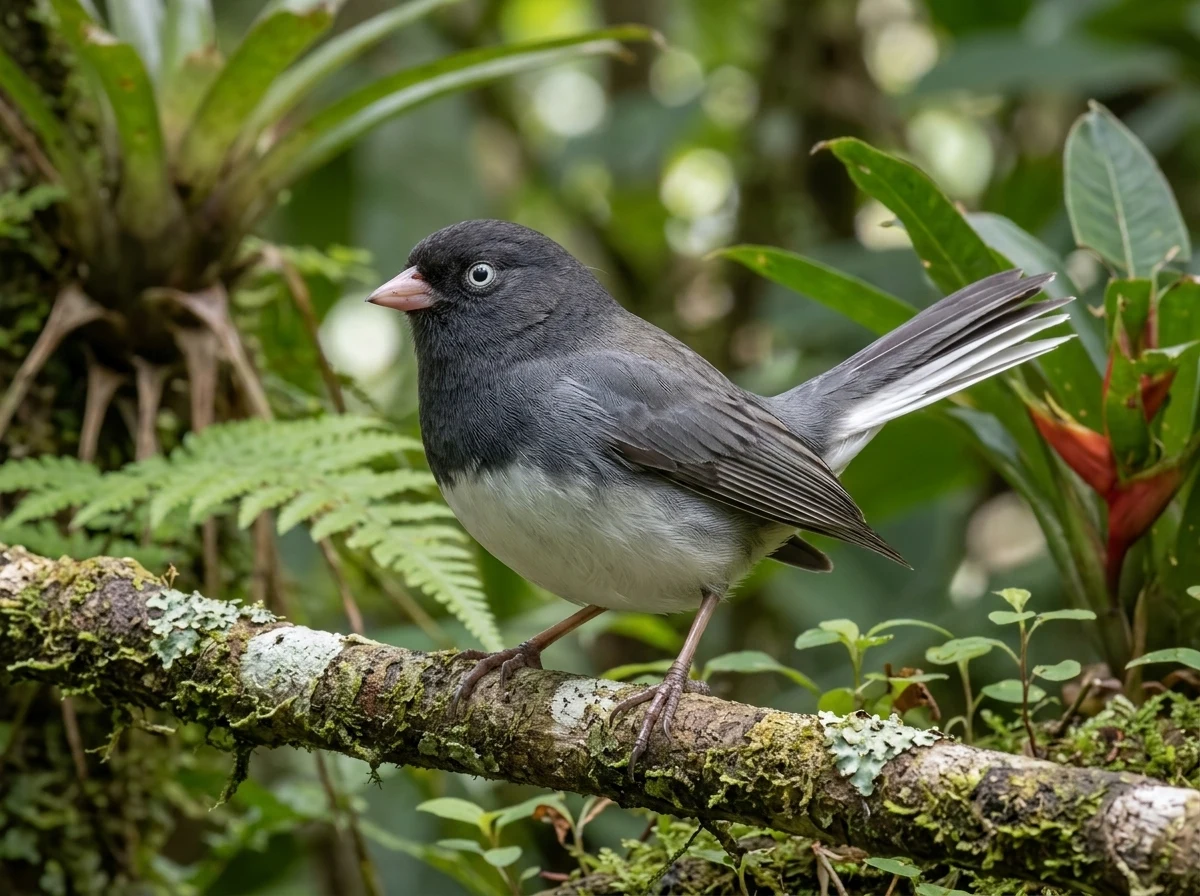
Evidence trail