 AI
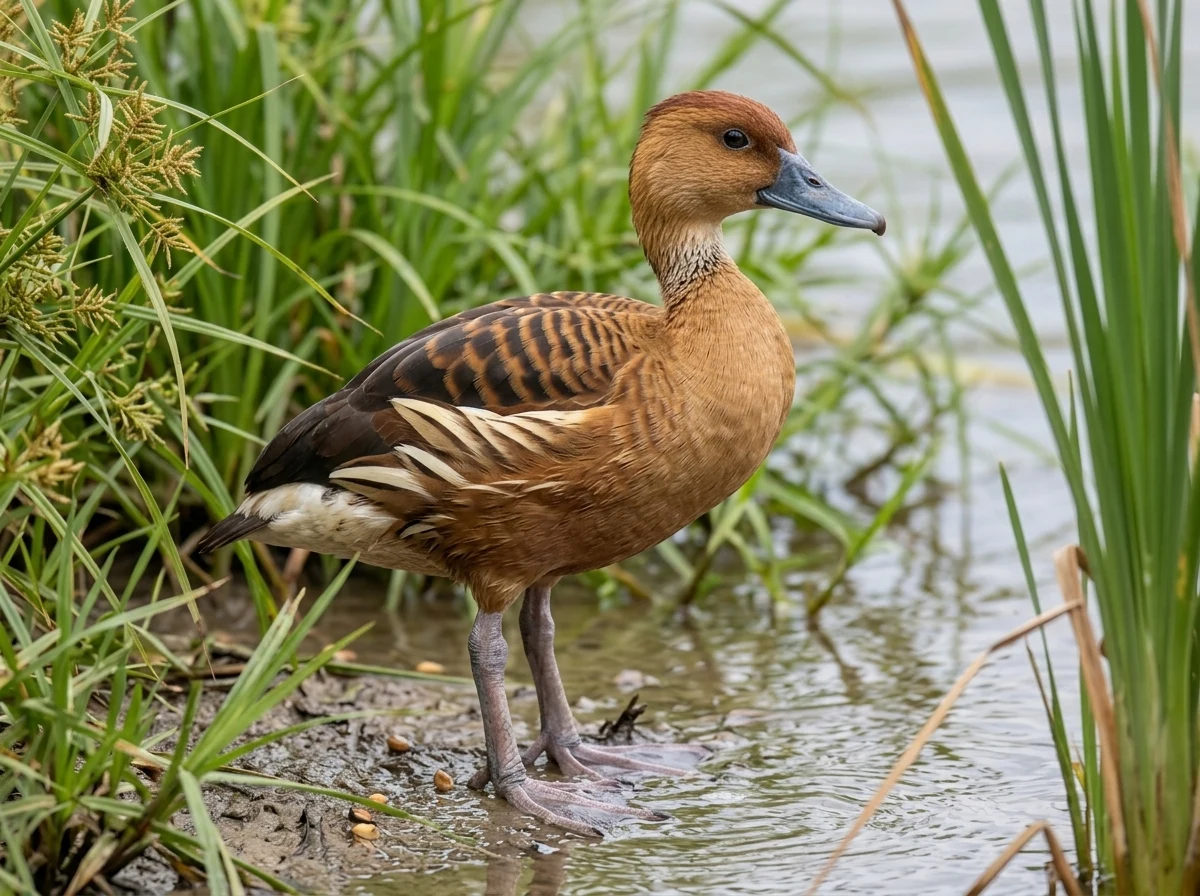
AIAI reconstruction created with Nano Banana 2 · 1K, grounded in the profile’s documented taxonomy, habitat, natural-history sources, and an open-license visual reference when available. It is an interpretive image, not documentary evidence. Image policy →
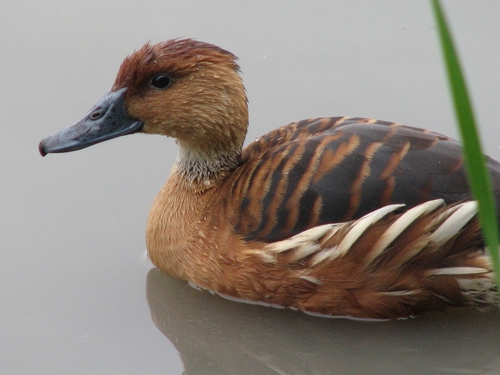
Fulvous Whistling-Duck
Chiriría Bicolor
Dendrocygna bicolor
The fulvous whistling duck or fulvous tree duck (Dendrocygna bicolor) is a species of whistling duck that breeds across the world's tropical regions in much of Mexico and South America, the West Indies, the southern United States, sub-Saharan Africa and the Indian subcontinent. It has plumage that is mainly reddish brown, long legs and a long grey bill, and shows a distinctive white band across its black tail in flight. Like other members of its ancient lineage, it has a whistling call which is given in flight or on the ground. Its preferred habitat consists of wetlands with plentiful vegetation, including shallow lakes and paddy fields. The nest, built from plant material and unlined, is placed among dense vegetation or in a tree hole. The typical clutch is around ten whitish eggs. The breeding adults, which pair for life, take turns to incubate, and the eggs hatch in 24–29 days. The downy grey ducklings leave the nest within a day or so of hatching, but the parents continue to protect them until they fledge around nine weeks later. The fulvous whistling duck feeds in wetlands by day or night on seeds and other parts of plants. It is sometimes regarded as a pest of rice cultivation, and is also shot for food in parts of its range. Despite hunting, poisoning by pesticides and natural predation by mammals, birds, and reptiles, the large numbers and huge range of this duck mean that it is classified as least concern by the International Union for Conservation of Nature.
Sound archive
Hear its voice
Explore real songs and calls. The spectrogram turns each sound into a visual trace of time and frequency.

Play: call by Sreekumar Chirukandoth
Choose another recording
Sound recorded by Sreekumar Chirukandoth · XC711754 · CC BY-NC-SA 4.0. Visualization by Stichting Xeno-canto voor Natuurgeluiden.
Every recording retains the creator, catalogue number, and license published by Xeno-canto. Metadata via GBIF ↗
Island profile
About the Fulvous Whistling-Duck
This atlas includes Fulvous Whistling-Duck (Dendrocygna bicolor) with atlas status “Accidental / vagrant” within scope “Avibase inferred core 380.” Global trait data associate it primarily with wetland; consult the linked records to resolve its Puerto Rico habitat use.
Conservation
Least Concern
IUCN LC
- Global IUCN
- LC
- Puerto Rico DNER
- No current listing in source crosswalk
- Federal ESA
- No current listing in source crosswalk
- Critical habitat
- Not identified in source crosswalk
Natural history
How it lives
- Habitat
- wetlands
- Elevation
- 0–1000 m
- Nest
- Cup / bowl · Water; Ground
- Clutch
- 6–16 eggs
- Social behavior
- Social / flocking; Singly and pairs
Keep exploring
This bird belongs to 6 paths through the atlas.
Guides featuring this bird
Follow this record beyond the profile.
Identification, sound, place, and explanatory guides connecting this species to larger questions.
Related in the atlas
Where to fly next
Connected by taxonomy, habitat, occurrence, and conservation.
 AI
AI AI
AI AI
AI AI
AI AI
AI AI
AI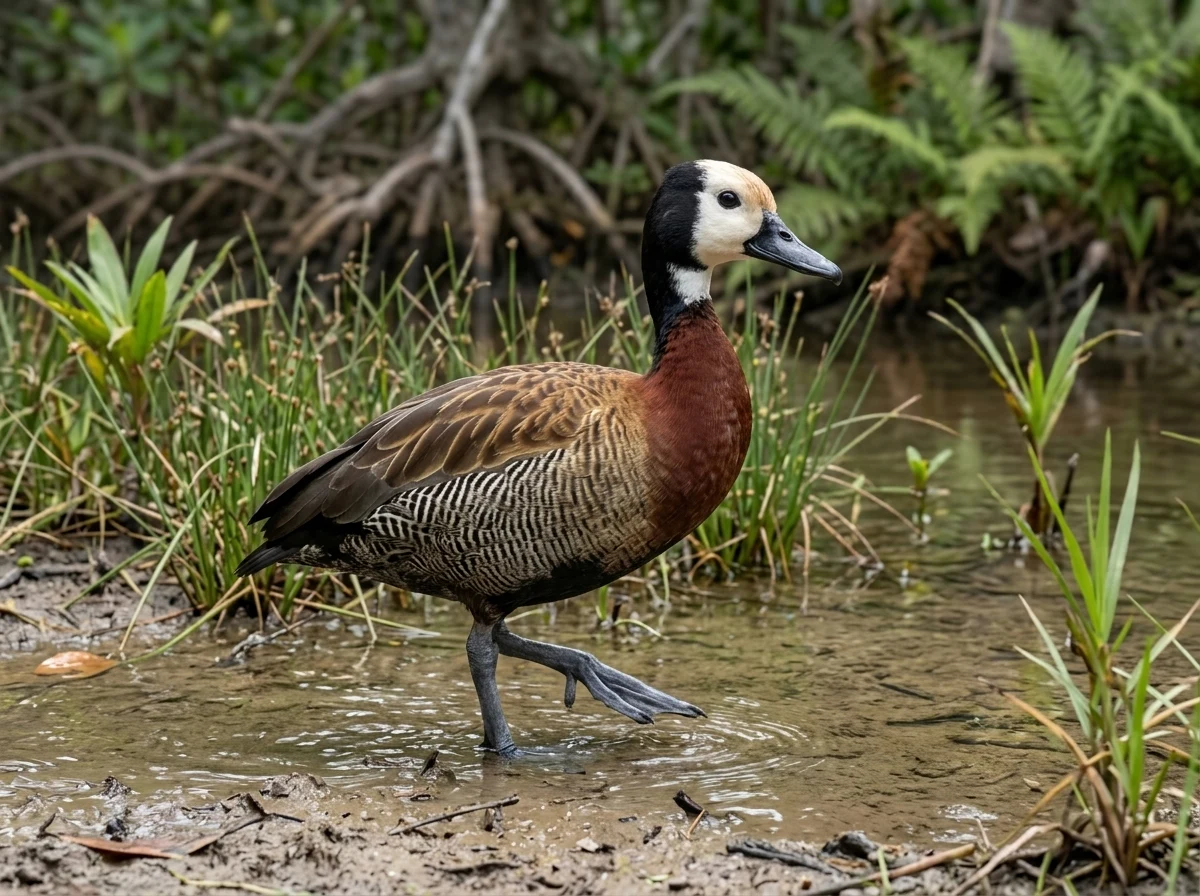
Evidence trail