 AI
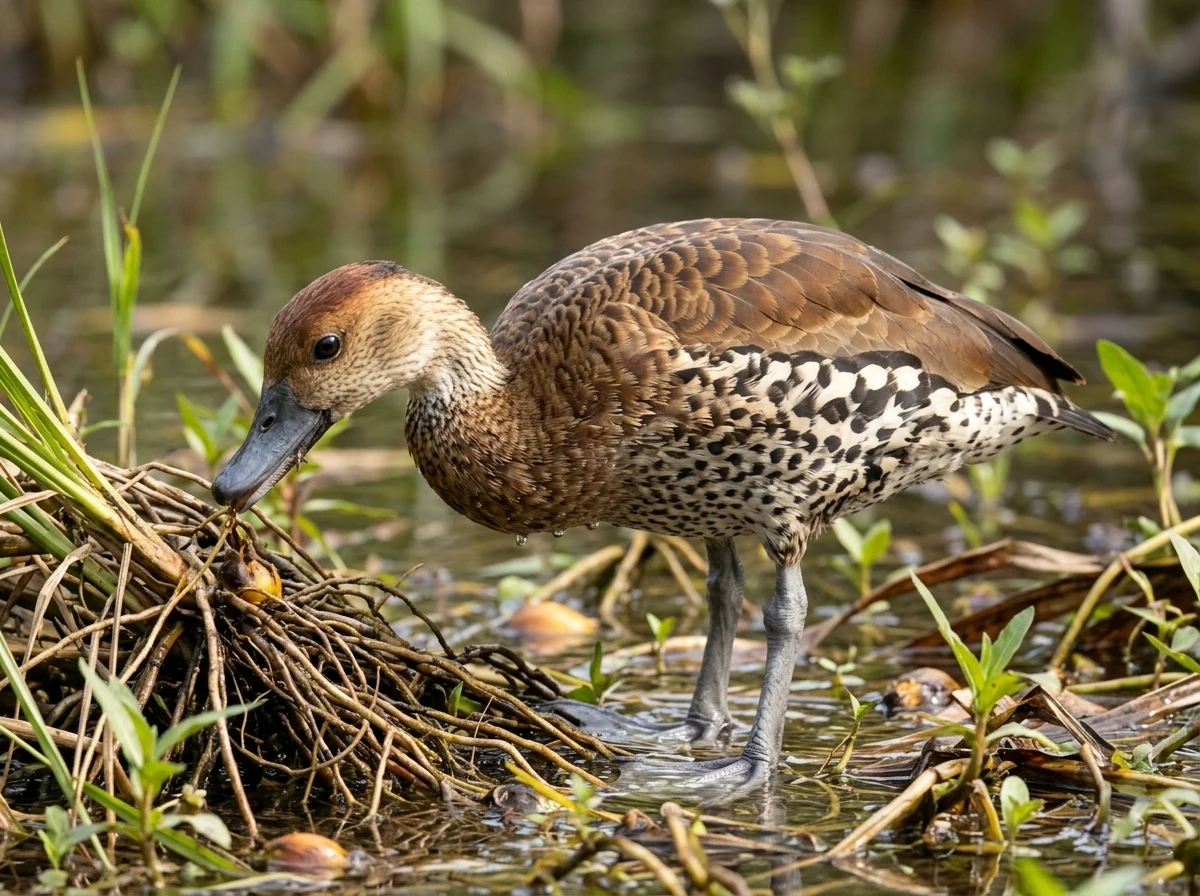
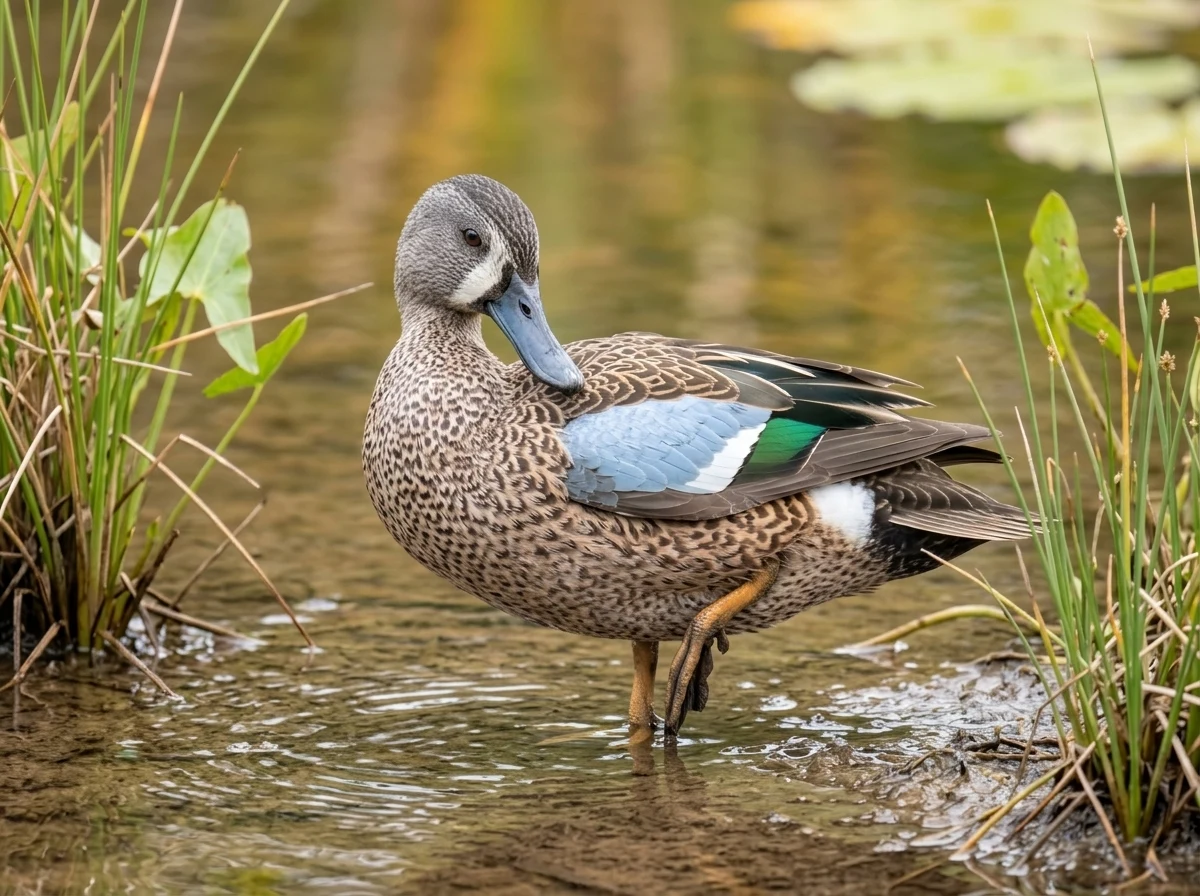
AIAI reconstruction created with Nano Banana 2 · 1K, grounded in the profile’s documented taxonomy, habitat, natural-history sources, and an open-license visual reference when available. It is an interpretive image, not documentary evidence. Image policy →
.jpg)
West Indian Whistling-Duck
Chiriría Caribeña
Dendrocygna arborea
The West Indian whistling duck (Dendrocygna arborea) is a whistling duck that breeds in the Caribbean. Alternative names are black-billed whistling duck and Cuban whistling duck.
Sound archive
Hear its voice
Explore real songs and calls. The spectrogram turns each sound into a visual trace of time and frequency.

Play: call by Eric DeFonso
Choose another recording
Sound recorded by Eric DeFonso · XC173684 · CC BY-NC-SA 4.0. Visualization by Stichting Xeno-canto voor Natuurgeluiden.
Every recording retains the creator, catalogue number, and license published by Xeno-canto. Metadata via GBIF ↗
Island profile
About the West Indian Whistling-Duck
This atlas includes West Indian Whistling-Duck (Dendrocygna arborea) with atlas status “Resident” within scope “Avibase inferred core 380.” Puerto Rico context sources associate it with Freshwater and brackish wetlands; mangrove lagoons; rice/agricultural wetlands.
Conservation
Near Threatened
IUCN NT; DNER CR
- Global IUCN
- NT
- Puerto Rico DNER
- CR
- Federal ESA
- No current listing in source crosswalk
- Critical habitat
- Not identified in source crosswalk
Natural history
How it lives
- Habitat
- Freshwater and brackish wetlands; mangrove lagoons; rice/agricultural wetlands
- Elevation
- 0–200 m
- Nest
- Tree cavity; Scrape · Ground; Tree
- Clutch
- 4–16 eggs
- Social behavior
- Social / flocking
For kids and families
Turn this bird into your own artwork
Download a clean, print-ready coloring page, learn one quick fact, and color this Puerto Rico bird.
Keep exploring
This bird belongs to 10 paths through the atlas.
Guides featuring this bird
Follow this record beyond the profile.
Identification, sound, place, and explanatory guides connecting this species to larger questions.
Related in the atlas
Where to fly next
Connected by taxonomy, habitat, occurrence, and conservation.
 AI
AI AI
AI AI
AI AI
AI AI
AI AI
AI
Evidence trail
Sources, media & further reading
Research note: Critically endangered in both cited Commonwealth snapshots