 AI
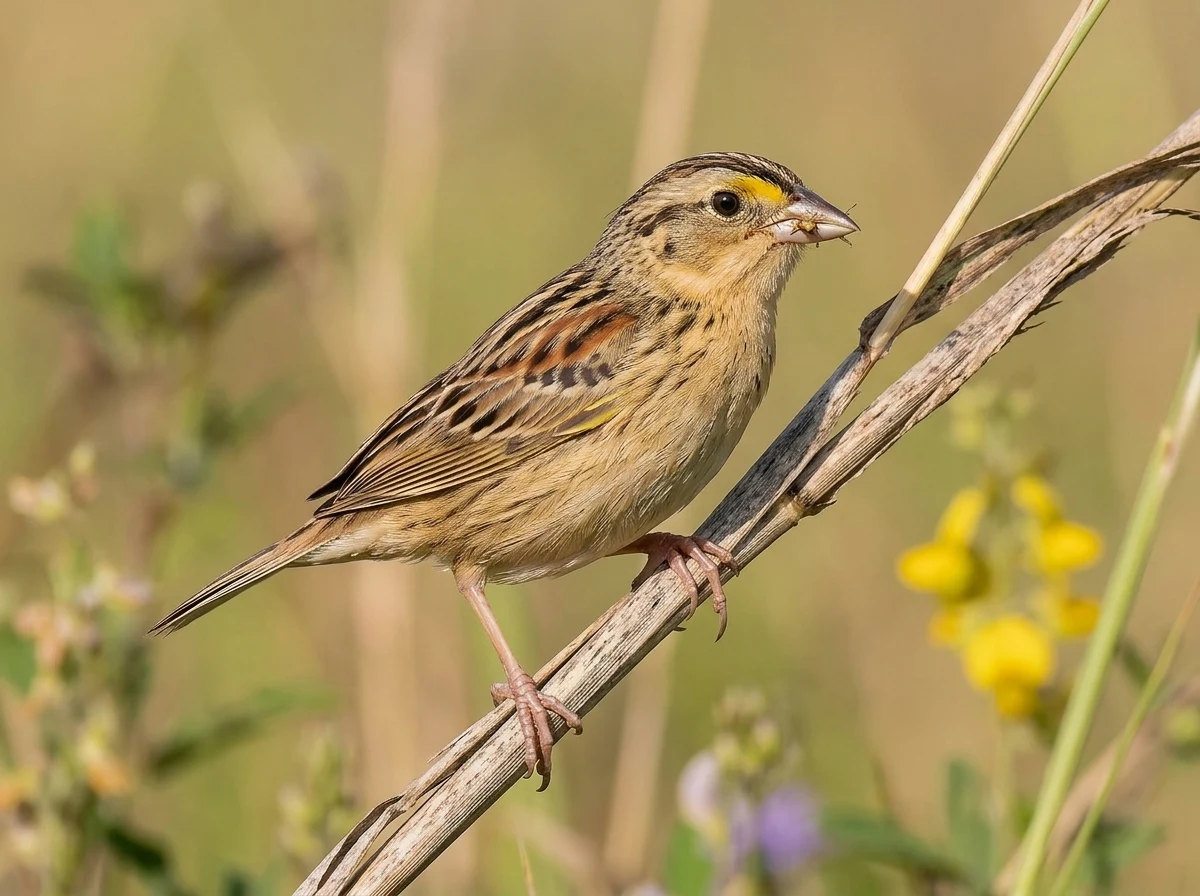
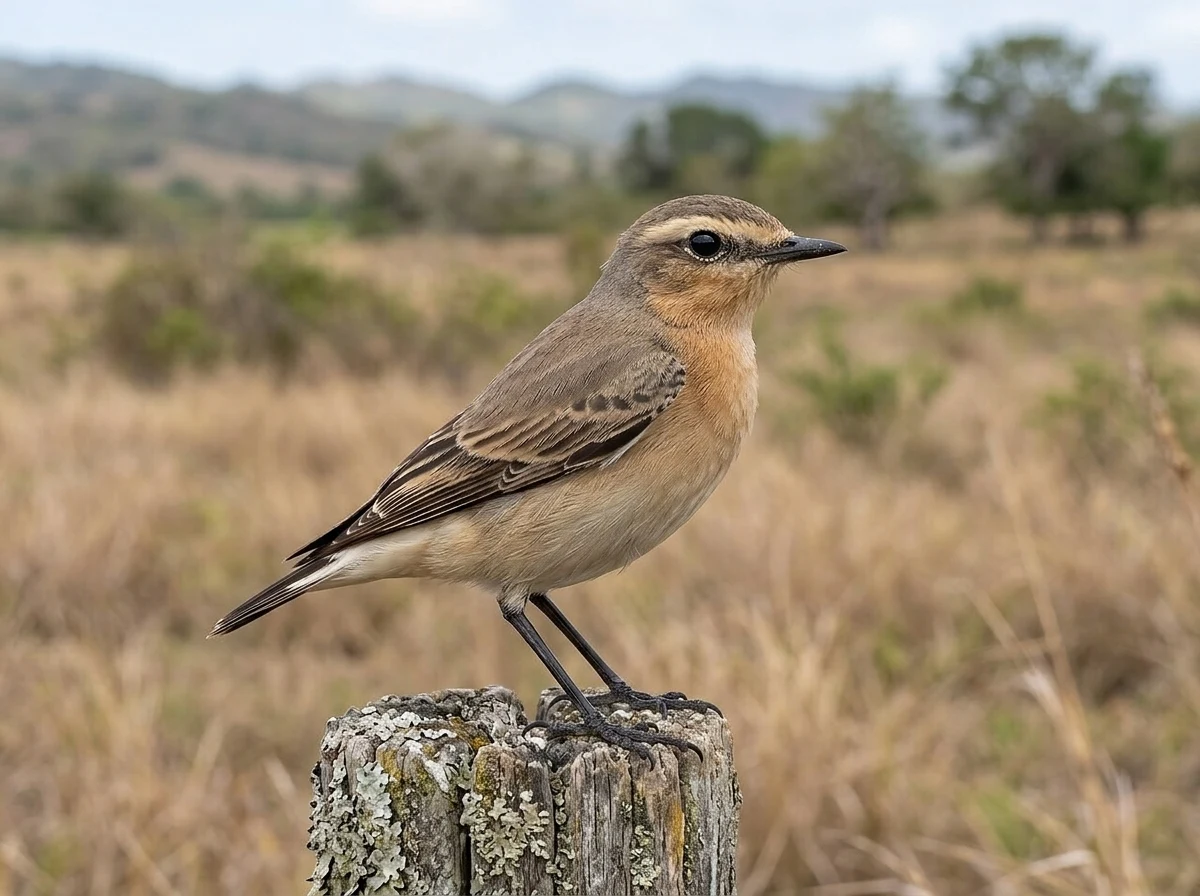
AIAI reconstruction created with Nano Banana 2 · 1K, grounded in the profile’s documented taxonomy, habitat, natural-history sources, and an open-license visual reference when available. It is an interpretive image, not documentary evidence. Image policy →
Grasshopper Sparrow
Gorrión Chicharra
Ammodramus savannarum
The grasshopper sparrow (Ammodramus savannarum) is a small New World sparrow. It belongs to the genus Ammodramus, which contains three species that inhabit grasslands and prairies. Grasshopper sparrows are sometimes found in crop fields and they will readily colonize reclaimed grassland. In the core of their range, grasshopper sparrows are dependent upon large areas of grassland where they avoid trees and shrubs. They seek out heterogenous patches of prairie that contain clumps of dead grass or other vegetation where they conceal their nest, and also contain barer ground where they forage for insects (especially grasshoppers), spiders, and seeds. Grasshopper sparrows are unusual among New World sparrows in that they sing two distinct song types, the prevalence of which varies with the nesting cycle. The primary male song, a high trill preceded by a stereotyped series of short chips, is reminiscent of the sounds of grasshoppers and is the origin of this species' name. Like some other birds of the central North American grasslands, this species also moves around a lot, not only via annual migrations, but individuals frequently disperse between breeding attempts or breeding seasons. Grasshopper sparrows are in steep decline across their range, even in the core of the breeding distribution in the tallgrass prairies of the central Great Plains. The Florida grasshopper sparrow (Ammodramus savannarum floridanus) is highly endangered.
Sound archive
Hear its voice
Explore real songs and calls. The spectrogram turns each sound into a visual trace of time and frequency.

Play: song by David A. Brinkman
Choose another recording
Sound recorded by David A. Brinkman · XC1007620 · CC BY-NC-SA 4.0. Visualization by Stichting Xeno-canto voor Natuurgeluiden.
Every recording retains the creator, catalogue number, and license published by Xeno-canto. Metadata via GBIF ↗
Island profile
About the Grasshopper Sparrow
This atlas includes Grasshopper Sparrow (Ammodramus savannarum) with atlas status “Resident” within scope “Avibase inferred core 380.” Puerto Rico context sources associate it with Native grassland; pasture; open savanna-like habitat.
Conservation
Least Concern
IUCN LC
- Global IUCN
- LC
- Puerto Rico DNER
- No current listing in source crosswalk
- Federal ESA
- No current listing in source crosswalk
- Critical habitat
- Not identified in source crosswalk
Natural history
How it lives
- Habitat
- Native grassland; pasture; open savanna-like habitat
- Elevation
- 0–1550 m
- Nest
- Dome / oven · Ground
- Clutch
- 3–6 eggs
- Social behavior
- Not resolved
Keep exploring
This bird belongs to 6 paths through the atlas.
Guides featuring this bird
Follow this record beyond the profile.
Identification, sound, place, and explanatory guides connecting this species to larger questions.
Related in the atlas
Where to fly next
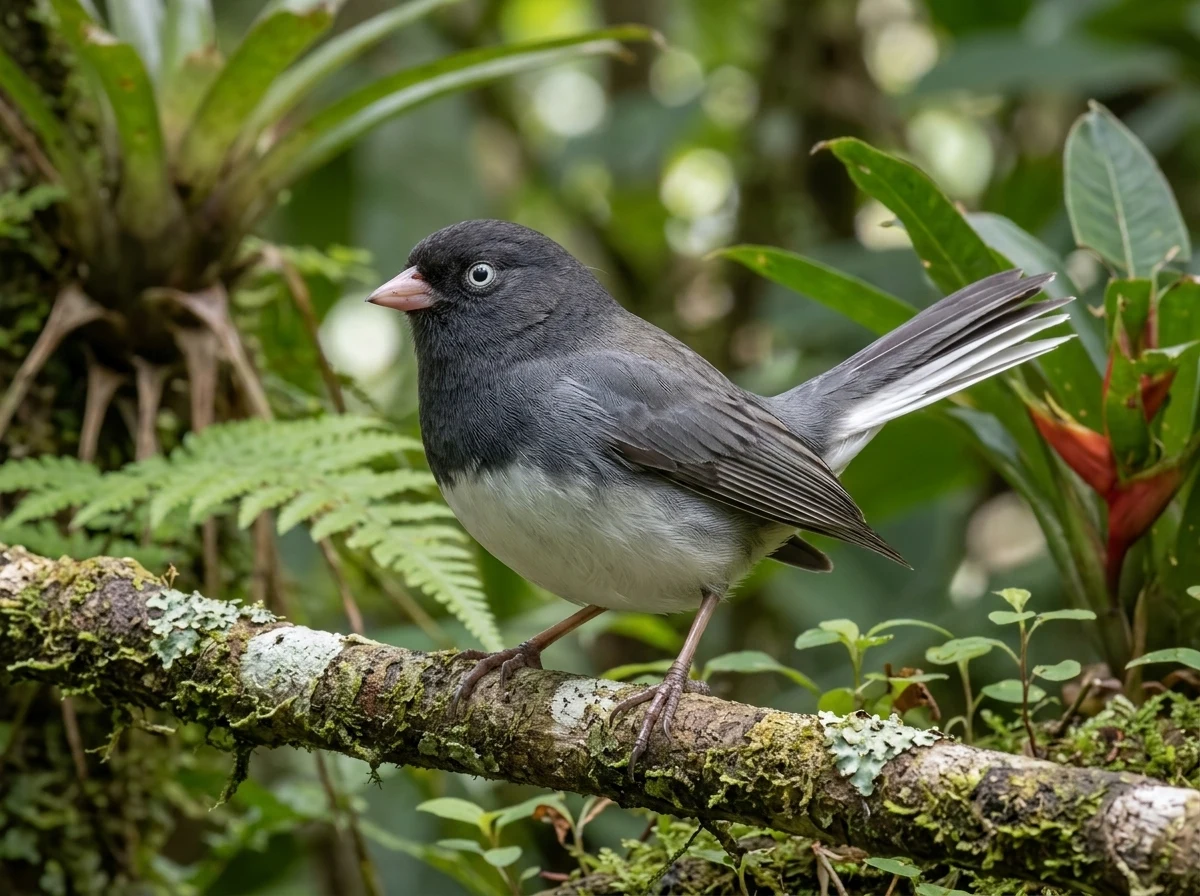
Connected by taxonomy, habitat, occurrence, and conservation.
 AI
AI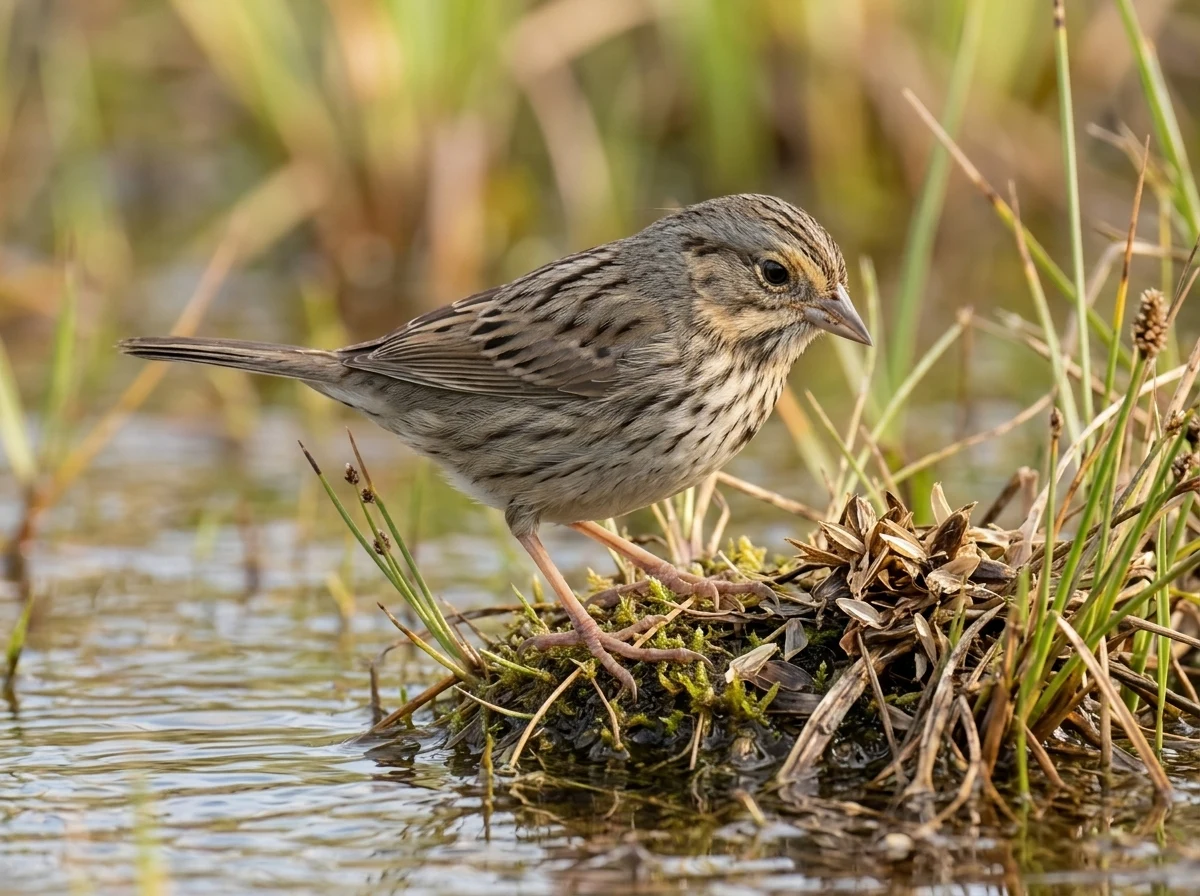 AI
AI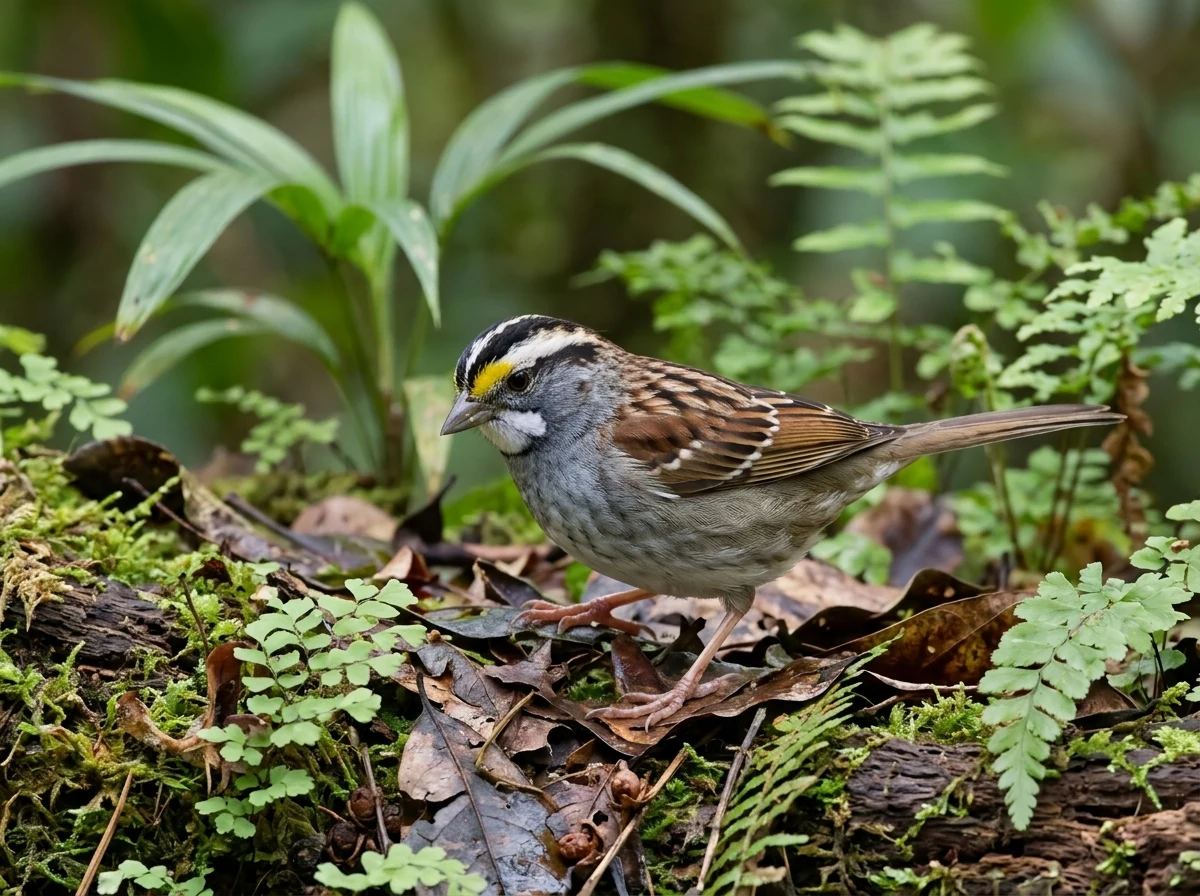 AI
AI AI
AI AI
AI AI
AI
Evidence trail
Sources, media & further reading
Research note: Regulation lists species; DRNA 2016 text and Avibase identify borinquensis as endemic form