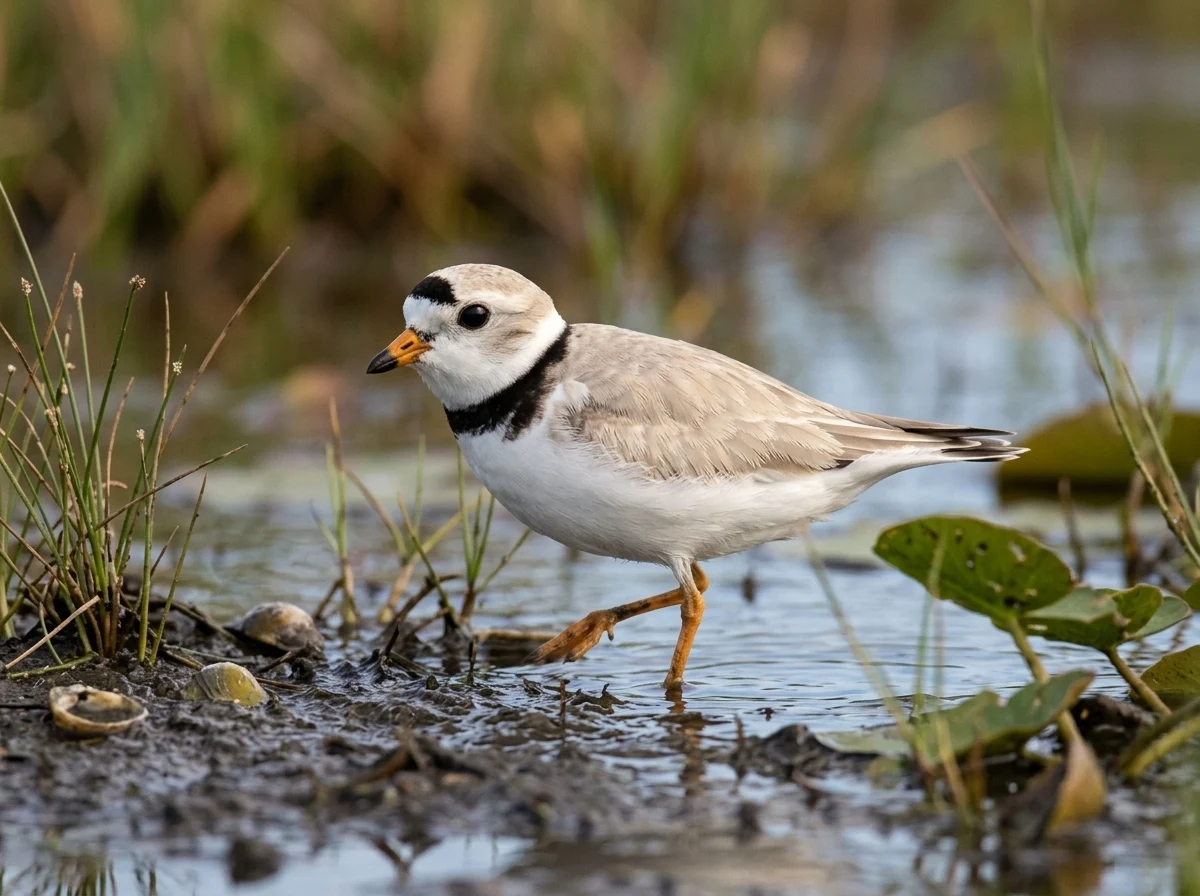
 AI
AIAI reconstruction created with Nano Banana 2 · 1K, grounded in the profile’s documented taxonomy, habitat, natural-history sources, and an open-license visual reference when available. It is an interpretive image, not documentary evidence. Image policy →
Piping Plover
Chorlito Melódico
Charadrius melodus
The piping plover (Charadrius melodus) is a sand-colored, sparrow-sized shorebird that nests and feeds along coastal sand and gravel beaches in North America. The adult has yellow-orange-red legs, a black band across the forehead from eye to eye, and a black stripe running along the breast line. This chest band is usually thicker in males during the breeding season, and it is the only reliable way to tell the sexes apart. The bird is difficult to see when it is standing still, as it blends well with open, sandy beach habitats. It typically runs in short, quick spurts and then stops. There are two subspecies of piping plovers: the eastern population is known as Charadrius melodus melodus and the mid-west population is known as C. m. circumcinctus. The bird's name is derived from its plaintive bell-like whistles which are often heard before the bird is visible. In 1986, the U.S. Fish & Wildlife Service listed the Great Lakes population as endangered and the Northern Great Plains and Atlantic populations as threatened. Intensive conservation efforts have yielded slow population growth, but only some populations have met the recovery goals set for them. The growth trend is expected to reverse if conservation efforts were stopped. Total population was estimated to be between 7600 and 8400 individuals in 2020. Their breeding habitat includes beaches and sand flats on the Atlantic coast, the shores of the Great Lakes, and in the mid-west of Canada and the United States. They nest on sandy or gravel beaches or shoals. These shorebirds forage for food on beaches, usually by sight, moving across the beaches in short bursts. Generally, piping plovers will forage for food around the high tide wrack zone and along the water's edge. They eat mainly insects, marine worms, and crustaceans.
Sound archive
Hear its voice
Explore real songs and calls. The spectrogram turns each sound into a visual trace of time and frequency.

Play: call by William Whitehead
Choose another recording
Sound recorded by William Whitehead · XC582526 · CC BY-NC-SA 4.0. Visualization by Stichting Xeno-canto voor Natuurgeluiden.
Every recording retains the creator, catalogue number, and license published by Xeno-canto. Metadata via GBIF ↗
Island profile
About the Piping Plover
This atlas includes Piping Plover (Charadrius melodus) with atlas status “Accidental / vagrant” within scope “Avibase inferred core 380.” Puerto Rico context sources associate it with Sandy beaches; tidal flats; coastal lagoons.
Conservation
Near Threatened
IUCN NT; ESA Threatened
- Global IUCN
- NT
- Puerto Rico DNER
- No current listing in source crosswalk
- Federal ESA
- Threatened
- Critical habitat
- No in cited 2026 table
Natural history
How it lives
- Habitat
- Sandy beaches; tidal flats; coastal lagoons
- Elevation
- 0–500 m
- Nest
- Scrape
- Clutch
- 4–4 eggs
- Social behavior
- Colonial; Social / flocking; Solitary
Keep exploring
This bird belongs to 9 paths through the atlas.
Guides featuring this bird
Follow this record beyond the profile.
Identification, sound, place, and explanatory guides connecting this species to larger questions.
Related in the atlas
Where to fly next
Connected by taxonomy, habitat, occurrence, and conservation.
 AI
AI AI
AI AI
AI AI
AI AI
AI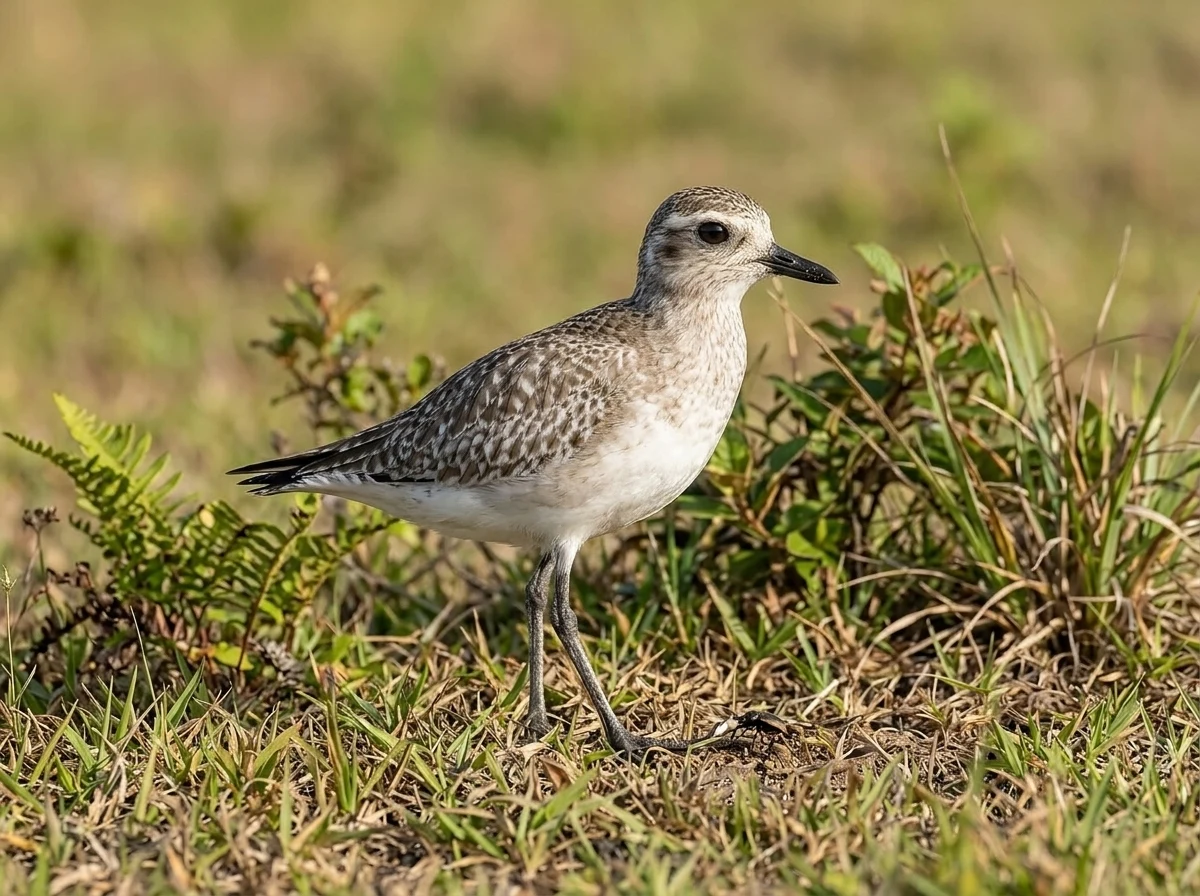 AI
AI
Evidence trail
Sources, media & further reading
Research note: 2004 Commonwealth regulation listed CR; absent from cited 2026 DNER table but federally threatened