 AI
AISeasonal guide
Migratory birds
Puerto Rico is destination, stopover, and detour. Migration follows more than one route and does not fit one season for every species.
Reviewed:Date changes probability, not just the checklist.
SOPI's public summary classifies 229 species as migratory within its own scope of 370 reported birds. Other checklists may use different taxonomy, rarity, and occurrence definitions. The figure shows the scale of movement; it does not promise 229 regular visitors.
Some birds winter, others pass through during migration, and some arrive accidentally after wind or disorientation. Coast, salt flats, freshwater wetlands, mangrove, forest, and gardens receive different groups. A useful record combines identity, date, place, abundance, and behavior.
Seasonal guide
Movement with context
229migrants in SOPIA public-summary category; not all are regular visitors.
4groups to learnShorebirds, warblers, waterfowl, and raptors.
3island rolesWinter destination, passage stopover, and accidental landfall.
01
Shorebirds: the calendar begins early
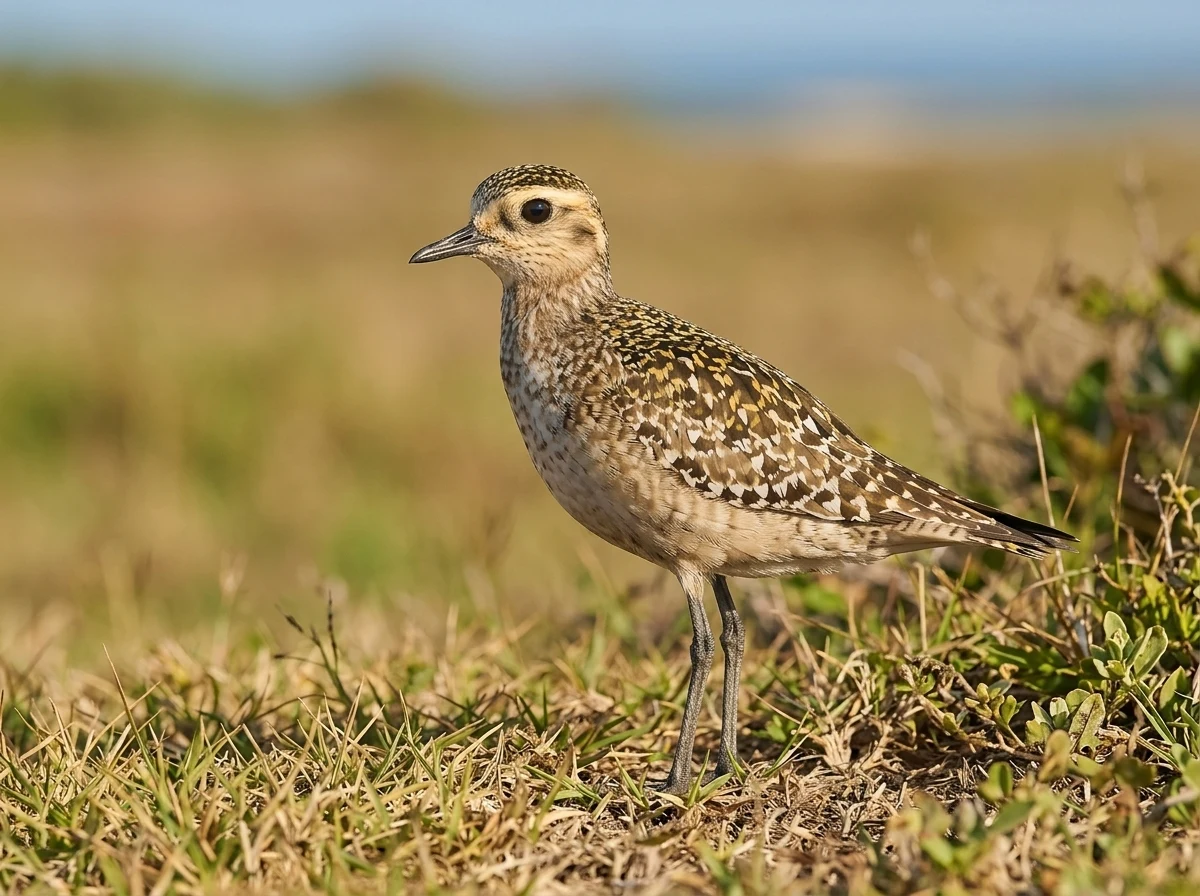
Southbound migration can bring shorebirds from late boreal summer, well before what many people call winter. Some remain while others continue. Plovers, small sandpipers, and long-legged waders separate through proportion, feeding style, and seasonal plumage.
Cabo Rojo is a critical eastern Caribbean stopover, and Laguna Cartagena adds fresh water. Record number, movement direction, and habitat condition; a flock is not only a list of names, but evidence of site use.
02
Warblers: small visitors inside foliage
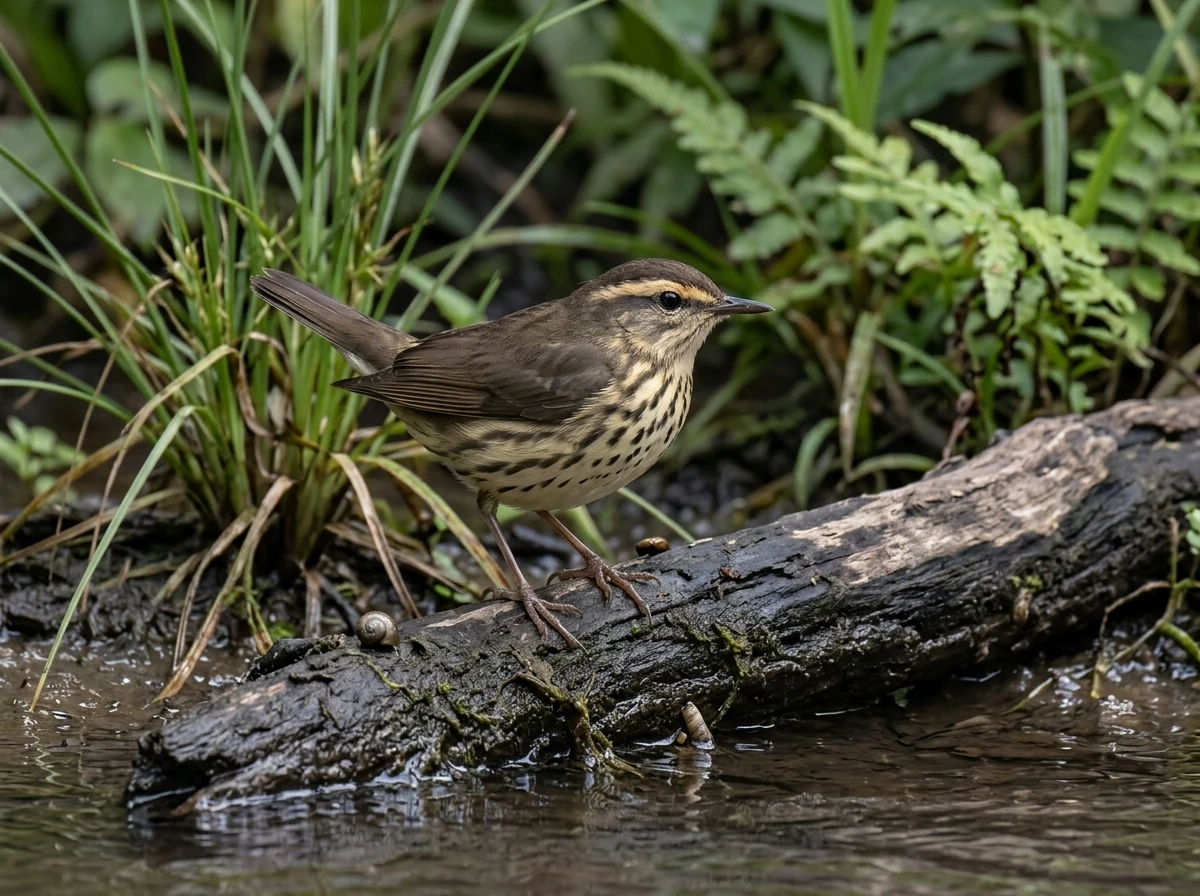
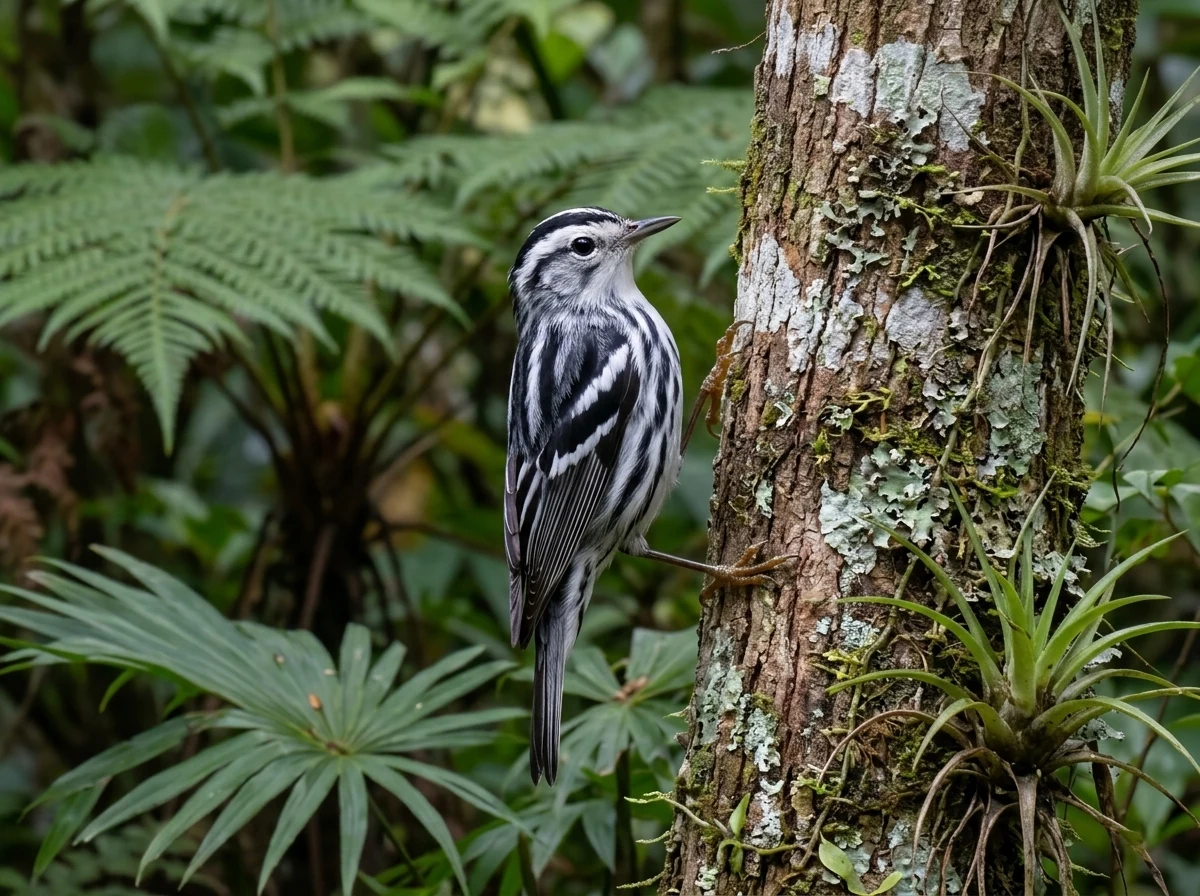
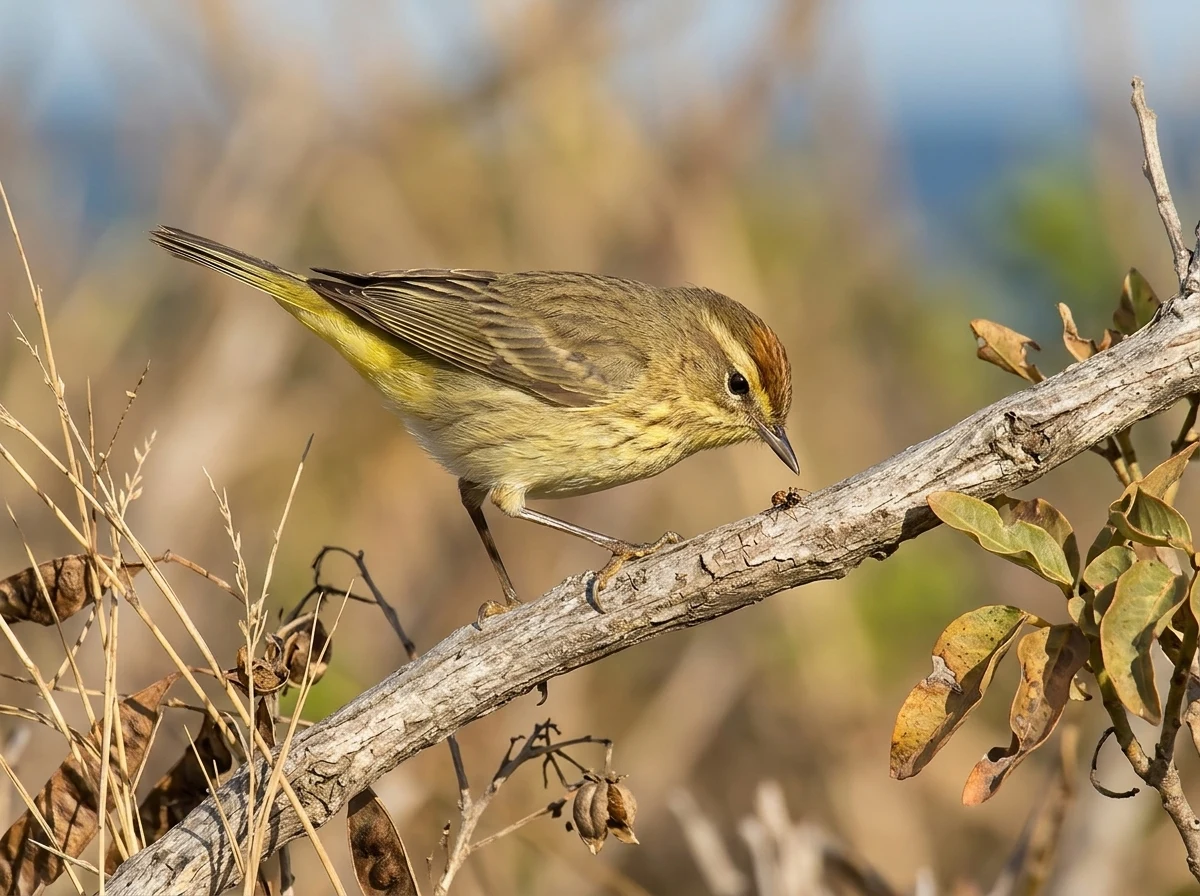
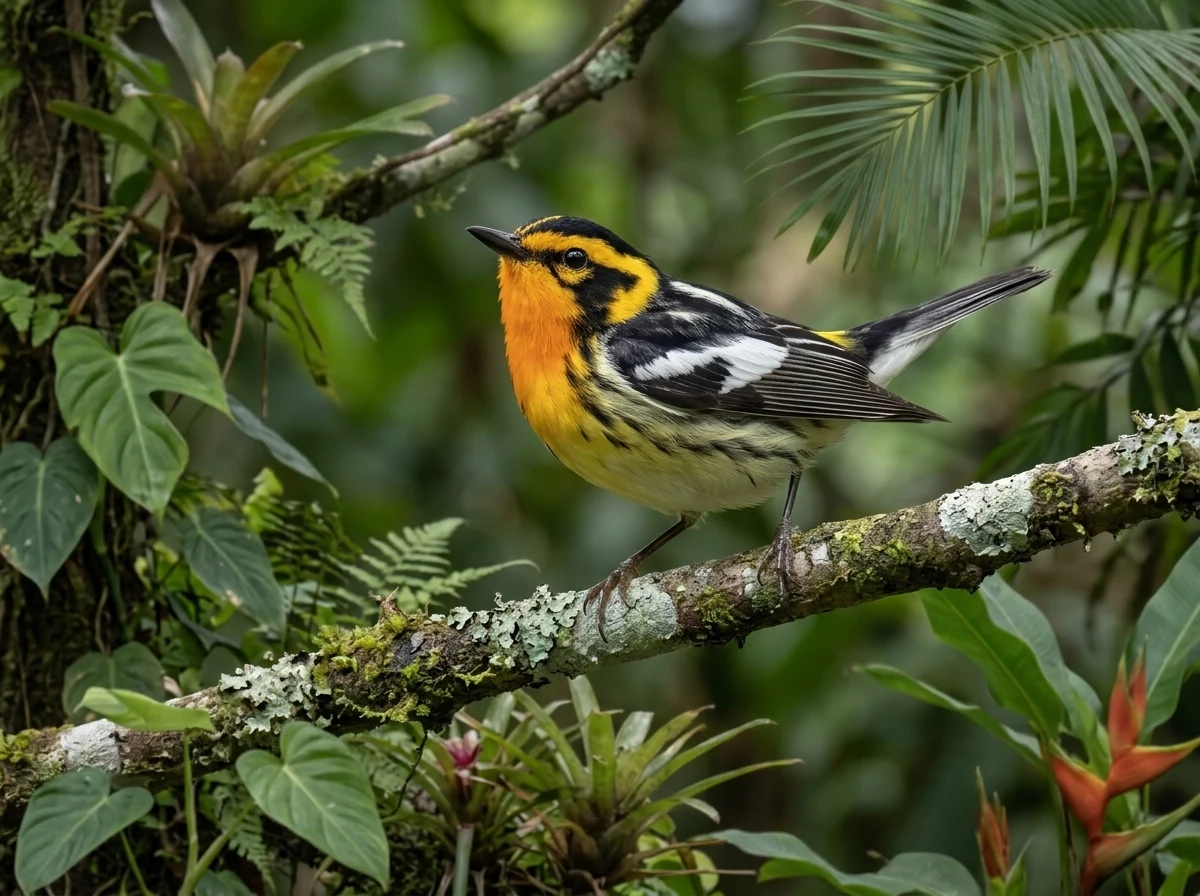
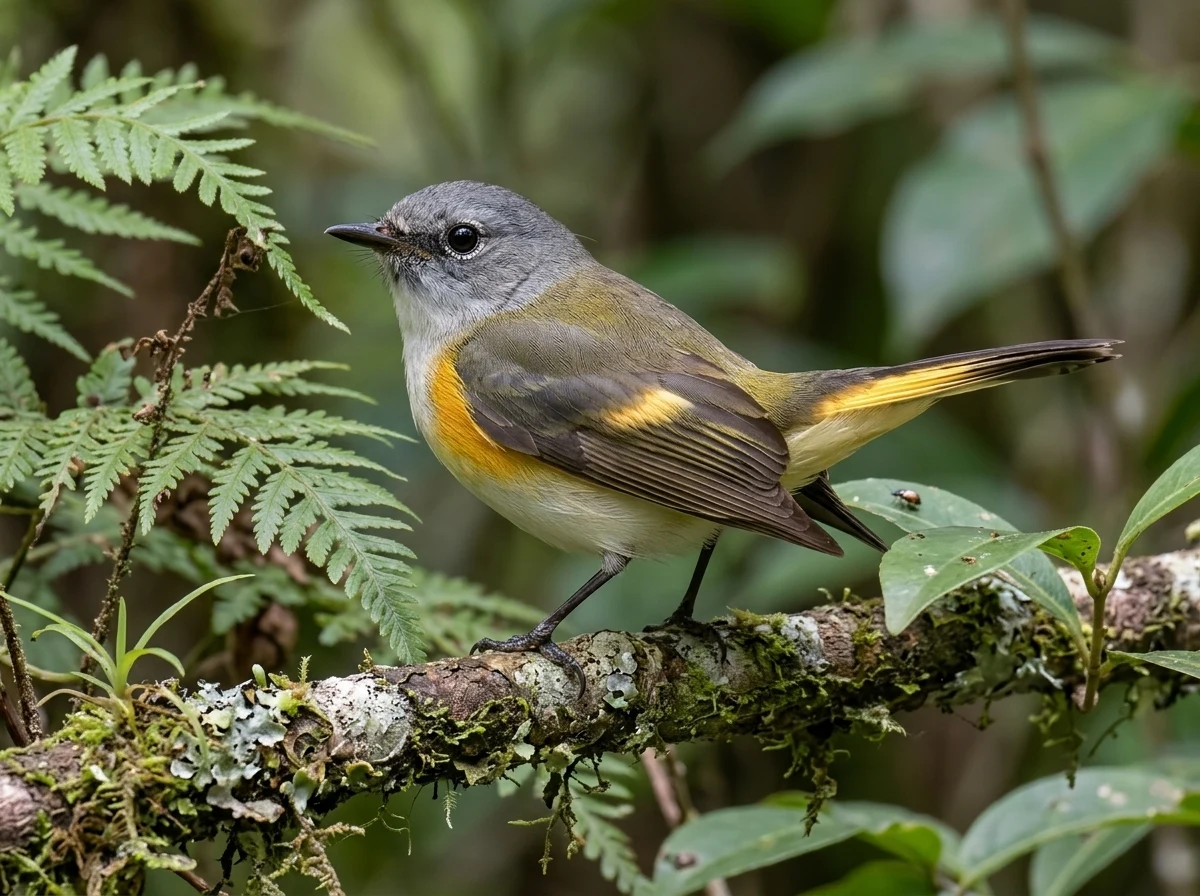
Black-and-white Warbler, American Redstart, Palm Warbler, Blackburnian Warbler, and other visitors use forests, mangroves, and gardens. Nonbreeding plumage and tropical light can mute familiar colors; behavior and microhabitat become decisive.
Watch whether a bird creeps on trunks, fans its tail, pumps its rear, stays low, or gleans in canopy. Compare endemic Adelaide's and Elfin-woods Warblers too, so every small warbler does not automatically become a migrant.
03
Ducks, raptors, and large travelers
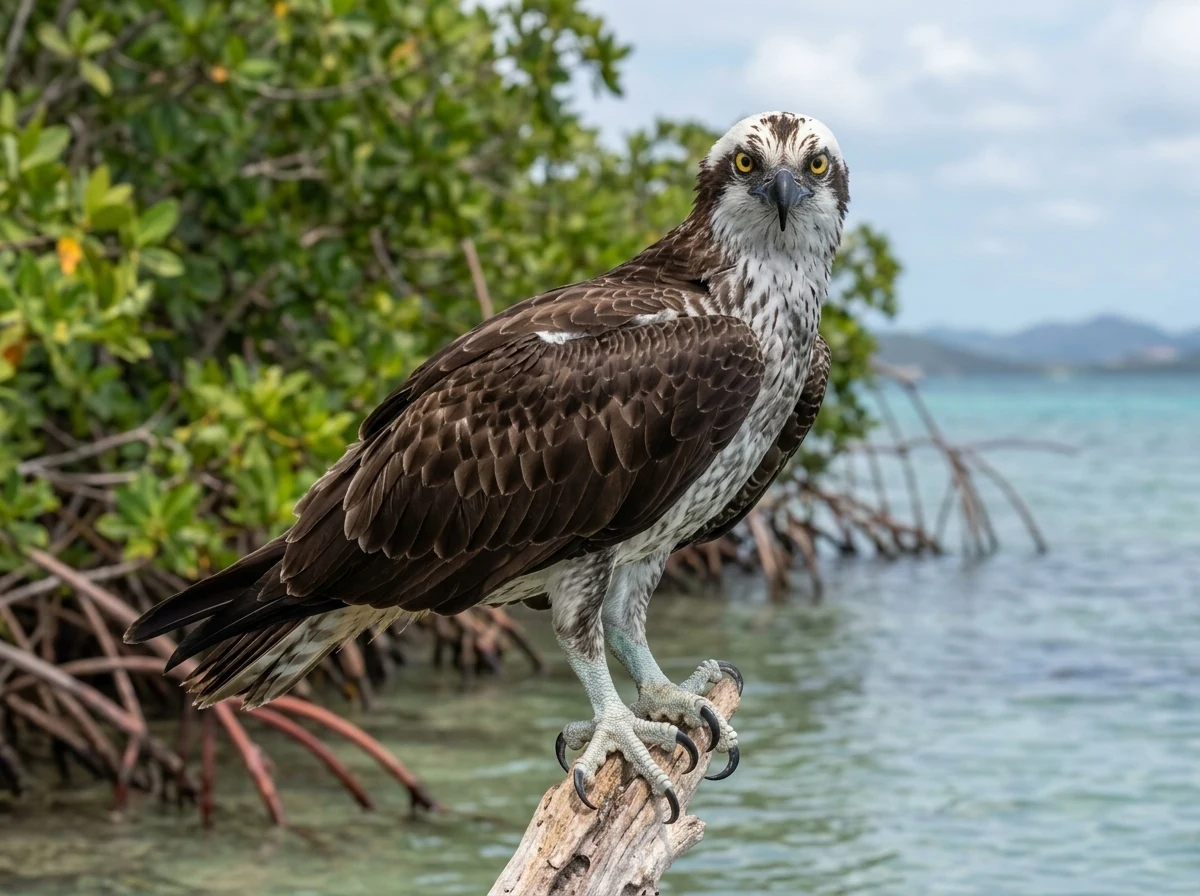
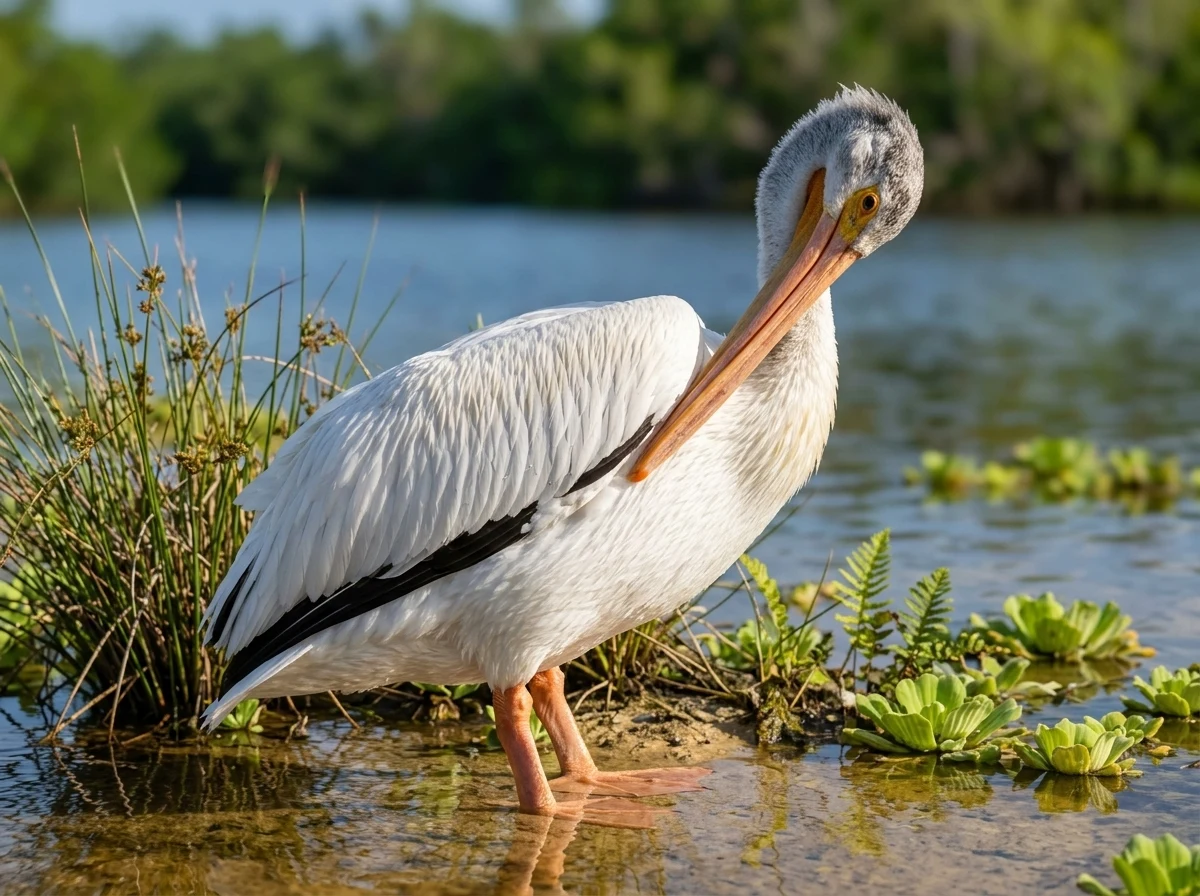
Blue-winged Teal and other waterfowl may increase at wetlands during their windows. Osprey and Peregrine Falcon travel along coasts and water. American White Pelican shows how a large, unexpected bird can become a documented visitor without belonging to the everyday landscape.
Size does not always make identification easy: distance and shimmer above water distort proportion. Use flight pattern, grouping, feeding, and comparison with residents such as Brown Pelican.
04
Rarity requires better documentation
Wind, storms, and navigation errors can produce accidentals from North America, South America, Europe, or the Atlantic. Possibility does not make a species the best first option. Compare with common birds and seek more than one diagnostic mark.
Keep original files, audio, behavior notes, duration, and observer names. Avoid broadcasting a sensitive location before evaluating impact. A strong rare record supports independent review; a fast claim creates noise.
Linked profiles
Twelve migrants to learn by group
The selection connects wetland, forest, coast, and sky; inspect the profile, then its seasonal window.




Sound archive
Hear its voice
Explore real songs and calls. The spectrogram turns each sound into a visual trace of time and frequency.
XC1056711Recording 1 of 3call

Play: call by Christiana Fattorelli
Choose another recording
Sound recorded by Christiana Fattorelli · XC1056711 · CC BY-NC-SA 4.0. Visualization by Stichting Xeno-canto voor Natuurgeluiden.
Every recording retains the creator, catalogue number, and license published by Xeno-canto. Metadata via GBIF ↗
01
When do migratory birds arrive in Puerto Rico?
It depends on the group. Shorebirds can pass from late boreal summer; warblers, ducks, and raptors have other windows. Use specific date and habitat rather than one universal season.
02
Do all migrants spend the entire winter?
No. Some winter, some only stop during passage, and others are accidental. Categories must be read at species and source level.
03
Why does SOPI mention 229 migrants?
It is the category published within SOPI's summary of 370 reported species. Other lists may differ by date, taxonomy, and treatment of rare records; the figure needs its source.
Keep exploring
Connected routes
Sources and review
The evidence is one link away.
These sources support the editorial scope of this guide. Bird profiles also retain their own taxonomy, occurrence, and conservation references.
Reviewed:
01↗02↗03↗04↗
Sociedad Ornitológica Puertorriqueña
Official bird list
Local names, occurrence categories, and the public summary of 17 endemics.Corriente Verde
Migratory birds of the archipelago
Local introduction to the origins, routes, and seasons of migratory visitors.U.S. Fish and Wildlife Service
Cabo Rojo National Wildlife Refuge
Habitats, focal birds, conservation, trails, and official refuge notices.U.S. Fish and Wildlife Service
Laguna Cartagena National Wildlife Refuge
Importance of the freshwater wetland for resident and migratory waterbirds.The atlas continues