 AI
AINorthern wetland
Birds of Caño Tiburones
Puerto Rico's largest estuarine wetland makes sense when you read freshwater, salinity, vegetation, coast, and season together.
Reviewed:A water mosaic, not a guaranteed checklist.
Caño Tiburones extends between Arecibo and Barceloneta. Puerto Rico's natural-resources agency describes roughly 7,000 cuerdas of wetland, of which 3,805 were designated as a nature reserve in 1998; SOPI emphasizes that legal protection does not cover the entire ecological area.
Historical sources compile more than 190 species, but that total combines residents, migrants, and occasional records across time. This guide turns the inventory into an observation strategy: habitat first, then behavior, structure, and date.
Northern wetland
The guide at a glance
14linked profilesA focused selection connects the guide with verifiable species.
5reading lensesContext, identification, and practical decisions organized by topic.
6primary sourcesAgencies, research, and ornithological organizations support the content.
01
Read four water zones
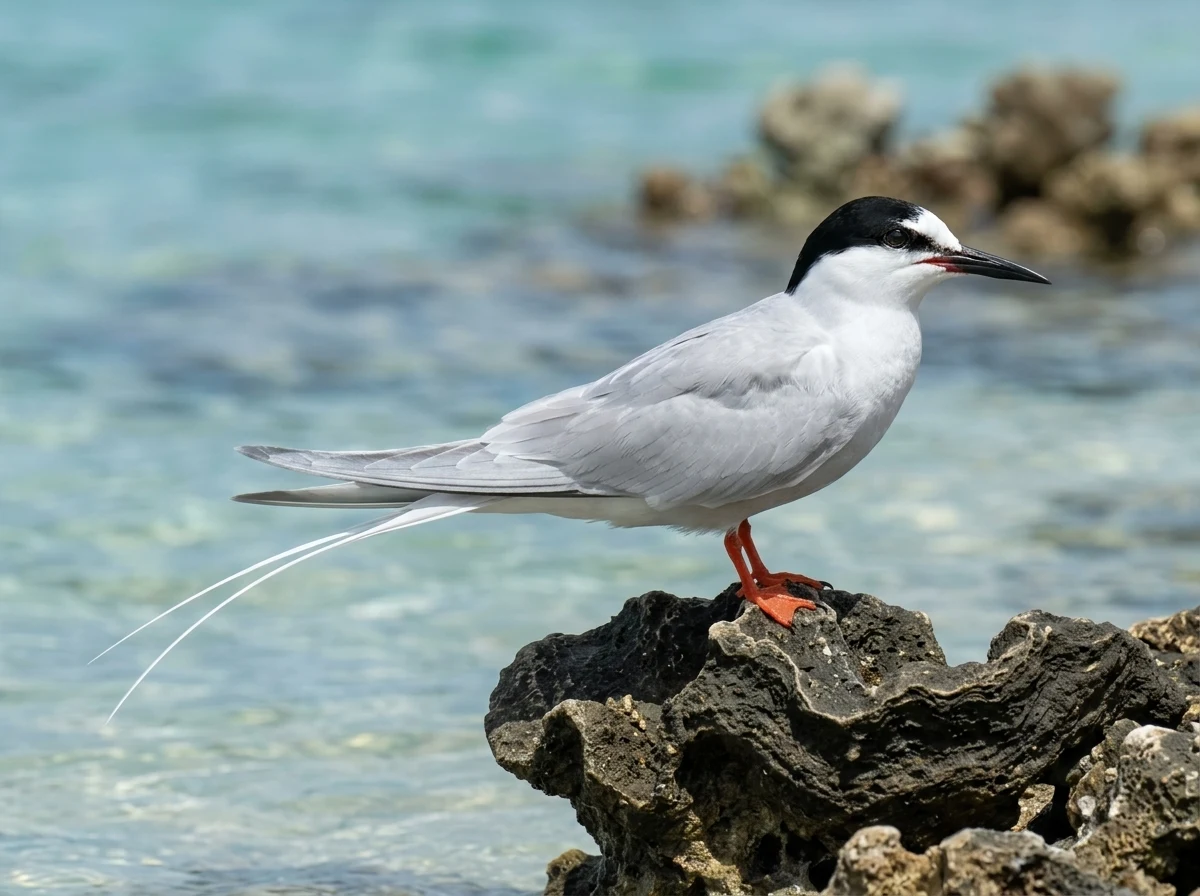
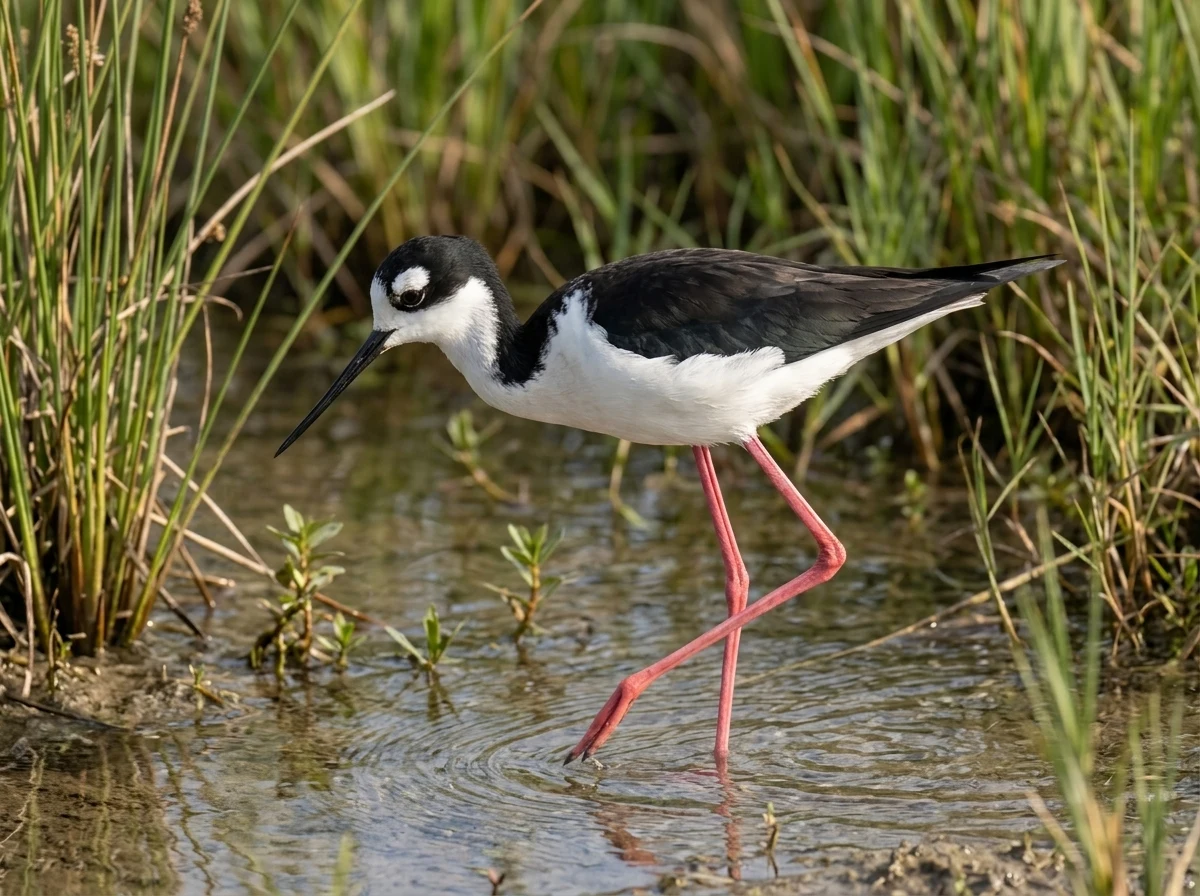
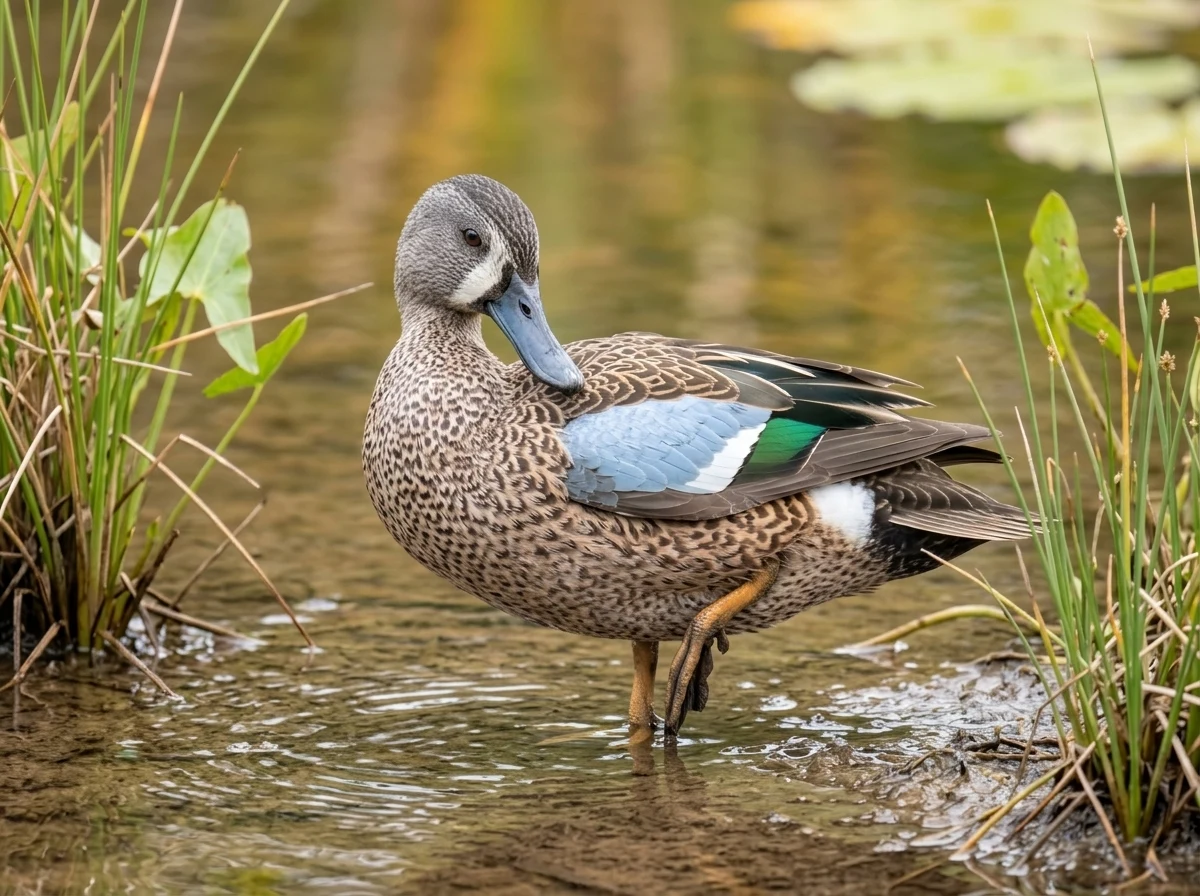
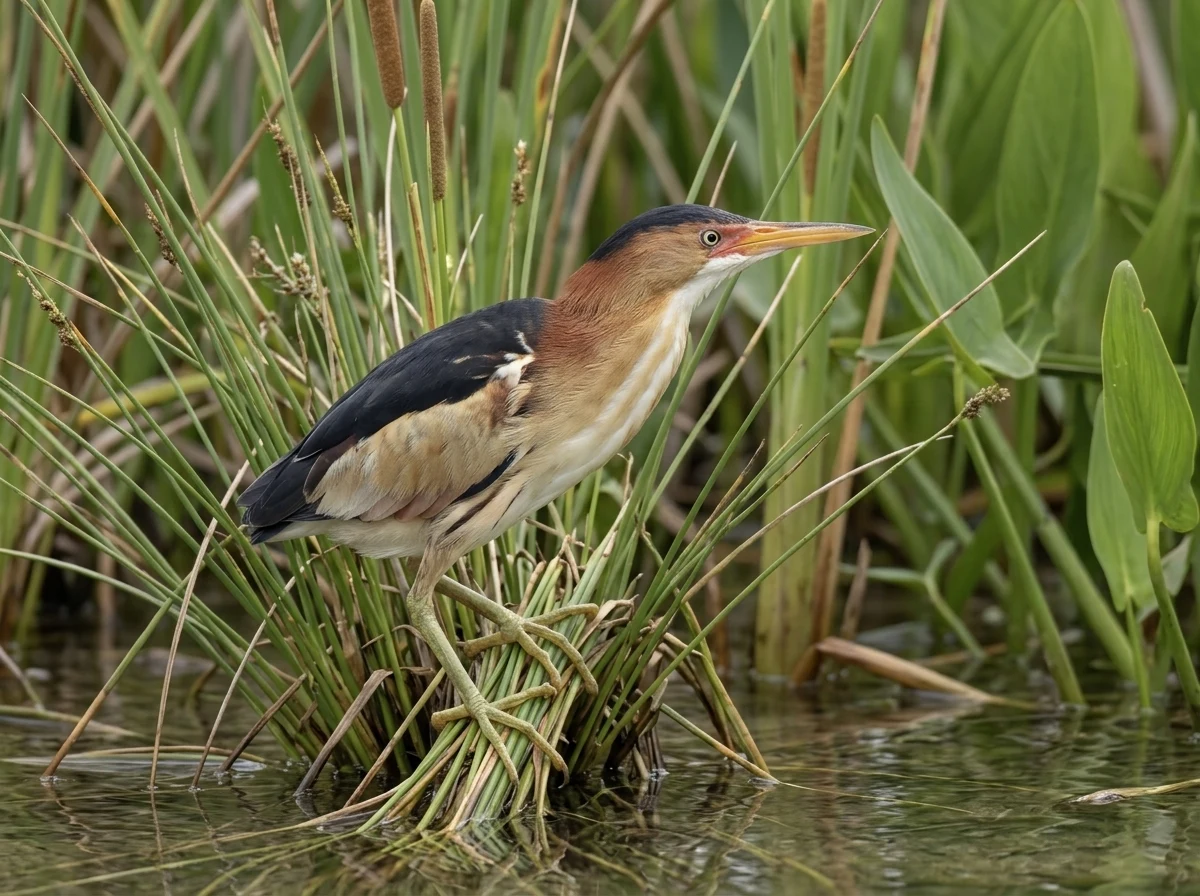
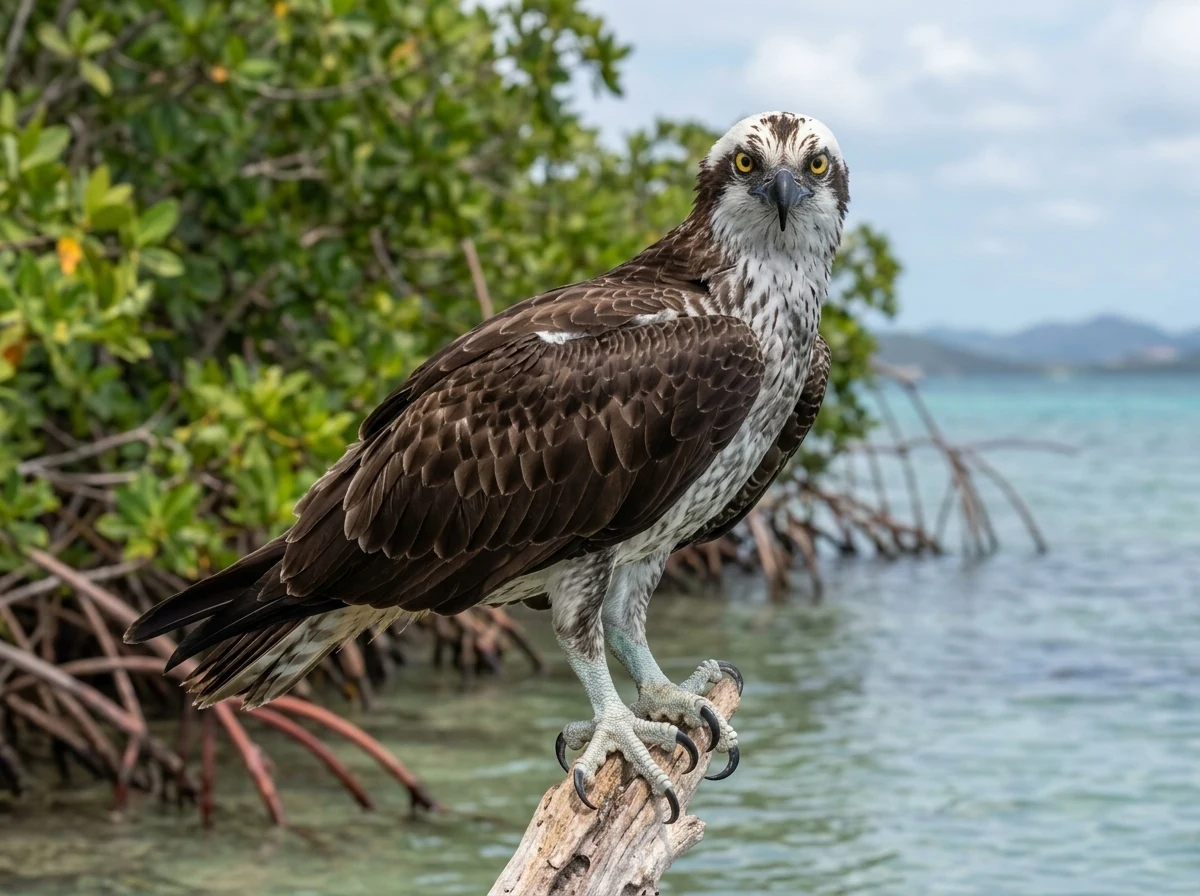
Scan open water for ducks, grebes, and coots; emergent vegetation for Purple Gallinule and Least Bittern; shallow edges for herons, ibis, and stilts; and sky or coast for Osprey, pelicans, and terns.
Water level, rain, wind, and salinity change which sectors offer food or shelter. Record conditions and scan again: a brief absence does not prove absence from the wetland.
02
Three records that need context
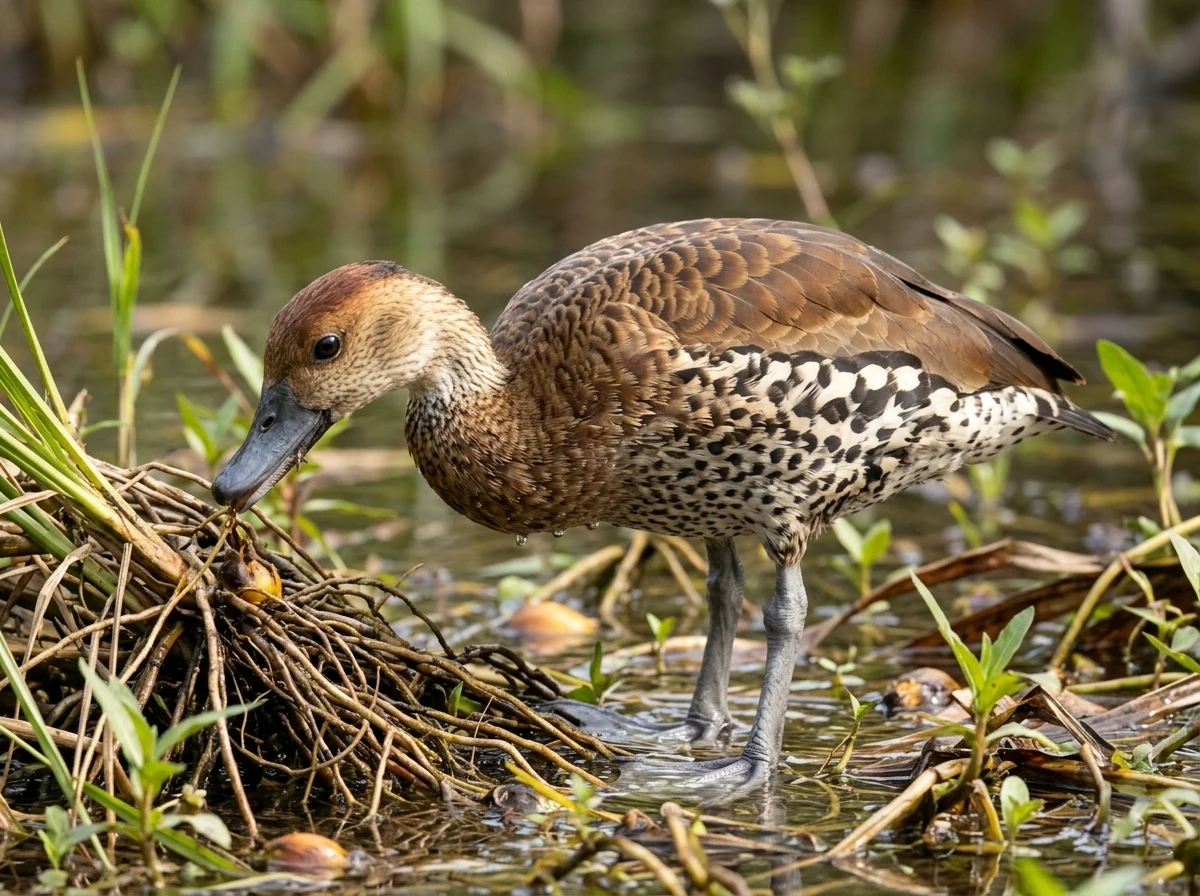
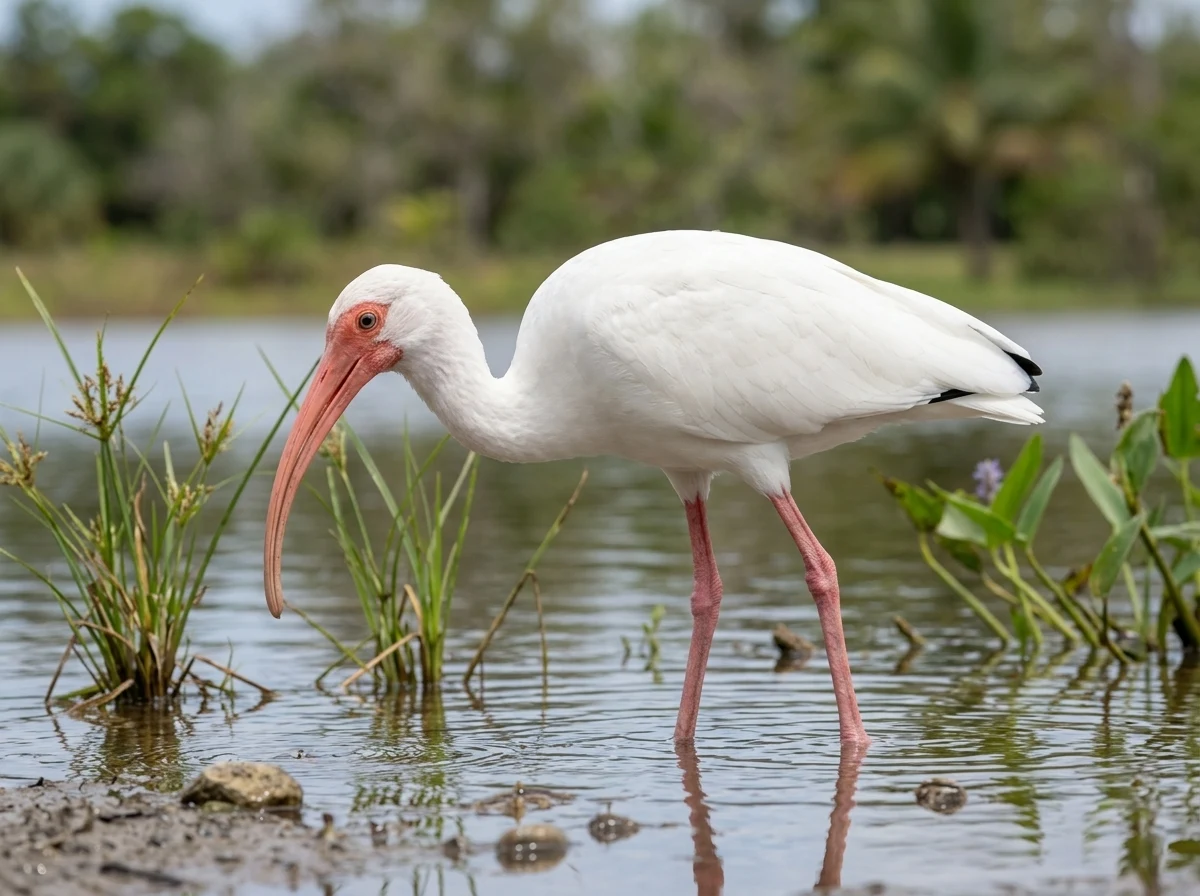
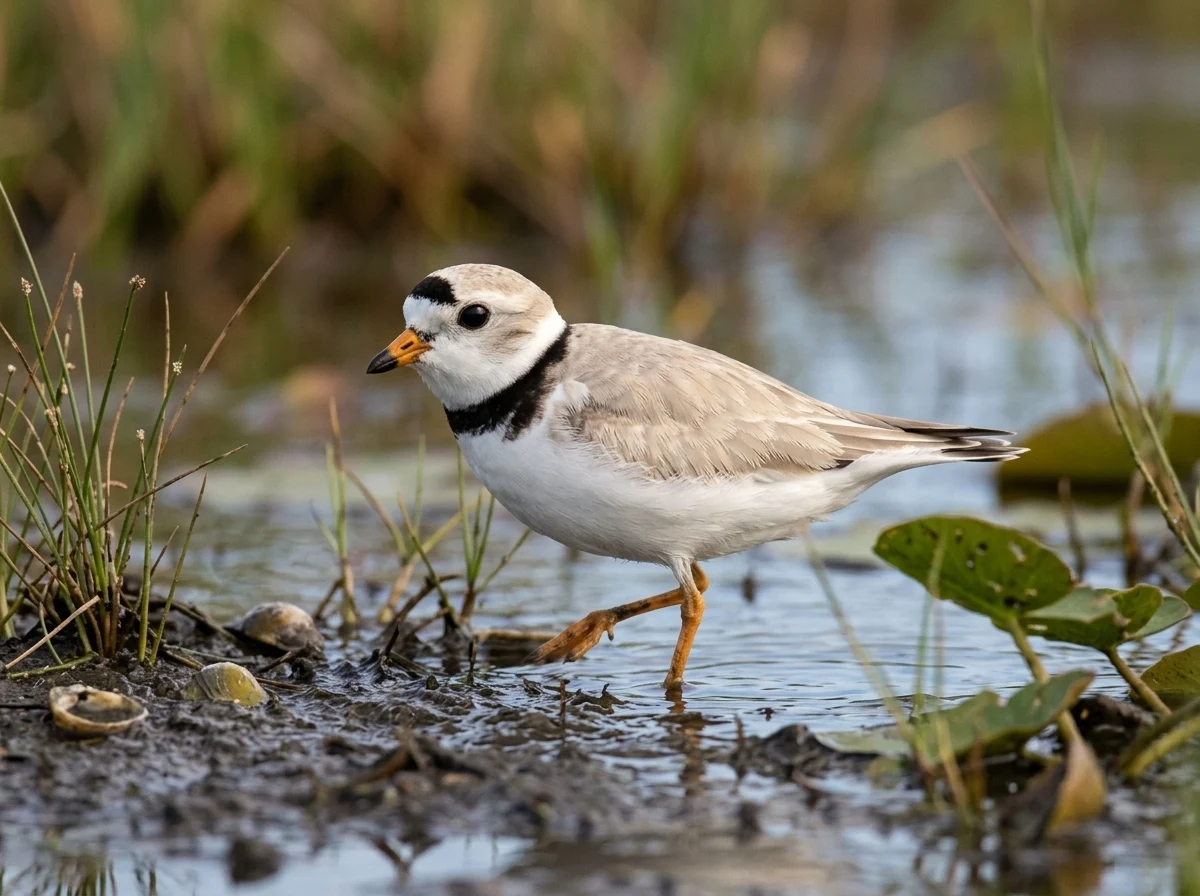
The KBA factsheet highlights West Indian Whistling-Duck as a breeding resident of the area and documents Puerto Rico's first White Ibis nesting record. It also records Piping Plover among infrequent visitors; none should be presented as a guaranteed sighting today.
For a rare bird, preserve date, time, general location, habitat, behavior, and original photos or audio. Compare with common species first and avoid broadcasting nests or sensitive points in real time.
03
Ducks, rails, and waders
Separate West Indian Whistling-Duck by its tall silhouette, long neck, and posture; Common Gallinule by its red shield and two-tone bill; American Coot by its pale bill; and Purple Gallinule by saturated colors, red-yellow bill, and long legs.
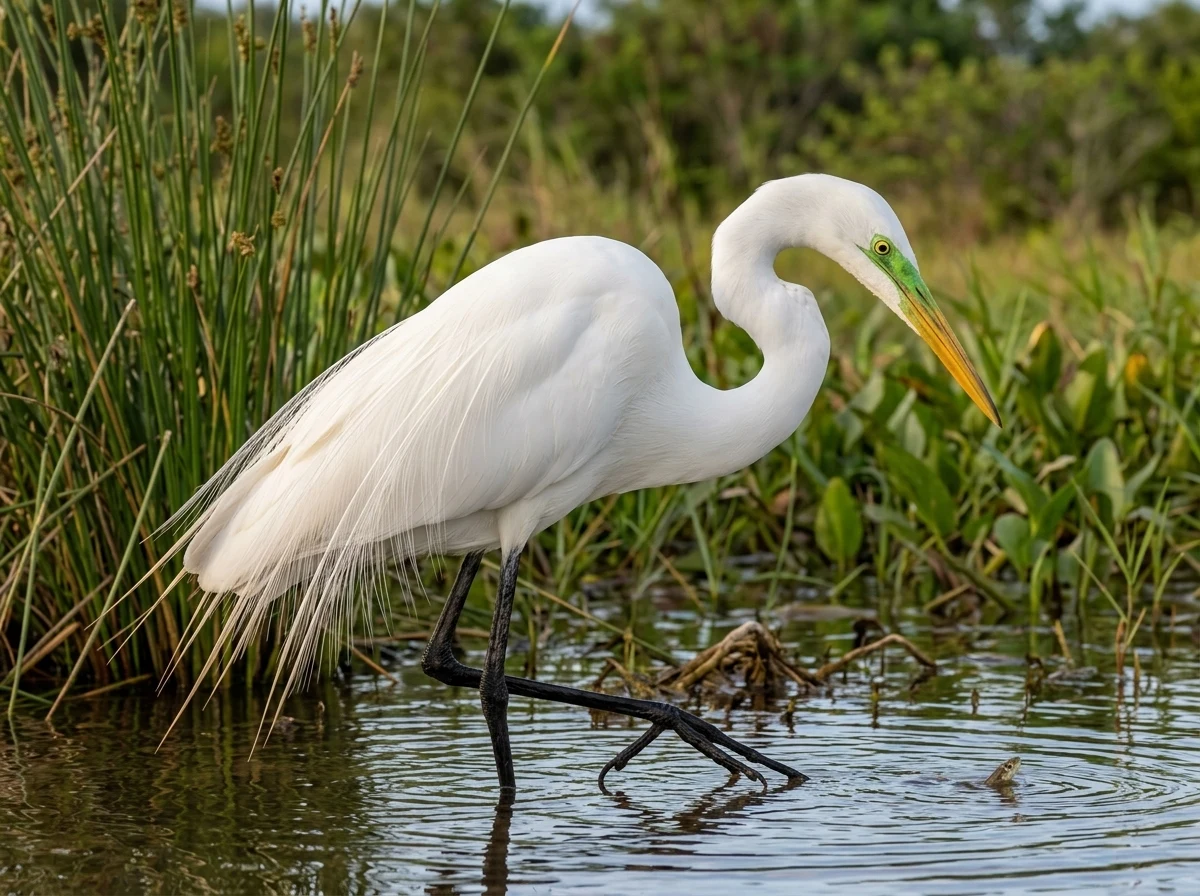
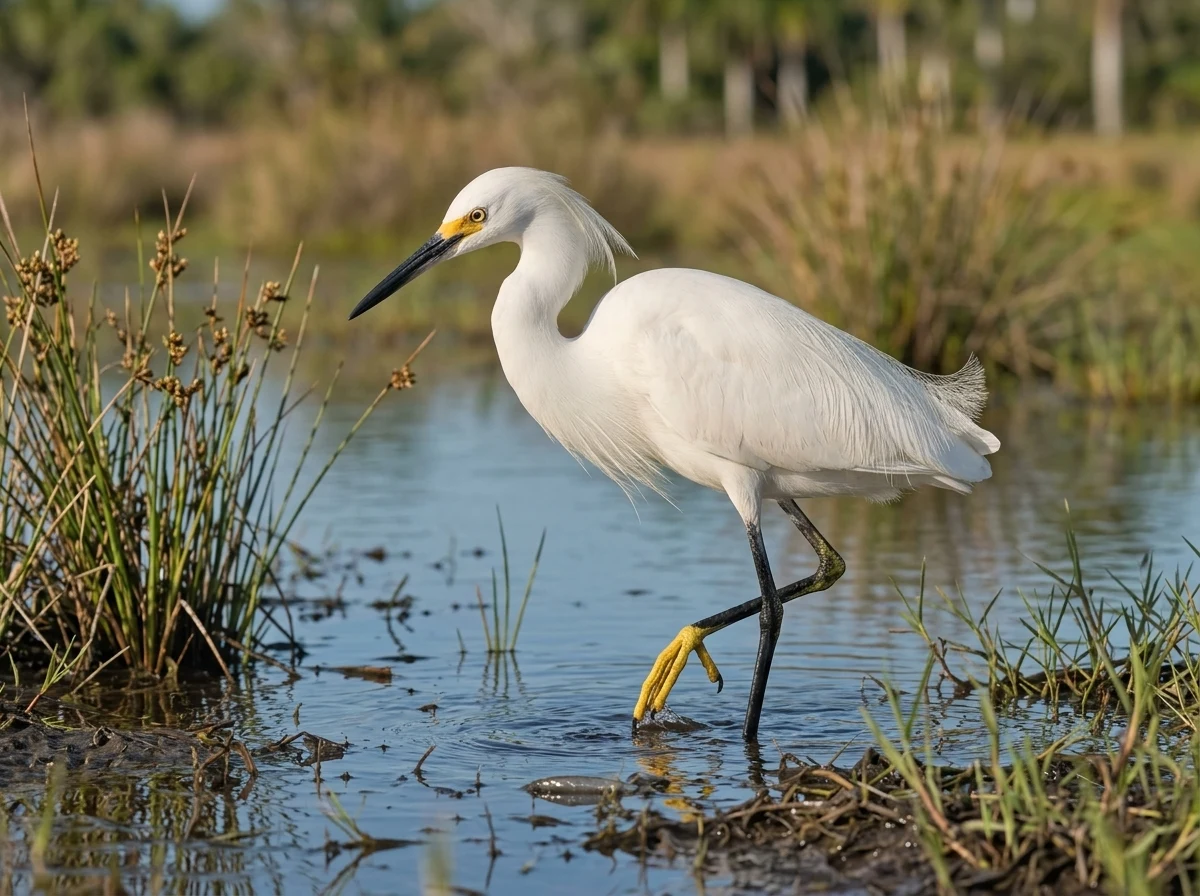
Among white herons, size, bill, legs, and feeding method matter more than color alone. A small, active Snowy Egret with dark bill and yellow feet differs from a much larger Great Egret with yellow bill and more deliberate movements.
04
Prepare access and protect resting birds
Confirm access, hours, road conditions, and any required coordination with Puerto Rico's natural-resources agency or the organization managing the activity before leaving. Instructions in a historical fact sheet do not replace current confirmation.
Carry water, sun protection, repellent, wet-ground footwear, and a scope if possible. Observe from authorized roads or points; do not cross wetlands, force flights, use drones, or play sounds to pull birds from dense vegetation.
Linked profiles
Birds to compare
Open each profile to review names, marks, audio, habitat, status, and sources.
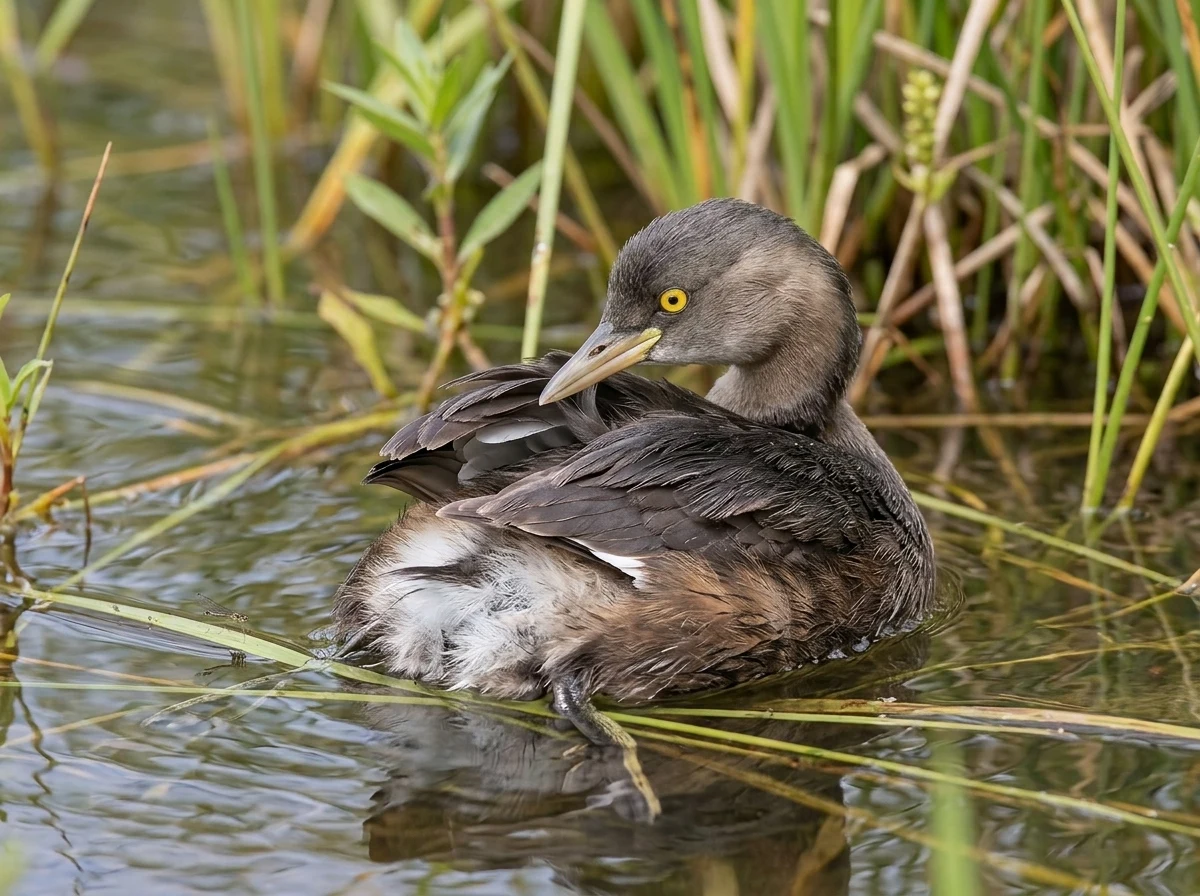
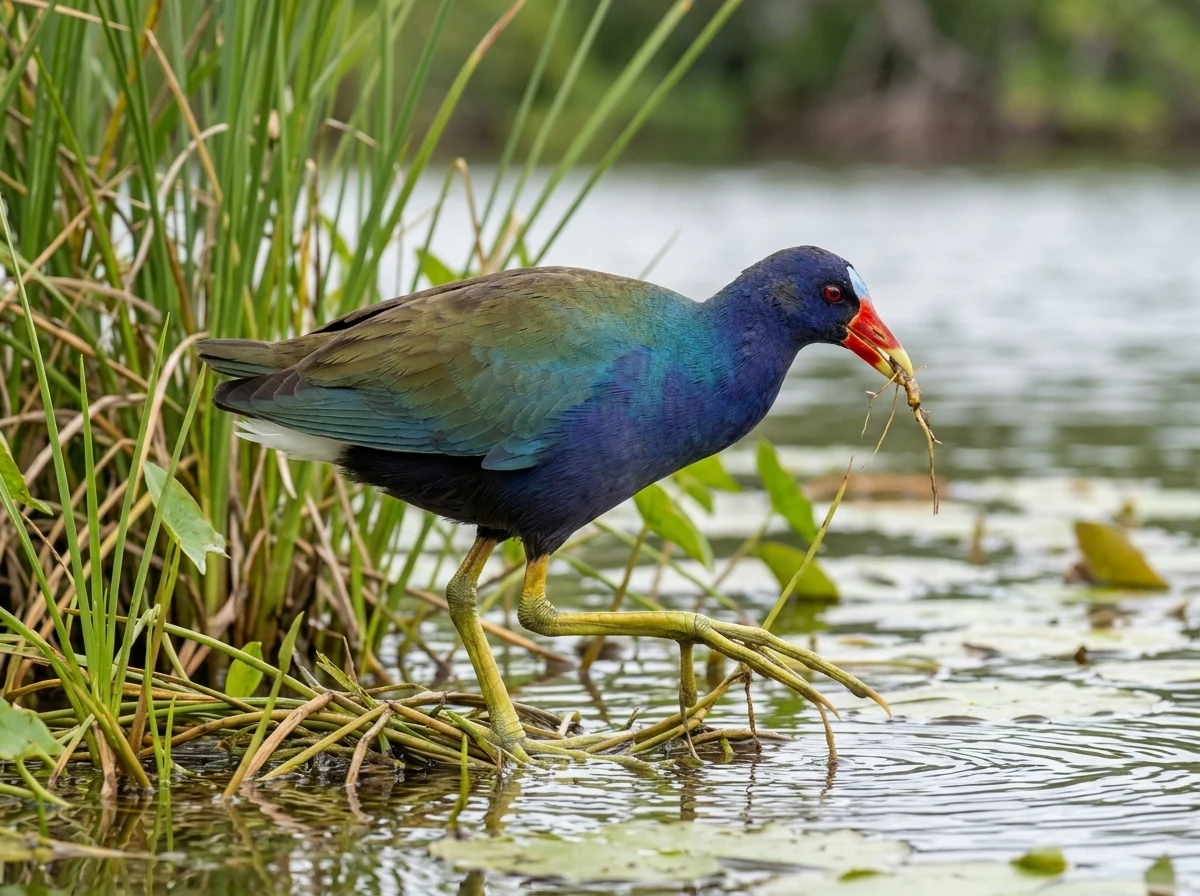
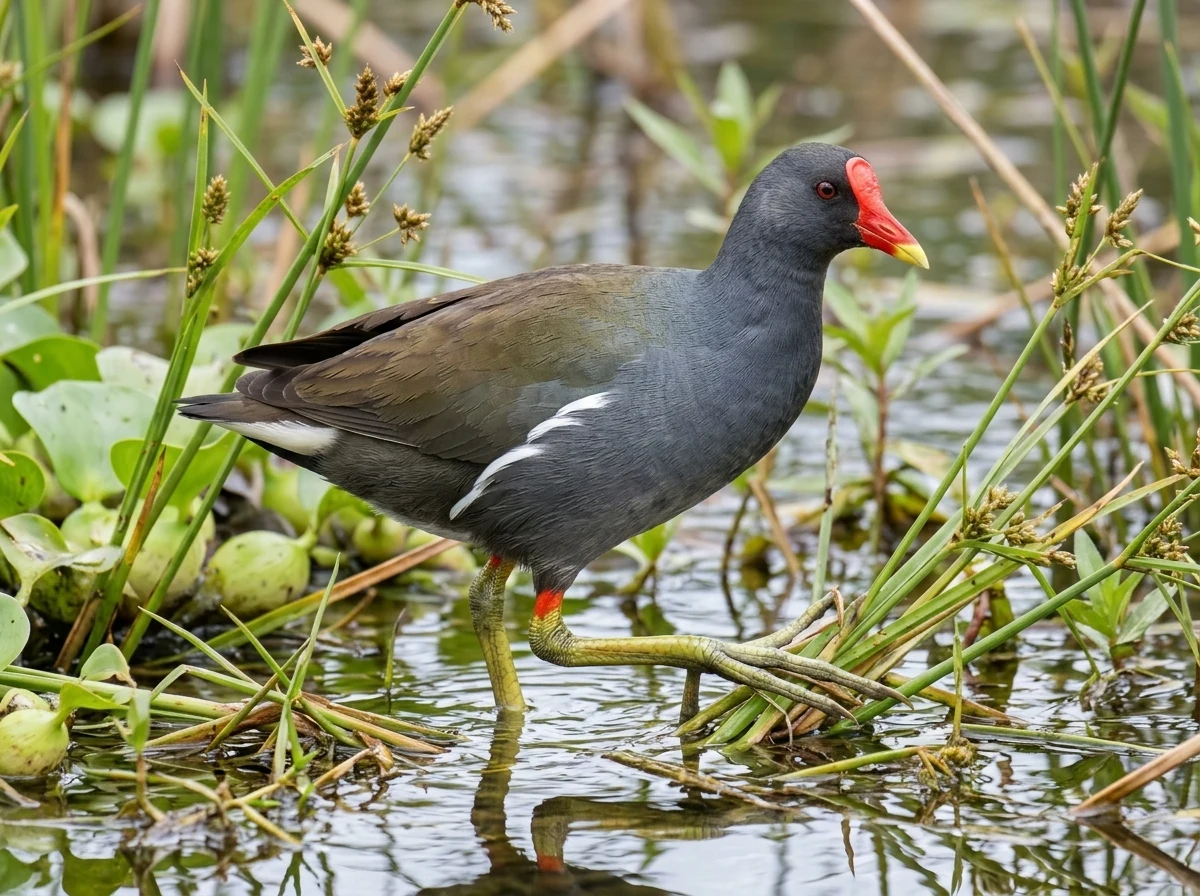
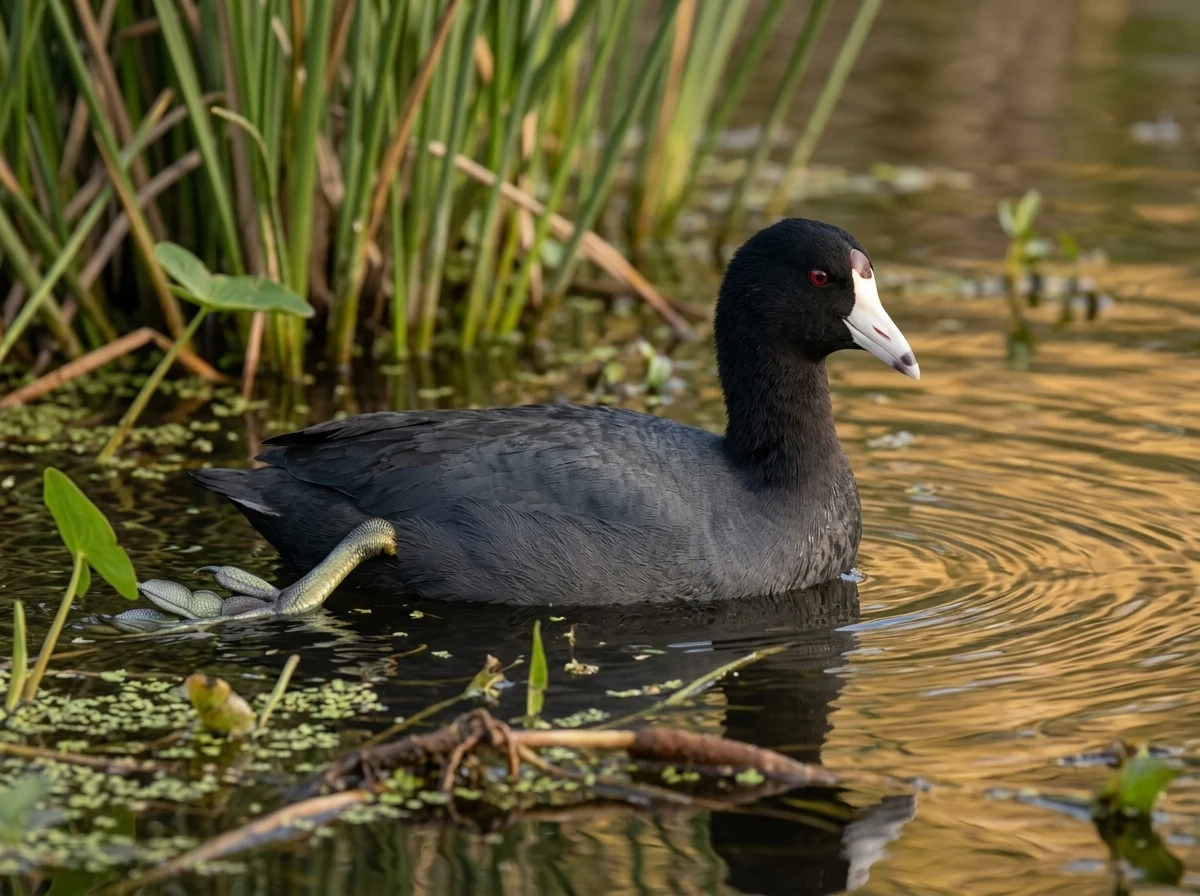
Sound archive
Hear its voice
Explore real songs and calls. The spectrogram turns each sound into a visual trace of time and frequency.
XC173684Recording 1 of 3call

Play: call by Eric DeFonso
Choose another recording
Sound recorded by Eric DeFonso · XC173684 · CC BY-NC-SA 4.0. Visualization by Stichting Xeno-canto voor Natuurgeluiden.
Every recording retains the creator, catalogue number, and license published by Xeno-canto. Metadata via GBIF ↗
01
How many birds are at Caño Tiburones?
Historical sources report more than 190 species, and Puerto Rico's natural-resources agency published a total of 206. These are cumulative inventories with different scopes and dates, not the number to expect on one visit.
02
Can I arrive without arranging access?
Do not assume so. Confirm current access, hours, and requirements with Puerto Rico's natural-resources agency or the organization managing the activity before traveling.
03
How do I verify an identification or claim?
Compare more than one mark, check date and place, open the linked profile, and consult the sources published at the end of the guide.
Keep exploring
Connected routes
Sources and review
The evidence is one link away.
These sources support the editorial scope of this guide. Bird profiles also retain their own taxonomy, occurrence, and conservation references.
Reviewed:
01↗02↗03↗04↗05↗06↗
Departamento de Recursos Naturales y Ambientales
Caño Tiburones Nature Reserve
Reserve designation, extent, hydrology, habitats, wildlife, and permitted uses.Departamento de Recursos Naturales y Ambientales
Puerto Rico Critical Wildlife Areas
Historical bird inventory and conservation context for Caño Tiburones.Sociedad Ornitológica Puertorriqueña
Protecting Caño Tiburones
Wetland extent, IBA recognition, and contemporary protection context.Key Biodiversity Areas Partnership
Caño Tiburones factsheet
Ecological scope, habitat mosaic, and bird records supporting the site's importance.U.S. Geological Survey
Puerto Rico: wetlands
Scientific synthesis of mangroves, lagoons, salt flats, and birds.Sociedad Ornitológica Puertorriqueña
Official bird list
Local names, occurrence categories, and the public summary of 17 endemics.The atlas continues