 AI
AIConservation
Endangered Birds of Puerto Rico: The Complete List
Three lists, three different questions: Puerto Rico's, the federal one, and IUCN's global Red List. They are kept separate here so they are not confused.
Reviewed:Which birds are endangered in Puerto Rico?
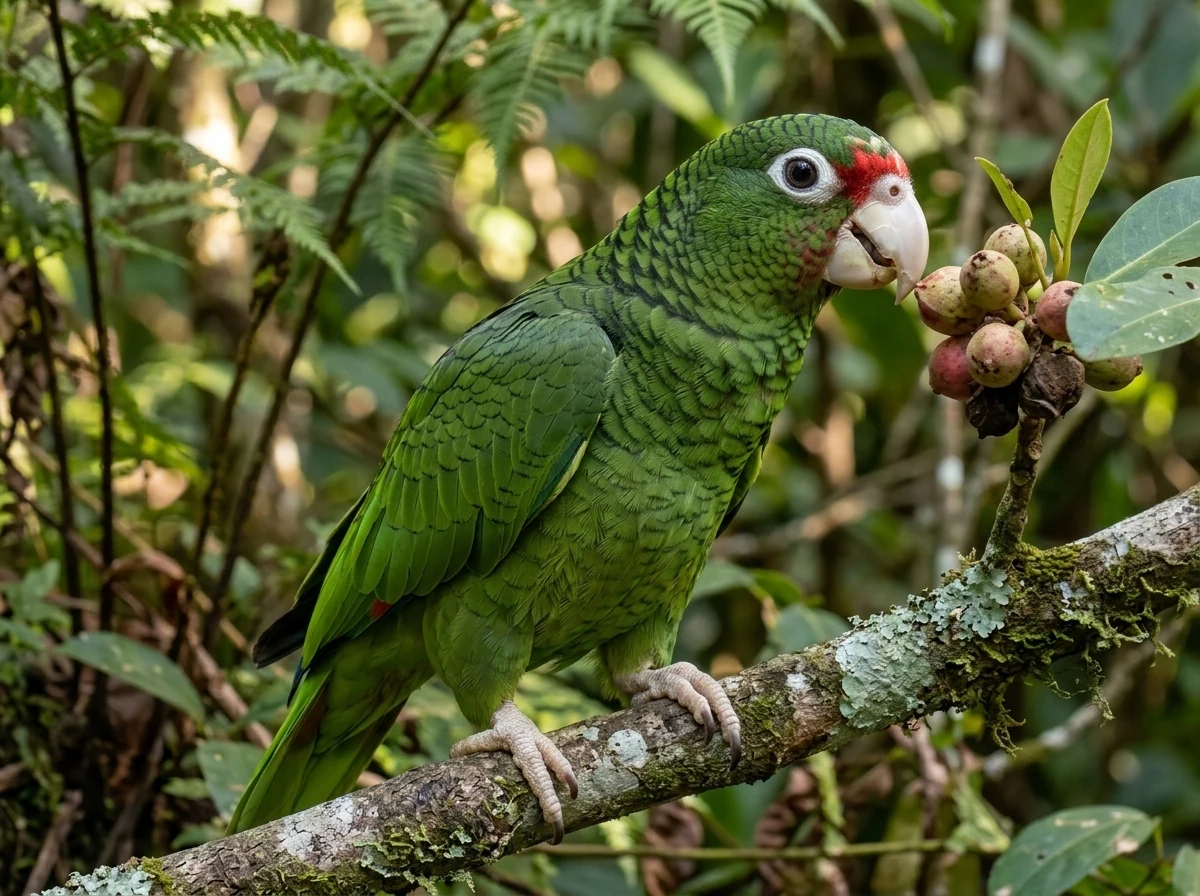
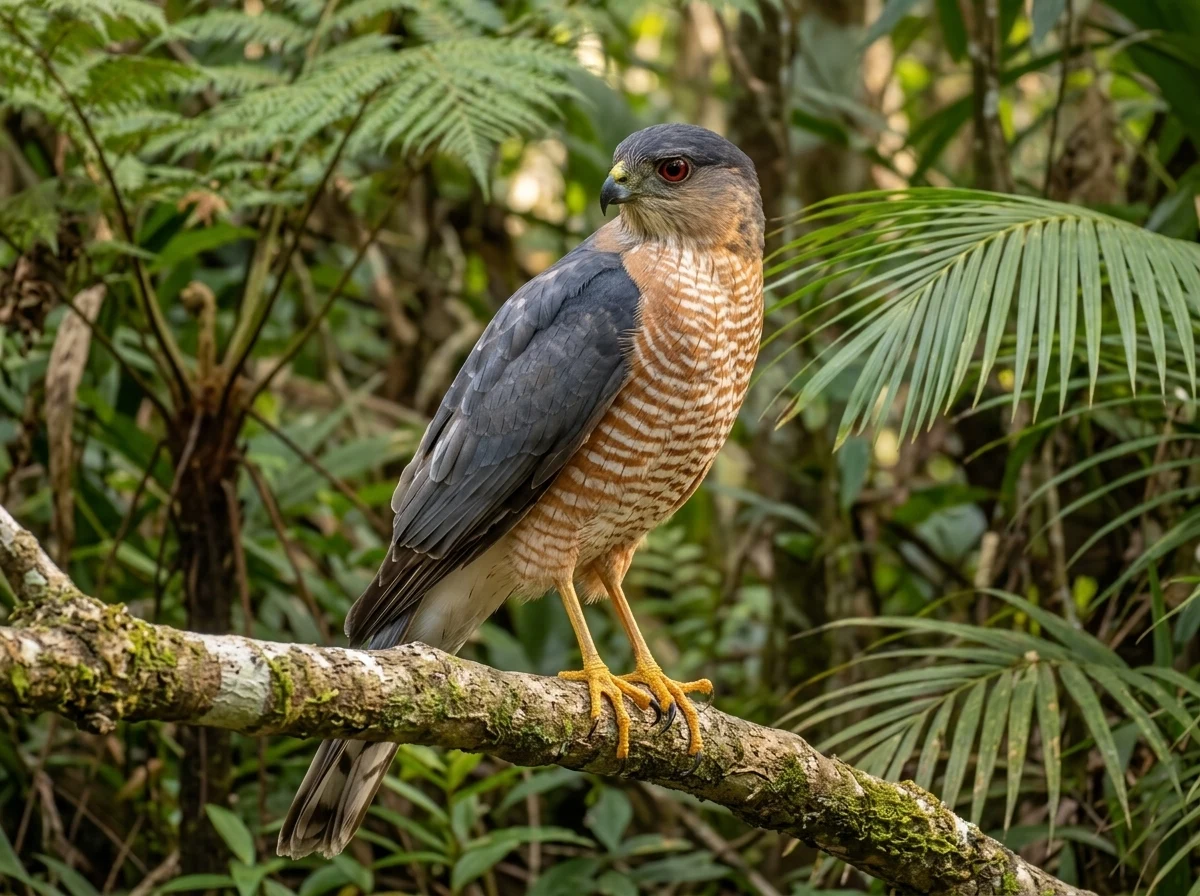
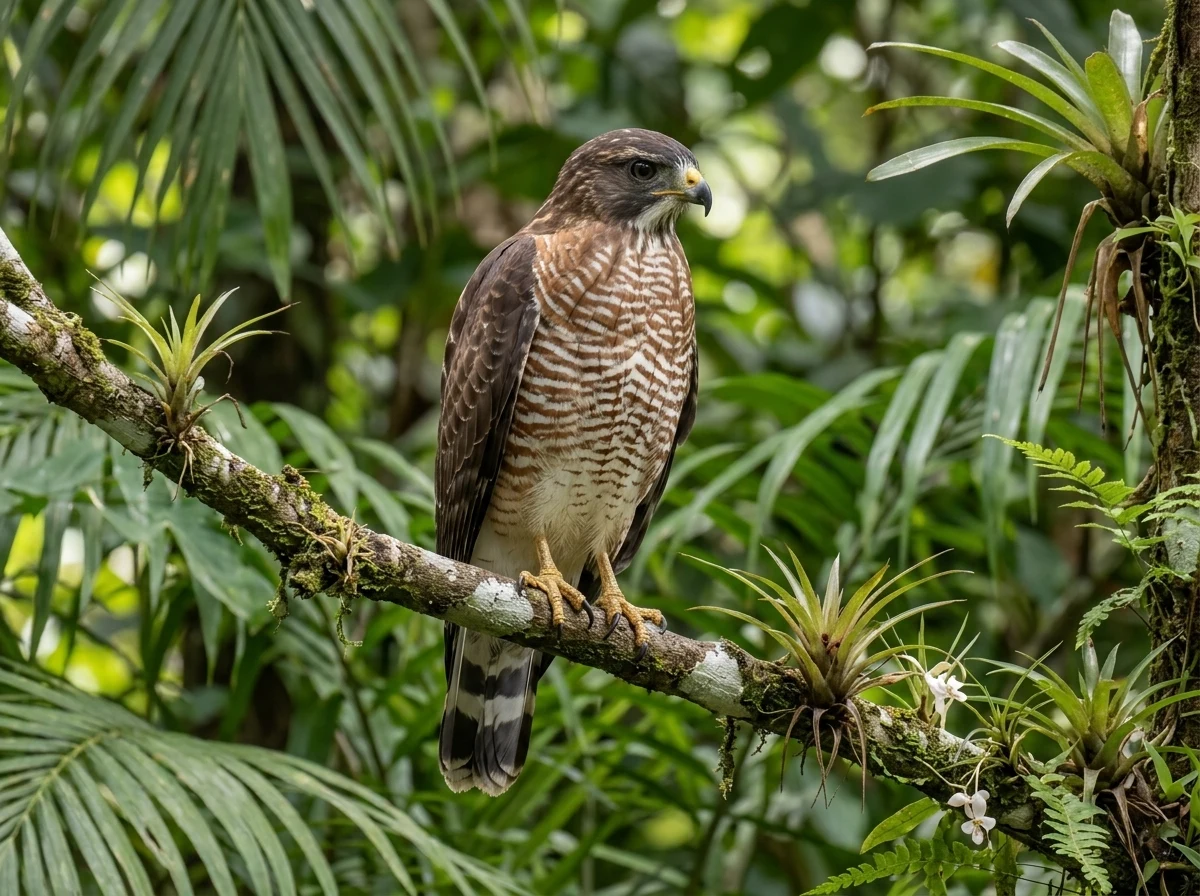
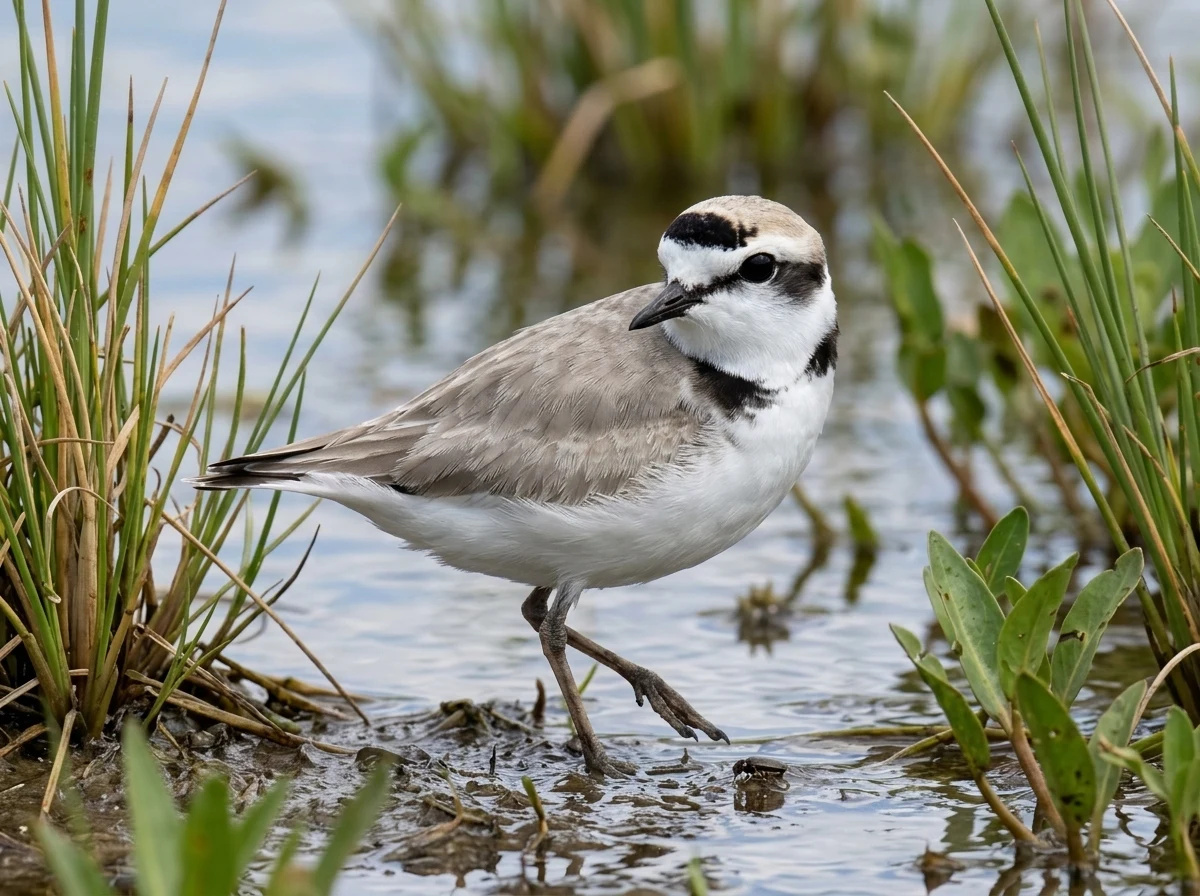
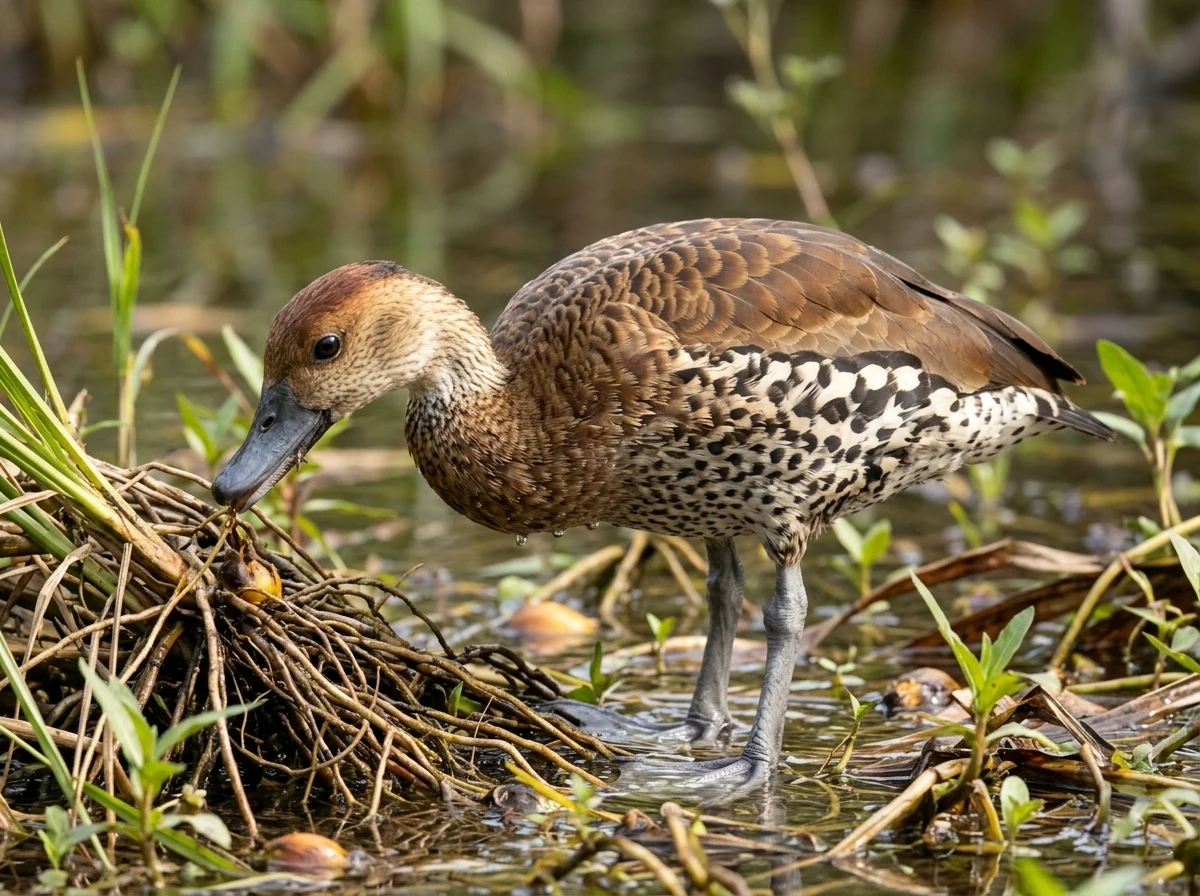
The most imperiled birds in Puerto Rico are the Puerto Rican Parrot (Iguaca), the Puerto Rican Sharp-shinned Hawk, the Puerto Rican Broad-winged Hawk, the Snowy Plover, and the West Indian Whistling-Duck, which the DNER classifies as critically endangered; next come the Yellow-shouldered Blackbird, Puerto Rican Nightjar, Masked Duck, Plain Pigeon, Brown Pelican, and Elfin-woods Warbler, classified as endangered. In all, the DNER list includes 28 birds across critically endangered, endangered, vulnerable, and one extirpated species.
The usual confusion comes from mixing lists. The Puerto Rico Department of Natural and Environmental Resources (DNER, or DRNA in Spanish) sets status under Puerto Rico law; the U.S. Fish and Wildlife Service applies the Endangered Species Act of 1973, which currently lists 10 birds with range in Puerto Rico; and the IUCN assesses each species' global extinction risk. The same bird can be endangered in Puerto Rico and of least concern worldwide, or the reverse.
Conservation
The lists by the numbers
28birds on the DNER list5 critically endangered, 6 endangered, 16 vulnerable, and 1 extirpated.
10federally listed birds in Puerto Rico7 endangered and 3 threatened under the Endangered Species Act.
1967first federal listing: the IguacaThe Puerto Rican Parrot was listed on March 11, 1967.
2024latest listing: Black-capped PetrelListed as endangered on January 29, 2024.
01
Critically endangered and endangered under the DNER
The DNER classifies five birds as critically endangered: the Puerto Rican Parrot, the Puerto Rican Sharp-shinned Hawk (subspecies venator), the Puerto Rican Broad-winged Hawk (subspecies brunnescens), the Snowy Plover, and the West Indian Whistling-Duck. Under Act 241 of 1999, that category is reserved for species facing an extremely high risk of extinction in the immediate future.
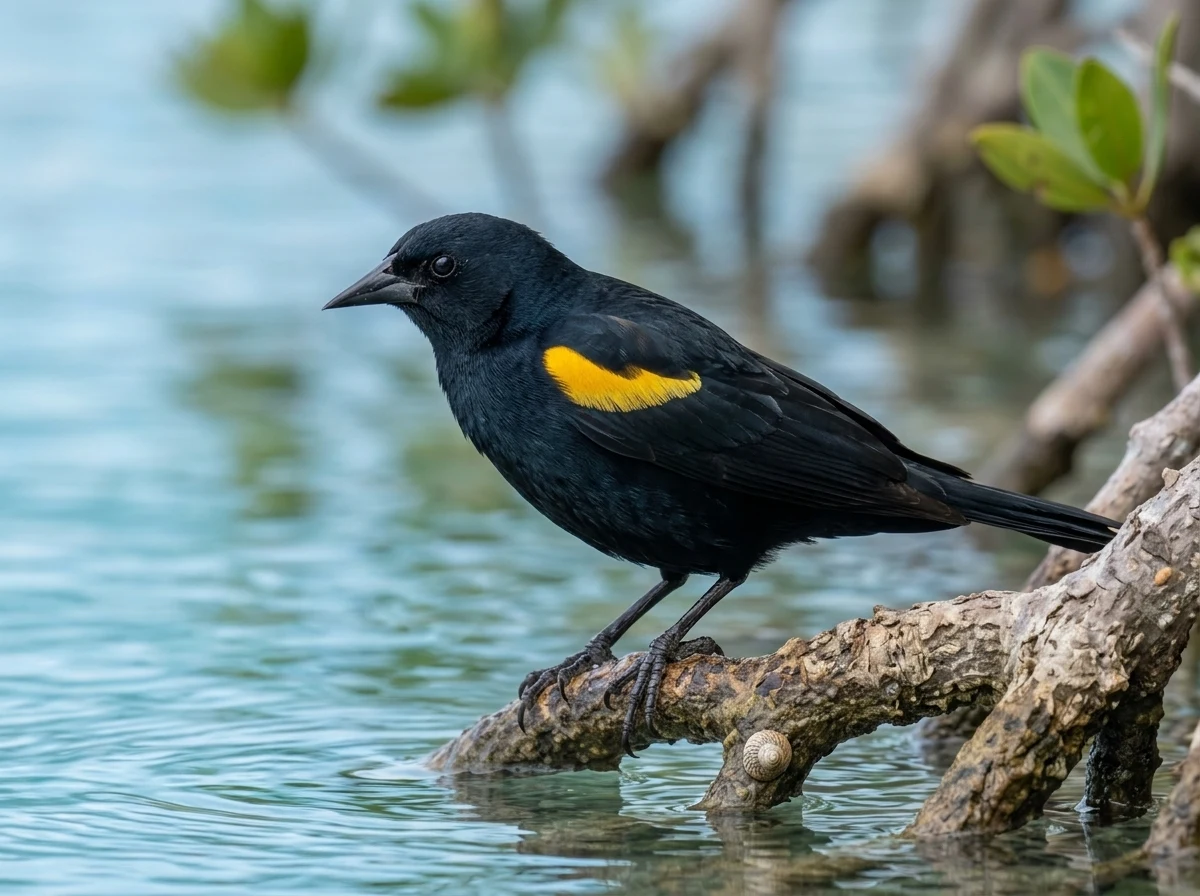
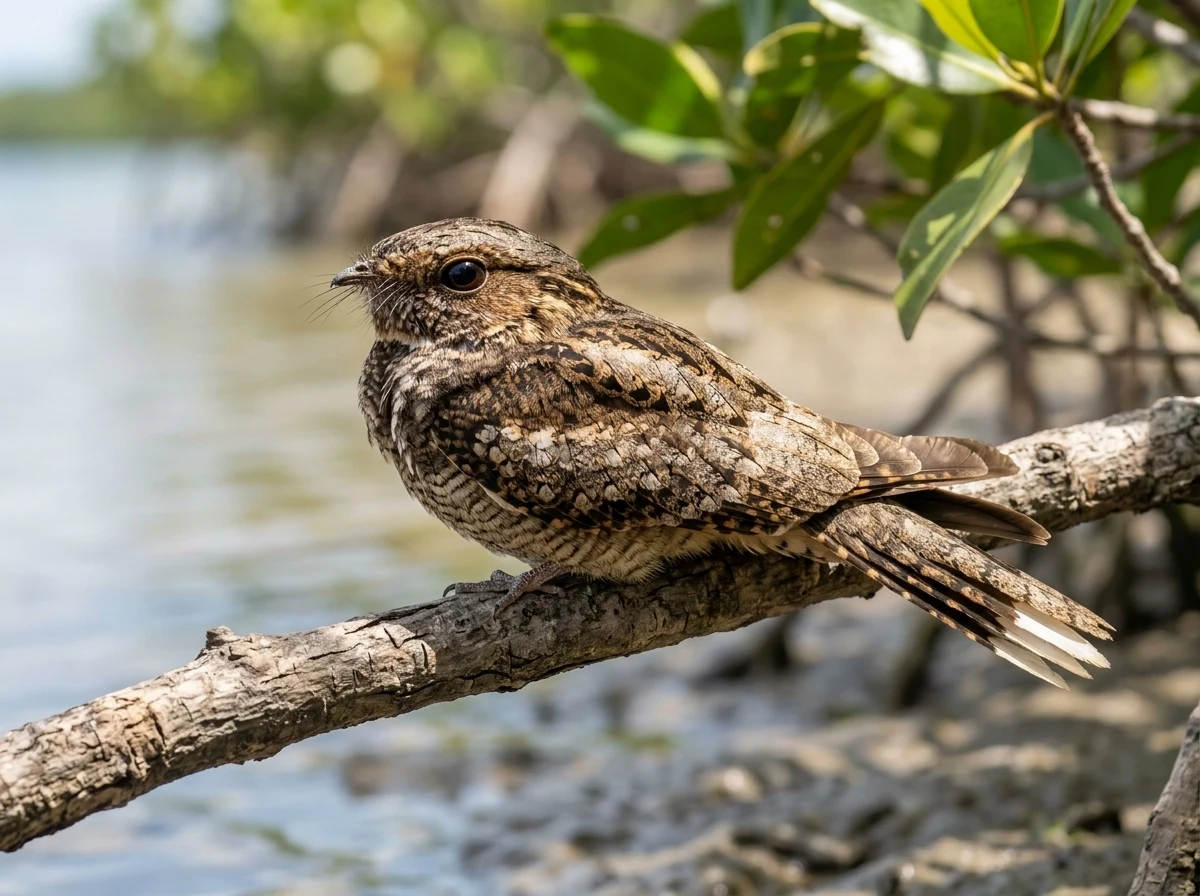
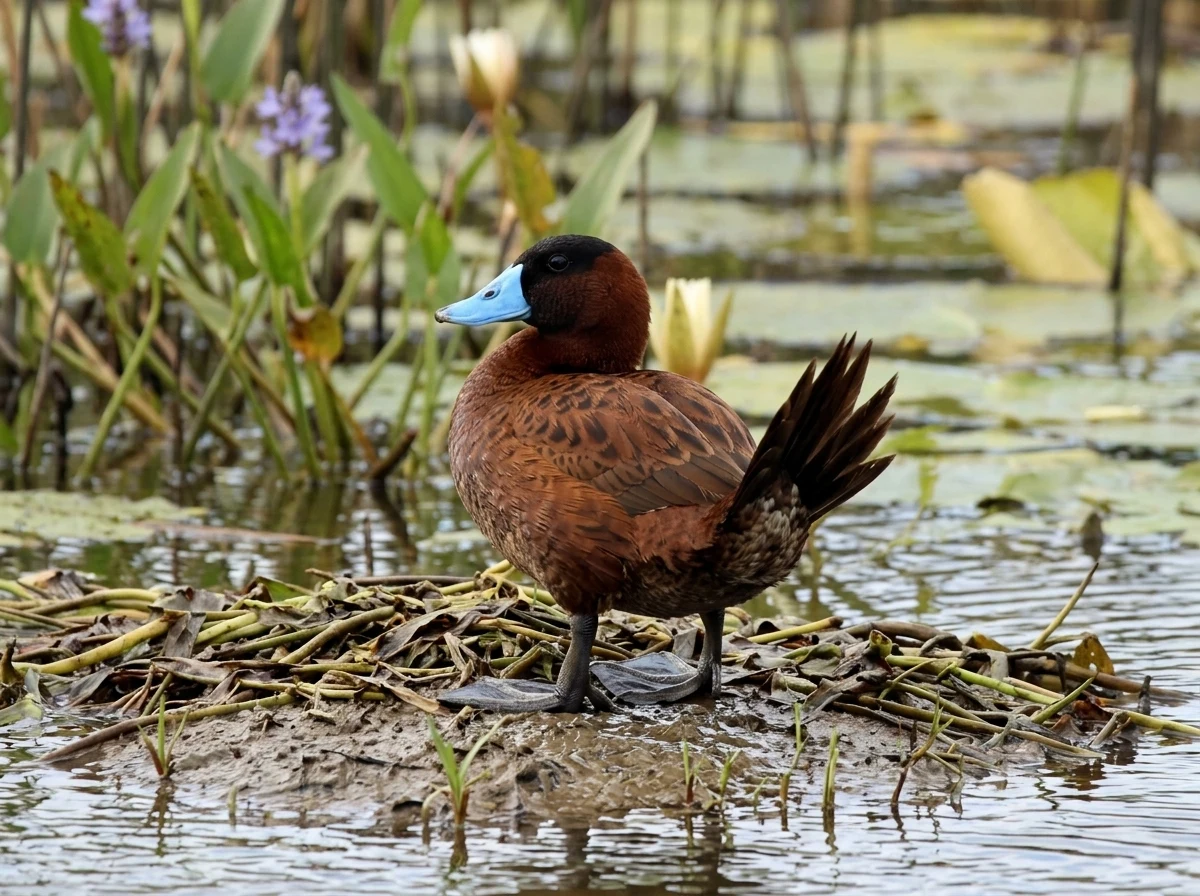
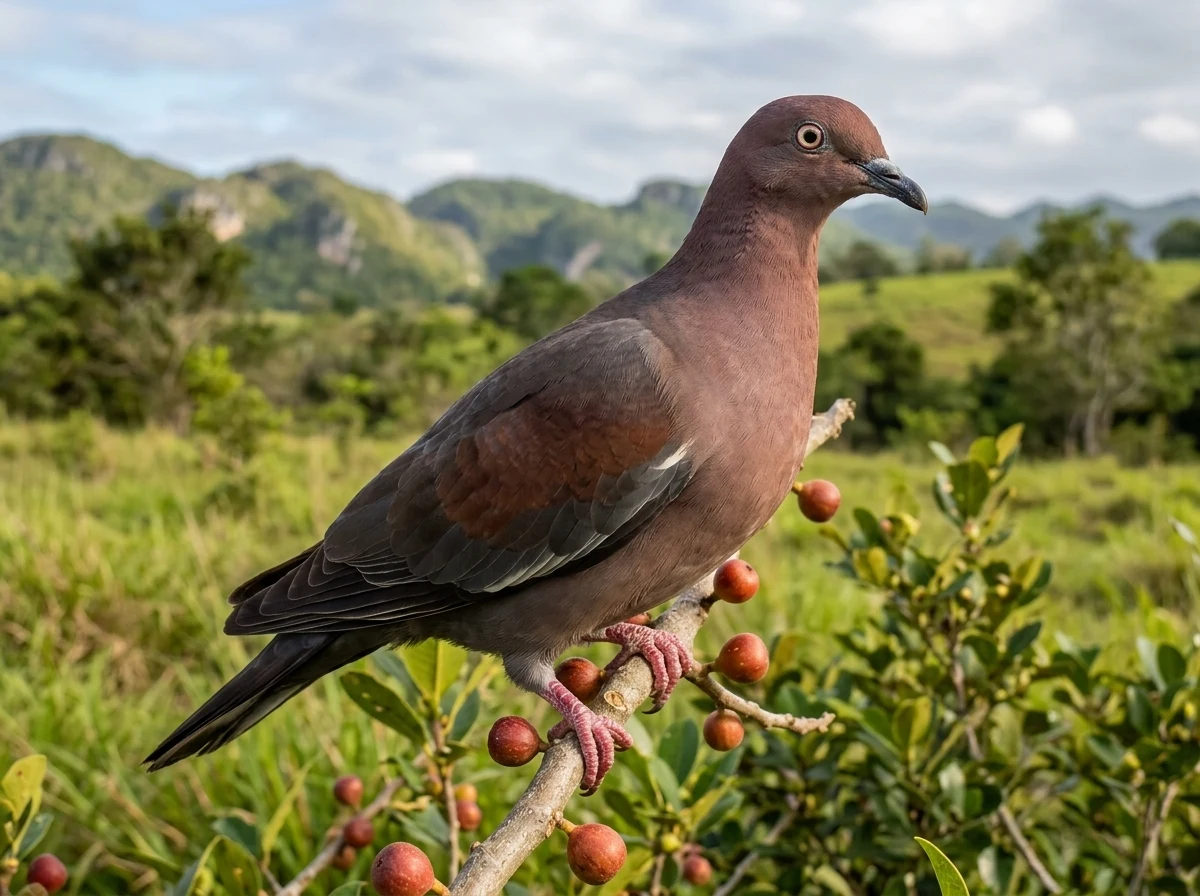
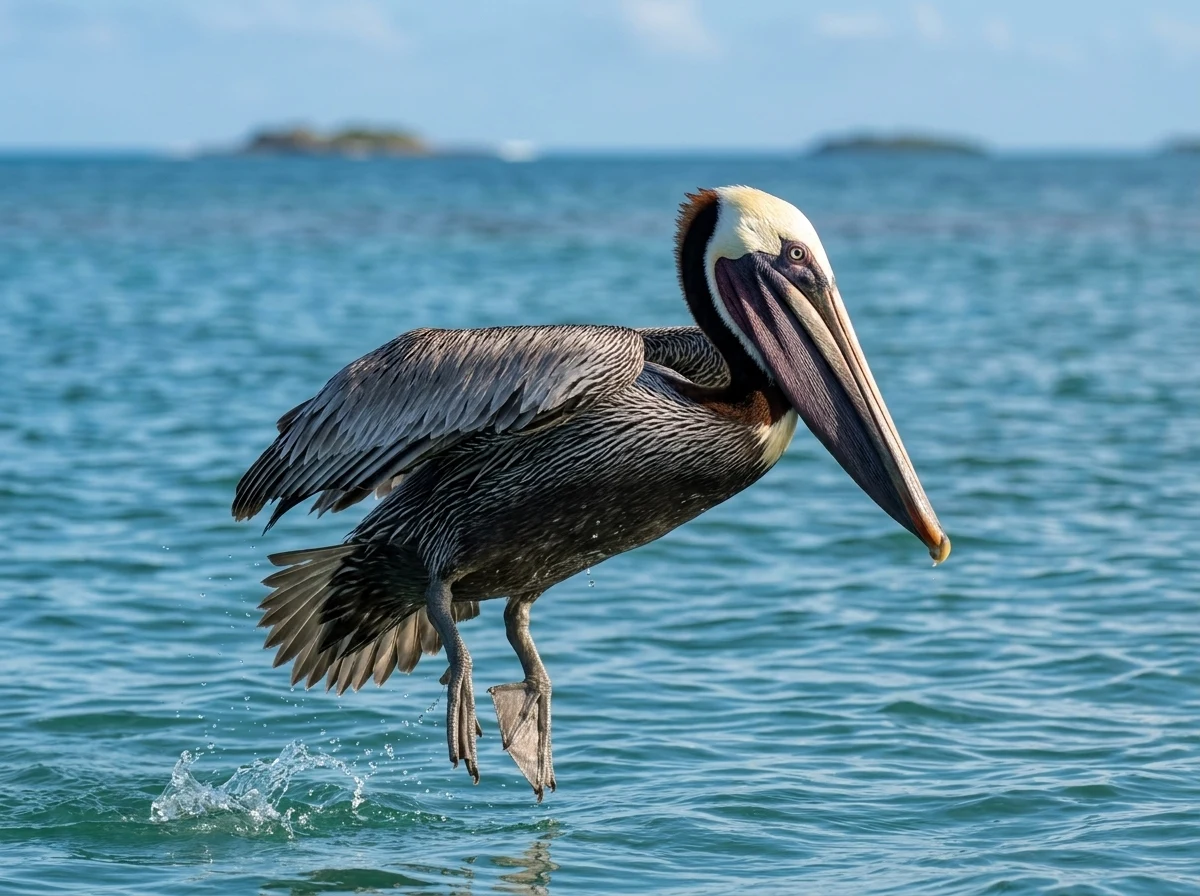
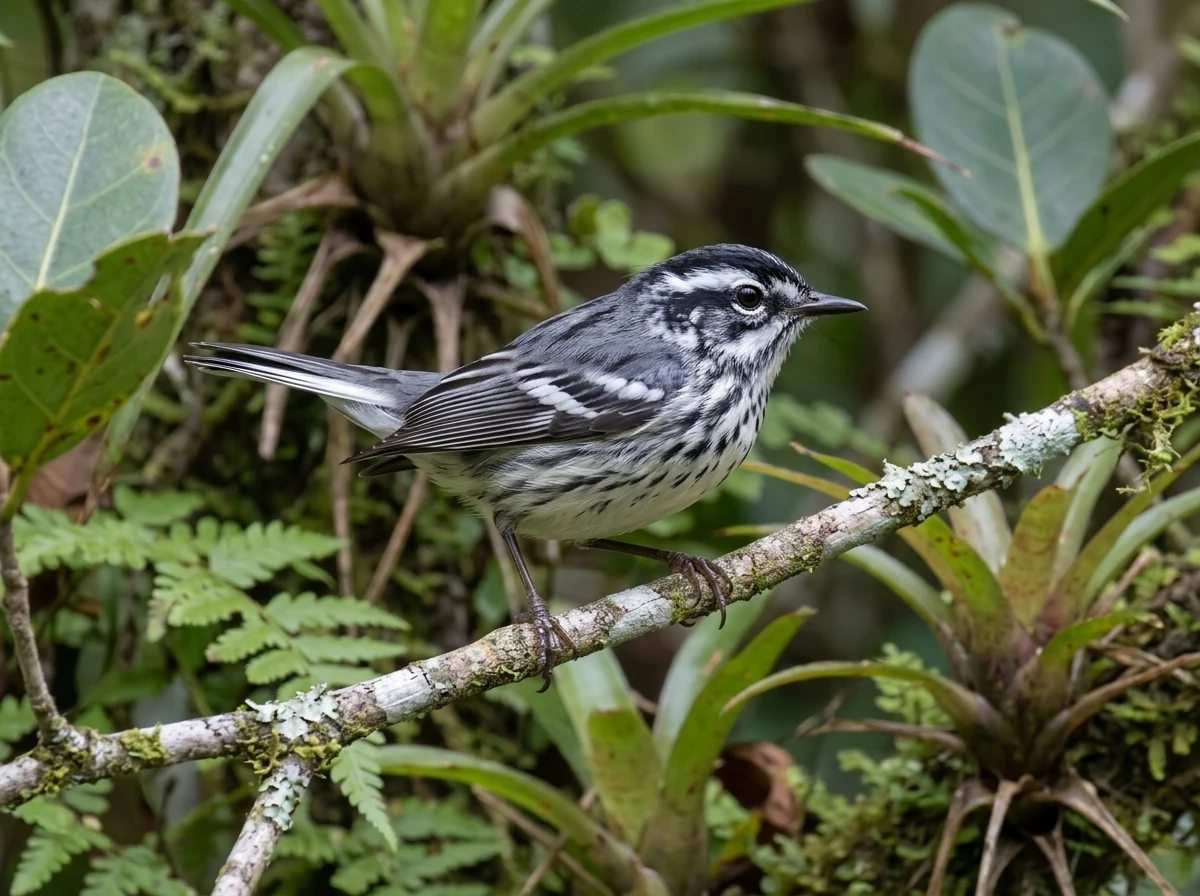
Six more are endangered: the Yellow-shouldered Blackbird, Puerto Rican Nightjar, Masked Duck, Plain Pigeon (subspecies wetmorei), Brown Pelican, and Elfin-woods Warbler. Four of these eleven birds are full endemic species (parrot, blackbird, nightjar, and Elfin-woods Warbler), while the two small forest hawks and the Plain Pigeon are subspecies found only in Puerto Rico.
02
The 16 vulnerable birds and the extirpated one
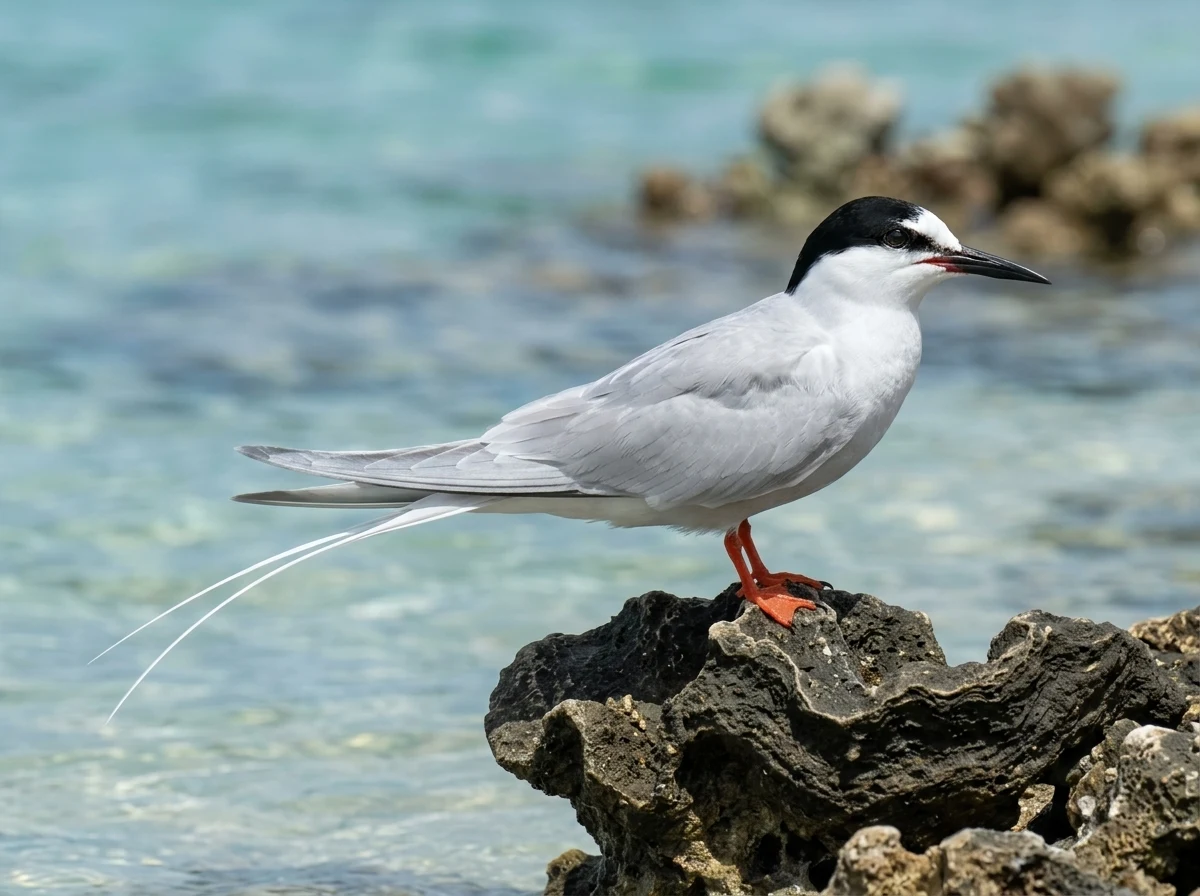
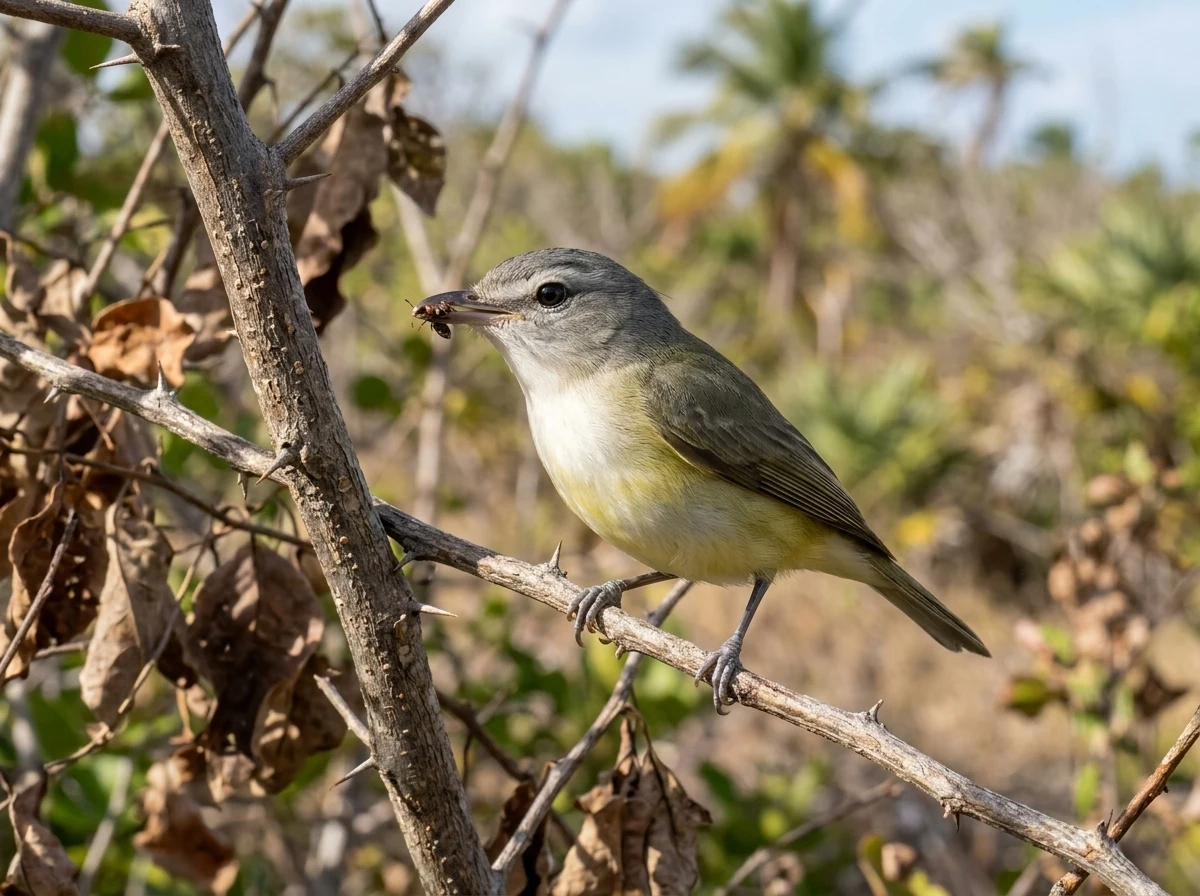
The vulnerable category covers waterbirds and shorebirds: White-cheeked Pintail, Ruddy Duck, American (Caribbean) Coot, American Oystercatcher, and Wilson's Plover. It also covers seabirds: Magnificent Frigatebird, Masked Booby, Red-footed Booby, Red-billed Tropicbird, White-tailed Tropicbird, Audubon's (Sargasso) Shearwater, Least Tern, and Roseate Tern. The Black Swift, the resident mangrove Yellow Warbler, and the Puerto Rican Vireo round out the list.
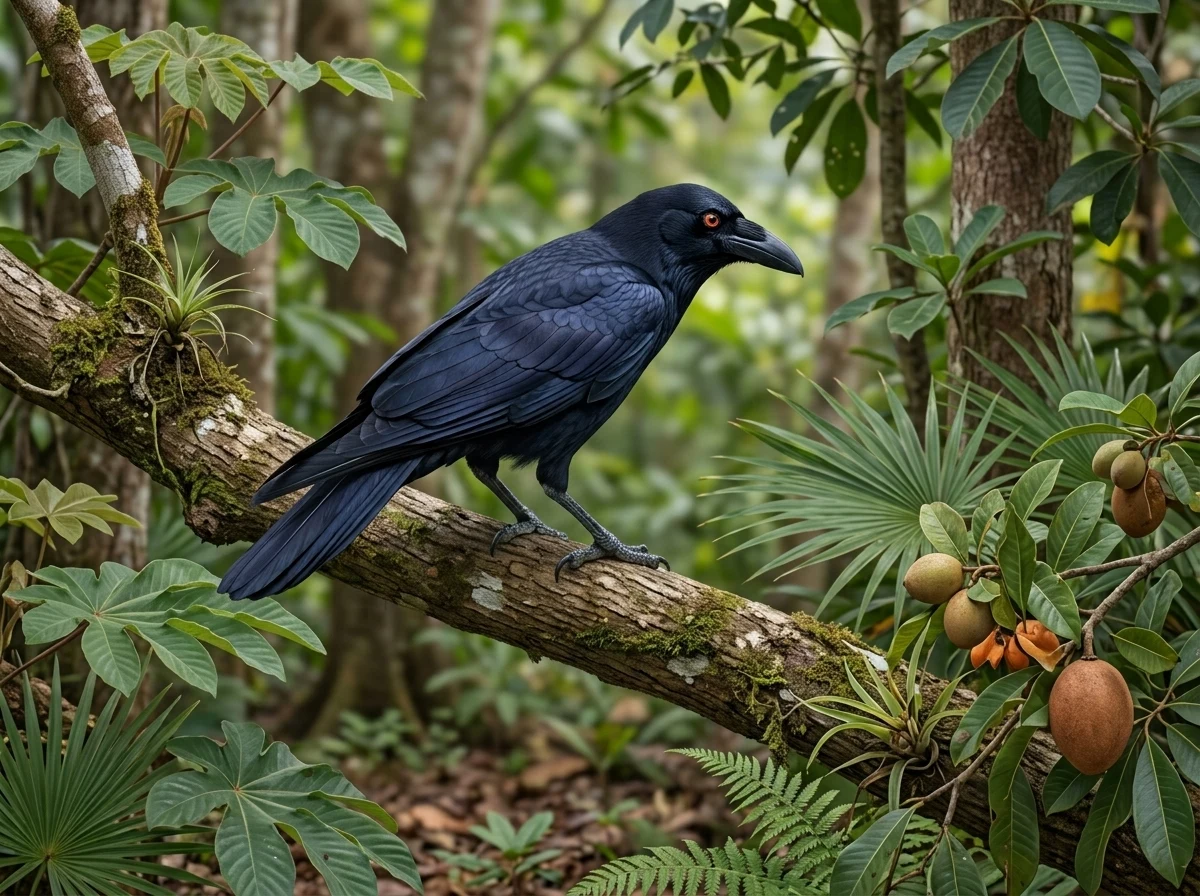
The White-necked Crow is listed as extirpated: it once lived in Puerto Rico and no longer does, although it survives on Hispaniola. That is not the same as extinct. Birds that vanished entirely, such as the Puerto Rican Parakeet, are not on this list because nothing remains to protect; those stories are in the extinct birds guide.
03
The 10 federally listed birds in Puerto Rico
Under the Endangered Species Act, the Fish and Wildlife Service lists seven birds with range in Puerto Rico as endangered: Puerto Rican Parrot (1967), Plain Pigeon (1970), Puerto Rican Nightjar (1973), Yellow-shouldered Blackbird (1976), Puerto Rican Sharp-shinned Hawk and Puerto Rican Broad-winged Hawk (both 1994), and Black-capped Petrel (2024).
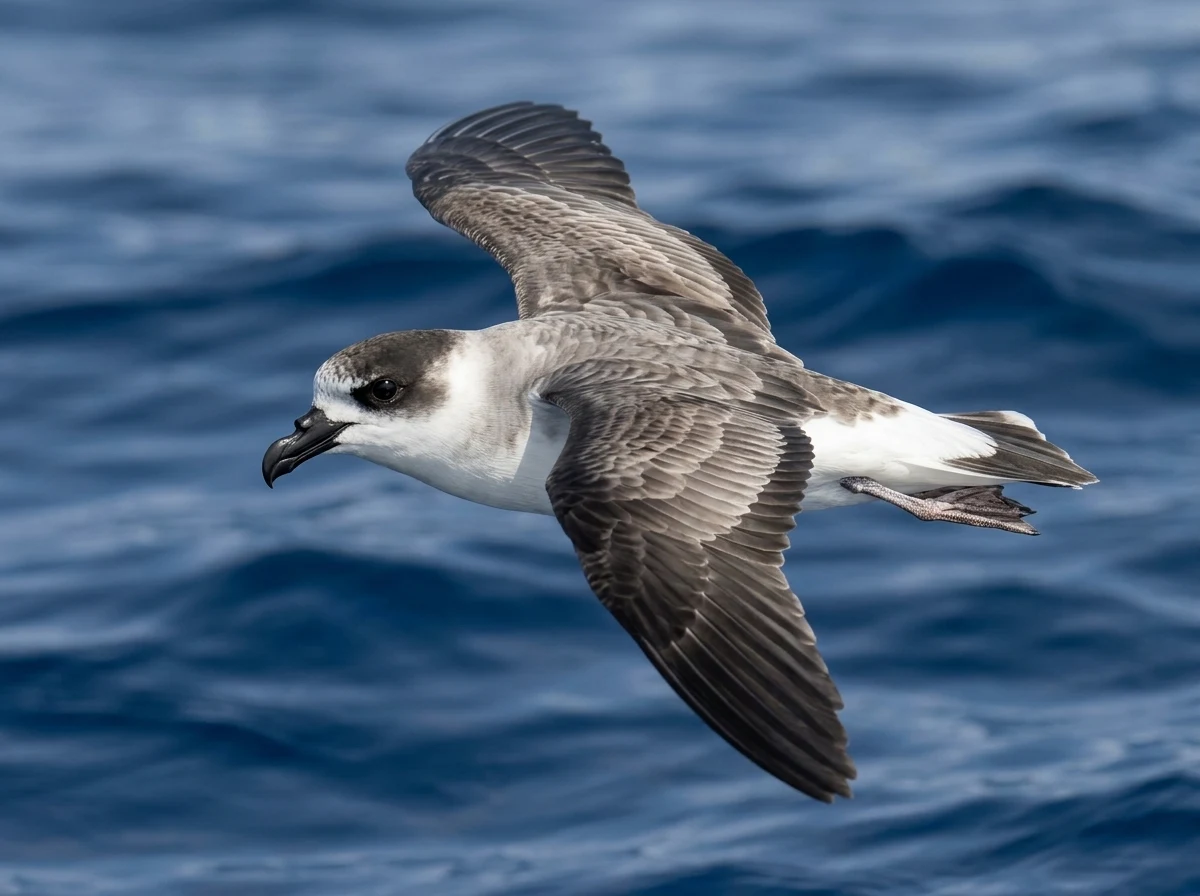
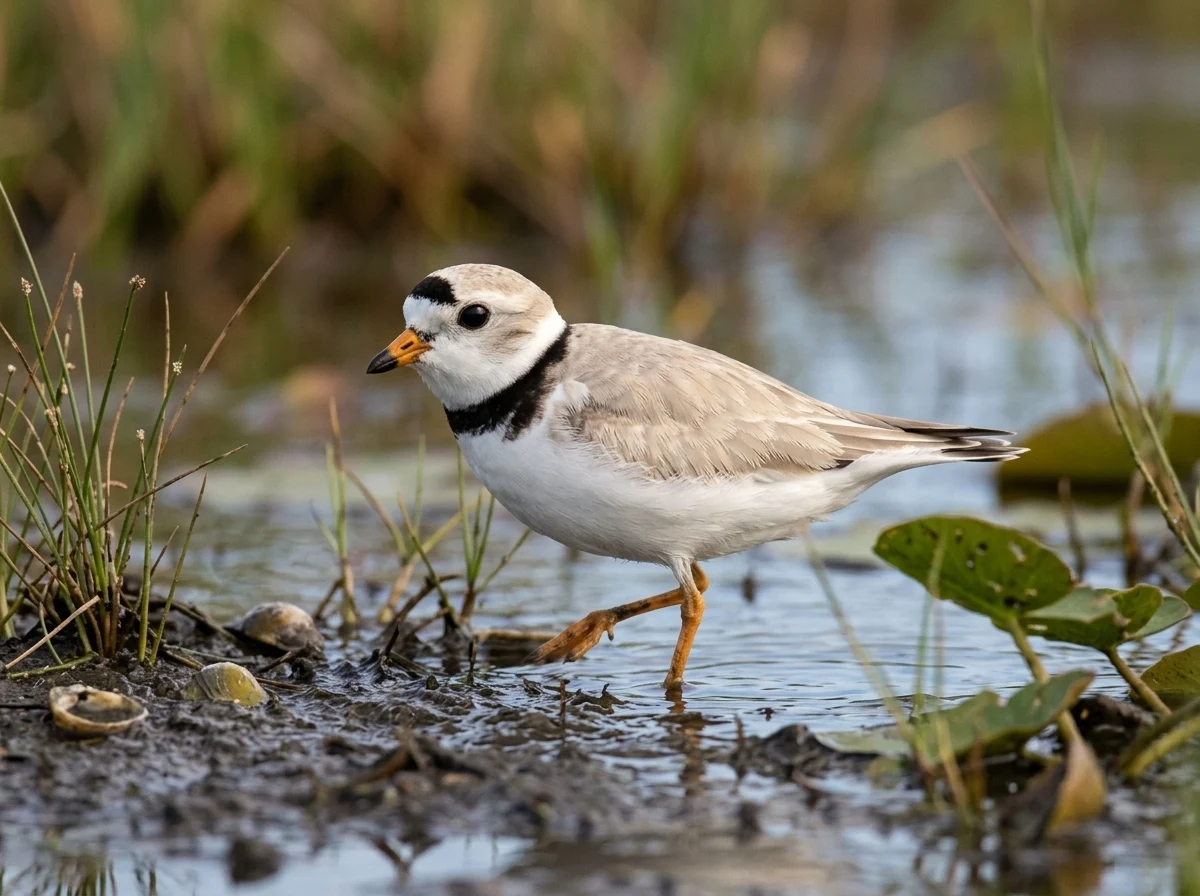
Three are threatened: Piping Plover (1985), Roseate Tern (1987), and Elfin-woods Warbler (2016). The Brown Pelican is the reverse case: it remains endangered under the DNER but does not appear on the current federal list for Puerto Rico. And the Black-capped Petrel, which nests on Hispaniola and is seen in Caribbean waters, is federally listed even though it is not on the DNER list.
04
The IUCN Red List: global risk
The IUCN measures a species' extinction risk across its entire range, not only in Puerto Rico. In our species profiles, the Puerto Rican Parrot is the only resident bird rated critically endangered; the Yellow-shouldered Blackbird, Elfin-woods Warbler, and Black-capped Petrel are endangered; and the Puerto Rican Nightjar, Puerto Rican Tanager, Puerto Rican Bullfinch, Black Swift, and White-necked Crow are vulnerable.
Useful differences show up here. The Puerto Rican Tanager and Puerto Rican Bullfinch are globally vulnerable endemics, yet they are on neither the DNER list nor the federal list. The Plain Pigeon, endangered on both local lists, is near threatened globally because the species also lives in Cuba, Hispaniola, and Jamaica. And the Puerto Rican Vireo is vulnerable for the DNER but of least concern for the IUCN.
05
Why they are endangered: the recurring threats
The causes repeat across species: forest loss and fragmentation, introduced predators such as rats, mongooses, and cats, hurricanes, and in some cases illegal hunting. The Plain Pigeon sums up the pattern: its population fell from about 4,257 birds in early 2017 to about 550 after Hurricane Maria, and in 2024 an estimated 407 remained in its core range.
The Yellow-shouldered Blackbird suffers brood parasitism by the Shiny Cowbird, which lays eggs in other birds' nests, and the Iguaca depends on captive breeding and release programs. Each has its own recovery guide on this site. For the vulnerable seabirds, dangers concentrate at nesting colonies: human disturbance, predators on cays and islets, and loss of coastal habitat.
06
How the list is updated and what it means for you
Regulation 6766, adopted on February 11, 2004, governs Puerto Rico's vulnerable and endangered species and requires the DNER Secretary to review the list at least every five years. Act 241 allows any public conservation organization to petition for a species' designation if it presents scientific information.
For the public, being on any of these lists means the same thing in practice: no capturing, no hunting, no touching nests, and no buying or selling. The guides on laws, citizen science, and cats explain how anyone can help without putting birds at risk.
Linked profiles
Protected birds of Puerto Rico
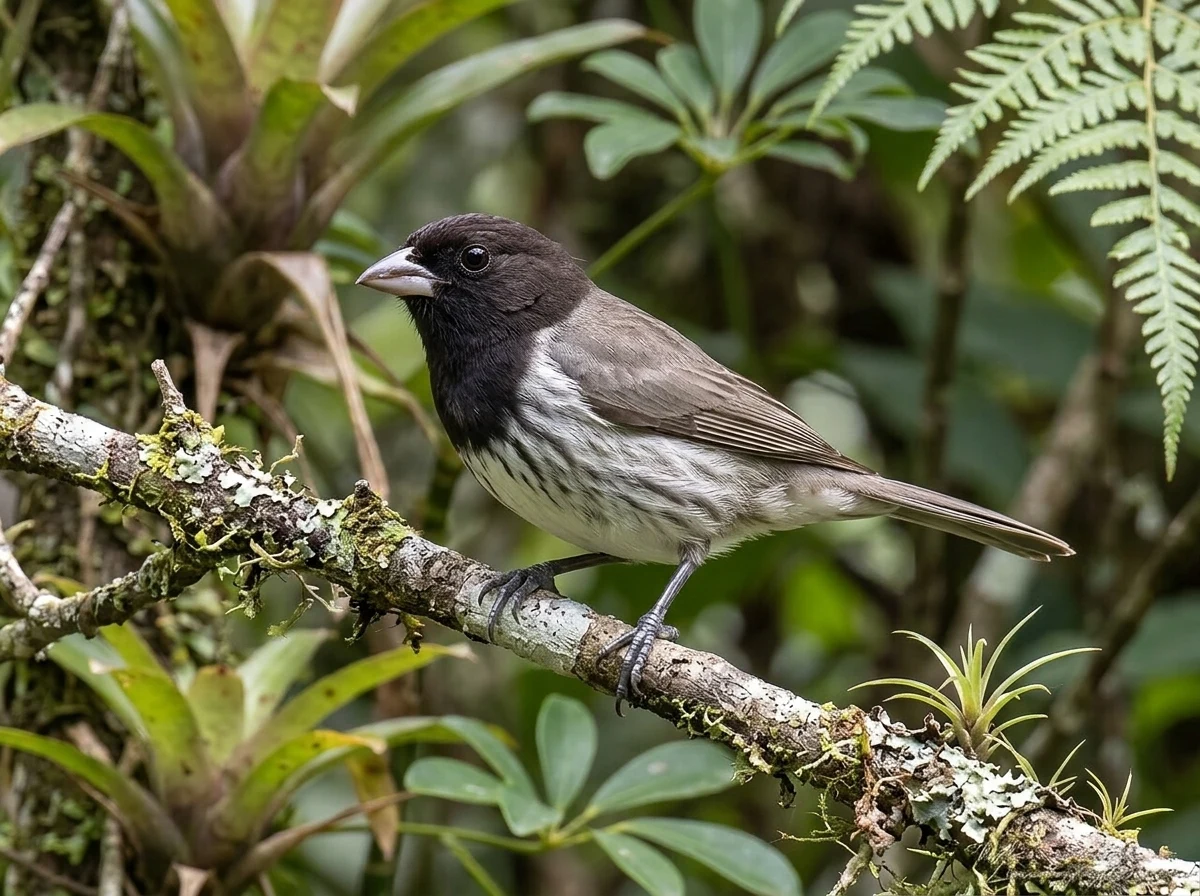
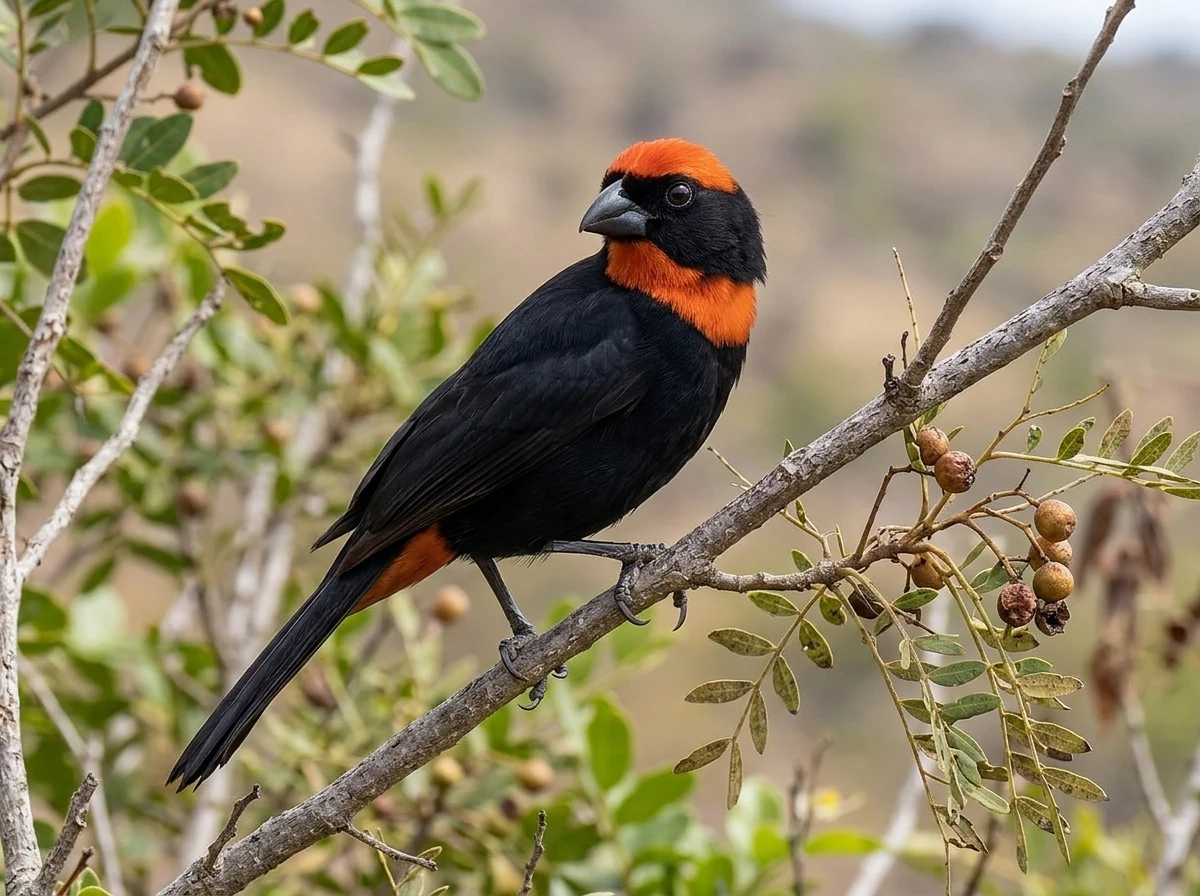
The critically endangered, endangered, and federally listed species, plus two globally vulnerable endemics.
Sound archive
Hear its voice
Explore real songs and calls. The spectrogram turns each sound into a visual trace of time and frequency.
XC793991Recording 1 of 3call

Play: call by Barry Edmonston
Choose another recording
Sound recorded by Barry Edmonston · XC793991 · CC BY-NC-SA 4.0. Visualization by Stichting Xeno-canto voor Natuurgeluiden.
Every recording retains the creator, catalogue number, and license published by Xeno-canto. Metadata via GBIF ↗
01
How many birds are endangered in Puerto Rico?
The DNER list includes 28 birds: 5 critically endangered, 6 endangered, 16 vulnerable, and the White-necked Crow as extirpated. At the federal level, 10 birds with range in Puerto Rico are listed: 7 endangered and 3 threatened.
02
What is the most endangered bird in Puerto Rico?
The Puerto Rican Parrot, or Iguaca, is the only native bird rated at the top level on all three lists: DNER critically endangered, federally endangered since 1967, and IUCN critically endangered. Its recovery depends on breeding aviaries and releases in El Yunque, Río Abajo, and Maricao.
03
What animals are endangered in Puerto Rico?
Besides birds, the DNER list includes amphibians such as the golden coquí (critically endangered) and the Puerto Rican crested toad (endangered), reptiles such as the Mona ground iguana (endangered) and the Puerto Rican boa (vulnerable), hawksbill and leatherback sea turtles (endangered), and the Antillean manatee (endangered).
04
Is the Plain Pigeon endangered?
Yes. Puerto Rico's subspecies is endangered under the DNER and under federal law since 1970. The Fish and Wildlife Service estimated 407 birds in its east-central core range in 2024, and its 2025 review concluded it still meets the definition of an endangered species.
05
Why can a bird be endangered in Puerto Rico but not globally?
Because each list answers a different question. The DNER evaluates the population living in Puerto Rico, while the IUCN evaluates the species across its whole range. The Brown Pelican, for example, is endangered for the DNER but of least concern worldwide.
06
Which Puerto Rico birds are already extinct?
Historic extinctions include the Puerto Rican Parakeet, and the fossil record includes species such as the Puerto Rican Palm Swift, Puerto Rican Woodcock, and Puerto Rican Caracara. The White-necked Crow is not extinct: it vanished from Puerto Rico but survives on Hispaniola.
Keep exploring
Connected routes
Sources and review
The evidence is one link away.
These sources support the editorial scope of this guide. Bird profiles also retain their own taxonomy, occurrence, and conservation references.
Reviewed:
01↗02↗03↗04↗05↗06↗07↗
USDA APHIS Wildlife Services, en consulta con el DRNA
Environmental assessment: managing mammal and reptile damage in Puerto Rico (2021)
Table C.3 of DNER-designated critically endangered, endangered, and vulnerable species; summary of Regulation 6766 and legal authority over feral cats.U.S. Fish and Wildlife Service
Federally listed species with range in Puerto Rico (ECOS)
Federal status (endangered or threatened) and listing date for the 10 Endangered Species Act birds with range in Puerto Rico.Oficina de Gerencia y Presupuesto, Gobierno de Puerto Rico
New Wildlife Law of Puerto Rico, Act 241-1999 as amended
Official text (rev. April 16, 2026): definitions, Article 6 prohibited acts, and Article 22 penalties.U.S. Fish and Wildlife Service, Caribbean Ecological Services Field Office
Puerto Rican Plain Pigeon: 5-year status review (August 2025)
Population history, 2024 estimate, nesting, threats, 1982 recovery-plan criteria, and recommended actions.BirdLife International
White-necked Crow factsheet
Current range, status, and conservation context for White-necked Crow.U.S. Fish and Wildlife Service
Yellow-shouldered Blackbird recovery plan
Range, nesting, threats, and recovery.U.S. Fish and Wildlife Service
Puerto Rican Parrot recovery
Populations, management, and goals of the interagency program.The atlas continues