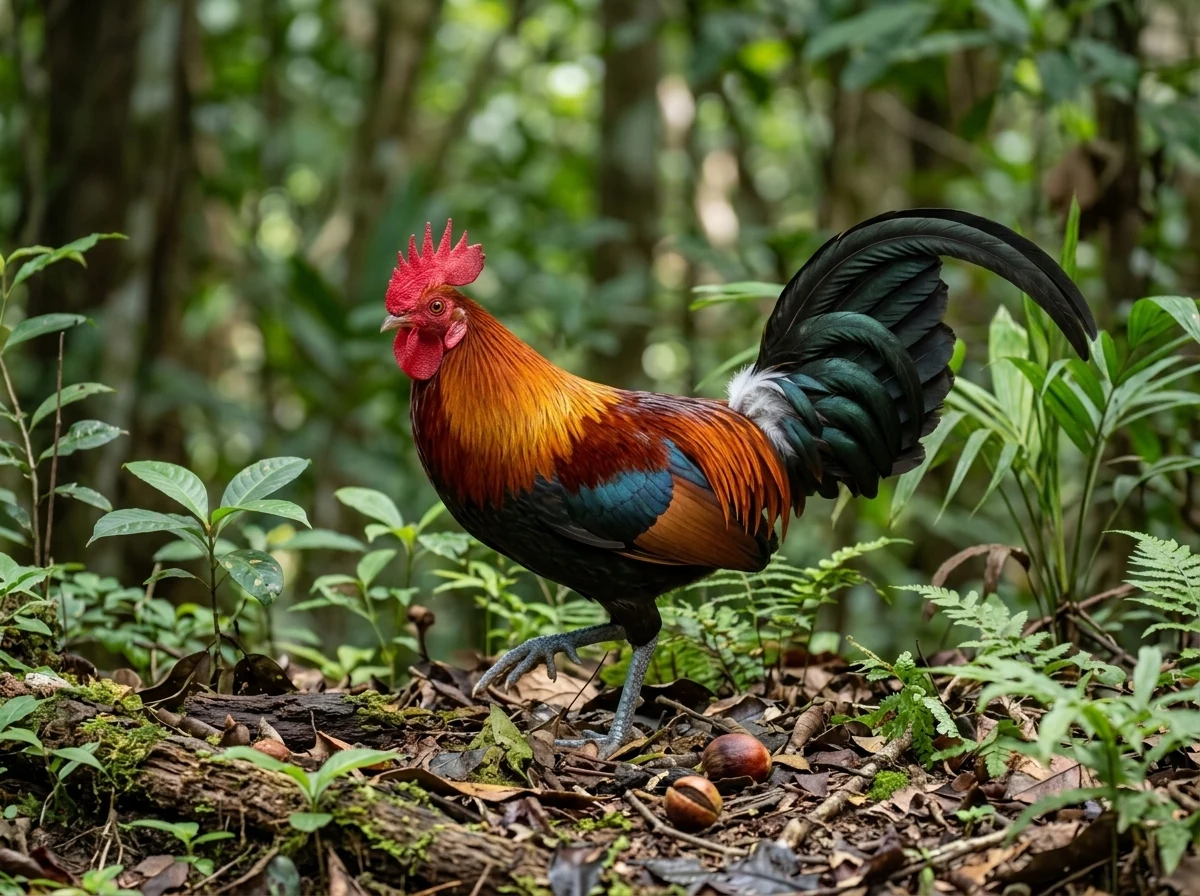
 AI
AIAI reconstruction created with Nano Banana 2 · 1K, grounded in the profile’s documented taxonomy, habitat, natural-history sources, and an open-license visual reference when available. It is an interpretive image, not documentary evidence. Image policy →
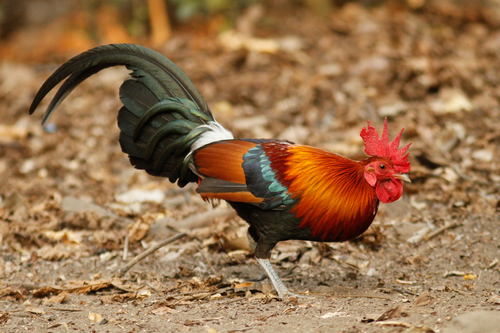
Red Junglefowl
Gallo Silvestre
Gallus gallus
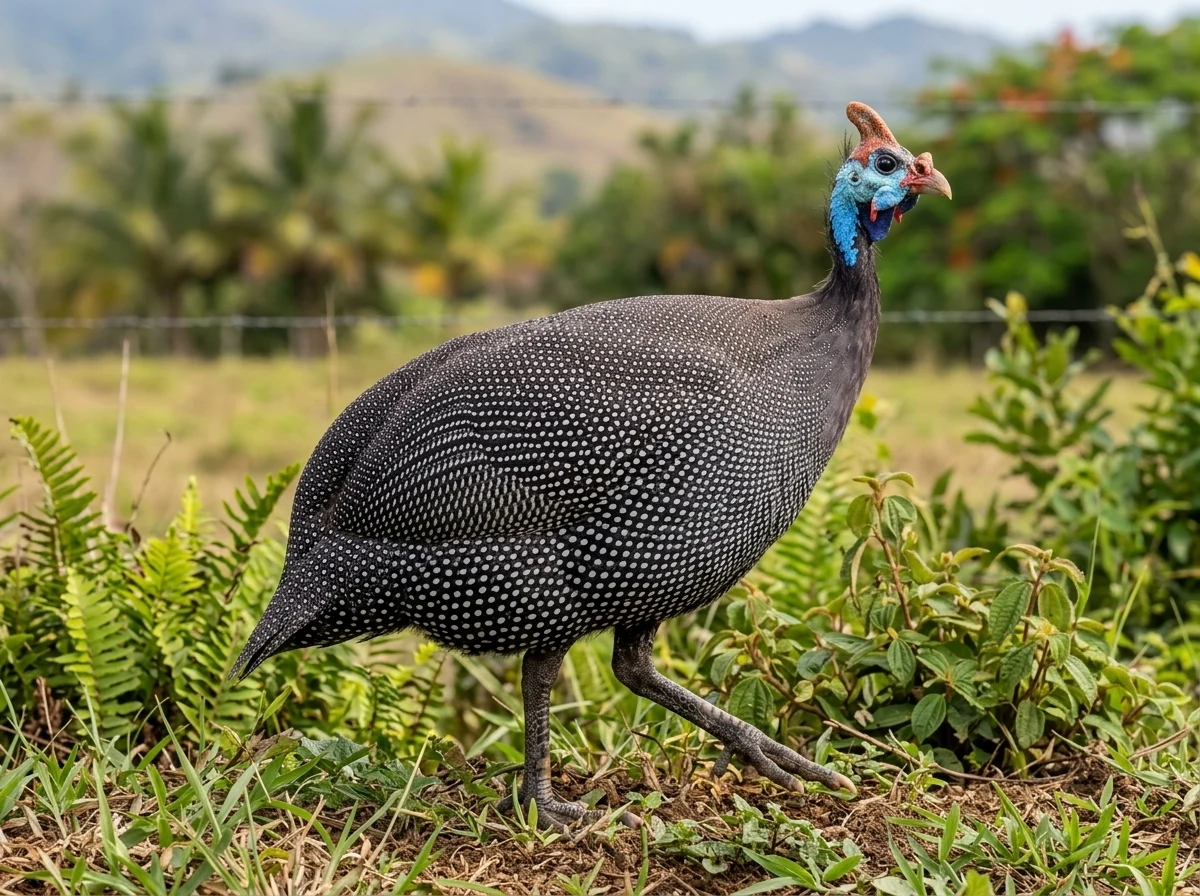
The red junglefowl (Gallus gallus), also known as the Indian red junglefowl (and formerly the bankiva or bankiva-fowl), is a species of tropical, galliform bird in the phasianid family, found across much of Southeast and parts of South Asia. The red junglefowl was the primary species to give rise to today's many breeds of domesticated chicken (G. g. domesticus). Lesser contributions came from the grey junglefowl (G. sonneratii), Sri Lankan junglefowl (G. lafayettii) and the Javanese green junglefowl (G. varius). Whole genome sequencing has revealed that the chicken was first domesticated from red junglefowl ca. 8,000 years ago, with this domestication event involving multiple maternal origins. The domesticated variant is raised worldwide by humans in their tens of billions for their meat, eggs, colourful plumage and companionship. The wild form of G. gallus is sometimes used in zoos, parks or botanical gardens as a form of pest control, similarly to—and often kept with—the Indian peafowl (Pavo cristatus) or the helmeted guinea fowl (Numida meleagris).
Sound archive
Hear its voice
Explore real songs and calls. The spectrogram turns each sound into a visual trace of time and frequency.

Play: song by Michael John O Mahony
Choose another recording
Sound recorded by Michael John O Mahony · XC1048462 · CC BY-NC-SA 4.0. Visualization by Stichting Xeno-canto voor Natuurgeluiden.
Every recording retains the creator, catalogue number, and license published by Xeno-canto. Metadata via GBIF ↗
Island profile
About the Red Junglefowl
This atlas includes Red Junglefowl (Gallus gallus) with atlas status “Introduced” within scope “Avibase inferred core 380.” Global trait data associate it primarily with forest; consult the linked records to resolve its Puerto Rico habitat use.
Conservation
Least Concern
IUCN LC
- Global IUCN
- LC
- Puerto Rico DNER
- No current listing in source crosswalk
- Federal ESA
- No current listing in source crosswalk
- Critical habitat
- Not identified in source crosswalk
Natural history
How it lives
- Habitat
- forests
- Elevation
- 0–2400 m
- Nest
- Ground; Tree
- Clutch
- 4–12 eggs
- Social behavior
- Pairs / family groups
Keep exploring
This bird belongs to 5 paths through the atlas.
Related in the atlas
Where to fly next
Connected by taxonomy, habitat, occurrence, and conservation.
 AI
AI AI
AI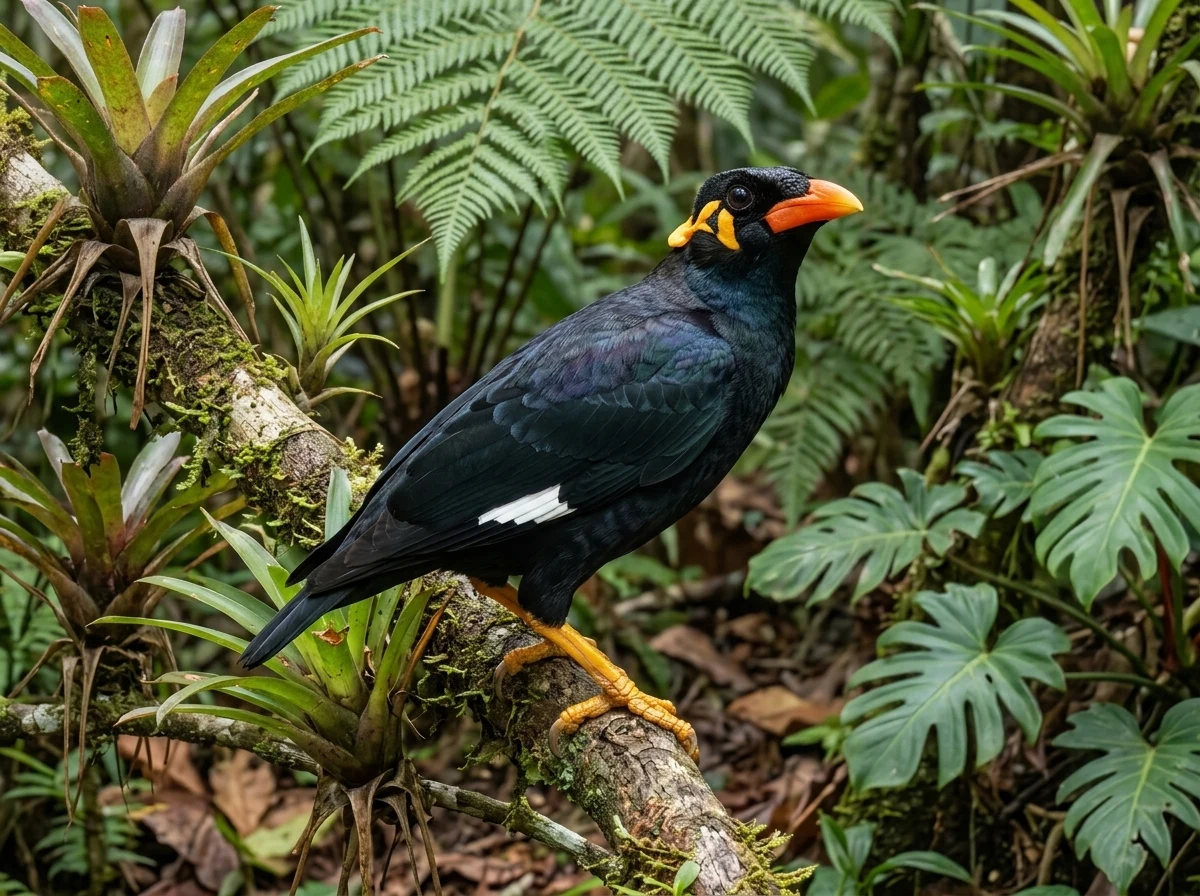 AI
AI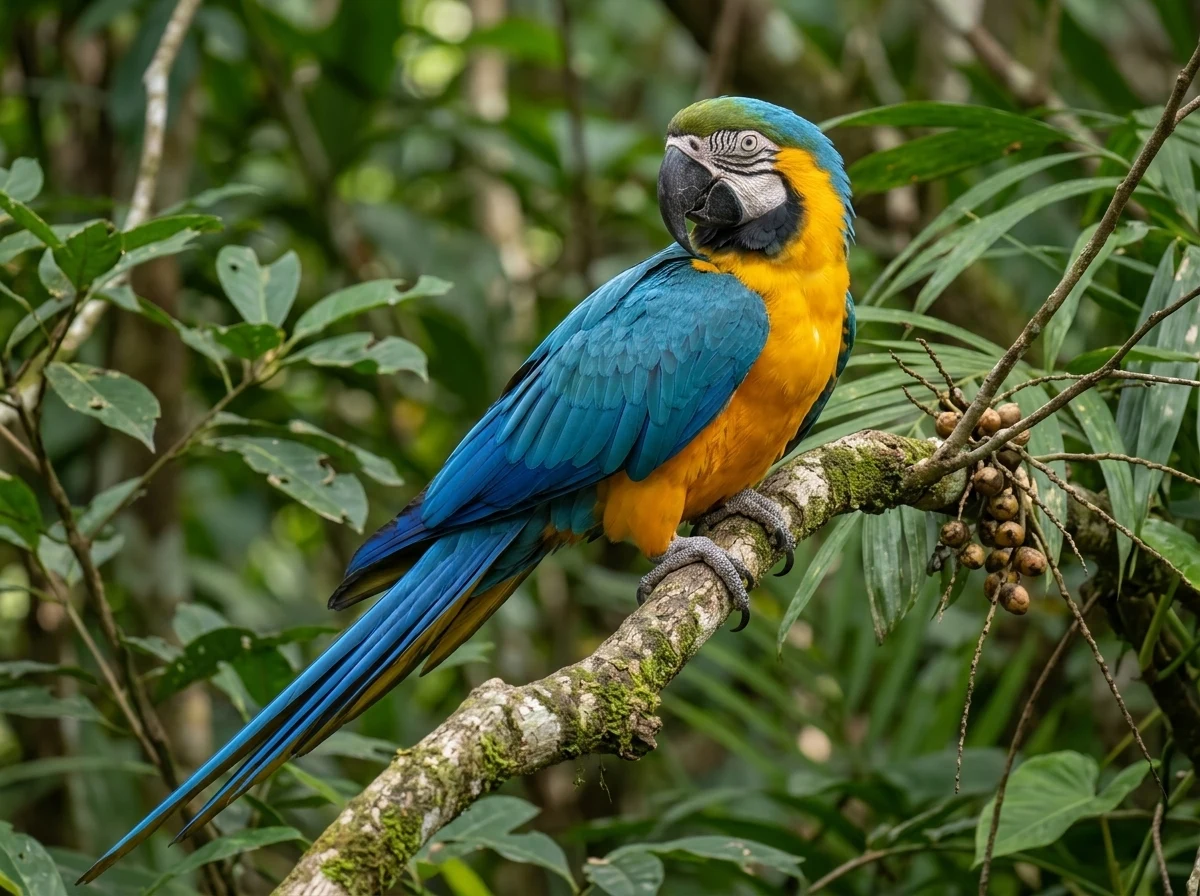 AI
AI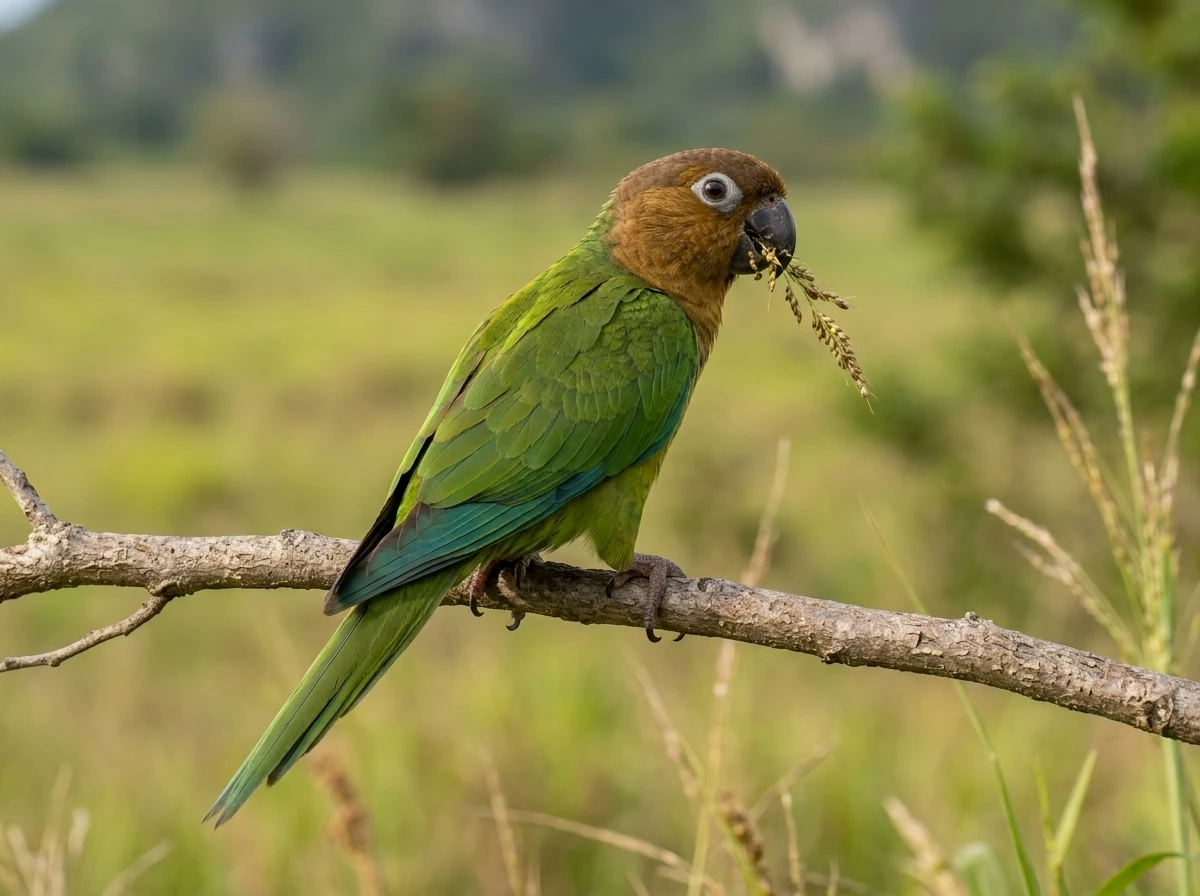 AI
AI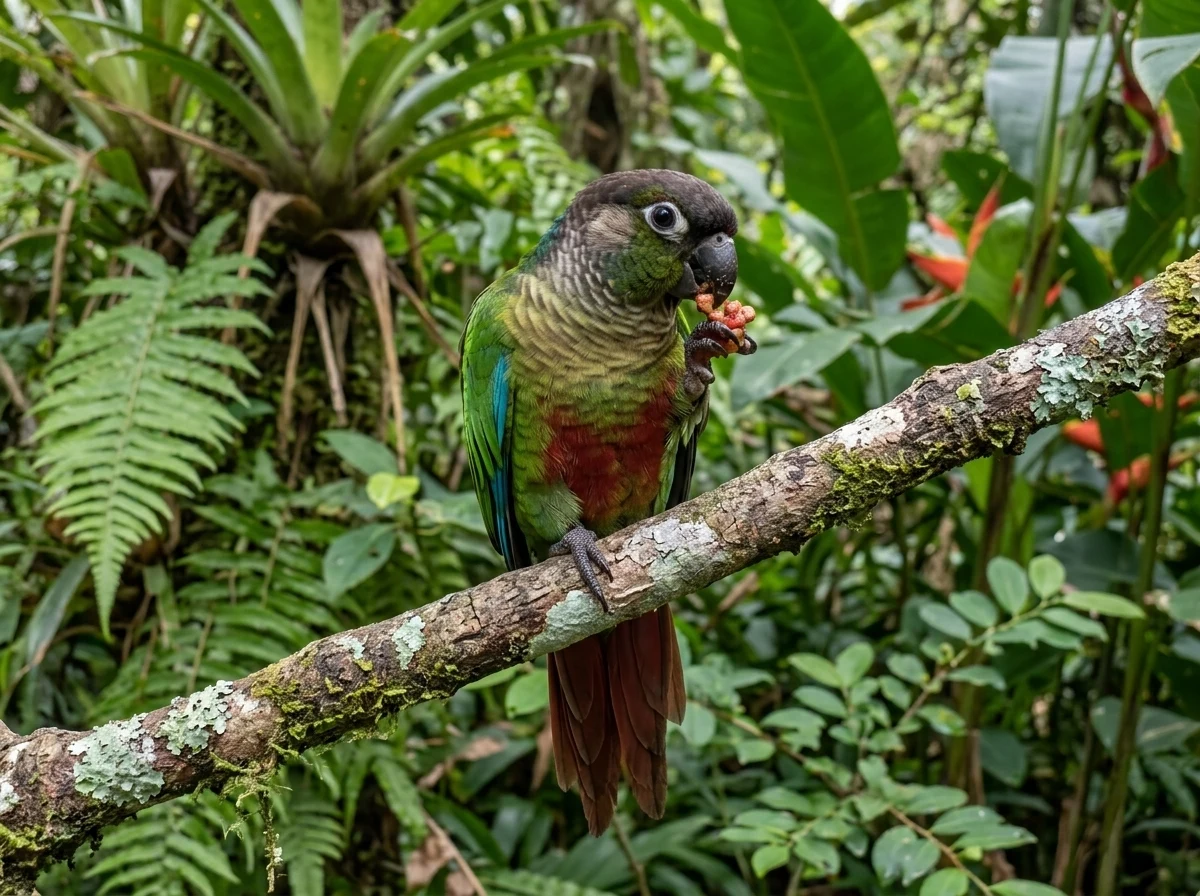 AI
AI
Evidence trail