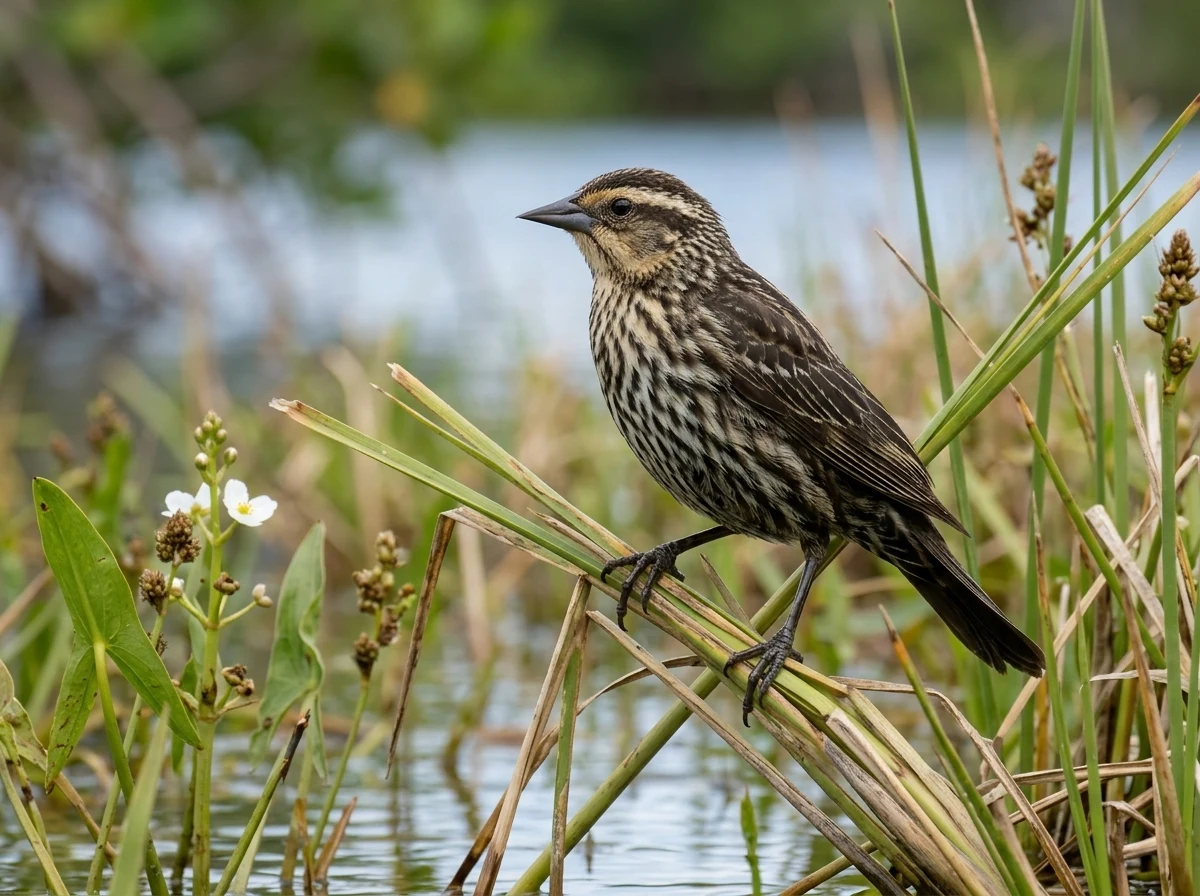
 AI
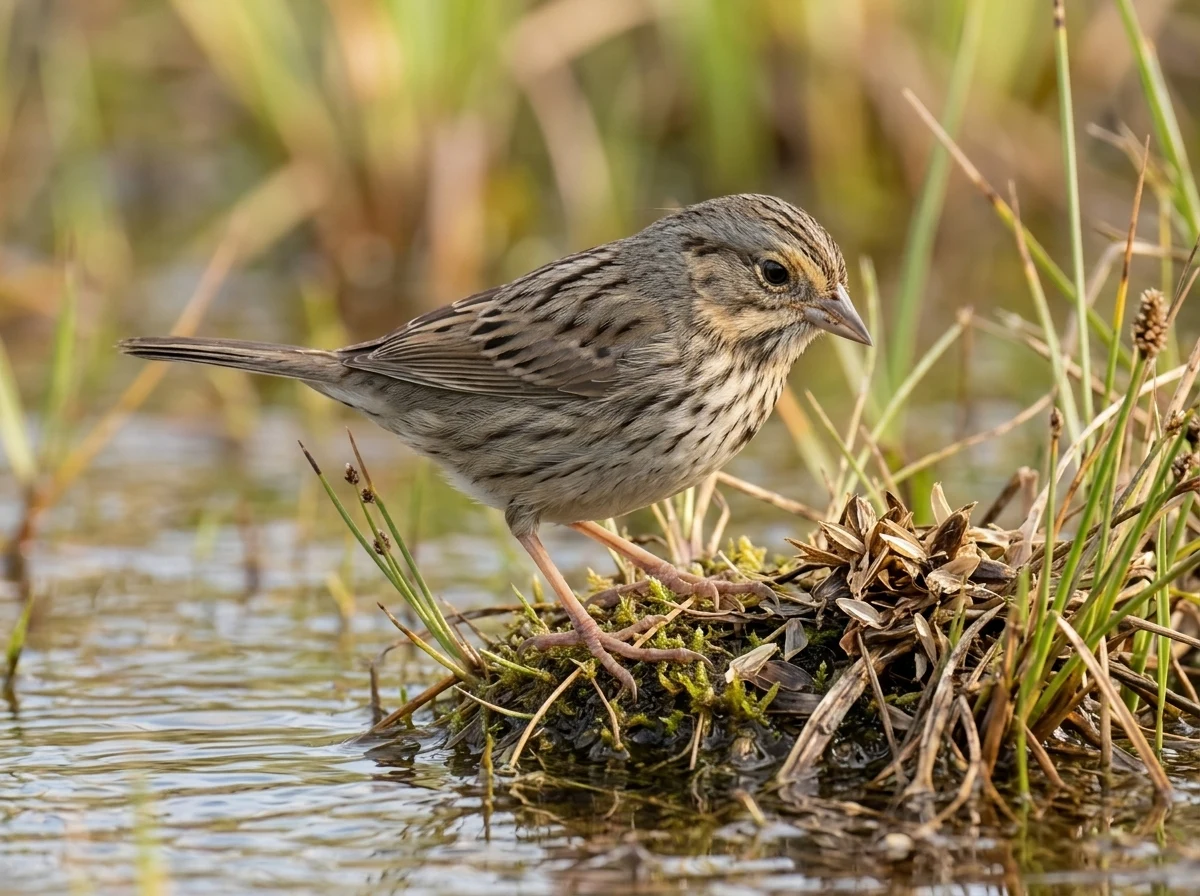
AIAI reconstruction created with Nano Banana 2 · 1K, grounded in the profile’s documented taxonomy, habitat, natural-history sources, and an open-license visual reference when available. It is an interpretive image, not documentary evidence. Image policy →

Red-winged Blackbird
Tordo Sargento
Agelaius phoeniceus
The red-winged blackbird (Agelaius phoeniceus) is a passerine bird of the family Icteridae found in most of North America and much of Central America. It breeds from Alaska and Newfoundland south to Florida, the Gulf of Mexico, Mexico, and Guatemala, with isolated populations in western El Salvador, northwestern Honduras, and northwestern Costa Rica. It may winter as far north as Pennsylvania and British Columbia, but northern populations are generally migratory, moving south to Mexico and the Southern United States. Claims have been made that it is the most abundant living land bird in North America, as bird-counting censuses of wintering red-winged blackbirds sometimes show that loose flocks can number in excess of a million birds per flock and the full number of breeding pairs across North and Central America may exceed 250 million in peak years. It also ranks among the best-studied wild bird species in the world. The red-winged blackbird is sexually dimorphic; the male is all black with a red shoulder and yellow wing bar, while the female is a nondescript dark brown. Seeds and insects make up the bulk of the red-winged blackbird's diet.
Sound archive
Hear its voice
Explore real songs and calls. The spectrogram turns each sound into a visual trace of time and frequency.

Play: song, call by Ed Pandolfino
Choose another recording
Sound recorded by Ed Pandolfino · XC1089594 · CC BY-NC-SA 4.0. Visualization by Stichting Xeno-canto voor Natuurgeluiden.
Every recording retains the creator, catalogue number, and license published by Xeno-canto. Metadata via GBIF ↗
Island profile
About the Red-winged Blackbird
This atlas includes Red-winged Blackbird (Agelaius phoeniceus) with atlas status “Accidental / vagrant” within scope “Avibase inferred core 380.” Global trait data associate it primarily with wetland; consult the linked records to resolve its Puerto Rico habitat use.
Conservation
Least Concern
IUCN LC
- Global IUCN
- LC
- Puerto Rico DNER
- No current listing in source crosswalk
- Federal ESA
- No current listing in source crosswalk
- Critical habitat
- Not identified in source crosswalk
Natural history
How it lives
- Habitat
- wetlands
- Elevation
- 0–2500 m
- Nest
- Cup / bowl · Grass; Shrub / bush / vine; Tree; Ground
- Clutch
- 2–4 eggs
- Social behavior
- Not resolved
Keep exploring
This bird belongs to 6 paths through the atlas.
Guides featuring this bird
Follow this record beyond the profile.
Identification, sound, place, and explanatory guides connecting this species to larger questions.
Related in the atlas
Where to fly next
Connected by taxonomy, habitat, occurrence, and conservation.
 AI
AI AI
AI AI
AI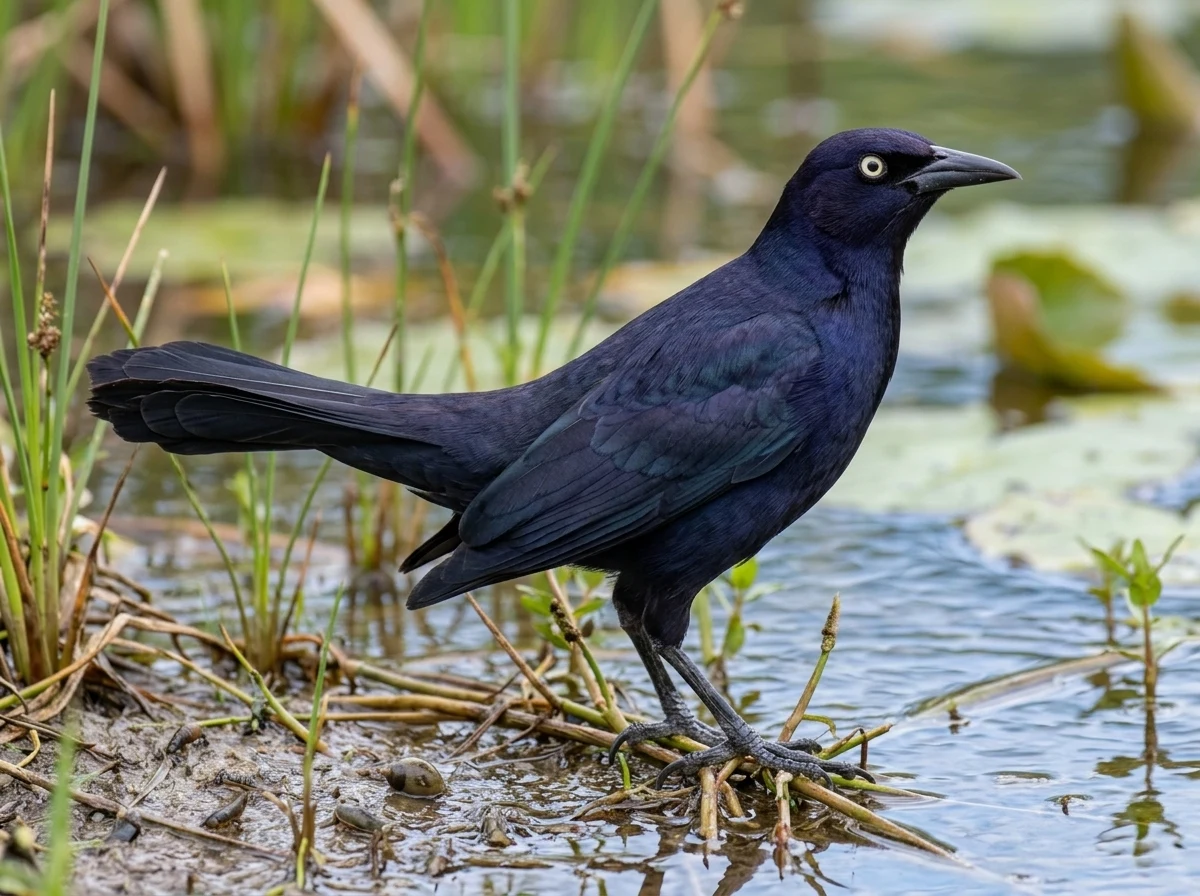 AI
AI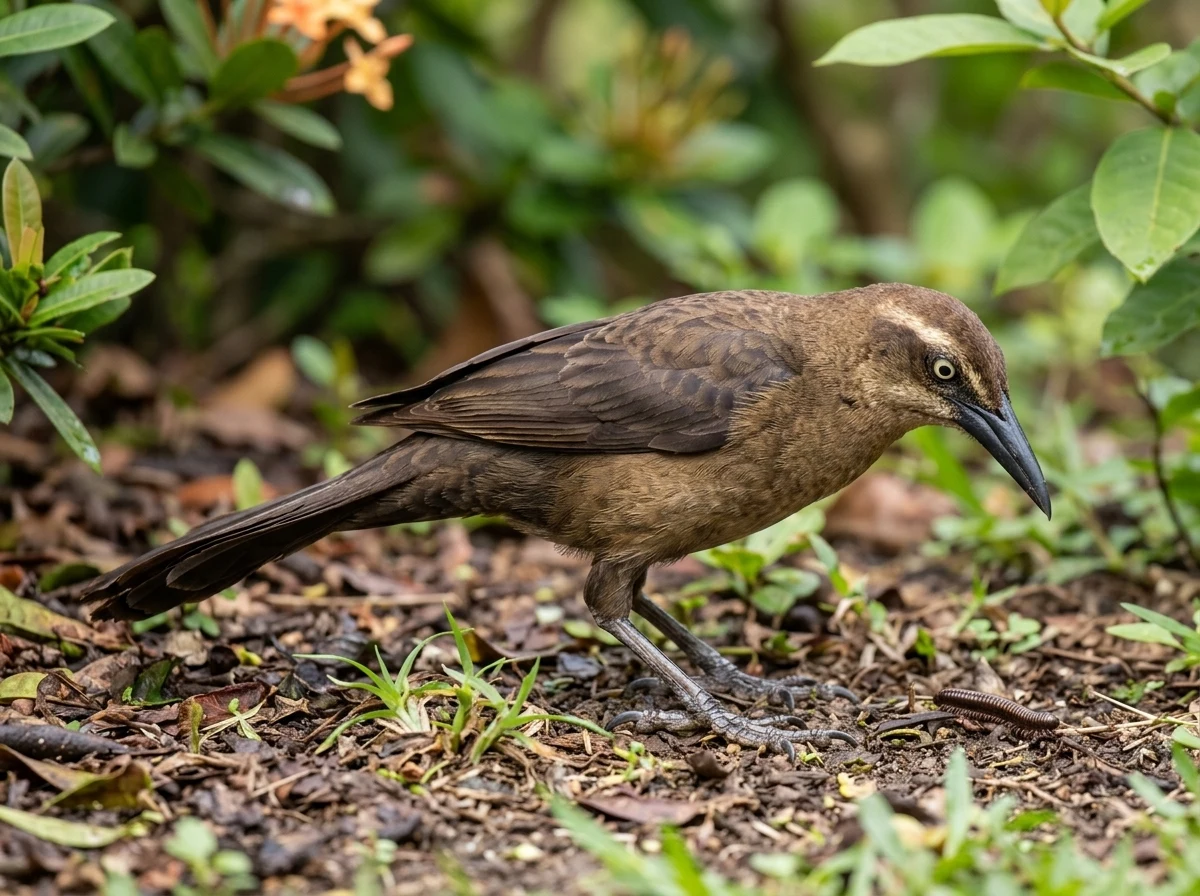 AI
AI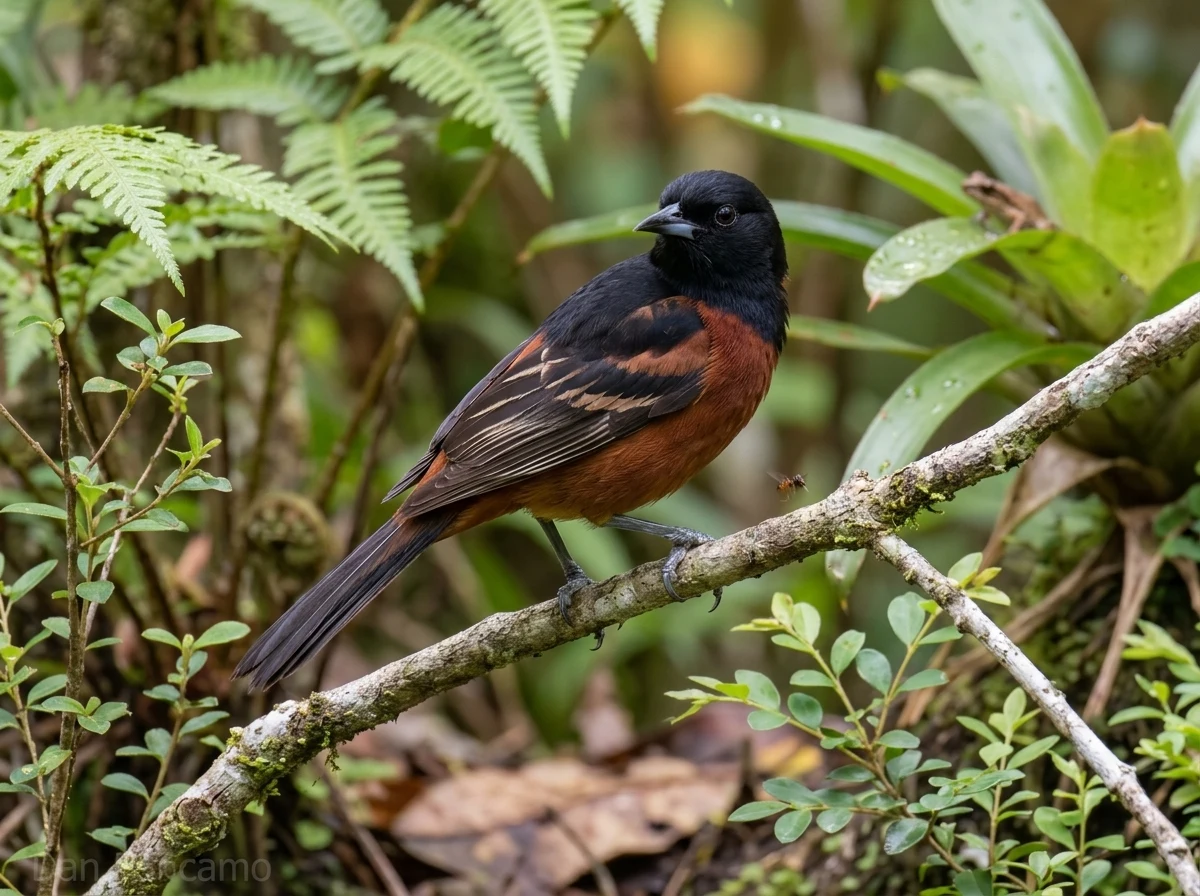 AI
AI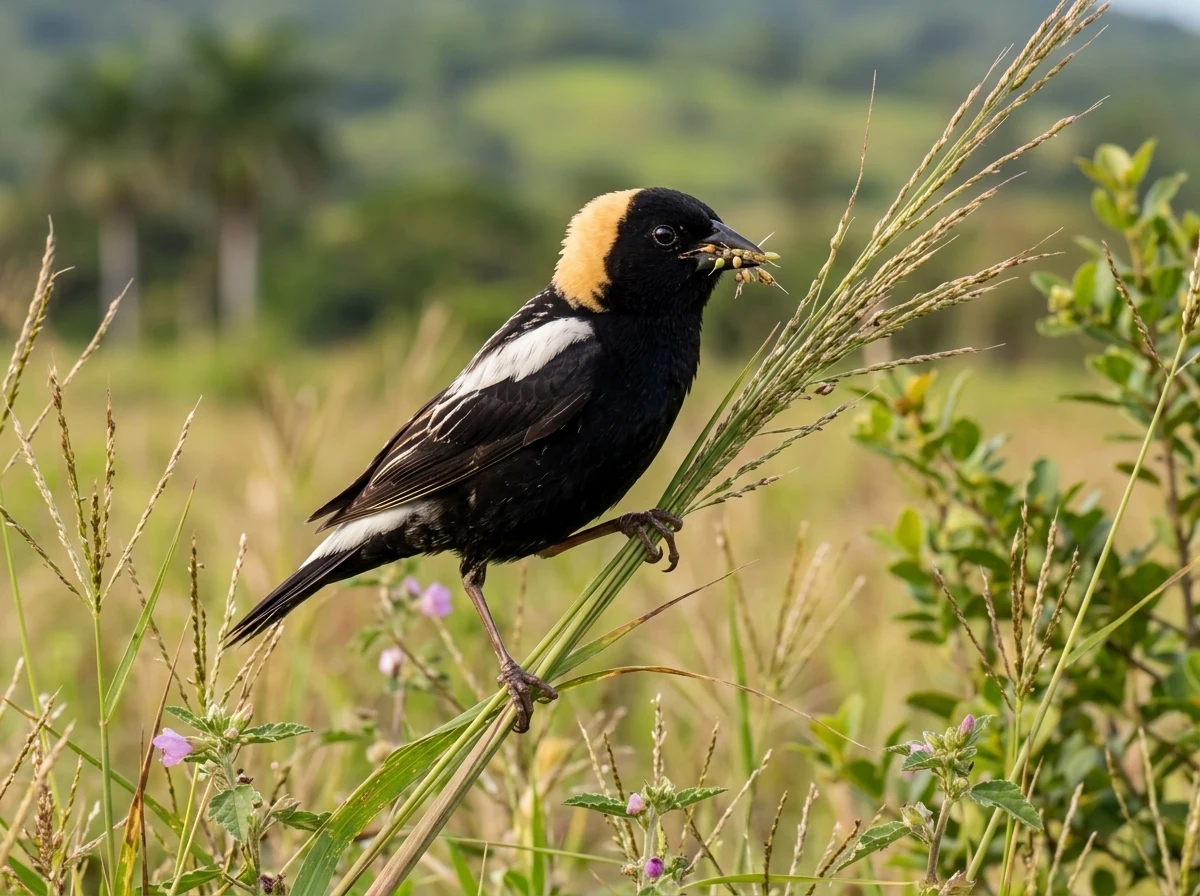
Evidence trail