 AI
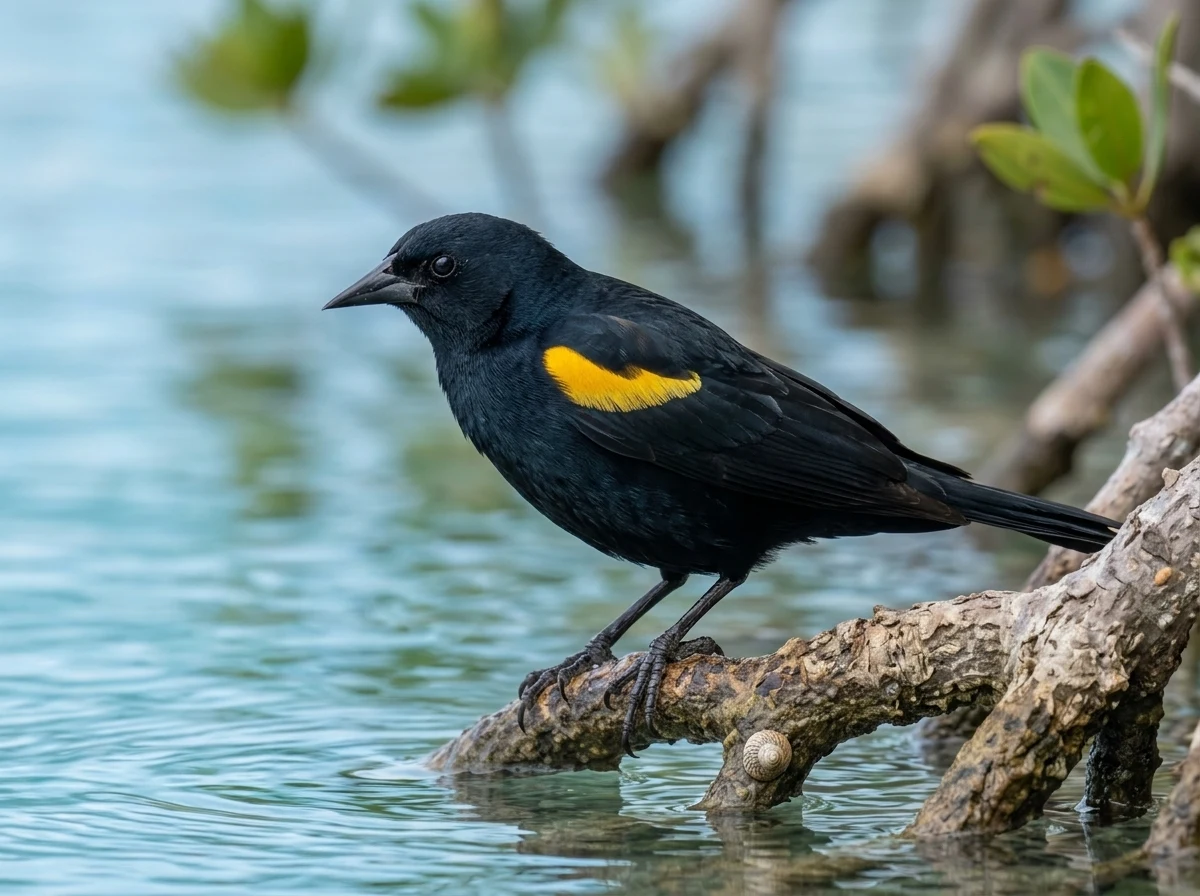
AIAI reconstruction created with Nano Banana 2 · 1K, grounded in the profile’s documented taxonomy, habitat, natural-history sources, and an open-license visual reference when available. It is an interpretive image, not documentary evidence. Image policy →
Yellow-shouldered Blackbird
Mariquita
Agelaius xanthomus
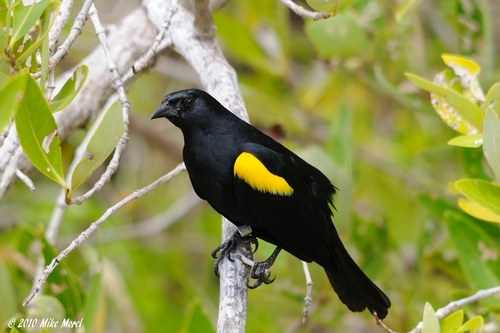
The yellow-shouldered blackbird (Agelaius xanthomus), known in Puerto Rican Spanish as mariquita de Puerto Rico or capitán, is a species of blackbird endemic to Puerto Rico. It has black plumage with a prominent yellow patch on the wing. Adult males and females are of similar appearance. The species is predominantly insectivorous.
Sound archive
Hear its voice
Explore real songs and calls. The spectrogram turns each sound into a visual trace of time and frequency.

Play: call by Barry Edmonston
Choose another recording
Sound recorded by Barry Edmonston · XC793991 · CC BY-NC-SA 4.0. Visualization by Stichting Xeno-canto voor Natuurgeluiden.
Every recording retains the creator, catalogue number, and license published by Xeno-canto. Metadata via GBIF ↗
Island profile
About the Yellow-shouldered Blackbird
This atlas includes Yellow-shouldered Blackbird (Agelaius xanthomus) with atlas status “Puerto Rico endemic” within scope “Avibase inferred core 380.” Puerto Rico context sources associate it with Coastal dry forest and scrub; mangrove; pasture; offshore/island landscapes; Coastal dry forest; scrub; mangrove; pasture; Mona dry scrub and island habitats.
Conservation
Endangered
IUCN EN; DNER EN; EN at species; ESA Endangered; Endangered at species
- Global IUCN
- EN
- Puerto Rico DNER
- EN; EN at species
- Federal ESA
- Endangered; Endangered at species
- Critical habitat
- Yes; Yes at species
Natural history
How it lives
- Habitat
- Coastal dry forest and scrub; mangrove; pasture; offshore/island landscapes; Coastal dry forest; scrub; mangrove; pasture; Mona dry scrub and island habitats
- Elevation
- 0–200 m
- Nest
- Platform; Tree cavity; Cup / bowl
- Clutch
- 1–4 eggs
- Social behavior
- Not resolved
For kids and families
Turn this bird into your own artwork
Download a clean, print-ready coloring page, learn one quick fact, and color this Puerto Rico bird.
Keep exploring
This bird belongs to 17 paths through the atlas.
Guides featuring this bird
Follow this record beyond the profile.
Identification, sound, place, and explanatory guides connecting this species to larger questions.
See all related guides (30)
- Birdsong Playback When to Avoid It and Why
- Ethical nest observation in Puerto Rico
- Create a Bird Field Guide Page
- Bird Poetry and Puerto Rican Names
- Conservation Debate: Cats and Birds
- Habitat Match: Mangrove, Karst, and Coffee
- Birding Etiquette and Ethics: Role Play
- Timeline: Extinct and Endangered Birds
- Black-and-yellow birds
- 17, 18, or 19?
- Mynas and Starlings in Puerto Rico
- What is a mozambique?
- Songs and calls
- When to watch birds
- Nesting calendar
- Plan your birding trip
- Cats and Birds in Puerto Rico: Impact and Solutions
- Cabo Rojo and Laguna Cartagena
- Puerto Rican names
- Puerto Rico in seven days
- Found a Baby Bird in Puerto Rico? What to Do
- Shiny Cowbird in Puerto Rico
- Laws That Protect Birds in Puerto Rico
- School project on Puerto Rico birds
- Lesson plan on Puerto Rico birds
- Birds of Mona Island
- Puerto Rico birds: pictures and names
- Fun facts about Puerto Rico birds for kids
- Endangered Birds of Puerto Rico: The Complete List
- Endemic birds
Related in the atlas
Where to fly next
Connected by taxonomy, habitat, occurrence, and conservation.
 AI
AI AI
AI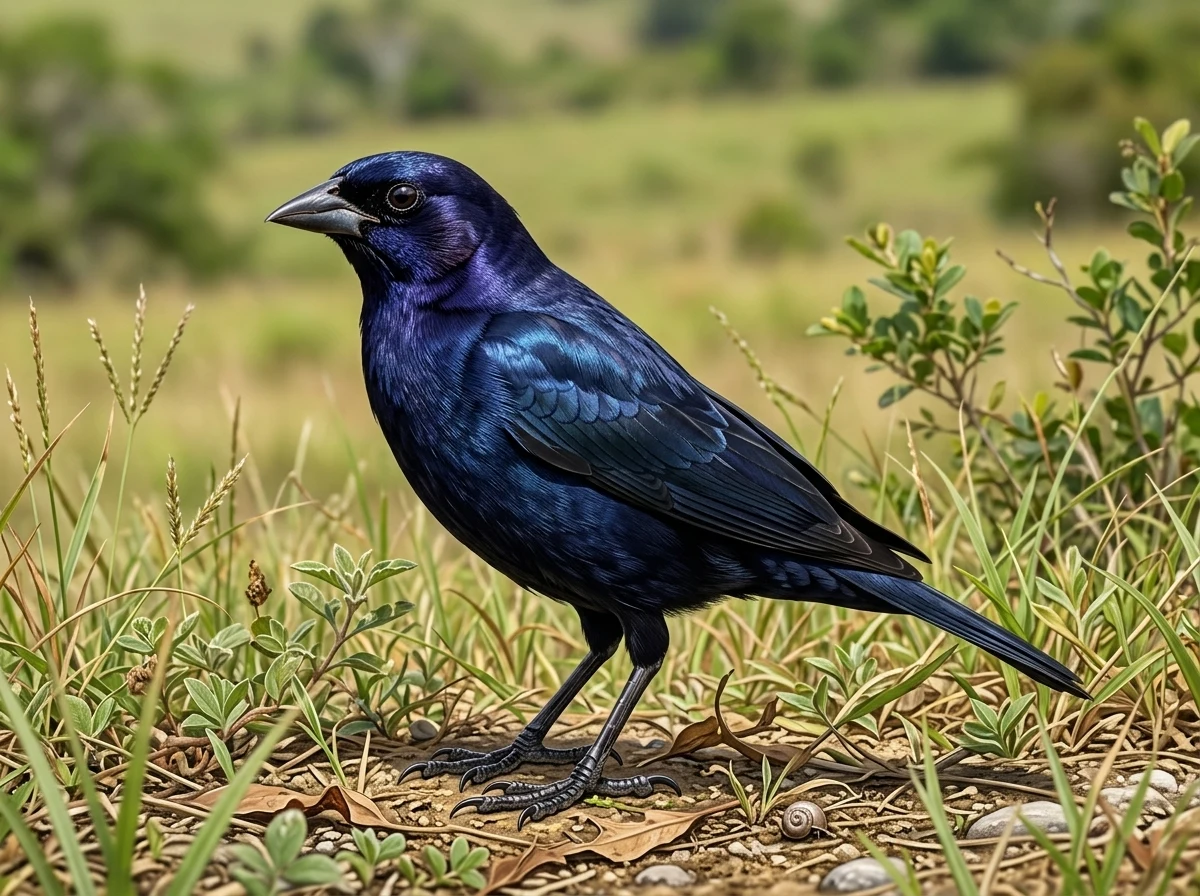 AI
AI AI
AI AI
AI AI
AI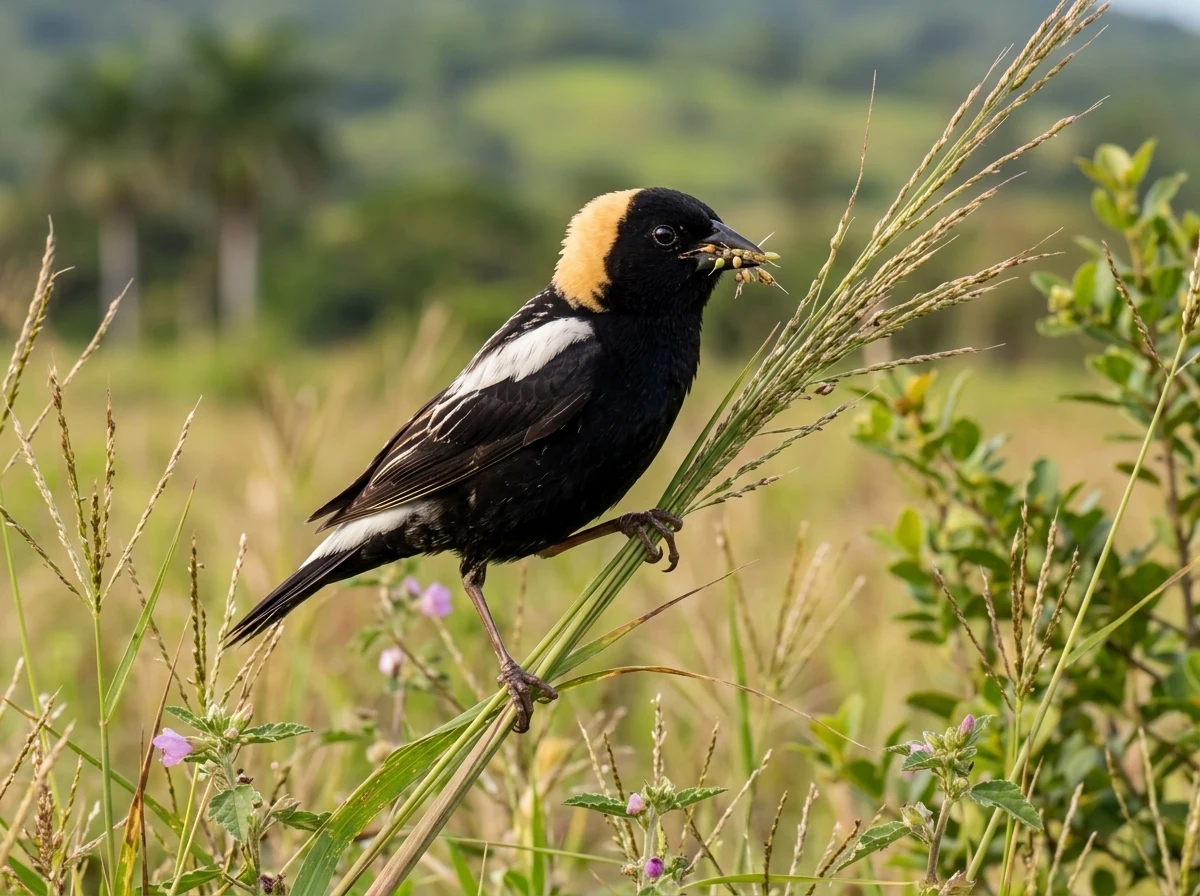
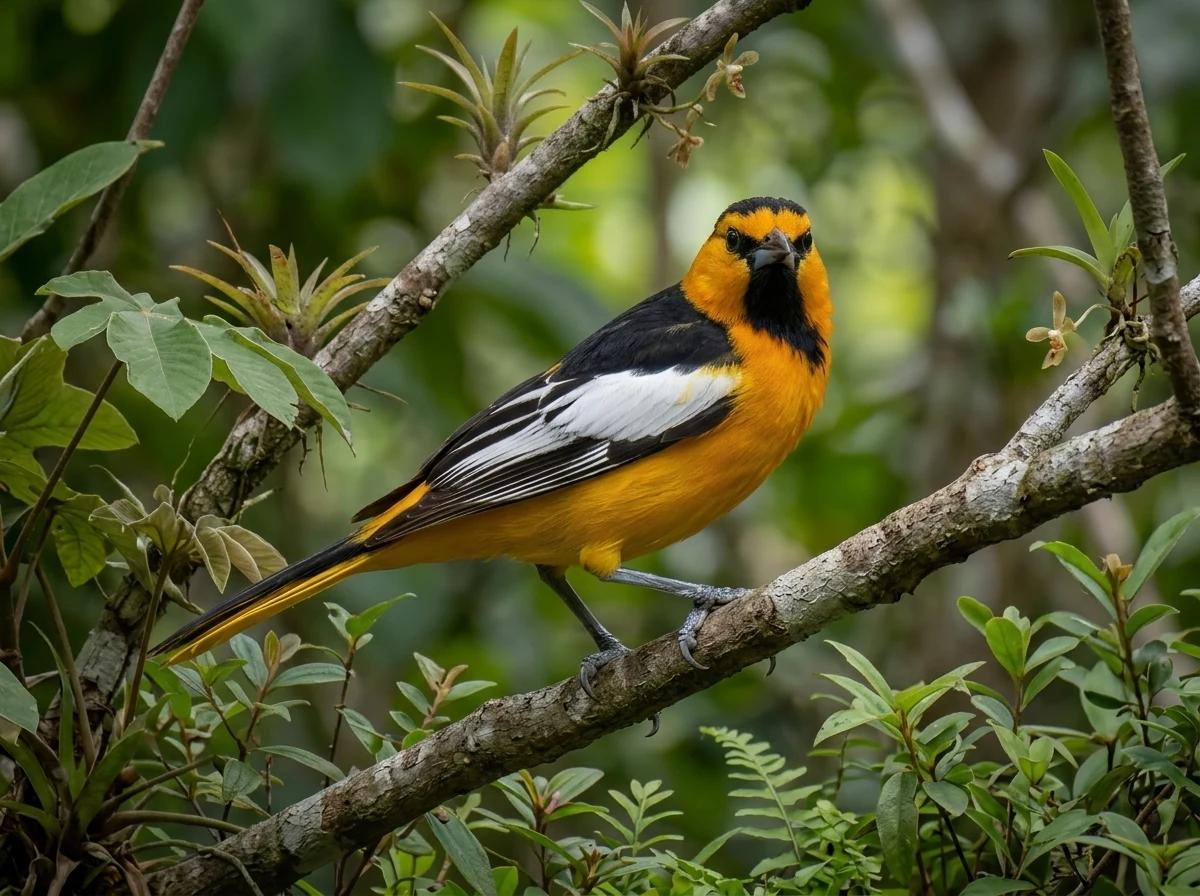
Evidence trail
Sources, media & further reading
Research note: Nominate and Mona forms are represented separately in S10-S11 | Population/subspecies row supplements species record E16 | Older DRNA subspecies treatment; validate current recognition