 AI
AIBird guides · Habitats
How Dry and Wet Seasons Affect Bird Food
Rain does not feed birds directly: it changes when and how much nectar, insects, and fruit appear. Here we compare the two seasons and suggest a simple observation.
Reviewed: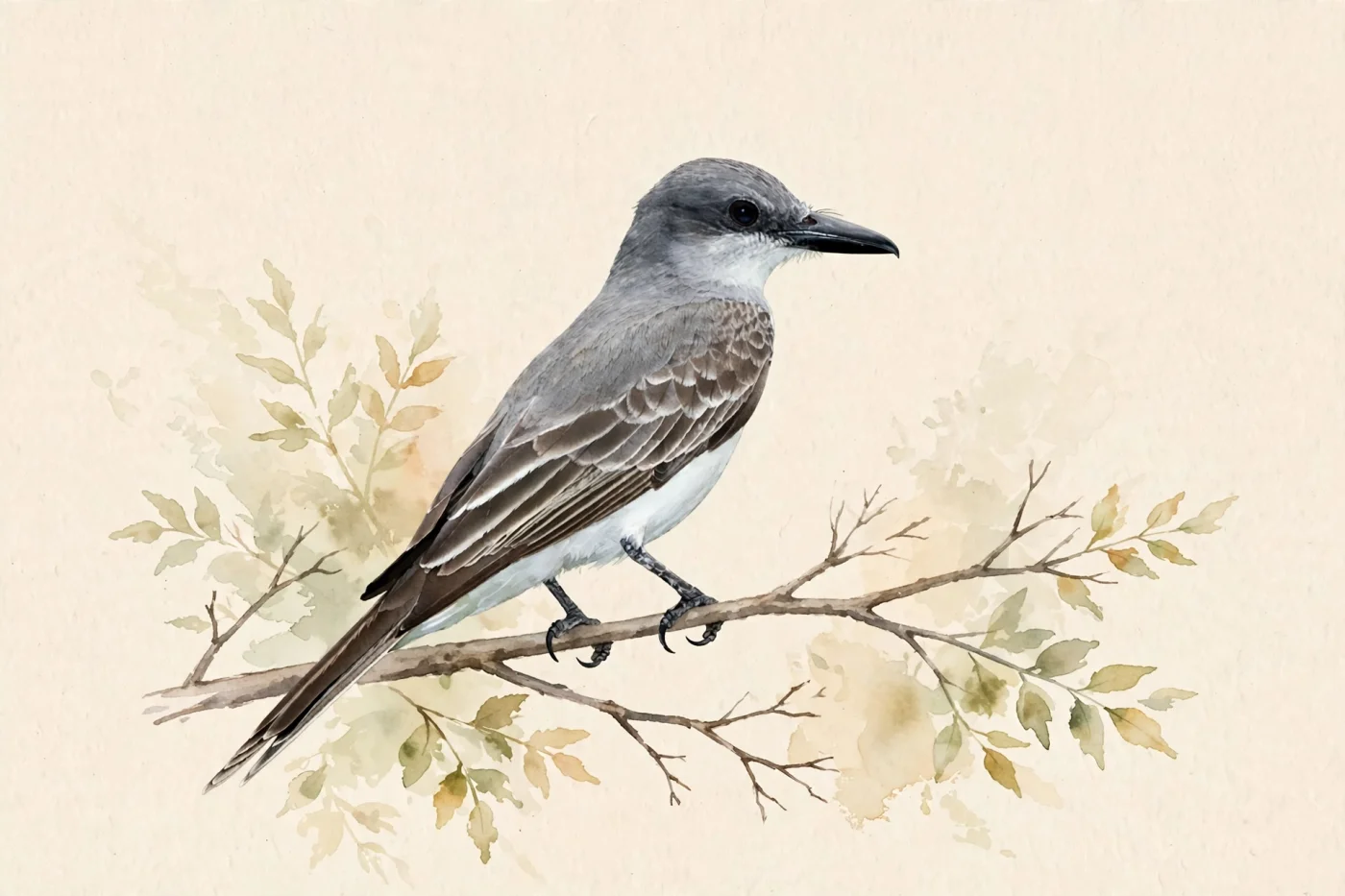
Prepared with AI assistance and linked sources. Illustrations are not field photographs.
Rain as a food switch
In Puerto Rico, as in much of the tropics, the birds' calendar is driven less by day length than by rainfall. The dry season and the wet season change soil water, plant growth, and insect activity. That, in turn, changes the food available to birds.
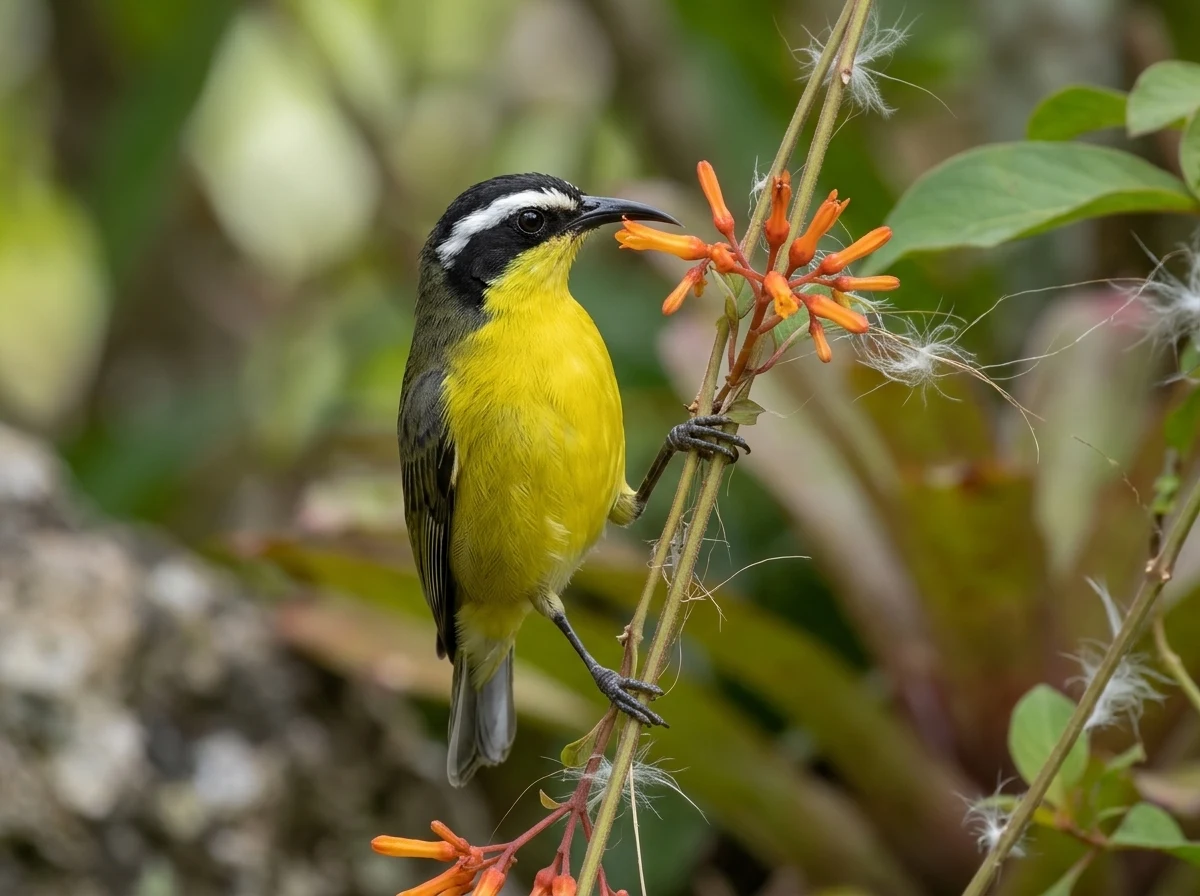
This guide answers one specific question: how does bird food change between dry and wet seasons? We use two common island birds as examples: the Bananaquit, which feeds on nectar, and the Gray Kingbird, which eats invertebrates. We do not present unverified local observations; we explain the general mechanism with scientific sources and offer an activity so you can notice it in your yard or on an observation route.
Bird guides · Habitats
Three key ideas
La lluvia mandaWater, not day length, drives foodIn the tropics, rainfall influences the abundance of fruit, flowers, and insects.
Más humedad, más insectosMoist soils favor flying insect biomassIn a tropical study, weeks with higher soil moisture had higher insect biomass.
Néctar e insectos no coincidenEach food has its own peakFlowers may peak in the early dry season, while insects increase with rain.
01
What changes in the dry season
During the dry season, rainfall is scarce and the soil loses moisture. For insect-eating birds, this can mean fewer prey: insects face a higher risk of desiccation and their activity drops. The main scientific source for this guide notes that water availability affects insects directly, through desiccation risk, and indirectly, by reducing nectar, foliage, or pollen. In hotter, drier areas, the drop in insects during drought can be more pronounced.
But the dry season is not the same everywhere. In some tropical forests, flowers peak in the early dry season. So a nectarivore like the Bananaquit may find floral food even when insects are scarce. The key is that each resource has its own calendar: not all of them rise and fall at the same time.
02
What changes in the wet season
When rain arrives, the soil recharges with water and insect activity tends to increase. The study by van Dijk and colleagues found that, at their tropical site, weeks with higher soil moisture had higher flying insect biomass. It also notes that insect seasonality occurs in the tropics and that biomass tends to be highest during the rainy season. For a bird like the Gray Kingbird, which eats invertebrates, this can mean more prey available.
Rain also drives flower and fruit production. Audubon explains that, in the tropics, the timing and intensity of the wet and dry seasons directly affect the abundance of fruit, flowers, and insects that birds need. However, not everything is immediate: in dry forests, insect biomass may increase faster at the start of the rains than in rainforests. And extreme rainfall can limit insect flight, so more water does not always mean more food at every moment.
03
Two birds, two strategies
The Bananaquit is a small, active nectarivore. Its main diet is nectar, according to the Puerto Rico bird catalog. That makes it dependent on flowers, which may peak at different times than insects. In a dry season with abundant flowers, it may feed well; in a wet season with fewer flowers, it may rely more on other resources. We do not claim breeding months or local abundance: we only describe the relationship between its diet and flower phenology.
The Gray Kingbird, by contrast, eats invertebrates. Its food depends on insect activity, which in turn responds to soil moisture and rainfall. So the two birds may respond differently to the same season. This comparison is the heart of the guide: there is no single answer to how food changes, because each species uses different resources.
04
How to observe it: a simple activity
Choose a safe, accessible place, such as your yard, a park, or an observation route. You do not need special equipment. For several weeks, note three things in a notebook: (1) whether it rained in the last few days, (2) whether you see open flowers, and (3) whether you see flying insects. Then observe birds like the Bananaquit and the Gray Kingbird without trying to capture them or touch their nests. Record what each bird is doing: is it visiting flowers? Is it chasing insects?
This activity does not prove causation, but it helps you notice patterns. If you want to go further, repeat it in two seasons and compare your notes. Remember that rainfall varies from place to place on the island and from year to year, so your local observations are a complement, not a general rule. For context on when to watch birds, see the birding seasons guide.
Linked profiles
The birds in this guide
Two common Puerto Rico species that illustrate how a nectar diet and an invertebrate diet respond differently to dry and wet seasons.
AI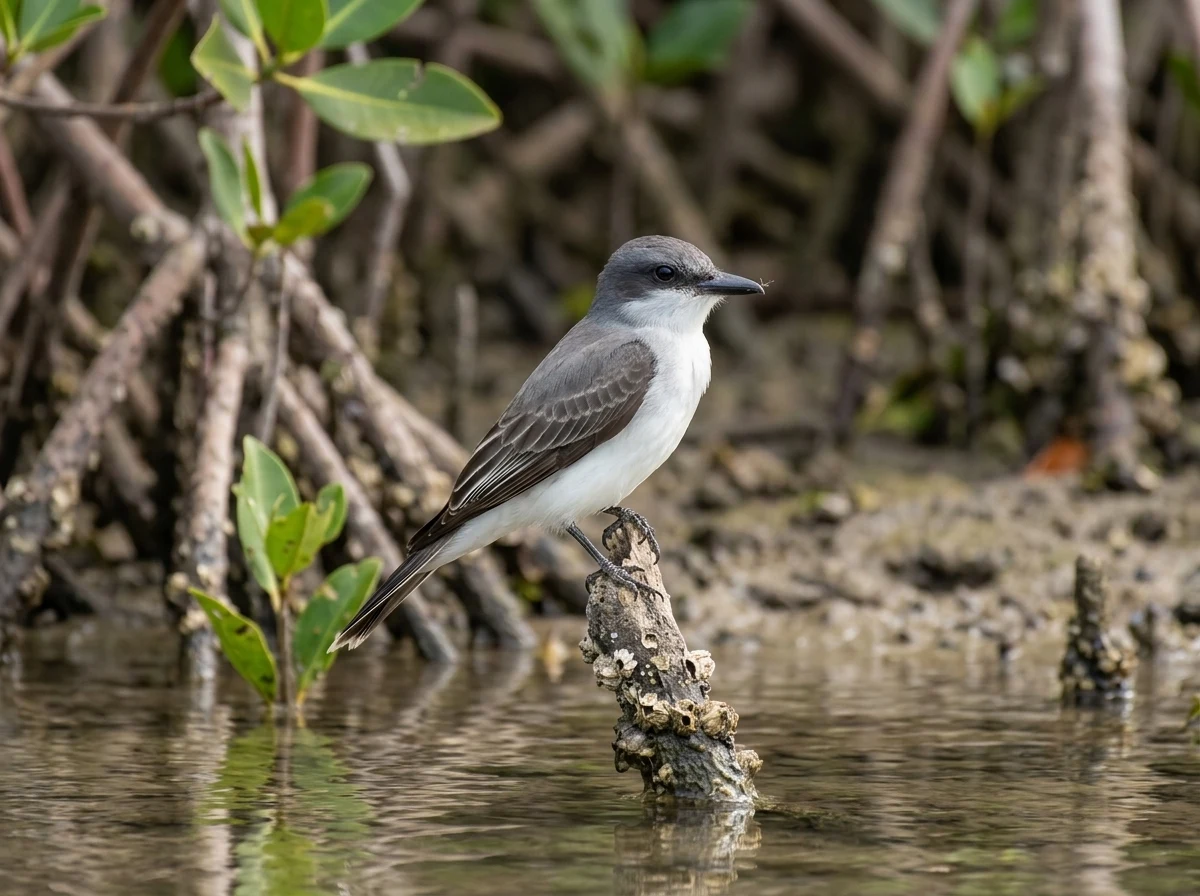 AI
AI01
Does rain directly feed birds?
No. Rain changes soil water, plant growth, and insect activity. Those changes affect available food, such as nectar, fruit, and invertebrates.
02
Are there always more insects when it rains more?
Not necessarily. Soil moisture is associated with more flying insect biomass in the cited study, but extreme rainfall can limit insect flight. The relationship is not linear or instantaneous.
03
Do the Bananaquit and Gray Kingbird eat the same thing?
No. The Bananaquit feeds mainly on nectar, according to the catalog. The Gray Kingbird eats invertebrates. That is why they may respond differently to the same season.
04
Can I use this guide to know exactly what a bird will eat in my yard?
Not exactly. The guide explains the general mechanism and offers an observation activity. Local availability depends on rainfall, plants, and insects in your area, which can vary from place to place.
Keep exploring
Connected routes
Sources and review
The evidence is one link away.
These sources support the editorial scope of this guide. Bird profiles also retain their own taxonomy, occurrence, and conservation references.
Reviewed:
01↗02↗
Audubon
Do Birds in the Tropics Have a Breeding Season—or Do They Just Mate All of the Time?
Evidence for cited sections; consult the original document.Proceedings of the Royal Society B (via PubMed Central)
Temperature and water availability drive insect seasonality across a temperate and a tropical region
Evidence for cited sections; consult the original document.The atlas continues