 AI
AIFeeders and water
Bird Feeders, Hummingbird Feeders, and Bird Baths in Puerto Rico
A dirty or badly placed feeder does more harm than none at all. These are the rules that matter in a climate that stays hot year-round, and the species you will actually see.
Reviewed:The recipe and the golden rule, first.
For a hummingbird feeder, mix 1 part refined white sugar with 4 parts water (¼ cup sugar per 1 cup water), with no red dye or honey, and empty and clean it every one or two days, because Puerto Rico is hot year-round. Seed feeders and birdbaths go closer than 3 feet or farther than 30 feet from a window and are disinfected regularly.
The golden rule is simple: a feeder only helps if you keep it clean. Humane World for Animals warns that feeders concentrate birds and make disease easier to spread, and that sugar water grows bacteria and fungi if not cleaned every few days. This guide gathers the verified numbers, explains which species use each kind of station on the island, and shows where to place them so you do not create a trap.
Feeders and water
The numbers to remember
1:4white sugar to water¼ cup sugar in 1 cup water, per Audubon.
1–2 díasbetween hummingbird feeder cleaningsAudubon's hot-weather rule; in Puerto Rico that is nearly always.
1:9bleach to water for disinfectingSeed feeders every two weeks, per Humane World for Animals.
<3 o >30 piesdistance from a windowUnder about 0.9 m or over about 9 m to reduce fatal collisions.
01
How to make hummingbird sugar water
Audubon recommends a 1:4 solution of refined white sugar to water: ¼ cup sugar in 1 cup water. Dissolve the sugar in boiling water, let it cool, then fill the feeder. Make small batches, only what will be used in one or two days. Cloudy or sour-smelling mix gets thrown out.
Do not use honey, brown sugar, raw cane sugar, or artificial sweeteners. Audubon explains that only refined white sugar is safe, that other sweeteners contain ingredients that can harm birds, and that honey promotes fungal growth. Do not add red dye either: it is unnecessary and the chemicals could be harmful. The feeder's red parts, and above all nearby flowers, do that job.
02
Cleaning in a tropical climate: every one or two days
Fermentation is the main problem. Audubon says that in hot weather the feeder should be emptied and cleaned every day or every other day, and cleaned immediately if mold appears inside. Humane World for Animals adds that sugar water grows harmful bacteria and fungi when it is not cleaned every few days. In Puerto Rico, where temperatures stay high year-round, the summer rule used elsewhere is simply the normal routine.
Take the feeder apart, scrub the ports with a small brush, rinse thoroughly, and let it dry before refilling. A small feeder that empties quickly is easier to maintain than a large one that ferments half full. If you cannot keep that schedule, skip the feeder and plant flowers instead: a plant does not spoil in the sun.
03
Which hummingbirds and other birds use feeders in Puerto Rico
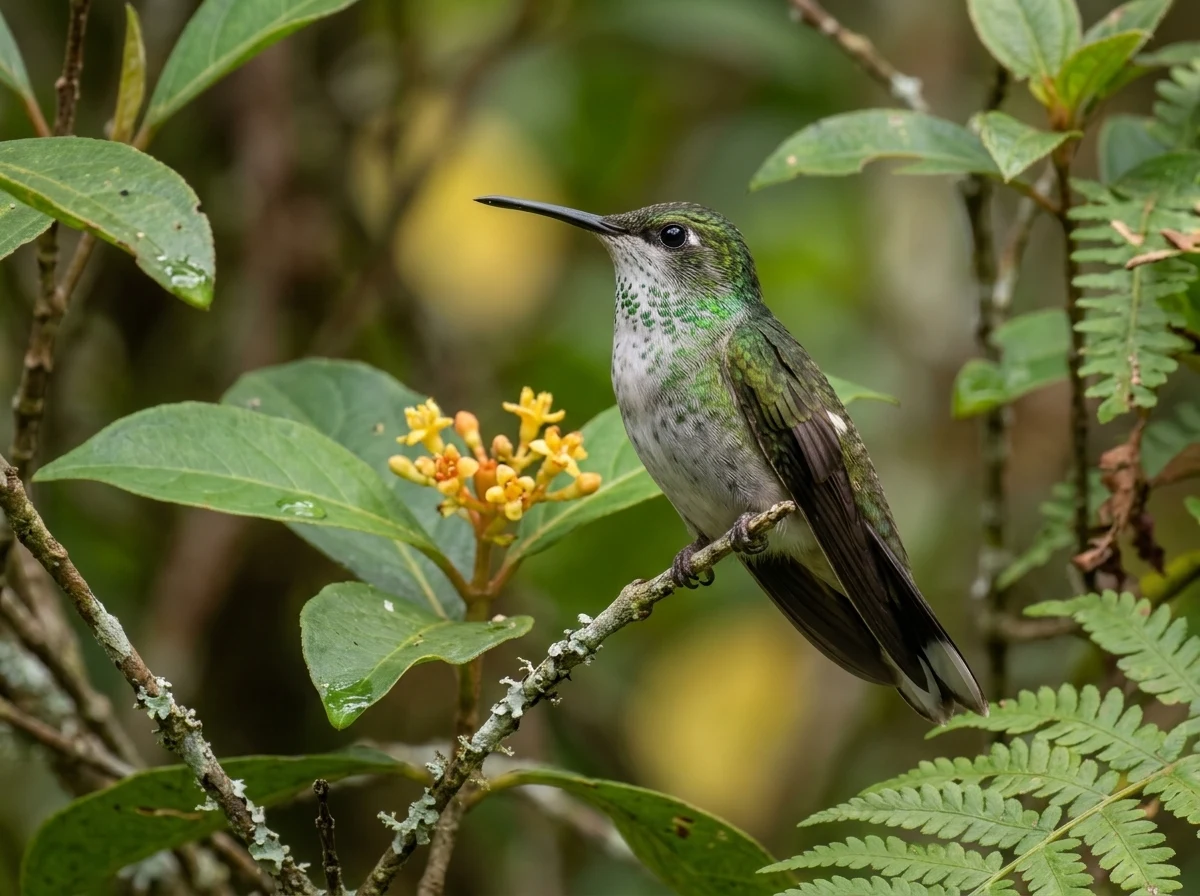
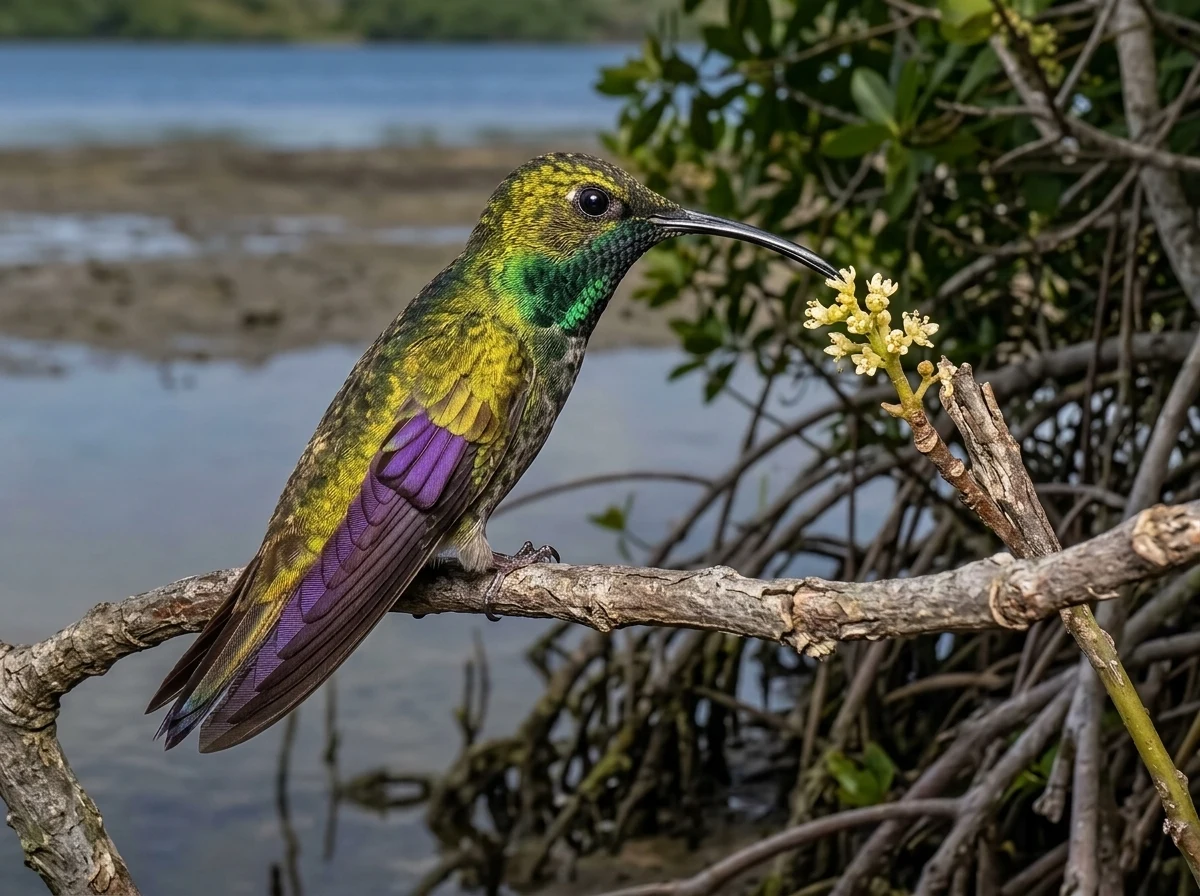
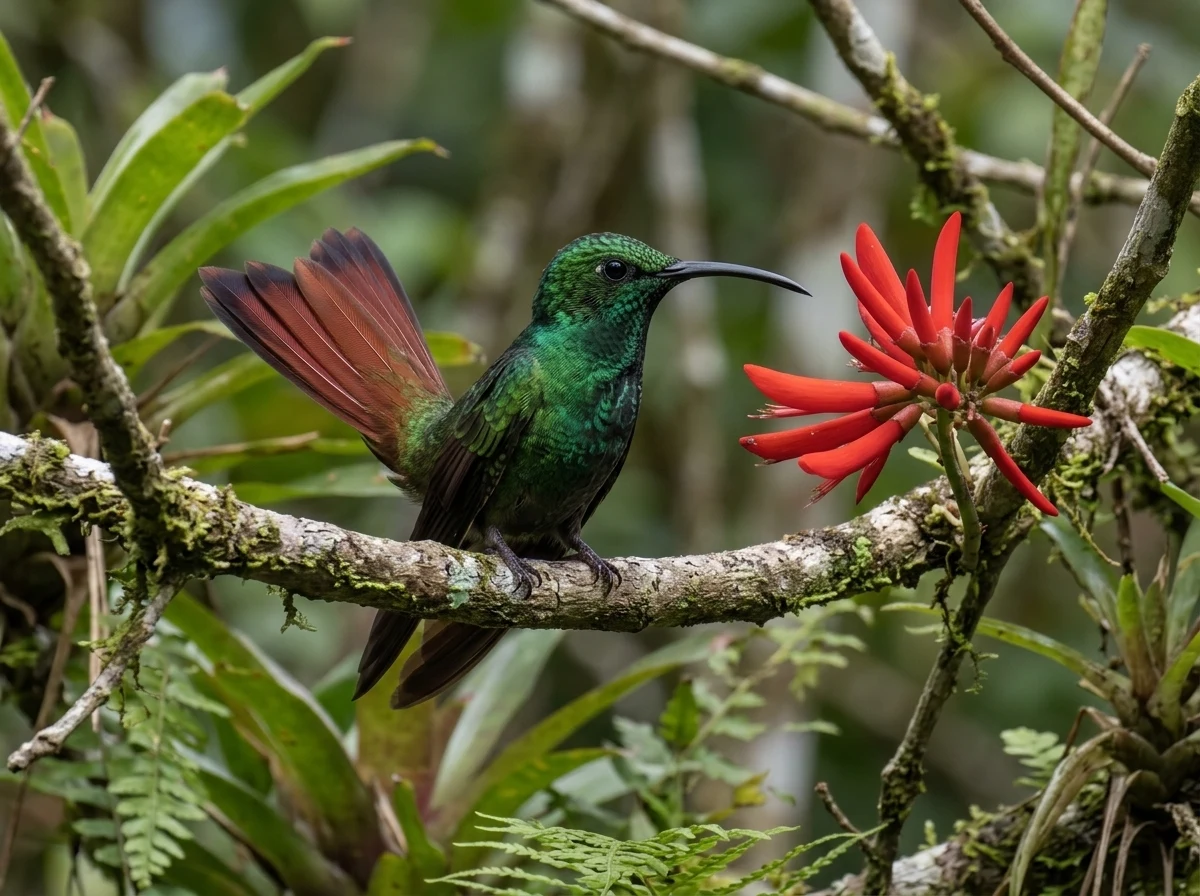
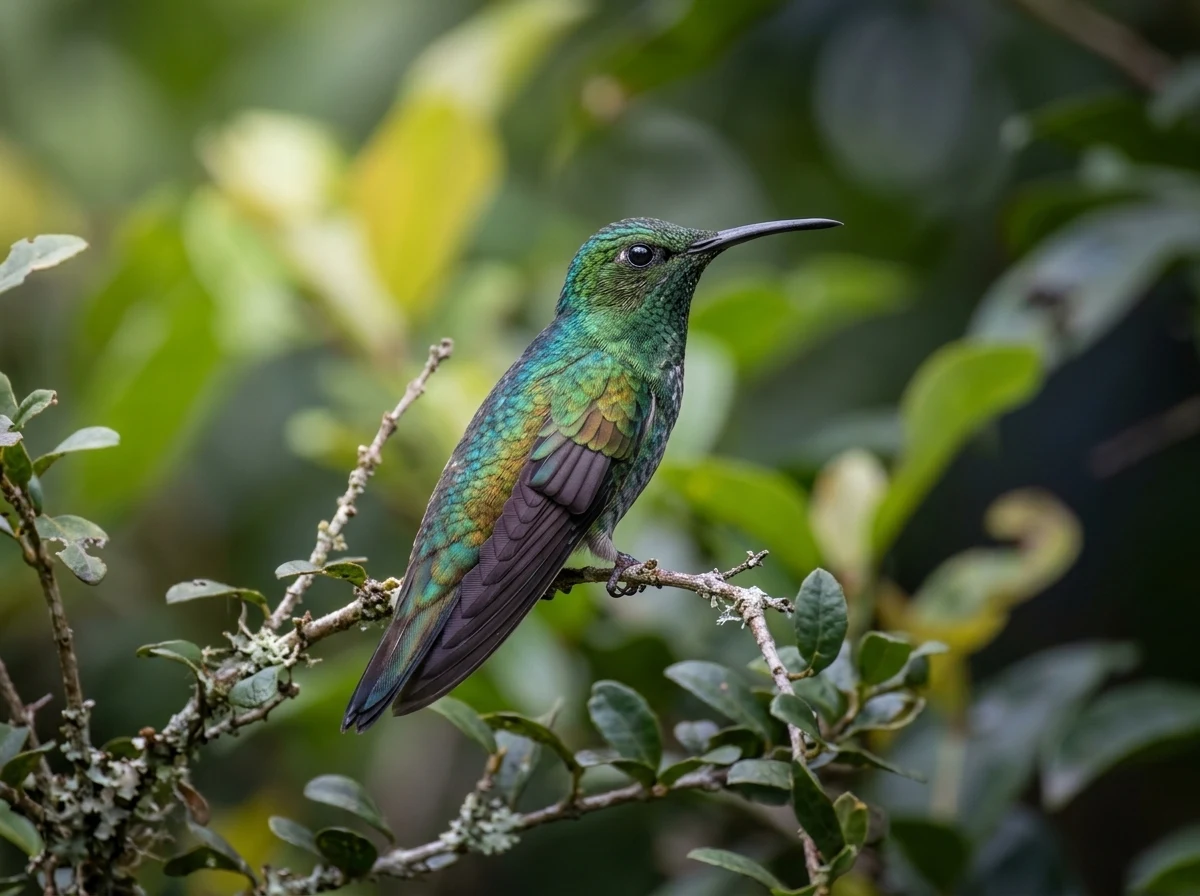
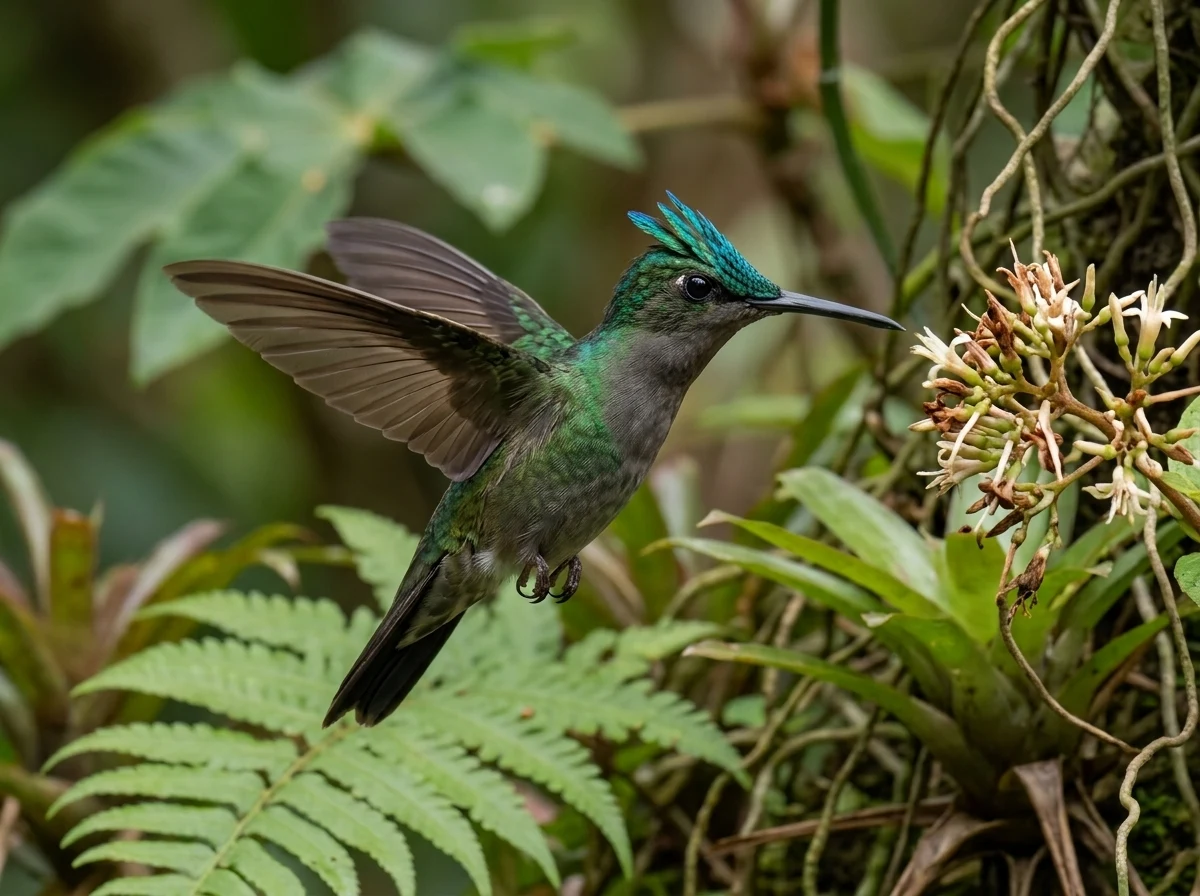
Puerto Rico has five resident hummingbirds. In yards and gardens, the most likely are Puerto Rican Emerald, an endemic and the smallest, and Puerto Rican Mango, which uses forest edges, gardens, and coastal scrub. Green Mango, also endemic, is more of a montane and moist-forest bird; Green-throated Carib occurs in forest, and Antillean Crested Hummingbird is mostly limited to the east of the island. A feeder does not guarantee any species: nearby forest and flowers matter more.
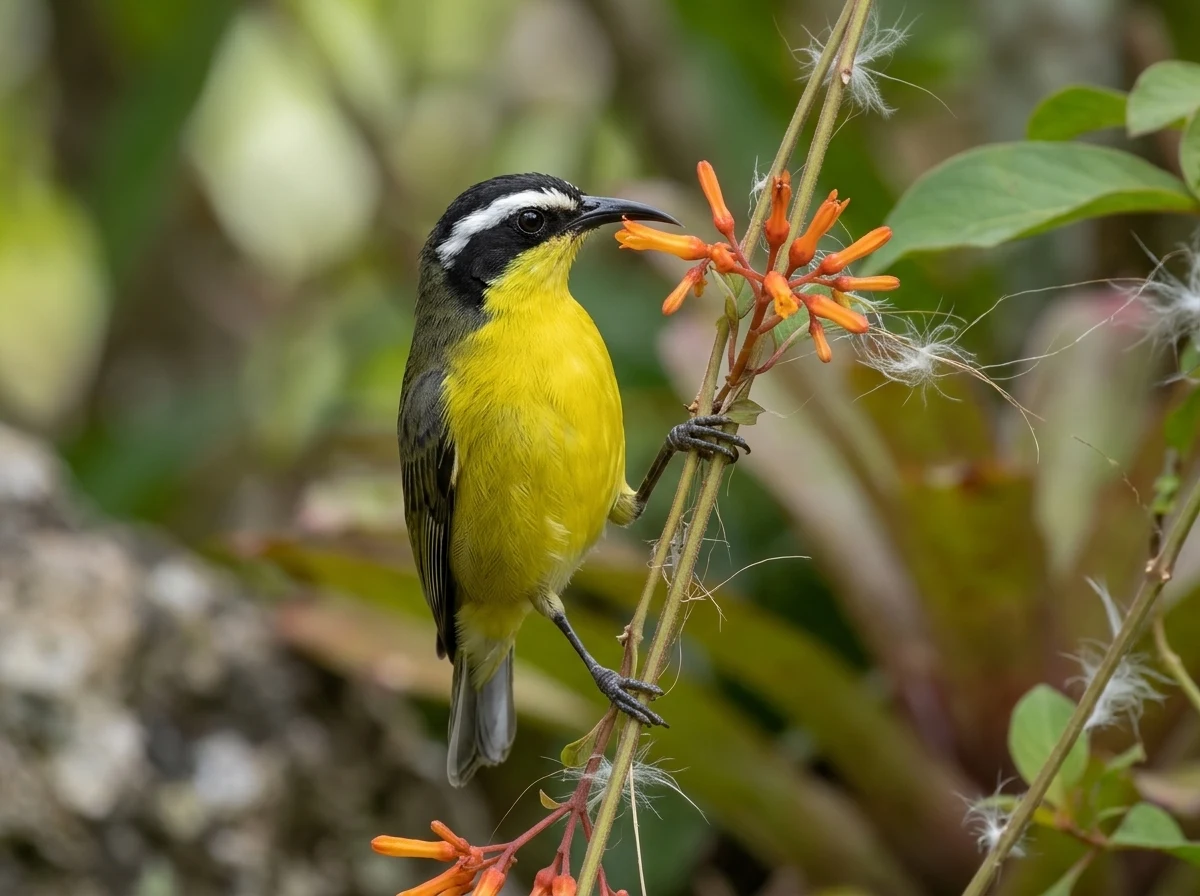
Bananaquit also visits sugar-water feeders regularly. Audubon describes it as fond of nectar, a bird that creeps through flowering trees probing the blossoms. That is not a problem, but it is one more reason to clean often: more visits mean more contamination at the ports. Remember that a feeder is a supplement; NRCS notes that hummingbirds and Bananaquit pollinate native plants, and that only happens at real flowers.
04
Seed feeders: who comes and where to put them
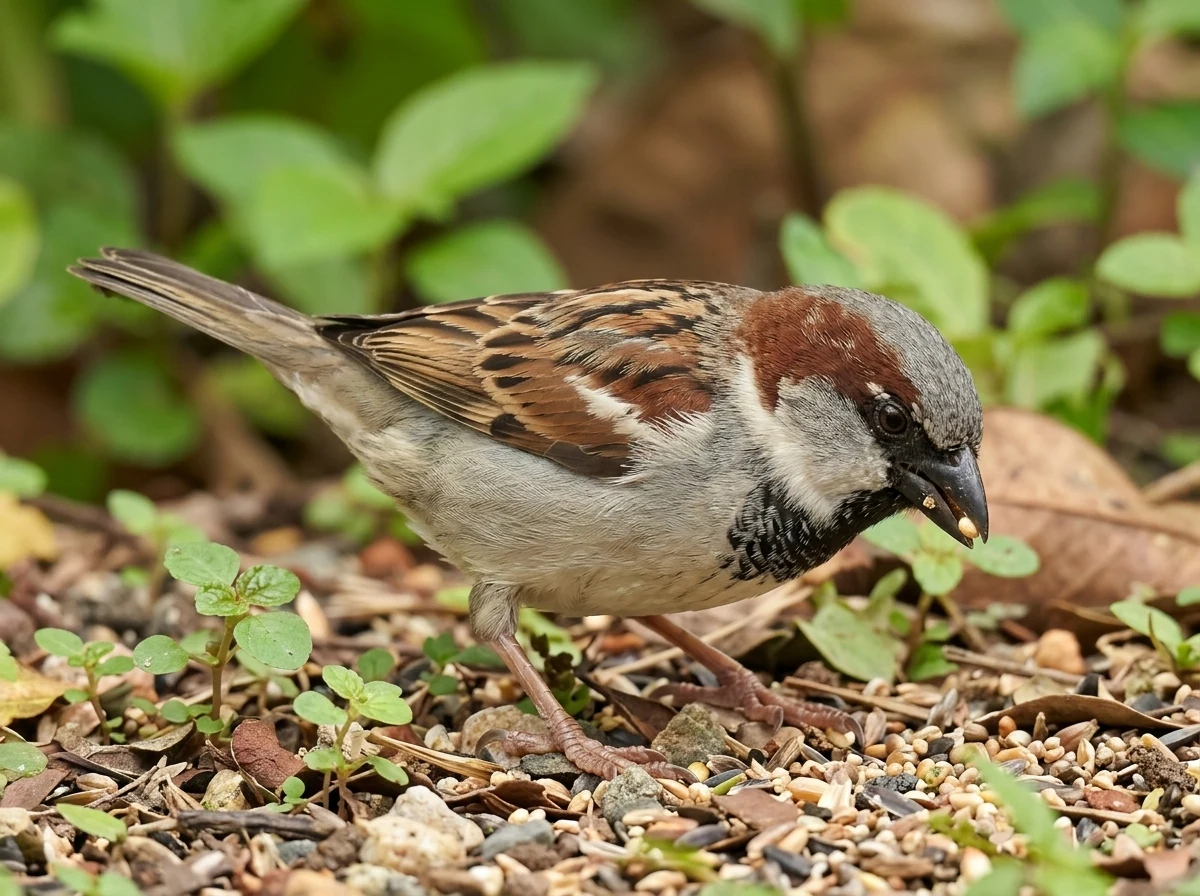
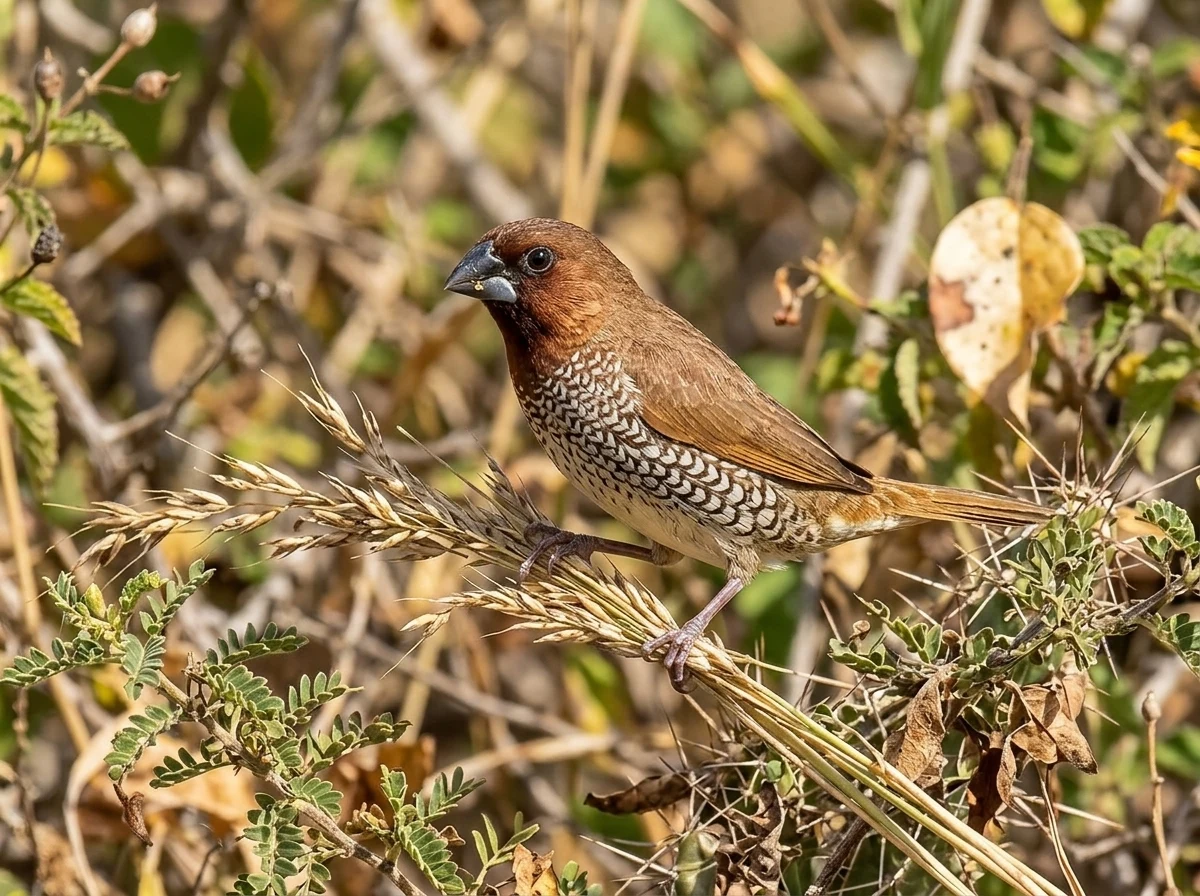
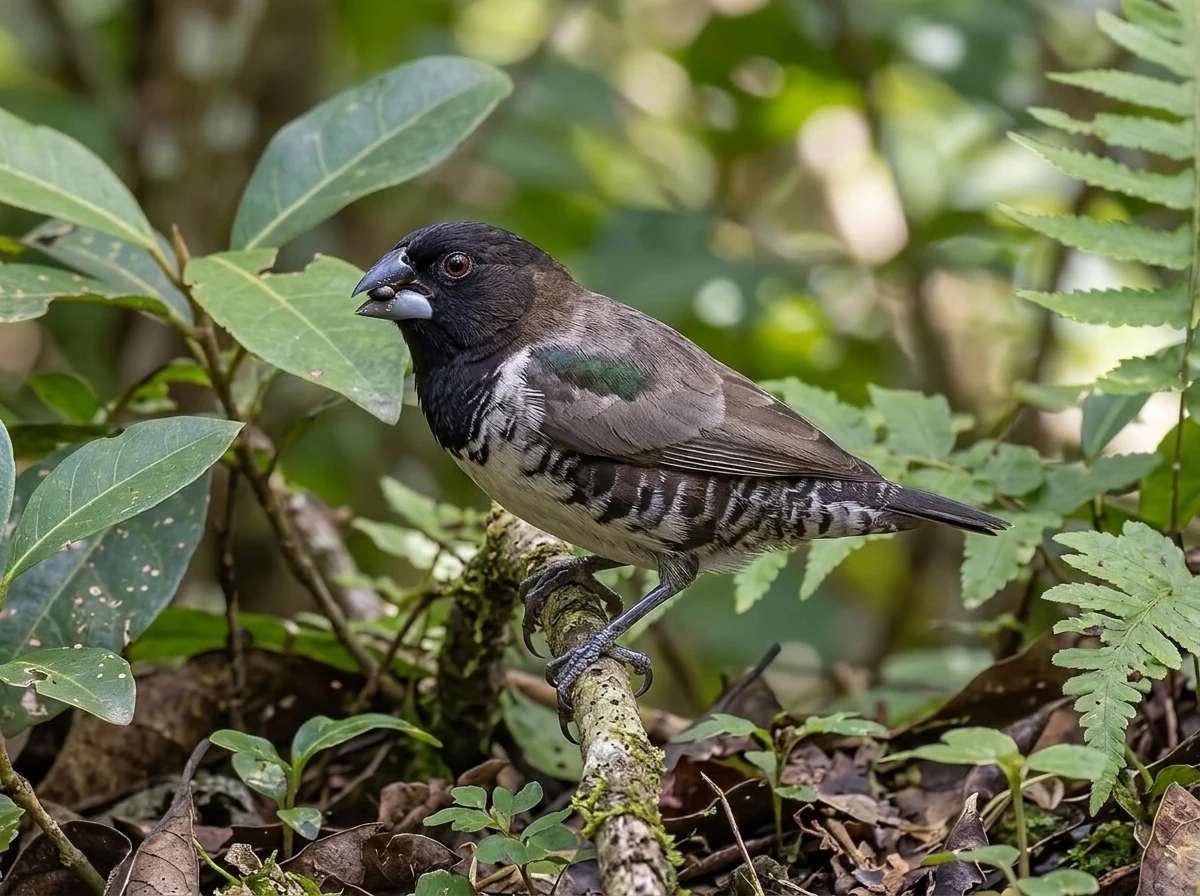
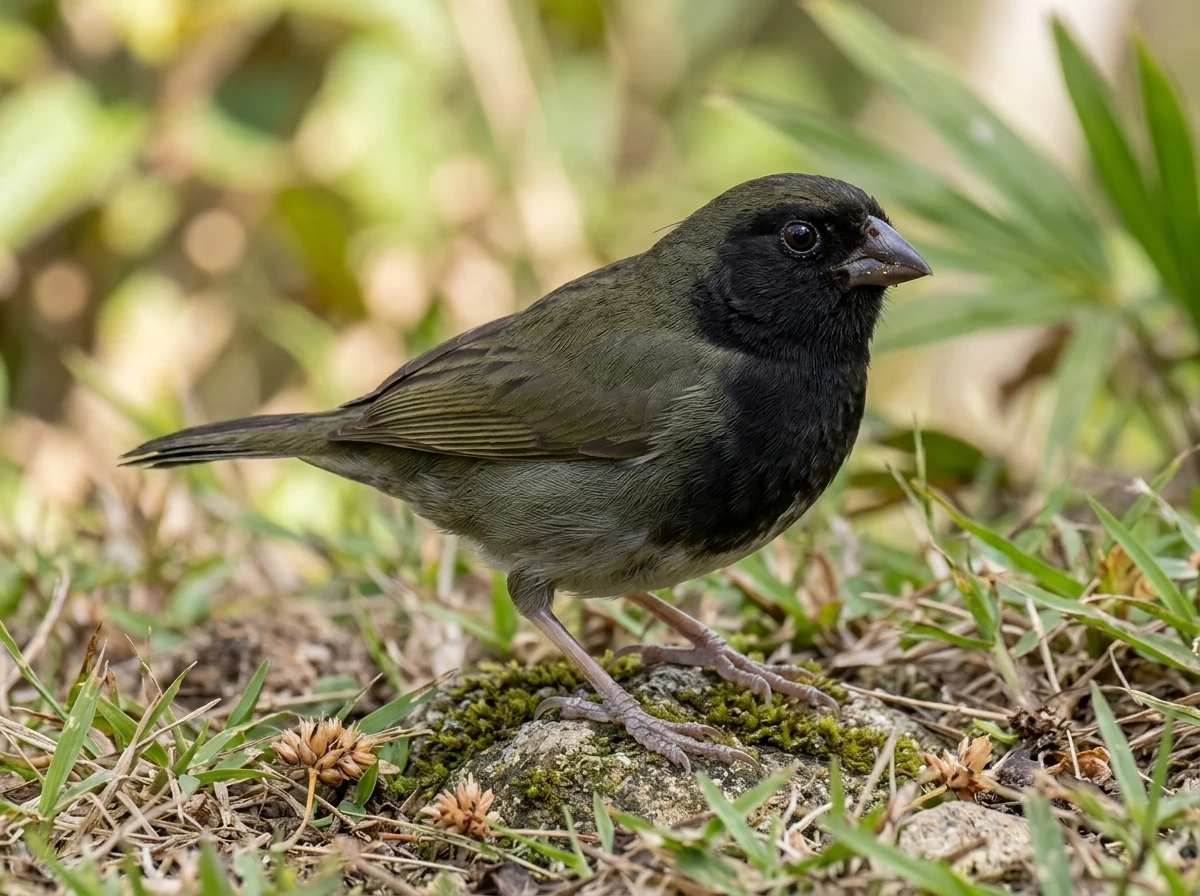
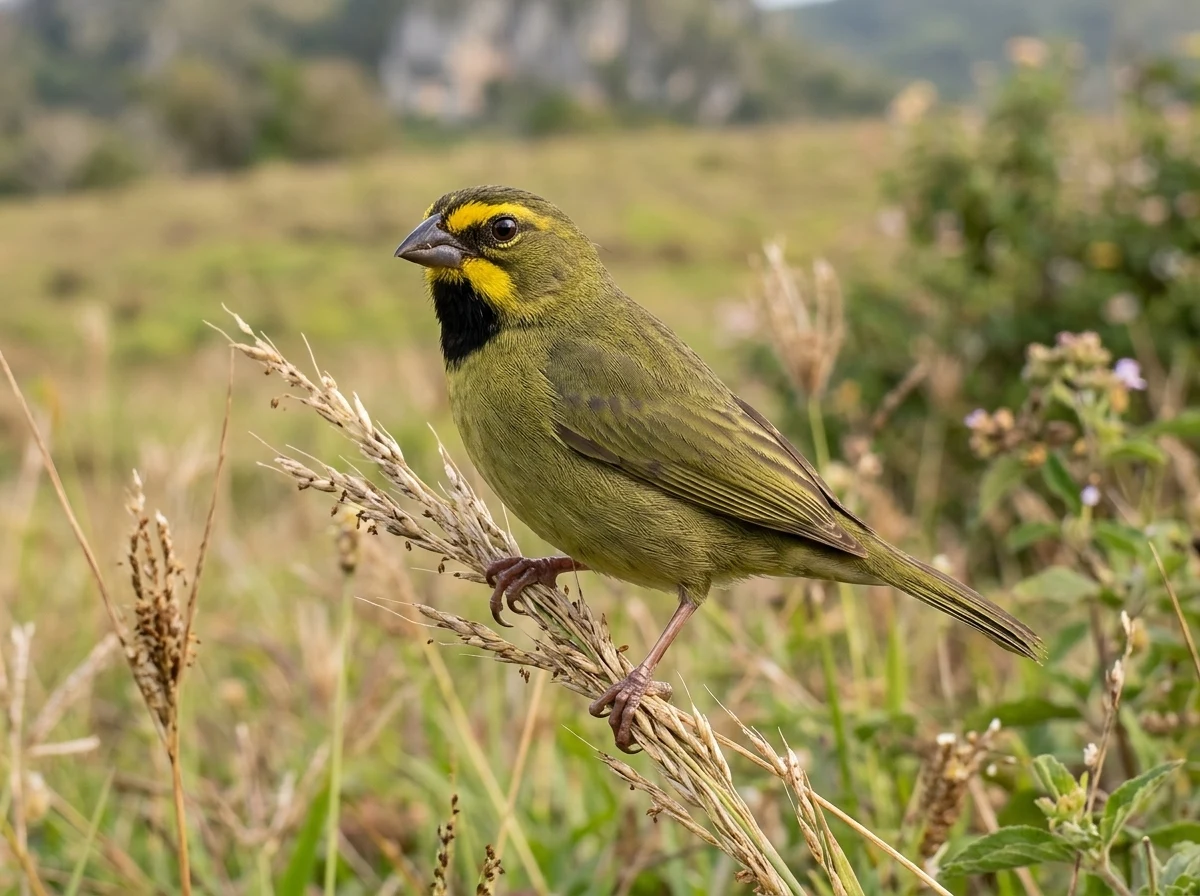
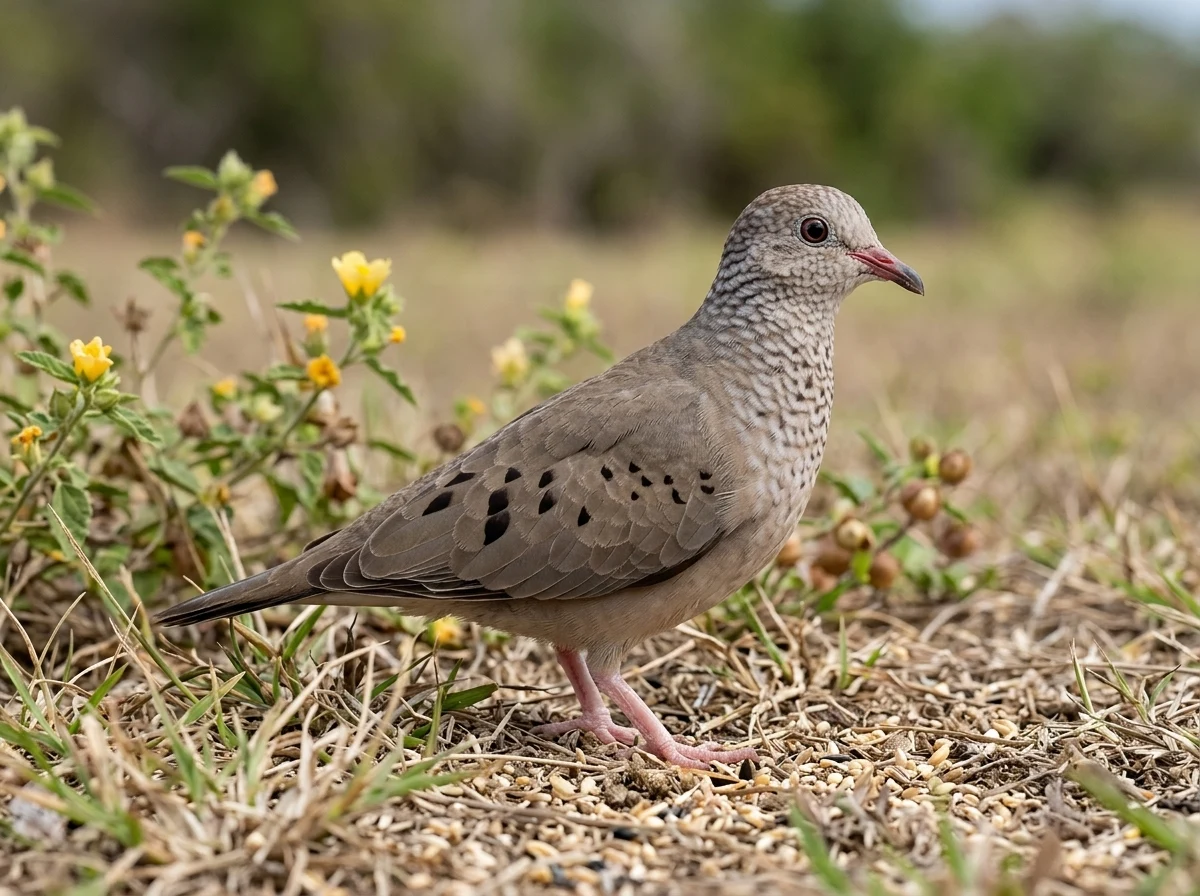
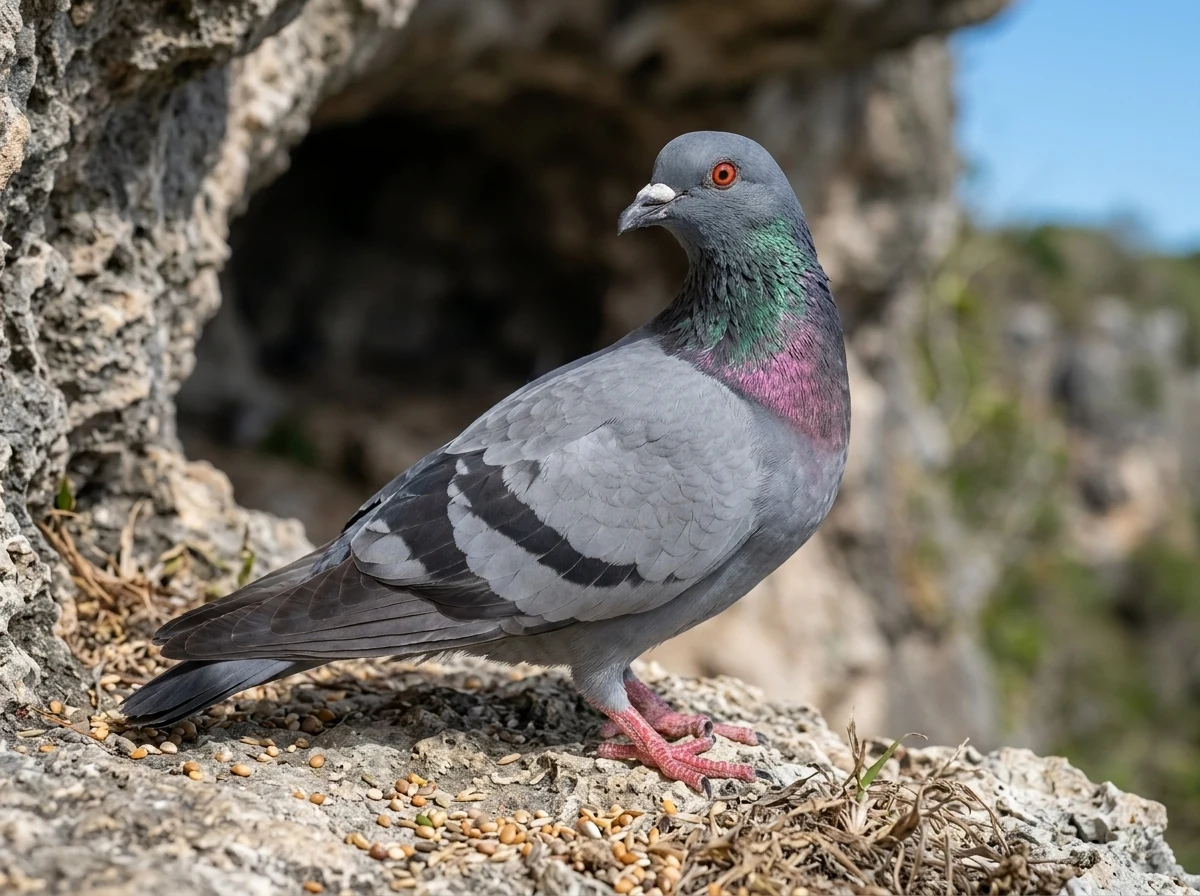
A seed feeder in Puerto Rico mainly attracts seed-eating birds, and many of the most common in urban areas are introduced: House Sparrow, Scaly-breasted Munia, Bronze Mannikin, Orange-cheeked Waxbill, and Rock Pigeon. Native species such as Black-faced Grassquit, Yellow-faced Grassquit, and Common Ground Dove can come too. If your goal is endemics like Puerto Rican Spindalis or Puerto Rican Bullfinch, fruiting plants work better than seed.
Humane World for Animals recommends placing feeders closer than 3 feet or farther than 30 feet from a window: up close, a bird cannot build up speed for a fatal strike; far away, reflections confuse less. It also suggests about 12 feet from a brush pile or shrub, so birds can escape to cover without a cat hiding right beside the feeder. Wash it with 1 part bleach to 9 parts water every two weeks, dry it fully, and remove wet or caked seed.
05
Birdbaths: shallow, clean, and mosquito-free
Water attracts more species than food, including insect-eaters such as Gray Kingbird and migrant warblers that would never touch a feeder. Humane World for Animals recommends containers that are easy to get in and out of, without deep basins or slick surfaces. A wide, shallow dish with a stone in the middle serves both a Bananaquit and a Zenaida Dove.
On an island with dengue, a birdbath must be managed like any container of water. The CDC recommends emptying and scrubbing water-holding items once a week and names birdbaths explicitly; for the birds, change the water every two or three days. Humane World for Animals suggests disinfecting baths regularly with 1 part bleach to 9 parts water; rinse very well before refilling.
06
Common mistakes to avoid
The most frequent are: red dye in sugar water, honey or brown sugar, feeders left for days in the sun without cleaning, bread as food, and feeders hung at middle distance from a window, between 3 and 30 feet. Each has a simple fix already described above, and none requires buying special equipment.
The other mistake is thinking a feeder replaces habitat. Humane World for Animals notes that native food sources are best, and NRCS recommends native plants adapted to the local climate. One well-kept feeder beside a flowering firebush and a native fruit tree attracts more species, for longer, than three feeders in a bare yard.
Linked profiles
Who visits feeders, nectar stations, and baths
Five resident hummingbirds, Bananaquit, and the native and introduced seed-eaters that come to seed.
Sound archive
Hear its voice
Explore real songs and calls. The spectrogram turns each sound into a visual trace of time and frequency.
XC32235Recording 1 of 2song

Play: song by Daniel Lane
Choose another recording
Sound recorded by Daniel Lane · XC32235 · CC BY-NC-SA 3.0. Visualization by Stichting Xeno-canto voor Natuurgeluiden.
Every recording retains the creator, catalogue number, and license published by Xeno-canto. Metadata via GBIF ↗
01
How do you make sugar water for hummingbirds?
Mix 1 part refined white sugar with 4 parts water, for example ¼ cup sugar in 1 cup boiling water, and let it cool before filling the feeder. Do not use honey, brown sugar, or red dye. This is the ratio Audubon recommends.
02
How often should you change hummingbird feeder water?
In hot weather, Audubon recommends emptying and cleaning the feeder every day or every other day, and immediately if you see mold. Because Puerto Rico is hot year-round, that is the normal schedule on the island. Make small batches so the mix is used before it ferments.
03
Does hummingbird sugar water need red dye?
No. Audubon says red coloring is unnecessary and the chemicals could be harmful to birds. The feeder's own color and nearby flowers are enough for hummingbirds to find it.
04
Which hummingbirds come to feeders in Puerto Rico?
In yards, the most likely are Puerto Rican Emerald and Puerto Rican Mango. Green Mango is more of a mountain bird, Green-throated Carib a forest bird, and Antillean Crested Hummingbird lives mostly in the east. Bananaquit also visits sugar-water feeders often.
05
Where should I put a bird feeder?
Closer than 3 feet or farther than 30 feet from any window, to reduce fatal collisions, and about 12 feet from a shrub where birds can take cover without a cat hiding beside it. Avoid hanging it between 3 and 30 feet from glass.
06
How often should you clean a birdbath?
The CDC says to empty and scrub birdbaths at least once a week to prevent mosquito breeding; for the birds, changing the water every two or three days is better. Disinfect occasionally with 1 part bleach to 9 parts water and rinse very well.
Keep exploring
Connected routes
Sources and review
The evidence is one link away.
These sources support the editorial scope of this guide. Bird profiles also retain their own taxonomy, occurrence, and conservation references.
Reviewed:
01↗02↗03↗04↗05↗06↗07↗08↗09↗
National Audubon Society
Hummingbird feeding FAQs
A 1:4 ratio of white sugar to water, no red dye or honey, and daily or every-other-day cleaning in hot weather.National Audubon Society
How to make hummingbird nectar
Recipe of ¼ cup refined sugar per 1 cup boiling water, and warnings against honey and dye.Humane World for Animals
When and what to feed birds
Feeder distance from windows (under 3 or over 30 feet), 1:9 bleach cleaning, distance from shrubs, and foods to avoid such as bread.Humane World for Animals
Are your backyard feeders helping or harming wildlife?
Disease risk at feeders, cleaning sugar-water feeders every few days, and a preference for native food sources.Centers for Disease Control and Prevention
Preventing mosquitoes at home
Recommends emptying and scrubbing water-holding items once a week, including birdbaths.USDA Natural Resources Conservation Service – Caribbean Area
Wildlife Habitat Planting, Caribbean Area (CPS 420)
Plant list with native or endemic status, pollinating birds of Puerto Rico, and planting and pesticide recommendations.Sociedad Ornitológica Puertorriqueña
Official bird list
Local names, occurrence categories, and the public summary of 17 endemics.National Audubon Society
Bananaquit
Field profile: a nectar-loving bird that creeps through flowering trees probing blossoms.Biodiversidad de Puerto Rico
The hummingbirds of Puerto Rico
Field clues using size, bill, color, and local distribution for the five resident hummingbirds.The atlas continues