 AI
AIHabitat guides
How Tides Affect Shorebird Watching
The tide decides where shorebirds are, what they are doing, and how long you have to watch them. Learn to read the cycle and plan your outing.
Reviewed:Prepared with AI assistance and linked sources. Illustrations are not field photographs.
The tide as a shorebird clock
Shorebirds do not divide their day at random. On coasts with tides, water rises and falls twice a day, and that completely changes where food is available. At low tide, mudflats, beaches, and shorelines are exposed, and these birds capture invertebrates there. At high tide, those areas flood and the birds move to roosts: tidal marshes, upper beaches, rocky shorelines, or small islands.
For a birdwatcher, understanding that cycle is the difference between finding shorebirds actively feeding or finding only a quiet, distant group. This guide explains the mechanism, proposes a concrete procedure for planning an outing, and offers a checklist. For general species and site context, see the guides to shorebirds and plovers, beach birds, and migratory birds.
Habitat guides
Three key ideas
Twodaily tide phasesMost tidal coasts have two high tides and two low tides each day.
Feedingat low tideWith water withdrawn, shorebirds spread across flats and shorelines to capture invertebrates.
Restingat high tideWhen water covers feeding areas, many birds concentrate at roosts.
01
The mechanism: why the tide changes what you see
The tide is the periodic movement of water caused mainly by the gravitational pull of the Moon and the Sun. On most coasts there are two high tides and two low tides each day, with a daily shift. That ebb and flow controls the surface available for feeding. At low tide, water withdraws and exposes mudflats, beaches, and shorelines where shorebirds capture invertebrates. At high tide, those same areas are submerged and the birds must find another place.
The practical result is a predictable cycle. According to Audubon, on the Massachusetts coast there are three ideal moments for watching and photographing shorebirds: incoming mid-tide, which pushes birds up the beach; high tide, when they rest at roosts; and outgoing tide, when they return to feed. At low tide, most disperse across flats that can be vast and offer few opportunities for close observation. That general pattern is the basis for planning any outing on a tidal coast.
In Puerto Rico, the tidal cycle also organizes habitat use. The shorebird and waterbird workshop held at Jobos Bay in February 2026 included field trips to Las Mareas, a mangrove and mudflat area within the reserve, where participants practiced shorebird identification. The workshop description itself notes that Jobos Bay wetlands include mangroves, salt flats, lagoons, and coastal wetlands that support a diversity of resident and migratory waterbirds. That does not mean every outing produces the same birds, but it does confirm that these environments are the stage where the tide acts.
02
Comparison: low tide versus high tide
At low tide, water withdraws and shorebirds disperse. Most birds spread across mudflats, beaches, and shorelines to feed. For the observer, this means there is activity, but also that birds may be far away and spread over a large area. Audubon describes that at low tide most shorebirds disperse along the flats and rarely afford good opportunities for close observation. The advantage is seeing feeding behavior; the disadvantage is distance.
At high tide, water covers feeding areas and birds concentrate at roosts: tidal marshes, upper beaches, and rocky shorelines. Audubon notes that high tide signals resting time for most shorebirds and that roosting sites are only full of birds at high tide; at low or even mid-tide you will be hard pressed to find even one. The advantage is concentration and potential closeness; the disadvantage is that birds are resting rather than feeding, and that rest is critical during migration.
Incoming mid-tide and outgoing tide offer a middle ground. On the incoming tide, water pushes birds toward shore and can bring them closer to a fixed observation point. On the outgoing tide, birds return to feed and move across areas that are reopening. Audubon indicates that birds start to get active about one hour after high tide and that by two hours after high tide they are on the move across reopened feeding areas.
03
Six-step observation procedure
Step 1: check the local tide table before leaving. Identify the time of high tide and low tide for the day and the place you will visit. Step 2: choose the phase according to what you want to see. If you want feeding, aim for outgoing tide or low tide in accessible areas. If you want concentration and rest, aim for high tide. If you want birds pushed toward shore, aim for incoming mid-tide.
Step 3: arrive early. Audubon recommends arriving before high tide, claiming a spot, and sitting low and quietly as birds move in. Step 4: choose a fixed point and stay low. The lower you are, the less intimidating you are, and the less likely birds are to view you as a threat. Limit movement and, if you must move, do it slowly.
Step 5: watch behavior, not just presence. At high tide, look for birds resting, preening, or bathing; Audubon notes that a preening or bathing bird is a good observation subject and that it is often just a matter of time before that bird does a wing stretch. On outgoing tide, look for birds feeding and dodging waves. Step 6: respect rest. Audubon warns that resting time is critical for shorebirds during their migratory journeys and asks observers to limit any disturbance. Keep distance, avoid noise, and do not chase birds.
04
Checklist for your outing
Before leaving: local tide table checked; high and low tide times noted; phase chosen according to your goal; arrival time calculated with margin; weather forecast reviewed; binoculars and, if applicable, spotting scope; notebook or app to record time, tide phase, and observed behavior; water and sun protection.
At the site: fixed observation point chosen; low posture maintained; movement limited; distance respected; birds observed without chasing them; rest respected at high tide; trash collected; notes recorded with time and tide phase. On leaving: check that you leave nothing behind; note whether the tide phase matched expectations; save your observations to compare another outing in the same phase.
05
Two shorebirds for practicing tide reading
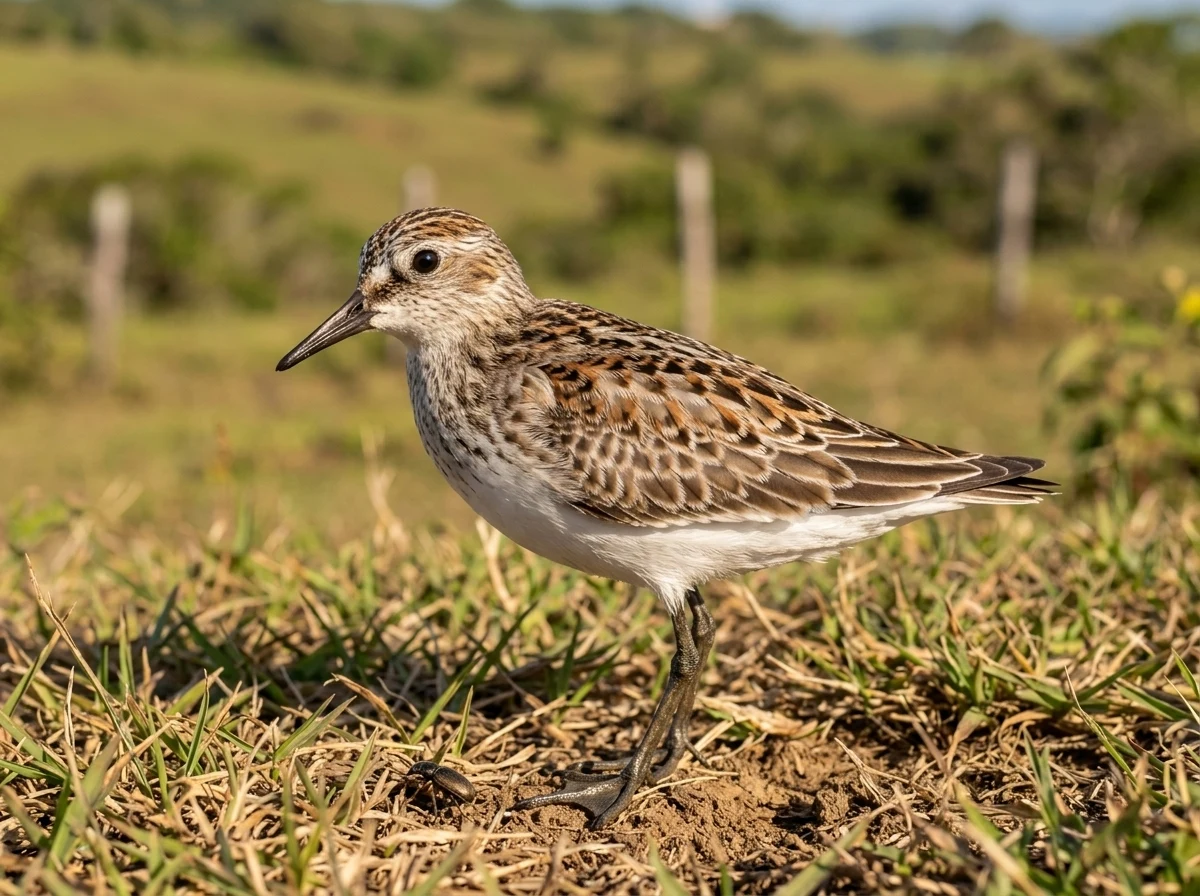
The Semipalmated Sandpiper (Calidris pusilla) is a very small shorebird in the family Scolopacidae. It is migratory and its occurrence in Puerto Rico is documented in the archipelago's bird catalog. In the Cabo Rojo Salt Flats study, small calidrids had the highest population counts, and Semipalmated Sandpiper body fat condition was used as an index of habitat quality. That makes it a useful species for practicing observation at different tide phases, always without assuming local abundance or specific dates.
The Greater Yellowlegs (Tringa melanoleuca) is a large shorebird in the family Scolopacidae. It breeds in central Canada and southern Alaska and winters in southern North America, Central America, the West Indies, and South America. Its occurrence in Puerto Rico is also documented in the catalog. Because of its size, it is easier to follow at a distance than small calidrids, which helps compare how different species use the same shoreline in the same tide phase.
Linked profiles
Mentioned species
Two shorebirds documented in Puerto Rico that you can use to practice tide reading.
AI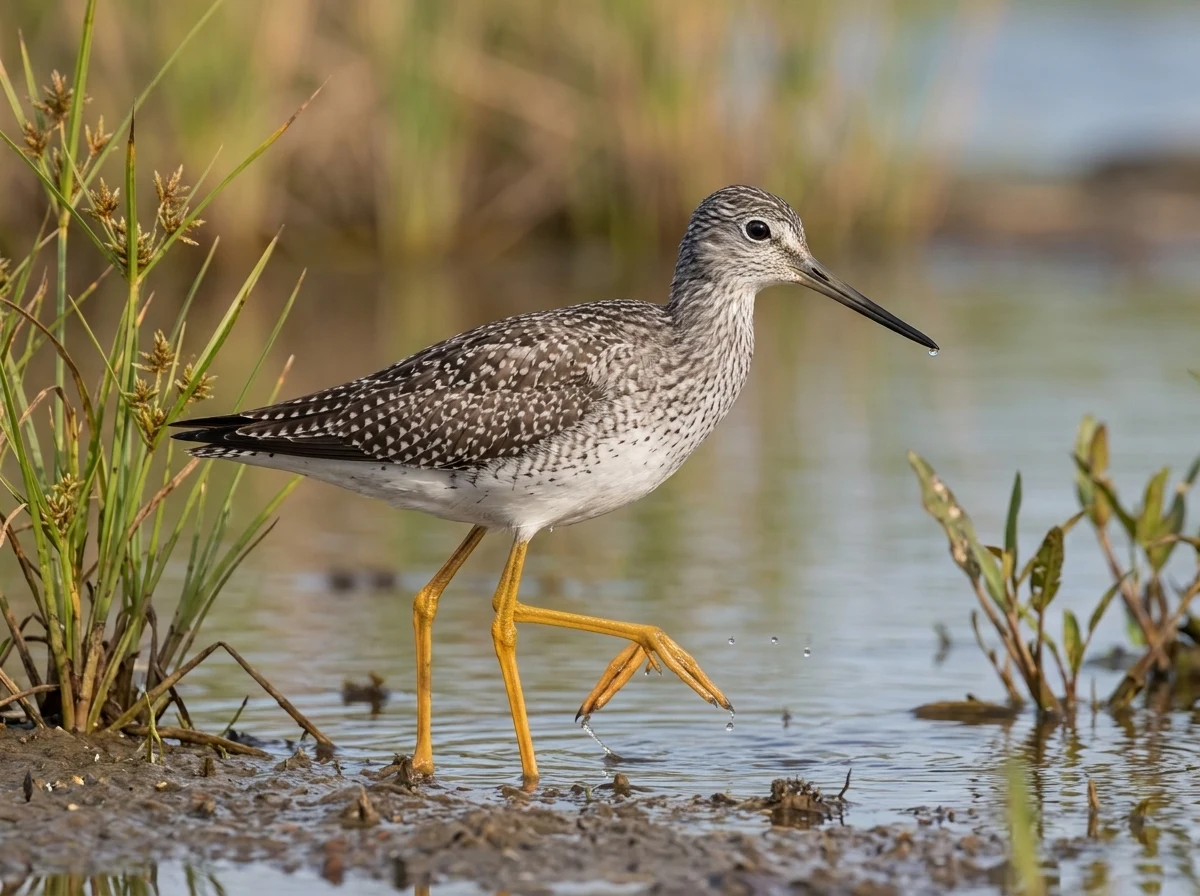 AI
AI01
Which tide phase is best for watching shorebirds feeding?
Outgoing tide and low tide in accessible areas. Audubon indicates that birds start to get active about one hour after high tide and that by two hours after high tide they are on the move across reopened feeding areas. At low tide they disperse across flats, which can make close observation difficult.
02
Why don't I see shorebirds at a roost during low tide?
Because roosting sites are only full of birds at high tide. Audubon notes that if you go during low or even mid-tide, you will be hard pressed to find even one bird at those sites. At low tide most disperse across the flats to feed.
03
Can I approach a roost at high tide?
It is best not to. Audubon warns that birds are getting much-needed rest before the tide starts to recede and that resting time is critical during their migratory journeys. The recommendation is to limit any disturbance, keep distance, and observe from a fixed, low point.
04
How do I know when high tide is in my area?
Check a local tide table for the specific day and place you will visit. Times change each day and vary between locations. Note high tide and low tide before leaving and calculate your arrival with margin, as Audubon recommends for roosts.
05
Does the tide affect all shorebirds the same way?
The general pattern of feeding at low tide and resting at high tide applies to many shorebirds, but each species has its own size, diet, and habitat preferences. For example, the Semipalmated Sandpiper is a small calidrid and the Greater Yellowlegs is a large shorebird. Watching both species in the same tide phase helps notice behavioral differences without assuming all respond the same way.
Keep exploring
Connected routes
Sources and review
The evidence is one link away.
These sources support the editorial scope of this guide. Bird profiles also retain their own taxonomy, occurrence, and conservation references.
Reviewed:
01↗02↗03↗
Audubon Magazine
How to Read the Tides for Shorebird Photography
Evidence for cited sections; consult the original document.USGS / Waterbirds
Change in numbers of resident and migratory shorebirds at the Cabo Rojo Salt Flats, Puerto Rico, USA (1985–2014)
Evidence for cited sections; consult the original document.BirdsCaribbean
A Week of Wetlands and Waterbirds: Building Skills and Counting Birds in Puerto Rico
Evidence for cited sections; consult the original document.The atlas continues