 AI
AIMigration at water level
Shorebirds and plovers
On a salt flat, the neighboring bird may be the best ruler.
Reviewed:Build a comparison, not a guess.
Shorebirds change plumage and gather far away. Divide the flock by size, bill, legs, and feeding before seeking fine detail.
Plovers often stop, look, and run; many sandpipers probe continuously. Photograph the whole flock to preserve scale.
Migration at water level
The guide at a glance
14linked profilesA focused selection connects the guide with verifiable species.
3reading lensesContext, identification, and practical decisions organized by topic.
5primary sourcesAgencies, research, and ornithological organizations support the content.
01
Bill, legs, and rhythm
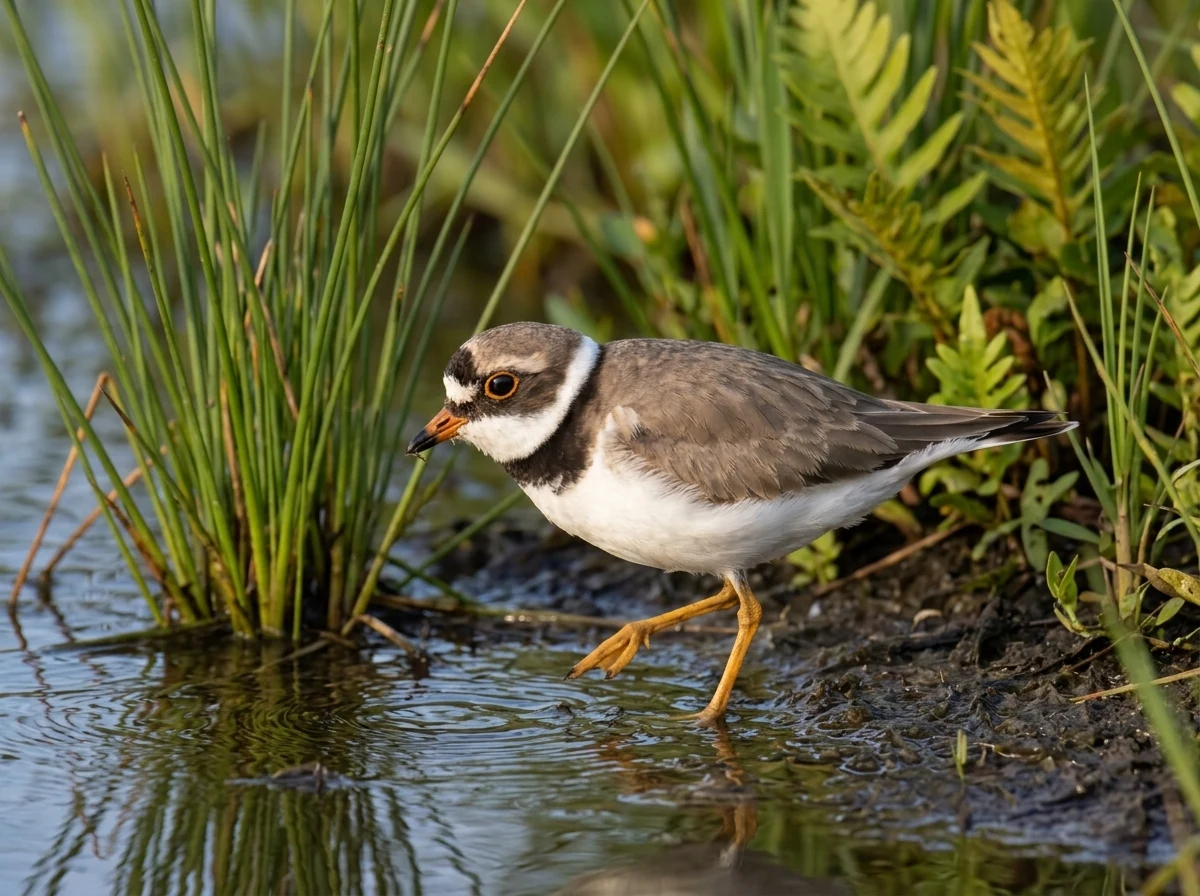
Semipalmated and Least require scale, bill, and legs; Sanderling runs with waves; Turnstone flips objects; Spotted Sandpiper bobs.
Greater and Lesser Yellowlegs separate through bill-to-head proportion, voice, and structure, never apparent size alone.
02
Tide, season, and distance
Passage can begin in late boreal summer. Tide and water level concentrate or disperse birds; record time to interpret the list.
Do not walk through flocks or flush them repeatedly. Rest and feeding are part of the journey; use optics and permitted edges.
Linked profiles
Birds to compare
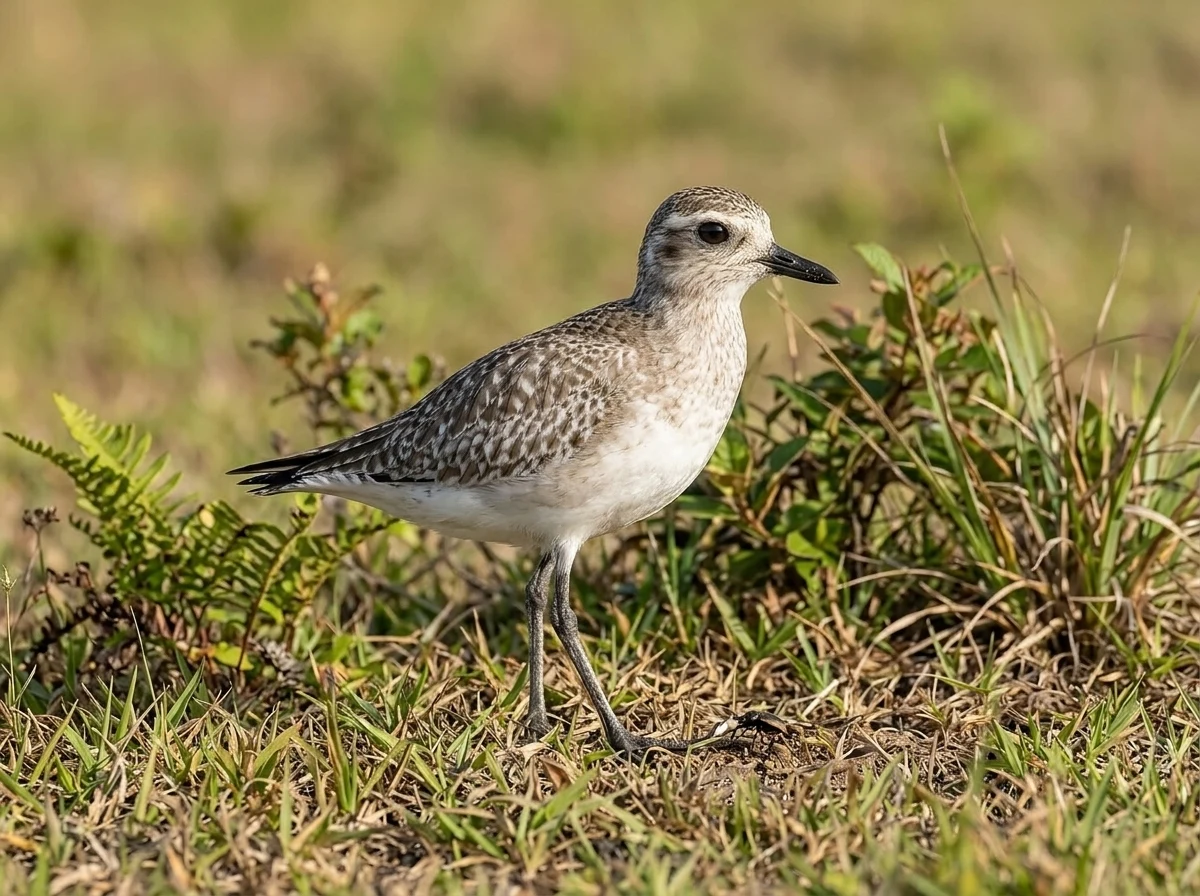
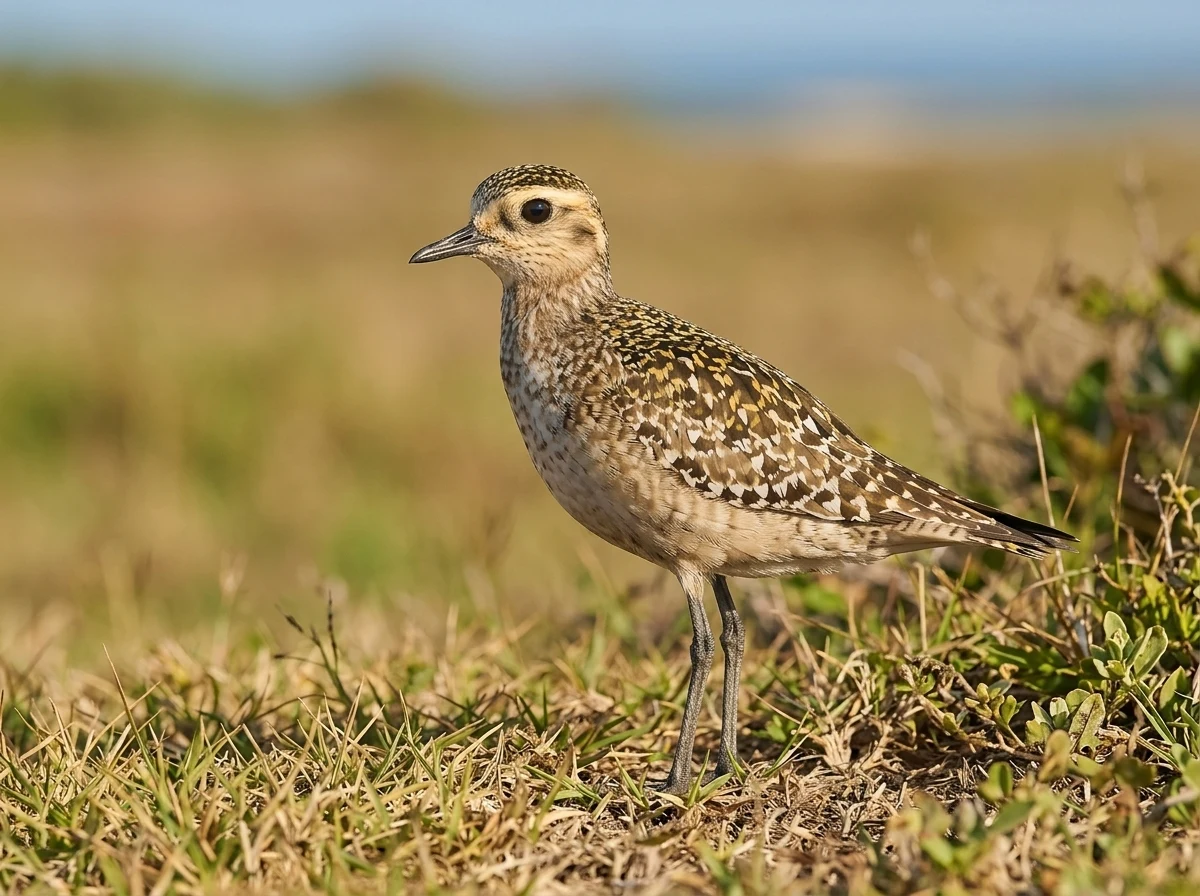
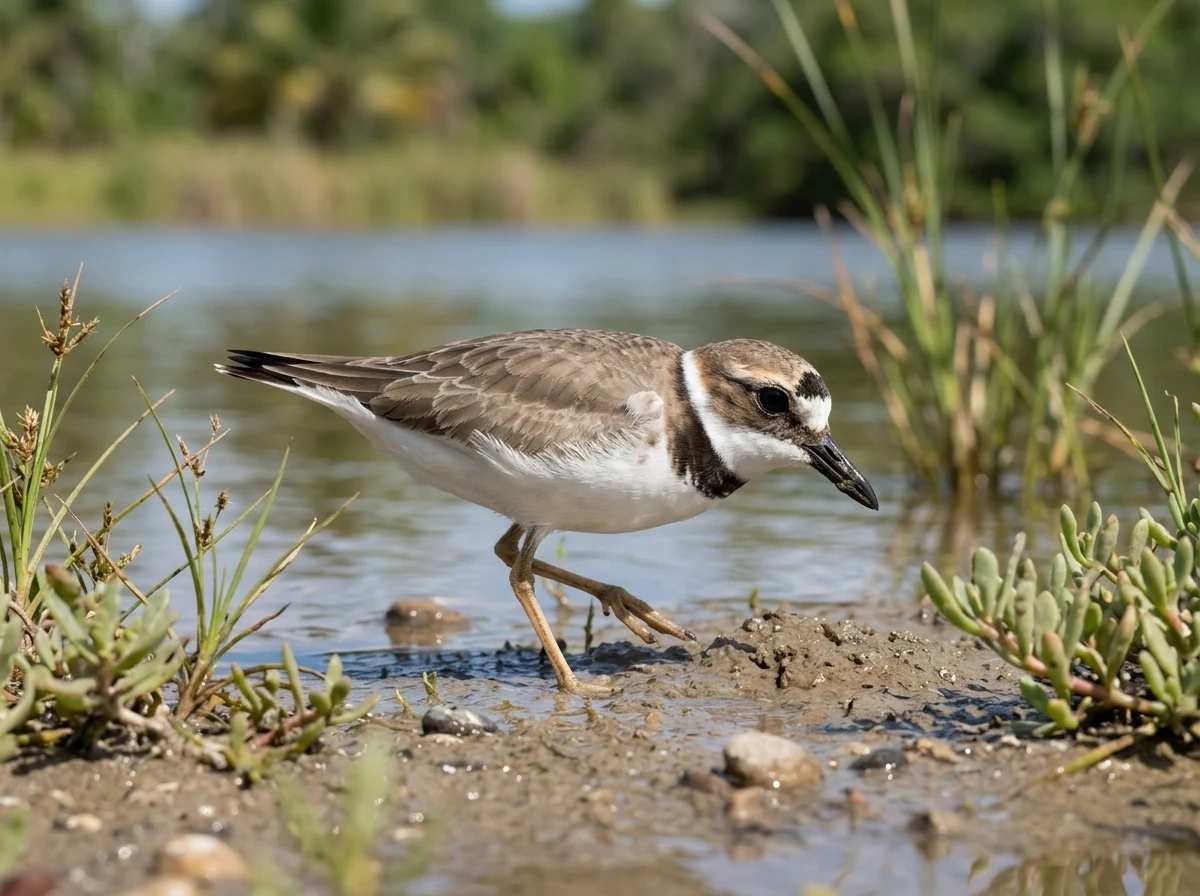
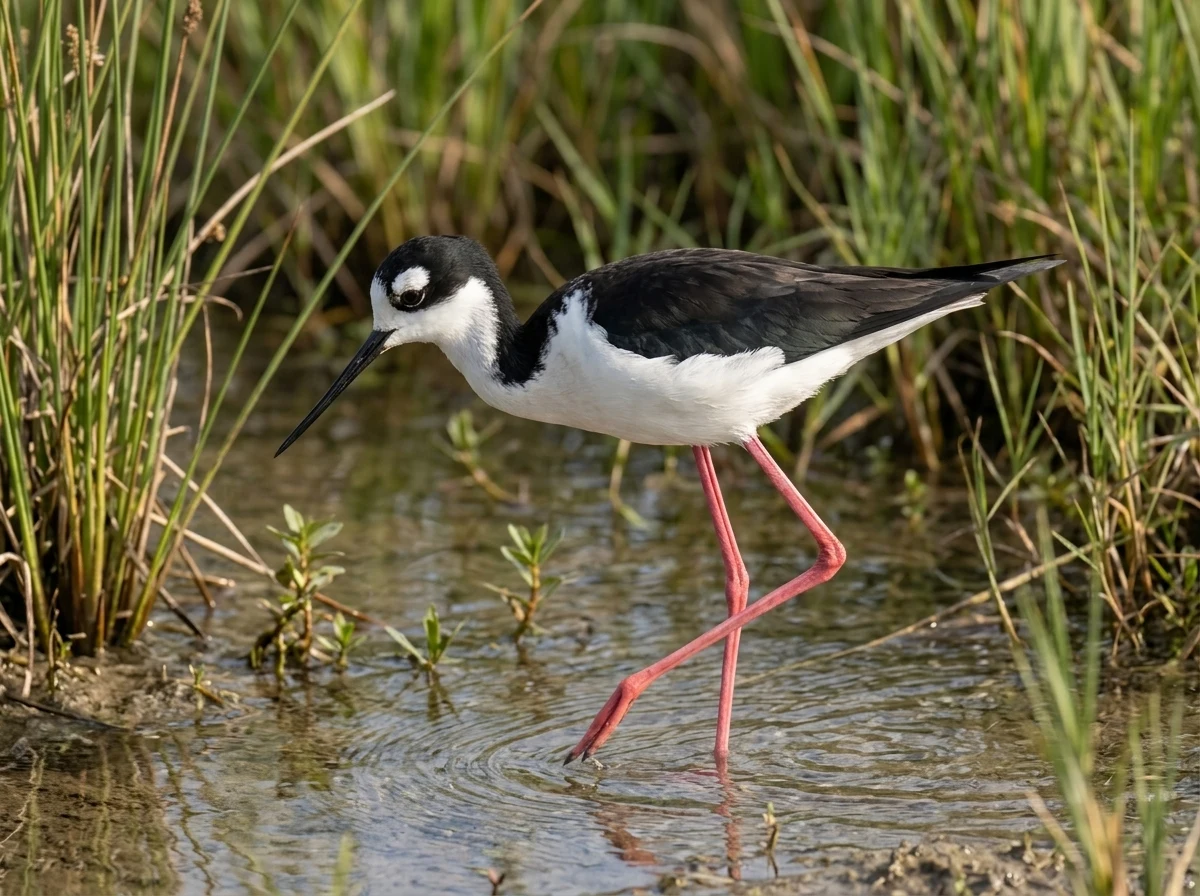
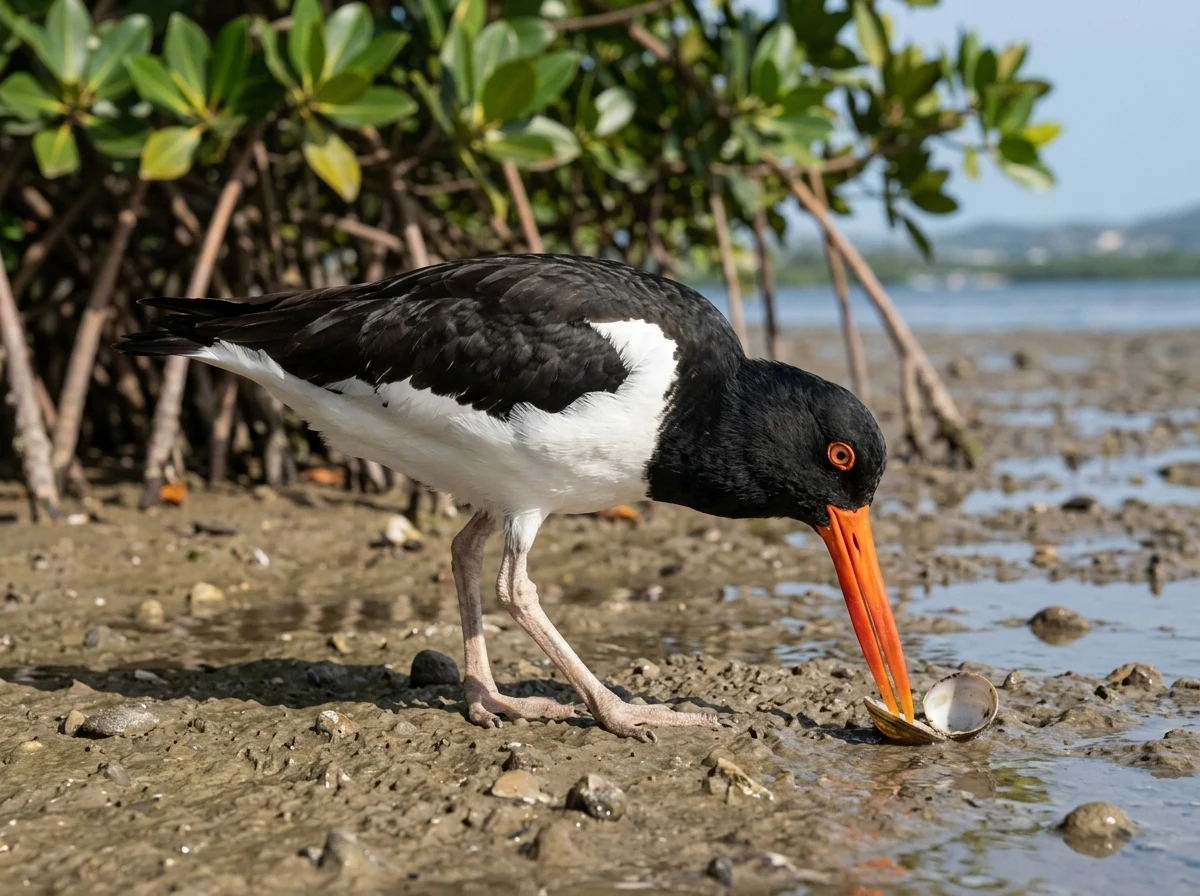
Open each profile to review names, marks, audio, habitat, status, and sources.
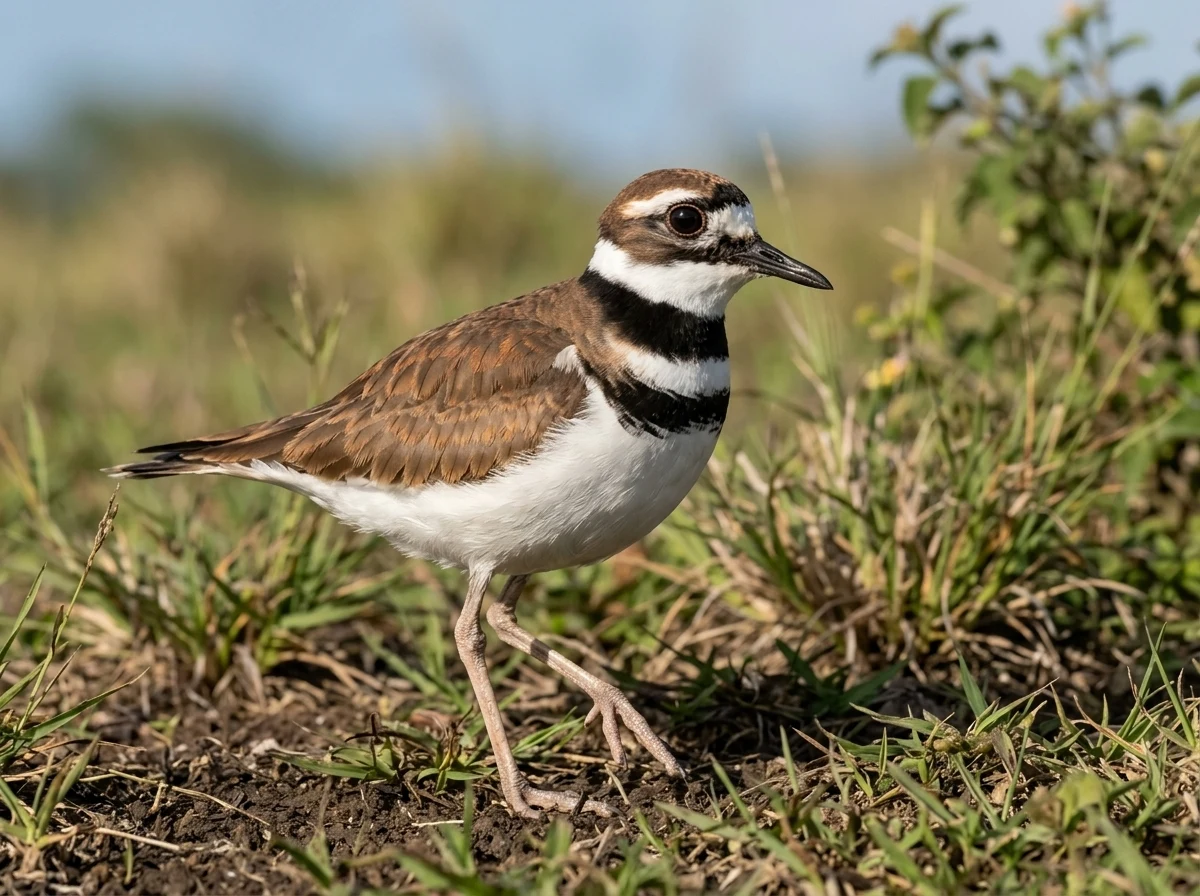
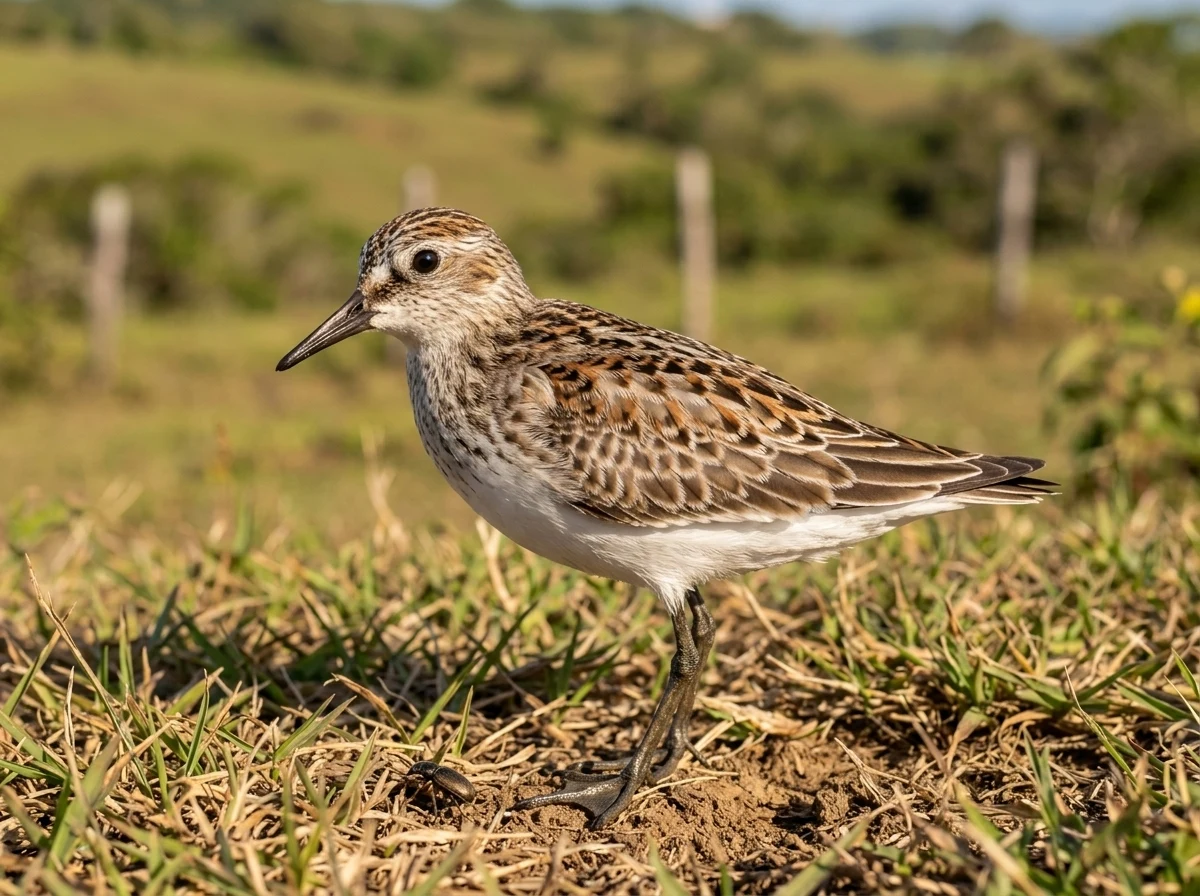
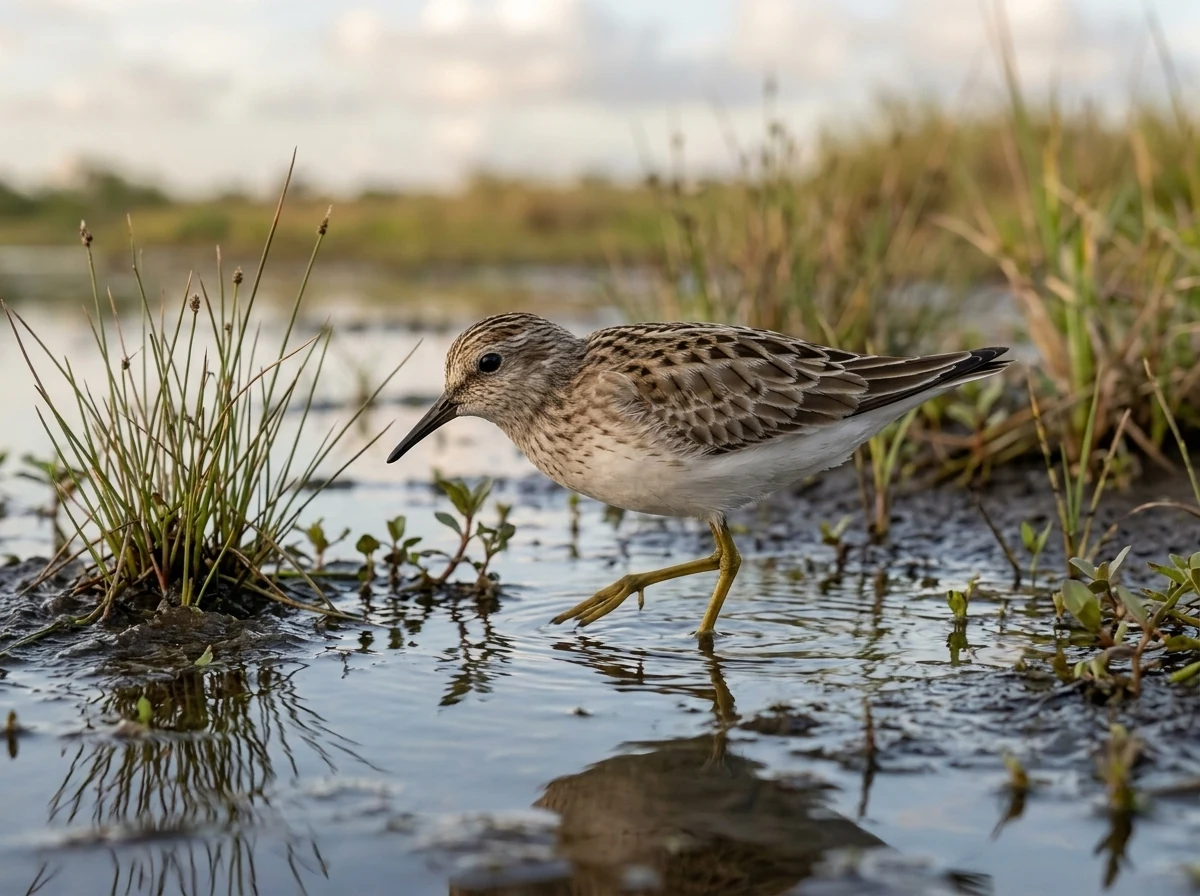
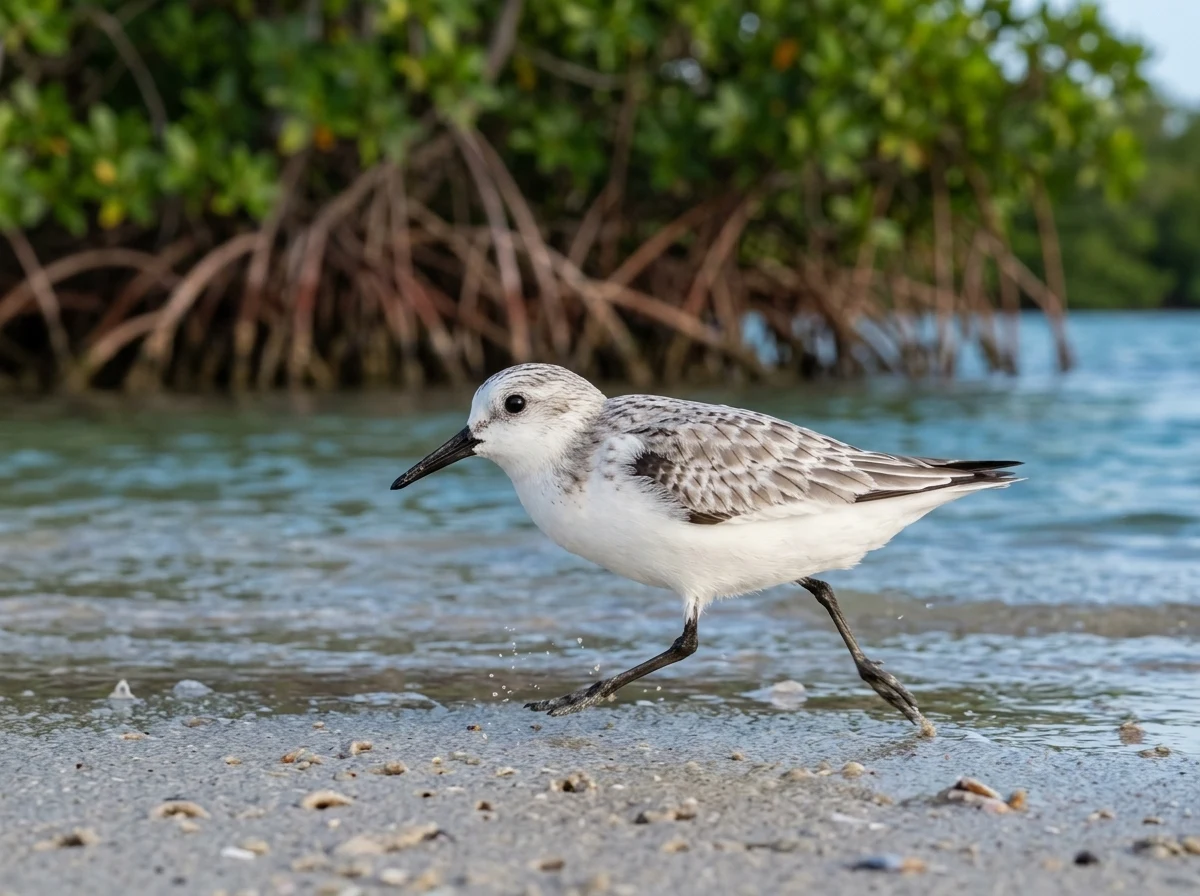
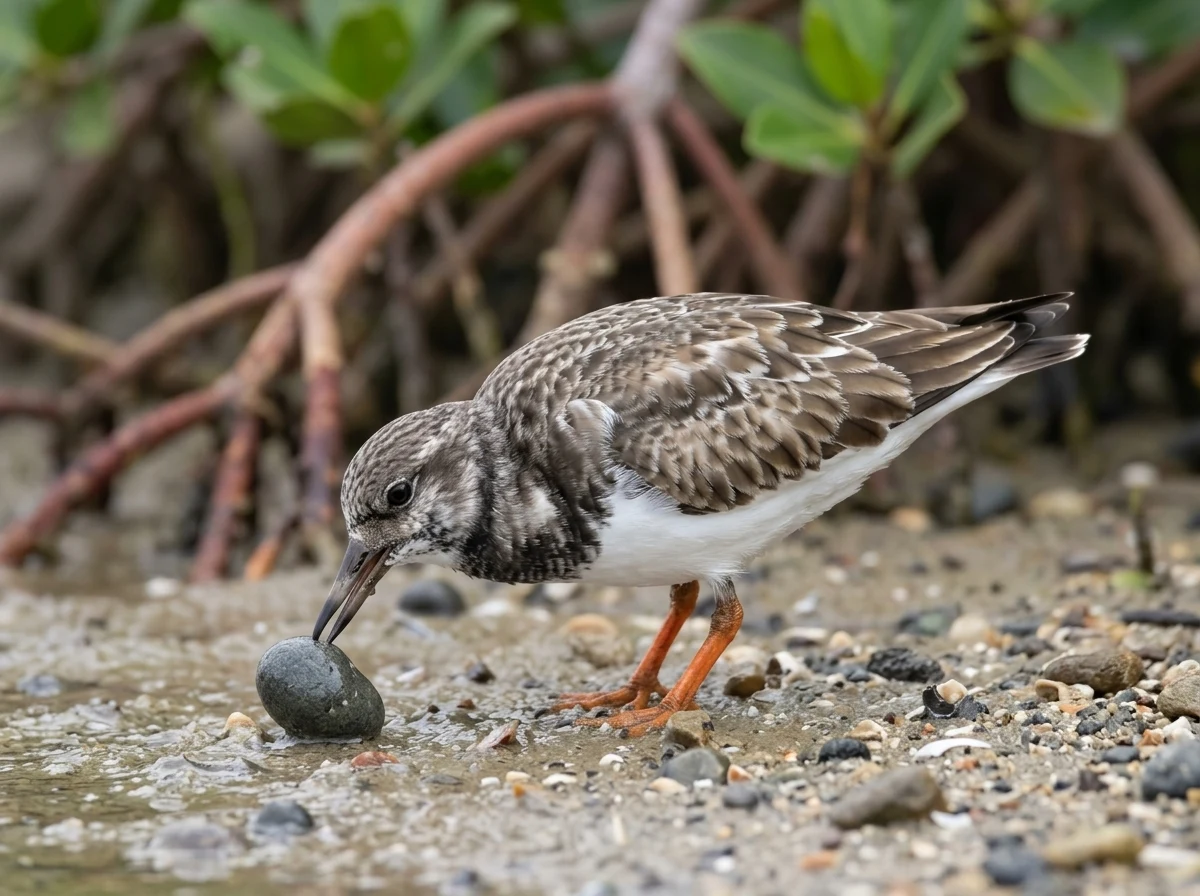
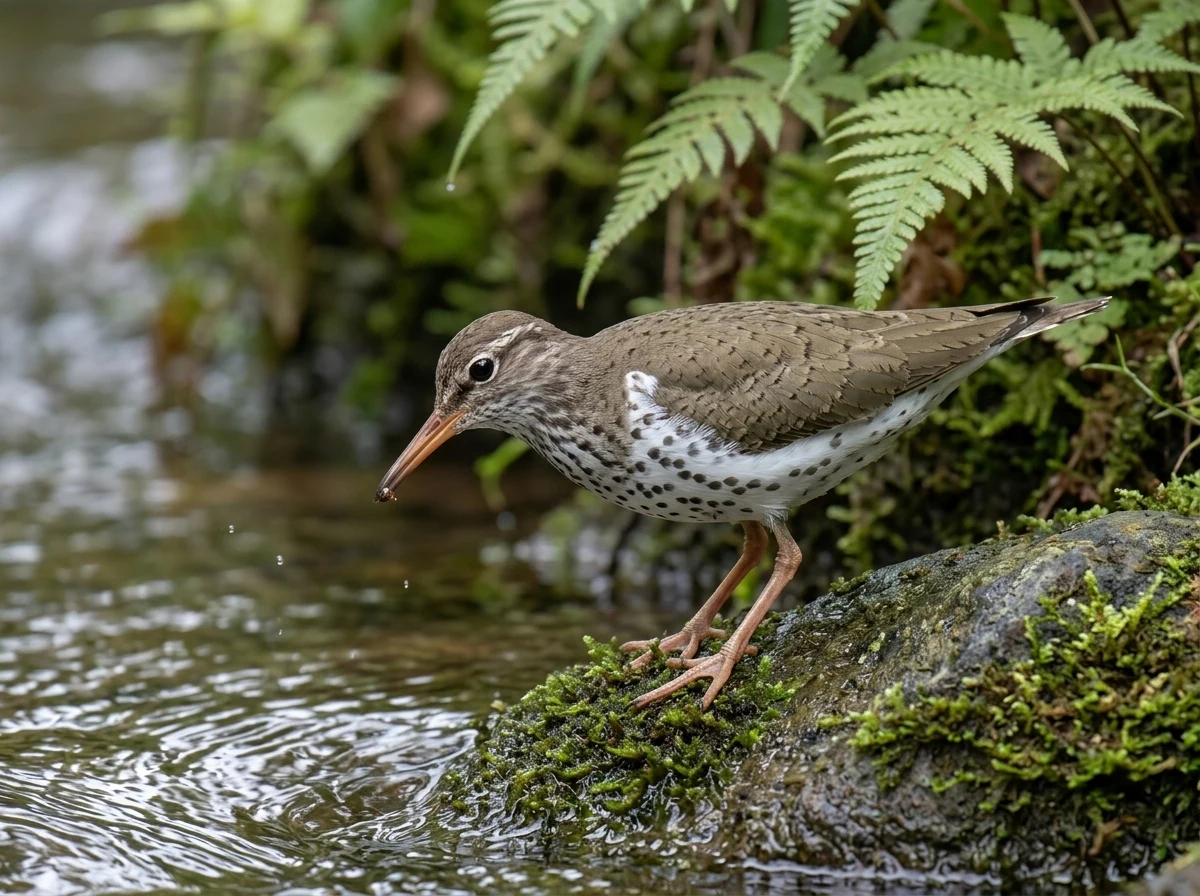
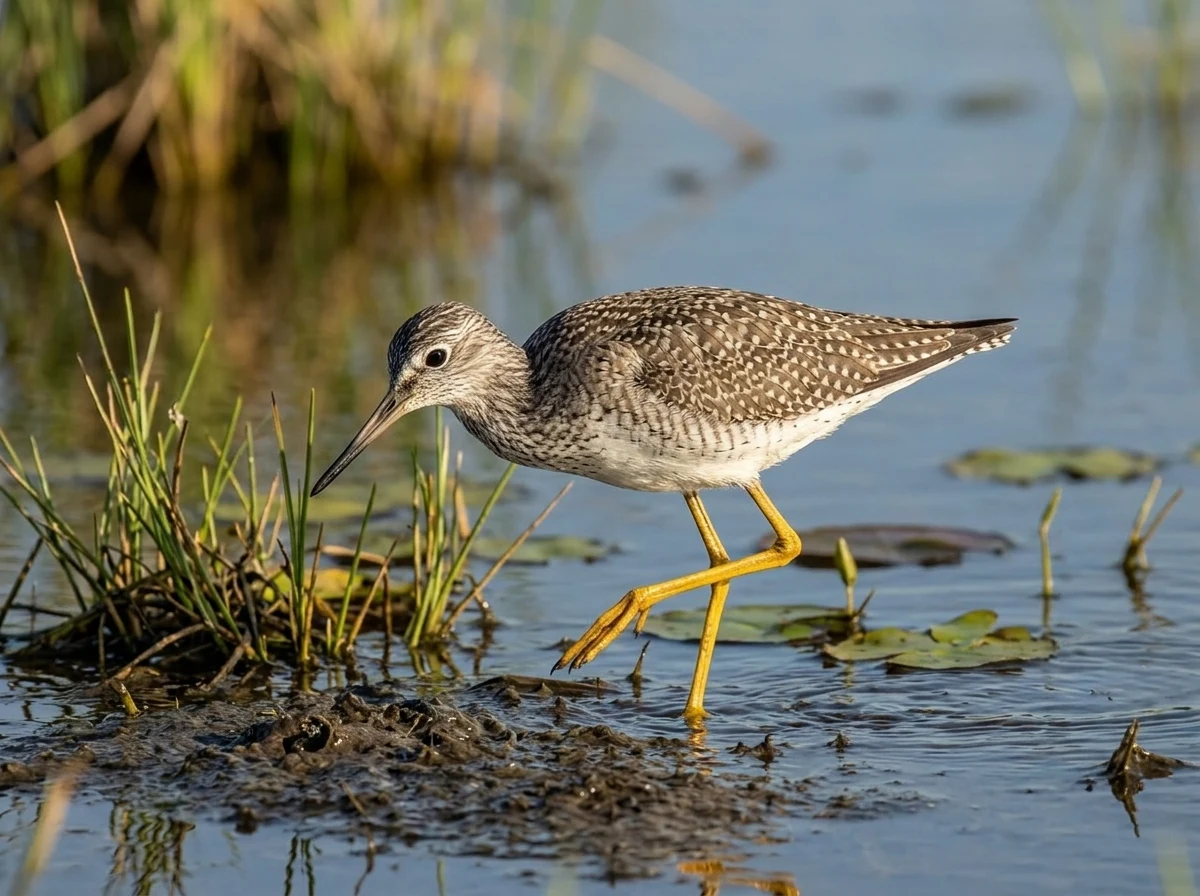
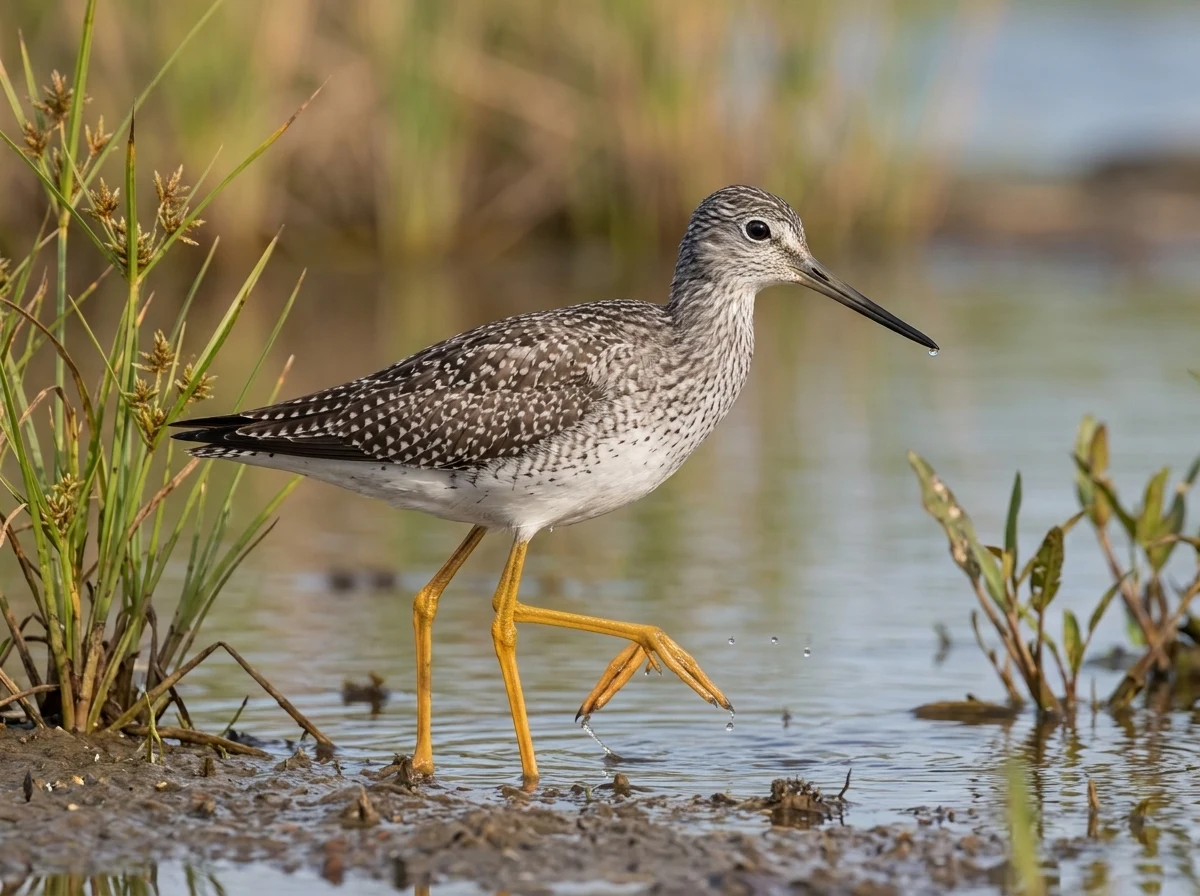
Sound archive
Hear its voice
Explore real songs and calls. The spectrogram turns each sound into a visual trace of time and frequency.
XC1056711Recording 1 of 3call

Play: call by Christiana Fattorelli
Choose another recording
Sound recorded by Christiana Fattorelli · XC1056711 · CC BY-NC-SA 4.0. Visualization by Stichting Xeno-canto voor Natuurgeluiden.
Every recording retains the creator, catalogue number, and license published by Xeno-canto. Metadata via GBIF ↗
01
When do shorebirds arrive?
Fall passage may begin in late summer and continue into winter; each species has a different window.
02
How do I separate yellowlegs?
Compare bill with head, structure, and voice. Apparent size alone is unreliable.
03
How do I verify an identification or claim?
Compare more than one mark, check date and place, open the linked profile, and consult the sources published at the end of the guide.
Keep exploring
Connected routes
Sources and review
The evidence is one link away.
These sources support the editorial scope of this guide. Bird profiles also retain their own taxonomy, occurrence, and conservation references.
Reviewed:
01↗02↗03↗04↗05↗
U.S. Fish and Wildlife Service
Cabo Rojo National Wildlife Refuge
Habitats, focal birds, conservation, trails, and official refuge notices.U.S. Fish and Wildlife Service
Laguna Cartagena National Wildlife Refuge
Importance of the freshwater wetland for resident and migratory waterbirds.NOAA Office for Coastal Management
Jobos Bay Estuarine Research Reserve
Habitats, extent, and monitoring of the reserve.Sociedad Ornitológica Puertorriqueña
Official bird list
Local names, occurrence categories, and the public summary of 17 endemics.Corriente Verde
Migratory birds of the archipelago
Local introduction to the origins, routes, and seasons of migratory visitors.The atlas continues