 AI
AISand, surf, and shore
Beach Birds of Puerto Rico
What runs at the waterline, what fishes off the sand, and what nests on it: three groups with different rules.
Reviewed:Three groups of birds share the beach.
The most common beach birds in Puerto Rico are the sandpipers and plovers that run at the waterline, such as Sanderling, Ruddy Turnstone, and Semipalmated Plover, and the birds that fish just off the sand: Brown Pelican, Magnificent Frigatebird, Royal Tern, and, in summer, Laughing Gull and Least Tern. Nearly all the sandpipers are migrants, seen mostly from August through April.
A San Juan hotel beach can look empty of shorebirds: in the records for Isla Verde and Ocean Park, grackles, pigeons, and doves dominate, and shorebirds show up in low numbers. Quiet beaches, rocky points, and salt flats hold far more of them. This guide helps you name them, understand the seasons, and watch without flushing them.
Sand, surf, and shore
The beach by season
Ago–abrshorebird seasonSanderling records drop to 2–3% per month from May through July.
Abr–sepLeast TernAlmost no records November through March; nests on open sand.
1Snowy Plover nesting siteCabo Rojo Salt Flats, according to USFWS.
01
The waterline runners: sandpipers and plovers
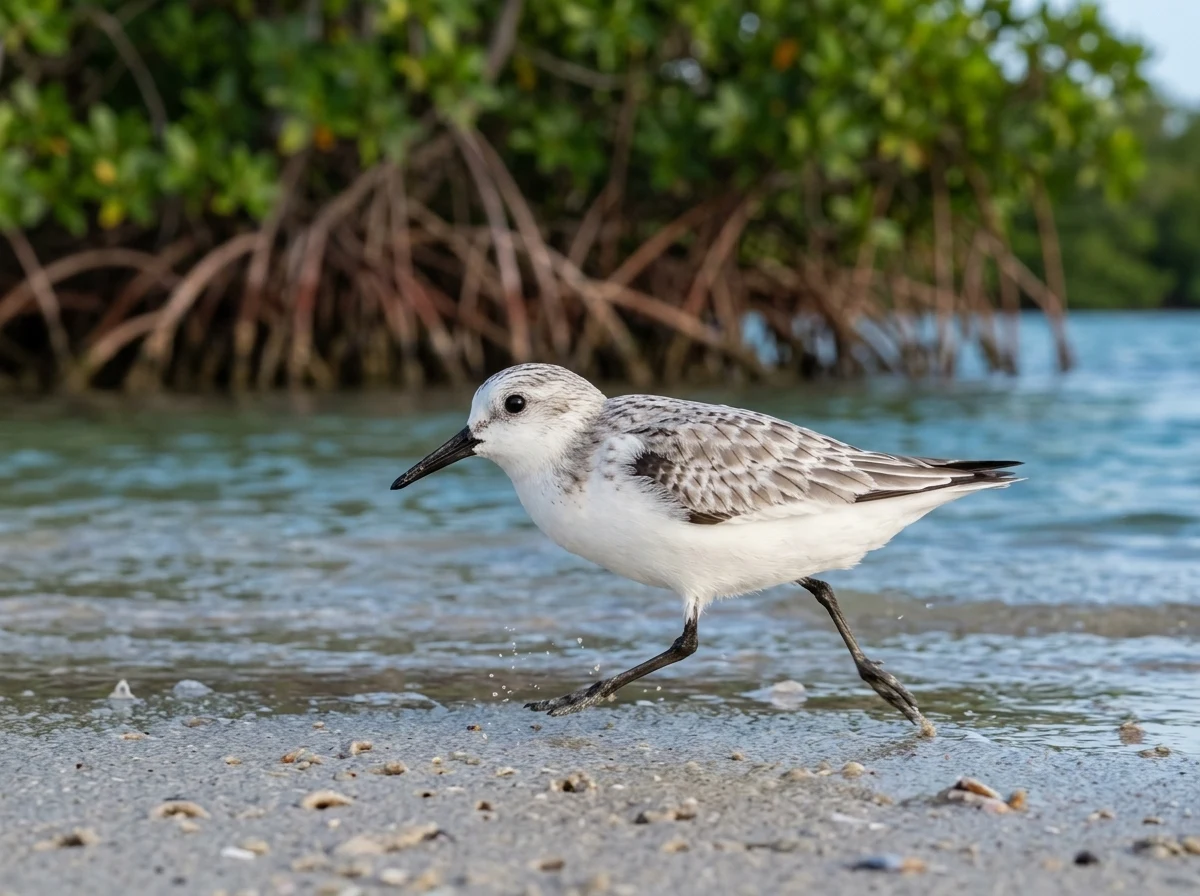
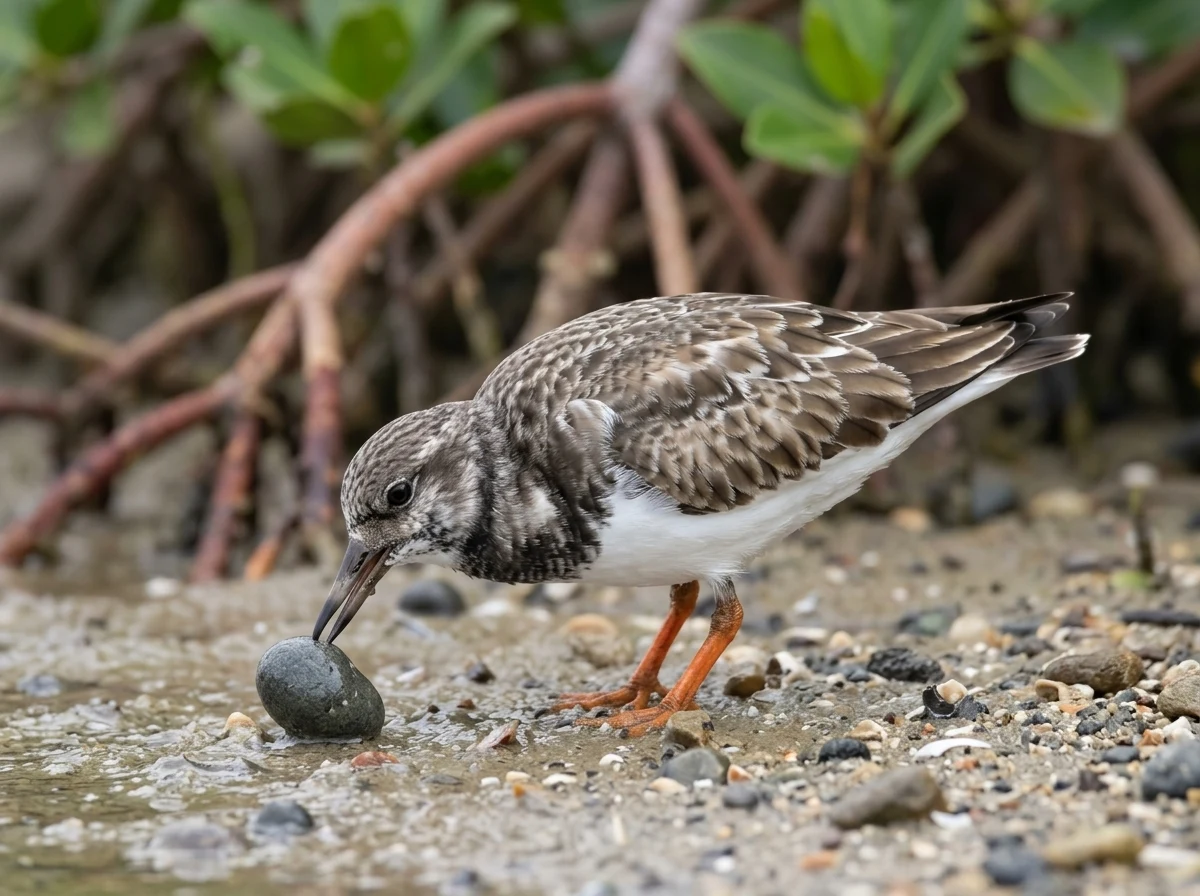
Sanderling is small, very pale in winter, with a black bill and legs, and it chases each retreating wave to grab tiny crustaceans, like a clockwork toy. Ruddy Turnstone is stockier, with short orange legs and a dark chest pattern; it flips stones, shells, and seaweed with its bill and favors rocky or debris-strewn shores.
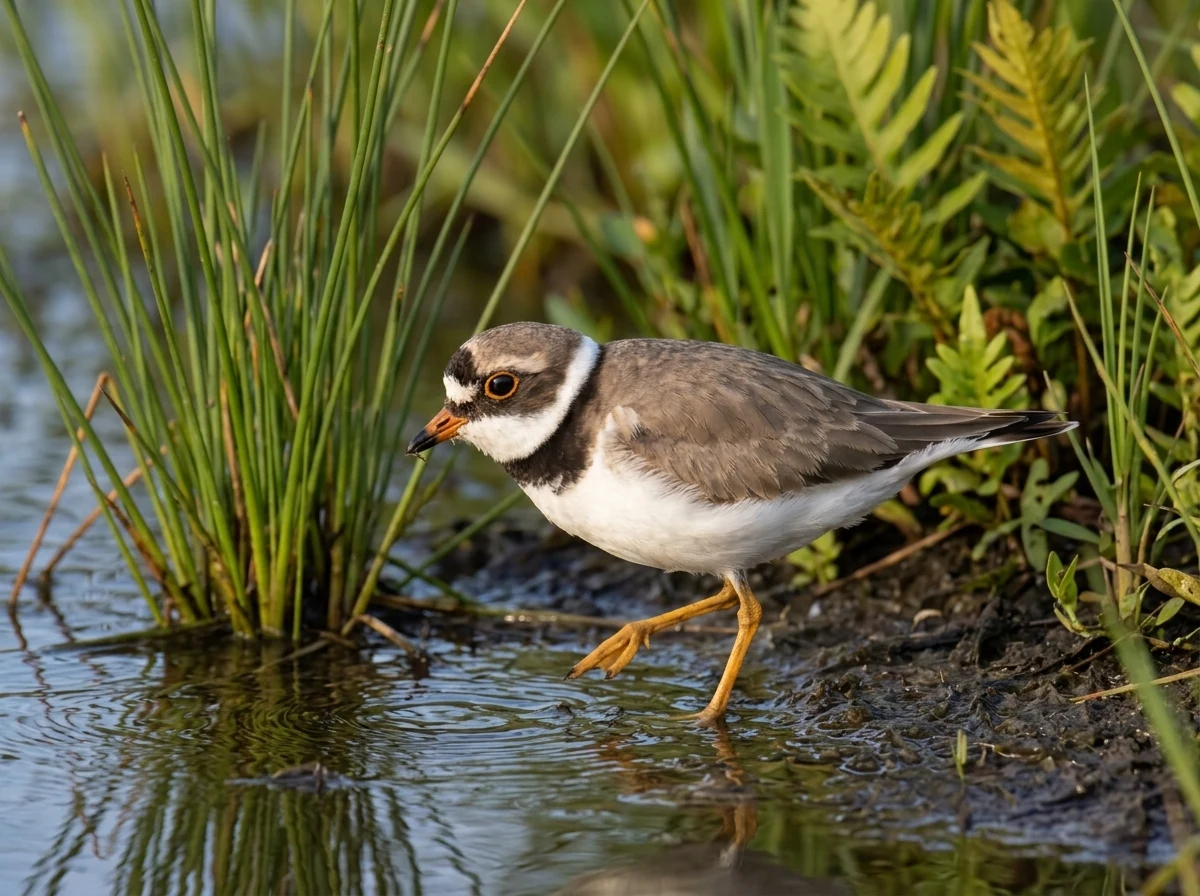
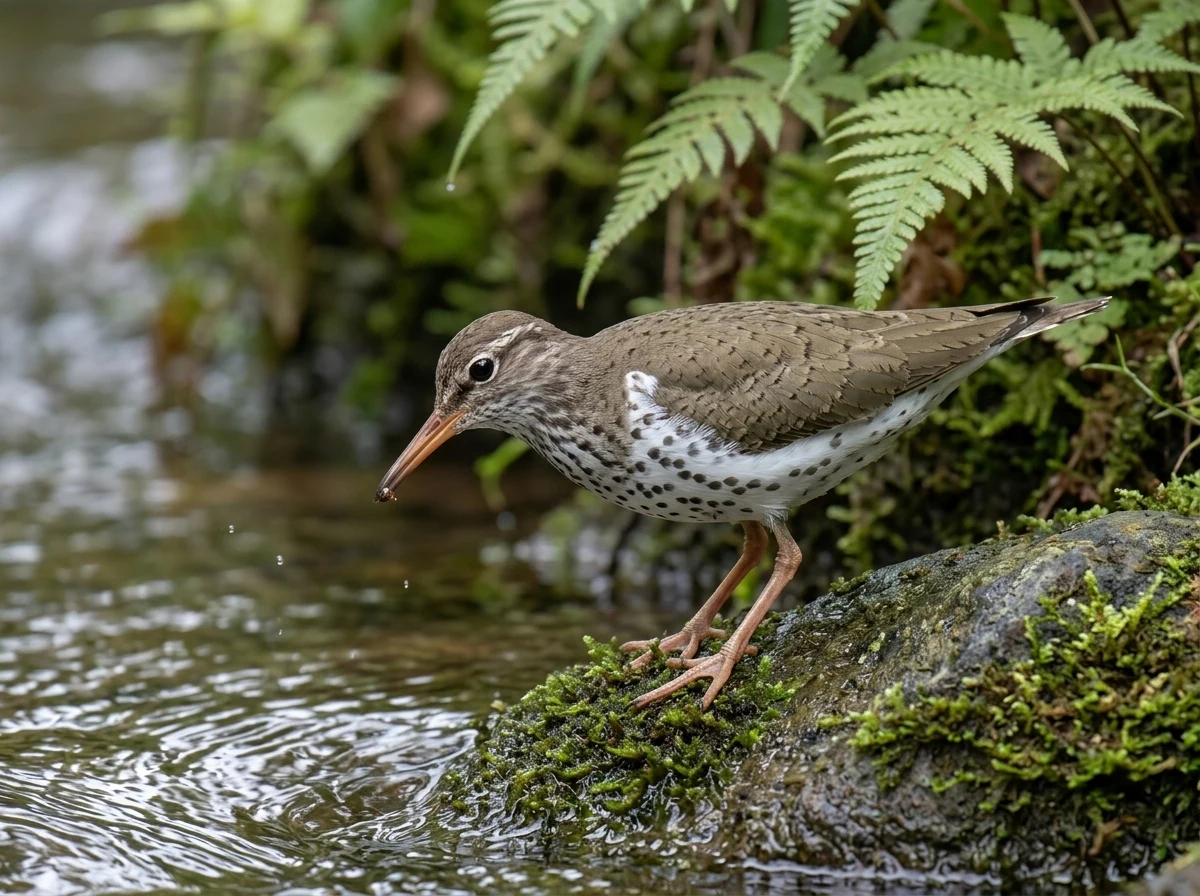
Semipalmated Plover has a brown back, a single dark breast band, and a short bill; it runs, stops, and pecks, unlike the steady probing of sandpipers. Spotted Sandpiper bobs its tail constantly and is usually alone on rocks and river mouths. If you see a pale plover on a southwestern beach, compare it with Snowy Plover, listed as critically endangered by the DNER.
02
The birds fishing off the sand
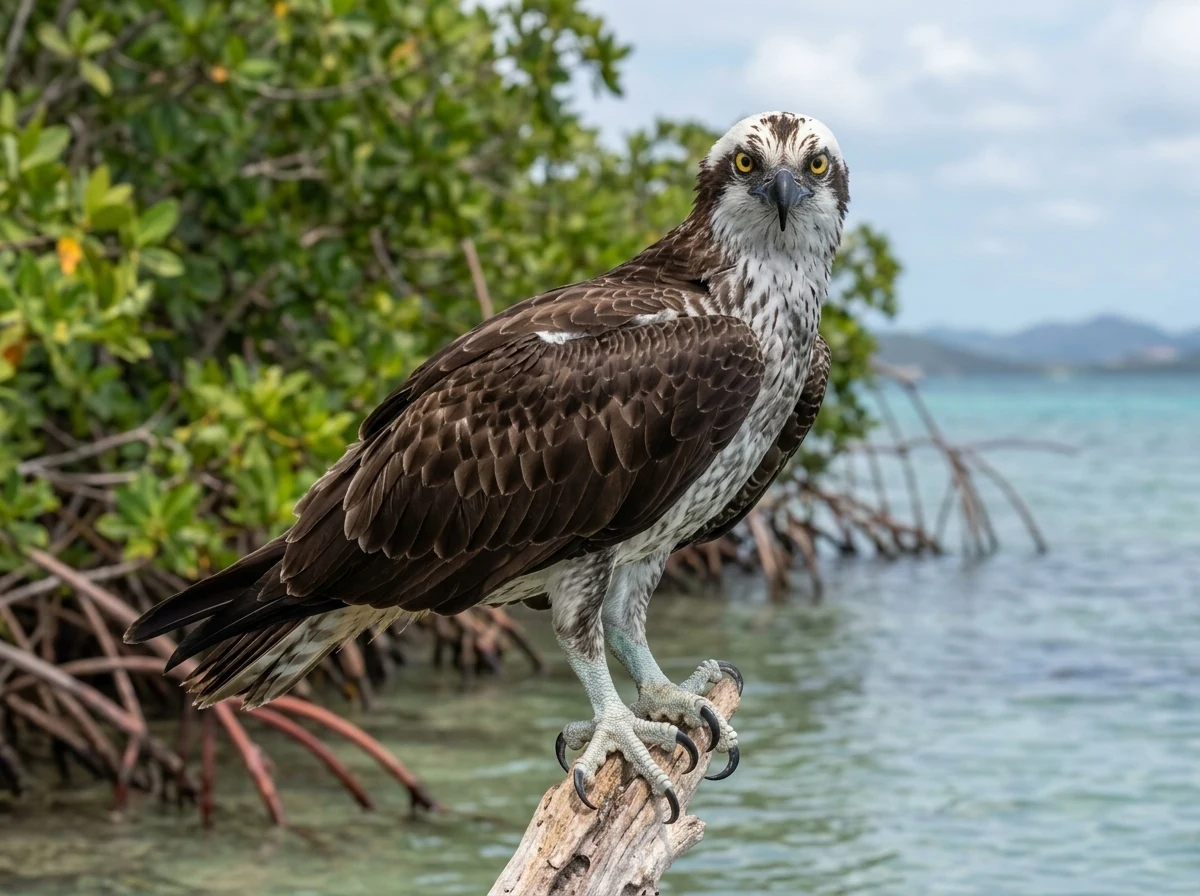
Brown Pelican is the easiest beach bird to recognize: large, gray and brown, it dives headfirst from as high as about 60 feet and drains its pouch before swallowing. Magnificent Frigatebird often soars above it on long angular wings with a forked tail. Brown Booby, dark brown on head and back with a white belly, fishes in low flight and plunge-dives too.
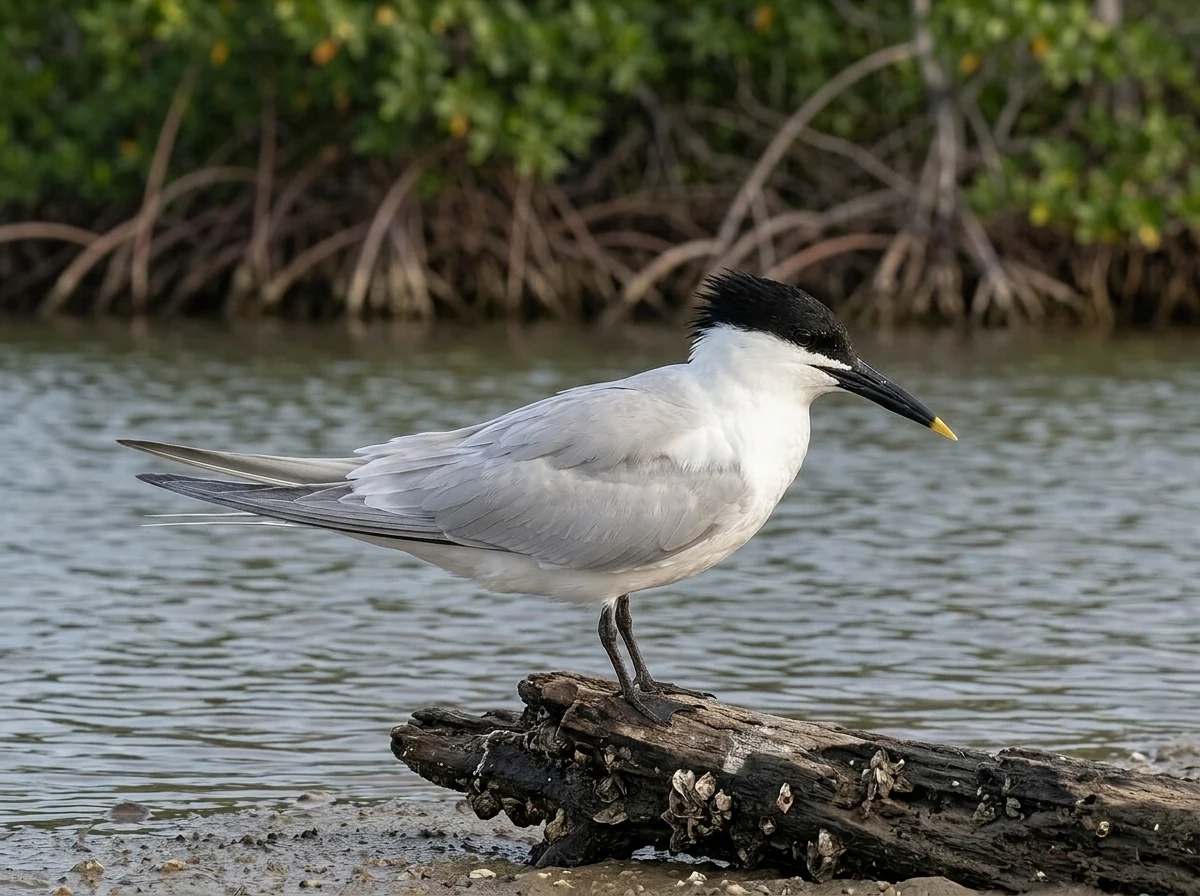
Among the terns, Royal Tern is the big one with an orange bill and shaggy crest; it is present all year, with the most records in December, January, and February. Sandwich Tern is slimmer and has a black bill with a yellow tip, a detail that needs good light. Both hover over the water and dive headfirst, and they often rest together on sandbars.
03
Summer on the sand: Least Tern and Laughing Gull
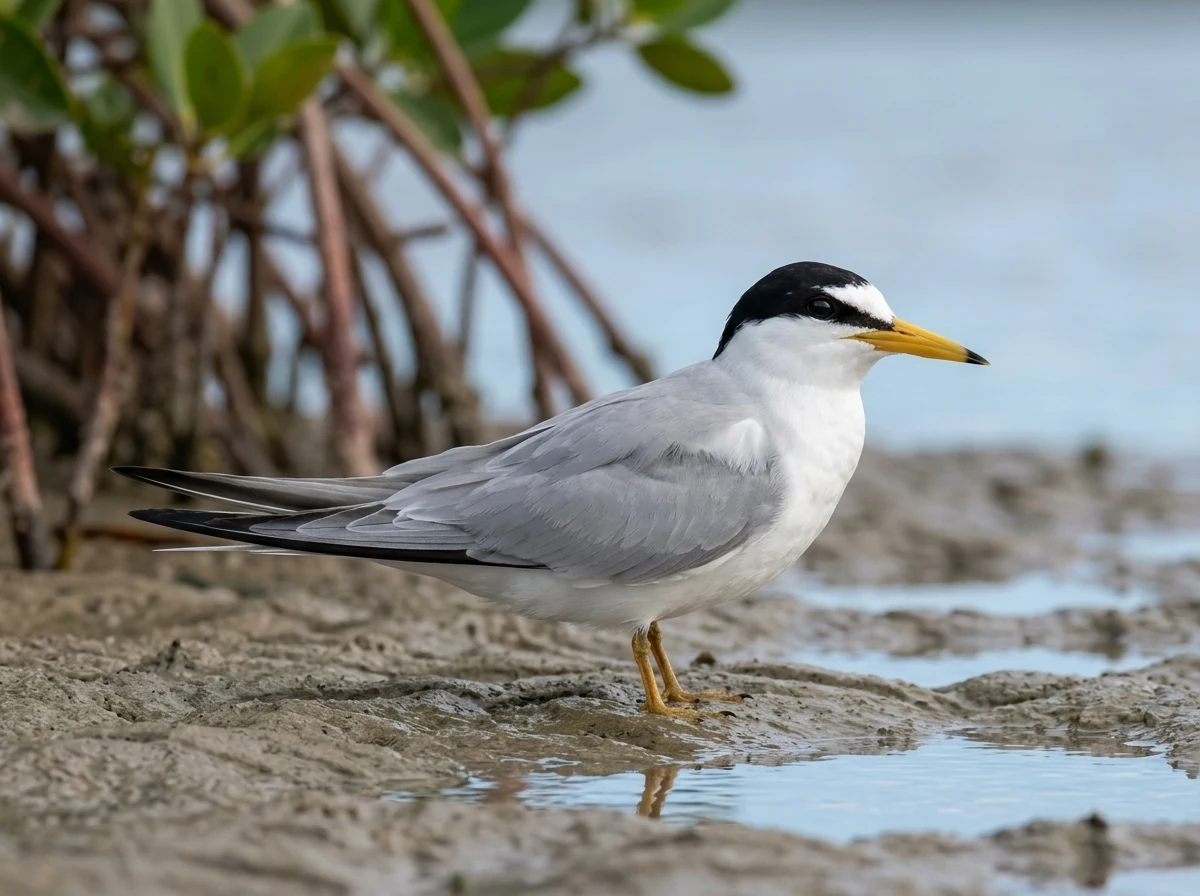
Least Tern is North America's smallest tern, with a black cap, white forehead, and a yellow bill tipped in black. In Puerto Rico nearly all its records fall between April and September, peaking in June and July. It nests in colonies on open sand and salt flats, and disturbance from beachgoers is one of its main threats; the DNER lists it as vulnerable.
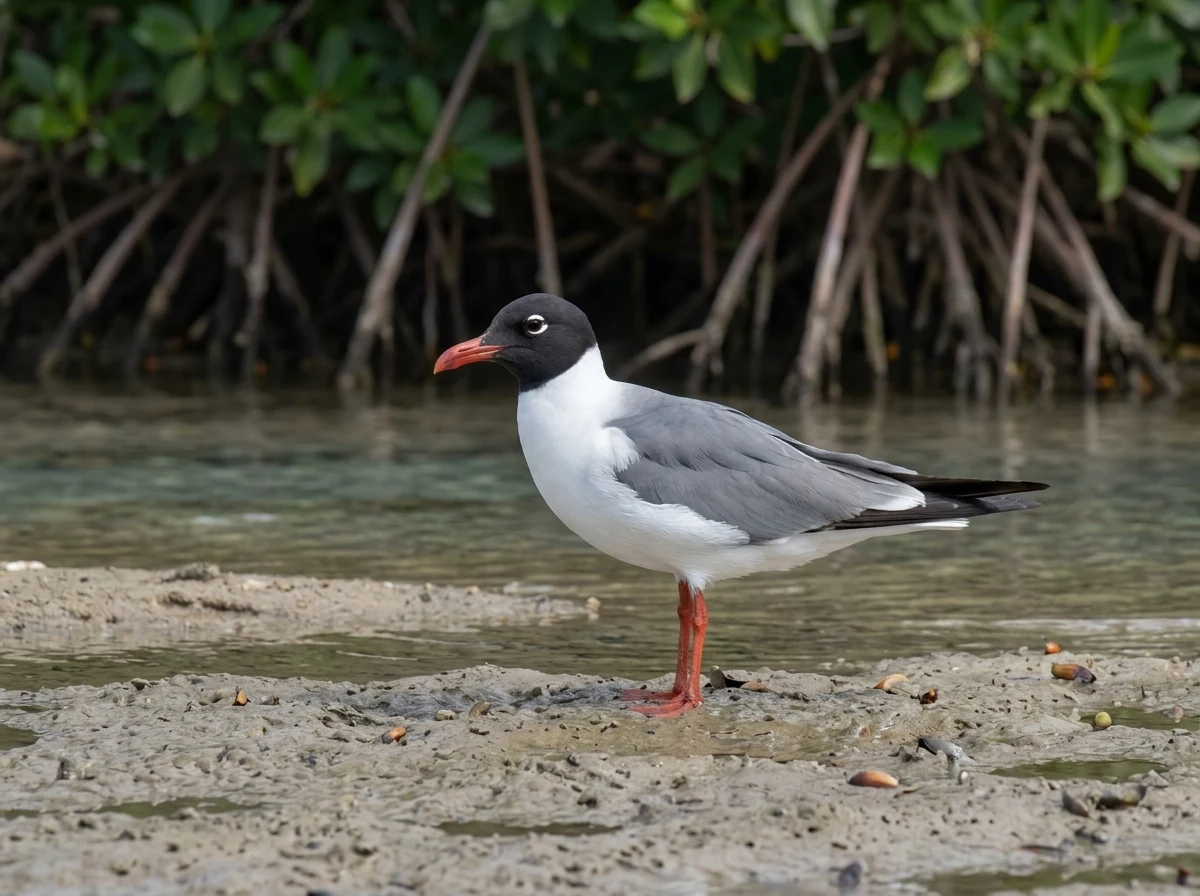
Laughing Gull, the archipelago's most common gull, follows a similar pattern: its records rise from April through August and fall sharply in winter. It has a dark gray back and, in breeding plumage, a black head. If you see a large gull on a winter beach, note size, legs, and wing pattern; other gulls occur less regularly.
04
Rocky points and salt flats: oystercatchers and Snowy Plover
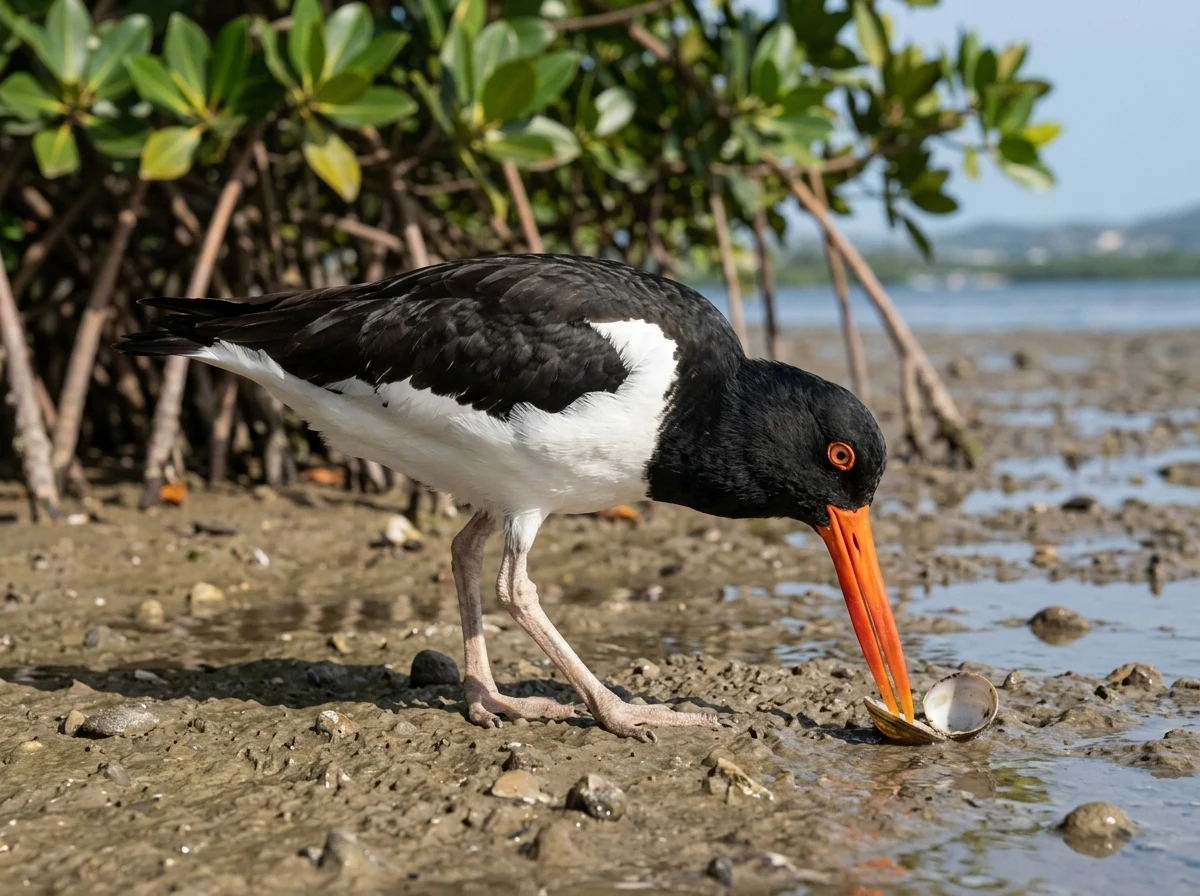
American Oystercatcher, black and white with an oversized red bill, opens shellfish on rocky shores, sandy flats, and cays. It is recorded all year, and the DNER lists it as vulnerable. The Old San Juan islet alone, with more rocky shore than sand, holds hundreds of its records, proof that not every beach bird needs sand: rocks, jetties, and low-tide reefs are just as productive.
The Cabo Rojo Salt Flats, part of the federal refuge, draw seabirds and shorebirds and are the only place in Puerto Rico where Snowy Plover nests have been documented. The refuge is a stopover for birds migrating between North and South America. If you go, use the interpretive center and observation tower during their hours, and stay out of posted nesting areas.
05
How to watch beach birds without flushing them
A flock of shorebirds that takes off burns energy it needs for migration. Approach at an angle, never straight on; stop when birds quit feeding and raise their heads, and use binoculars or zoom instead of walking closer. Keep dogs leashed around roosting birds, and don't chase flocks for a flight shot.
Go early, before the crowds, or choose quieter beaches. Low tide exposes the rocks and seaweed where Ruddy Turnstones feed, and salt flats offer good visibility from the edge. Respect any fenced tern or plover nesting area: the ABA Code of Birding Ethics asks for special caution near colonies, roosts, and feeding sites.
Linked profiles
Fourteen birds to recognize at the beach
Open each profile for photos, local names, conservation status, and the habitats where it appears.

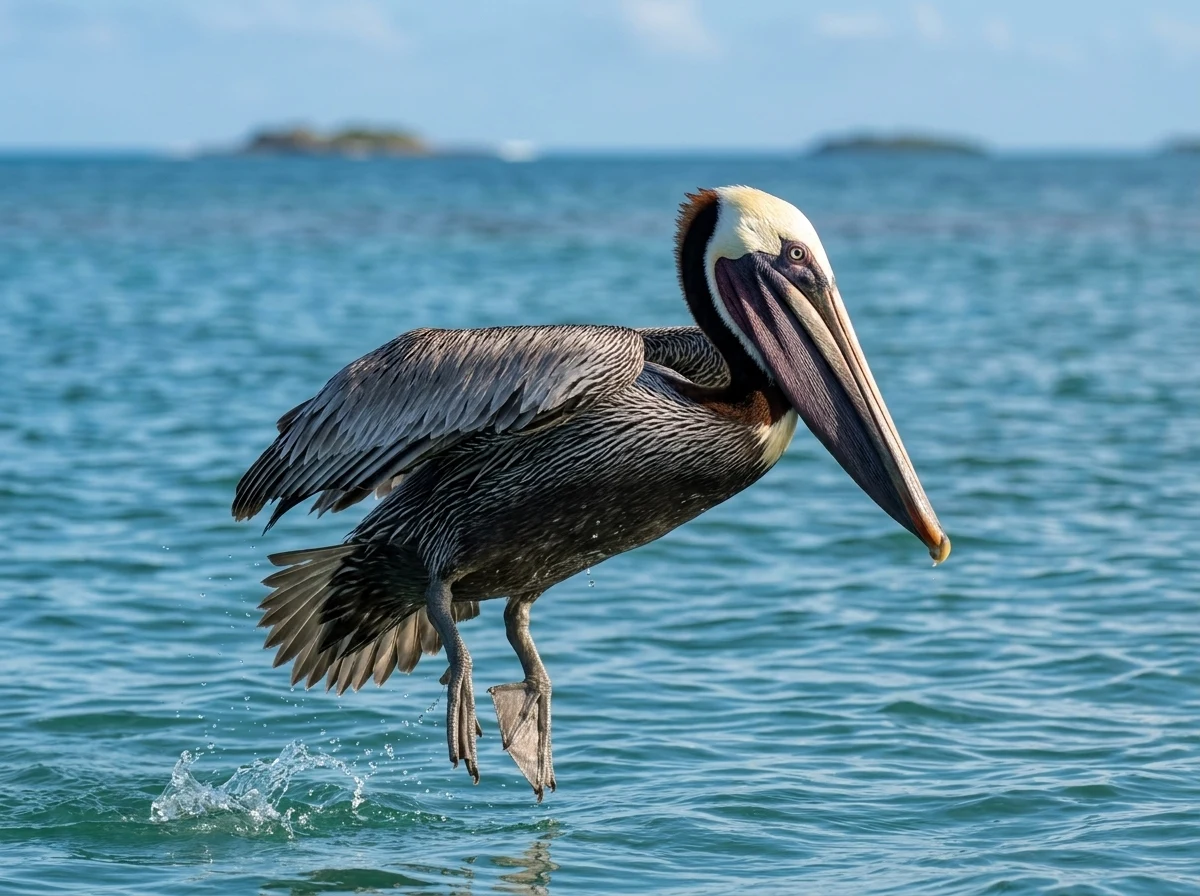
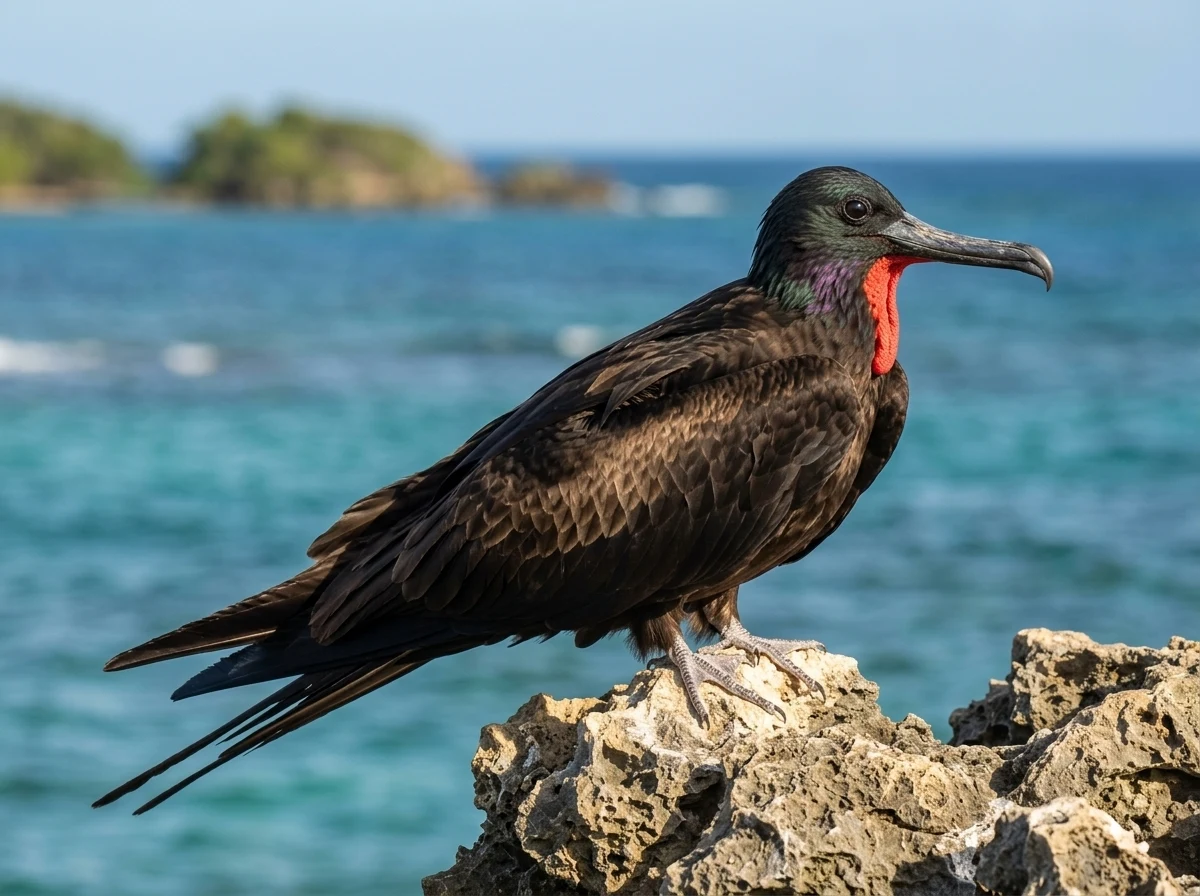
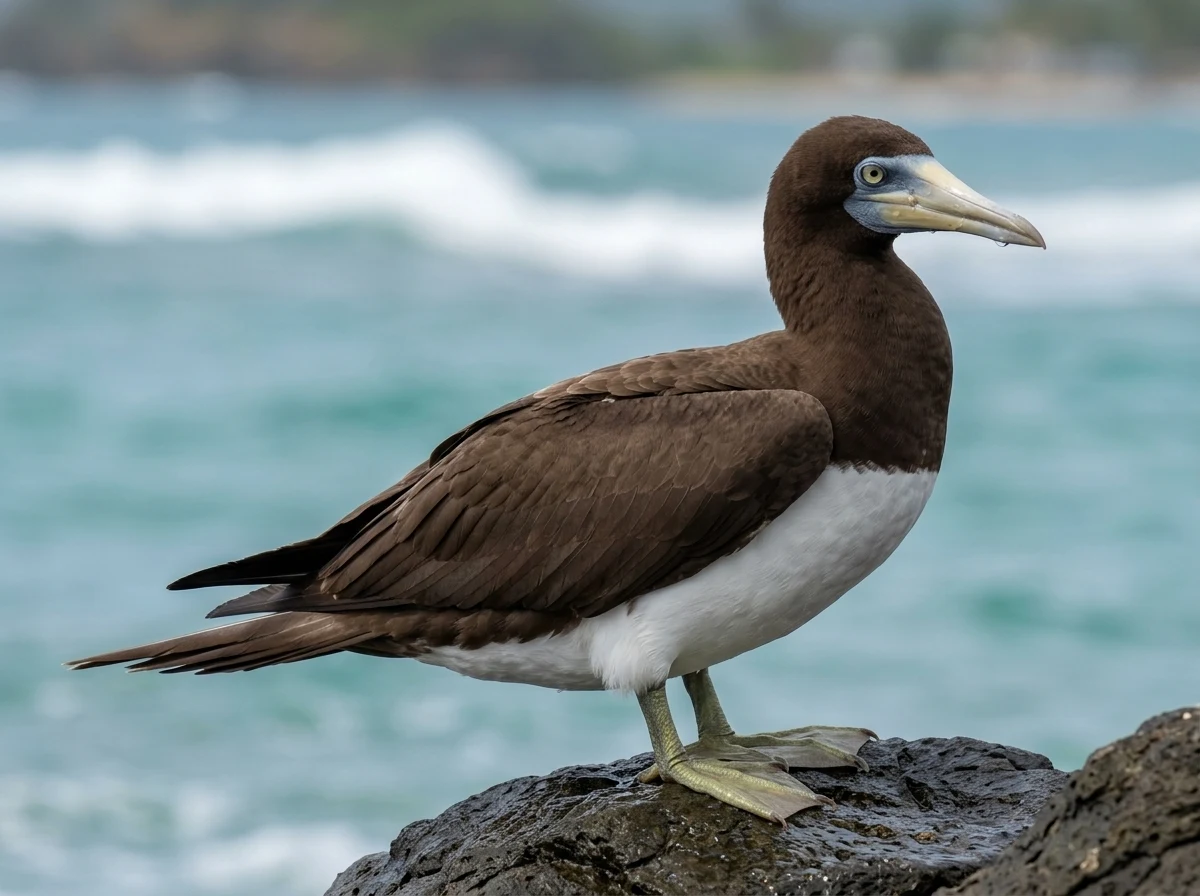
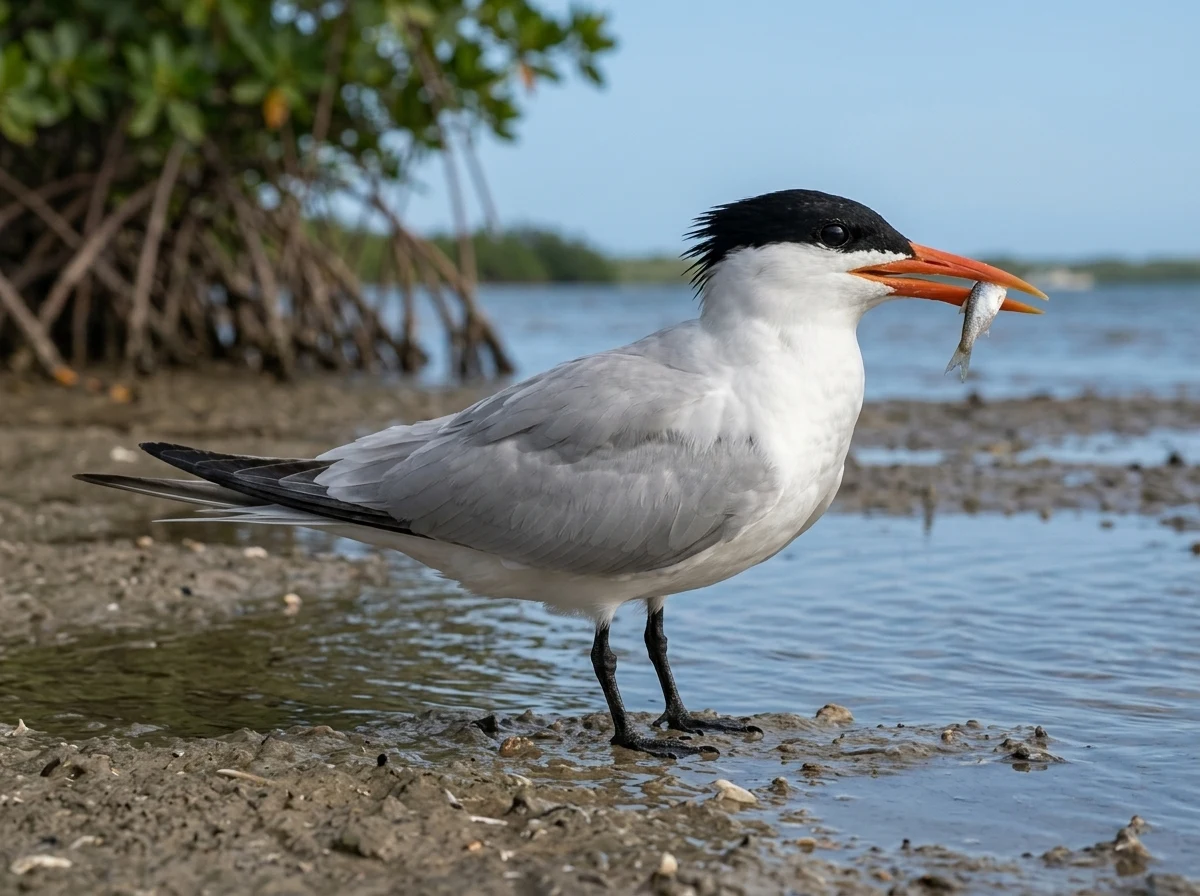
Sound archive
Hear its voice
Explore real songs and calls. The spectrogram turns each sound into a visual trace of time and frequency.
XC999399Recording 1 of 3song, call

Play: song, call by GABRIEL LEITE
Choose another recording
Sound recorded by GABRIEL LEITE · XC999399 · CC BY-NC-SA 4.0. Visualization by Stichting Xeno-canto voor Natuurgeluiden.
Every recording retains the creator, catalogue number, and license published by Xeno-canto. Metadata via GBIF ↗
01
What are the little birds running on the beach in Puerto Rico?
The small birds chasing the waves are usually Sanderlings; the ones flipping stones and seaweed are Ruddy Turnstones, and the ones with a single dark breast band are Semipalmated Plovers. Nearly all are migrants, seen mostly from August through April.
02
What big bird dives headfirst into the water at the beach?
It is almost always a Brown Pelican, which plunges from as high as about 60 feet. If the bird is slimmer, with a white belly and dark brown back, it may be a Brown Booby.
03
Are there seagulls on Puerto Rico beaches?
Yes. Laughing Gull is the most common, with records concentrated from April through August. Many birds people call seagulls are actually terns, such as the orange-billed Royal Tern.
04
Why don't I see shorebirds on my hotel beach?
Busy urban beaches hold few shorebirds; their records are dominated by grackles, pigeons, and doves. Try early in the morning, on rocky points at low tide, or on quieter beaches and salt flats.
05
Which birds nest on Puerto Rico beaches?
Least Tern nests in colonies on open sand and salt flats from spring into summer, and Snowy Plover nests have been documented only at the Cabo Rojo Salt Flats. Both are sensitive to disturbance, so respect posted areas.
06
How do you tell a Royal Tern from a Sandwich Tern?
Look at the bill: Royal Tern has a thick orange bill, while Sandwich Tern has a black bill with a yellow tip. Royal is also larger and heavier.
Keep exploring
Connected routes
Sources and review
The evidence is one link away.
These sources support the editorial scope of this guide. Bird profiles also retain their own taxonomy, occurrence, and conservation references.
Reviewed:
01↗02↗03↗04↗05↗06↗07↗08↗09↗10↗11↗12↗13↗14↗
National Audubon Society
Sanderling
Field marks and wave-chasing behavior.National Audubon Society
Ruddy Turnstone
Orange legs, stone-flipping habit, and preference for rocky or seaweed-strewn shores.National Audubon Society
Least Tern
Field marks, nesting on open sand, and the threat of beach disturbance.U.S. Fish and Wildlife Service
Cabo Rojo National Wildlife Refuge
Habitats, focal birds, conservation, trails, and official refuge notices.Global Biodiversity Information Facility (GBIF)
Monthly Least Tern records in Puerto Rico
Monthly distribution of more than 6,000 records; nearly all fall between April and September.Sociedad Ornitológica Puertorriqueña
Official bird list
Local names, occurrence categories, and the public summary of 17 endemics.National Audubon Society
Brown Pelican
Plunge-dives from up to about 60 feet and plumage by age and season.National Audubon Society
Royal Tern
Orange bill, crest, size, and plunge-diving technique.National Audubon Society
Sandwich Tern
Black bill with yellow tip and coastal habitat.National Audubon Society
American Oystercatcher
Black-and-white pattern, oversized red bill, and shellfish diet.Global Biodiversity Information Facility (GBIF)
GBIF bird records for Old San Juan
Record counts by species and month for a box covering the Old San Juan islet; 96% of the records come from eBird (queried September 24, 2026).American Birding Association
ABA Code of Birding Ethics
Guidance on limiting recordings, extra caution near nests and roosts, and not entering private property without permission.National Audubon Society
Audubon's Guide to Ethical Bird Photography
Principles on distance, baiting, playback, nests, drones, sharing sensitive locations, and honest captions.Global Biodiversity Information Facility (GBIF)
Monthly Sanderling records in Puerto Rico
Monthly distribution of about 5,000 records, with the low point from May through July.The atlas continues