 AI
AICitizen science at home
What Birds Do During Rain
Birds are often waterproof, but rain changes the air and their behavior. Learn to tell ordinary rain from a storm and practice safe observation from home.
Reviewed: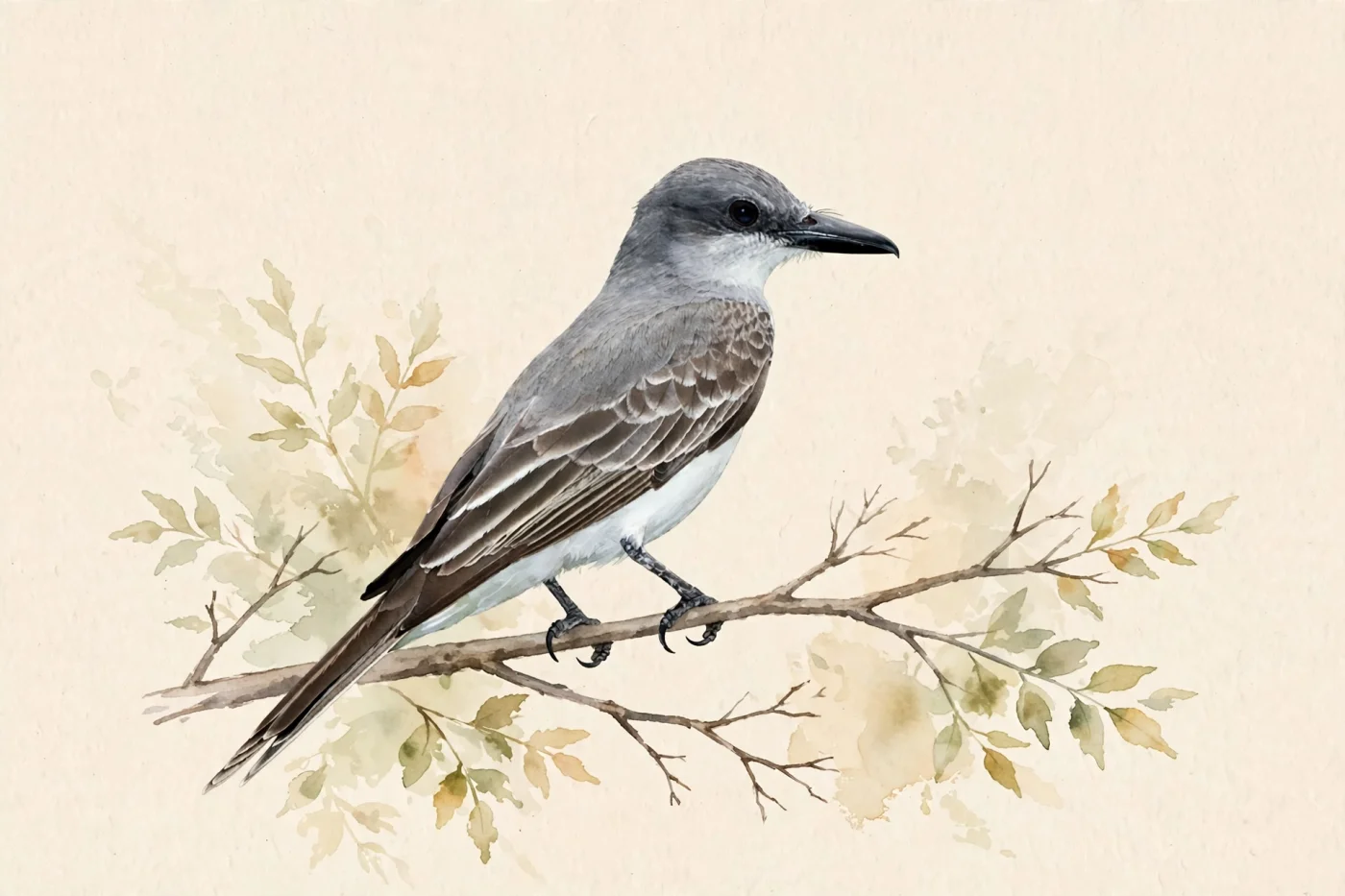
Prepared with AI assistance and linked sources. Illustrations are not field photographs.
Why they sit still and how to watch safely
During a heavy rain, you are more likely to see birds perched and hunkered down than flying around. The Audubon source notes that most birds are mostly waterproof: their feathers, combined with oil from preen glands, keep them pretty watertight. So avoiding flight in rain is not just about getting wet.
The same source suggests it may have more to do with the air than with the water. Storms alter the medium in which flight takes place: the air itself. Rainstorms tend to occur when atmospheric pressure is low; air in a low-pressure system is less dense, and it is dense air that gives birds the aerodynamic lift they need to take wing. Falling rain and high humidity also add lots of water molecules to the air, taking up space and making it even less dense.
So rather than fly, many birds perch and conserve energy during a storm. They sit it out under the cover of a tree or perch on a fence wire facing into the wind, reducing their air resistance and limiting the loss of precious body heat. When the storm passes, birds once again take to the skies.
This guide distinguishes ordinary rain from dangerous storm conditions. The observation proposed here is an at-home exercise, not a published study, and should be done only from a safe place. Outdoor observation during dangerous weather is not recommended.
Citizen science at home
Three key takeaways
Mayormente impermeablesFeathers and oilAccording to Audubon, feathers and oil from preen glands keep most birds pretty watertight.
El aire importaLess density, less liftAudubon says air effects may help explain why they avoid flying in rain; this is not presented as the main established cause.
Seguridad primeroA storm is not ordinary rainThe hurricane source indicates that during a storm is not a good time to help and that safety comes first.
01
Ordinary rain: perch, cover, and wait
In ordinary rain, many birds simply perch and conserve energy. Audubon describes them sitting it out under the cover of a tree or perching on a fence wire facing into the wind. That posture reduces their air resistance and limits the loss of body heat.
This does not mean every bird disappears. Some may still move between patches of vegetation, but the general pattern described in the source is one of stillness and shelter. Ordinary rain is usually a temporary event: when the storm passes, birds once again take to the skies.
For someone watching from home, the lesson is patience. There is no need to go outside to look for birds in the rain. A dry window, a roof, or a covered balcony can offer a safe view of how birds use foliage, wires, and structures as temporary shelter.
02
The changing air: one possible explanation, not the only one
Audubon suggests that avoiding flight in rain may have more to do with the air than with the water. Rainstorms tend to occur when atmospheric pressure is low. Air in a low-pressure system is less dense, and it is dense air that gives birds the aerodynamic lift they need to take wing.
In addition, falling rain and high humidity add lots of water molecules to the air. Those molecules take up space, making the air even less dense. With less lift available, flying becomes more energy-expensive.
It is important to be precise: Audubon says air effects may help explain why birds avoid flying in rain. It does not claim this is the main established cause or the only one. Other reasons could contribute, and the source does not rule them out.
This explanation is global in scope according to the source. It should not be presented as an observation made in Puerto Rico or as a scientific consensus that the documents do not establish.
03
When rain becomes a storm: a different scale of response
Ordinary rain and a dangerous storm are not the same. The Audubon hurricane source describes that during the storm, some birds hunker down and try to ride it out, some are displaced, and some are entrained within the storm system and carried further inland.
Birds seeking shelter from strong wind and rain may cling to tree branches, take refuge in cavities, or seek refuge on porches, under eaves, under vehicles, or even in human-built structures. They may also get blown to places that are unsafe and be unable to fly away.
The source is clear that during a storm is not a good time to help. Birds will deal with weather the best they can, and some will survive while others may be injured or killed. Safety should come first, and help should be offered only after the storm has passed, if possible.
For observation, this means a simple rule: if there are storm warnings, strong winds, or dangerous conditions, do not observe outdoors. Safe observation is limited to watching from indoors or from a protected place, and to following official warnings.
04
At-home exercise: a rain observation worksheet
This is a suggested exercise, not a published study. Its goal is to practice careful, safe observation from home, using the ideas from the Audubon sources as context. No prior experience is needed. Do not do the exercise outdoors during dangerous weather.
Prepare a sheet with five columns: date and time, type of rain (ordinary or storm), observation location (window, covered balcony, etc.), birds seen, and behavior. In the behavior column, note whether the bird is perched, flying, feeding, under cover, or on a wire. If you see no birds, write “no birds” and the sky conditions; that is also useful data.
Before starting, check the forecast and official warnings. If there is a storm, strong winds, or risk, cancel the observation part and simply record conditions from a safe place. The hurricane source reminds us to put safety first and that during a storm is not a good time to help.
During observation, keep a distance that does not change the bird’s behavior. The hurricane source notes that any change in behavior may indicate stress: looking more alert; changing from feeding, resting, or preening to moving away; or attempting to fly away. If you see those signs, back off or stop observing.
At the end, write a short reflection: was the rain ordinary or part of a storm? Were the birds you saw perched and conserving energy, as Audubon describes for rain? Did the air seem the most plausible factor, remembering that Audubon says air effects may help explain the avoidance of flying, not that this is the main established cause?
Keep your notes and compare them with other sessions. This exercise is not meant to prove a hypothesis or replace scientific studies; it aims to develop attention, patience, and careful recording. If you wish to contribute to science, the source suggests reporting sightings to eBird, but do so only when it is safe and appropriate.
Linked profiles
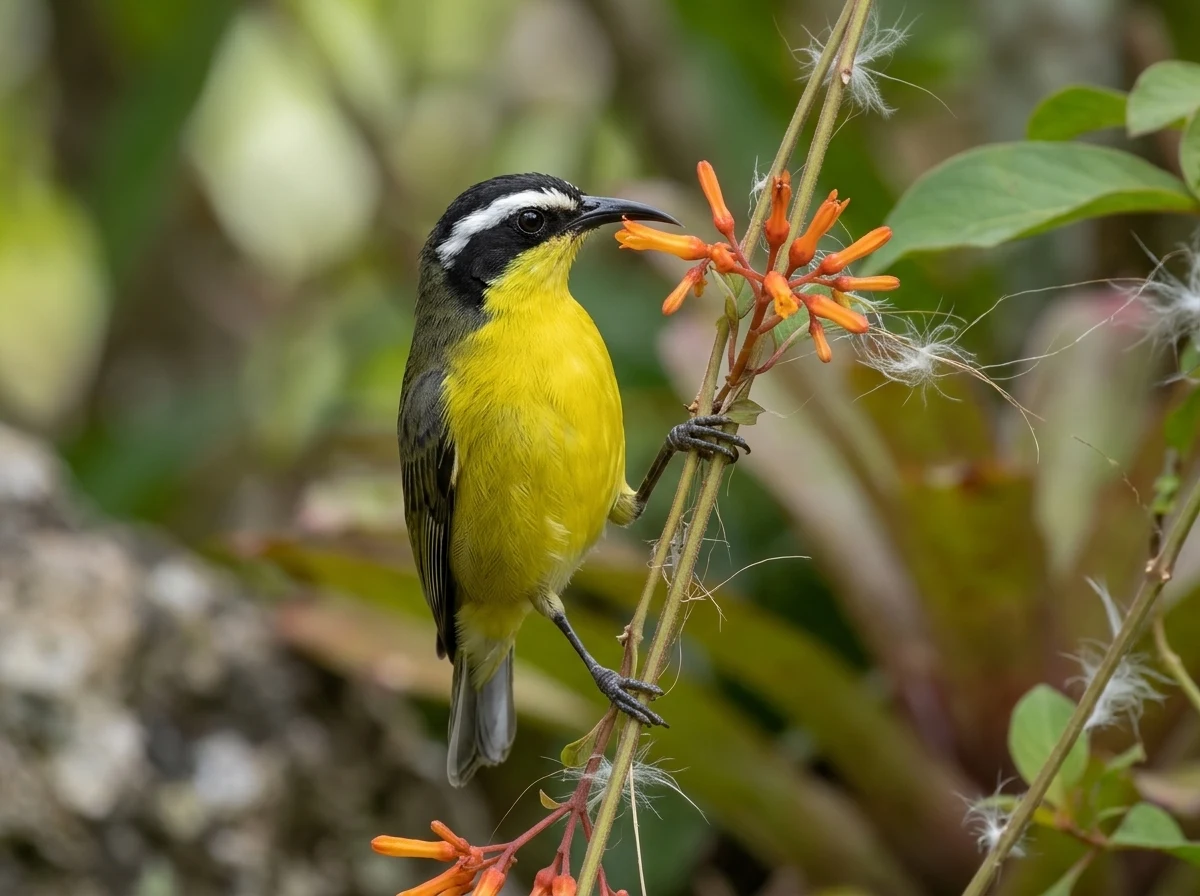
Two birds to picture in the rain
Common Puerto Rico examples to keep in mind while watching from a safe window.
AI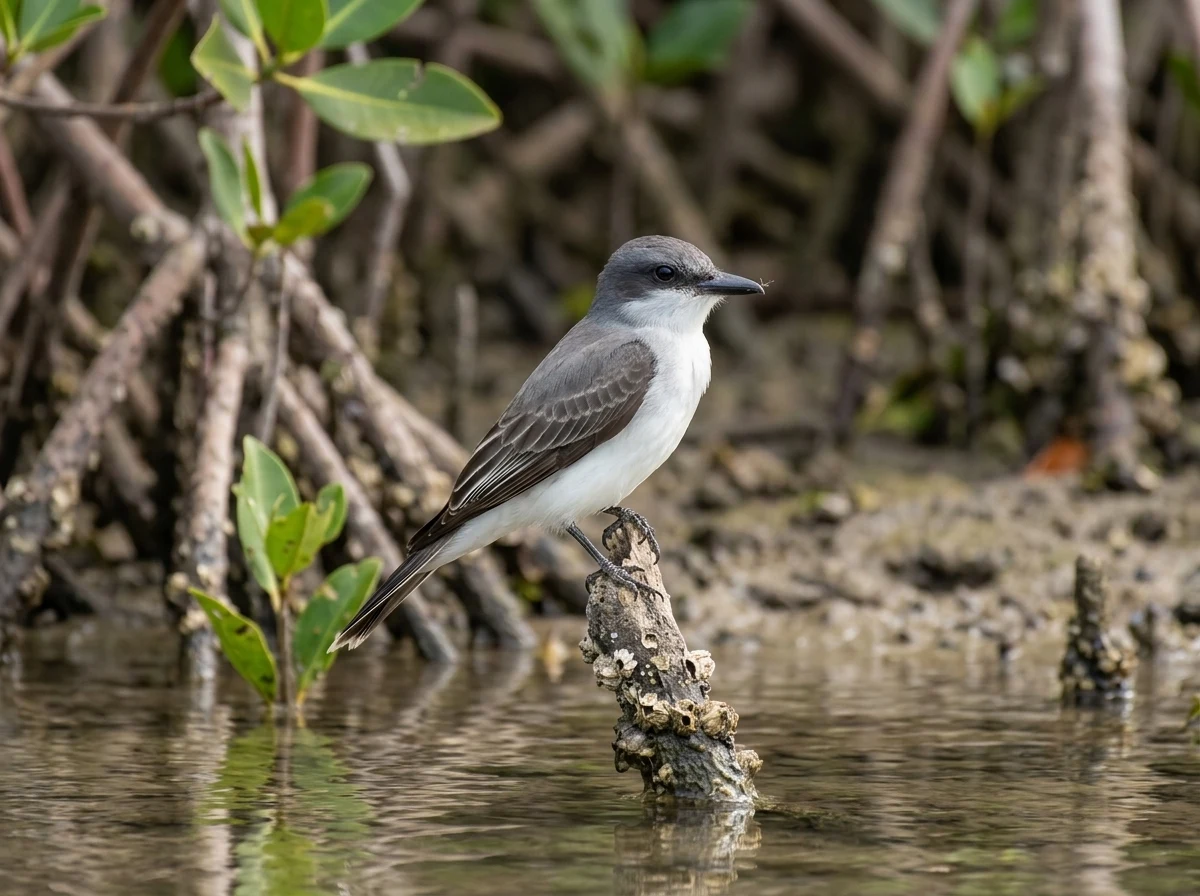 AI
AI01
Do birds get wet because they are not waterproof?
According to Audubon, most birds are mostly waterproof. Their feathers, combined with oil from preen glands, keep them pretty watertight. So avoiding flight in rain is not just about getting wet.
02
Why do they avoid flying during rain?
Audubon suggests it may have more to do with the air than with the water. Rainstorms tend to occur with low pressure, and less dense air provides less lift. Falling rain and high humidity add water molecules that take up space and reduce density further. The source says air effects may help explain the avoidance of flying; it does not claim this is the main established cause.
03
What do birds do during a storm?
The Audubon hurricane source indicates that some birds hunker down and try to ride it out, some are displaced, and some are entrained within the storm system and carried further inland. They may cling to branches, take refuge in cavities, or seek shelter on porches, under eaves, under vehicles, or in human-built structures. During a storm is not a good time to help; safety comes first.
04
Can I observe birds in the rain?
You can observe from a safe place, such as a window or a covered balcony, as long as conditions are ordinary rain and not a storm. Do not observe outdoors during dangerous weather. If there are storm warnings or strong winds, cancel the observation and follow official warnings. The hurricane source reminds us to put safety first.
Keep exploring
Connected routes
Sources and review
The evidence is one link away.
These sources support the editorial scope of this guide. Bird profiles also retain their own taxonomy, occurrence, and conservation references.
Reviewed:
The atlas continues