 AI
AIDisturbance and resilience
Hurricanes and birds
Impact continues after the wind, when food, shelter, and detectability change.
Reviewed:A post-storm count needs context.
A Fajardo count assessment after Irma and Maria found fewer individuals and species, with different responses among waterbirds, nectarivores, frugivores, and insectivores.
More detections do not always mean more birds: open canopy, displacement, and vocalization can expose previously hidden individuals. Mortality and emigration require later study.
Disturbance and resilience
The guide at a glance
8linked profilesA focused selection connects the guide with verifiable species.
3reading lensesContext, identification, and practical decisions organized by topic.
3primary sourcesAgencies, research, and ornithological organizations support the content.
01
Direct and indirect effects
Wind, rain, and surge act immediately; afterward, loss of flowers, fruit, seeds, cavities, and cover changes food and predation.
Species and places respond differently. One island-wide figure should not replace monitoring by habitat, guild, and time since the event.
02
Bird during recovery
Prioritize safety, closures, and communities before birds. Do not use damaged roads or distract emergency or management staff.
Record effort, route, conditions, and habitat change. Honest comparisons preserve methods and acknowledge unequal detectability.
Linked profiles
Birds to compare
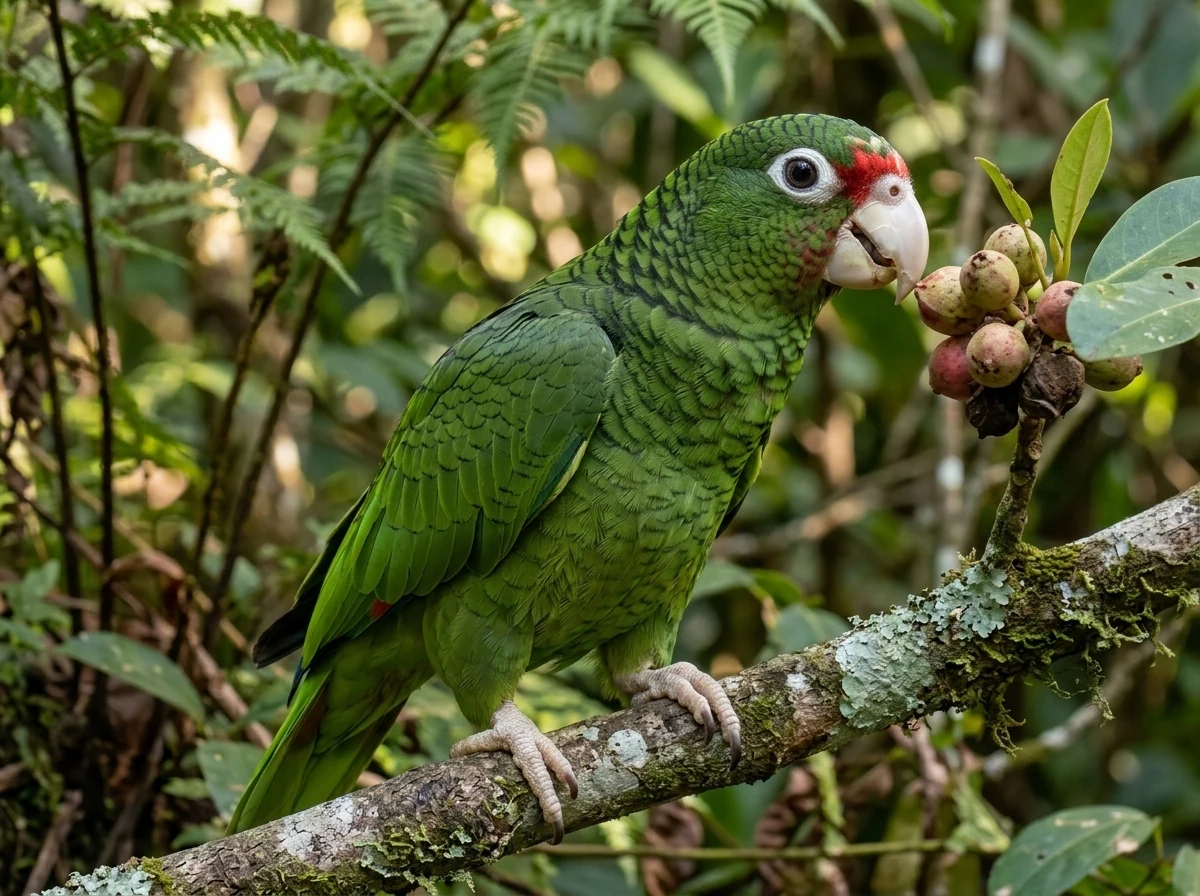
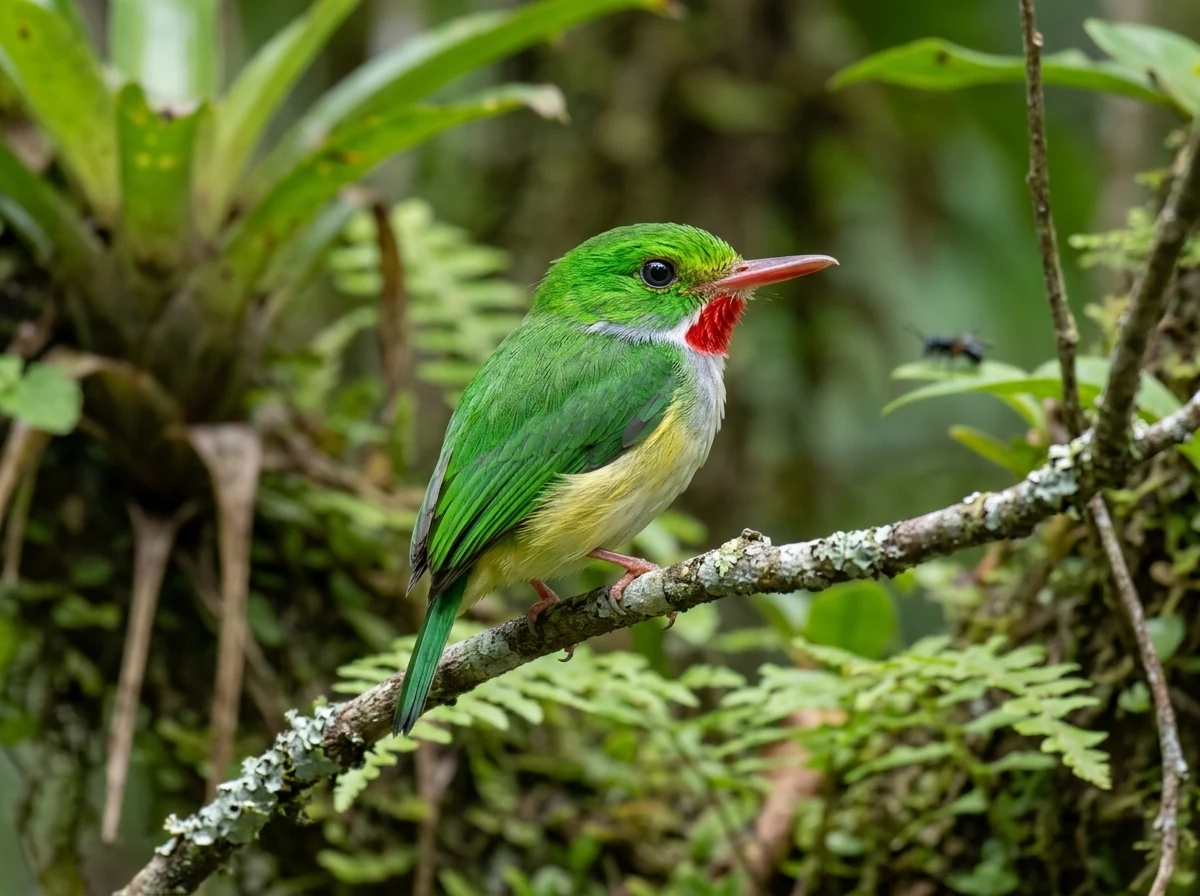
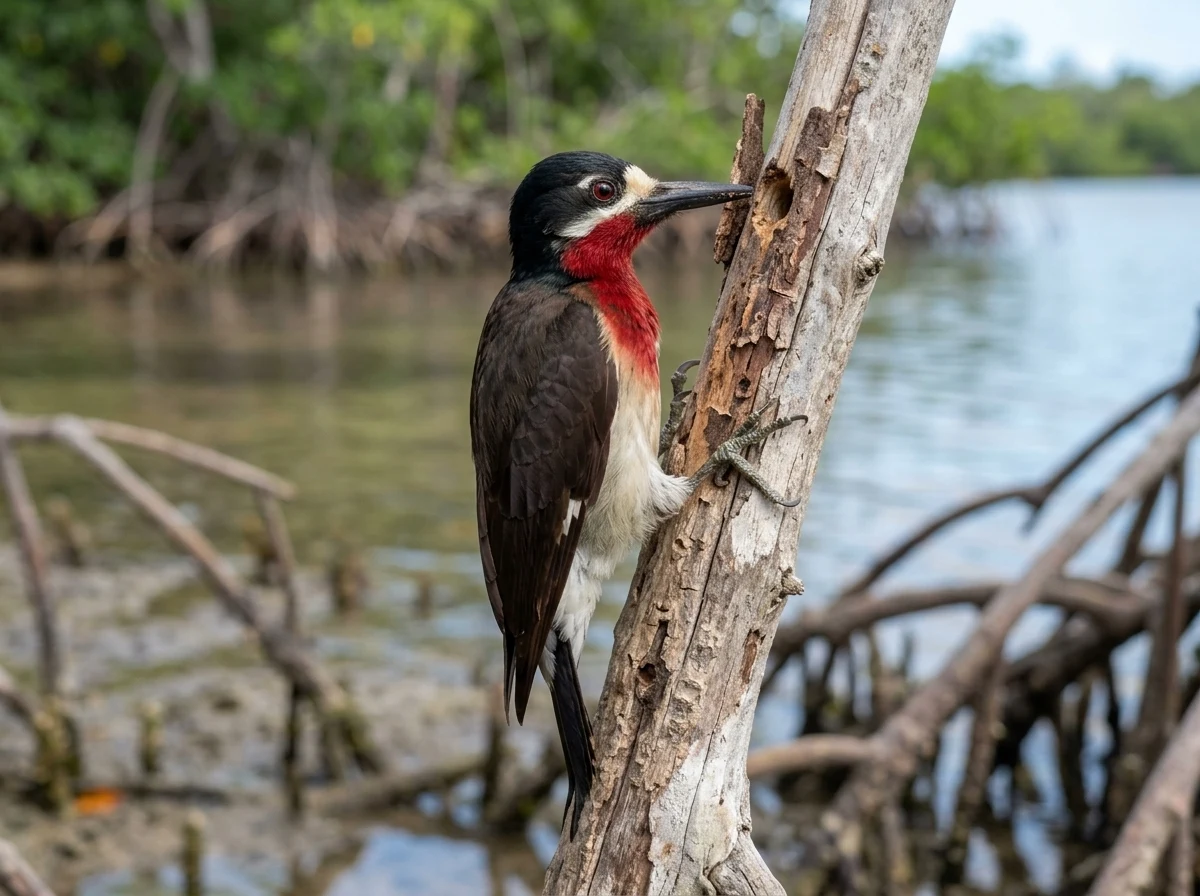
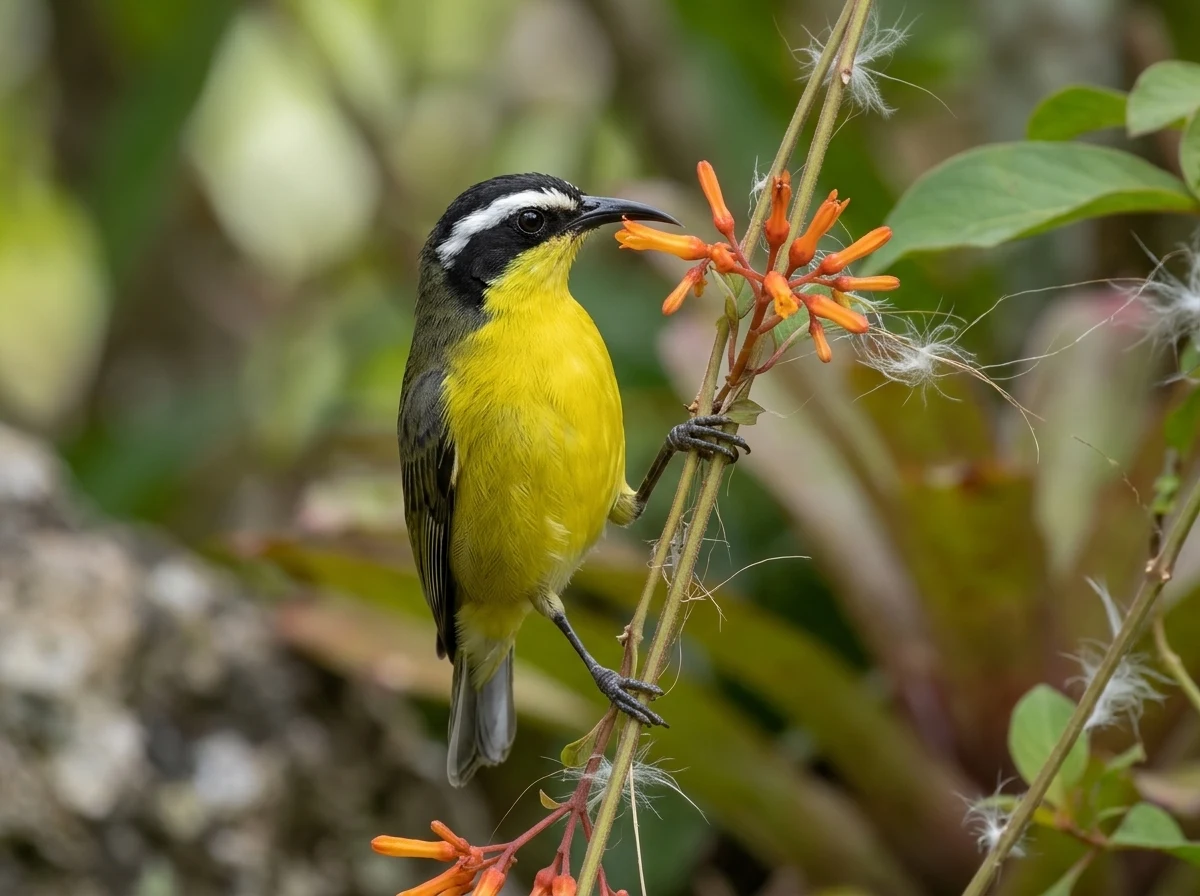
Open each profile to review names, marks, audio, habitat, status, and sources.
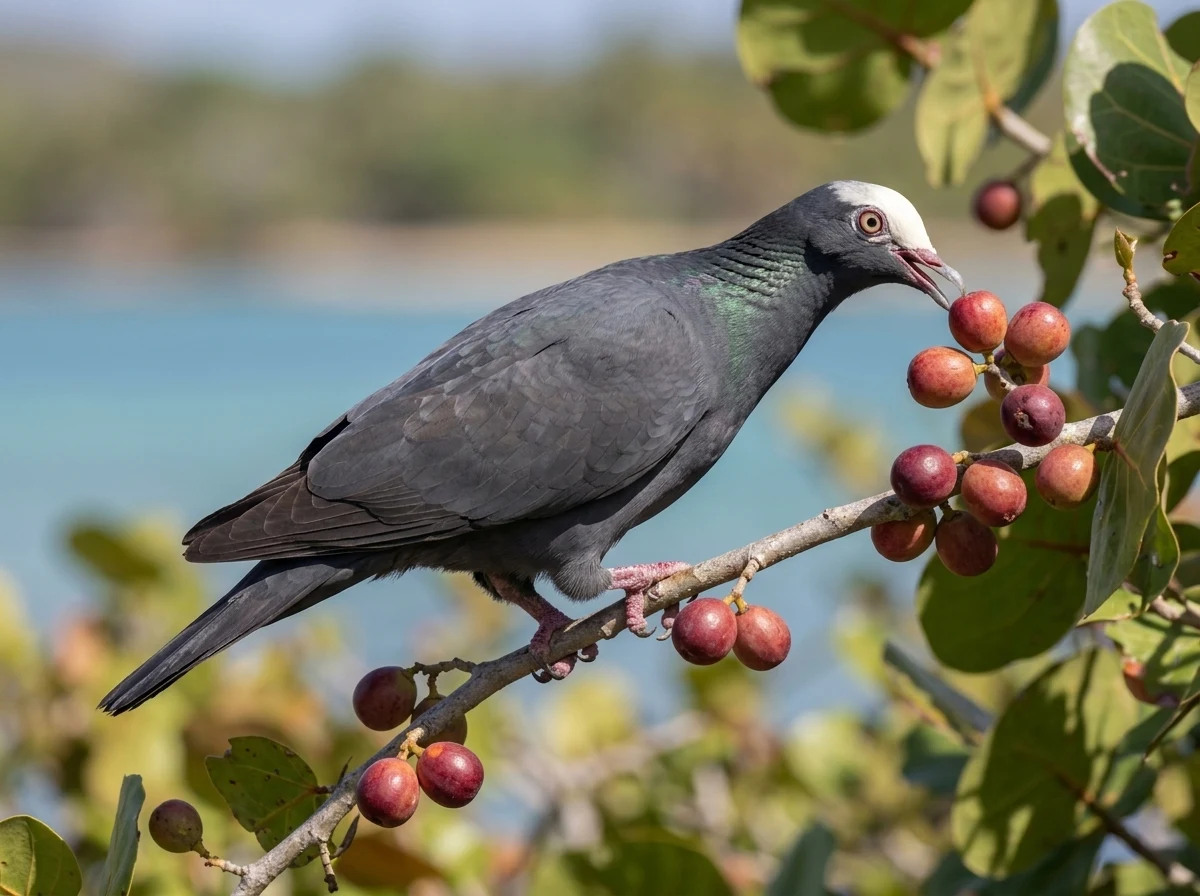
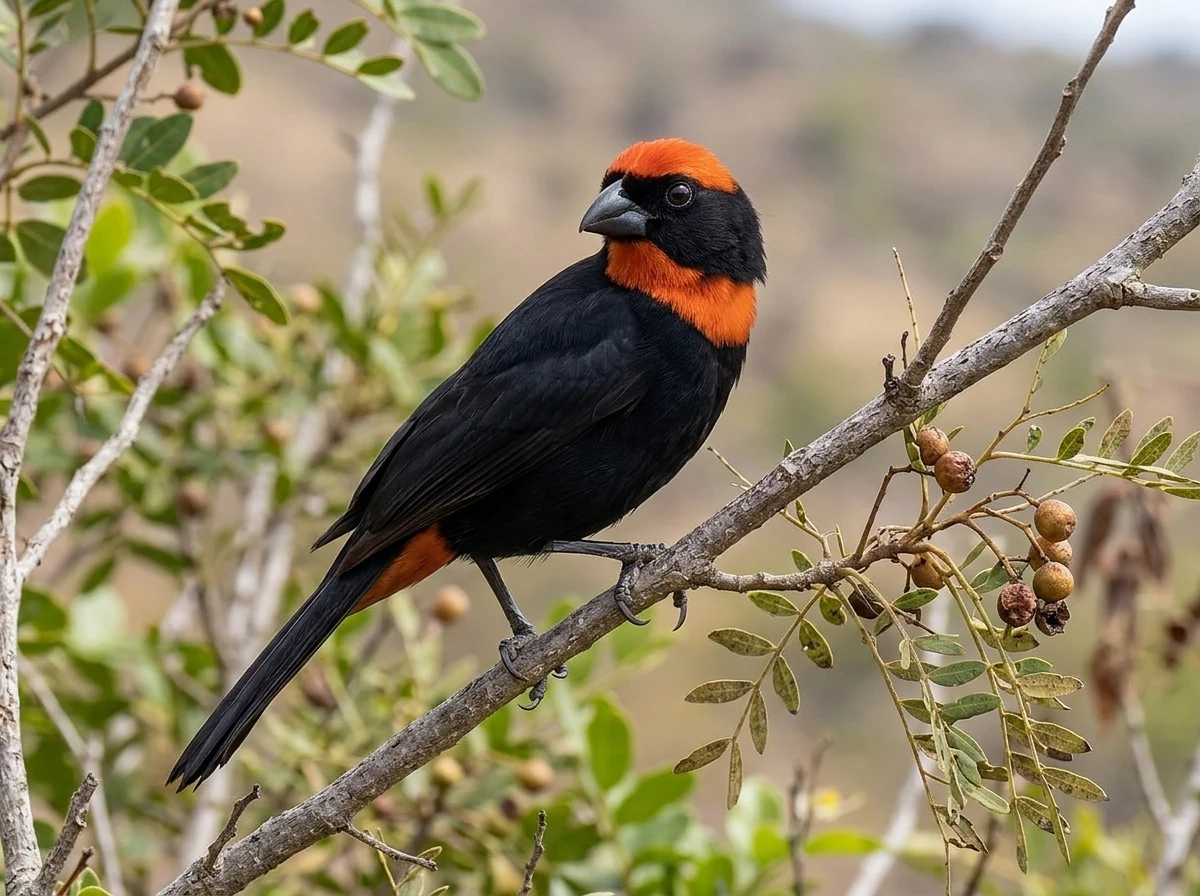
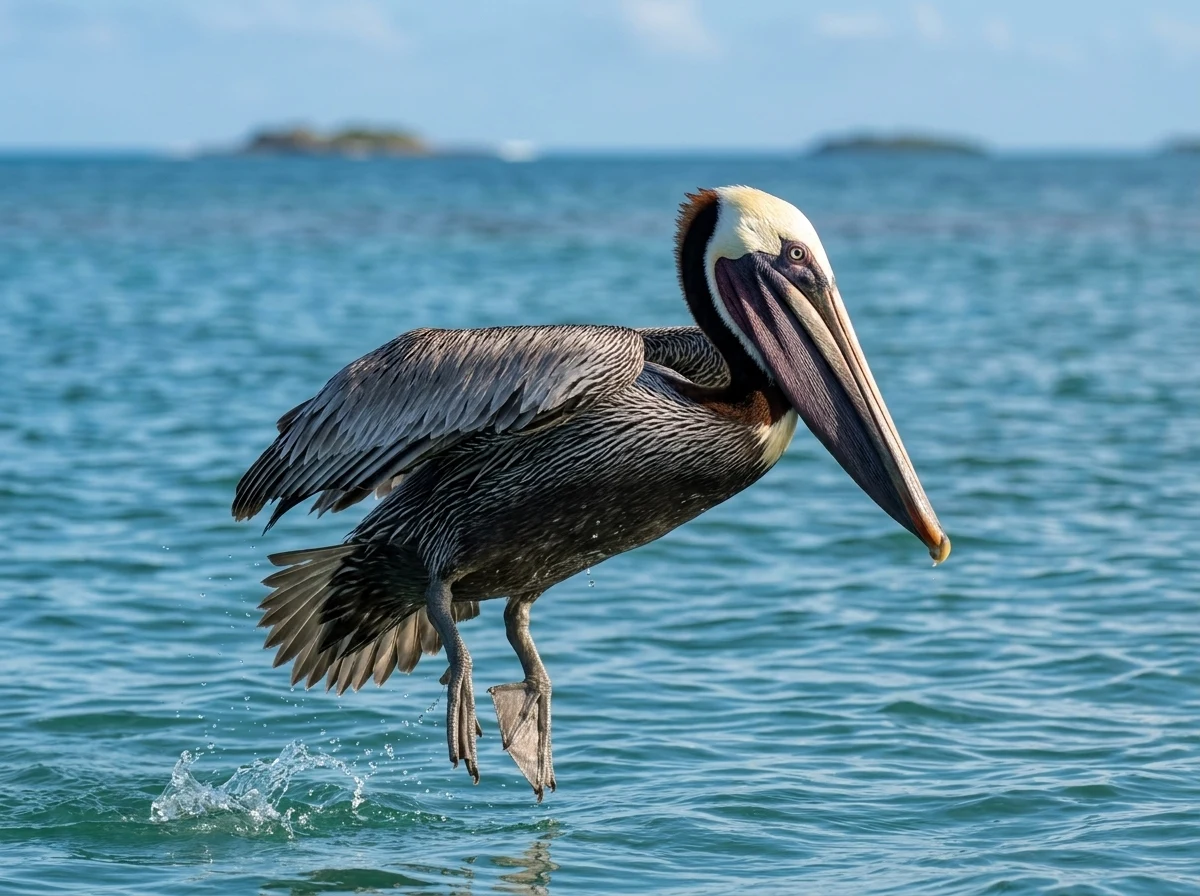
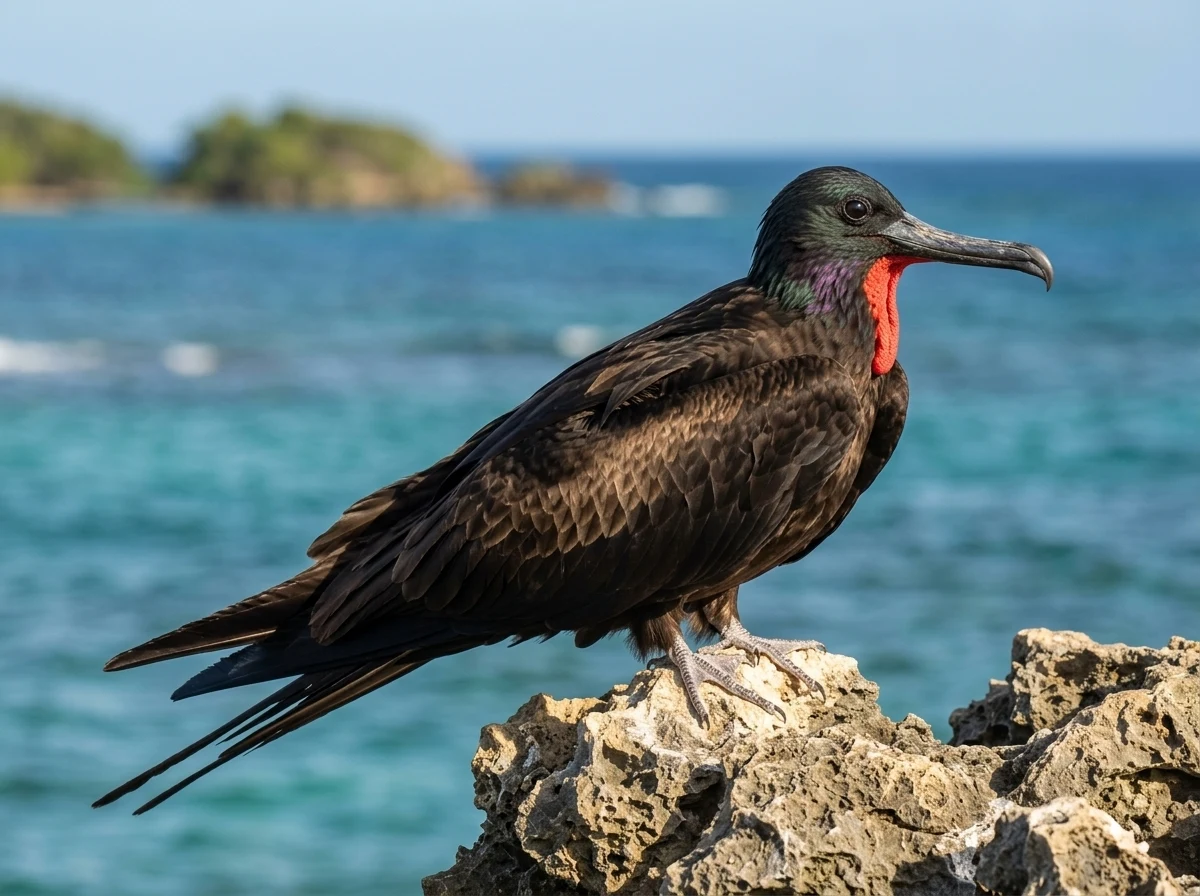
Sound archive
Hear its voice
Explore real songs and calls. The spectrogram turns each sound into a visual trace of time and frequency.
XC796586Recording 1 of 3call

Play: call by Bobby Wilcox
Choose another recording
Sound recorded by Bobby Wilcox · XC796586 · CC BY-NC-SA 4.0. Visualization by Stichting Xeno-canto voor Natuurgeluiden.
Every recording retains the creator, catalogue number, and license published by Xeno-canto. Metadata via GBIF ↗
01
Do more sightings mean recovery?
Not necessarily. Open vegetation, displacement, and voice changes can increase detectability without increasing population.
02
When should birding resume?
Only when authorities confirm safe access and activity does not compete with response, management, or community needs.
03
How do I verify an identification or claim?
Compare more than one mark, check date and place, open the linked profile, and consult the sources published at the end of the guide.
Keep exploring
Connected routes
Sources and review
The evidence is one link away.
These sources support the editorial scope of this guide. Bird profiles also retain their own taxonomy, occurrence, and conservation references.
Reviewed:
01↗02↗03↗
U.S. Forest Service Research and Development
Effects of Irma and Maria on birds
Counts before and after the hurricanes in the northeast.U.S. Fish and Wildlife Service
Puerto Rican Parrot recovery
Populations, management, and goals of the interagency program.U.S. Forest Service Research and Development
Puerto Rico Breeding Bird Atlas
Distribution and breeding timing for 130 species breeding in Puerto Rico and its satellite islands.The atlas continues