 AI
AIBehavior guide
What Preening Does for Birds
Preening is plumage maintenance with the bill. This guide explains its functions, how to recognize it in the field, and how to observe it without misreading it.
Reviewed: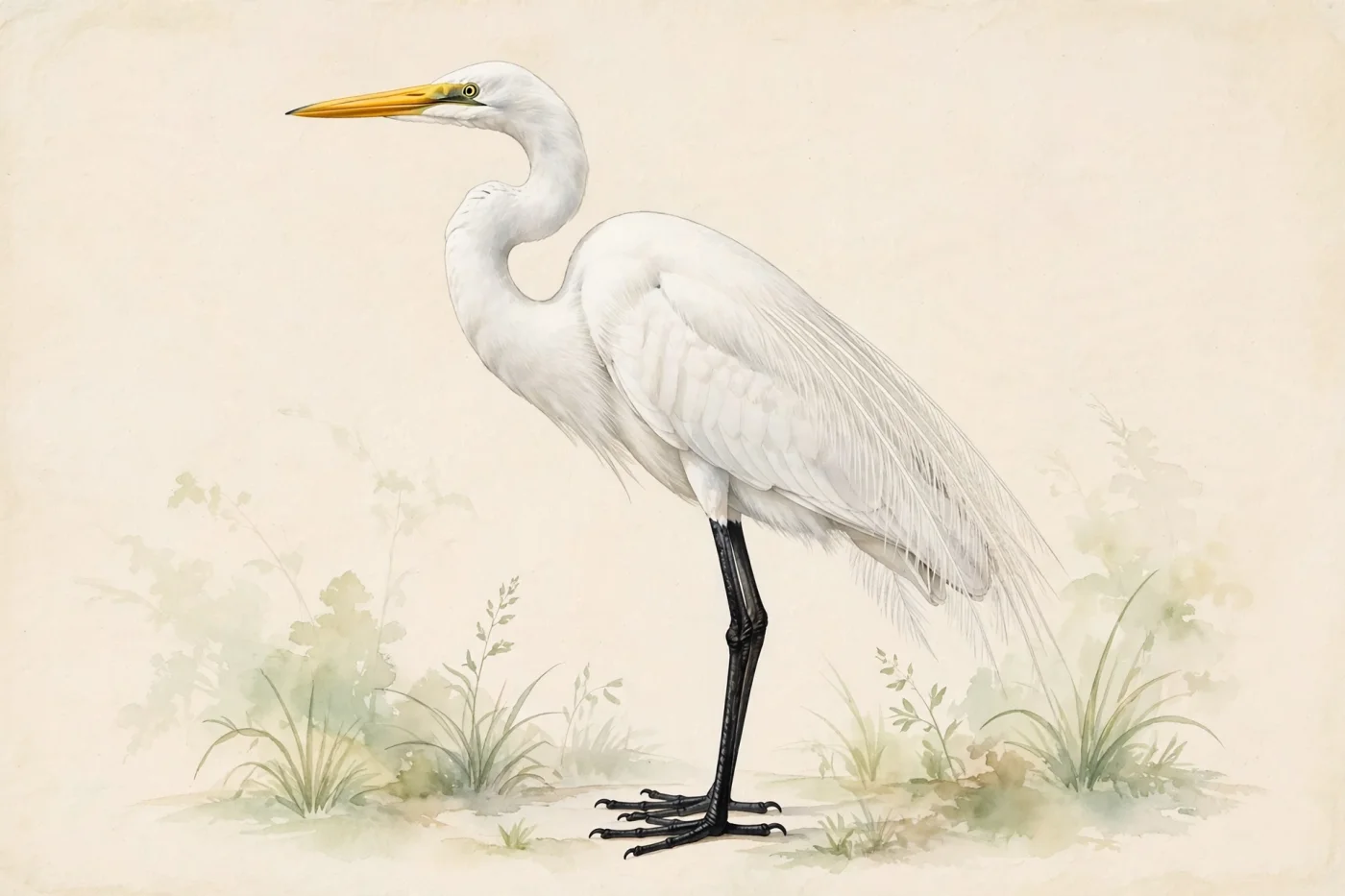
Prepared with AI assistance and linked sources. Illustrations are not field photographs.
Daily upkeep of the plumage
Preening occurs when a bird pulls its feathers between the mandibles of the bill or uses the tips of the mandibles to nibble them. It is not a single gesture: it includes straightening and cleaning feathers and zipping the barbules of flight feathers back together, the tiny structures that hook together and keep the wing surface intact. It also plays an important role in controlling external parasites.
This guide answers directly what preening does and how to distinguish it from other maintenance behaviors such as scratching with the feet, water bathing, dusting, sunning, or anointing. Birds seen in Puerto Rico, such as the Brown Pelican and Great Egret, make the behavior observable at close range along coasts, bays, mangroves, and wetlands, always from a distance that does not alter their behavior.
Behavior guide
Three key takeaways
Limpieza y ordenMain functionPreening straightens, cleans, and re-zippers the barbules of flight feathers.
Control de parásitosBody defenseIt is part of body maintenance and helps control external parasites.
Se puede observarVisible behaviorIt is recognized by the bill moving over the plumage, without chasing or handling.
01
What preening actually does
Preening is a body-maintenance behavior. The bird pulls feathers between the mandibles or nibbles them with the tip of the bill. In doing so, it straightens and cleans the feathers and re-zippers the barbules of flight feathers. That zipping matters because it keeps the wing surface in flying condition. Preening also plays an important role in controlling external parasites.
The effectiveness of preening for removing ectoparasites has been shown experimentally. In domestic chickens, removing a portion of the upper mandible of the bill led to dramatic increases in ectoparasite loads. In pigeons, using small bits that prevent the bill from closing properly also increased parasites. These results do not mean preening is the only defense, but they do show that interrupting it has measurable consequences.
02
The bill as a cleaning tool
The bill is not only for feeding: it is also adapted for ectoparasite control. Many birds have a small overhang of the upper mandible at the tip of the bill. Comparative studies indicate that louse abundance is negatively correlated with the length of that overhang: birds with longer overhangs control lice better through preening. When the 1–2 mm overhang was removed from pigeons, the number of feather lice increased dramatically; when it grew back, lice returned to normal levels.
High-speed videography showed that, when preening, pigeons shift the lower mandible forward and create a shearing force between the tip of the lower mandible and the upper mandibular overhang. Without that overhang, they cannot generate the force needed to crush tough, dorsoventrally compressed insects like lice. The overhang does not play a role in controlling all parasites, however: pigeons without overhangs are just as effective at controlling hippoboscid flies, which are much larger. Removal of the overhang also had no impact on the feeding efficiency of pigeons.
03
Inducible preening: more when parasites are present
Preening is not a fixed amount of activity. It is an inducible defense: it increases when parasites are present and decreases when they are not. In captive pigeons infested with flies, time spent preening was more than twice that of uninfested pigeons: 23.5% versus 11.2%. Similarly, pigeons with feather lice spent more time preening than pigeons without lice: 19.5% versus 14.1%. When those infested pigeons were cleared of lice, they preened at the rate of birds with no lice.
This ability to adjust effort has advantages. Limiting preening time when parasites are absent may reduce energetic cost and side effects such as accidental ingestion of infectious viral particles. It also frees time for other behaviors such as feeding, mating, or anti-predator vigilance. Preening is also an innate behavior that does not improve with practice: pigeons with lice do not become more efficient over time, they simply do it more.
04
Self-preening, allopreening, and other behaviors
Self-preening is complemented by mutual preening, or allopreening, observed in more than 50 families of birds. Allopreening reinforces pair bonds and hierarchies in social species, and it also appears to help control parasites on the head and neck, areas a bird cannot reach on its own. In tick-infested penguins, unmated individuals, which could only self-preen, had two to three times more ticks on their heads and necks than mated penguins, which engaged in regular allopreening.
Other maintenance behaviors are sometimes confused with preening. Scratching with the feet reaches areas the bill cannot, such as the head; birds with long, unwieldy bills spend more time scratching. Water bathing, dusting, sunning, heterospecific cleaning, anointing, and cosmetic behavior are distinct categories. Together they form the bird's body-maintenance repertoire, and preening is the most frequent and visible piece.
05
How to watch it in Puerto Rico
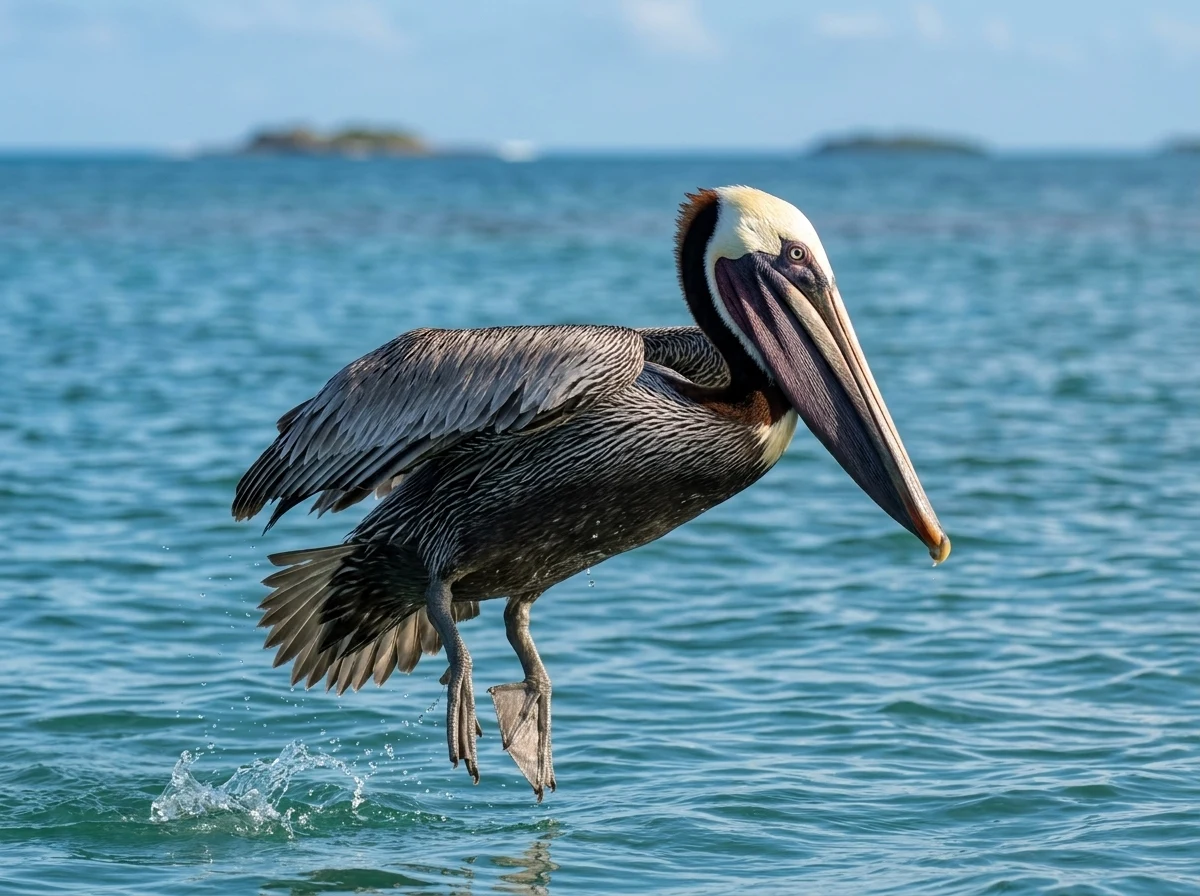
The Brown Pelican is a permanent resident of the coastal marine environment and is recognized by its large body, long bill, and enormous gular pouch. In Puerto Rico it occurs along marine coasts, bays, mangroves, and cays. The Great Egret is a large, slender wetland egret with a yellow bill and black legs. Both offer opportunities to watch preening without getting too close: a pelican perched on a piling or an egret standing in shallow water often spends long periods maintaining its plumage.
To observe, choose a fixed point at a distance and use binoculars or a telephoto lens. Do not chase the bird or force it to move. Record what you see: does the bill move over the breast, wing, or back? Does the bird scratch its head with a foot? Does it bathe or sun? A notebook or a phone note is enough. The goal is not to identify the species but to describe the behavior accurately.
06
Field exercise: telling preening apart from other behaviors
Choose a perched or standing bird and watch it for five uninterrupted minutes. Use this concrete checklist: (1) Does the bill pass between feathers or nibble them? That is preening. (2) Does a foot rise to the head or neck? That is scratching. (3) Does the bird dip or flap in water? That is bathing. (4) Does it roll in dirt or sand? That is dusting. (5) Does it hold its wings open in the sun? That is sunning. (6) Does it apply a substance to the plumage? That is anointing. Note each behavior separately and compare your notes with someone else's.
Repeat the exercise in two different places, for example a coast and a wetland. Do not infer abundance or status from what you see: the presence of the Brown Pelican and Great Egret in Puerto Rico is documented in the catalog and local references, but the number of individuals you observe in a day does not measure the population. The value of the exercise is in careful description, not extrapolation.
Linked profiles
Birds for watching preening
The Brown Pelican and Great Egret are two large, visible birds in Puerto Rico that allow you to watch plumage maintenance from a distance.
AI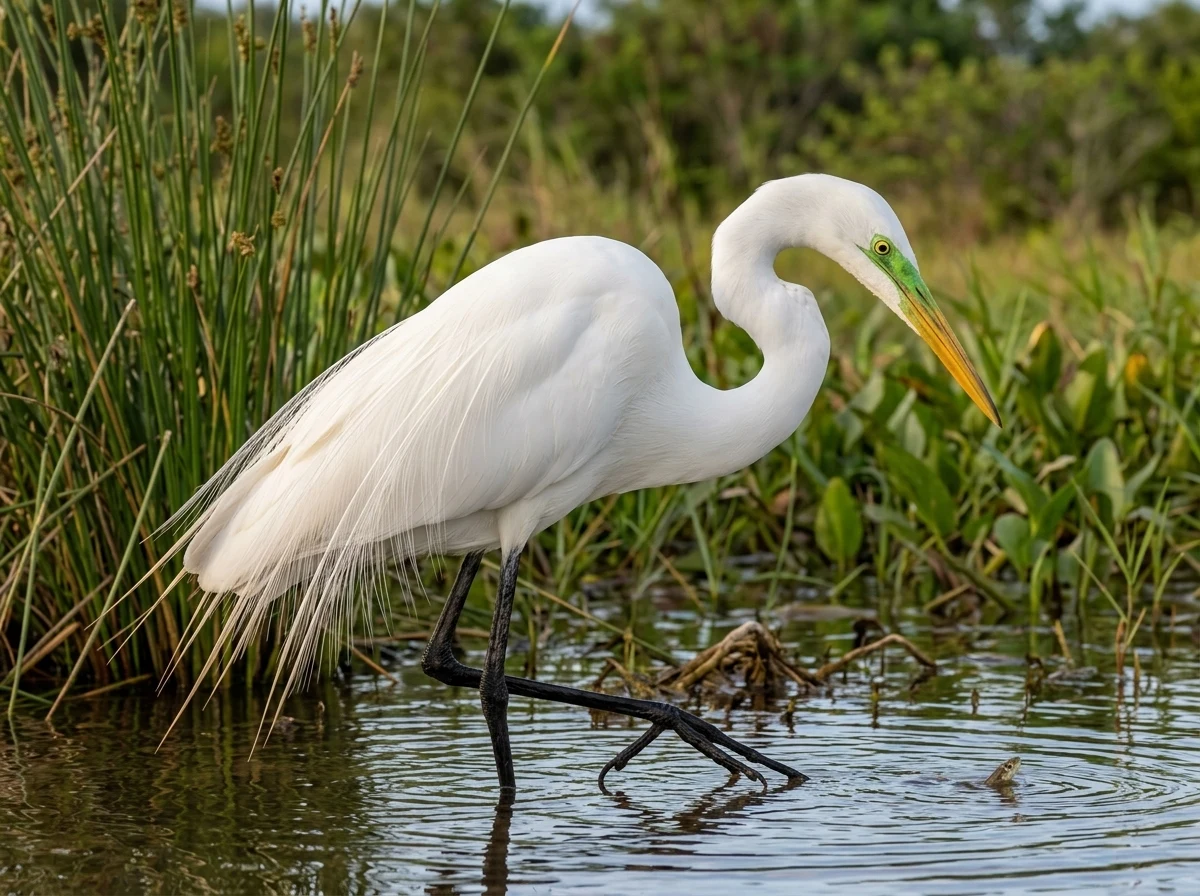 AI
AI01
Does preening only clean the feathers?
No. Besides straightening and cleaning, it re-zippers the barbules of flight feathers and plays an important role in controlling external parasites. It is also an inducible defense: it increases when parasites are present.
02
Are all bills equally good for preening?
No. The small overhang of the upper mandible at the tip of the bill influences louse control. Birds with long, unwieldy bills, such as toucans, appear less efficient and compensate by scratching more.
03
What is the difference between preening and scratching?
Preening uses the bill to work the feathers. Scratching uses the feet to reach areas the bill cannot, such as the head. Birds with long bills spend more time scratching.
04
Can I see preening in the Brown Pelican or Great Egret in Puerto Rico?
Yes, both species are documented in Puerto Rico and are large and visible. The Brown Pelican occurs along marine coasts, bays, mangroves, and cays; the Great Egret in wetlands. Watch from a distance and do not interfere with the behavior.
05
Is allopreening more effective than self-preening?
Self-preening is very effective on areas the bird can reach. Allopreening helps on the head and neck, which it cannot reach alone. One study found a stronger correlation between allopreening and fewer lice, but that does not prove it is more effective.
Keep exploring
Connected routes
Sources and review
The evidence is one link away.
These sources support the editorial scope of this guide. Bird profiles also retain their own taxonomy, occurrence, and conservation references.
Reviewed:
The atlas continues