 AI
AICoasts, bays, and cays
Are there pelicans in Puerto Rico? The Brown Pelican
The pelican by the pier is a recovery story with footnotes: it survived DDT, but Puerto Rico's colonies are few and fragile.
Reviewed:Yes, and you can see it along most of the coast.
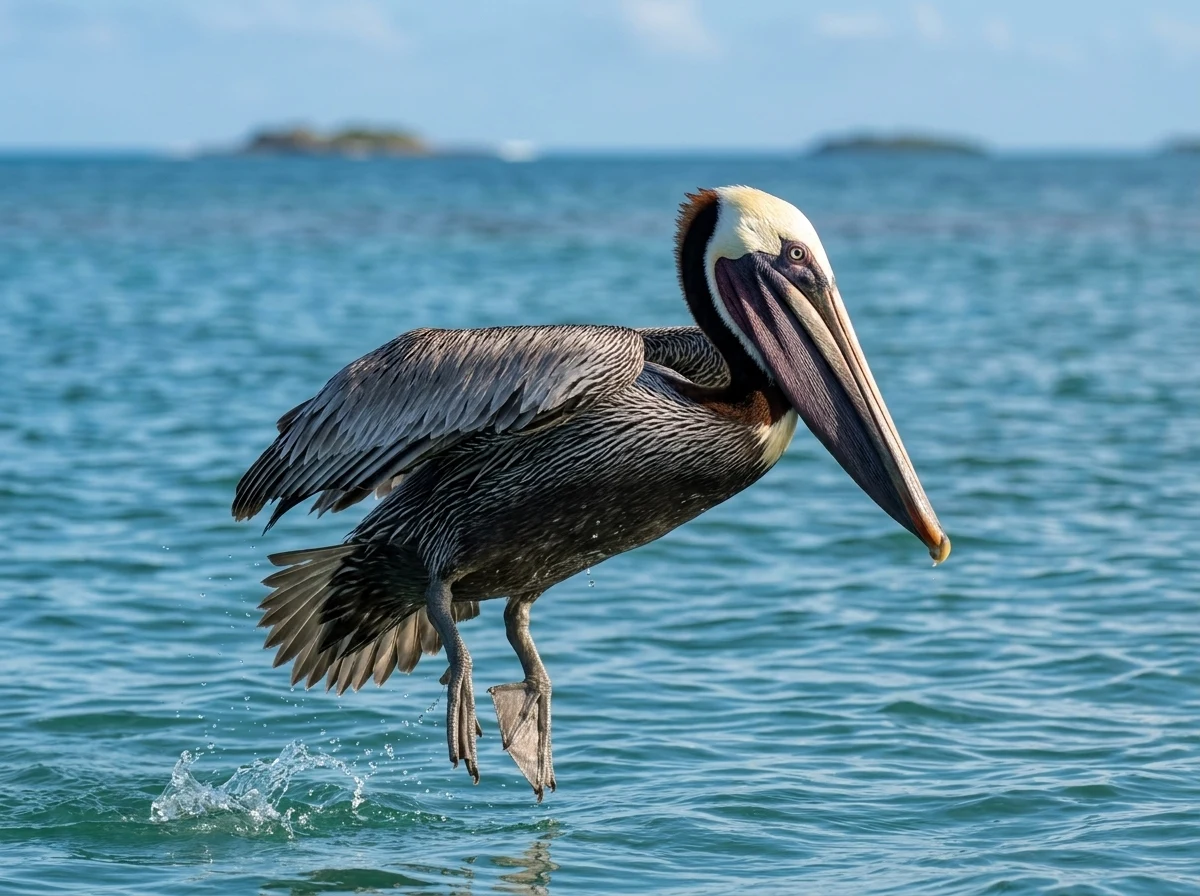
Yes, Puerto Rico has pelicans: the Brown Pelican (Pelecanus occidentalis) is a common resident seabird of bays, estuaries, and coasts, and it nests on cays in the southwest, on Vieques, and on the cliffs of Aguadilla. The American White Pelican, by contrast, occurs only as an accidental visitor.
Brown Pelican was on the federal endangered species list from 1970 and was removed in 2009 after recovering across its range. In Puerto Rico, however, the DNER still classifies it as endangered, and local law protects it. Fewer than 1,000 pairs nest across Puerto Rico and the Virgin Islands, according to the federal monitoring plan.
This guide explains how to age it, where its colonies are, when it nests, why dead pelicans sometimes turn up, and how to watch it without disturbing its roosts.
Coasts, bays, and cays
The pelican in four facts
2009federal delistingAfter being listed as endangered since 1970; the DNER still lists it as endangered.
7recorded nesting areasOnly Cayo Conejo, Cayo Don Luis, and the Aguadilla cliffs are active every year.
<1,000nesting pairsAcross Puerto Rico and the Virgin Islands, versus over 70,000 in California and Mexico.
144hexagons with pelicansIn the Breeding Bird Atlas, mostly without breeding evidence.
01
How to recognize the Brown Pelican
It is huge and long-necked, with an oversized bill carrying a stretchy throat pouch. Adults are silver-gray above and dark below; in breeding plumage they show a white head washed yellow and a dark reddish-brown neck. Young birds are duller grayish-brown with a pale belly.
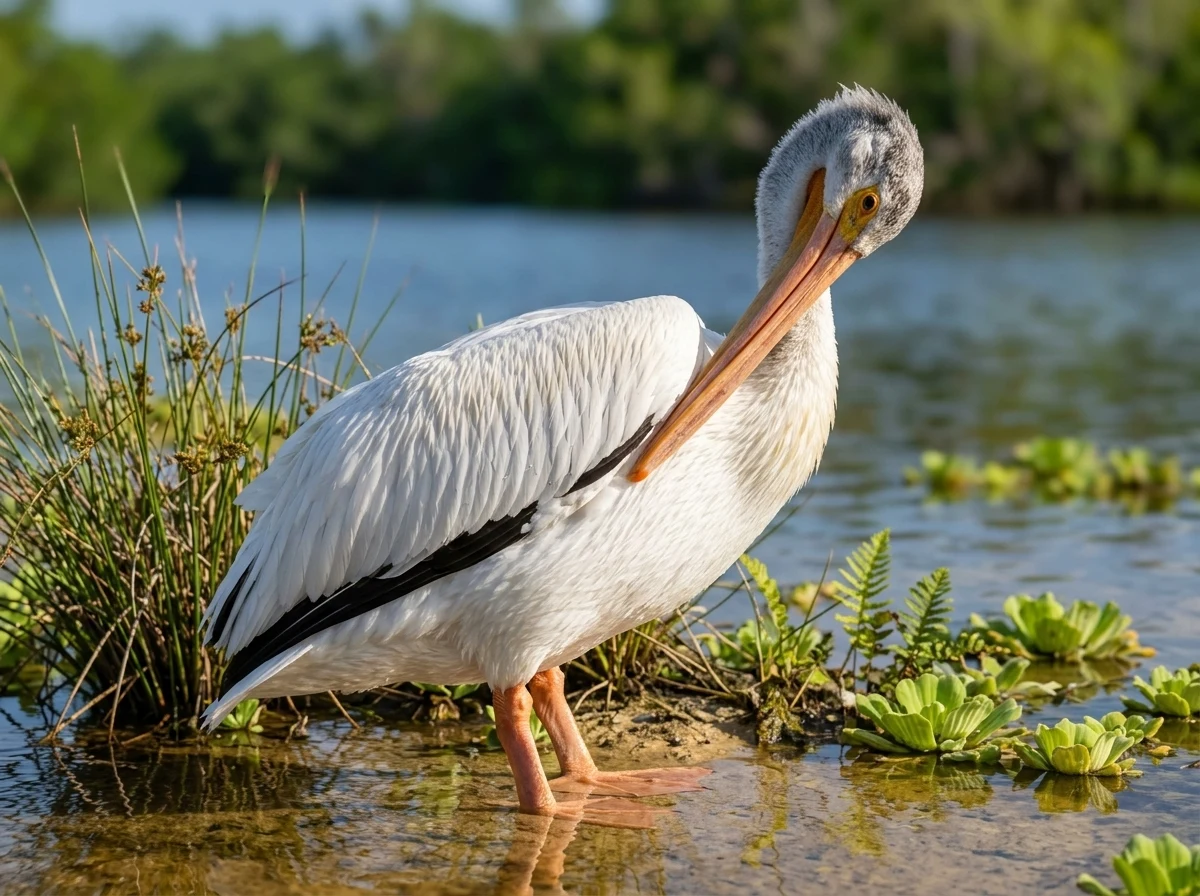
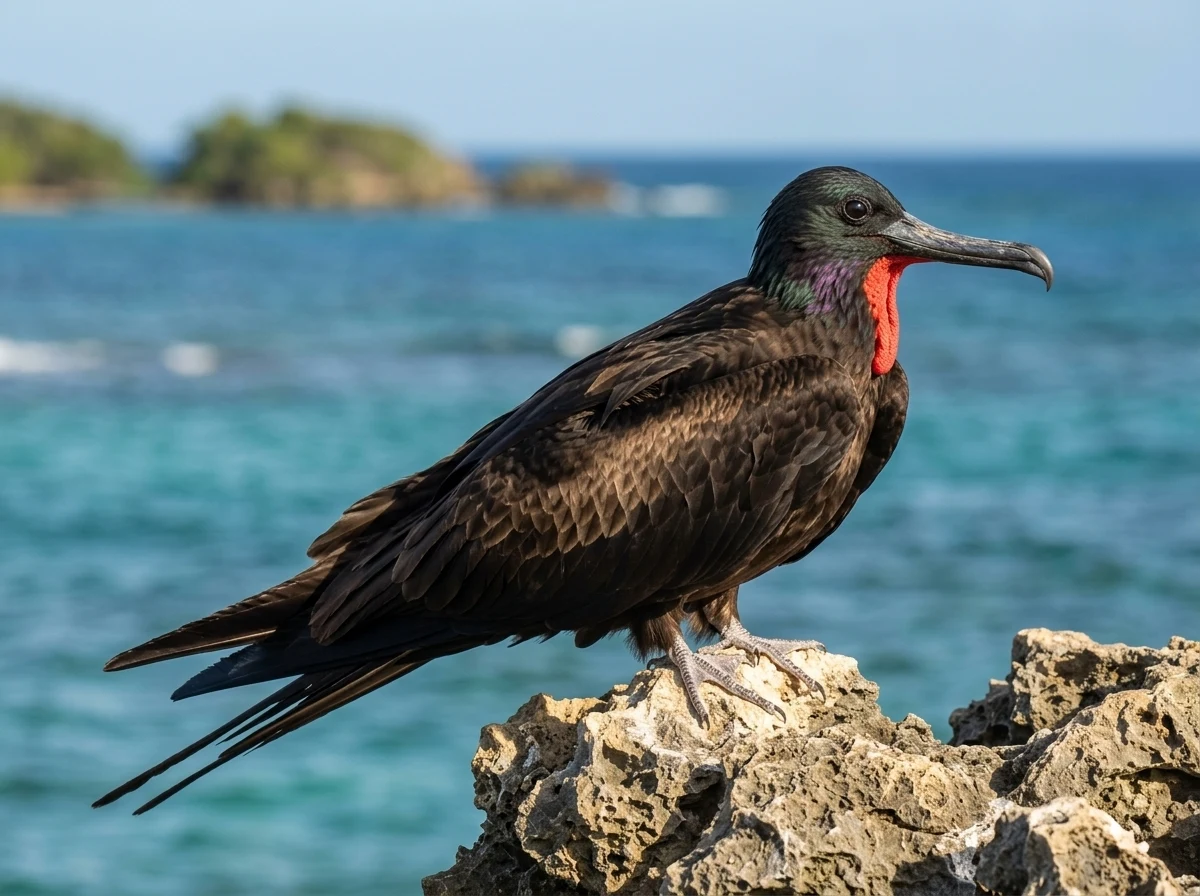
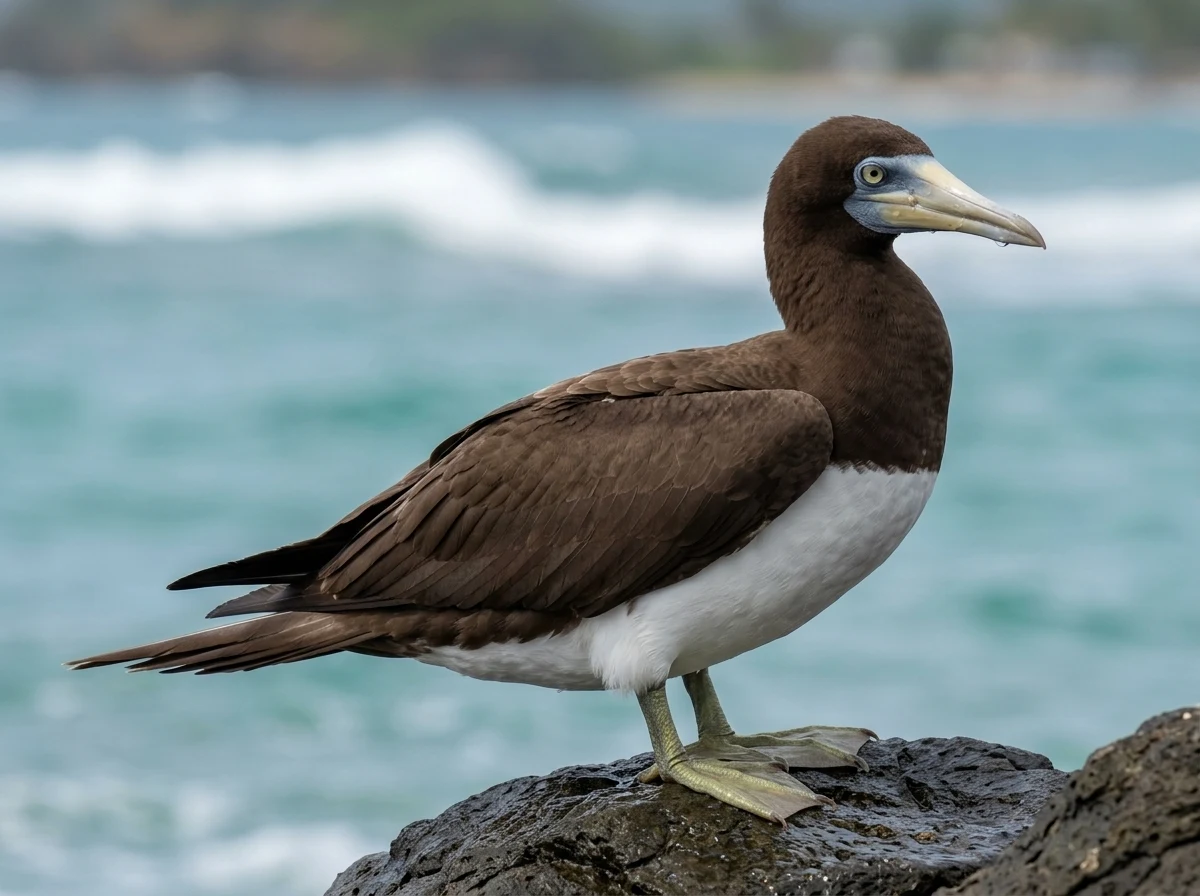
American White Pelican, accidental in Puerto Rico, is almost entirely white with black flight feathers and does not plunge-dive. Do not confuse the pelican with Magnificent Frigatebird, which soars high on angular wings with a forked tail, or with boobies, which are smaller and fly fast over the sea.
02
How it fishes: plunge-dives and single-file flight
Brown Pelican is one of the few pelicans that feed by diving. It plunges headfirst from as high as 60 feet, scoops fish into the pouch, drains the water, and then swallows. That noisy dive, with wings swept back, is the easiest way to identify it at a distance.
It also flies in single file, low over the waves, flapping and gliding almost in unison. In Puerto Rico it prefers shallow inshore waters, estuaries, and bays, avoids the open sea, and sometimes visits freshwater reservoirs. It eats mostly fish, so changes in nearshore fish schools affect it directly.
03
Where it nests: seven areas and three steady colonies
The federal monitoring plan records nesting at seven areas: the Aguadilla cliffs, Cayo Conejo off Vieques, Cayo Don Luis and Cayo Fríos in Lajas, Cayo Fríos in Santa Isabel, Cayo Morrillos in Ponce, and Cayo Ratones in Cabo Rojo. Only Cayo Conejo, Cayo Don Luis, and the Aguadilla cliffs are active every year; Vieques holds one of the largest colonies.
Since 2004 the DNER and the U.S. Fish and Wildlife Service have focused monitoring on Cayo Don Luis and Cayo Fríos in Lajas, visiting weekly during incubation. In some years pelicans nest twice, from May to August and from December to March, probably when food is plentiful; the Atlas found the most activity from March to July, peaking in June.
04
Is it endangered? Recovered overall, fragile here
Brown Pelican was declared endangered in 1970 because pesticides such as DDT thinned its eggshells. After the general U.S. ban on DDT in 1972, numbers rose to more than 650,000 birds across the range, and in November 2009 it was removed from the federal list. Today the IUCN rates it Least Concern.
In Puerto Rico the picture is more delicate. The DNER keeps it as endangered, and the Atlas notes die-offs and low fledging success, mainly among juveniles. Threats include coastal development, colony disturbance by fishers and boaters, loss of roosts, hurricanes, declining prey fish, and oil spills.
05
Where to see it and how not to disturb it
Pelicans turn up in almost any bay or estuary on the coast. At the Cabo Rojo Salt Flats, the refuge checklist rates the species common in all four seasons, and the southwest coast near the Lajas cays offers good chances to watch it fish. The Atlas recorded it in 144 hexagons, mostly without breeding evidence.
Watch from shore or public piers and keep boats, kayaks, and drones away from nesting cays and roosts: if pelicans raise their heads or fly off, you are too close. If you find a pelican tangled in fishing line or injured, do not force it free; contact the DNER.
Linked profiles
The pelican and the birds it is confused with
Compare silhouette, color, and fishing style before logging a white pelican or a frigatebird.
Sound archive
Hear its voice
Explore real songs and calls. The spectrogram turns each sound into a visual trace of time and frequency.
XC530843Recording 1 of 3call

Play: call by Isain Contreras Rodríguez
Choose another recording
Sound recorded by Isain Contreras Rodríguez · XC530843 · CC BY-NC-SA 4.0. Visualization by Stichting Xeno-canto voor Natuurgeluiden.
Every recording retains the creator, catalogue number, and license published by Xeno-canto. Metadata via GBIF ↗
01
Are there pelicans in Puerto Rico?
Yes. The Brown Pelican (Pelecanus occidentalis) is a common resident of Puerto Rico's bays, estuaries, and coasts, and it nests on cays off Lajas, Vieques, and elsewhere. The American White Pelican occurs only as an accidental visitor.
02
Is the Brown Pelican endangered?
Not federally: it was removed from the endangered species list in 2009. In Puerto Rico, the DNER still classifies it as endangered and local law protects it, because its colonies are few and suffer die-offs and poor breeding success.
03
Where do pelicans nest in Puerto Rico?
Nesting has been recorded at seven areas, but only Cayo Conejo (Vieques), Cayo Don Luis (Lajas), and the Aguadilla cliffs are active every year. The DNER monitors Cayo Don Luis and Cayo Fríos in Lajas. Those cays should not be visited during nesting.
04
Are there white pelicans in Puerto Rico?
Only as a rarity. American White Pelican is recorded as accidental. It is almost all white with black flight feathers and does not plunge-dive; a young Brown Pelican with a pale belly is not a white pelican.
05
How do you tell a young pelican from an adult?
Adults are silver-gray above, dark below, with a white or yellowish head; in breeding season the neck turns reddish-brown. Young birds are duller grayish-brown with a pale belly.
06
Why do dead pelicans turn up in Puerto Rico?
The Breeding Bird Atlas notes that Puerto Rico's population suffers major die-offs and low fledging success, mostly among juveniles. Other documented threats include declining prey fish, hurricanes, oil spills, and colony disturbance. If you find an injured or tangled pelican, contact the DNER rather than handling it.
07
When do pelicans nest in Puerto Rico?
They have no single fixed season. The Atlas found the most activity from March to July, peaking in June, and the federal monitoring plan describes years with two nesting periods, May to August and December to March, probably when food is plentiful.
08
What is the Brown Pelican's scientific name?
Pelecanus occidentalis, in the family Pelecanidae. In Puerto Rico it is called Pelícano Pardo or simply pelícano.
Keep exploring
Connected routes
Sources and review
The evidence is one link away.
These sources support the editorial scope of this guide. Bird profiles also retain their own taxonomy, occurrence, and conservation references.
Reviewed:
01↗02↗03↗04↗05↗06↗07↗
U.S. Fish and Wildlife Service
Brown Pelican removed from the endangered species list
Federal listing (1970) and delisting (2009), the role of DDT, and post-delisting monitoring with Puerto Rico.U.S. Fish and Wildlife Service
Draft post-delisting monitoring plan for the Brown Pelican
Seven Puerto Rico nesting areas, the colonies active every year, nesting periods, and DNER monitoring.U.S. Forest Service Research and Development
Puerto Rico Breeding Bird Atlas
Distribution and breeding timing for 130 species breeding in Puerto Rico and its satellite islands.National Audubon Society
Brown Pelican field guide
Adult and immature plumage, plunge-diving, and single-file flight.Sociedad Ornitológica Puertorriqueña
Official bird list
Local names, occurrence categories, and the public summary of 17 endemics.U.S. Fish and Wildlife Service (archivo NPS History)
Cabo Rojo and Laguna Cartagena refuges bird list
Seasonal abundance of ducks, rails, grebes, and pelicans; Laguna Cartagena size and cattail cover.U.S. Fish and Wildlife Service
Cabo Rojo National Wildlife Refuge
Habitats, focal birds, conservation, trails, and official refuge notices.The atlas continues