 AI
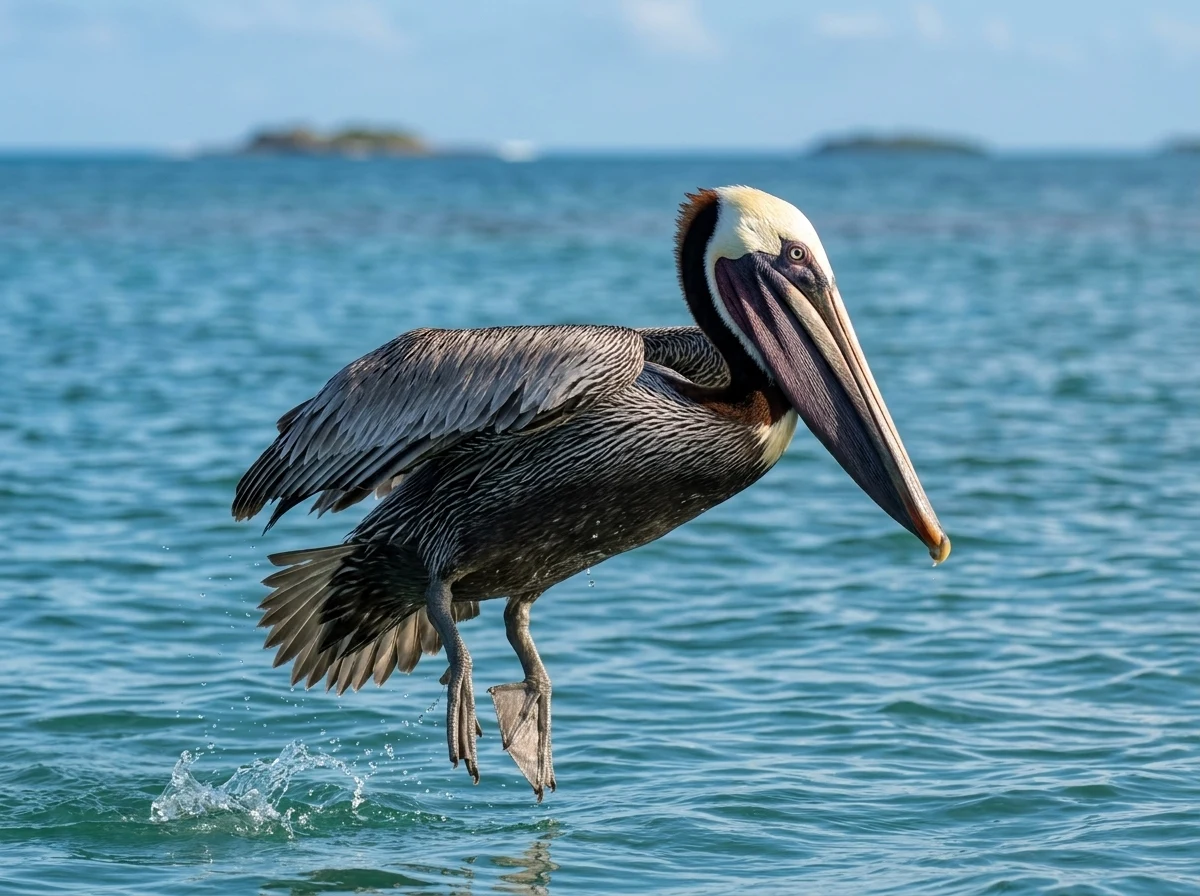
AIAI reconstruction created with Nano Banana 2 · 1K, grounded in the profile’s documented taxonomy, habitat, natural-history sources, and an open-license visual reference when available. It is an interpretive image, not documentary evidence. Image policy →
Brown Pelican
Pelícano Pardo
Pelecanus occidentalis
The brown pelican (Pelecanus occidentalis) is a bird of the pelican family, Pelecanidae, one of three species found in the Americas and one of two that feed by diving into water. It is found on the Atlantic Coast from New Jersey to the mouth of the Amazon River, and along the Pacific Coast from British Columbia to Peru, including the Galapagos Islands. The nominate subspecies in its breeding plumage has a white head with a yellowish wash on the crown. The nape and neck are dark maroon–brown. The upper sides of the neck have white lines along the base of the gular pouch, and the lower fore neck has a pale yellowish patch. The male and female are similar, but the female is slightly smaller. The nonbreeding adult has a white head and neck. The pink skin around the eyes becomes dull and gray in the nonbreeding season. It lacks any red hue, and the pouch is strongly olivaceous ochre-tinged and the legs are olivaceous gray to blackish-gray. The brown pelican mainly feeds on fish, but occasionally eats amphibians, crustaceans, and the eggs and nestlings of birds. It nests in colonies in secluded areas, often on islands, vegetated land among sand dunes, thickets of shrubs and trees, and mangroves. Females lay two or three oval, chalky white eggs. Incubation takes 28 to 30 days with both sexes sharing duties. The newly hatched chicks are pink, turning gray or black within 4 to 14 days. About 63 days are needed for chicks to fledge. Six to 9 weeks after hatching, the juveniles leave the nest, and gather into small groups known as pods. The brown pelican is the national bird of Saint Martin, Barbados, Saint Kitts and Nevis, and the Turks and Caicos Islands, and the official state bird of Louisiana, appearing on the flag, seal, or coat of arms of each. It has been rated as a species of least concern by the International Union for Conservation of Nature. It was listed under the United States Endangered Species Act from 1970 to 2009, as pesticides such as dieldrin and DDT threatened its future in the Southeastern United States and California. In 1972, the use of DDT was banned in Florida, followed by the rest of the United States. Since then, the brown pelican's population has increased. In 1903, Theodore Roosevelt set aside the first National Wildlife Refuge, Florida's Pelican Island, to protect the species from hunters.
Sound archive
Hear its voice
Explore real songs and calls. The spectrogram turns each sound into a visual trace of time and frequency.

Play: call by Isain Contreras Rodríguez
Choose another recording
Sound recorded by Isain Contreras Rodríguez · XC530843 · CC BY-NC-SA 4.0. Visualization by Stichting Xeno-canto voor Natuurgeluiden.
Every recording retains the creator, catalogue number, and license published by Xeno-canto. Metadata via GBIF ↗
Island profile
About the Brown Pelican
This atlas includes Brown Pelican (Pelecanus occidentalis) with atlas status “Resident” within scope “Avibase inferred core 380.” Puerto Rico context sources associate it with Marine coasts; bays; mangrove; cays.
Conservation
Least Concern
IUCN LC; DNER EN
- Global IUCN
- LC
- Puerto Rico DNER
- EN
- Federal ESA
- No current listing in source crosswalk
- Critical habitat
- Not identified in source crosswalk
Natural history
How it lives
- Habitat
- Marine coasts; bays; mangrove; cays
- Elevation
- 0–Not resolved m
- Nest
- Mound; Platform · Ground; Shrub / bush / vine
- Clutch
- 2–3 eggs
- Social behavior
- Colonial
For kids and families
Turn this bird into your own artwork
Download a clean, print-ready coloring page, learn one quick fact, and color this Puerto Rico bird.
Keep exploring
This bird belongs to 8 paths through the atlas.
Guides featuring this bird
Follow this record beyond the profile.
Identification, sound, place, and explanatory guides connecting this species to larger questions.
See all related guides (33)
- Birds and Seagrass Food Webs
- How Microplastics Reach Seabirds
- Fishing Line and Coastal Birds Risks and Prevention
- Adaptation: Feet and Perching
- Beaks and Diets: A Matching Game
- Bird Track and Sign Detective
- Engineering Challenge: Design a Beak
- Bird Math: Wingspan and Weight Comparisons
- Are there pelicans in Puerto Rico? The Brown Pelican
- Peregrine Falcon in Puerto Rico
- Osprey in Puerto Rico
- Nesting calendar
- Hurricanes and birds
- Plan your birding trip
- Cabo Rojo and Laguna Cartagena
- Birds of Humacao
- Mangrove birds
- Birds of Piñones and San Juan
- Birds of Jobos Bay
- Birds of Vieques
- Birds of Culebra
- Bird Photography Tips for Puerto Rico
- Lesson plan on Puerto Rico birds
- Large birds of Puerto Rico
- Seabirds of Puerto Rico
- Birds of San Juan's Lagoons: San José, Torrecilla, Condado, Martín Peña
- Birds of Caja de Muertos Island
- Beach Birds of Puerto Rico
- Birding San Juan in One Day from a Cruise Ship
- Puerto Rico birds: pictures and names
- Fun facts about Puerto Rico birds for kids
- Endangered Birds of Puerto Rico: The Complete List
- Birds of Old San Juan
Related in the atlas
Where to fly next
Connected by taxonomy, habitat, occurrence, and conservation.
 AI
AI AI
AI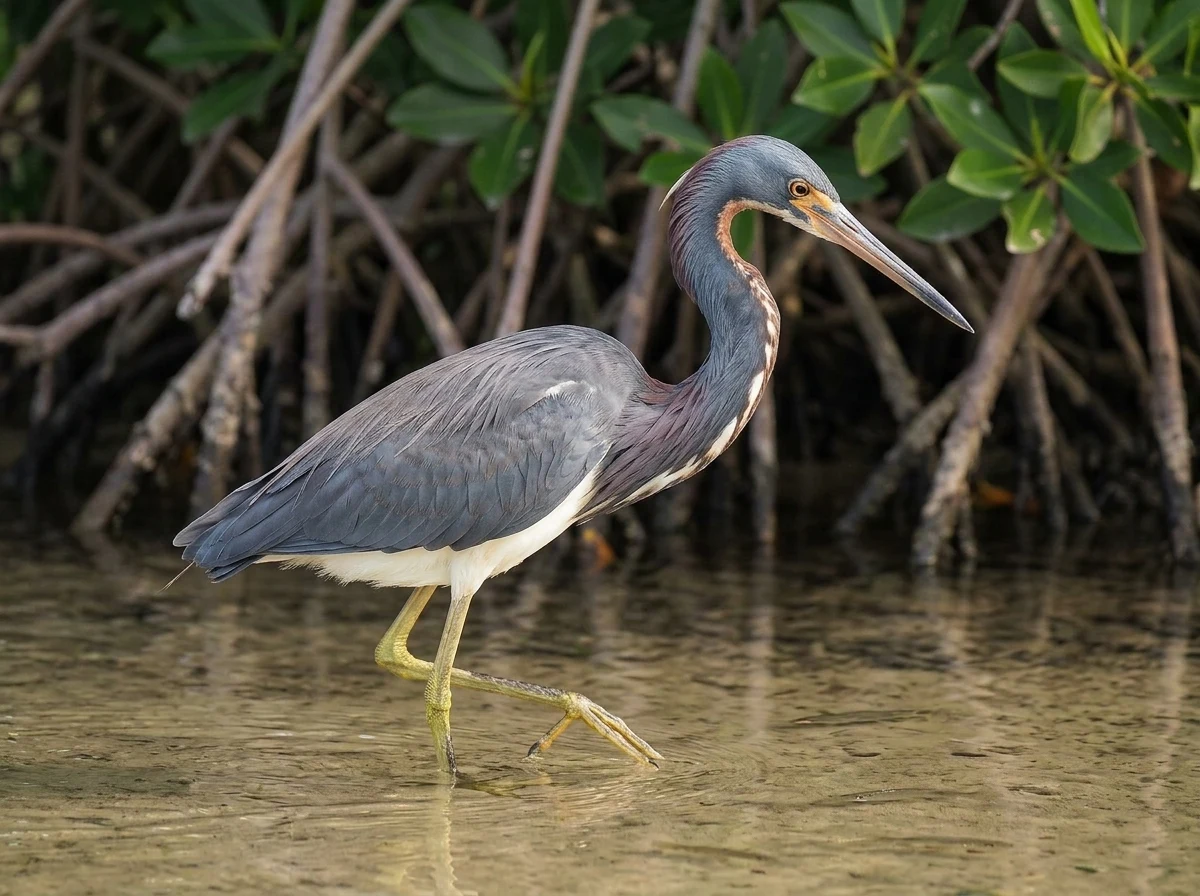 AI
AI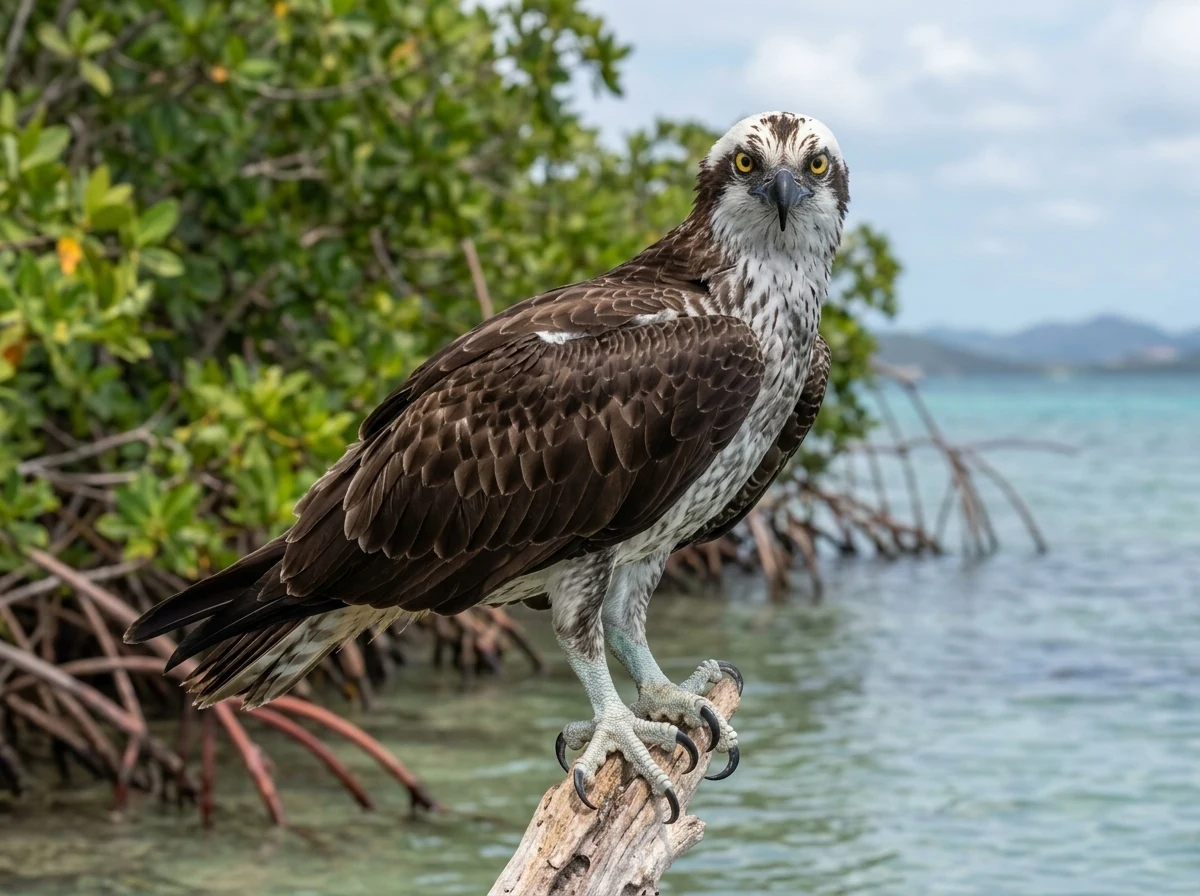 AI
AI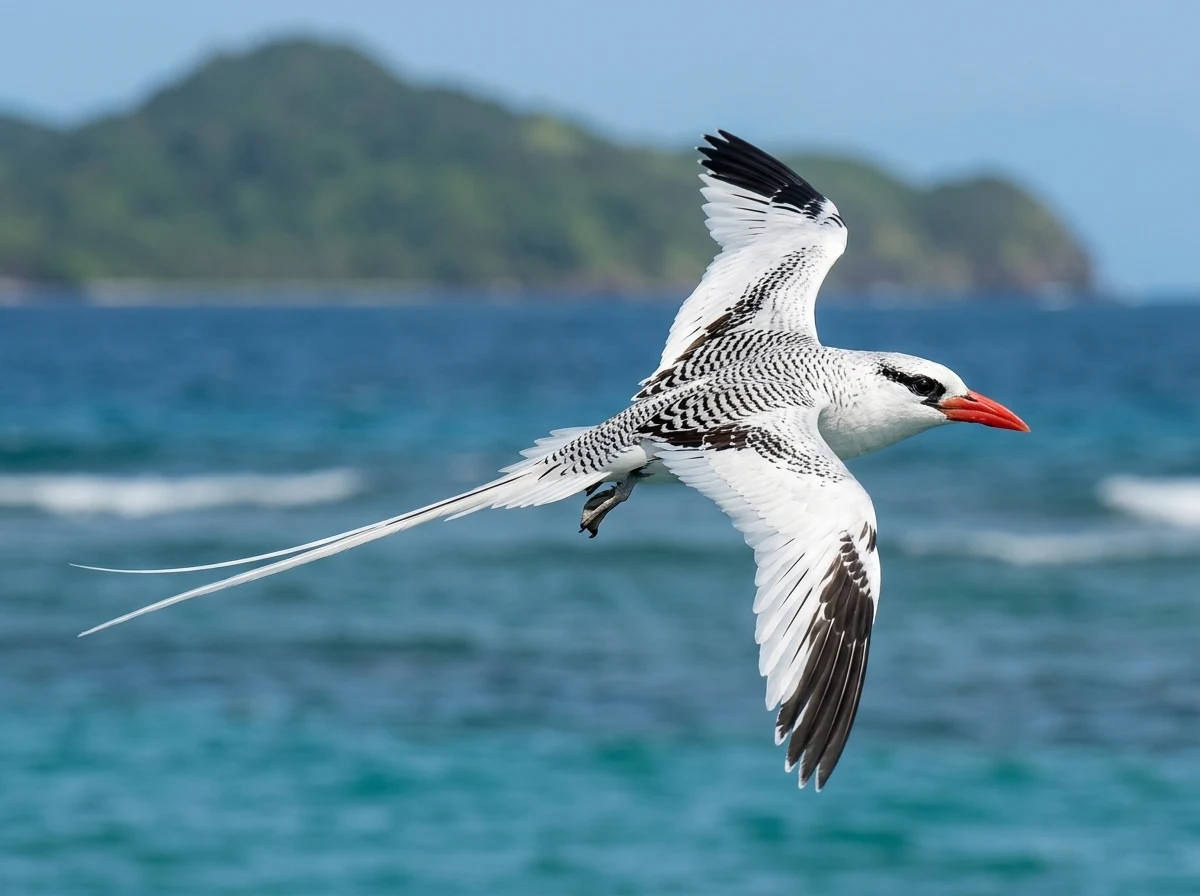 AI
AI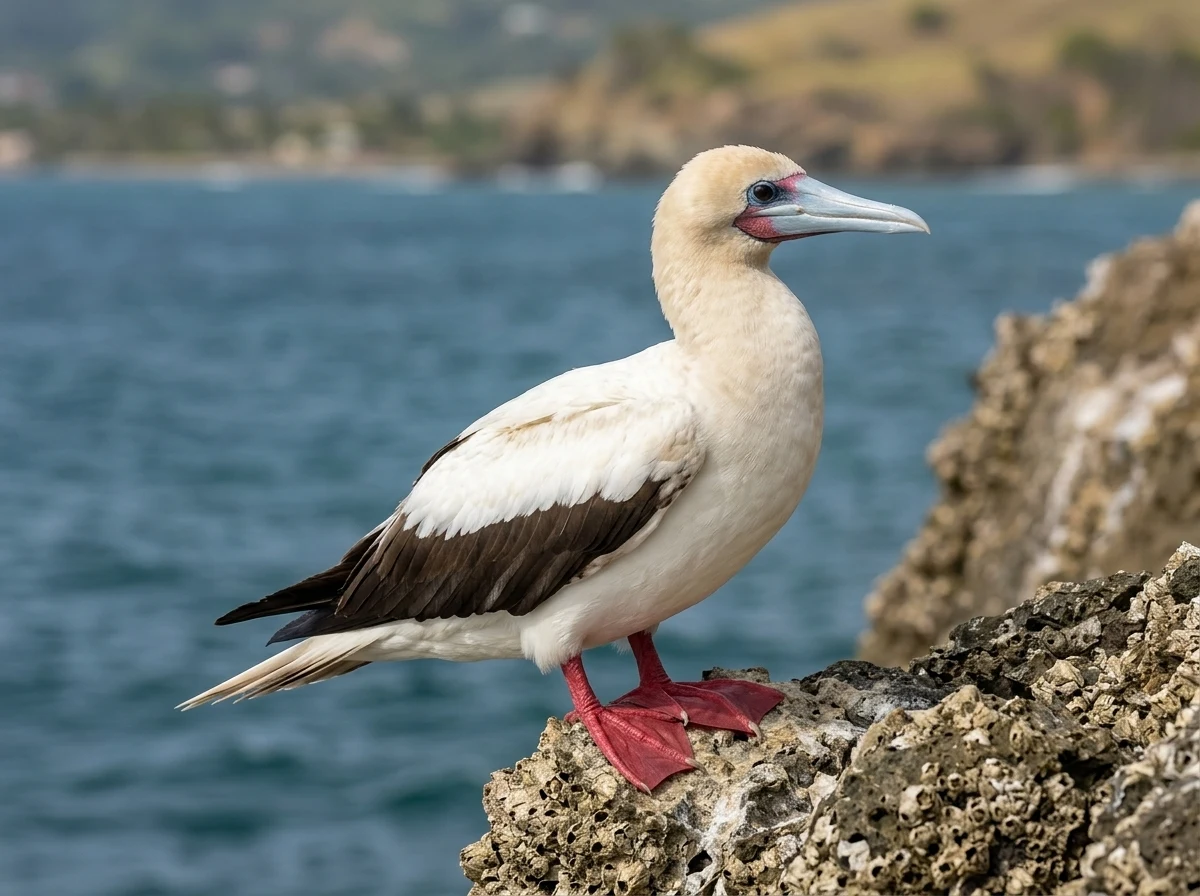 AI
AI
Evidence trail
Sources, media & further reading
Research note: Commonwealth EN despite federal delisting; do not infer federal ESA status from old sources