 AI
AIBehavior guide
Why Birds Give Alarm Calls
An alarm call is not just a shout: it is shared information. Here we explain what it communicates, who listens, and how to observe it without interfering.
Reviewed: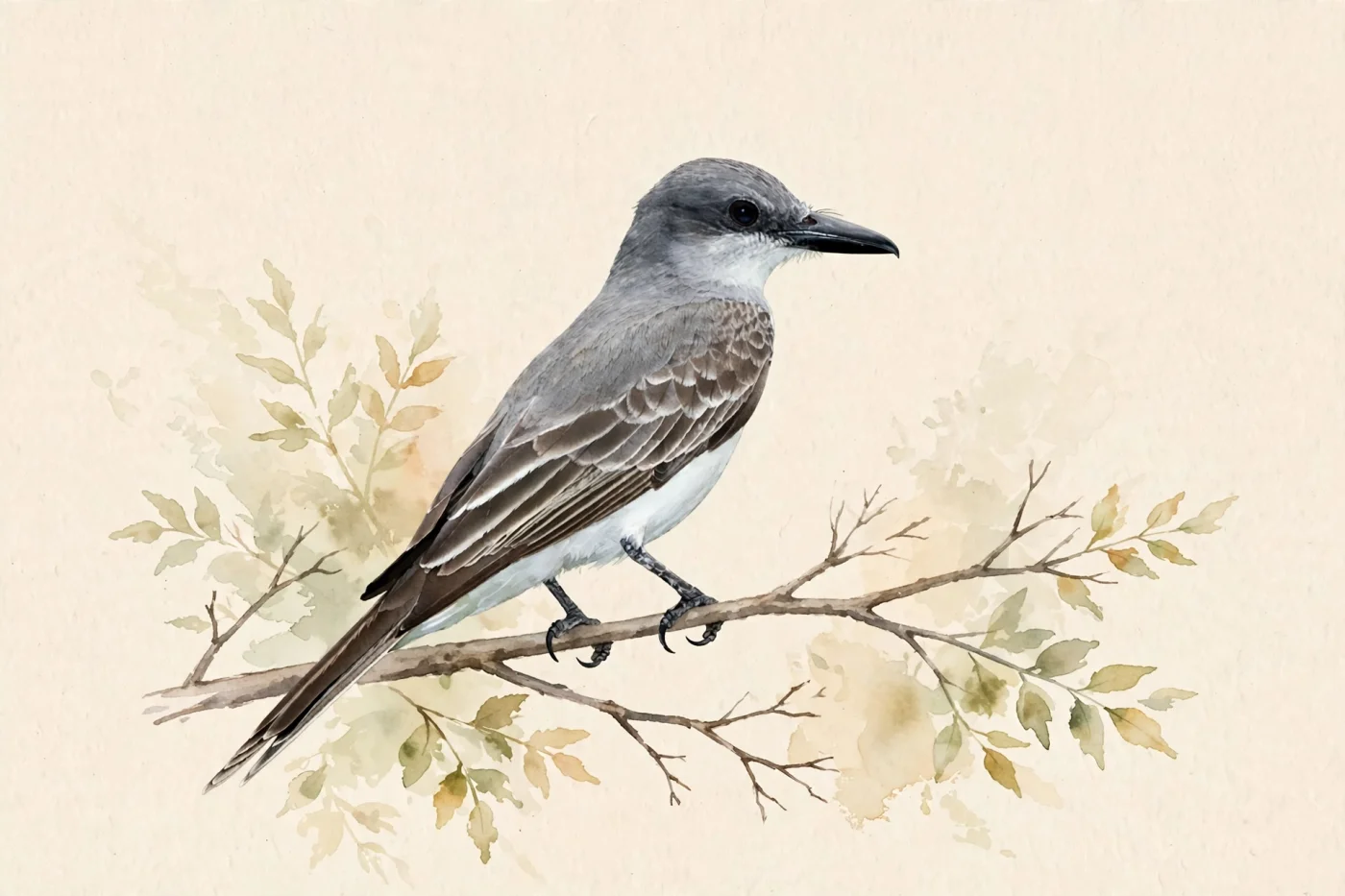
Prepared with AI assistance and linked sources. Illustrations are not field photographs.
Alarm as information, not just noise
When a bird gives an alarm call, it is doing more than shouting: it is transmitting information about danger. That information can indicate that a predator is nearby, what kind it is, and how urgently to react. Other birds, and even some mammals, can listen in and use that warning.
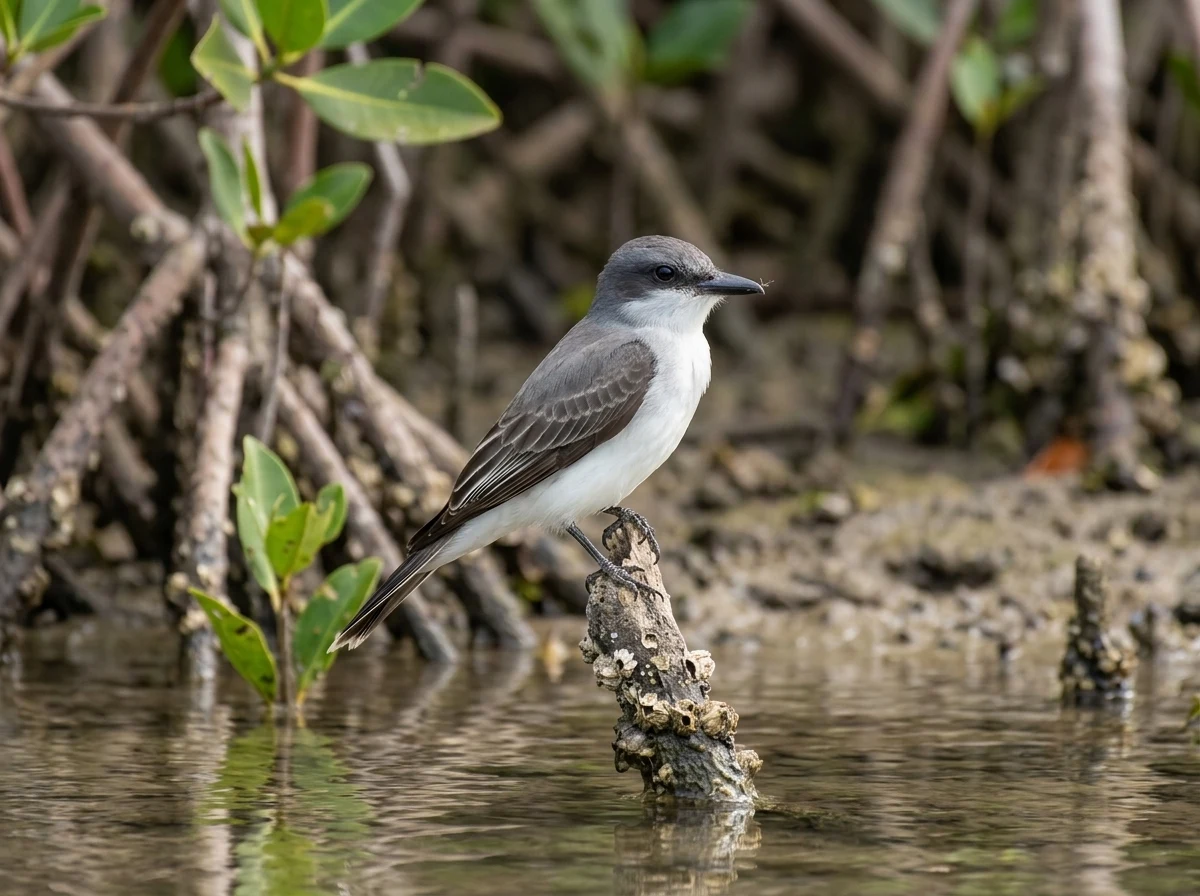
In Puerto Rico, the Gray Kingbird (Tyrannus dominicensis) and the Northern Mockingbird (Mimus polyglottos) are two common species whose alarm behavior is easy to observe. This guide explains why birds give alarm calls, how information spreads, and how to practice careful, ethical observation.
Behavior guide
Three key ideas
MobbingCollective responseSeveral birds approach and harass the predator while calling.
100 mphSpread speedA wave of alarm calls can travel at more than 100 miles per hour from one hillside to another.
TamañoEncoded informationPredator size may be encoded in the call: a small, agile predator can trigger a more urgent alarm than a large one.
01
What an alarm call communicates
An alarm call transmits to other birds that a predator is nearby. The typical response is called mobbing: several birds approach, call insistently, and move around the danger. This behavior not only warns others but can also distract or annoy the predator.
The information is not always the same. In the cited studies, predator size may be encoded in the call: a small, agile predator, which represents a greater threat to a bird of similar size, can trigger a more urgent alarm than a large predator. Thus, the call does not only say "danger"; it can say something about the type of danger.
02
How alarm spreads
Alarm calls can spread quickly. According to the cited studies, a wave of warning calls can travel from one hillside to another at more than 100 miles per hour. This means vulnerable birds may learn about a predator's movement before it comes near, giving them time to take cover.
The phenomenon is not limited to birds. The studies mention that even chipmunks and some squirrels seem to pay heed to the birds' red alert. This informal information network connects different species in the same landscape.
03
The Gray Kingbird and Northern Mockingbird: two examples to observe
The Gray Kingbird (Tyrannus dominicensis) is a large, conspicuous, boisterous tyrannid. It perches in the open and defends its territory energetically, even harassing larger animals. Its petulant voice and feisty disposition make it an ideal candidate for observing alarm calls and mobbing. In Puerto Rico it is known as pitirre and its presence on the island is documented.
The Northern Mockingbird (Mimus polyglottos) is a common bird in Puerto Rico, known for mimicking sounds and aggressively defending its nest. When a predator is persistent, mockingbirds from nearby territories gather via a distinctive call and together attack the intruder. Other birds gather to watch them harass the intruder. This coordination is a clear example of how an alarm call summons others.
04
How to observe alarm calls without interfering
To observe alarm calls, choose a quiet spot where you can remain still and silent. Look for a place with visibility toward open branches, posts, or fences, where birds often perch. Bring a notebook or recorder to note the time, type of call, and the response of other birds. Do not use playback to provoke alarms: that adds unnecessary stress and can alter natural behavior.
When you hear a repetitive, urgent call, follow the sound with your eyes. Note whether a predator is visible, whether other birds approach, and whether the call changes in intensity. A useful exercise is to compare two situations: one in which only one bird sings and another in which several call at once. Ask yourself what difference there is in urgency and in the number of birds that respond.
Linked profiles
Birds mentioned in this guide
The Gray Kingbird and Northern Mockingbird are two common species in Puerto Rico whose alarm calls and mobbing behavior you can observe.
AI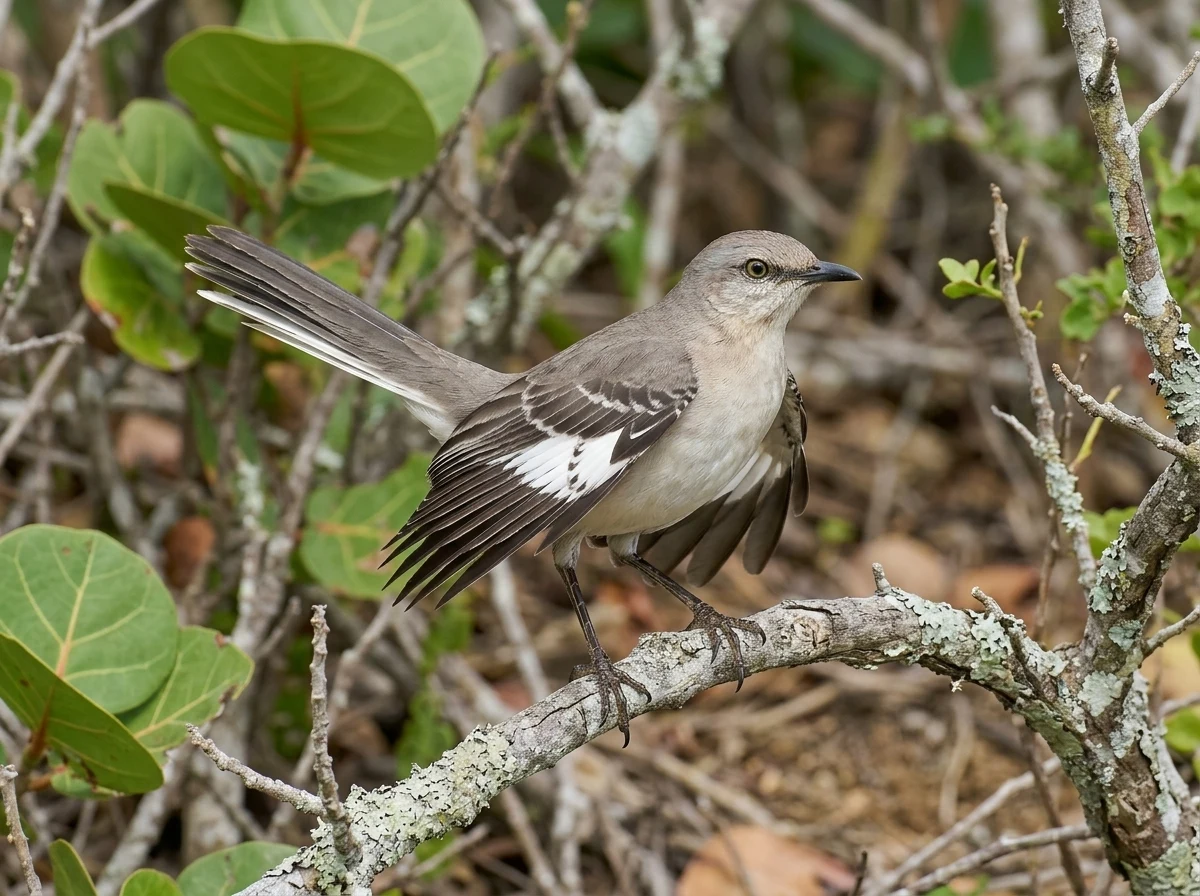 AI
AI01
Do birds give alarm calls only when they see a predator?
Not necessarily. Alarm calls can be given in response to a perceived danger, and other birds may respond even if they do not directly see the predator. Information spreads quickly among individuals.
02
What is mobbing?
It is a collective response in which several birds approach and harass a predator while giving alarm calls. It can serve to warn other birds and to annoy the predator.
03
Can I use recordings to provoke alarm calls?
It is not recommended. Playback adds unnecessary stress and can alter natural behavior. It is better to observe without intervening.
04
Which Puerto Rico birds are good for practicing alarm observation?
The Gray Kingbird and Northern Mockingbird are two common, conspicuous species whose alarm calls and mobbing behavior are relatively easy to observe in open areas and gardens.
Keep exploring
Connected routes
Sources and review
The evidence is one link away.
These sources support the editorial scope of this guide. Bird profiles also retain their own taxonomy, occurrence, and conservation references.
Reviewed:
01↗02↗03↗
Audubon
A Wave of Bird Alarm Calls Can Travel at 100 Miles Per Hour
Evidence for cited sections; consult the original document.BirdNote
Birds' Early Warning Systems
Evidence for cited sections; consult the original document.Cornell Lab of Ornithology
Gray Kingbird - Tyrannus dominicensis - Birds of the World
Evidence for cited sections; consult the original document.The atlas continues