 AI
AIListen in context
Call vs. song
Musical does not always mean song, and brief does not always mean call. The strongest clue is what the bird is doing with the sound.
Reviewed:Function matters more than beauty or length.
In classic usage, a song advertises territory or participates in reproduction; a call accompanies other situations such as maintaining contact, warning of danger, begging for food, or coordinating flight. Songs are often more repeated or complex, but those features are clues rather than universal rules.
A short vocalization may function as territorial song, while a complex sequence may be a call. Both males and females can sing, and not every bird sound comes from the syrinx. To classify a voice, combine pattern, posture, behavior, season, time, and the label documented by the recordist.
Listen in context
Three filters before applying a label
1functionTerritory or mate, contact, alarm, flight, or begging?
2behaviorPerch, posture, movement, and the response of other birds.
3patternRhythm, pitch, repetition, pauses, and variation among phrases.
01
What usually makes a vocalization a song
Song is often delivered from a perch or during a display and repeated so other individuals can detect it. Its most cited functions are defending territory and attracting or communicating with a mate. It may therefore peak during breeding, although species that maintain territories longer can sing outside a narrow season.
Complexity, musicality, and duration help with some species, but they do not decide the label alone. Some songs are short or harsh, some territorial vocalizations remain catalogued simply as a call, and boundaries vary among sources. Describe first; classify second.
02
What a call can communicate
Calls usually accompany an immediate action. A pair or flock may maintain contact; a young bird may beg; a bird in flight may announce its passage; an alarm may warn of a threat or recruit neighbors to mob it. One species keeps several call types, each of which can vary with urgency and distance.
Do not interpret an isolated note without observing what happens around it. A short high sound may be alarm, contact, or one unit inside another phrase. Record whether the bird flies, hides, feeds young, watches a predator, or receives a response: behavior turns sound into evidence.
03
Puerto Rico examples to alternate
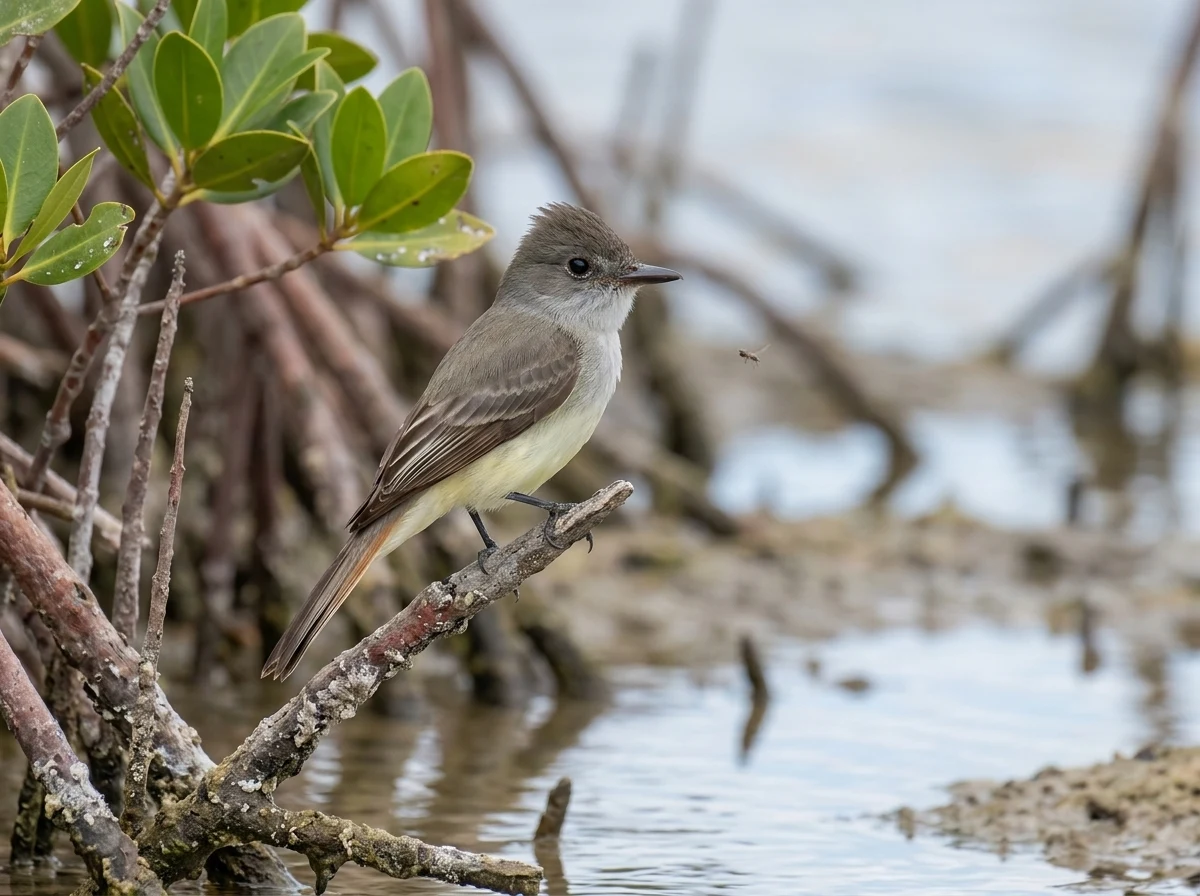
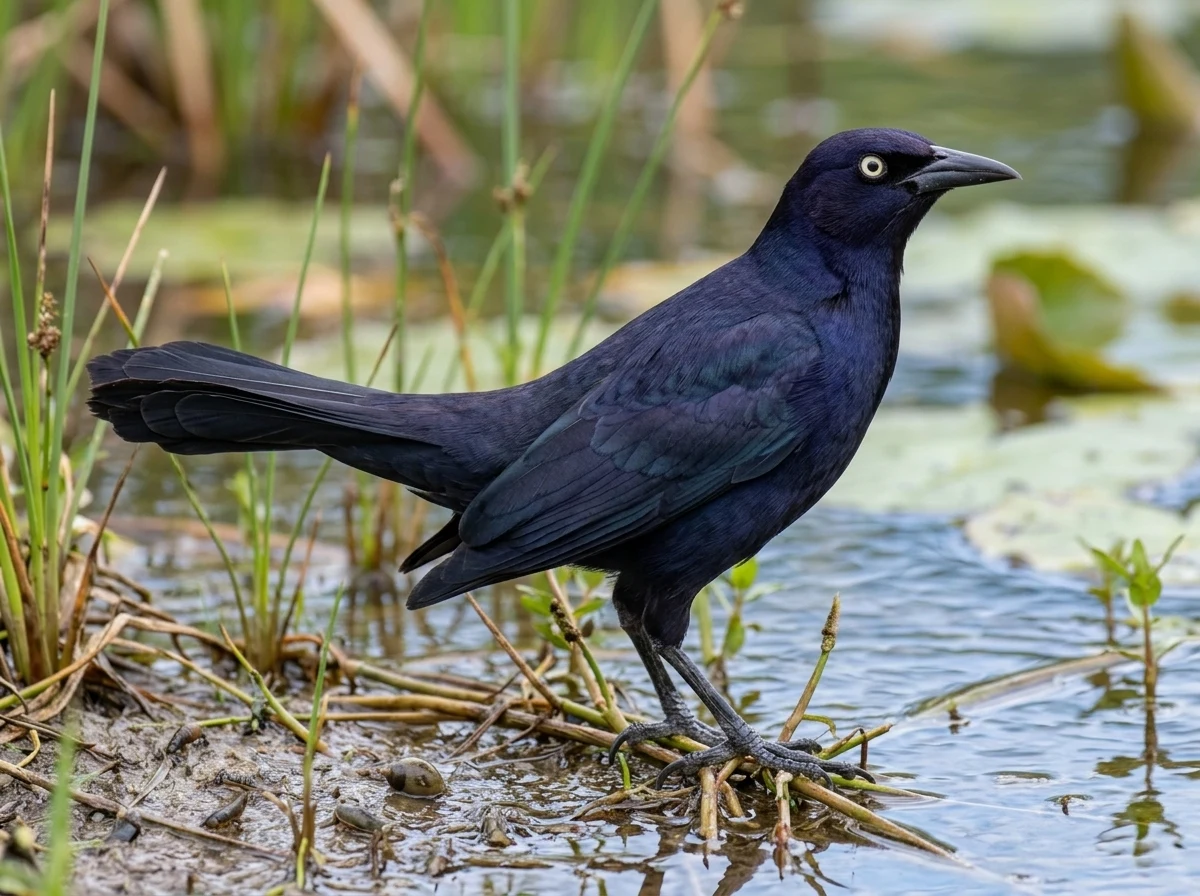
The linked Puerto Rican Flycatcher archive includes Puerto Rico recordings labelled call and dawn song; Gray Kingbird likewise lets listeners alternate recordings published as song and call. A Greater Antillean Grackle recording may carry both labels. Those metadata are a starting point, not a reason to assume every second belongs to one category.
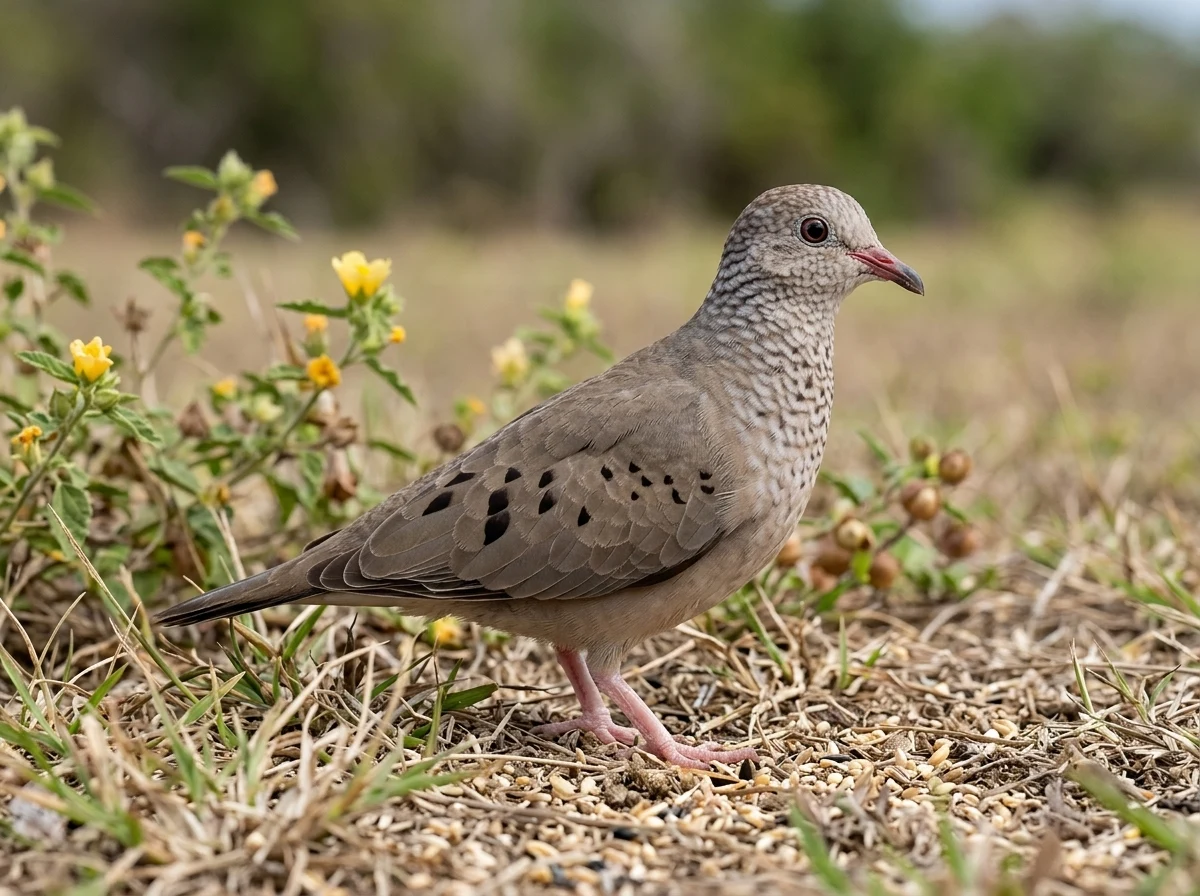
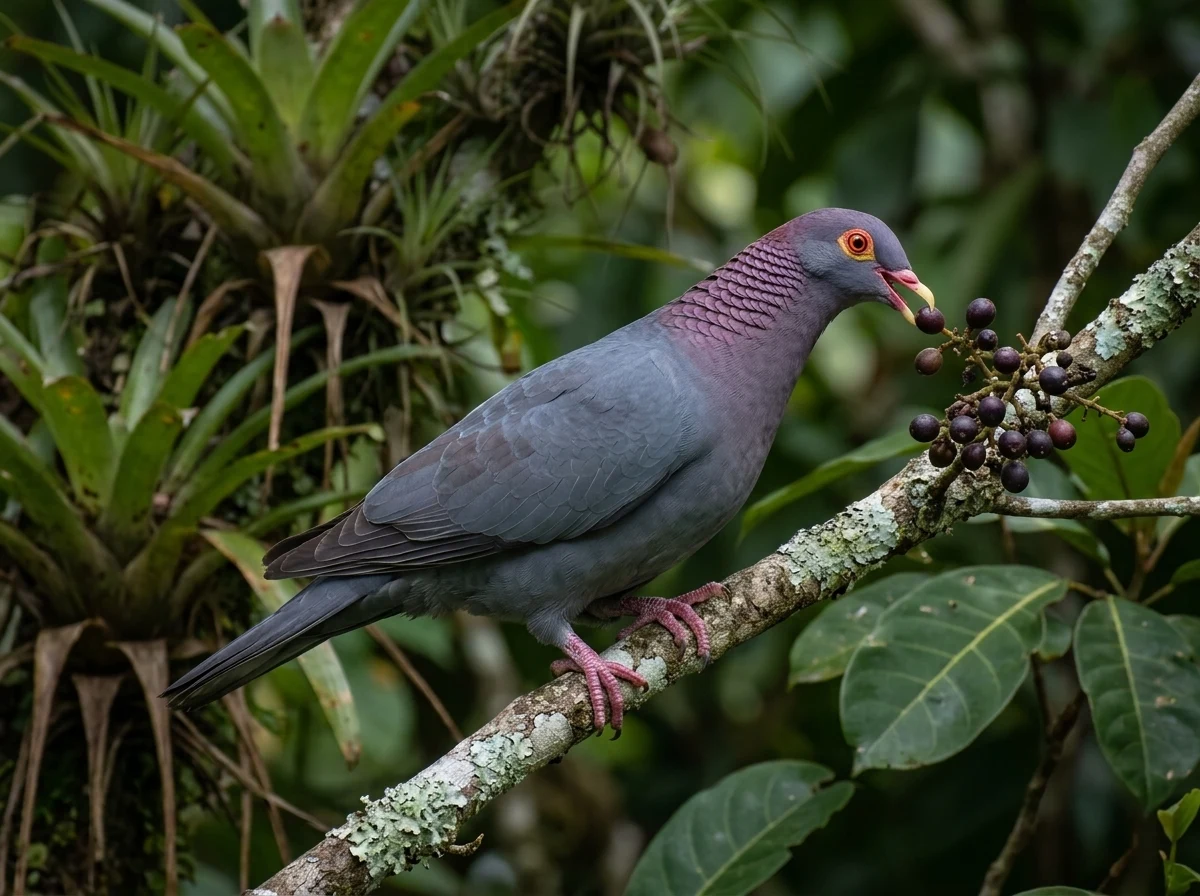
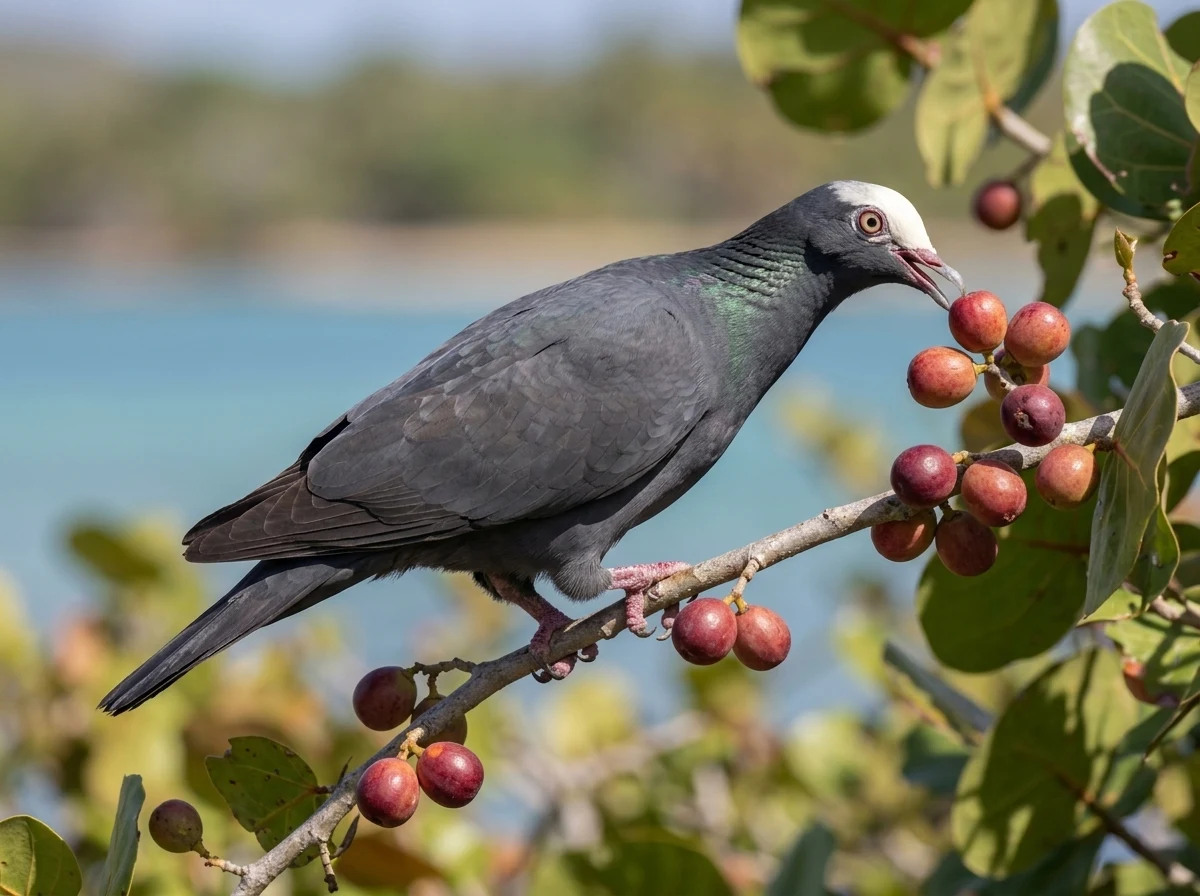
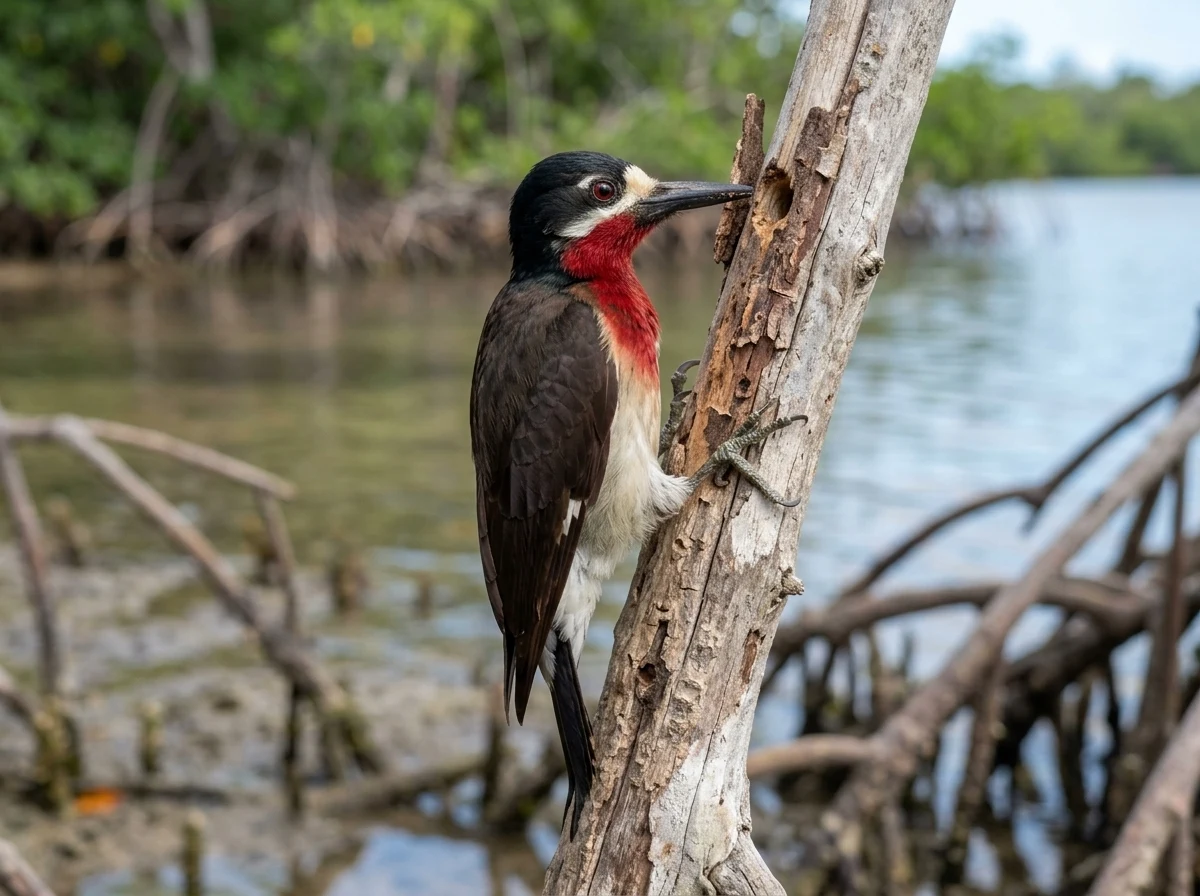
Doves such as Common Ground Dove and Scaly-naped Pigeon offer repeated patterns that may be catalogued as song, while Puerto Rican Woodpecker adds a different distinction: its calls are vocal, but drumming is a mechanical sound produced by striking a surface. Song, call, and bird sound are not perfect synonyms.
04
A four-pass listening exercise
First pass: listen without the screen and write down rhythm. Second: count notes and pauses. Third: inspect the spectrogram for pitch, changes, and repetition. Fourth: read location, date, behavior, and published type; then open another recording of the same species and one confusable species.
In the field, record the ambient soundscape from a responsible distance and preserve the original. Do not use playback to force a response, especially near nests or sensitive species. If you did not observe behavior, write “vocalization” or “sound” instead of inventing a function the file cannot demonstrate.
Linked profiles
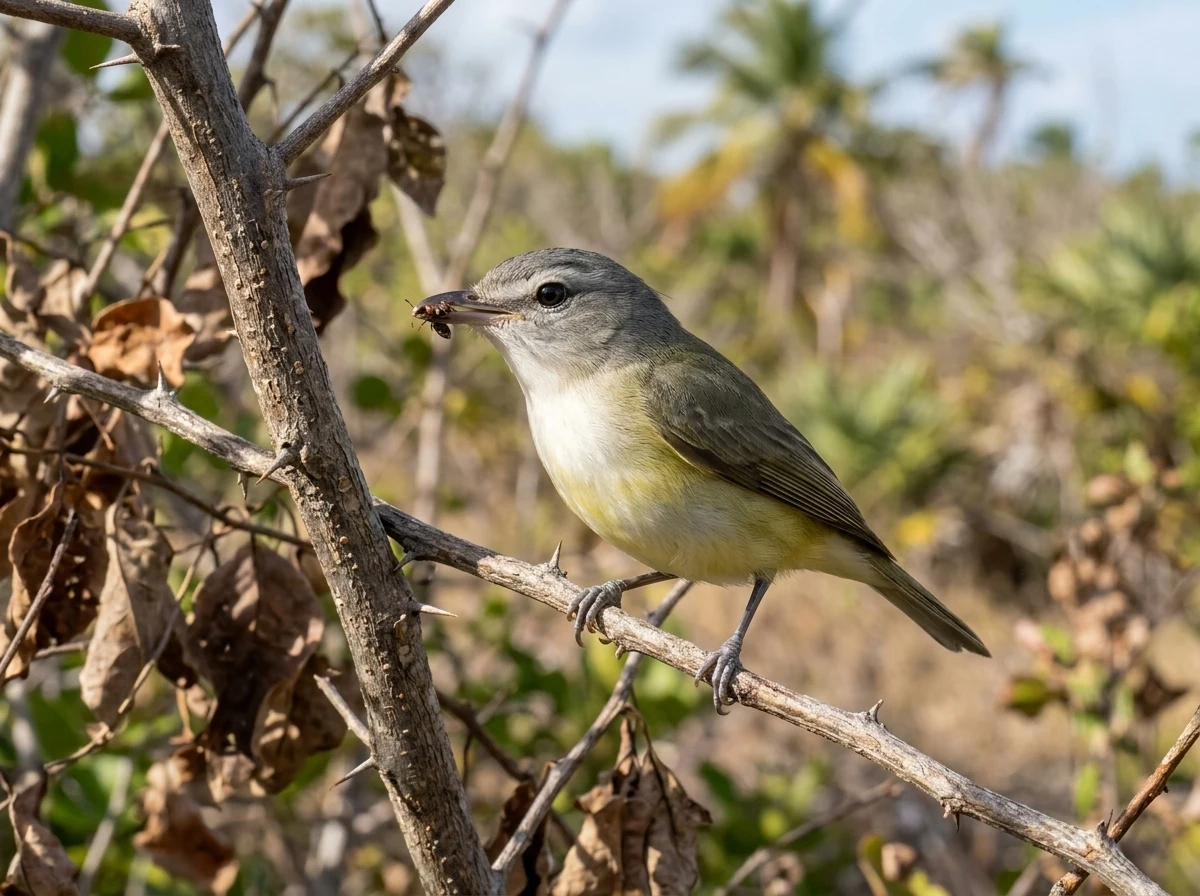
Eight repertoires to compare
Open more than one recording per species and always check its label, place, date, and documented behavior.

Sound archive
Hear its voice
Explore real songs and calls. The spectrogram turns each sound into a visual trace of time and frequency.
XC308529Recording 1 of 3call

Play: call by Ross Gallardy
Choose another recording
Sound recorded by Ross Gallardy · XC308529 · CC BY-NC-SA 4.0. Visualization by Stichting Xeno-canto voor Natuurgeluiden.
Every recording retains the creator, catalogue number, and license published by Xeno-canto. Metadata via GBIF ↗
01
What is the difference between a bird song and a call?
Song usually participates in territory or reproduction; calls often serve contact, alarm, flight, begging, or other behaviors. Length and complexity help, but function and context are stronger clues.
02
Is every song long and musical?
No. Some songs are short, simple, or harsh. A human judgment of musical beauty does not determine biological function.
03
Do only male birds sing?
No. Females sing in many species, and both sexes can produce calls. Sex, age, and season should be documented when known rather than assumed.
04
Is woodpecker drumming a song?
It is a mechanical signal, not a vocalization: the bird makes it by striking a surface. It can serve communication functions without being vocal song.
Keep exploring
Connected routes
Sources and review
The evidence is one link away.
These sources support the editorial scope of this guide. Bird profiles also retain their own taxonomy, occurrence, and conservation references.
Reviewed:
01↗02↗03↗04↗
Bird Academy / Cornell Lab of Ornithology
Songs and calls: vocal behavior
Explains the classic distinction between song and call, including cases that mix criteria of complexity, learning, and function.National Audubon Society
Difference between bird songs and calls
Summarizes how function helps separate territorial or reproductive songs from contact, alarm, and other calls.Xeno-canto Foundation / GBIF
Xeno-canto recordings published through GBIF
Metadata, authorship, licenses, and catalogue records for field recordings used by the atlas.Macaulay Library / Cornell Lab of Ornithology
Puerto Rico sound archive
Complementary audio collection for comparing songs, calls, locations, and dates.The atlas continues