 AI
AISound atlas
Songs and calls
A voice can travel through a forest where plumage disappears. Player, spectrogram, and metadata turn that voice into evidence readers can compare.
Reviewed:Birding by ear means learning patterns, not memorizing one file.
The site's archive uses the consented subset of Xeno-canto published through GBIF. Every recording retains catalogue number, recordist, location, date, and license. Audio is never presented as atlas property: attribution travels with the sound.
A species may produce territorial song, contact, alarm, flight, or begging calls. The same type changes with individual, distance, equipment, wind, and soundscape. Profiles therefore offer multiple recordings when available and link back to the original collection.
Sound atlas
Archive coverage
1,130recordingsThe reviewed local index with per-file metadata and licenses.
379profiles with audioCoverage prioritizes living birds with comparable records.
3examples per profileWhen available, multiple voices reveal variation rather than one sample.
01
What a spectrogram shows
The horizontal axis represents time and the vertical axis frequency: low sounds sit near the bottom and high sounds near the top. Visual intensity approximates energy. A repeated phrase leaves repeated shapes; a clean whistle may draw a line, while a harsh sound fills a broader band.
A spectrogram does not translate song or automatically identify a bird. It is a second view of the same audio, useful for comparing rhythm, frequency range, pauses, and structure even when two recordings have different volume.
02
Song, call, and drumming
Song often describes a more elaborate signal related to territory or breeding, but human categories are imperfect. Calls may maintain contact, warn of danger, or coordinate movement. Woodpeckers add drumming: a mechanical signal made on a surface rather than with the syrinx.
Read the label supplied by the recordist but listen with an open mind. A file marked “call” can contain several individuals or background species. Place, date, and behavior notes help determine which part of the soundscape belongs to the focal bird.
03
A four-step comparison method
First hear the overall rhythm without looking at the screen. Then count units and pauses, inspect whether frequency rises or falls, and compare the visual pattern with another recording. Finally return to field context: habitat, time, season, and behavior should fit.
Use headphones at a moderate volume and repeat short sections. To learn, alternate confusable species instead of hearing ten files from one bird. Memory improves when the difference—faster, lower, more nasal—has a name.
04
An archive for listening, not unlimited luring
Playing audio on a phone for study at home does not have the same effect as broadcasting it inside a bird's territory. In the field, playback can trigger searching, defense, or interrupted feeding. Avoid it near nests and sensitive species; if a site or guide prohibits it, do not use it.
Recording the ambient soundscape is often more useful than provoking a response. Keep the original file, note time and habitat, and do not publish exact coordinates for a vulnerable site. Ethics is part of data quality.
Linked profiles
Eight voices to begin with
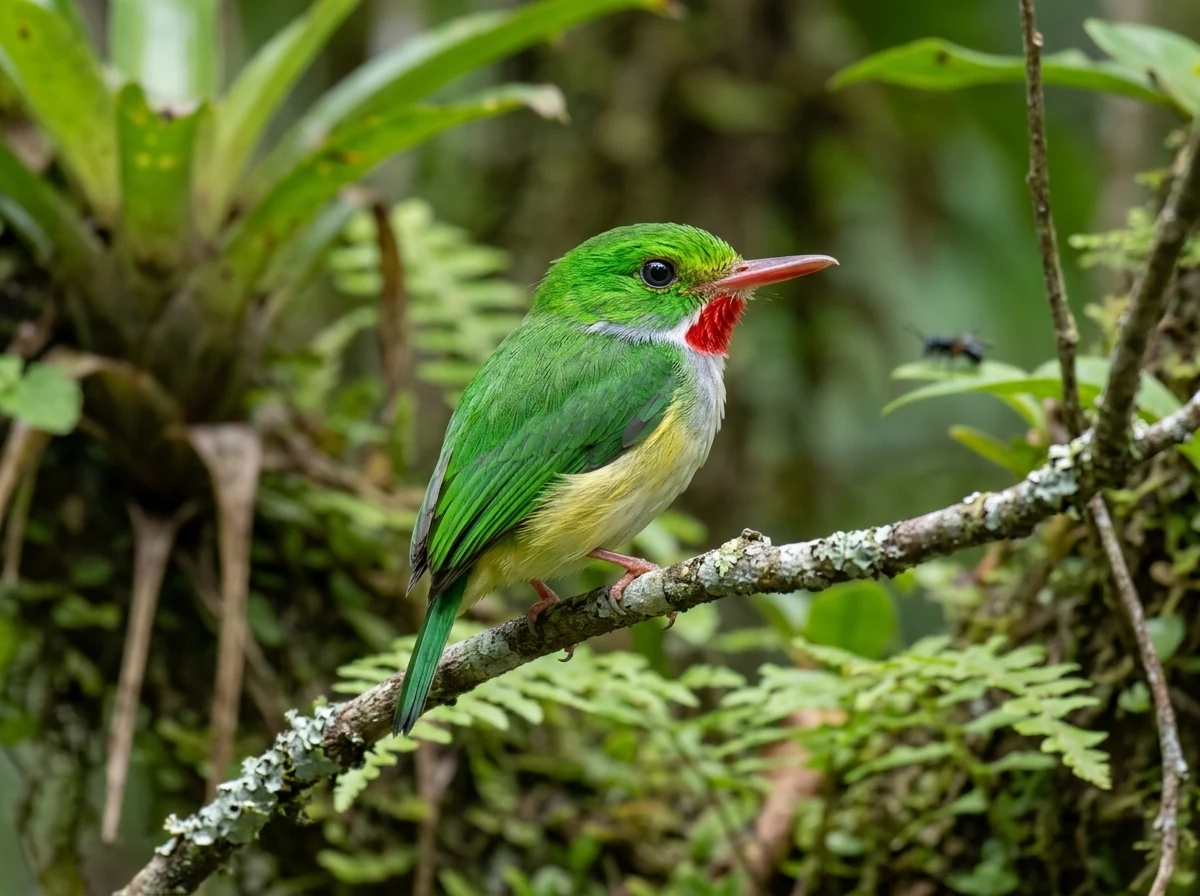
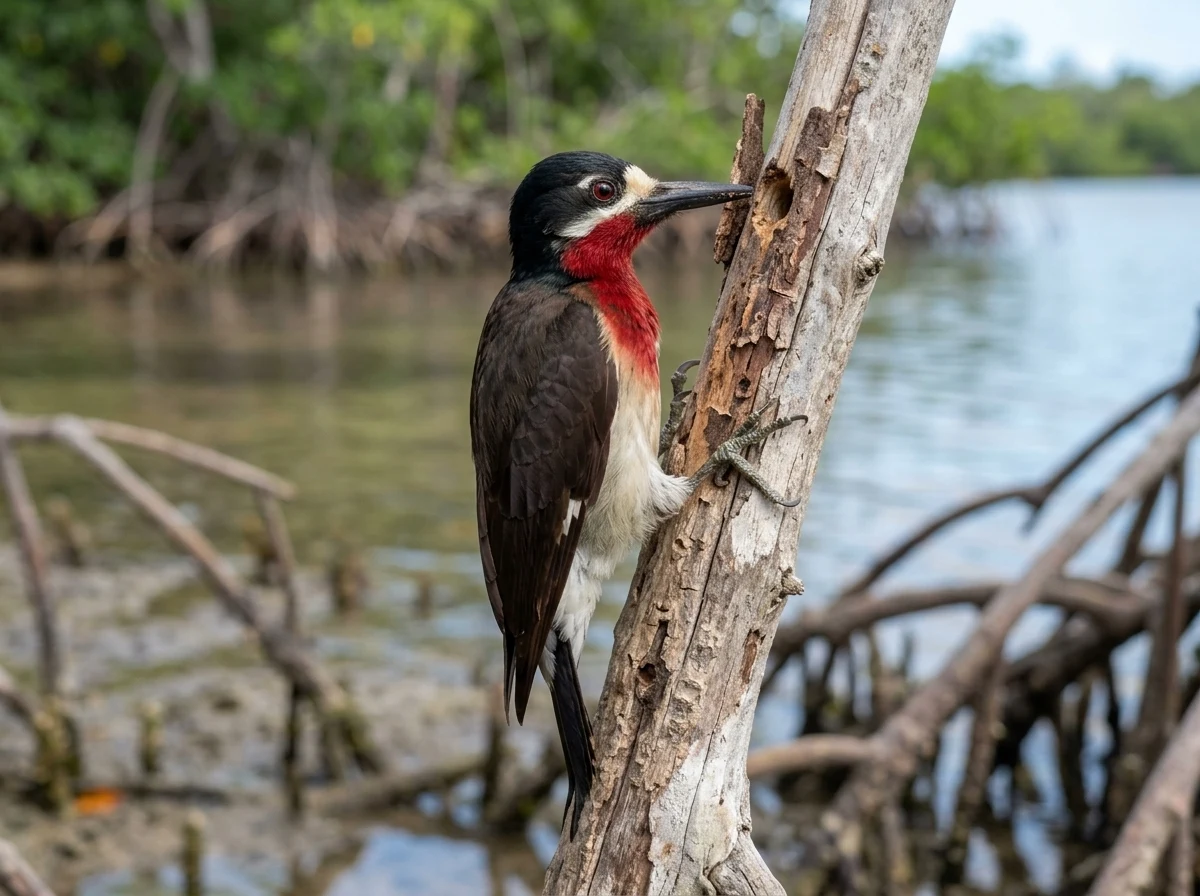
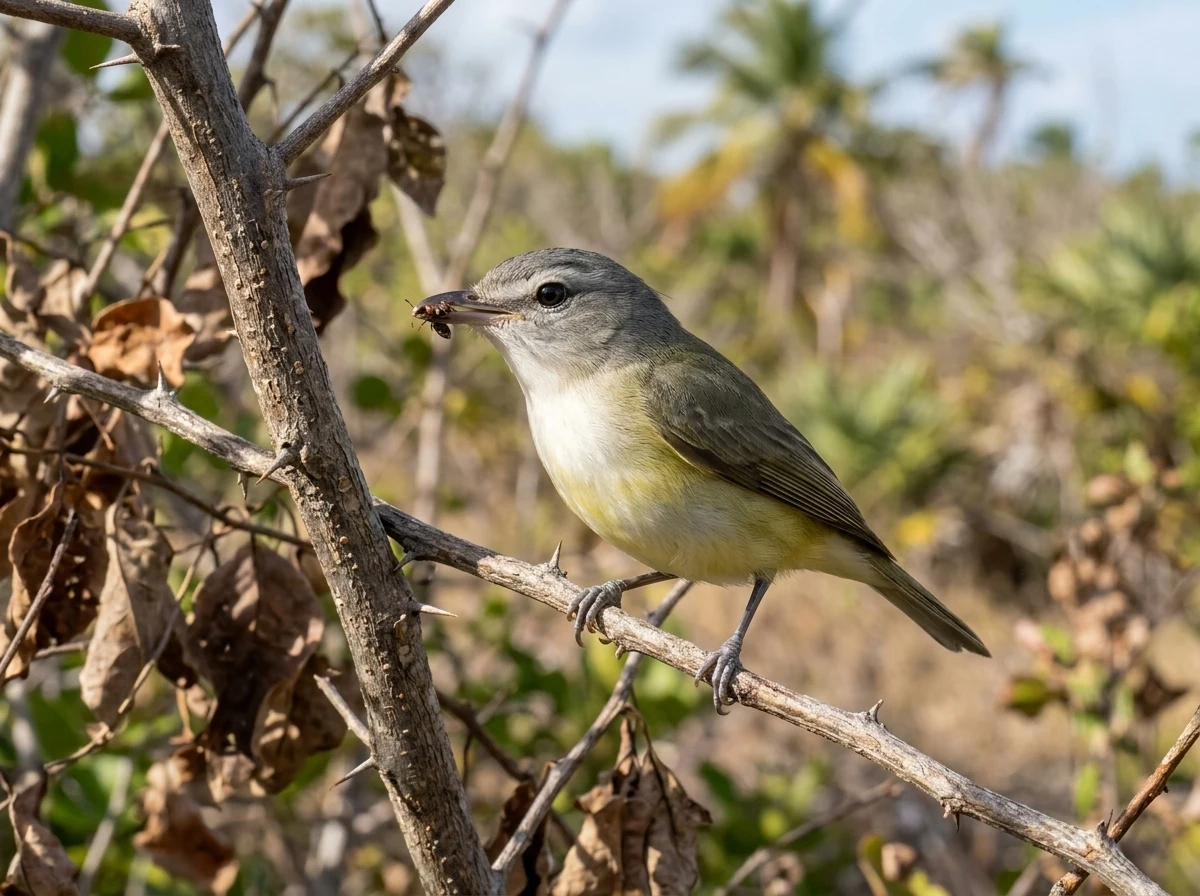
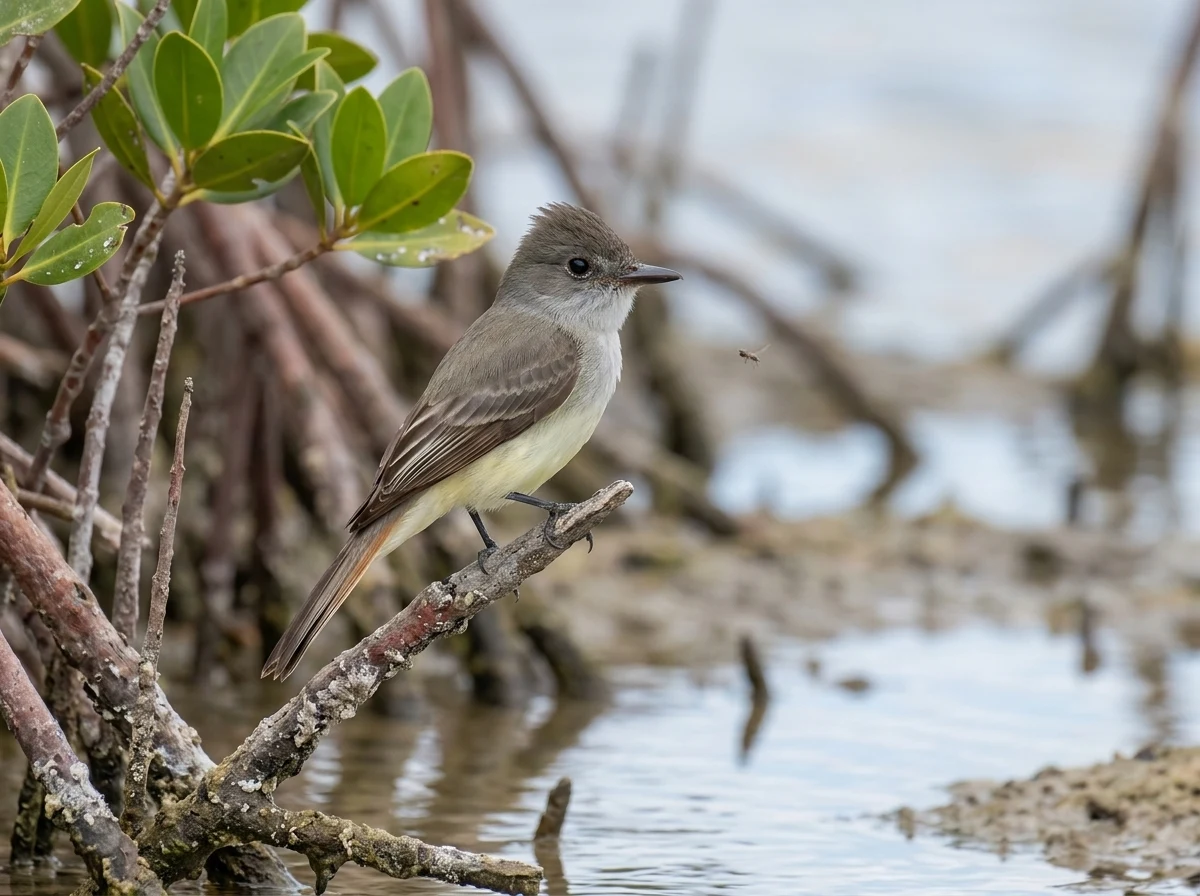
They span forest, night, drumming, song, and migratory calls. Every card opens its player and spectrogram.


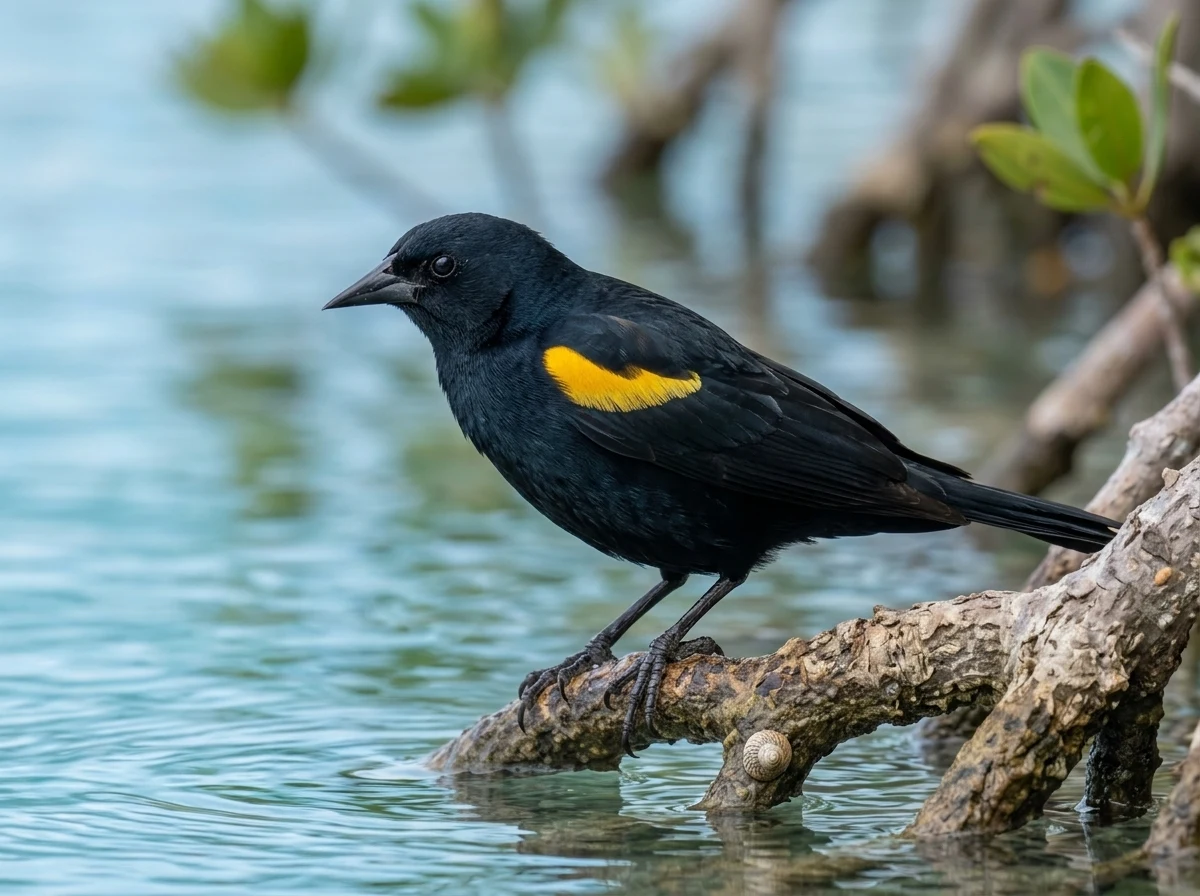
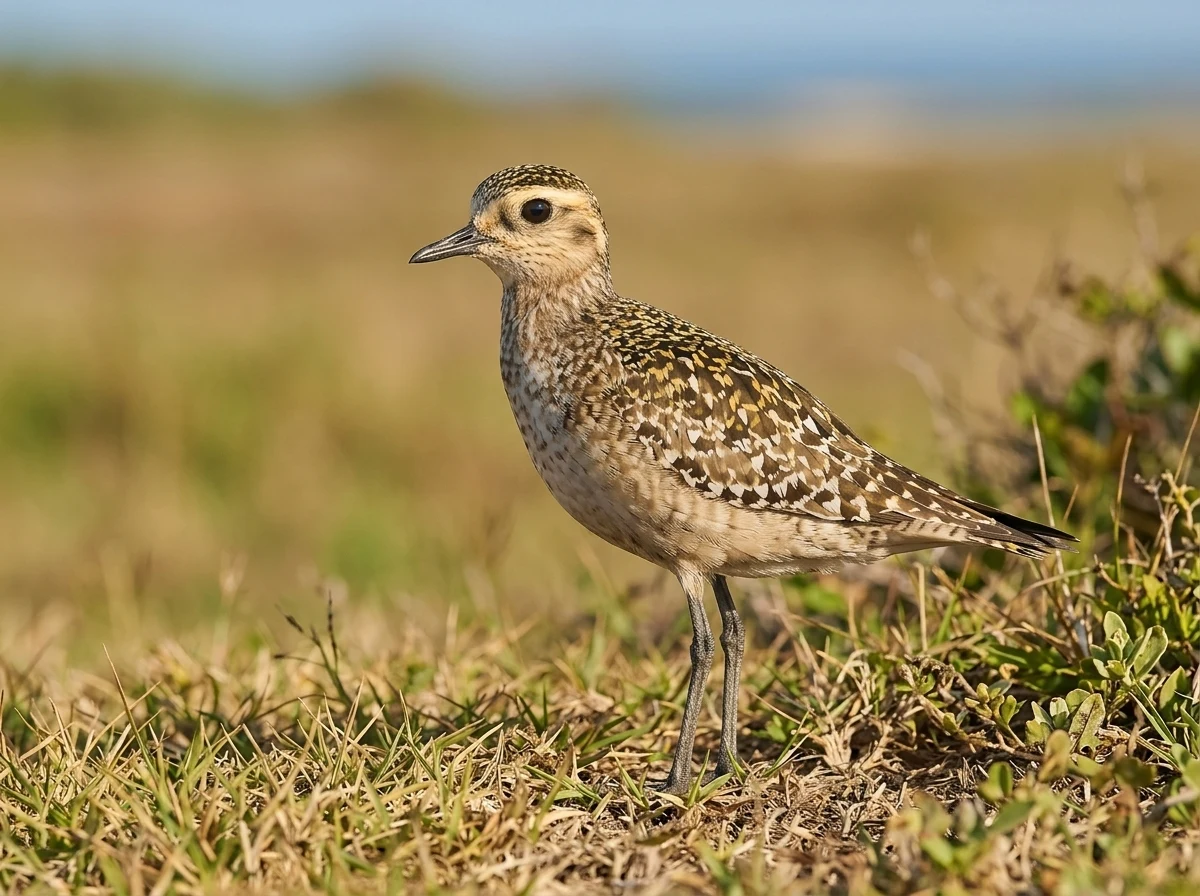
Sound archive
Hear its voice
Explore real songs and calls. The spectrogram turns each sound into a visual trace of time and frequency.
XC737109Recording 1 of 3call

Play: call by David Vander Pluym
Choose another recording
Sound recorded by David Vander Pluym · XC737109 · CC BY-NC-SA 4.0. Visualization by Stichting Xeno-canto voor Natuurgeluiden.
Every recording retains the creator, catalogue number, and license published by Xeno-canto. Metadata via GBIF ↗
01
What is a bird spectrogram?
It is a representation of sound across time and frequency. It reveals rhythm, pitch, and structure, but should be interpreted alongside audio and metadata.
02
Were the recordings generated by AI?
No. They are Xeno-canto field recordings with metadata published through GBIF. Every player credits the recordist and links to catalogue and license.
03
Can I use a recording to attract birds?
Playback can alter behavior. Avoid it near nests or sensitive species, follow local rules, and prioritize passive listening; studying the archive at home does not require broadcasting it in the field.
Keep exploring
Connected routes
Sources and review
The evidence is one link away.
These sources support the editorial scope of this guide. Bird profiles also retain their own taxonomy, occurrence, and conservation references.
Reviewed:
01↗02↗
Xeno-canto Foundation / GBIF
Xeno-canto recordings published through GBIF
Metadata, authorship, licenses, and catalogue records for field recordings used by the atlas.Macaulay Library / Cornell Lab of Ornithology
Puerto Rico sound archive
Complementary audio collection for comparing songs, calls, locations, and dates.The atlas continues