 AI
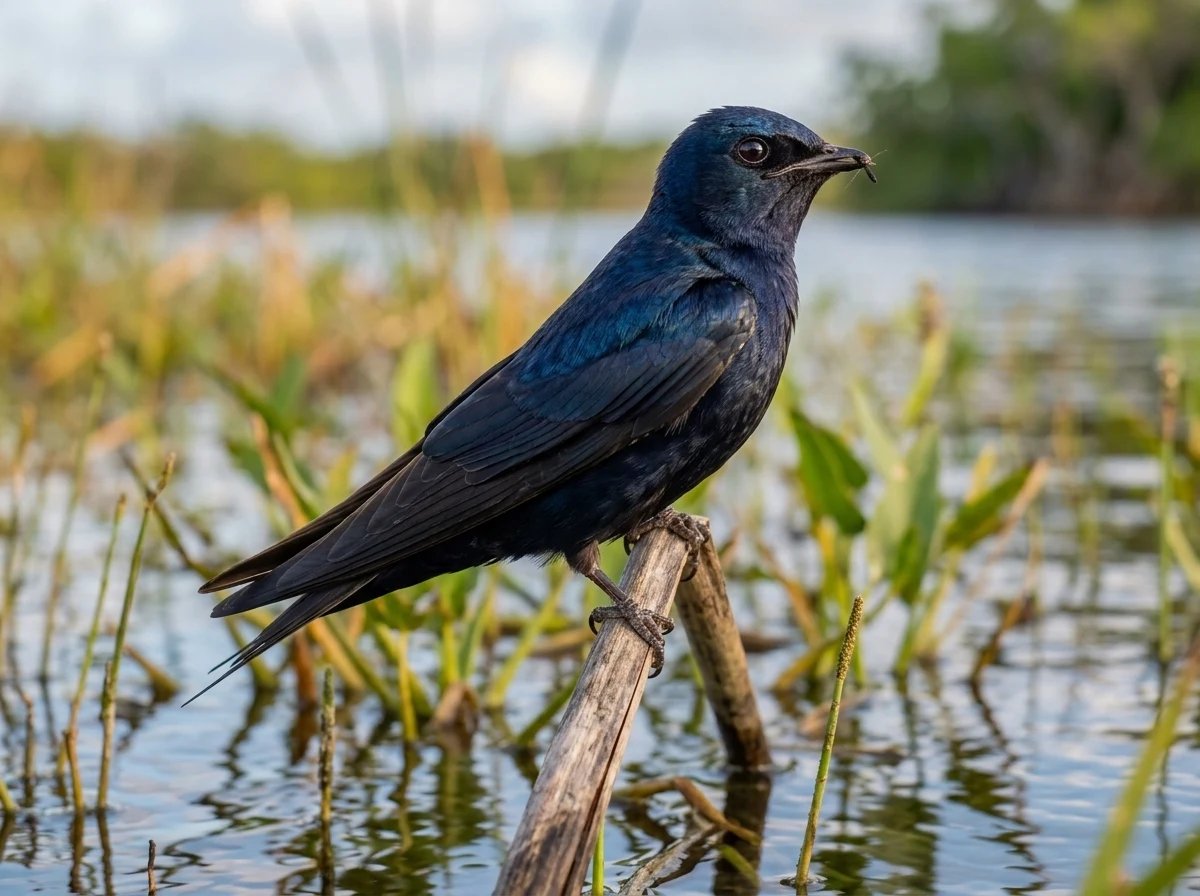
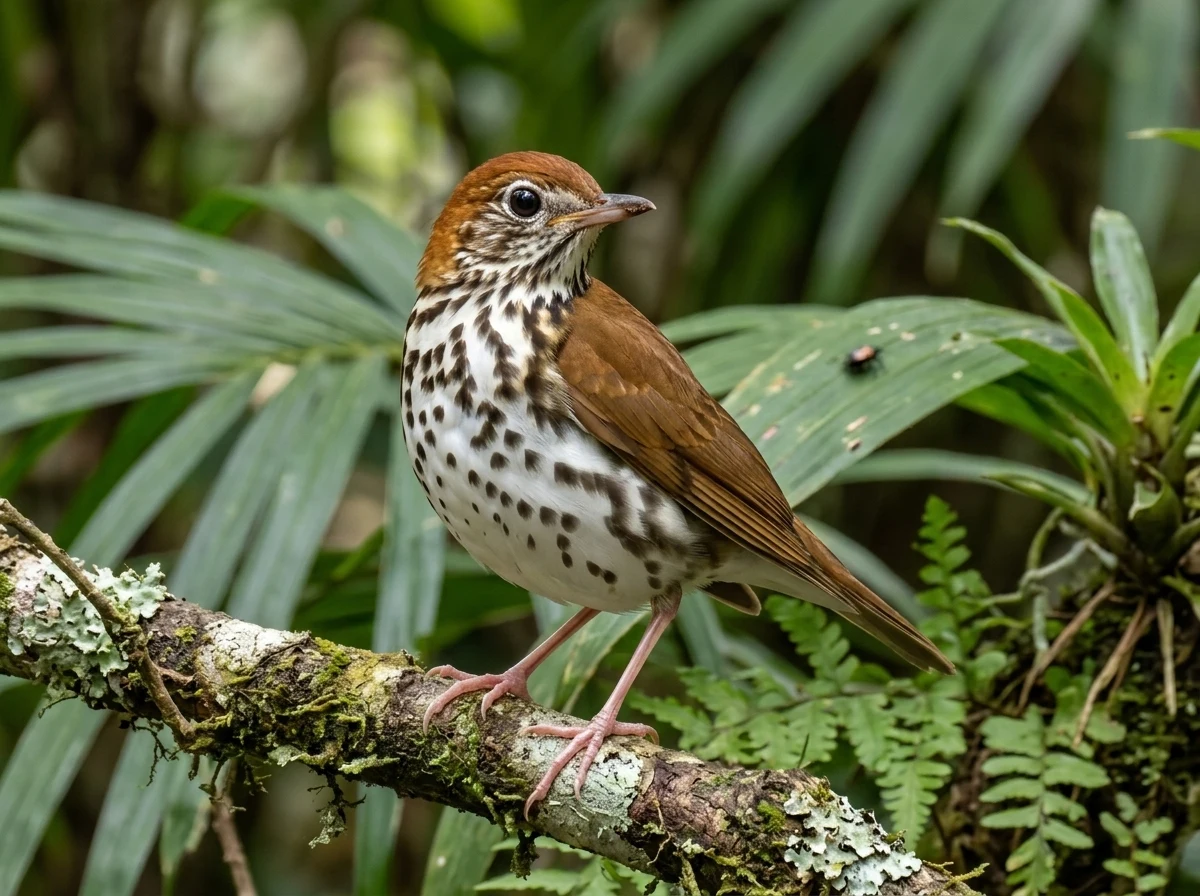
AIAI reconstruction created with Nano Banana 2 · 1K, grounded in the profile’s documented taxonomy, habitat, natural-history sources, and an open-license visual reference when available. It is an interpretive image, not documentary evidence. Image policy →
Purple Martin
Golondrina Púrpura
Progne subis
The purple martin (Progne subis) is a passerine bird in the swallow family Hirundinidae. It is the largest swallow in North America. Despite its name, the purple martin is not truly purple. The dark blackish-blue feathers have an iridescent sheen caused by the diffraction of incident light giving them a bright blue to navy blue or deep purple appearance. In some light, they may even appear green in color. Being migratory, their breeding range extends from central Alberta down through the eastern United States. Subspecies breed in Baja California, Arizona, and New Mexico. Most make a brief stopover in the Yucatán Peninsula or Cuba during pre-breeding migration to North America and during post-breeding migration before reaching their overwintering site in South America. They are known for their speed, agility, and their characteristic mix of rapid, flapping, and gliding flight patterns. When approaching their nesting site, they will dive from the sky at great speeds with their wings tucked, just like the peregrine falcon does when hunting smaller birds.
Sound archive
Hear its voice
Explore real songs and calls. The spectrogram turns each sound into a visual trace of time and frequency.

Play: song by Greg Irving
Choose another recording
Sound recorded by Greg Irving · XC1018013 · CC BY-NC-SA 4.0. Visualization by Stichting Xeno-canto voor Natuurgeluiden.
Every recording retains the creator, catalogue number, and license published by Xeno-canto. Metadata via GBIF ↗
Island profile
About the Purple Martin
This atlas includes Purple Martin (Progne subis) with atlas status “Accidental / vagrant” within scope “Avibase inferred core 380.” Global trait data associate it primarily with wetland; consult the linked records to resolve its Puerto Rico habitat use.
Conservation
Least Concern
IUCN LC
- Global IUCN
- LC
- Puerto Rico DNER
- No current listing in source crosswalk
- Federal ESA
- No current listing in source crosswalk
- Critical habitat
- Not identified in source crosswalk
Natural history
How it lives
- Habitat
- forests
- Elevation
- 0–3200 m
- Nest
- Crevice · Building; Rock; Tree
- Clutch
- 2–8 eggs
- Social behavior
- Colonial; Social / flocking; Pairs / family groups; Singly and pairs; Solitary
Keep exploring
This bird belongs to 7 paths through the atlas.
Related in the atlas
Where to fly next
Connected by taxonomy, habitat, occurrence, and conservation.
 AI
AI AI
AI AI
AI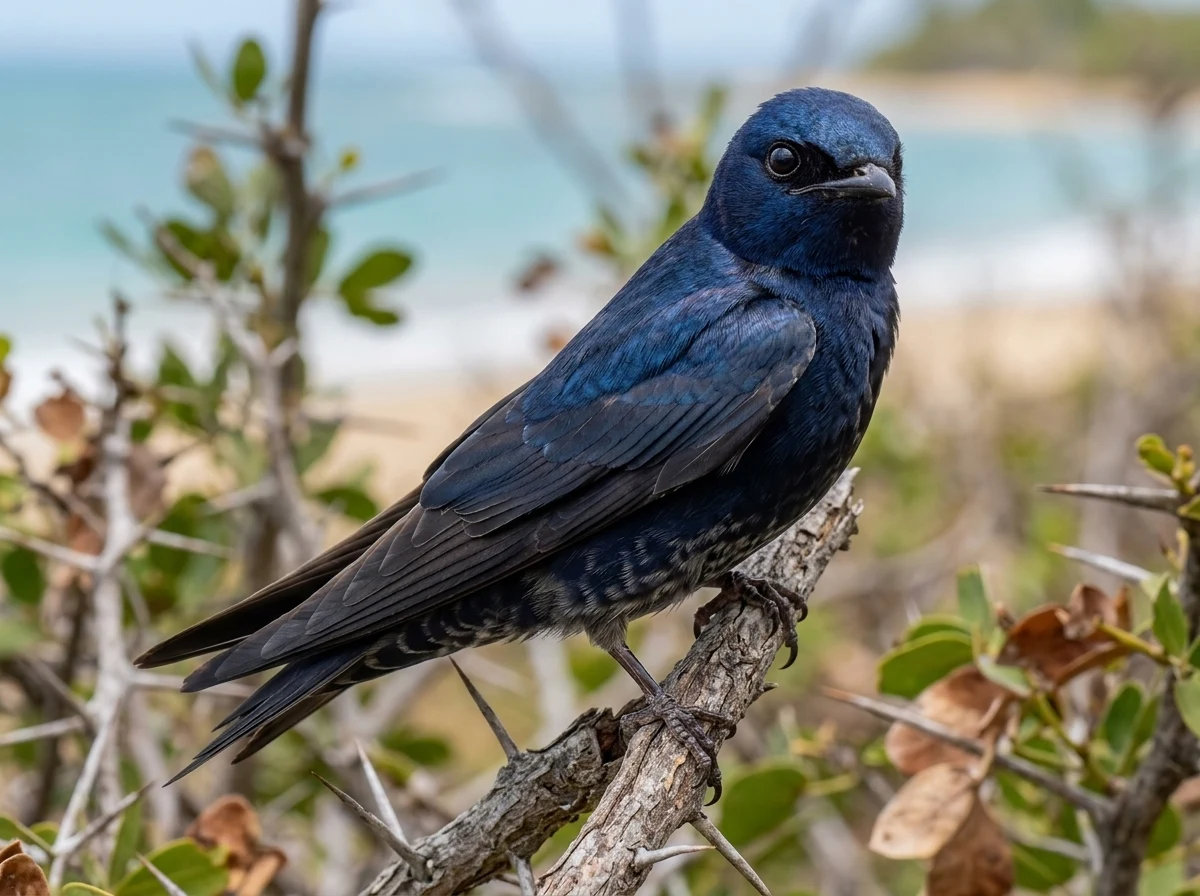 AI
AI AI
AI AI
AI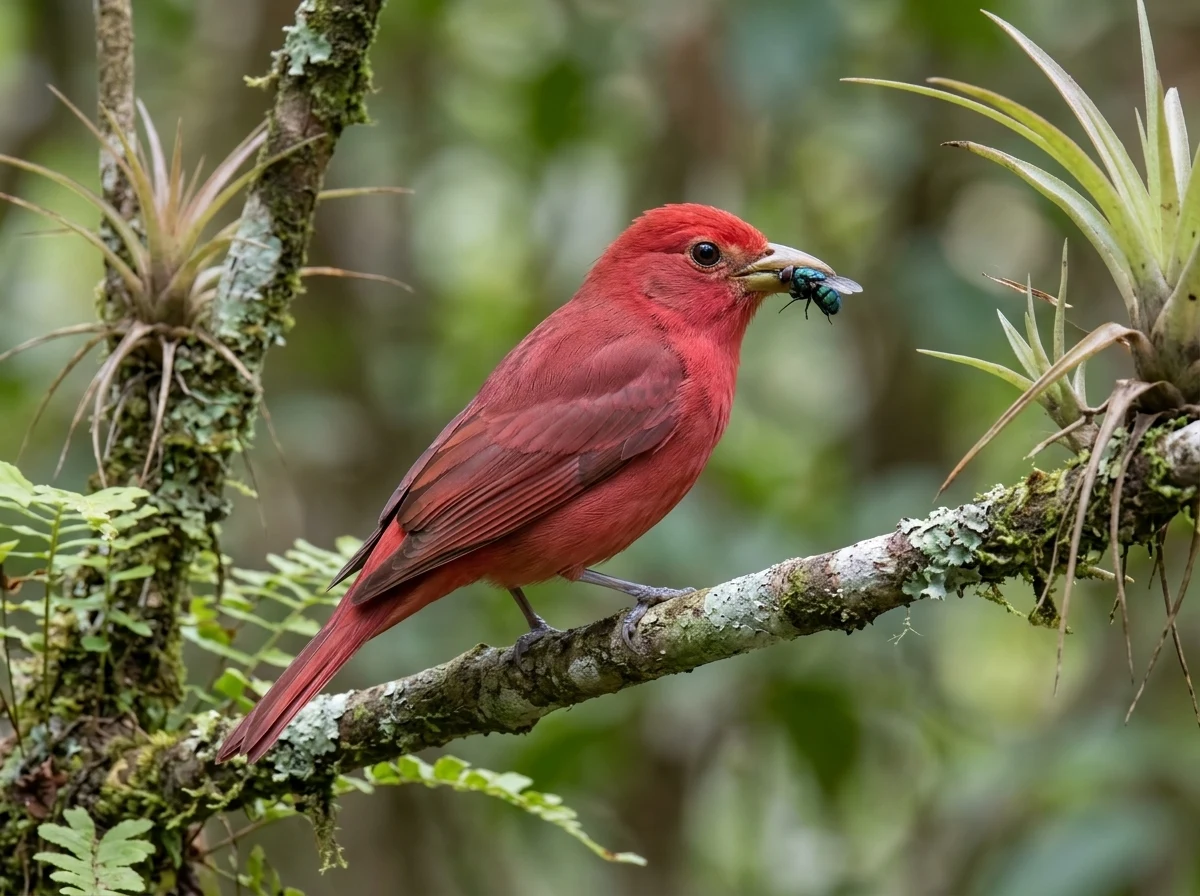
Evidence trail