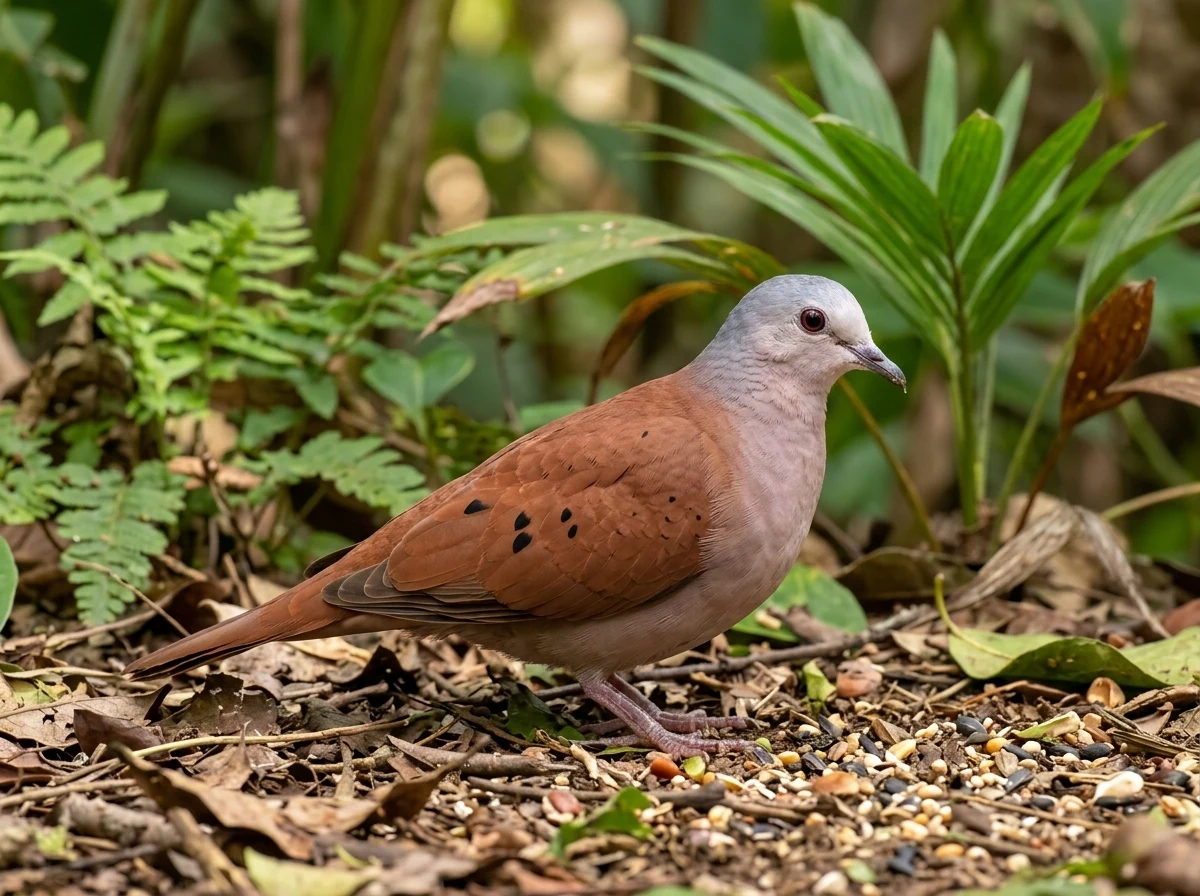
 AI
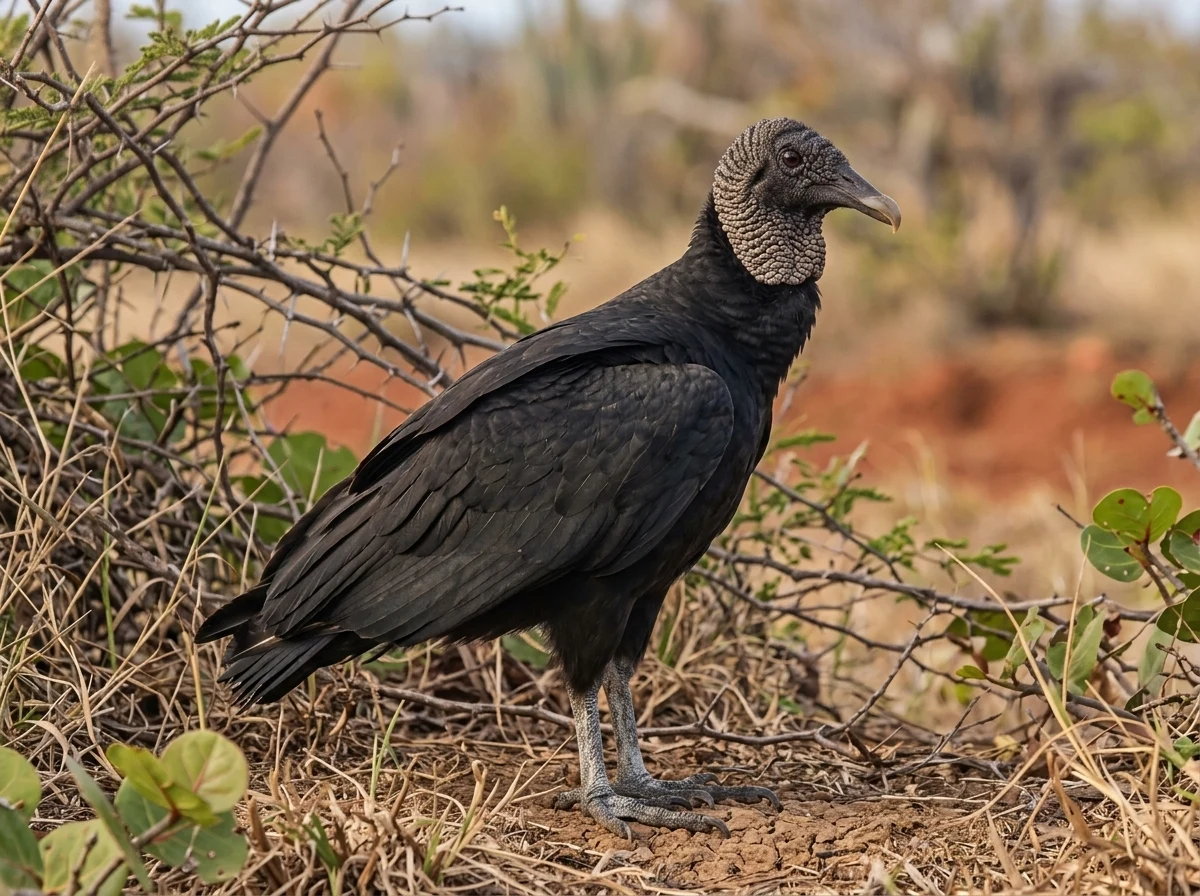
AIAI reconstruction created with Nano Banana 2 · 1K, grounded in the profile’s documented taxonomy, habitat, natural-history sources, and an open-license visual reference when available. It is an interpretive image, not documentary evidence. Image policy →

Ruddy Ground Dove
Columbina Colorada
Columbina talpacoti
The ruddy ground dove (Columbina talpacoti) is a small New World tropical dove. It is a resident breeder from Mexico south to Brazil, Peru and Paraguay, and northern Argentina, and on Trinidad and Tobago. Individual birds can sometimes be seen in the southwestern USA, from southern Texas to southernmost California, primarily during winter. The ruddy ground dove is very common in scrub and other open country, including cultivated land and urban centers, where it can be seen feeding on grain alongside feral pigeons. It builds a solid but sparsely lined cup-shaped stick nest in a tree and lays two white eggs. Incubation is 12–13 days with another 12–14 days to fledging. There may be a second or third brood. Chick mortality through predation and falls from the nest is high. Its flight is fast and direct, with the regular beats and occasional sharp flick of the wings which are characteristic of pigeons in general. Ruddy ground doves are small short-tailed pigeons, 17 cm (6.7 in) long with a weight normally about 47 g (1.7 oz). Adult males have a pale grey head and neck, and rich rufous upperparts, black-spotted on the wing coverts. The underparts are paler brown, the tail is edged black, and the underwings are cinnamon and black. The female is grey-brown rather than rufous, and has less contrast between head and body than the male. Ruddy ground doves feed mainly on seeds, but also sometimes on snails and small insects. Their call is a soft cooing cur-WOO.This species can be quite approachable. Males frequently threaten each other by jumping and raising a wing, and brief confrontations may ensue.
Sound archive
Hear its voice
Explore real songs and calls. The spectrogram turns each sound into a visual trace of time and frequency.

Play: song by JAYRSON ARAUJO DE OLIVEIRA
Choose another recording
Sound recorded by JAYRSON ARAUJO DE OLIVEIRA · XC1080135 · CC BY-NC-SA 4.0. Visualization by Stichting Xeno-canto voor Natuurgeluiden.
Every recording retains the creator, catalogue number, and license published by Xeno-canto. Metadata via GBIF ↗
Island profile
About the Ruddy Ground Dove
This atlas includes Ruddy Ground Dove (Columbina talpacoti) with atlas status “Accidental / vagrant” within scope “Wikipedia supplemental record.” Global trait data associate it primarily with woodland; consult the linked records to resolve its Puerto Rico habitat use.
Conservation
Least Concern
IUCN LC
- Global IUCN
- LC
- Puerto Rico DNER
- No current listing in source crosswalk
- Federal ESA
- No current listing in source crosswalk
- Critical habitat
- Not identified in source crosswalk
Natural history
How it lives
- Habitat
- forests
- Elevation
- 0–2600 m
- Nest
- Platform · Building; Ground; Tree
- Clutch
- 1–3 eggs
- Social behavior
- Social / flocking; Pairs / family groups; Singly and pairs
Keep exploring
This bird belongs to 7 paths through the atlas.
Guides featuring this bird
Follow this record beyond the profile.
Identification, sound, place, and explanatory guides connecting this species to larger questions.
Related in the atlas
Where to fly next
Connected by taxonomy, habitat, occurrence, and conservation.
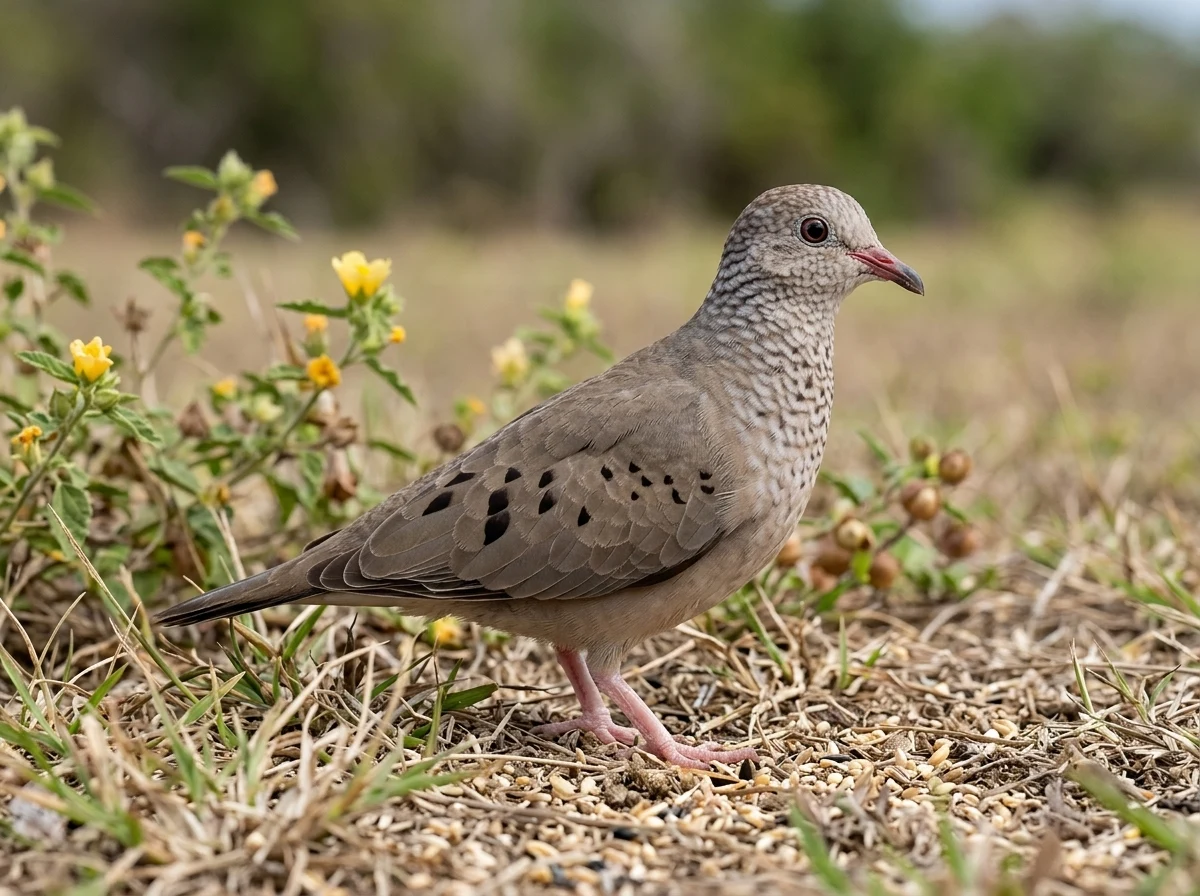 AI
AI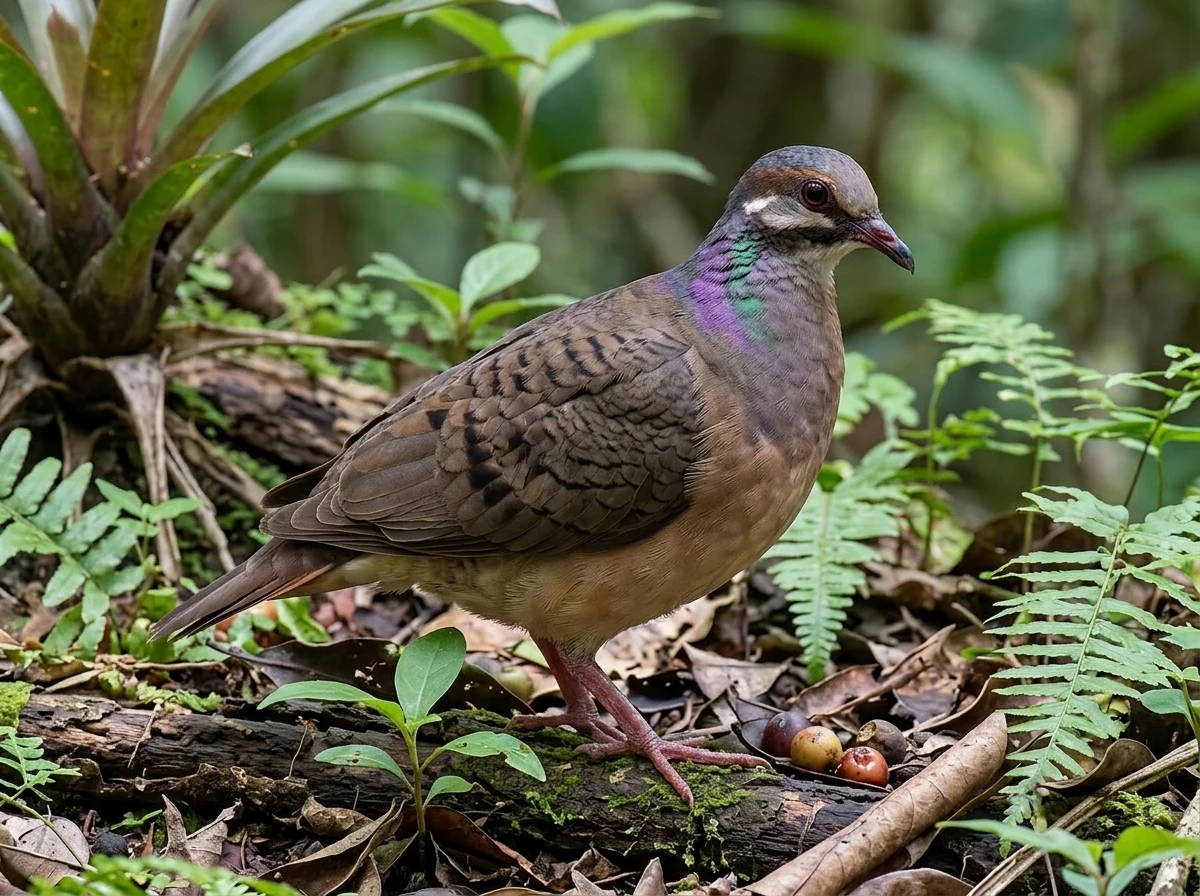 AI
AI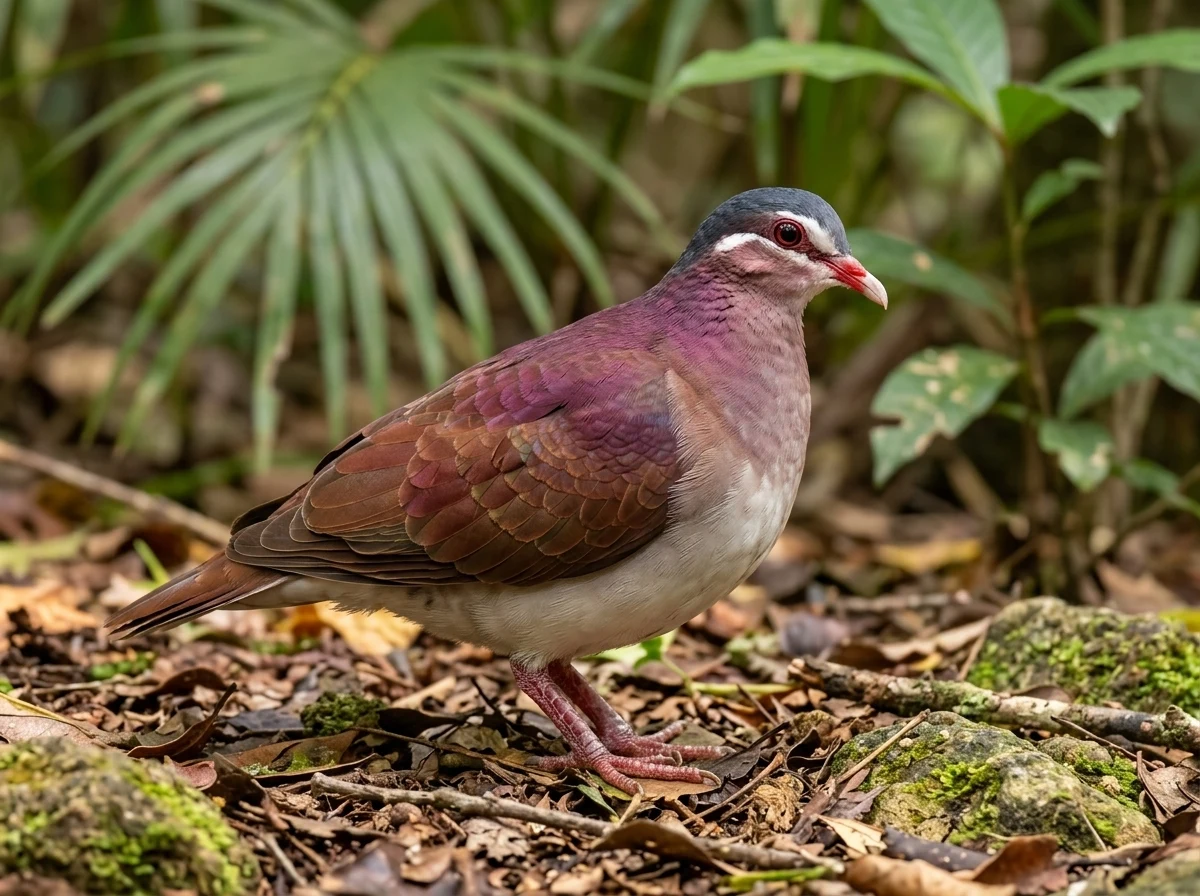 AI
AI AI
AI AI
AI AI
AI AI
AIAntillean Crested Hummingbird
Zumbadorcito Crestado
Orthorhyncus cristatus
 AI
AIEvidence trail