 AI
AILearning guides
Feather Colors and Camouflage: An Experiment
Why do some birds seem to vanish before our eyes? Test with silhouettes and colored backgrounds how feather color blends with habitat, and meet Puerto Rican birds that depend on that camouflage.
Reviewed:Prepared with AI assistance and linked sources. Illustrations are not field photographs.
Introduction: The color that hides
Feather color is not only for recognizing species or attracting a mate. In many habitats, the right combination of tones, spots, and patterns lets a bird blend into the background and go unnoticed by predators. This is called background matching.
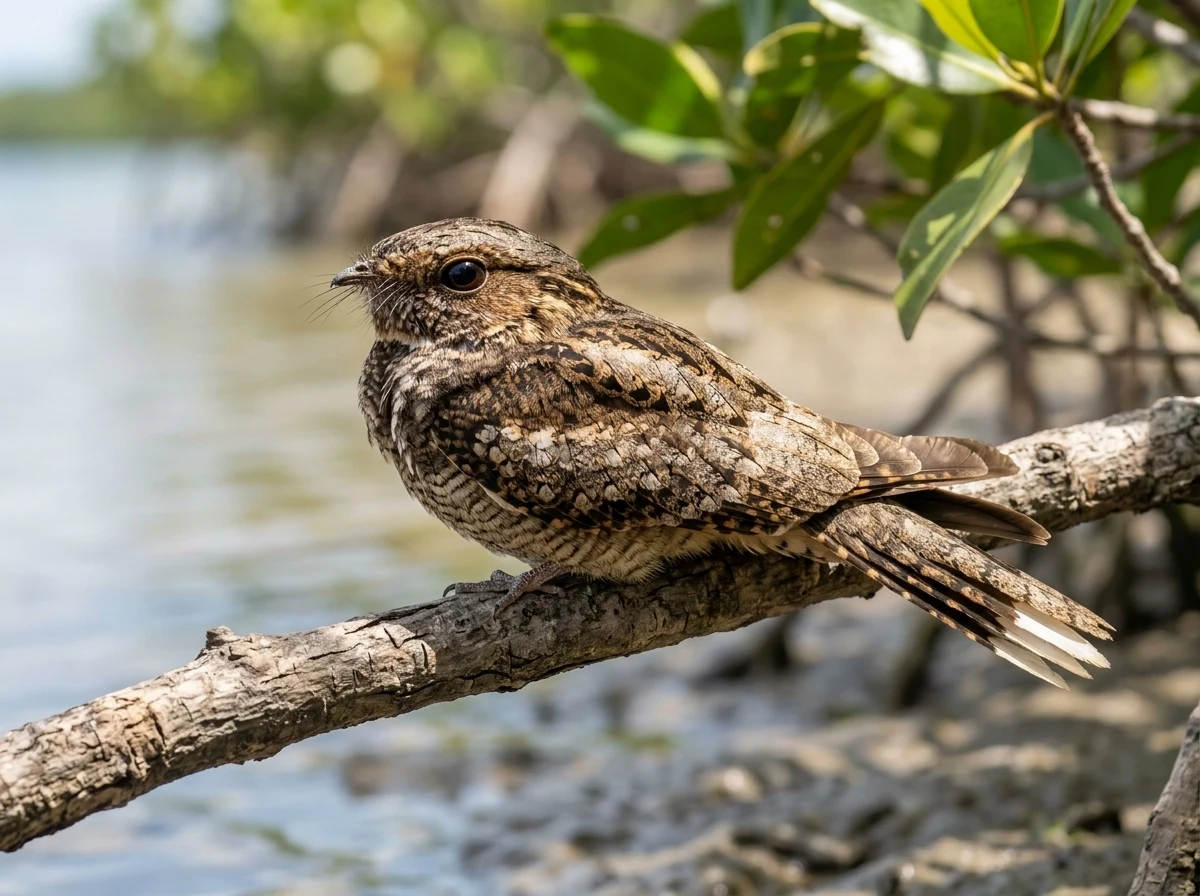
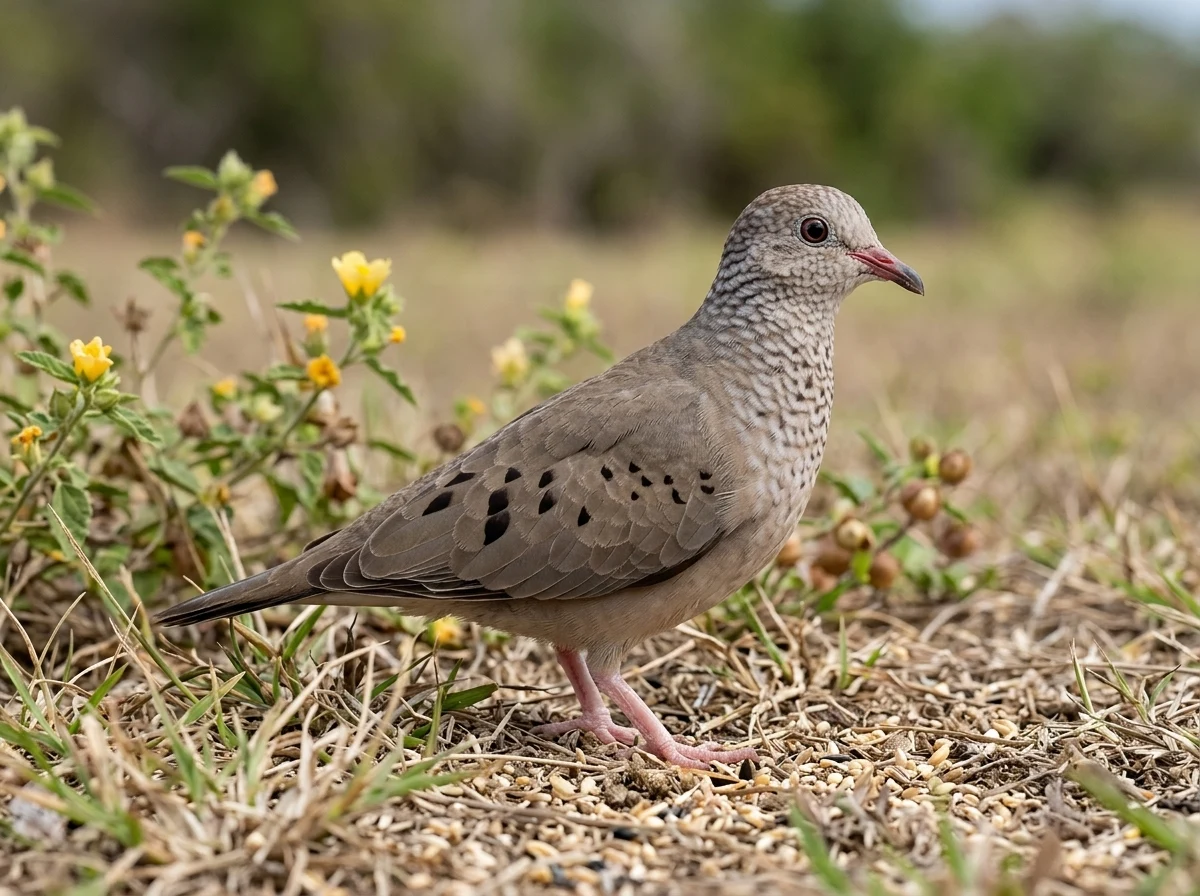
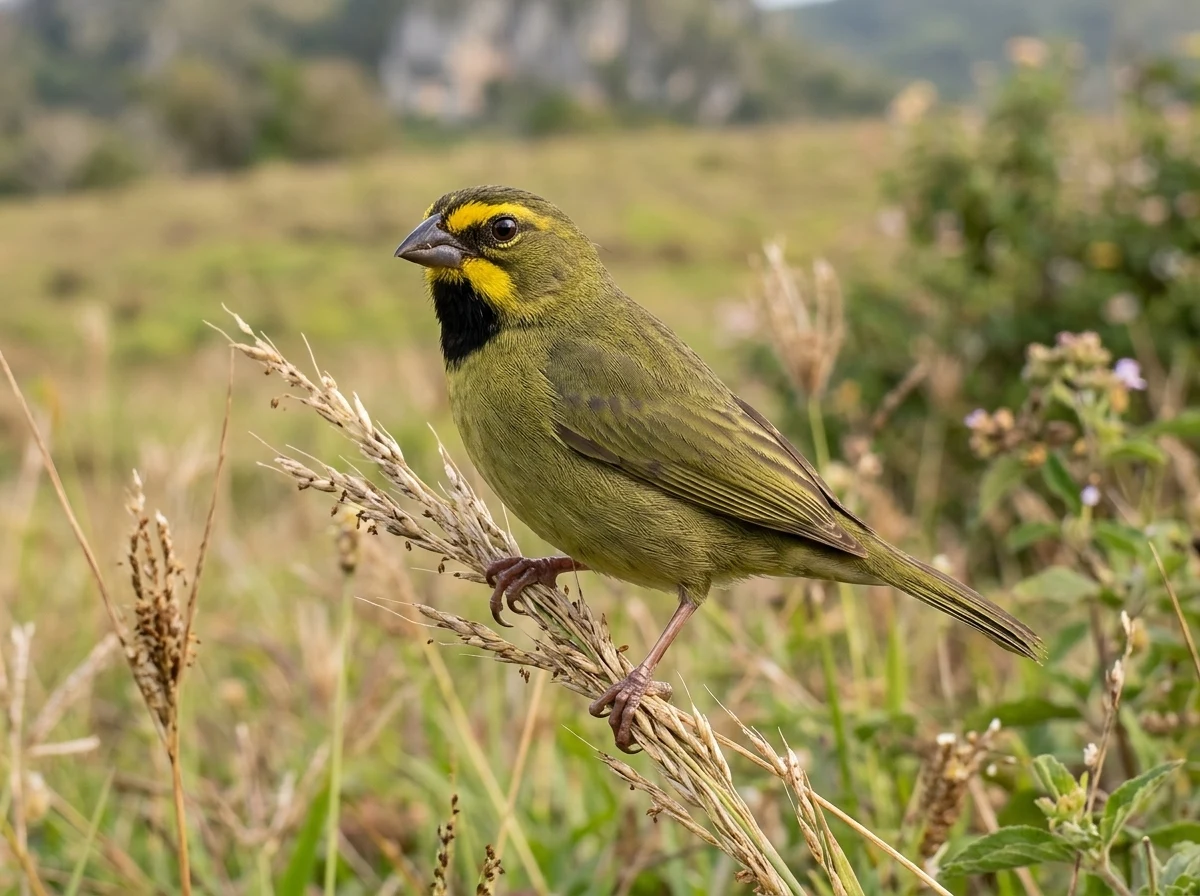
In Puerto Rico, several birds depend on that camouflage: the Puerto Rican Nightjar in dry forest, the Common Ground Dove on open ground, and the Yellow-faced Grassquit in grasslands and scrub. In this guide we propose a simple experiment with silhouettes and colored backgrounds so you can test which combinations are hardest to see.
Learning guides
Three key takeaways
Coincidencia con el fondoCamouflage is not just colorPattern, brightness, and background texture matter too.
Elección de fondoBirds choose where to restA study of ground-nesting birds found they select backgrounds that improve their camouflage.
HábitatThe same color does not work everywhereA bird that is cryptic in one habitat may be very visible in another.
01
What is background matching?
Background matching occurs when an animal's appearance resembles the substrate where it lives or rests. It is not just about having a similar color, but about pattern, brightness, and overall texture blending with the surroundings. A study published in Nature Ecology & Evolution and available on PubMed Central (Stevens et al., 2017) analyzed nine species of ground-nesting birds in Zambia, including nightjars, plovers, and coursers. The researchers found that birds chose nesting sites that improved their camouflage against predator vision, and that this choice occurred at multiple spatial scales, from a few centimeters to several meters.
The same study showed that birds do not just inherit a color; they can behave in ways that make their camouflage work better. For example, adult nightjars, which sit tight on the nest until danger is very close, had plumage that matched their chosen background better than backgrounds chosen by other individuals of their species. This suggests that camouflage is a combination of appearance and behavior.
02
Cryptic birds of Puerto Rico
In Puerto Rico, the Puerto Rican Nightjar (Antrostomus noctitherus) is a clear example of a cryptic bird. It is endemic and lives in dry coastal and lower montane forests of the southwest. A habitat modeling study published by the U.S. Geological Survey (Vilella and González, 2023) indicates that forest type and midstorey vegetation density best predict its presence. Its mottled plumage of brown and gray tones lets it blend with leaf litter and bark, going unnoticed even by experienced observers.
Other Puerto Rican birds also depend on camouflage. The Common Ground Dove (Columbina passerina) walks on the ground in dry, open areas; its grayish plumage with dark spots helps it blend with soil and low vegetation. The Yellow-faced Grassquit (Tiaris olivaceus) inhabits grasslands, scrub, farms, and forest edges, and its olive-green and brown coloration hides it among grasses.
03
Experiment: silhouettes and colored backgrounds
To understand how background matching works, you can do a simple experiment. You need: cardboard or paper in various colors (green, brown, gray, yellow, black), scissors, a sheet of white paper, a stopwatch or clock with a second hand, and a ruler. Cut out several bird silhouettes of the same size and shape from different colored paper. Then place each silhouette on a different background and ask someone to measure how long it takes to find it from a fixed distance.
Hypothesis: silhouettes that most resemble the background will be harder to see. Record the times in a table. Compare the results: which combinations were hardest? Did the background pattern (stripes, spots) affect visibility? Repeat the experiment with textured backgrounds, such as patterned fabric or a photo of leaf litter. This exercise mimics what predators do: search for a shape that does not match the background.
04
Checklist and observation procedure
When you go birdwatching, use this checklist to think about camouflage: 1) Is the bird on the ground, in a shrub, or in a tree? 2) What colors and patterns make up the immediate background? 3) Is the bird moving or still? 4) How close were you before you saw it? 5) Were there shadows or direct light? Write down your answers.
Procedure: walk slowly and quietly. Stop every few meters and scan the ground and low vegetation. If you see movement, stay still and wait for the bird to move again. Many cryptic birds only give themselves away when they change position. If you can, take a photo and then compare it with the background. With practice, you will start to notice which color and texture combinations are hardest to detect.
Linked profiles
Birds mentioned
These are the species that illustrate camouflage in Puerto Rico.
01
Does camouflage depend only on feather color?
No. Pattern, brightness, and background texture also matter. A bird can have a similar color to the background but be visible if its pattern does not match.
02
Do birds choose backgrounds that camouflage them better?
Yes. The study by Stevens et al. (2017) found that several ground-nesting birds choose sites that improve their camouflage against predators, at scales of centimeters and meters.
03
Is the Puerto Rican Nightjar hard to see?
Yes. Its mottled plumage and cautious habits make it very hard to detect. It lives in dry forests of the southwest and its presence is predicted by forest type and vegetation density.
04
Can I do the experiment at home?
Yes. You only need colored paper, scissors, and a stopwatch. It is an educational activity to understand how background matching works.
Keep exploring
Connected routes
Sources and review
The evidence is one link away.
These sources support the editorial scope of this guide. Bird profiles also retain their own taxonomy, occurrence, and conservation references.
Reviewed:
01↗02↗
Nature Ecology & Evolution (via PubMed Central)
Improvement of individual camouflage through background choice in ground-nesting birds
Evidence for cited sections; consult the original document.U.S. Geological Survey / Bird Conservation International
Multi-resolution habitat models of the Puerto Rican Nightjar Antrostromus noctitherus
Evidence for cited sections; consult the original document.The atlas continues