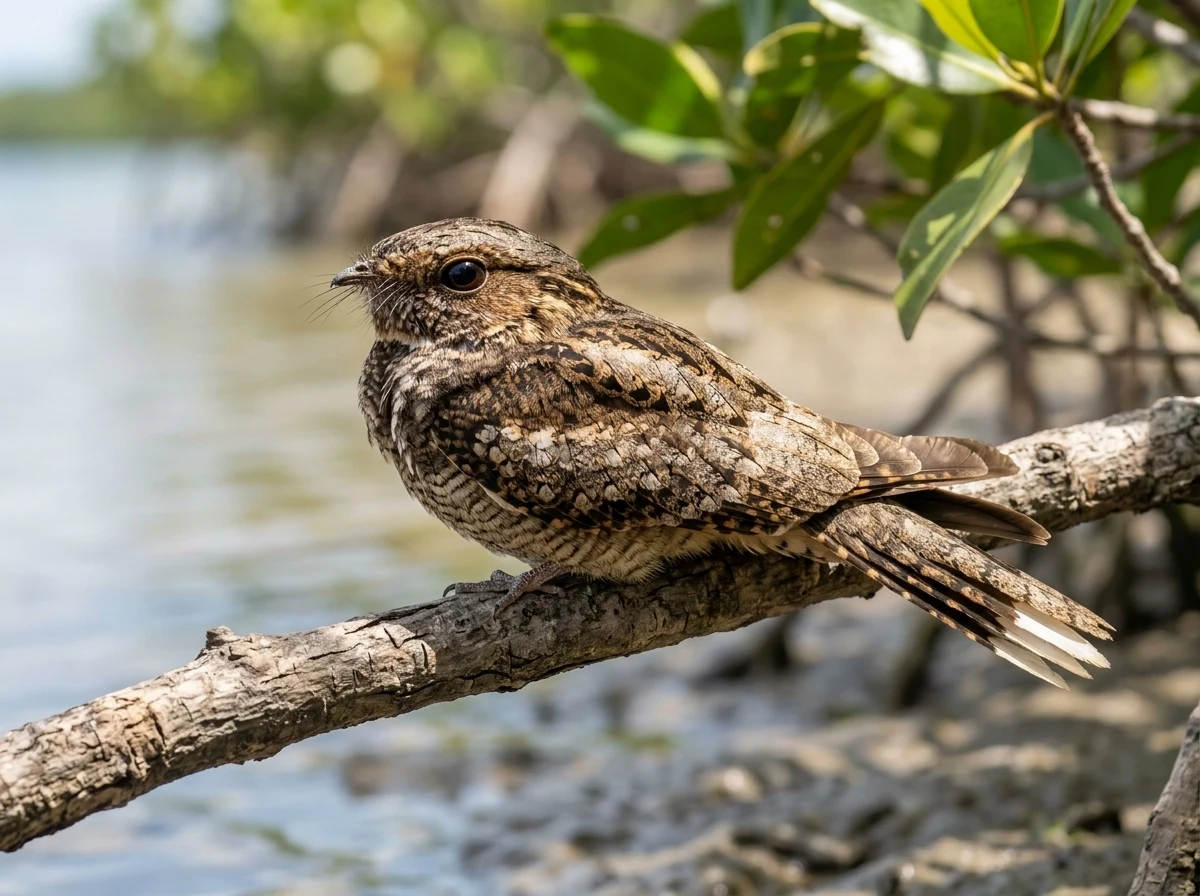
 AI
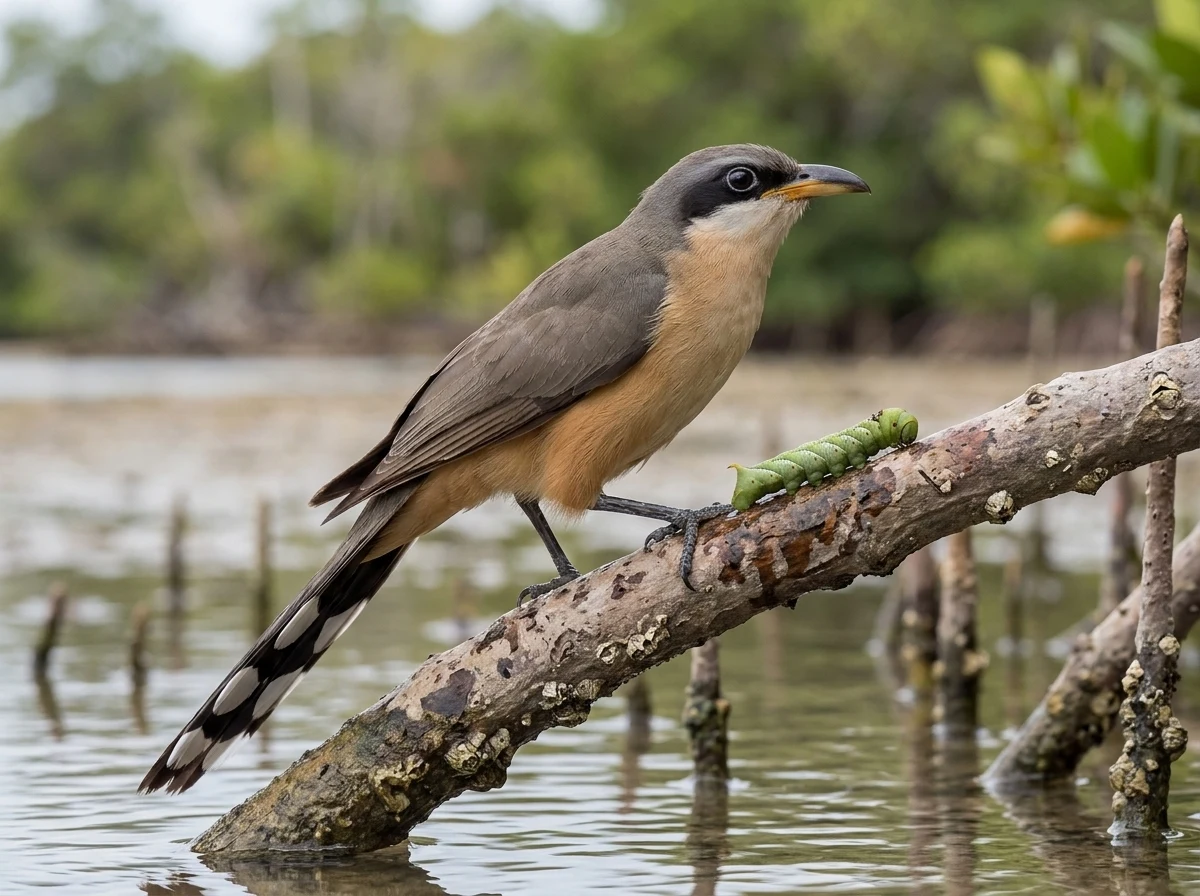
AIAI reconstruction created with Nano Banana 2 · 1K, grounded in the profile’s documented taxonomy, habitat, natural-history sources, and an open-license visual reference when available. It is an interpretive image, not documentary evidence. Image policy →
Puerto Rican Nightjar
Guabairo de Puerto Rico
Antrostomus noctitherus
The Puerto Rican nightjar, Puerto Rican whip-poor-will or guabairo (Antrostomus noctitherus) is a bird in the nightjar family found in the coastal dry scrub forests in localized areas of southwestern Puerto Rico. It was described in 1916 from bones found in a cave in north central Puerto Rico and a single skin specimen from 1888, and was considered extinct until observed in the wild in 1961. The current population is estimated as 1,400-2,000 mature birds. The species is currently classified as Endangered due to pressures from habitat loss.
Sound archive
Hear its voice
Explore real songs and calls. The spectrogram turns each sound into a visual trace of time and frequency.

Play: song by Ross Gallardy
Choose another recording
Sound recorded by Ross Gallardy · XC308516 · CC BY-NC-SA 4.0. Visualization by Stichting Xeno-canto voor Natuurgeluiden.
Every recording retains the creator, catalogue number, and license published by Xeno-canto. Metadata via GBIF ↗
Island profile
About the Puerto Rican Nightjar
This atlas includes Puerto Rican Nightjar (Antrostomus noctitherus) with atlas status “Puerto Rico endemic” within scope “Avibase inferred core 380.” Puerto Rico context sources associate it with Subtropical dry limestone forest; coastal dry forest; scrub.
Conservation
Vulnerable
IUCN VU; DNER EN; ESA Endangered
- Global IUCN
- VU
- Puerto Rico DNER
- EN
- Federal ESA
- Endangered
- Critical habitat
- No in cited 2026 table
Natural history
How it lives
- Habitat
- Subtropical dry limestone forest; coastal dry forest; scrub
- Elevation
- 0–640 m
- Nest
- No nest · Ground
- Clutch
- 1–2 eggs
- Social behavior
- Solitary
For kids and families
Turn this bird into your own artwork
Download a clean, print-ready coloring page, learn one quick fact, and color this Puerto Rico bird.
Keep exploring
This bird belongs to 14 paths through the atlas.
Guides featuring this bird
Follow this record beyond the profile.
Identification, sound, place, and explanatory guides connecting this species to larger questions.
See all related guides (25)
- Diagnostic photography for bird identification
- Nocturnal listening without playback: how to do it right
- Endemic Bird Scavenger Hunt: Puerto Rico Map
- Habitat Diorama: Dry Forest vs. Rainforest
- Conservation Debate: Cats and Birds
- Birding Etiquette and Ethics: Role Play
- Timeline: Extinct and Endangered Birds
- The Puerto Rican Owl's call: how to recognize its sound
- Birds of the night
- Birds of Guánica
- Owls of Puerto Rico: the complete identification guide
- Puerto Rican Nightjar (Guabairo): the endemic nightjar of the dry forest
- What is a comeñame? Puerto Rico's endemic bullfinch
- Songs and calls
- Birds of the karst
- Plan your birding trip
- Coquí or Bird? What You Are Hearing at Night in Puerto Rico
- Puerto Rico in seven days
- How to Record Bird Songs With Your Phone (and Share Them to eBird and Xeno-canto)
- Laws That Protect Birds in Puerto Rico
- The Dawn Chorus in Puerto Rico: Which Birds Sing First
- Birds of Susúa State Forest
- Fun facts about Puerto Rico birds for kids
- Endangered Birds of Puerto Rico: The Complete List
- Endemic birds
Related in the atlas
Where to fly next
Connected by taxonomy, habitat, occurrence, and conservation.
 AI
AI AI
AI AI
AI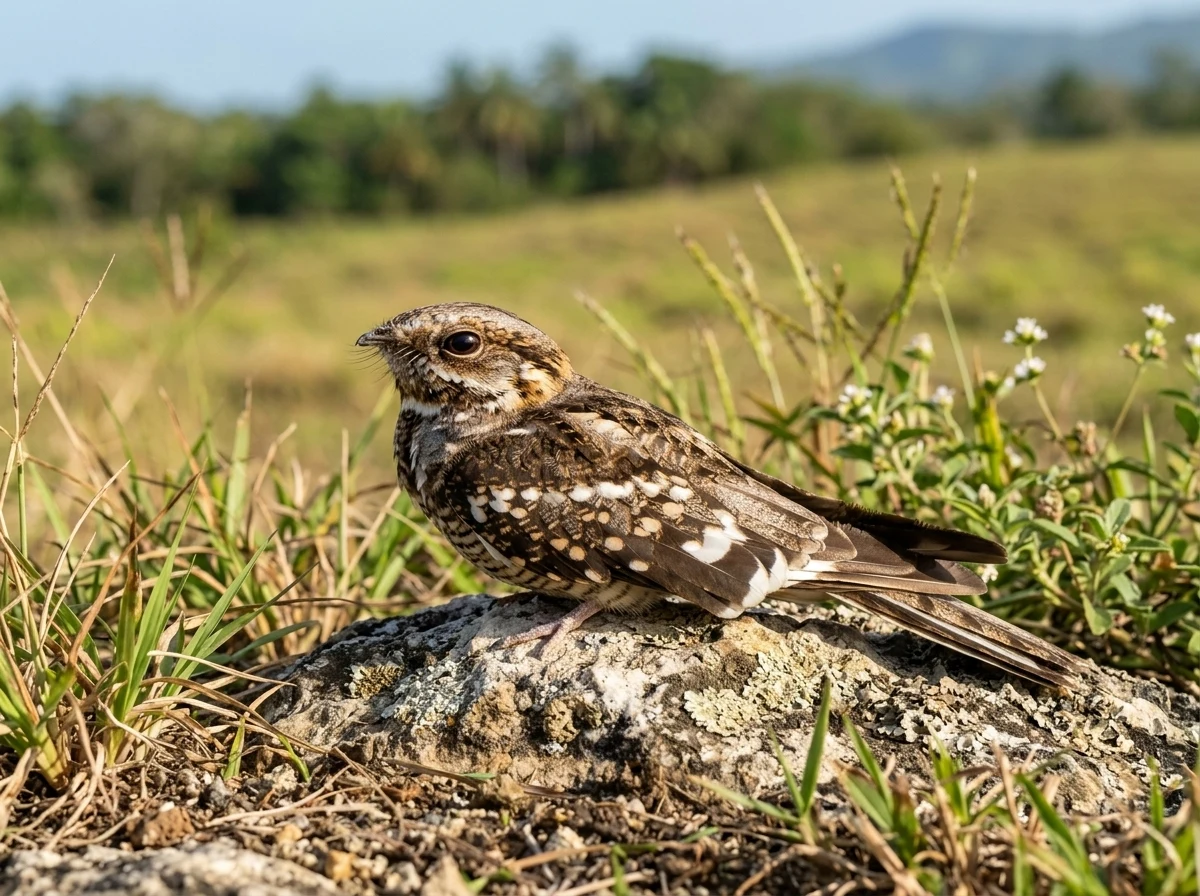 AI
AI AI
AI AI
AI
Evidence trail
Sources, media & further reading
Research note: Regulation 6766 misspells/uses older Caprimulgus name; current genus is Antrostomus