 AI
AIPlace guide
Birds of Guánica
Dry forest is not empty: it concentrates activity in shade, edges, fruit, and cooler hours. Guánica rewards a slow, prepared visit.
Reviewed:Less moisture does not mean less complexity.
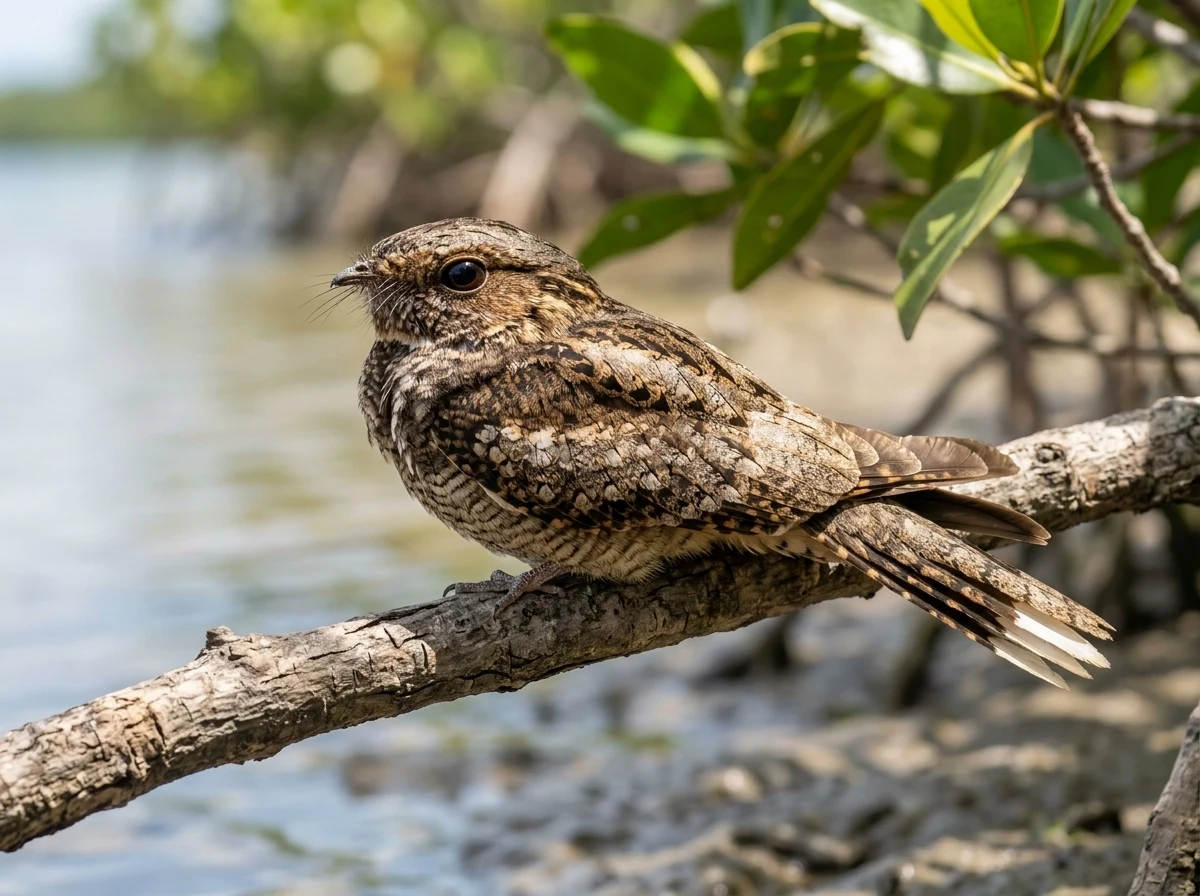
Guánica supports a dry-forest community with many endemics and the historic core of Puerto Rican Nightjar work. Low, thorny vegetation creates brief windows, while drainages, edges, and taller patches concentrate movement.
Visitor sources describe more than 130 bird species and a network of 12 trails, but a total does not predict one morning's sightings. Access, heat, maintenance, and closures change; confirm with DNER and use the Forest Service checklist as a reference, not a guarantee.
Place guide
Dry forest in figures
130+documented birdsA published orientation figure for the forest, not a daily count.
12described trailsConfirm which are open and their conditions before visiting.
7focal endemicsLinked profiles for preparing the visit and your ear.
01
The morning begins with shade and sound
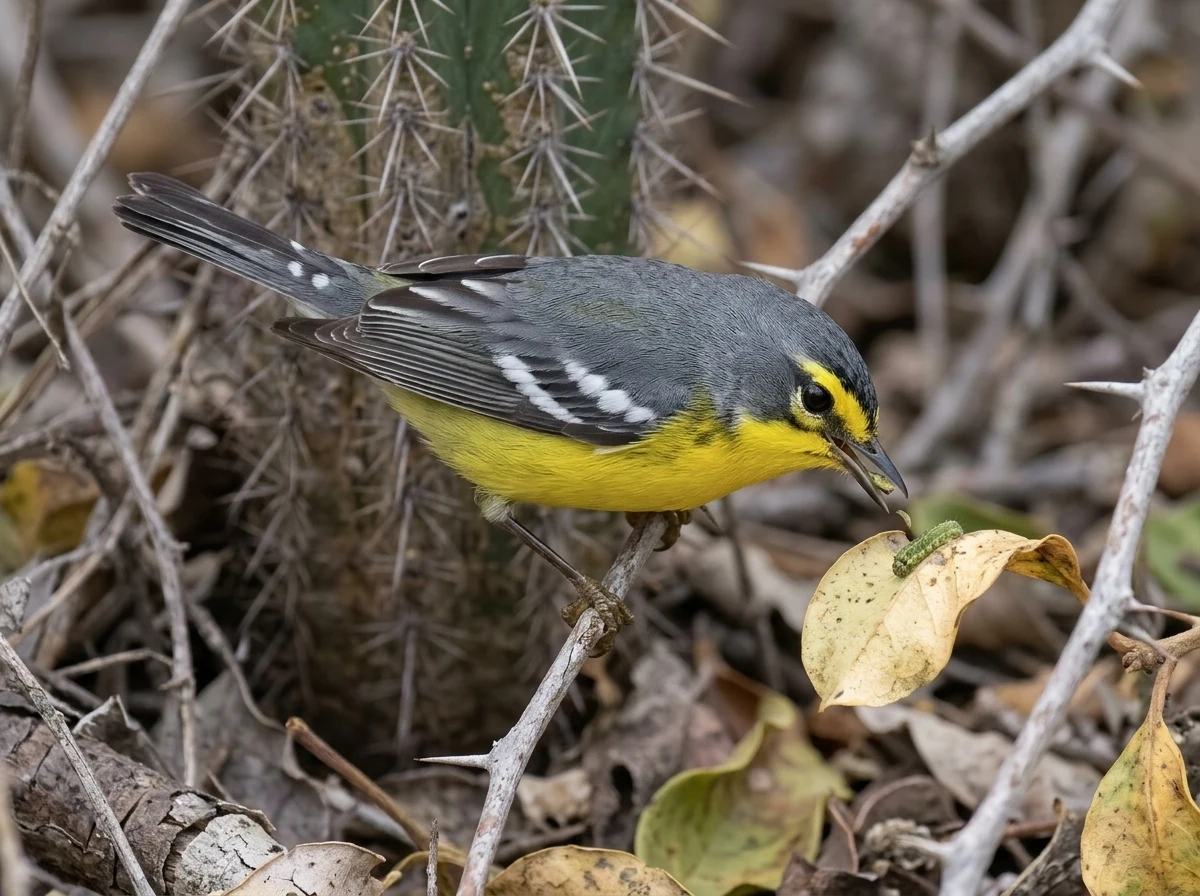
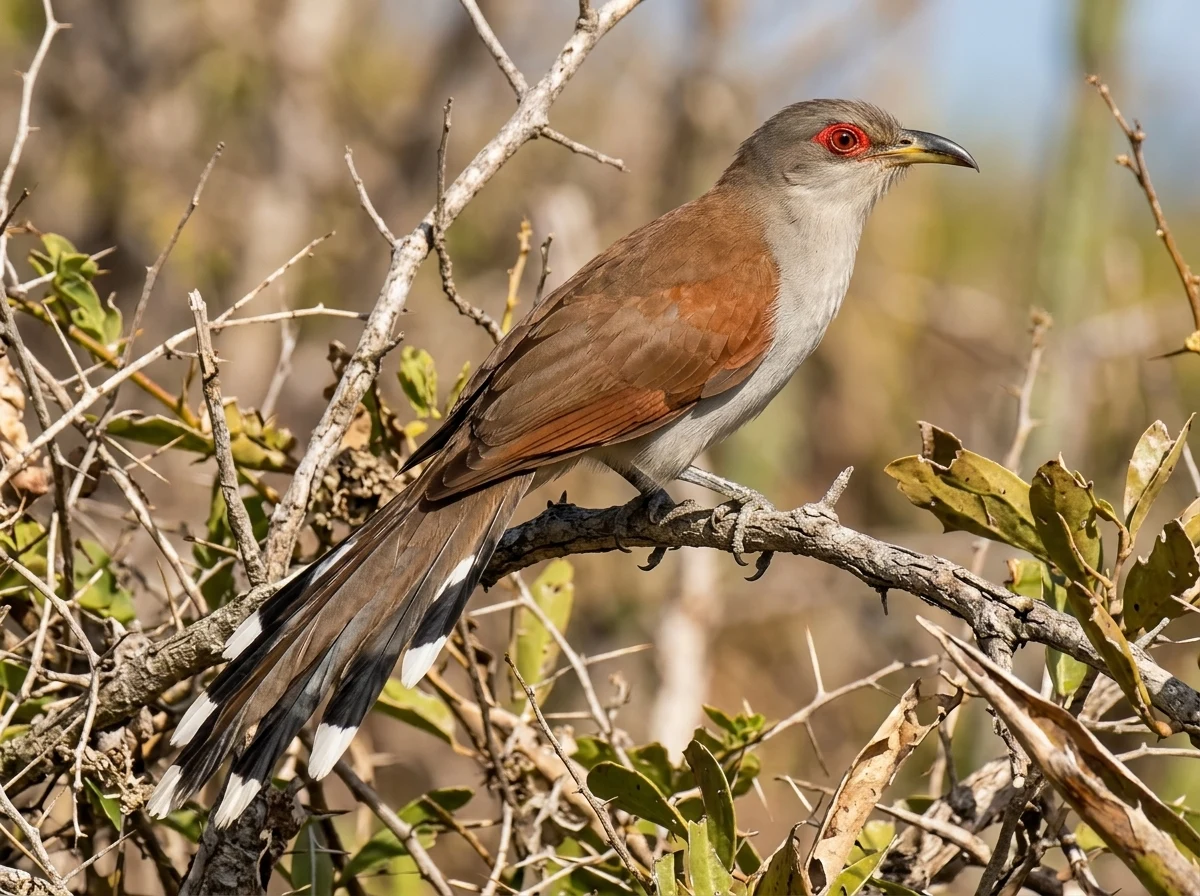
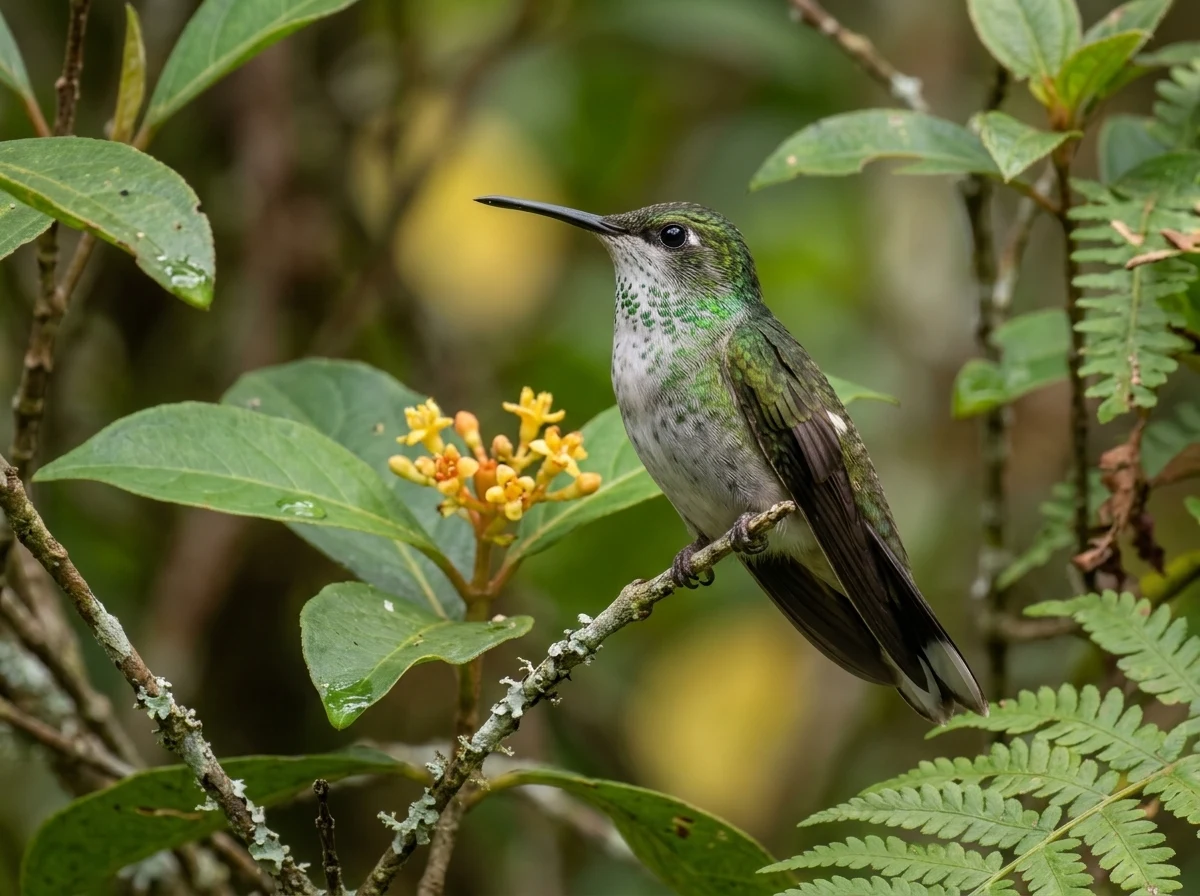
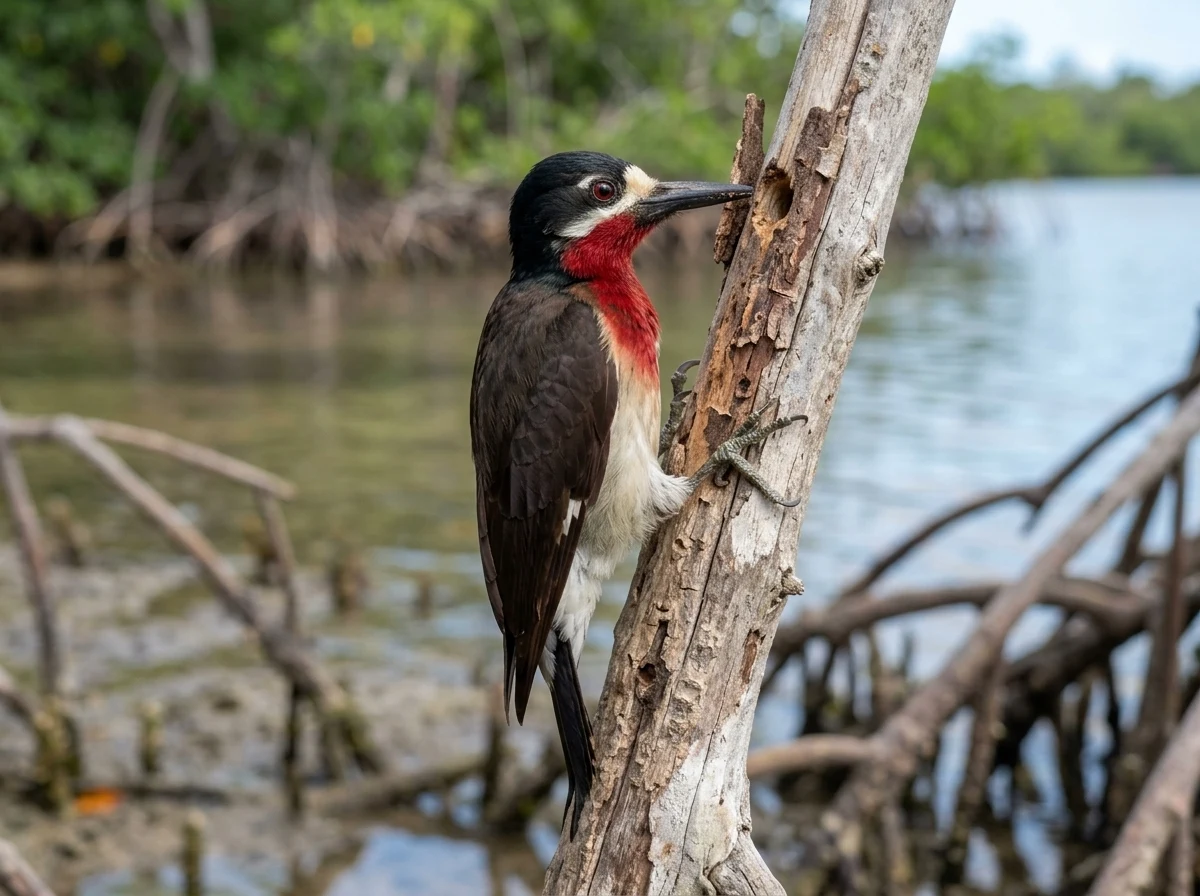
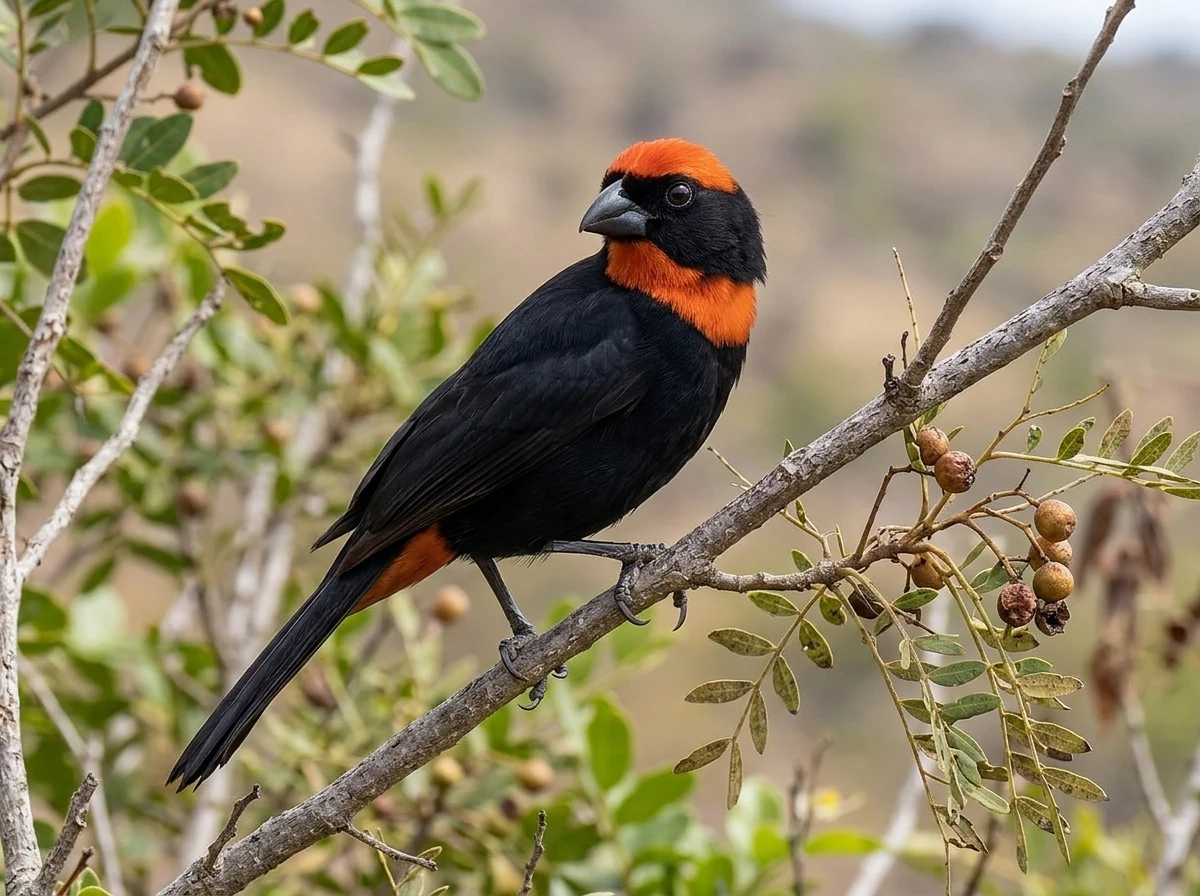
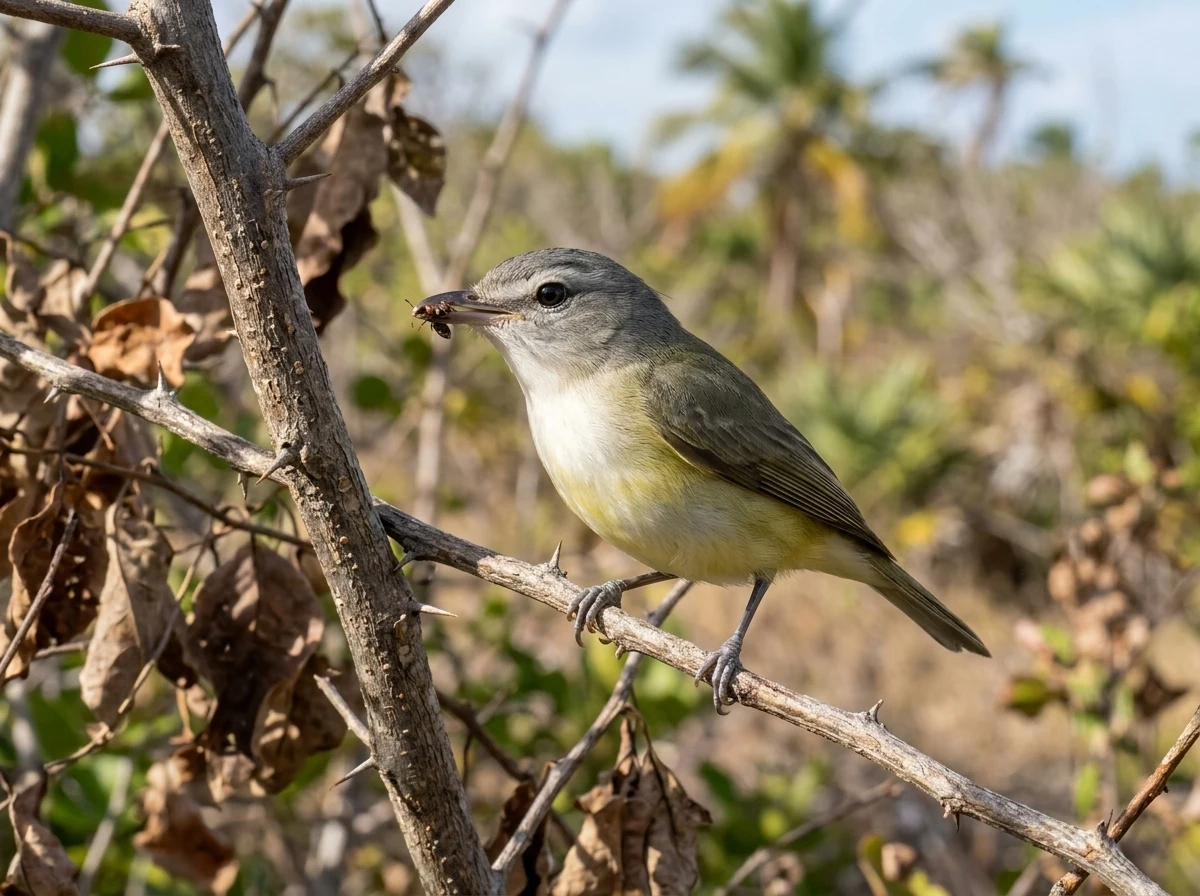
Before heat dominates, listen for Adelaide's Warbler, Puerto Rican Vireo, Bullfinch, and Lizard-Cuckoo from edges and middle vegetation. Woodpecker may reveal itself through drumming; Puerto Rican Emerald appears as a tiny movement that calls for a pause, not a chase.
As the day advances, look for activity wherever shade, moisture, or fruit remains. Slow down, carry enough water, and do not assume a short circuit is an easy walk: exposure and terrain change difficulty.
02
Puerto Rican Nightjar: responsible listening near nightfall
Puerto Rican Nightjar is emblematic of dry forest, and identification relies heavily on voice. Camouflage against ground and leaf litter means off-trail approaches increase risk for both bird and observer.
Site rules and hours determine whether twilight listening is possible. Never assume nighttime access, do not use bright lights repeatedly, and avoid playback. A recording made from an allowed location can be compared with the sound archive later.
03
Behavior separates similar-looking birds
A small warbler moving among leaves cannot be identified from yellow alone. Note height, tail movement, facial pattern, and whether it actively gleans insects. For hummingbirds, compare size, bill, and flower route; for Lizard-Cuckoo, watch the long body, tail, and searching behavior among branches.
Hard dry-forest light increases contrast and erases detail. Change position only within the trail, wait for another view, and preserve uncertainty. A well-documented 80-percent identification is more useful than invented certainty.
04
Plan with live sources
A reopening notice or travel article captures one moment, not a future promise. Before driving, verify access with DNER, weather conditions, and local notices. Carry out everything you carry in, and never cut vegetation for a photograph.
Keep three lists separate: birds possible from literature, recent birds from observation sources, and birds actually detected by you. That discipline prevents expectation from becoming a false record.
Linked profiles
Seven species to study first
Learn their voices and silhouettes, then let the forest decide which ones appear.
Sound archive
Hear its voice
Explore real songs and calls. The spectrogram turns each sound into a visual trace of time and frequency.
XC308516Recording 1 of 3song

Play: song by Ross Gallardy
Choose another recording
Sound recorded by Ross Gallardy · XC308516 · CC BY-NC-SA 4.0. Visualization by Stichting Xeno-canto voor Natuurgeluiden.
Every recording retains the creator, catalogue number, and license published by Xeno-canto. Metadata via GBIF ↗
01
How many birds are in Guánica Forest?
The cited visitor source refers to more than 130 documented species. That is a cumulative inventory, not the number one person will see in a visit.
02
Can Puerto Rican Nightjar be seen during the day?
Camouflage and daytime roosting make a view difficult, and it should not be sought by leaving trails or disturbing the ground. Twilight voice is often safer evidence when access permits.
03
What is the best time for birding?
Cooler hours often combine greater activity with less heat stress, but weather, season, and access rules control the visit. Confirm current official hours.
Keep exploring
Connected routes
Sources and review
The evidence is one link away.
These sources support the editorial scope of this guide. Bird profiles also retain their own taxonomy, occurrence, and conservation references.
Reviewed:
01↗02↗03↗04↗05↗
Discover Puerto Rico
Visit Guánica Dry Forest
Visitor orientation, trail network, and dry-forest birding overview.Departamento de Recursos Naturales y Ambientales
Guánica State Forest
Official reference on access and endemic species observed in the forest.U.S. Forest Service Research and Development
Checklist of birds of Guánica Forest
Scientific reference checklist for the dry-forest bird community.U.S. Fish and Wildlife Service
Puerto Rican Nightjar
Federal identity and status reference for the endemic nightjar.Biodiversidad de Puerto Rico
The hummingbirds of Puerto Rico
Field clues using size, bill, color, and local distribution for the five resident hummingbirds.The atlas continues