 AI
AICoastal habitat
Mangrove birds
Roots, canopy, channel, mudflat, and lagoon support different communities.
Reviewed:Read the boundary between land and water.
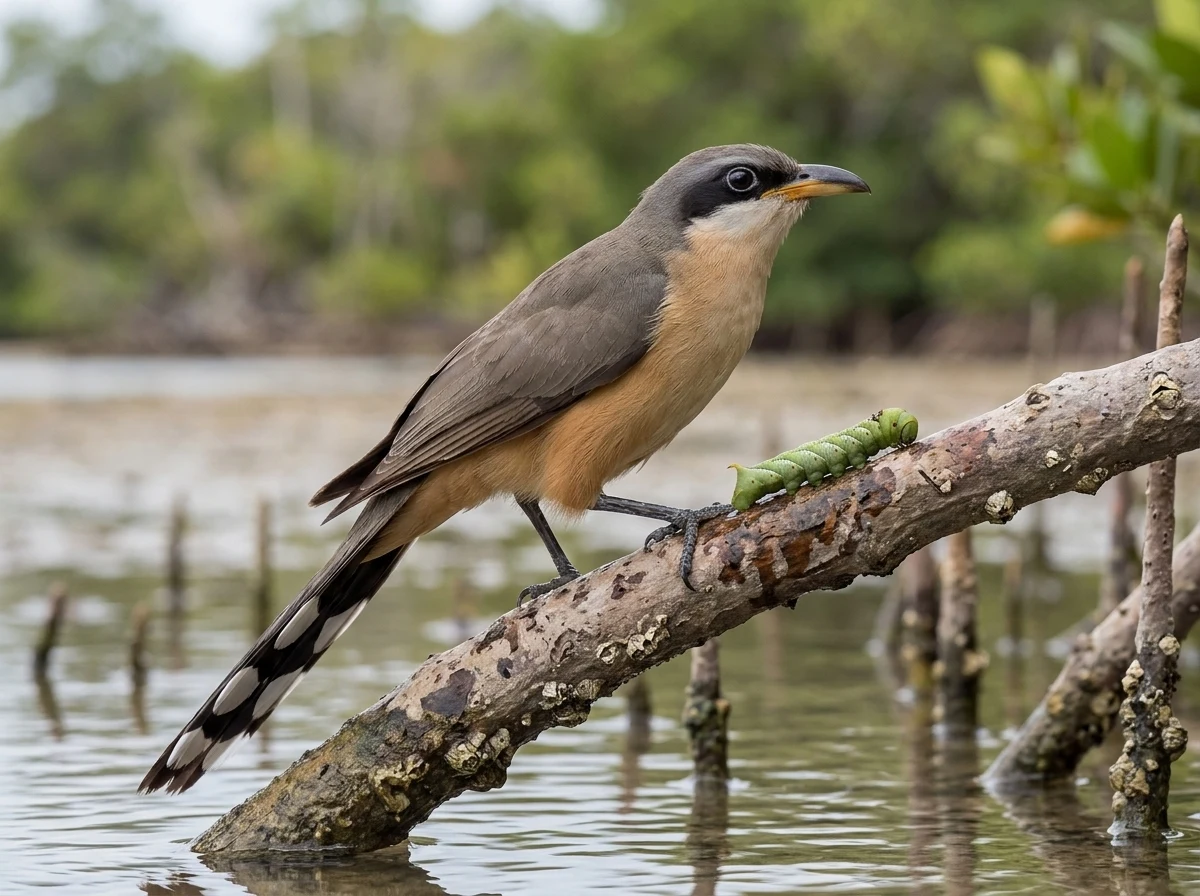
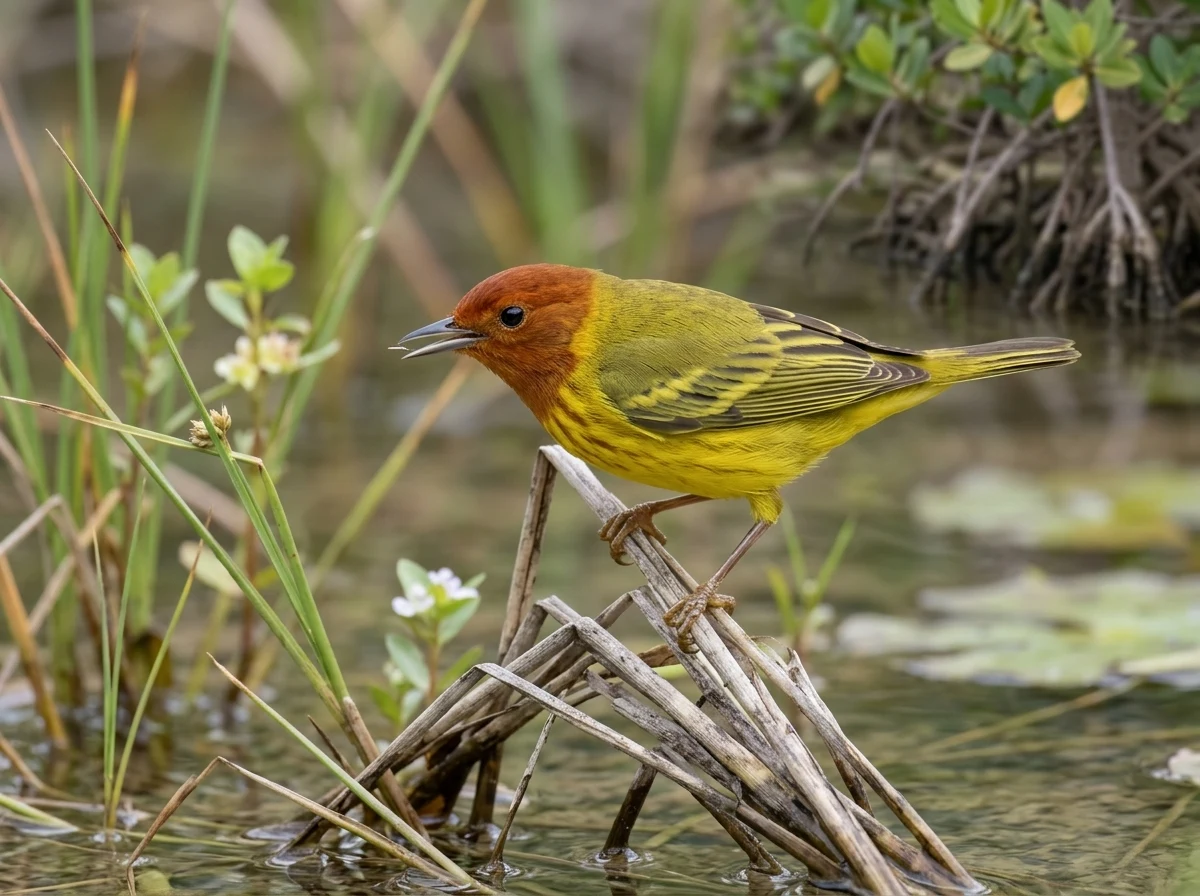
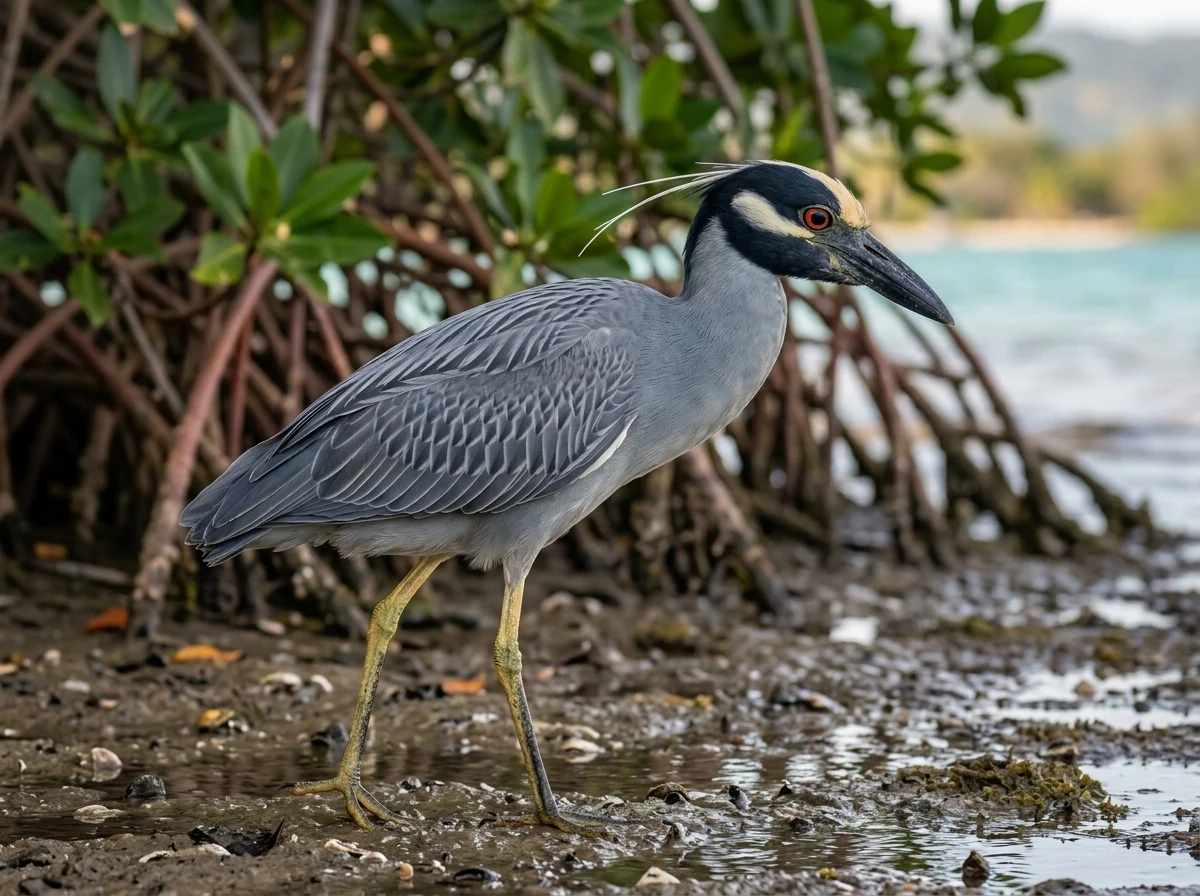
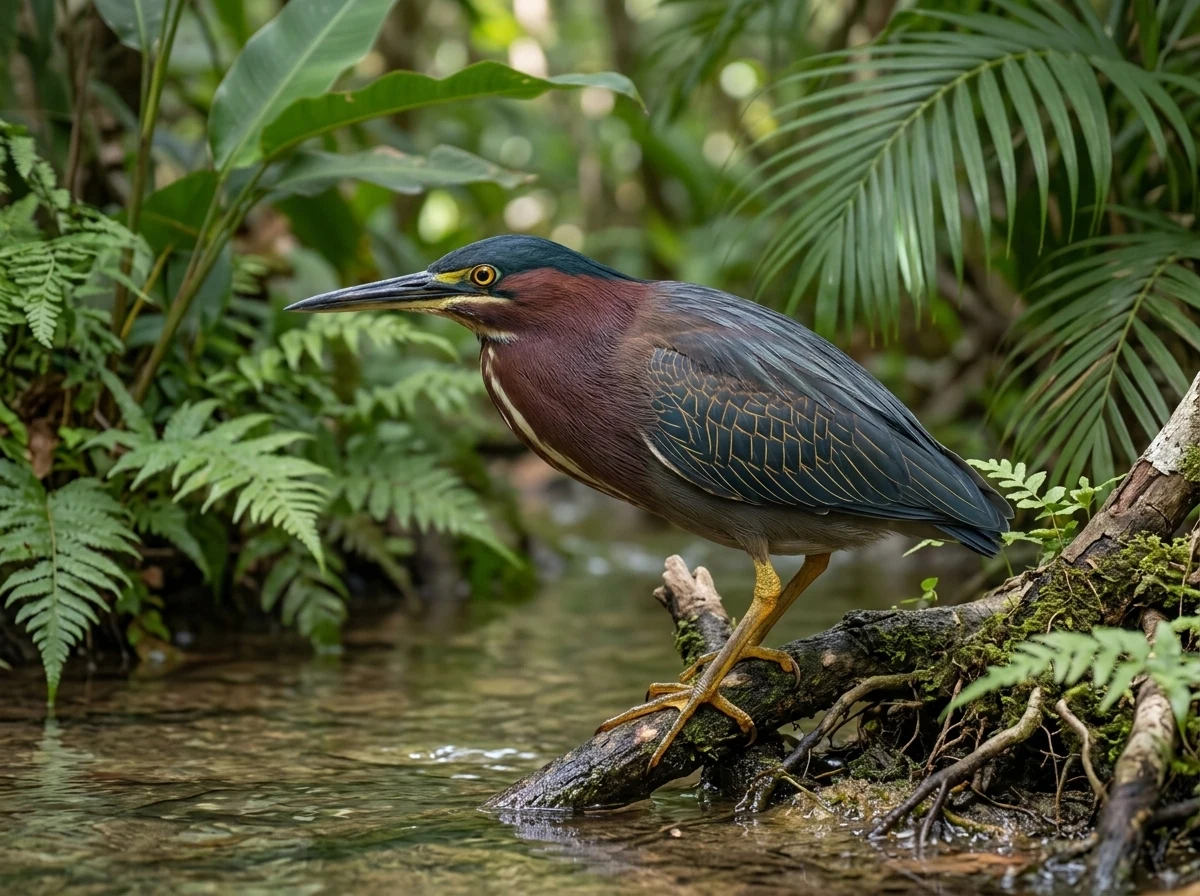
Red mangrove, black mangrove, lagoons, channels, and mudflats form a mosaic where herons, night-herons, kingfishers, warblers, and pigeons use different layers.
Piñones, Humacao, Jobos, Cabo Rojo, Vieques, and Culebra change with salinity, water, tide, rain, and migration, even within one day.
Coastal habitat
The guide at a glance
10linked profilesA focused selection connects the guide with verifiable species.
3reading lensesContext, identification, and practical decisions organized by topic.
5primary sourcesAgencies, research, and ornithological organizations support the content.
01
Five microhabitats
Scan water for ducks, shore for herons, mudflat for shorebirds, roots for night-herons, and canopy for pigeons, warblers, and cuckoos.
Listen for Mangrove Cuckoo, night-herons, and Mangrove Warbler from permitted paths and save audio with place and time.
02
Observe without entering
Use boardwalks, towers, and authorized routes. Do not cut roots or cross mudflats: approach displaces birds from food, nests, or roosts.
Protecting water and forest continuity conserves food, shelter, wave buffering, and the birding experience.
Linked profiles
Birds to compare
Open each profile to review names, marks, audio, habitat, status, and sources.
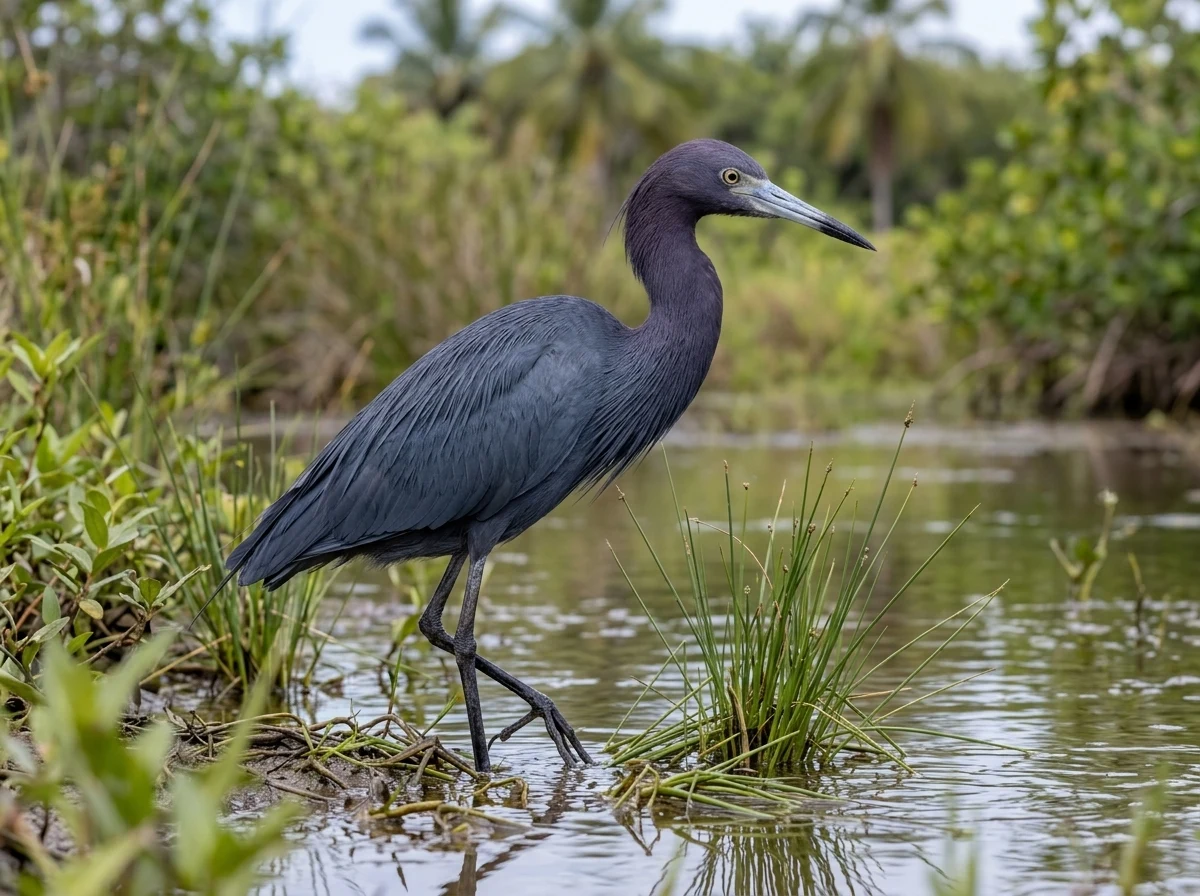
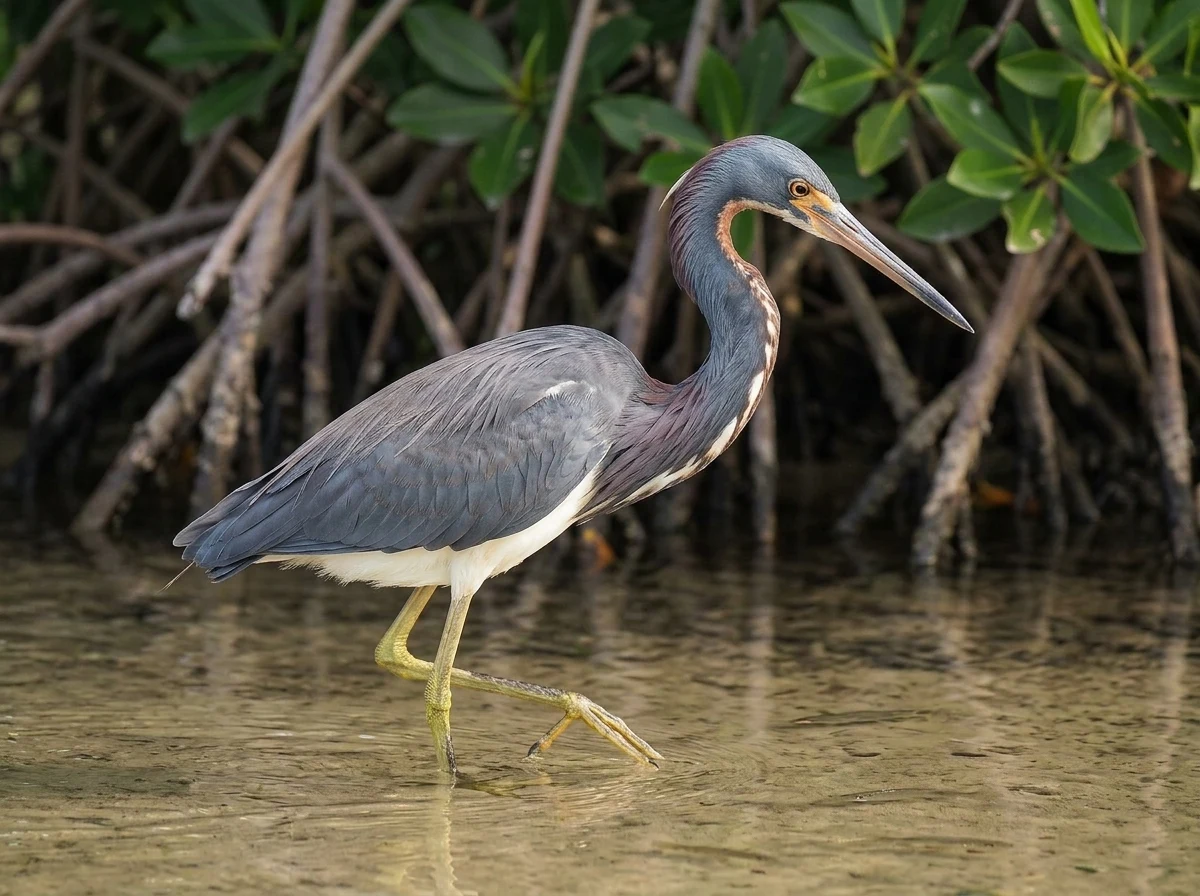
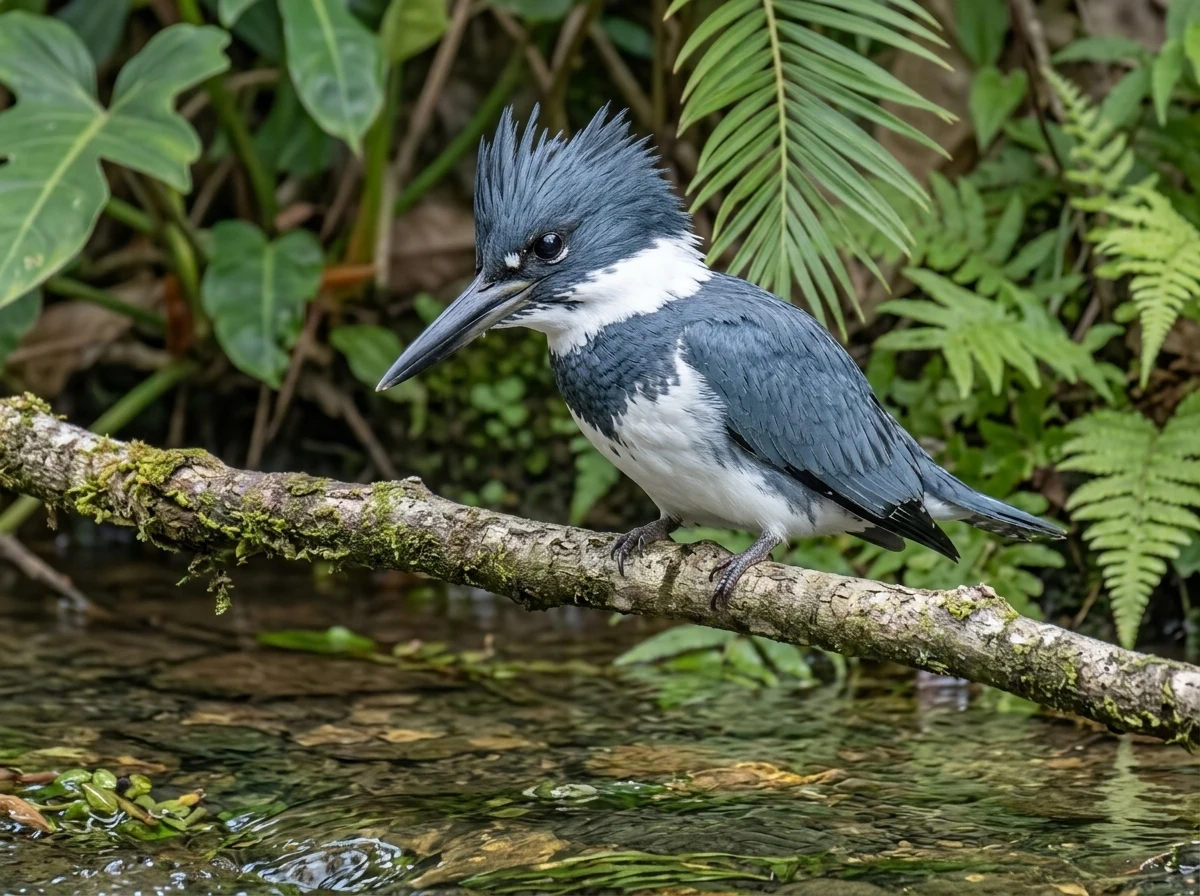
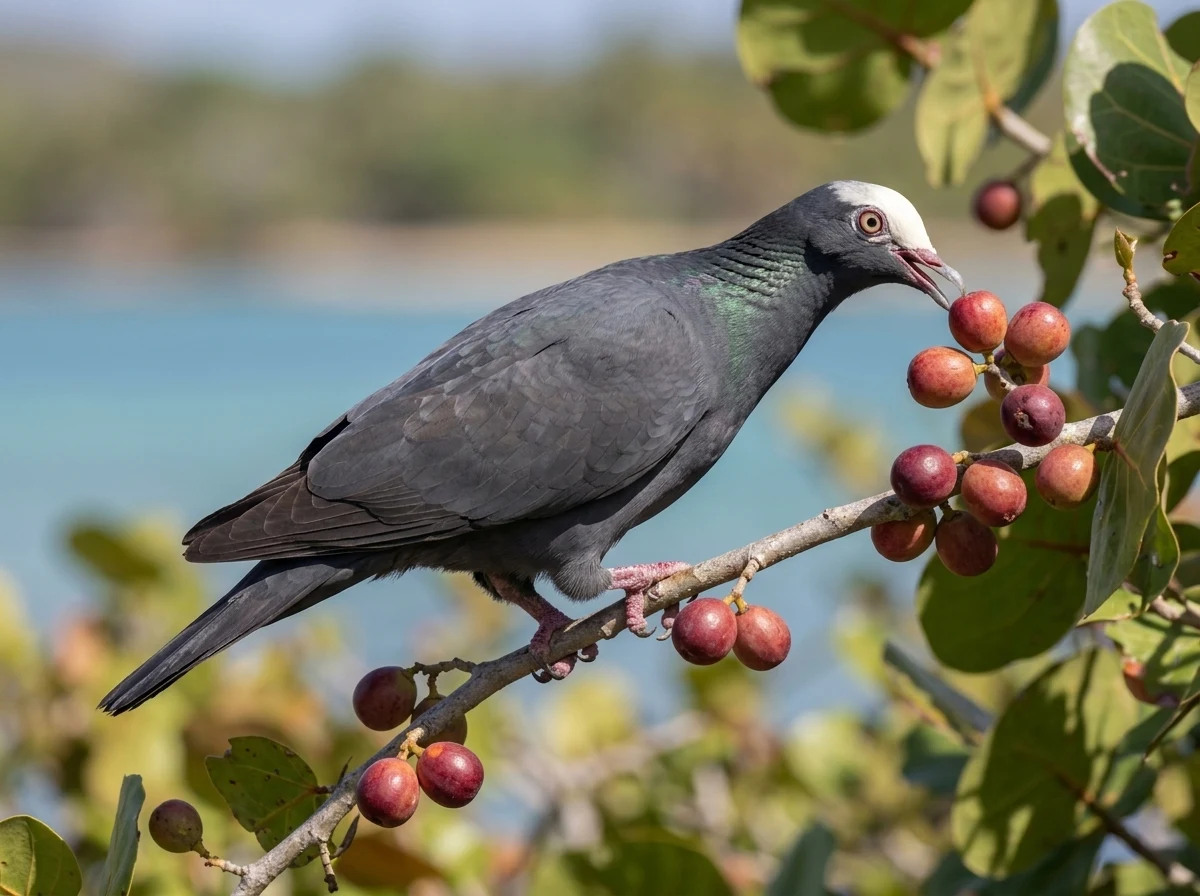
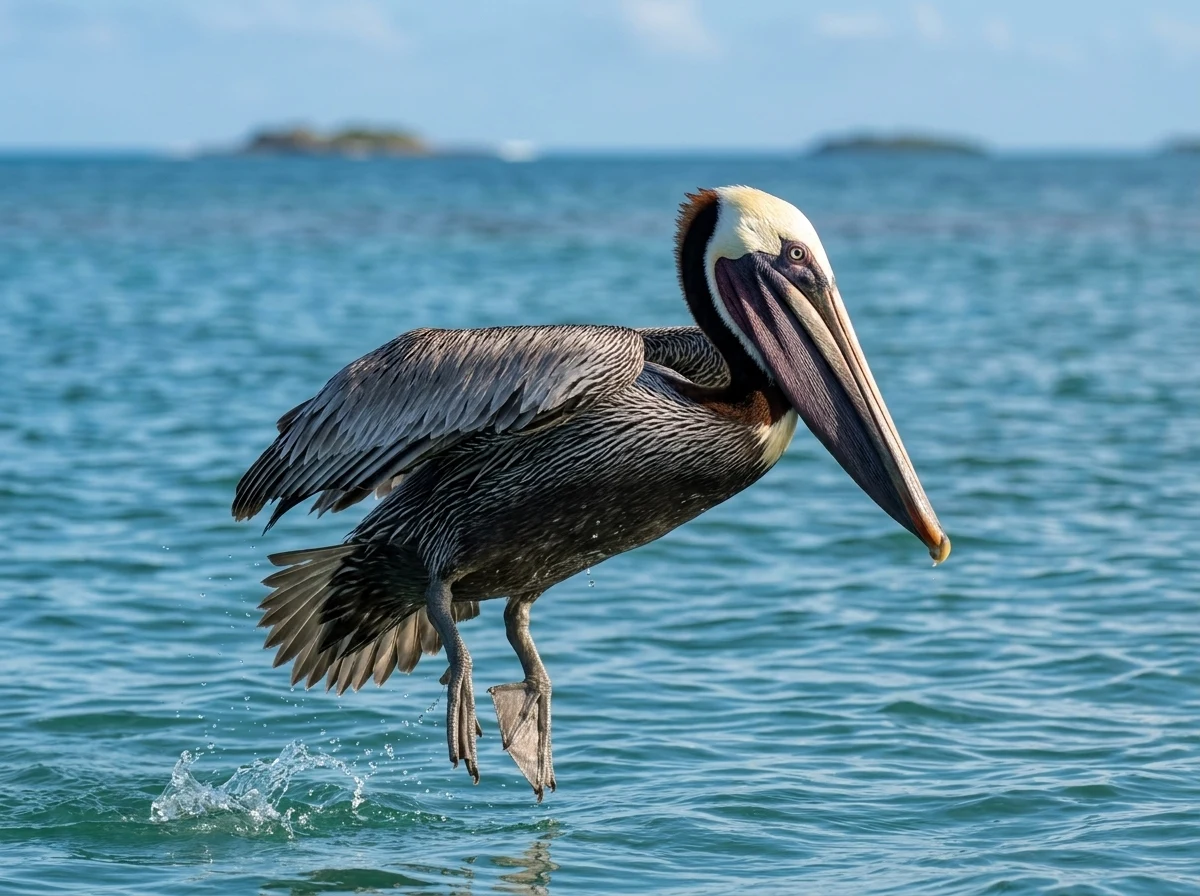
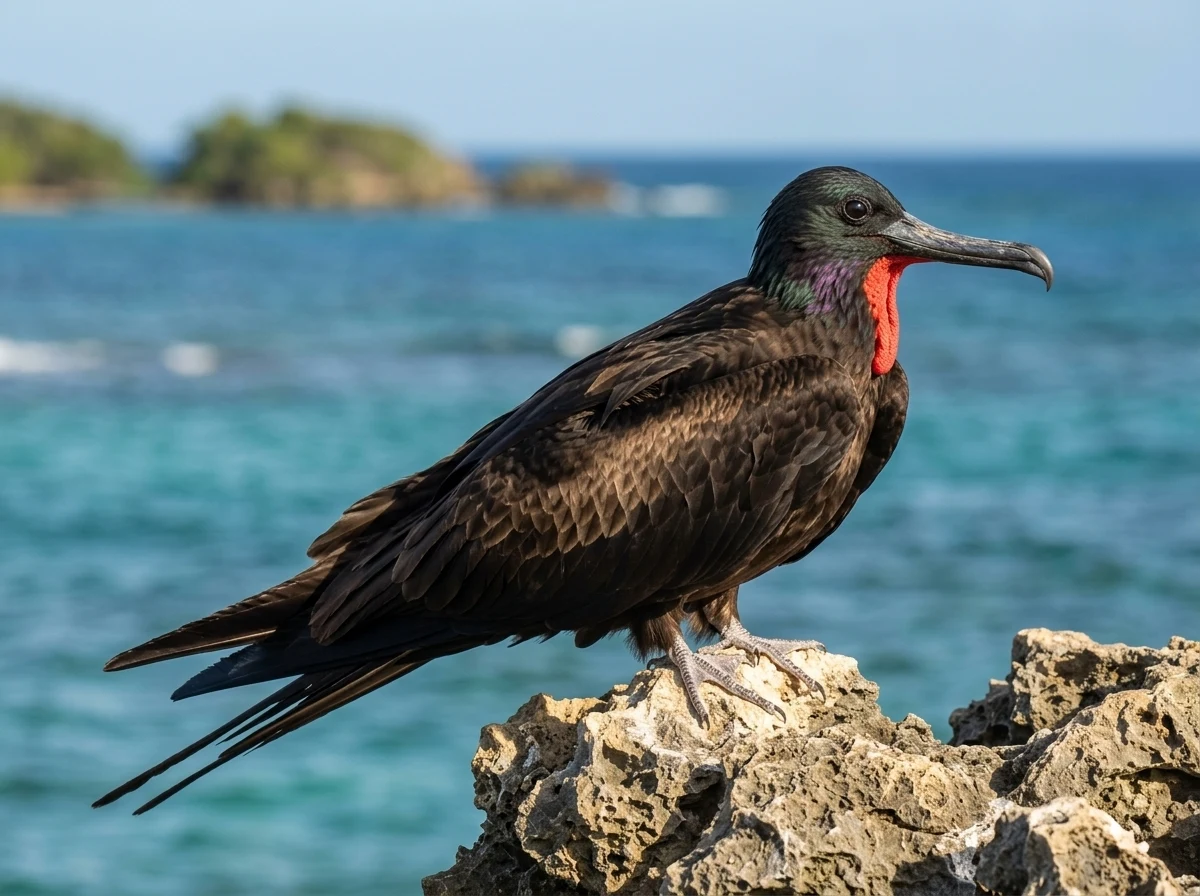
Sound archive
Hear its voice
Explore real songs and calls. The spectrogram turns each sound into a visual trace of time and frequency.
XC998930Recording 1 of 3song, call

Play: song, call by GABRIEL LEITE
Choose another recording
Sound recorded by GABRIEL LEITE · XC998930 · CC BY-NC-SA 4.0. Visualization by Stichting Xeno-canto voor Natuurgeluiden.
Every recording retains the creator, catalogue number, and license published by Xeno-canto. Metadata via GBIF ↗
01
Where is the largest mangrove forest?
Puerto Rico's natural-resources agency describes Piñones as its largest mangrove forest.
02
Does tide change birding?
Yes. It covers food, exposes mudflats, or concentrates birds at roosts; record time.
03
How do I verify an identification or claim?
Compare more than one mark, check date and place, open the linked profile, and consult the sources published at the end of the guide.
Keep exploring
Connected routes
Sources and review
The evidence is one link away.
These sources support the editorial scope of this guide. Bird profiles also retain their own taxonomy, occurrence, and conservation references.
Reviewed:
01↗02↗03↗04↗05↗
U.S. Geological Survey
Puerto Rico: wetlands
Scientific synthesis of mangroves, lagoons, salt flats, and birds.Departamento de Recursos Naturales y Ambientales
Piñones State Forest
Official context for Puerto Rico's largest mangrove forest.Departamento de Recursos Naturales y Ambientales
Humacao reserve designation document
Historical bird inventory and ecological description of lagoons, channels, and Pterocarpus forest.NOAA Office for Coastal Management
Jobos Bay Estuarine Research Reserve
Habitats, extent, and monitoring of the reserve.U.S. Fish and Wildlife Service
Culebra National Wildlife Refuge
Dry forest, mangroves, lagoons, cays, and seabird colonies.The atlas continues