 AI
AICoastal bird guides
Fishing Line and Coastal Birds Risks and Prevention
A practical guide to fishing-line entanglement: the mechanism, the affected species, and documented prevention measures.
Reviewed: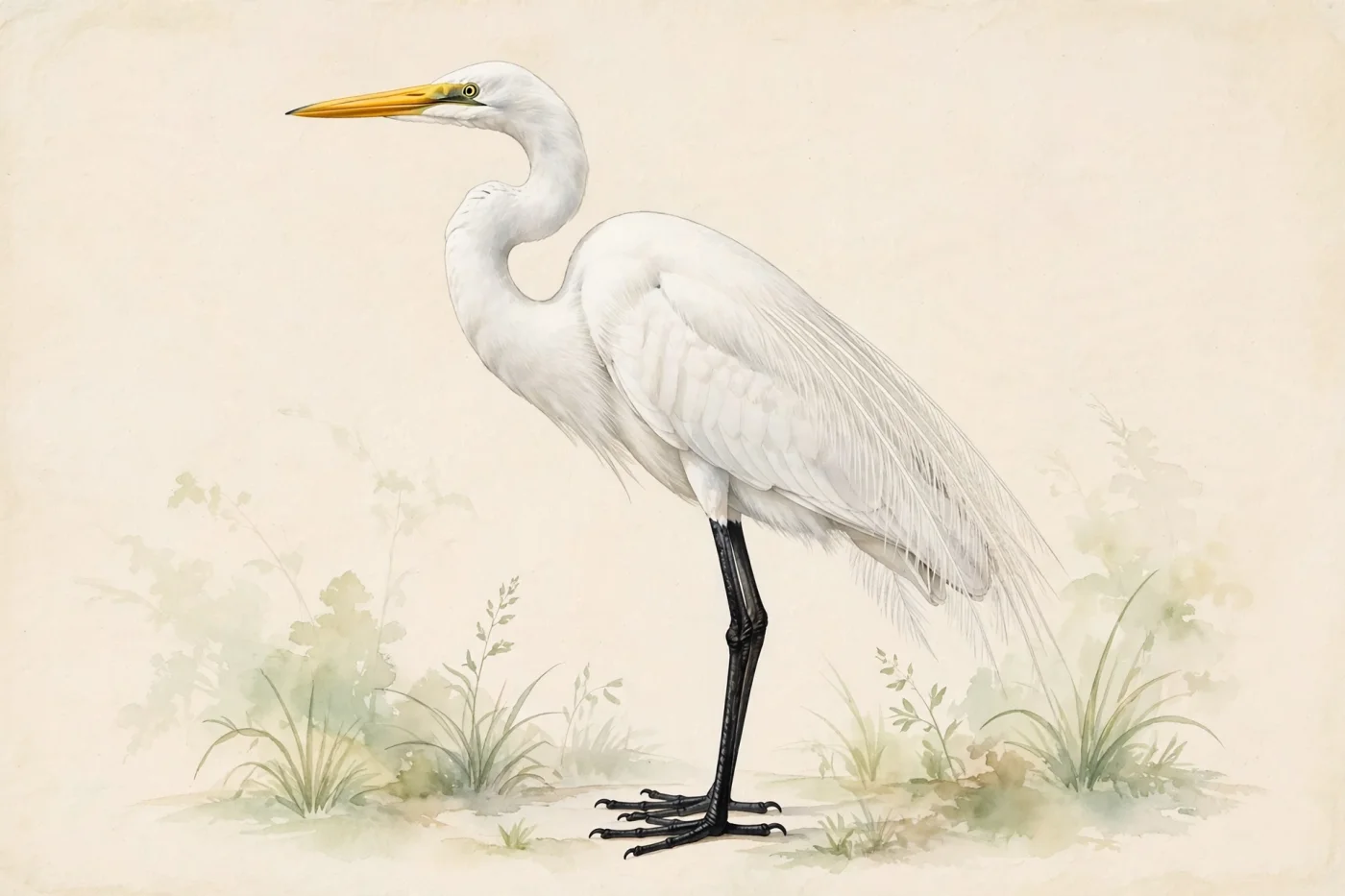
Prepared with AI assistance and linked sources. Illustrations are not field photographs.
Why fishing line is a problem for coastal birds
Fishing line is a concrete and documented risk for coastal birds. An Audubon Florida report on that state's coast describes that thousands of pelicans have been injured by fishing line, especially at the Skyway Fishing Pier in Tampa Bay. The problem does not end when a bird is freed: if an entangled pelican is cut loose and returns to its roost with yards of attached line, that line poses an entanglement threat to the other birds using the same place, including species designated as threatened by the state of Florida.
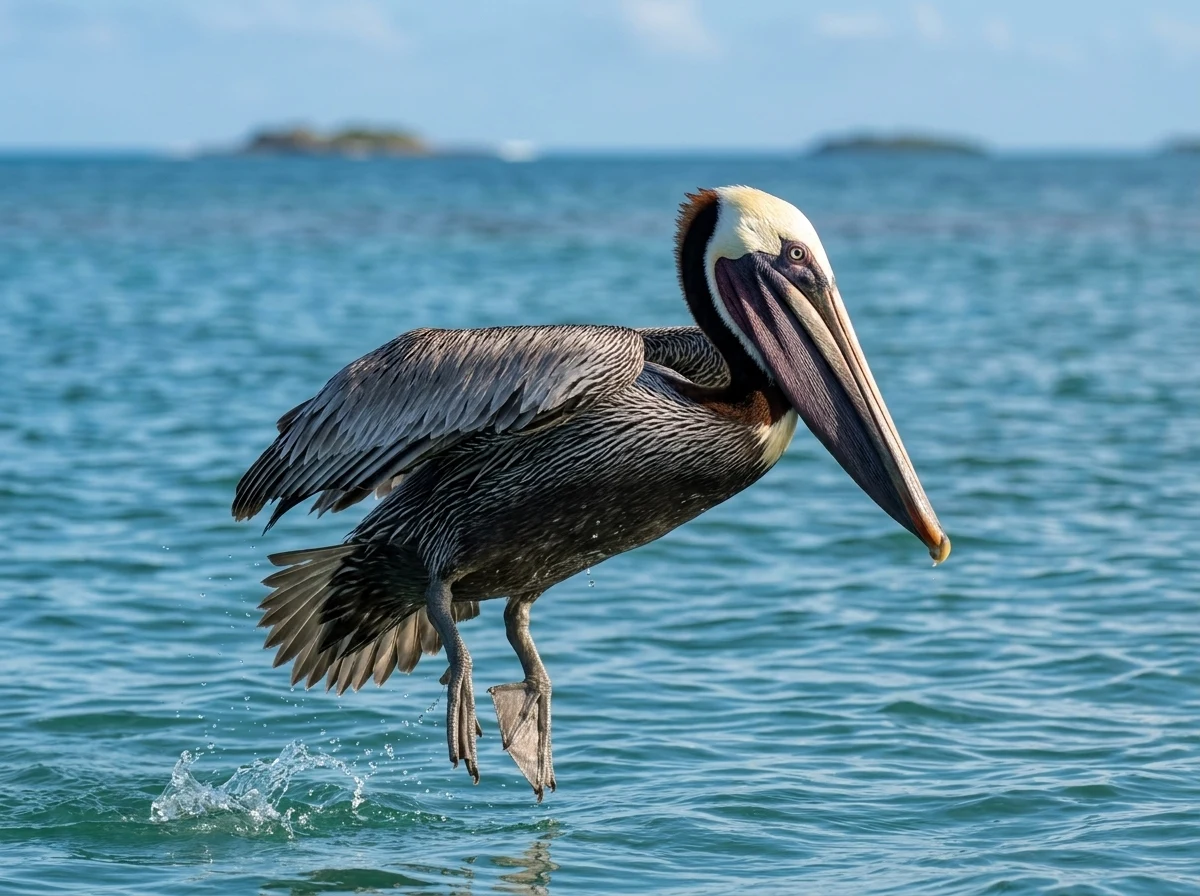
This mechanism — individual entanglement becoming a collective risk — is why piers and concentrated fishing sites deserve special attention. In Puerto Rico, the Brown Pelican (Pelecanus occidentalis) is listed as a native resident and breeder in the Puerto Rico bird catalog, and the Great Egret (Ardea alba) is also recorded as a native species. Both use coasts, bays, mangroves, and wetlands — the same environments where people fish. This guide explains the entanglement mechanism, why piers are critical points, and what prevention measures have been documented.
Coastal bird guides
Key facts
MilesPelicans injured by fishing lineAccording to the Audubon Florida coastal report, thousands of pelicans have been injured by fishing line, especially at the Skyway Fishing Pier.
Más de 3,600Seabirds rescued in two yearsThe report documents more than 3,600 seabirds rescued in the two years before publication.
Más de 1,000Pelicans rehabilitated from severe injuriesMore than 1,000 pelicans were rehabilitated from severe injuries in the same period.
01
The mechanism: how line traps birds
Entanglement happens because birds look for fish in the same places where people fish. The Audubon Florida report describes it directly: Brown Pelicans learn to find fish in the same spots as anglers, and that is why they end up entangled in line and other gear. The bird does not distinguish between a free fish and one trailing a line; when it dives or perches near a rod, the line can catch on its bill, legs, or wings.
The problem is worsened by a chain effect. When an entangled pelican is cut loose and released, it may return to its roost with yards of line still attached. That line, now in a place where many birds gather, becomes a trap for the others. The report notes that this threatens other species sharing the roost, including the Roseate Spoonbill, Reddish Egret, and Little Blue Heron, designated as threatened by the state of Florida. In Puerto Rico, the Great Egret and Brown Pelican use coasts, bays, mangroves, and wetlands, so they share the same type of environment where this risk occurs.
02
Why piers are critical points
The Audubon Florida report identifies fishing piers as critical points for conflict between anglers and pelicans. The reason is concentration: at a pier, many people fish at the same time, in a small space, and birds learn that there is easy food there. The report specifically mentions the Skyway Fishing Pier in Tampa Bay as a place where entanglement occurs on a large scale.
The evidence of the scale of the problem at piers is strong. Rescuers with Friends of the Pelicans and the Skyway Fishing Pier State Park documented hundreds of pelicans hooked in a single month. In the two years before the report, more than 3,600 seabirds were rescued, more than 1,000 pelicans were rehabilitated from severe injuries, and more than 500 pelicans died from entanglements. These figures come from a single state and a set of sites, but they illustrate the potential for harm when fishing concentrates in a place that birds use as a roost or feeding area.
03
Comparison: Brown Pelican and Great Egret facing fishing line
The Brown Pelican and the Great Egret use coastal and wetland environments in Puerto Rico, but their characteristics and habits expose them differently to fishing line. The Brown Pelican feeds mainly on fish and dives from the air to catch them. That dive takes it directly into the waters where fishing gear is present. The Audubon Florida report documents that Brown Pelicans look for fish in the same places as anglers and that, because of this, they become entangled frequently. In addition, the pelican is a colonial bird that rests in groups; when one individual returns with attached line, the risk extends to the entire roost.
The Great Egret is also an aquatic bird that feeds on fish, but its size and its presence in wetlands and coasts place it in the same landscape where recreational fishing leaves line. The Puerto Rico bird catalog records it as a native species. Unlike the pelican, the consulted sources do not provide a detailed description of its capture method or colonial behavior in Puerto Rico, so the comparison must focus on what is documented: the pelican is exposed mainly during dives and at shared roosts, while the egret shares the same coastal and wetland environments where line remains, although the detail of its specific exposure is not documented in the available sources.
04
Prevention: what has been tried and what you can do
The Audubon Florida report describes an important lesson: education alone has not been enough. Since 2013, Audubon Florida, local chapters, and partnering wildlife rescue groups educated anglers using the Skyway Fishing Pier about avoiding entanglement. However, the report concludes that a decade of education efforts has proven insufficient to solve the problem at that pier, and that regulatory changes were needed. The Florida Fish and Wildlife Conservation Commission proposed new rules, including restricting the use of multi-hook rigs year-round and limiting users to two rods. Audubon Florida supported those measures as first steps to reduce the incidence of severe entanglement.
For a reader in Puerto Rico, the practical lesson is that effective prevention combines individual habits and collective action. On the individual level, the most direct measure is to never leave line in the environment: pick up fragments, do not cut line and let it fall into the water or onto the shore, and dispose of used gear in a container. On the collective level, the documented experience suggests that education alone may not be enough at sites with high fishing concentration, and that use rules — such as limiting multi-hook rigs — can be part of the solution. This guide does not offer legal or veterinary instructions; if you find an entangled bird, the appropriate action is to contact wildlife authorities or a rescue center.
05
Observation exercise: assessing risk at your fishing site
You can use a visit to any pier, beach, or river mouth to practice a simple entanglement-risk assessment. You do not need special equipment, just attention and a notebook. The goal is to observe the relationship between fishing activity and how birds use the place. This exercise does not produce scientific data by itself, but it helps to understand the mechanism described in the Audubon Florida report.
Checklist for your assessment: 1) Are there birds perched or feeding within 50 meters of where people are fishing? 2) Do you see fishing line on the ground, on rocks, on posts, or floating in the water? 3) Are pelicans or other birds diving near fishing lines? 4) Do anglers pick up leftover line or let it fall? 5) Are there visible containers for used line in the area? 6) Do birds use the place as a roost, that is, do they perch in groups? 7) Are there signs or notices about bird entanglement? Note the time, the approximate number of birds and anglers, and any bird that appears to have attached line. Do not try to catch or free an entangled bird; document what you see and report to the authorities if you observe a case.
Linked profiles
Species mentioned in this guide
The Brown Pelican and the Great Egret are two coastal and wetland birds recorded in Puerto Rico that illustrate different types of exposure to fishing line.
AI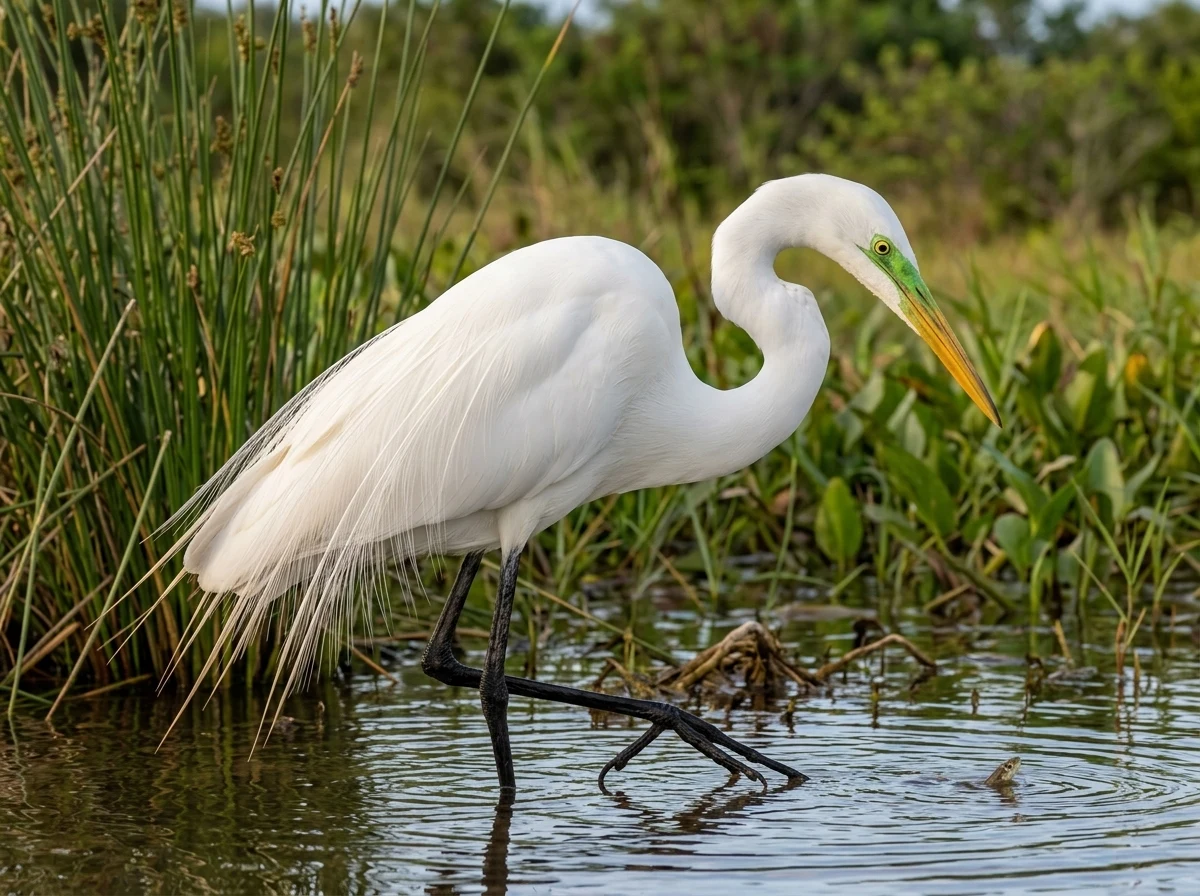 AI
AI01
Why do pelicans become entangled so often with fishing line?
Because they look for fish in the same places where people fish. The Audubon Florida report describes that Brown Pelicans learn to find fish in the spots used by anglers, and that is why they end up entangled in line and other gear. Their feeding method — diving from the air — takes them directly into the waters where lines are present.
02
Does the problem end when an entangled bird is freed?
Not necessarily. The Audubon Florida report notes that when an entangled pelican is cut loose and returns to its roost with yards of attached line, that line poses an entanglement threat to the other birds using the same place, including species designated as threatened by the state of Florida.
03
Has angler education been enough to solve the problem?
According to the Audubon Florida report, no. Since 2013, anglers using the Skyway Fishing Pier were educated about avoiding entanglement, but the report concludes that a decade of education efforts has proven insufficient to solve the problem at that pier, and that regulatory changes were needed.
04
What regulatory measures were proposed in the documented case?
The Florida Fish and Wildlife Conservation Commission proposed new rules to reduce the entanglement of pelicans and other seabirds at the Skyway Pier. Among them, restricting the use of multi-hook rigs year-round and limiting users to two rods. Audubon Florida supported those measures as first steps.
05
What should I do if I see a bird entangled in fishing line?
This guide does not offer veterinary or legal instructions. The appropriate action is not to try to catch or free the bird on your own, to document what you see if possible, and to contact wildlife authorities or a bird rescue center. The Audubon Florida report mentions that rescue and rehabilitation groups work on these cases.
Keep exploring
Connected routes
Sources and review
The evidence is one link away.
These sources support the editorial scope of this guide. Bird profiles also retain their own taxonomy, occurrence, and conservation references.
Reviewed:
The atlas continues