 AI
AIHabitats · Seabirds
How Microplastics Reach Seabirds
A guide to understanding the path of plastic from the ocean surface to a seabird's stomach, and how to compare two possible routes without inventing local data.
Reviewed:Prepared with AI assistance and linked sources. Illustrations are not field photographs.
The specific question
Microplastics do not reach seabirds through a single pathway. They arrive because floating plastic concentrates in ocean areas where birds feed, because some fragments smell or look like food, and because certain species cannot regurgitate what they swallow. Audubon magazine summarizes a 2023 study that combined tracking data from 7,100 seabirds of 77 petrel species to calculate a plastic exposure score; species that spend more time in high-plastic areas scored higher (s1).
This guide answers the "how do they arrive" question with a mechanism and a comparison. It does not claim that a species is abundant or that a beach has a certain amount of plastic. For general Puerto Rico seabird context, it links to the seabird, pelican, and beach bird guides.
Habitats · Seabirds
Three key ideas
RutaPlastic travels by currents and concentratesAudubon explains that currents and coastlines concentrate debris in hotspots, so where a species spends its time shapes its exposure (s1).
OlorPlastic can smell like foodOnce marine plastic is coated in plankton and algae, it starts to smell like food and lures in birds with a strong sense of smell (s2).
DañoFragments can stay and scrapePlastics are indigestible and persist in the digestive tract, scraping the organs; that causes scarring and knock-on health effects (s2).
01
The four-step journey
Step one: plastic enters the ocean and breaks apart. It does not have to be a large object; over time it breaks into smaller particles. Audubon notes that plastic pollution was not discovered floating mid-ocean until 1971 and that today it is ubiquitous in the lives of seabirds and other marine life (s1).
Step two: currents and coastlines concentrate it. Audubon states that marine plastic is not evenly distributed: currents and coastlines concentrate the debris in hotspots, so where a species spends most of its time also shapes its exposure (s1).
Step three: the bird finds it and ingests it. Some fragments float at the surface, where birds such as petrels and storm-petrels feed. In addition, once plastic is coated in plankton and algae, it starts to smell like food and lures in birds with a strong sense of smell (s2).
Step four: the material stays or accumulates. Unlike albatrosses and gulls, many petrels and storm-petrels do not easily regurgitate bits and pieces; the indigestible material piles up in their guts (s1). In Flesh-footed Shearwaters on Lord Howe Island, indigestible plastics persist in the digestive tract and continuously scrape the organs, causing scarring (s2).
02
Comparison: two routes, two outcomes
Route A: a bird that feeds at the surface and does not regurgitate. Petrels and storm-petrels migrate over vast areas of the sea and feed on the water's surface, where plastic collects; because they do not easily regurgitate, the material piles up in their guts (s1). This combination of behavior and physiology explains why some species are more vulnerable.
Route B: a bird that feeds at the surface but can expel materials. Albatrosses and gulls can regurgitate bits and pieces more easily (s1). That does not make them immune, but it changes what happens after ingestion.
The comparison does not depend on the exact species, but on three variables: where the bird feeds, how concentrated the plastic is in that area, and whether the bird can expel what it swallows. Audubon summarizes that the most severe exposure was found in the Mediterranean and Black Seas, but risk was distributed around the globe, often on the high seas beyond the exclusive economic zones of individual coastal nations (s1).
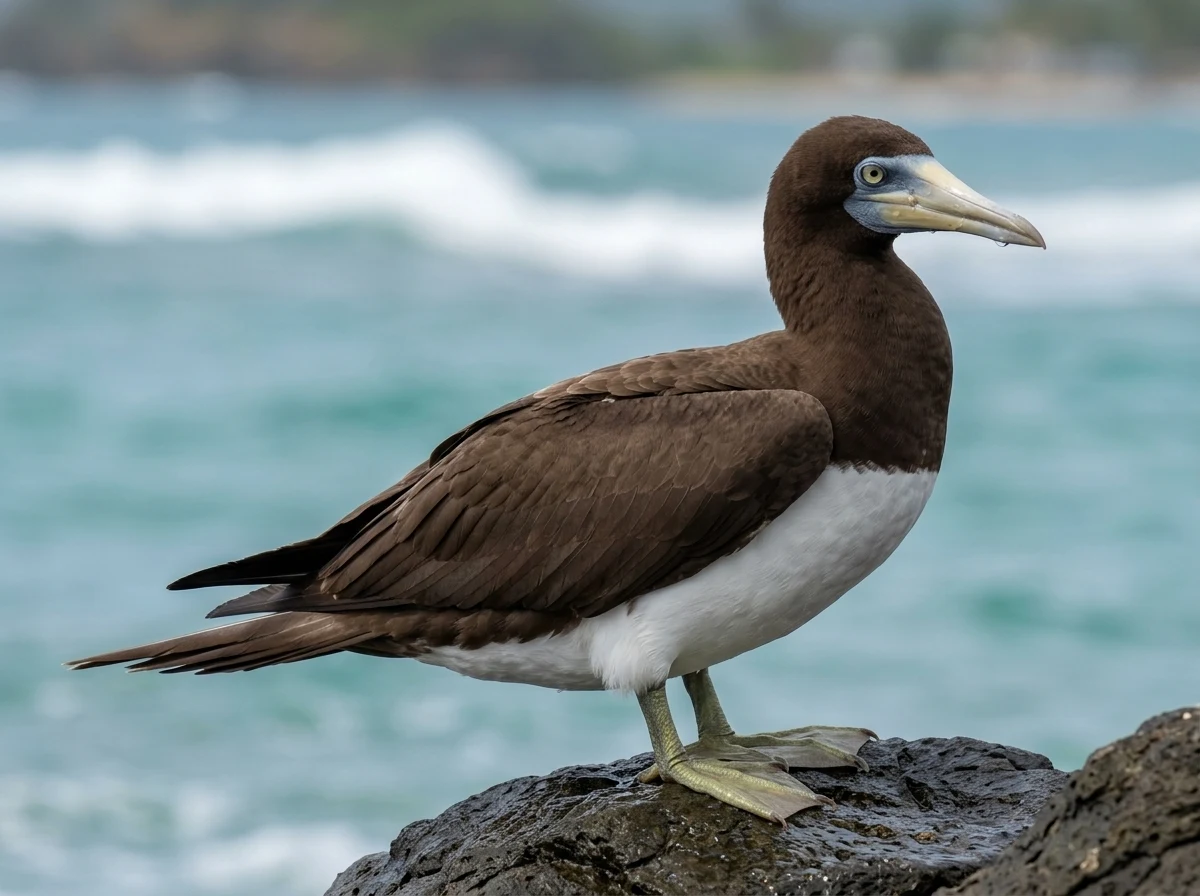
For Puerto Rico, the local catalog records the Brown Booby (Sula leucogaster) and the Brown Pelican (Pelecanus occidentalis) as native seabirds. Abundance is not inferred, and it is not claimed that these species ingest plastic in Puerto Rico waters; the comparison is about the general mechanism documented in the sources.
03
What is known about the harm: plasticosis
A study put a name to a condition researchers had worried about for years: plasticosis. The term describes severe stomach damage from eating little bits of plastic in a large population of Flesh-footed Shearwaters. While the name currently applies to one population of one species on one island, the risks reach much farther (s2).
In previous work by the same team, roughly 90 percent of the island's Flesh-footed Shearwaters were found to have plastic in their guts. For the plasticosis study, researchers examined 30 fledglings that had died or were euthanized due to extremely low body mass, and found that scarring damage was widespread in that sample (s2).
The birds are not dying directly from plasticosis, but the disease affects their growth, nutrition, and overall health (s2). Audubon quotes Don Lyons, director of conservation science at Audubon's Seabird Institute, who says there is every reason to think this phenomenon is likely much more widespread than is yet realized (s2). The source also notes that dozens of seabird species are already known to consume plastic, and researchers expect that tally to climb (s2).
04
Observation exercise and checklist
This exercise does not require collecting plastic or touching birds. It is about observing from shore with binoculars and recording what you see, without inferring quantities or causes. Choose a safe, accessible coastal point with a view of the water's surface. Observe for 15 to 20 minutes and note: time, sea conditions, presence of birds feeding at the surface, and any visible floating objects. Do not collect plastic or approach birds.
Observation checklist: 1) Are birds feeding at the surface or only flying? 2) Do they dive or pick something from the water? 3) Are floating objects visible to the naked eye? 4) Do wind or current move objects in any direction? 5) Did you note the time and place?
After observing, compare your notes with the sources. Ask yourself: could the area I observed concentrate plastic due to currents or coastlines? Do not answer with invented data; use the Audubon source on concentration in hotspots (s1) and the source on smell and harm (s2) to explain the general mechanism.
If you want to contribute useful data, consider joining citizen science with eBird or local coastal monitoring projects, always following their protocols. Do not document injured birds or attempt to rescue them without professional guidance.
Linked profiles
Related Puerto Rico seabirds
The local catalog records these native seabirds. Abundance is not inferred, and it is not claimed that they ingest plastic in Puerto Rico waters.
AI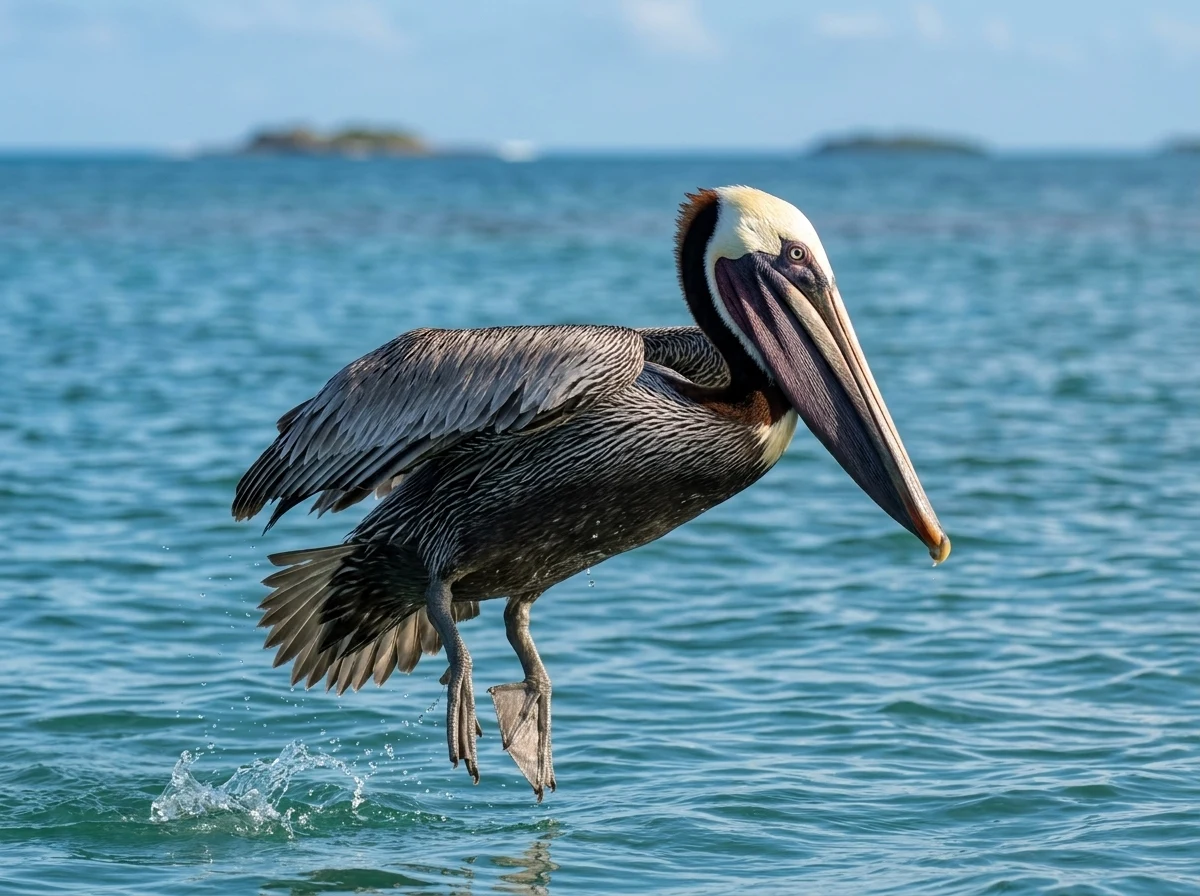 AI
AI01
Do microplastics reach seabirds only because they mistake plastic for food?
It is not the only pathway. Audubon explains that marine plastic concentrates in hotspots due to currents and coastlines, and that some birds feed at the surface where it floats. In addition, once plastic is coated in plankton and algae, it starts to smell like food and lures in birds with a strong sense of smell (s1, s2).
02
Can all seabirds regurgitate the plastic they swallow?
No. Audubon notes that, unlike albatrosses and gulls, many petrels and storm-petrels do not easily regurgitate bits and pieces; the indigestible material piles up in their guts (s1).
03
What is plasticosis?
It is a term coined to describe severe stomach damage from eating little bits of plastic, observed in a large population of Flesh-footed Shearwaters. The scarring damage is irreversible and affects the bird's growth, nutrition, and overall health (s2).
04
Can I observe this phenomenon in Puerto Rico?
You can observe seabirds from shore and record what you see, but it is not claimed that plastic ingestion is documented in Puerto Rico waters in these sources. The local catalog records the Brown Booby and Brown Pelican as native seabirds; abundance is not inferred, and local observations are not invented.
05
What can I do to help?
You can reduce single-use plastics, join coastal cleanups following local protocols, and contribute observations to citizen science projects such as eBird. Do not attempt to rescue injured birds without professional guidance.
Keep exploring
Connected routes
Sources and review
The evidence is one link away.
These sources support the editorial scope of this guide. Bird profiles also retain their own taxonomy, occurrence, and conservation references.
Reviewed:
The atlas continues